General Dentistry
September 30, 2026
Salivary Gland Cancer: What Are the Symptoms and Early Signs?
 Dr. Rifat Alsaman
Salivary gland cancer is an uncommon cancer that starts in the glands that make saliva. It can develop in the large major glands near the ear and jaw, or in the tiny minor glands that line the mouth. A lump, swelling, persistent pain, facial numbness, difficulty swallowing, or a change inside the mouth can feel alarming. Yet many of these signs have non-cancerous causes. This guide explains which changes deserve attention, how diagnosis works, and when professional evaluation is appropriate. It also covers the role of dental professionals. During routine visits, dentists may notice abnormal oral or facial changes and direct patients toward the right medical assessment.
Salivary Gland Cancer: What Is It and Where Can It Develop?
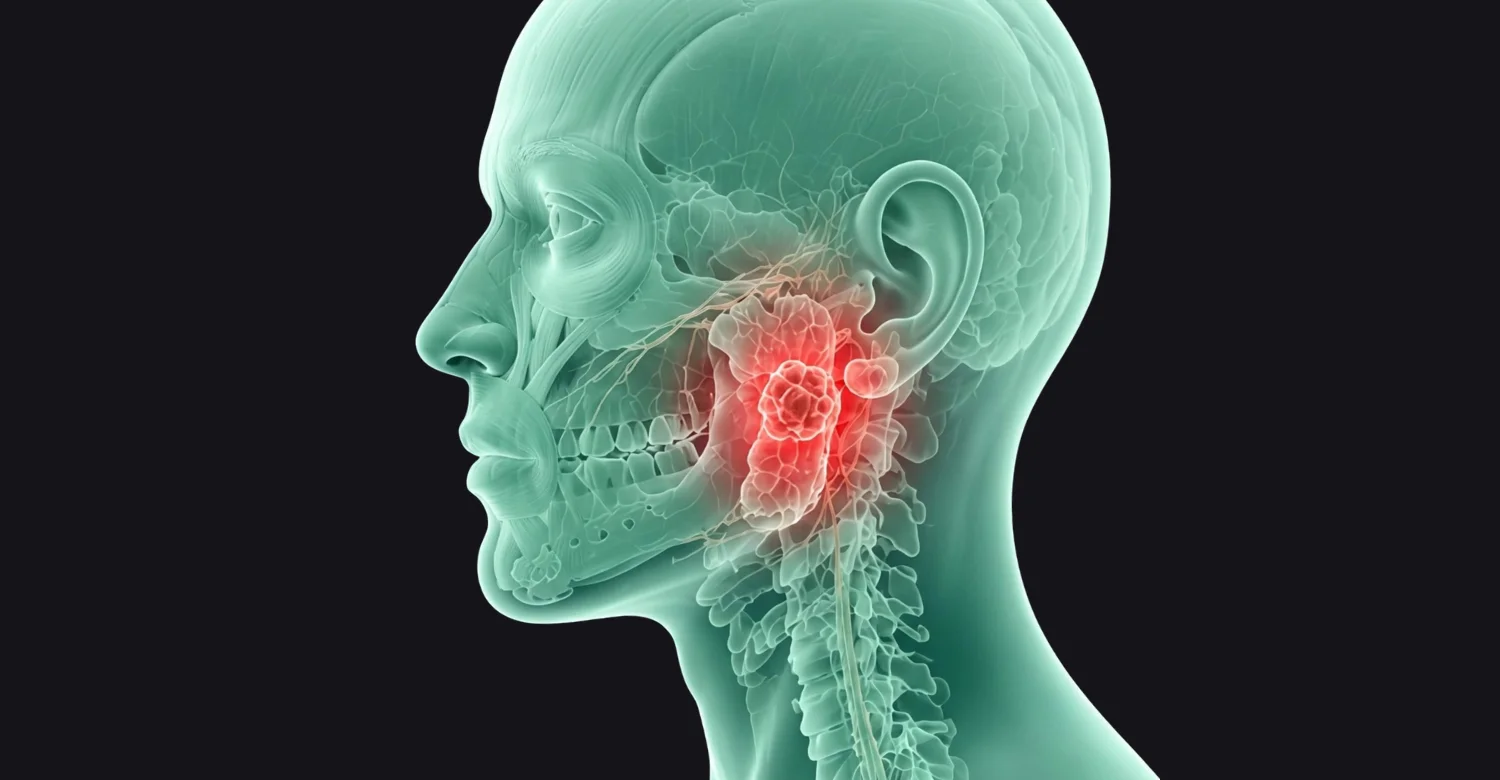
Parotid gland cancer is a malignant growth that begins in the tissues of the salivary glands. These glands produce saliva, which keeps the mouth moist, helps digestion, and protects the teeth. There are three pairs of major glands: the parotid, submandibular, and sublingual glands. Hundreds of minor glands also line the mouth and throat. Not every growth in these glands is cancer. Many tumors are benign, so finding a lump does not establish a diagnosis. Location matters because it shapes which symptoms appear. Compared with many other cancers, malignant salivary tumors are rare.
Which Salivary Glands Are Most Commonly Affected?
The parotid gland, located in front of each ear, is the most common site for salivary tumors. Most parotid tumors are benign. The submandibular gland sits below the jaw. Tumors there are less frequent but more likely to be malignant. The sublingual gland lies under the tongue and is rarely affected. Minor salivary glands are found in the palate, lips, cheeks, and other parts of the mouth. A tumor's location influences whether a person notices swelling, a mouth lump, or nerve-related symptoms.
Why Can Parotid Gland Cancer Be Difficult to Recognize?
Early changes are often subtle. Many tumors first appear as a small, painless lump that grows slowly. Because it does not hurt, people may ignore it for months. Similar lumps can come from benign tumors, blocked ducts, infections, cysts, or swollen lymph nodes. A small growth on the palate may feel like a harmless bump. Appearance alone cannot confirm or rule out cancer. Only a proper clinical assessment, often with imaging and tissue testing, can clarify what a lump actually is.
Explore the difference in Dental Implants vs Snap-In Dentures
Salivary Gland Cancer Symptoms and Early Signs You Should Know
Salivary gland cancer symptoms vary from person to person. They depend mainly on where the tumor grows. They also depend on whether it affects nearby nerves, muscles, or other structures. A tumor in the parotid gland may cause swelling near the ear. One in the palate may feel like a firm bump in the mouth. Some people notice several changes, while others notice only one. Some notice nothing at first. Knowing the range of possible signs helps you recognize when a change deserves professional attention.
What Are the First Symptoms of Parotid Gland Cancer?
When people search for salivary gland cancer first symptoms, they usually want to know what appears early. The most common early sign is a new lump or swelling around the ear, cheek, jaw, mouth, or neck. Other possible early changes include:
A persistent change in facial symmetry
A persistent mouth or palate ulcer
Facial numbness or facial weakness
Persistent pain in the face or jaw
Difficulty opening the mouth
Difficulty swallowing
Pain or discomfort around the ear, when the parotid area is involved
What Are the Main Salivary Gland Cancer Symptoms and Signs?
It helps to organize salivary gland cancer symptoms and signs by area:
Face and jaw: swelling, uneven facial appearance, or persistent pain
Mouth: a lump, swelling, or an ulcer that does not heal
Nerves: numbness or weakness on one side of the face
Jaw movement: difficulty opening the mouth fully
Throat: difficulty swallowing
Ear region: swelling or discomfort near the ear, linked to parotid tumors
None of these signs proves cancer. Each one simply deserves a closer look if it persists or worsens.
Can Salivary Gland Cancer Cause Pain?
Many salivary gland tumors cause no pain, especially in the early stages. This is why a painless lump should not be dismissed. Pain can occur, however. It may develop if a tumor grows larger or presses on nearby nerves. Persistent pain becomes more concerning when it appears with other unexplained changes, such as a lump or numbness. Pain alone does not signal malignancy. Infections, blocked ducts, dental problems, and jaw joint issues cause facial pain far more often.
Can Parotid Gland Cancer Affect Facial Movement or Sensation?
Yes, in some cases. The facial nerve passes directly through the parotid gland. It controls the muscles used for smiling, blinking, and raising the eyebrows. Other nerves near the salivary glands carry sensation to the face and mouth. A malignant tumor can sometimes press on or grow into these nerves. This may cause numbness, weakness, or paralysis on one side of the face. Such changes require medical evaluation. Still, conditions like Bell's palsy cause facial weakness far more often.
Find out what causes and treats White Spots on Teeth
Tips for Patients
Practical habits make appointments more useful:
Track a new change: Note when a lump, ulcer, pain, or swelling first appeared and whether it is changing.
Do not rely on online pictures: Use images for education, not self-diagnosis.
Bring your medication list: Tell your dental and medical teams about current treatments.
Mention nerve-related changes: Report facial numbness, weakness, or altered movement clearly.
Bring previous records: Take relevant scans, biopsy reports, and specialist letters to appointments.
What Causes Salivary Gland Cancer and Who May Be at Higher Risk?
The exact cause of most cases is not known. Researchers have identified risk factors, but a risk factor is not a direct cause. It simply means something is linked with a higher chance of developing the disease. Having one or more risk factors does not mean a person will develop cancer. Many people with risk factors never do. Understanding these links can still help people and their doctors stay alert to changes that deserve attention.
Radiation Exposure
Previous radiation treatment involving the head and neck is a recognized risk factor. This includes radiation given for other cancers or, in the past, for certain non-cancerous conditions. The increased risk may appear many years after exposure. This does not mean everyone exposed to radiation will develop a salivary tumor. Most will not. People with this history should mention it during medical and dental visits. This allows new changes to be assessed with the right context and appropriate attention.
Age and Occupational Exposure
Risk generally increases with age, and most cases are found in older adults. Still, these tumors can occur at any age, including in younger people. Some medical references also mention certain workplace exposures. These include rubber manufacturing and exposure to some metal or mineral dusts, such as nickel alloy or silica dust. The evidence for these links is limited. Each factor appears to raise risk only modestly. Occupational history is one piece of information, not a prediction.
Why Some People Develop Salivary Gland Cancer Without an Obvious Risk Factor
Many people who receive a diagnosis have no clear risk factor at all. They never had head and neck radiation, and their work involved no known exposures. This is common with rare cancers. Cells can develop genetic changes for reasons that are not yet understood. For this reason, the absence of known risk factors does not eliminate the possibility of disease. A persistent lump or unexplained change still deserves evaluation, whatever your age, history, or lifestyle.
Learn about managing Amelogenesis Imperfecta
Parotid Gland Cancer Symptoms and Other Changes That May Appear Together
Symptoms often mean more in combination than alone. A single, short-lived change is usually caused by something minor. A group of changes that persist together is different. For example, a persistent lump combined with facial numbness, or a lump with ongoing pain, deserves prompt evaluation. On the other hand, swelling that appears during a cold and settles within days is commonly linked to infection. Looking at the whole pattern helps you and your clinician decide how quickly to act.
A Lump With Facial Numbness or Weakness
This combination can require more urgent assessment. A lump suggests growth, while numbness or weakness suggests that a nerve may be affected. When both appear together, clinicians may be concerned about possible nerve involvement. Nerve involvement can be a feature of some malignant tumors, which is why this pairing is taken seriously. It does not confirm cancer, since other conditions can occasionally cause both. Still, it should be examined without delay rather than monitored at home.
A Mouth Lump or Ulcer That Does Not Heal
Most mouth sores heal within about two weeks. A lump or ulcer that lasts longer should be examined. Minor salivary gland tumors often appear as a firm swelling on the palate, lips, or cheek. Some may develop an ulcer on the surface. However, many other causes exist. Cheek biting, sharp tooth edges, poorly fitting dentures, infections, and inflammatory conditions can all cause oral lesions. A dentist or doctor can assess the area and decide whether further testing is needed.
Jaw or Swallowing Changes
Difficulty opening the mouth, called trismus, can occur when a tumor affects the jaw muscles or nearby tissues. Difficulty swallowing can develop when a growth affects the throat or the back of the mouth. Both changes are more often caused by dental infections, jaw joint problems, or throat conditions. Even so, persistent functional changes should not simply be monitored indefinitely. If they last or worsen over several weeks, a professional assessment is the sensible next step.
Can You Identify Early-Stage Salivary Gland Cancer From Pictures?
Many people search for early-stage salivary gland cancer pictures, hoping to compare a lump with online images. Unfortunately, photographs cannot reliably show whether a salivary mass is cancerous. Early tumors often cause little or no visible external change. Benign and malignant growths can also look identical. Early stage Parotid gland cancer pictures in medical sources are meant for education, not diagnosis. Reaching a diagnosis may require a physical examination, imaging, and a biopsy.
What Might an Early Salivary Gland Abnormality Look Like?
Searches for first stage early stage salivary gland cancer pictures often show a smooth swelling in front of the ear, a lump below the jaw, or a firm bump on the palate. These visible findings are possible, but none of them is diagnostic. Benign tumors, cysts, and infections can look exactly the same.
Use such visuals to understand anatomy, not to judge your own symptoms.
Why Pictures Alone Cannot Confirm Salivary Gland Cancer
Appearance shows only the surface. A diagnosis depends on what the cells look like under a microscope. This is called a tissue diagnosis. A biopsy removes a small sample of cells or tissue for testing. Fine-needle aspiration is commonly used in the evaluation of salivary gland lumps. It uses a thin needle to draw out cells, usually with little discomfort. A pathologist then examines the sample. Only this process can confirm whether a growth is benign or malignant.
Discover when pocket reduction is needed in Osseous Surgery
Clinical Note
Dr. Rifat Alsaman, Head of the Medical Team and cosmetic dentist at Vitrin Clinic, notes that patients often arrive worried after comparing a lump with online images. In his view, the most useful information is not how a change looks. It is how long it has lasted, whether it is growing, and what symptoms accompany it. A painless swelling that persists deserves the same attention as a painful one. When a finding falls outside routine dental care, prompt medical referral is the safest next step.
When Should You See a Doctor About Possible Salivary Gland Cancer Symptoms?
Short-lived changes are common and usually harmless. A swollen gland during a cold, or a mouth sore that heals within days, rarely needs concern. Observation should stop, however, when a change persists or progresses. As a general guide, a lump, ulcer, or symptom lasting more than two to three weeks deserves professional assessment. So does any change that grows, spreads, or brings new symptoms. Your doctor or dentist is a reasonable first point of contact.
Red Flags That Should Not Be Ignored
Seek assessment if you notice:
A new or persistent lump
Facial numbness or weakness
Persistent facial, jaw, ear, or mouth pain
A persistent mouth or palate ulcer
Difficulty swallowing
Difficulty opening the mouth
Noticeable facial or neck asymmetry
Symptoms that progressively worsen
These signs can have causes other than cancer. Infections, dental problems, and benign growths are frequent explanations. However, persistent changes warrant assessment, because early evaluation gives the clearest picture and the widest range of options.
Understand the role of Gutta Percha Solvents in Root Canal Retreatment
How Is Salivary Gland Cancer Diagnosed?
Diagnosis is a medical process. It cannot be established from symptoms or photographs alone. The process usually begins with a clinical examination and a medical history. If a lump or abnormality is found, imaging tests help show its size, location, and relationship to nearby structures. A tissue sample is then usually needed to confirm what the growth is. Because salivary tumors come in many subtypes, review by a specialist pathologist can be important for an accurate diagnosis.
Clinical Examination
The first step is a conversation and a careful examination. A clinician will usually:
Take a medical history, including symptoms and how long they have lasted
Perform a head and neck examination, including the lymph nodes
Examine the mouth and feel the salivary gland areas
Assess facial movement and sensation when indicated
This examination helps decide whether imaging or referral to a head and neck specialist is needed. It is also the right moment to mention any past radiation treatment.
Imaging Tests
Imaging helps doctors see what cannot be felt. MRI is often preferred for salivary tumors because it shows soft tissues and nerves in detail. CT scans or other imaging may be used when clinically indicated, for example to assess bone or the neck. Ultrasound is also common for lumps near the surface. PET imaging may be used in selected situations. Together, these tests help assess tumor location, size, and possible spread to other areas.
Biopsy and Tissue Diagnosis
A biopsy means taking a small sample of cells or tissue for testing. For many salivary lumps, the first choice is fine-needle aspiration. A thin needle, sometimes guided by ultrasound, draws cells from the lump. The procedure is quick and usually does not need general anesthesia. In some cases, a core needle biopsy or surgery provides more tissue. A pathologist then examines the cells under a microscope to determine whether the growth is benign or malignant, and which type it is.
Learn how to prevent enamel loss from Sports Drinks and Dental Erosion
How Is Salivary Gland Cancer Treated?
Treatment depends on several factors. These include the tumor type, location, stage, and grade. They also include whether the cancer has spread and the patient's overall health. Because there are many salivary tumor subtypes, no single treatment suits everyone. A specialist team designs an individualized plan. That plan may involve one treatment or a combination. Patients should feel free to ask their team why an approach was recommended and what it involves.
Surgery
Surgery is a major treatment for many localized salivary tumors. The goal is to remove the tumor with a margin of healthy tissue. The extent of surgery varies. Some patients need part of a gland removed, while others need the whole gland. Surgeons try to protect the facial nerve whenever possible. If lymph nodes may be involved, lymph-node surgery in the neck may be added. Recovery can include swelling, numbness, or temporary facial weakness, and results differ between people.
Radiation Therapy
Radiation therapy uses high-energy beams to destroy cancer cells. It is often given after surgery when there is a higher risk that cancer cells remain. It may also be used as another treatment approach when surgery is not suitable. Its purpose is to control the disease in the treated area. Side effects can include dry mouth, mouth soreness, taste changes, and difficulty swallowing. Some effects are temporary, while others last. These effects require ongoing professional management.
Chemotherapy, Targeted Therapy, and Immunotherapy
Systemic treatments travel through the bloodstream. Chemotherapy is not routinely used for every patient. It is usually considered in selected advanced or recurrent cases. Targeted therapy acts on specific features of cancer cells, such as certain proteins or gene changes found in some salivary tumors. Immunotherapy helps the immune system recognize cancer cells and may be considered in selected situations. Treatment selection depends heavily on tumor biology, test results, and how far the disease has spread.
Multidisciplinary Cancer Care
Care is often shared by a team. This may include head and neck surgeons, radiation oncologists, medical oncologists, and pathologists. Dentists and oral and maxillofacial specialists help protect oral health before, during, and after treatment. Nutrition professionals support eating and weight. Rehabilitation specialists, including speech and swallowing therapists, help restore function. Coordination between medical and dental care matters, because decisions in one area can affect the other. Clear communication keeps everyone working toward the same goal.
Understand the connection between Circulatory System Diseases and Periodontal Disease
What Happens to Your Oral Health During and After Cancer Treatment?
Cancer treatment in the head and neck area can change the mouth in many ways. Surgery may alter how the jaw or tongue moves. Radiation can reduce saliva and make tissues more sensitive. Some systemic treatments can cause mouth sores. These changes can affect comfort, eating, speaking, and daily dental care. Dental support does not treat cancer itself. Instead, it helps protect teeth and gums and keeps the mouth as comfortable and healthy as possible.
Why Oral Health May Need Extra Attention
Saliva protects the teeth by washing away bacteria and neutralizing acids. When saliva decreases, the risk of tooth decay and gum problems can rise. A dry or sore mouth can make swallowing and eating harder, which may affect nutrition. Dental care may also become more complex, especially near treated areas. Every patient responds differently. An individualized assessment helps identify which risks matter most and what support suits each person's situation.
Dental Assessment Before or During Cancer Treatment
A dental evaluation can be a useful part of coordinated care. Before certain cancer treatments, such as head and neck radiation, the treatment team may recommend checking for existing dental problems. Infected or damaged teeth may be treated in advance when medically appropriate. This can help lower the risk of complications later. Requirements differ between patients and treatment plans, so there is no universal rule. The oncology team and dentist should agree on timing together.
Supporting Oral Hygiene During Recovery
Simple, consistent habits can protect the mouth during recovery:
Gentle oral hygiene: use a soft toothbrush and mild toothpaste.
Appropriate hydration: sip water regularly when medically permitted to ease dryness.
Regular professional follow-up: attend check-ups as advised by your dental and medical teams.
Prompt reporting of unusual oral changes: mention new sores, swelling, bleeding, or pain early.
Avoid harsh, alcohol-based mouthwashes unless your team recommends them. Small daily steps can make eating, speaking, and healing more comfortable.
Learn about the causes and solutions for Habitual Jaw Clenching and Tooth Wear
What We Notice Clinically
Dr. Rifat Alsaman, Head of the Medical Team and cosmetic dentist at Vitrin Clinic, emphasizes that unexplained oral or facial changes should be assessed based on their duration, location, progression, and accompanying symptoms, rather than judged from appearance alone. Dr. Rifat Alsaman, Head of the Medical Team and cosmetic dentist at Vitrin Clinic, considers careful dental and oral examination important when a patient presents with an unusual persistent finding. If that finding raises concern for a condition outside routine dental care, appropriate medical referral should take priority.
Can Salivary Gland Cancer Be Prevented?
There is no guaranteed way to prevent every case. Many people develop the disease without any known risk factor. The main recognized risks, such as age, cannot be changed. Awareness still helps. Knowing about risks like past head and neck radiation allows closer attention to new changes. Following workplace safety rules around industrial dust may also be sensible. Routine dental care does not prevent this cancer, but it can support earlier recognition of unusual changes.
What You Can Do to Support Early Recognition
You can play an active role in noticing changes early:
Know your normal: learn how your face, jaw, cheeks, and palate usually look and feel.
Watch for persistence: pay attention to changes that last, not brief ones.
Attend appropriate dental examinations.
Report changes: mention unexplained lumps, ulcers, numbness, or functional changes promptly.
Follow medical advice: stick to recommendations if you have known risk factors.
Early recognition does not guarantee an outcome, but it can lead to earlier assessment and clearer answers.
Find out how thick saliva impacts recovery in Salivary Viscosity and Root Canal Retreatment Healing
Salivary Gland Cancer: Understanding Prognosis and the Concern About Dying
Worries about dying from salivary gland cancer are understandable. Patients and families often search this question after hearing a diagnosis or while waiting for results. The honest answer is that prognosis cannot be determined from symptoms alone. It depends on tumor type, grade, stage, location, spread, and overall health. Early-stage, low-grade tumors and advanced, high-grade disease are not medically equivalent. Your oncology team is best placed to discuss your individual prognosis with you.
Takeaway: Recognizing Changes Early Matters
Salivary gland cancer is uncommon, and most lumps or mouth changes turn out to be less serious. Still, some signs deserve attention. These include a persistent lump near the ear, jaw, or neck, a mouth ulcer that does not heal, facial numbness or weakness, ongoing pain, and difficulty swallowing or opening the mouth.
A lump or oral change does not automatically mean cancer. However, persistent or progressive changes should be professionally evaluated. If you notice one, seek appropriate medical assessment and keep your dental care coordinated with your medical team where relevant.
Vitrin Clinic and Oral Health Support During Complex Medical Care
At Vitrin Clinic, dental assessment is individualized according to each person's oral condition and broader medical circumstances. A comprehensive dental examination reviews teeth, gums, soft tissues, and oral function. Intraoral scanning and 3D/CBCT imaging may be used when clinically indicated, not as mandatory steps. Where restorative, periodontal, implant, or cosmetic needs exist, the team plans care in coordination with the patient's medical specialists. Suspected or confirmed salivary tumors require head and neck and oncology specialist care. Vitrin Clinic's role centers on oral health assessment and dental support, not cancer diagnosis or treatment.
.jpg)
.jpg)
.jpg)
Ready to transform your smile?
Talk to our team and get a FREE treatment plan.
References:
FAQs
Dr. Rifat Alsaman has more than 5 years of clinical experience in dentistry and currently serves as the Head of the Medical Team at Vitrin Clinic. He is dedicated to providing exceptional patient care, overseeing treatment planning, and ensuring the highest clinical standards across the team. His expertise, attention to detail, and commitment to continuous professional development have helped countless patients achieve healthier, more confident smiles.


