

Bone diseases in mouth can affect the jawbones, teeth, gums, and overall oral function. Some conditions begin locally in the jaw, while others reflect an underlying systemic bone or metabolic disorder. Patients should not assume that jawbone changes are simply a normal dental problem; they can signal something deeper. Warning signs include jaw pain, swelling, unexplained tooth mobility, changes in the bite, delayed healing, or visible bone loss. A dentist plays a key role in identifying suspicious changes and deciding whether further imaging or medical assessment is needed.
Bone Diseases in Mouth: What Do They Mean?
Bone diseases in mouth describe a range of conditions that affect the jaw's structure and function. Some are primarily local, starting in the jaw itself. Others are systemic diseases that influence jawbone health from elsewhere in the body. Bone changes can also result from infection, inflammation, trauma, or existing dental disease. The maxilla and mandible are clinically important because they support the teeth and maintain facial structure. Understanding the link between bone disease and dental health matters more than treating a visible symptom alone identifying the true cause guides better care.
How Jawbone Health Supports Teeth
Alveolar bone anchors and supports tooth roots, holding each tooth firmly in place. When this supporting bone is progressively lost, teeth can loosen, shift, or become unstable. Bone quality and quantity directly affect chewing function and future dental treatment options, including implants. This is one reason bone diseases in mouth deserve early attention rather than being dismissed. Reduced bone volume can also limit which restorative procedures remain possible later, making early evaluation especially valuable for long-term oral stability.
Oral Bone Diseases vs. Systemic Bone Conditions
Oral bone diseases can originate entirely within the oral cavity, often linked to infection or dental disease. Systemic bone conditions, by contrast, begin elsewhere and later affect oral tissues. Not every case of jawbone loss represents osteoporosis or another systemic bone disease. Many cases relate to periodontal disease, trauma, or localized infection instead. Distinguishing between these categories is essential, since treatment approaches differ significantly depending on whether the cause is local or systemic in origin.
What Are the Most Common Bone Diseases Affecting the Mouth?
Several conditions fall under bone diseases affecting the mouth, though not every patient will develop them. Dentists may encounter these conditions during routine exams or when patients report persistent symptoms. Understanding the most frequent diseases that affect jaw bones helps patients recognize when something warrants closer evaluation, without causing unnecessary alarm over ordinary dental wear or minor gum changes.
Osteoporosis and Jawbone Health
Osteoporosis involves reduced bone density throughout the body, including potentially the jaw. It may have some relationship with supporting bone around the teeth. However, osteoporosis should not automatically be considered the sole cause of tooth loss. Many other factors, including periodontal disease, often play a larger role. Bone diseases in the mouth linked to osteoporosis require careful evaluation rather than assumption, since overlapping causes are common in older patients with long dental histories.
Osteonecrosis of the Jaw
Osteonecrosis refers to bone tissue death, sometimes related to certain medications or other medical factors. Clinical signs include exposed bone, persistent pain, swelling, delayed healing, and infection. Recognizing these signs early is important, since osteonecrosis can progress if left unaddressed. Patients on specific medication types should mention this history to their dentist, as it directly affects how bone disorders in the jaw are assessed and monitored over time.
Osteomyelitis of the Jaw
Osteomyelitis is an infection and inflammation of the jawbone itself. It may stem from dental sources, trauma, or other underlying causes. The condition can present acutely, with sudden pain and swelling, or chronically, with longer-lasting, low-grade symptoms. Because osteomyelitis can mimic other dental problems, careful clinical evaluation is necessary to confirm the diagnosis and determine an appropriate treatment path before symptoms worsen further.
Fibrous Dysplasia
Fibrous dysplasia occurs when abnormal fibrous tissue gradually replaces normal bone. This can lead to facial asymmetry, swelling, or noticeable changes in the bite over time. Because the condition develops slowly, patients may not notice changes until they become significant. Recognizing fibrous dysplasia as one of several diseases that affect jaw bones helps set realistic expectations for monitoring and long-term management alongside routine dental care.
Paget's Disease of Bone
Paget's disease involves abnormal bone remodeling that can affect facial and jaw structures. This may create dental implications, including changes in tooth spacing or bite alignment. Because the condition affects bone turnover throughout the skeleton, dental changes are sometimes an early indicator. Coordinated monitoring between dental and medical providers helps track how bone diseases in mouth related to Paget's disease evolve over time.
Jaw Cysts and Other Bone Lesions
Not all jaw lesions are malignant, many are benign cysts or growths. Imaging is important for identifying a lesion's nature and extent before deciding on treatment. Referral to an oral and maxillofacial specialist may be appropriate for complex or unclear cases. Careful assessment prevents both unnecessary worry and delayed treatment, ensuring lesions are managed according to their actual clinical significance rather than assumption.
What Are the Symptoms of Jaw Bone Diseases?
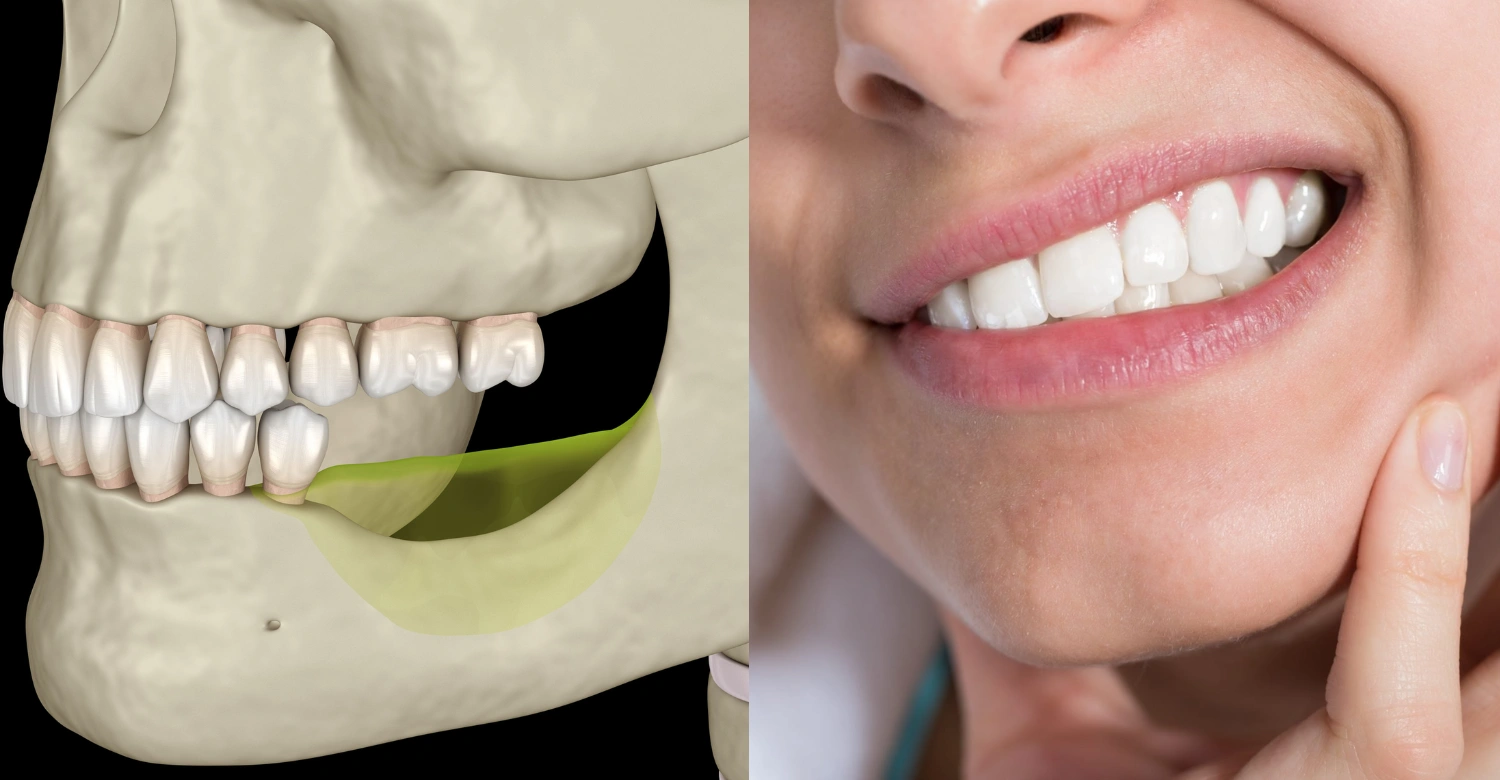
Recognizing unusual, persistent, or progressive changes matters greatly with jaw bone diseases and symptoms. Many oral bone conditions develop gradually, making early signs easy to overlook. Patients who understand common warning indicators are better positioned to seek timely evaluation, which can help prevent complications and support more effective long-term treatment planning.
Jaw Bone Diseases and Symptoms to Watch For
Key symptoms include persistent jaw pain, swelling, facial asymmetry, and unexplained tooth mobility. Other signs include changes in the bite, loose teeth, and difficulty chewing. Exposed bone, delayed healing after extraction, and recurrent infection are also significant. Numbness, altered sensation, or unexplained changes around tooth roots warrant prompt attention. Recognizing these signs early supports faster diagnosis for bone diseases in the mouth and better outcomes overall.
Oral Symptoms of Bone Disease
Systemic bone disorders sometimes produce oral symptoms of bone disease, though not always obviously. Oral symptoms alone cannot establish a diagnosis on their own. A complete medical and medication history helps the dentist interpret findings accurately. Sharing this information allows for a more precise evaluation, connecting oral changes with any broader systemic condition that may be contributing to jawbone or dental symptoms.
Tips for Patients
Brush twice daily with fluoride toothpaste and clean between teeth regularly. Attend professional dental cleanings when recommended by your provider. Avoid smoking, since it can impair oral healing and negatively affect periodontal health. These simple habits support healthier bone and gum tissue over time. Combined with regular checkups, they reduce the likelihood of complications related to bone diseases in mouth going unnoticed.
Maintain Regular Dental Examinations
Routine examinations allow early detection of subtle jawbone changes before they progress. High-risk patients, including those with prior medical conditions, may require closer monitoring. Regular visits also give the dentist a baseline for comparison over time. This ongoing observation is especially valuable for catching bone loss in the jaw early, when management options are typically more effective and less invasive.
Keep Your Dentist Informed About Your Medical History
Provide a complete list of current medications at every visit. Mention previous cancer treatment, bone disorders, surgeries, and any relevant medical diagnoses. This information directly shapes how your dentist interprets oral findings and plans care. Without a full history, some risk factors for bone diseases in the mouth may go unrecognized until symptoms become more advanced and harder to manage.
Do Not Ignore Persistent Oral Changes
Seek professional assessment for persistent swelling, unexplained tooth mobility, or ongoing jaw pain. Exposed bone, delayed healing, new facial asymmetry, or persistent numbness also warrant evaluation. These signs should never be dismissed as routine aging or minor irritation. Early assessment allows dentists to investigate the underlying cause before bone diseases in mouth progress further or become more difficult to treat.
What Causes Bone Diseases Affecting the Mouth?
Multiple factors contribute to bone diseases affecting the mouth, ranging from local infection to systemic illness. Understanding these causes helps patients and dentists work together toward accurate diagnosis. No single factor explains every case, which is why a thorough evaluation matters before assigning a cause to any particular symptom.
Systemic Conditions
Examples include osteoporosis, metabolic bone disorders, and certain endocrine conditions. Broader conditions affecting bone metabolism can also play a role. These systemic factors may influence how the jawbone responds to routine dental treatment or healing after procedures. Recognizing systemic contributors is an important part of understanding bone disorders in the jaw, since treatment often requires coordination beyond dentistry alone.
Infection and Inflammation
Dental infections, periodontal disease, and post-extraction infection are common local causes. Chronic inflammation can also gradually damage supporting bone over time. Left unaddressed, these processes may contribute to bone loss in the jaw and affect nearby teeth. Prompt treatment of infection and inflammation helps limit their impact on jawbone structure and overall oral health.
Medications and Medical Treatments
Certain medications can influence bone healing or jawbone health in specific circumstances. It's important to tell your dentist about all prescribed medications before any procedure. Patients should never stop medication without medical supervision, even if a connection to oral health is suspected. This information helps dentists plan safer, more informed treatment for bone diseases in the mouth.
Trauma and Previous Dental Procedures
Jaw injuries, complex extractions, and previous surgery can all affect jawbone integrity. Radiation therapy involving the head and neck is another contributing factor in some cases. These events may alter bone healing capacity long after the original procedure. Dentists consider this history carefully when assessing new symptoms related to bone disease and dental health.
How Are Oral Bone Diseases Diagnosed?
Diagnosis of oral bone diseases should be systematic rather than based on symptoms alone. A structured process combining examination, imaging, and history review provides the clearest picture. This approach helps avoid both overtreatment and missed diagnoses, ensuring that any plan addresses the actual underlying condition.
Clinical Dental Examination
The dentist assesses teeth, periodontal tissues, and jaw swelling during examination. Tooth mobility, bite changes, and soft-tissue abnormalities are also reviewed carefully. Pain and tenderness provide additional clues about the underlying issue. This hands-on assessment forms the foundation for deciding whether further testing is needed for suspected bone diseases in mouth.
Dental Imaging
Periapical X-rays and panoramic X-rays offer initial views of jawbone structure. CBCT scans provide more detailed three-dimensional information when needed. Other advanced imaging may be used when clinically indicated. Imaging helps confirm the extent of bone involvement, guiding decisions about whether additional medical evaluation is warranted.
Medical Evaluation and Laboratory Tests
A dentist may recommend medical investigation when systemic disease is suspected. Blood tests can help identify metabolic or systemic contributors to jawbone changes. This collaborative approach ensures that oral symptoms of bone disease are properly connected to any broader health condition, rather than treated in isolation without full context.
When Is a Biopsy Necessary?
Suspicious lesions may require tissue sampling to confirm their nature. A biopsy provides definitive information that imaging alone cannot always offer. Referral to the appropriate specialist is emphasized when biopsy is necessary. This step ensures that any findings related to bone diseases in mouth are investigated thoroughly and accurately.
How Are Jaw Bone Problems and Treatment Approaches Determined?
Treatment for jaw bone problems and treatment planning depends entirely on the underlying diagnosis. There is no single approach that fits every case. Instead, findings from examination, imaging, and any laboratory work guide a personalized plan tailored to the specific condition identified.
Treating Infection or Inflammation
Dental infection management may include drainage when clinically required. Antibiotic therapy is used when indicated by the clinical picture. Removing the source of infection is often essential for resolution. Addressing infection promptly helps prevent further complications tied to bone diseases in mouth and supports healthier healing afterward.
Managing Bone Loss in the Jaw
Treating the underlying periodontal or systemic cause is the priority for bone loss in the jaw. Some cases call for monitoring, while others require active intervention. Severe bone loss may need specialist treatment beyond general dentistry. The right path depends heavily on the extent and cause identified during diagnosis.
Surgical Treatment for Jaw Lesions
Surgical removal or biopsy may be considered for certain jaw lesions. Complex lesions often warrant specialist referral for further management. This ensures that treatment matches the lesion's specific characteristics. A cautious, evidence-based approach helps avoid unnecessary procedures while addressing genuinely concerning findings appropriately.
Managing Systemic Bone Conditions
Coordinated dental and medical care is important for systemic bone conditions affecting the jaw. Dental treatment should never replace systemic medical management. Instead, both fields work together toward better outcomes. This teamwork approach reflects how seriously bone disease and dental health are connected in complex cases.
What Are the Benefits of Treating Bone Diseases in the Mouth?
Treating bone diseases in mouth early offers several meaningful benefits for long-term oral health. Addressing the underlying cause, rather than just visible symptoms, tends to produce more stable and lasting results for patients across different conditions.
Protecting Teeth and Supporting Structures
Timely treatment can reduce disease progression where possible. Preserving healthy supporting bone helps protect remaining teeth from further loss. This proactive approach is central to maintaining stability around teeth affected by bone diseases in mouth, especially when addressed before significant structural damage occurs.
Improving Oral Function
Better chewing ability often follows appropriate treatment of jawbone issues. Improved comfort and reduced pain support daily oral function. Greater stability of the bite also becomes possible once underlying causes are addressed. These functional improvements matter significantly for everyday quality of life and long-term dental health.
Reducing the Risk of Complications
Treatment lowers the risk of untreated infection spreading further. It also supports better management of abnormal lesions before they progress. Earlier detection of potentially serious conditions is another key benefit. Together, these outcomes highlight why timely evaluation of bone diseases in mouth matters for long-term prevention.
Before-and-After Expectations
Outcomes depend heavily on the diagnosis and its severity. Before treatment, pain, swelling, or unstable teeth may be present, with imaging showing bone loss or a lesion. After appropriate treatment, infection or inflammation may improve, along with reduced pain and better oral function. Bone recovery varies considerably and should never be guaranteed.
Clinical Note
Jawbone abnormalities can have multiple possible causes. Symptoms such as bone loss, swelling, or tooth mobility are not diagnostic by themselves. Clinical examination and appropriate imaging remain essential before drawing conclusions. Treatment should always be based on a confirmed diagnosis rather than symptoms alone, particularly with complex bone diseases in the mouth.
Dr. Rifat Alsaman's Clinical Note
Dr. Rifat Alsaman advises patients not to delay assessment when jawbone changes are persistent or unexplained. As Head of the Medical Team at Vitrin Clinic, Dr. Rifat Alsaman emphasizes individualized diagnosis and treatment planning. Imaging can help determine whether a change relates to periodontal disease, infection, or another underlying condition, since complex cases may require collaboration between dental and medical specialists.
When Should You See a Dentist About Bone Diseases in Mouth?
Recognizing when to seek evaluation for bone diseases in mouth can prevent complications from progressing unnoticed. Persistent or unusual changes should never be ignored, particularly when they don't resolve within a reasonable timeframe.
Book an Evaluation If You Notice
Persistent jaw pain or swelling that does not resolve deserves attention. Loose teeth without an obvious cause, unexplained bone exposure, or changes in your bite are also signals. Delayed healing following extraction, recurrent infections, and numbness or altered sensation should prompt a professional evaluation for possible bone diseases in mouth.
When Is Urgent Assessment Needed?
Rapidly increasing facial swelling requires urgent evaluation without delay. Severe pain with signs of infection also warrants immediate attention. Difficulty swallowing or breathing, significant bleeding, or rapidly developing facial changes are emergencies. These situations should never wait for a routine appointment and need prompt professional care.
What We Notice Clinically
Dr. Rifat Alsaman, Head of the Medical Team at Vitrin Clinic and a cosmetic dentist, notes that jawbone abnormalities may initially appear as changes in tooth stability, swelling, bite, or healing rather than an obvious "bone disease." Comparing current imaging with previous dental records, when available, adds valuable context. Unexplained bone loss should be investigated rather than automatically attributed to ageing or routine gum disease, with further evaluation sought when changes persist.
Why Clinical Examination Comes Before Treatment
Establishing a diagnosis must come before recommending surgery, implants, extraction, or other procedures. Individualized treatment planning depends on understanding the true underlying cause first. Skipping this step risks addressing symptoms without resolving what's actually driving them, which can allow bone diseases in the mouth to progress despite treatment efforts.
Why Choose Vitrin Clinic for Oral and Dental Evaluation?
Vitrin Clinic emphasizes structured dental assessment for patients concerned about bone diseases in the mouth. Modern diagnostic imaging is used when clinically appropriate, supporting individualized treatment planning based on examination findings. Dr. Rifat Alsaman, Head of the Medical Team at Vitrin Clinic and a cosmetic dentist, oversees this approach. Patients with suspected systemic or complex bone conditions may be referred for collaboration with appropriate medical specialists, with a consistent focus on education, diagnosis, treatment planning, and follow-up.
What Patients Can Expect
An initial consultation begins the process, followed by a thorough clinical examination. Relevant dental imaging supports accurate assessment of jawbone health. Findings are discussed openly before a personalized treatment plan is developed. Follow-up and monitoring are included when required, ensuring ongoing attention to any diagnosed bone diseases in mouth over time.
Book a Dental Consultation
Patients with persistent jaw symptoms or unexplained oral changes are encouraged to arrange a professional assessment. Diagnosis comes first, treatment second no specific procedure is promised in advance. A structured evaluation at Vitrin Clinic helps clarify whether symptoms relate to bone diseases in the mouth or another dental or medical cause.


.webp&w=3840&q=75)

