
Copper Deficiency and Tooth Damage are linked through copper's role in enamel and gum health. Copper helps stabilize enamel minerals and supports collagen in the gums. It is not a bulk building block like calcium. Still, a shortage can weaken enamel's resistance to acid. It may also reduce collagen strength in the gums. This can raise the risk of decay and gum problems.
What Is Copper Deficiency and How Can It Affect the Body?
Copper deficiency occurs when the body lacks enough of this trace mineral. This mineral supports normal collagen formation, immune defense, and mineral stabilization. Broader effects include impaired growth, weakened bones, and anemia. These systemic impacts are part of why researchers study Copper Deficiency and Tooth Damage alongside general nutrition.
What Is Copper and Why Is It Important?
Copper is a trace mineral. It is involved in collagen cross-linking, enzyme activity, and mineral stabilization throughout the body. Copper is present in teeth only in small amounts. Still, it plays a protective role at the enamel surface. It helps resist acid dissolution. This is a key reason it matters for long-term dental resilience.
What Causes Low Copper Levels?
Low copper levels can result from several factors. These include inadequate diet, malabsorption conditions, excessive zinc supplementation, or certain digestive surgeries. Zinc and copper interact antagonistically in the body. Because of this, high-dose zinc use is a common contributor to deficiency. Restrictive diets lacking copper-rich foods are another background factor behind this connection.
Common Copper Deficiency Symptoms
Common symptoms include fatigue, pale skin, and frequent infections from weakened immunity. Bone fragility and, in severe cases, neurological changes can also occur. These systemic signs often appear before any noticeable oral symptoms. This is why professionals usually consider this connection only after broader deficiency signs appear.
Copper Deficiency Symptoms in the Mouth
Copper deficiency symptoms in the mouth may include increased sensitivity and enamel changes. Teeth may become loose or discolored, and gums may recede. These signs overlap with many other oral conditions. They should not be assumed to confirm deficiency without proper medical and dental evaluation.
Find out more about osteopetrosis and tooth eruption problems
Can Copper Deficiency Cause Tooth Damage?
Can copper deficiency cause tooth damage directly? Current evidence suggests a supporting role rather than a primary one. Research on Copper Deficiency and Tooth Damage shows copper helps stabilize enamel against acid. It also supports periodontal collagen. A shortage may compromise tissue resilience. However, it is unlikely to be the sole cause of visible damage.
Can Copper Deficiency Affect Teeth?
Can copper deficiency affect teeth in measurable ways? Laboratory studies show copper ions reduce enamel solubility. They also inhibit phosphate loss. This suggests that low copper could theoretically leave enamel more exposed to acid attack. However, direct human studies on this topic remain limited compared to lab-based evidence.
Copper Deficiency and Tooth Decay
Copper deficiency and tooth decay may be connected through copper's cariostatic effect. This effect normally inhibits bacterial growth and acid-producing enzymes on the tooth surface. Without adequate copper, this natural inhibition weakens. Decay-causing bacteria may then have more opportunity to damage enamel over time. This reinforces this link.
Copper Deficiency and Tooth Damage: What Studies Show
Low copper levels and teeth have been linked in cross-sectional studies. Enamel biopsies from adults with severe tooth wear showed reduced copper content. These samples also showed lower bone density. This suggests copper deficits may contribute to enamel attrition. However, correlation does not confirm copper as the direct cause.
Clinical Note
Copper deficiency should not automatically be considered a direct cause of tooth damage. Dental problems have multiple possible causes. These include hygiene, diet, and decay. Copper Deficiency and Tooth Damage should be evaluated as one possible contributing factor. It should not be treated as an automatic explanation for oral symptoms.
Tips for the Patients
Maintain a balanced diet containing essential nutrients.
Follow a consistent oral hygiene routine.
Do not self-diagnose a nutritional deficiency based only on dental symptoms.
Seek professional evaluation for unexplained tooth changes.
Understand the connection between Epstein-Barr virus and oral health
How Does Copper Deficiency Relate to Dental Health?
Copper Deficiency and Tooth Damage connects to dental health through copper's dual role. Copper supports both mineral stability and collagen strength. Enamel resistance and gum-tissue strength both depend partly on copper availability. A sustained deficiency could gradually affect multiple aspects of oral health, not just one isolated symptom.
Copper Deficiency and Dental Health
Copper deficiency and dental health intersect through enamel chemistry and periodontal collagen strength. Copper's cariostatic and mineral-stabilizing properties support decay resistance when levels are adequate. A shortage may reduce this natural protection. This makes consistent nutrition an underappreciated factor in long-term dental resilience.
Copper Deficiency and Oral Health
Copper deficiency and oral health are connected through copper's influence on several factors. These include gum collagen, enamel mineral stability, and antibacterial activity at the tooth surface. Broader immune effects of deficiency may also reduce the mouth's resilience to infection. This ties the topic to overall oral tissue health.
How Nutritional Status Can Influence Oral Health
Nutritional status affects oral health in several ways. Minerals like copper, calcium, and vitamin D each play distinct roles in enamel and gum tissue. A deficiency in one can compound with others. This means overall dietary balance matters more than focusing on a single nutrient.
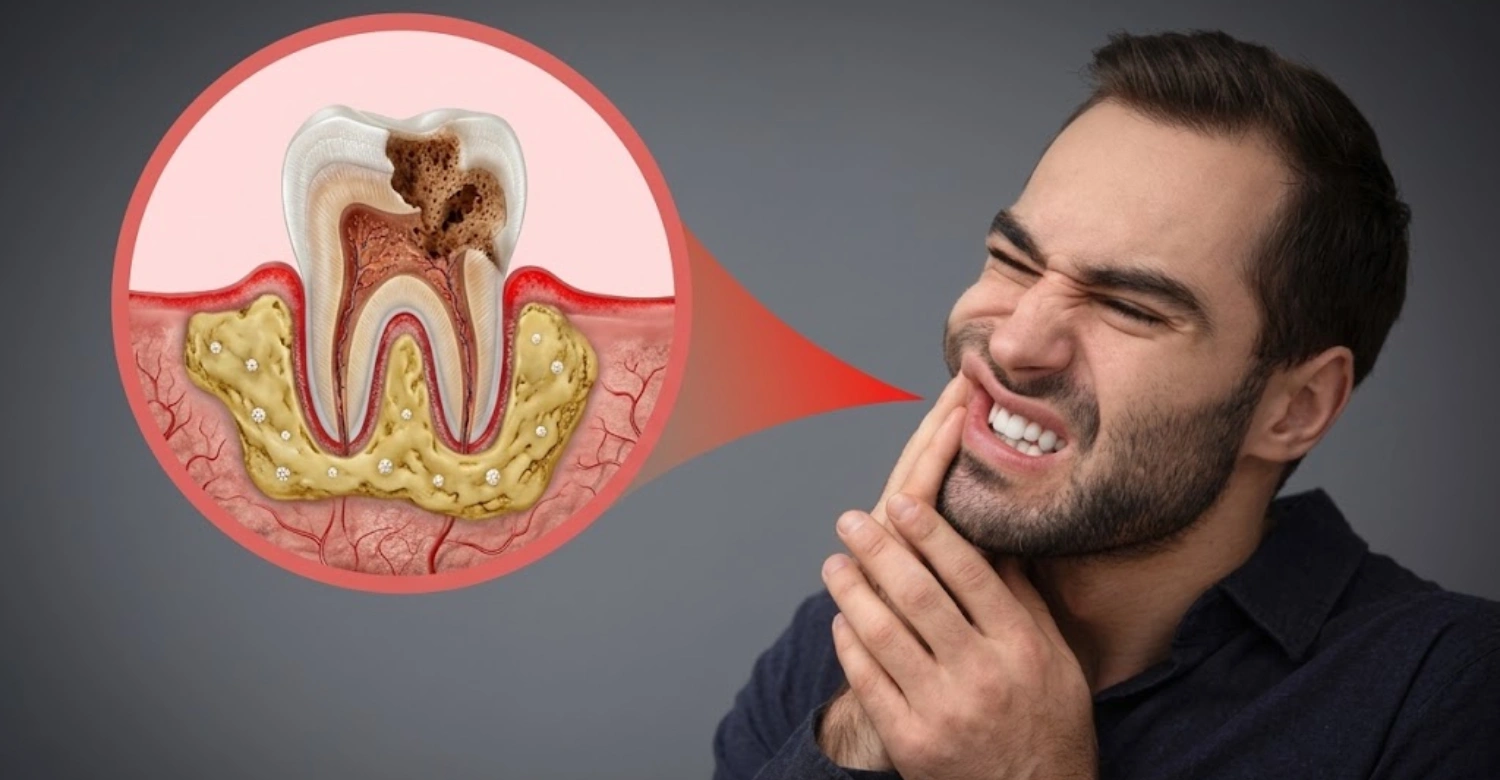
Note: All images used are for editorial and illustrative purposes only and may not originate from the original news provider or associated company.
Explore erythromelalgia and premature tooth loss
Can Copper Deficiency Affect Tooth Enamel?
Can copper deficiency affect tooth enamel structurally? In vitro studies show copper ions significantly reduce enamel dissolution and phosphate loss. This implies that a deficiency state could reverse this protection. Research on this subject therefore treats enamel vulnerability as plausible, though not fully proven.
Copper Deficiency and Enamel
Copper deficiency and enamel research centers on one key ability. Copper can precipitate a protective copper phosphate layer on the tooth surface. This layer stabilizes the enamel crystal lattice. Without sufficient copper, this stabilizing mechanism weakens. Enamel may then become more prone to acid-driven demineralization and long-term wear.
Copper Deficiency and Tooth Enamel
Copper deficiency and tooth enamel studies have found notable differences. Copper content differs between severely worn and healthy enamel samples. This suggests trace-mineral balance matters for resilience. These findings are largely correlational. They are not drawn from controlled deficiency trials in humans.
What Can Cause Enamel Damage?
Enamel damage can result from several causes. These include acid erosion, tooth decay, developmental conditions, and teeth grinding. Frequent acidic food and drink consumption is another common cause. Nutritional deficiencies, including copper, may contribute to reduced resilience. They are rarely the sole cause of visible enamel wear.
Clinical Note
Enamel problems may result from several factors. These include acid erosion, decay, and developmental conditions. A suspected nutrient deficiency requires proper medical assessment. It should not be diagnosed from enamel changes alone. This keeps the topic in perspective as one of several possible contributors.
Tips for the Patients
Patients who notice increased sensitivity, discoloration, thinning, or other enamel changes should arrange a dental examination. This helps determine the underlying cause rather than assuming a nutritional deficiency without proper evaluation.
Discover the relationship between mitochondrial disease and oral health
Can Copper Deficiency Affect Gum Health?
Copper Deficiency and Tooth Damage discussions extend to the gums as well. Copper supports collagen strength in periodontal connective tissue. A deficiency may weaken this collagen-dependent support system. This can contribute to gum fragility, recession, and reduced resistance to bacteria that drive periodontal disease.
Copper Deficiency and Gum Health
Copper deficiency and gum health are connected through copper's role in slowing periodontal disease. Copper inhibits enzymes that break down connective tissue. Low copper levels may reduce this protective inhibition. This can accelerate gum tissue breakdown and increase susceptibility to recession, another facet of this connection.
Nutritional Factors and Healthy Gums
Healthy gums rely on more than just copper. Vitamin C, calcium, and overall protein intake also support gum tissue strength and healing. A balanced diet addressing multiple nutrients together offers better protection than focusing on a single mineral.
Signs of Poor Gum Health
Healthy gums depend on effective plaque control and overall health. At Vitrin Clinic, patients with persistent gum symptoms can receive a full assessment. This helps identify contributing dental and oral-health factors, ensuring the underlying cause is properly identified rather than assumed.
Tips for the Patients
Regular brushing, cleaning between the teeth, and a balanced diet can support healthy gums. Routine dental checkups help catch early changes before they progress into more significant periodontal concerns.
Learn more about TMJ and sleep apnea symptoms
What Are the Signs of Copper Deficiency in the Mouth?
Signs that may point to Copper Deficiency and Tooth Damage include unexplained sensitivity and enamel discoloration. Loosening teeth and receding gums are other possible signs. None of these symptoms confirm deficiency alone. Together with systemic signs like fatigue or frequent infections, they may prompt a broader nutritional evaluation.
Copper Deficiency Symptoms in the Mouth
Copper deficiency symptoms in the mouth can include tooth sensitivity and enamel changes. Gum recession and increased cavity susceptibility are also possible. These oral signs typically accompany other systemic symptoms rather than appearing alone. A combined medical and dental assessment is important for an accurate diagnosis.
Tooth Sensitivity and Nutritional Deficiencies
Tooth sensitivity can result from enamel thinning, gum recession, or exposed dentin. Nutritional deficiencies, including low copper, may contribute to this vulnerability by weakening protective tissue. However, sensitivity has many possible causes. Nutrition should be considered alongside other dental factors.
Changes in the Teeth and Gums
Changes such as discoloration, looseness, or recession may have many causes. These range from decay and periodontal disease to nutritional factors. Documenting when the changes started, along with any systemic symptoms, helps professionals determine whether copper status is relevant.
When Should You See a Dentist?
See a dentist if you notice new sensitivity, discoloration, looseness, or gum recession. This is especially important alongside systemic symptoms like fatigue or frequent illness. Early evaluation helps rule out or confirm contributing factors, including nutritional ones, before changes progress further.
Clinical Note
Oral symptoms alone cannot confirm copper deficiency. If a patient has symptoms suggesting a nutritional problem alongside dental changes, proper medical and dental evaluation can help determine the cause. This keeps such claims grounded in proper diagnostic assessment.
Take a closer look at neurodegeneration and dental health
How Can You Protect Your Teeth From Damage?
Protecting teeth from damage involves consistent hygiene, balanced nutrition, and early professional care. Nutrition is one supporting factor among many. Addressing diet alongside hygiene offers a more complete approach to long-term enamel and gum protection.
Maintain Good Oral Hygiene
Brushing twice daily, flossing regularly, and using fluoride toothpaste form the foundation of enamel and gum protection. Consistent hygiene reduces plaque buildup and bacterial activity. This addresses the most common and controllable causes of decay and gum disease, regardless of nutritional status.
Eat a Balanced Diet
A balanced diet supplying calcium, vitamin D, vitamin C, and trace minerals like copper supports both enamel strength and gum tissue health. Whole foods including nuts, seeds, shellfish, and leafy greens naturally provide copper alongside other nutrients relevant to oral resilience.
Protect Tooth Enamel
Limiting acidic foods and drinks, avoiding excessive sugar, and using fluoride treatments help protect enamel from erosion and decay. Combined with adequate nutrient intake, these habits reduce the cumulative acid exposure that gradually wears down enamel over time.
Address Tooth Problems Early
Addressing sensitivity, discoloration, or gum changes early prevents minor issues from progressing into more significant damage. Early intervention also allows professionals to identify whether nutritional factors, hygiene gaps, or other causes are contributing to the changes observed.
Tips for the Patients
Avoid delaying dental care when you notice persistent sensitivity, enamel changes, cavities, bleeding gums, or other unexplained symptoms. Early evaluation typically leads to simpler and more effective treatment.
How Can Vitrin Clinic Help With Tooth Damage and Oral Health?
Vitrin Clinic helps patients concerned about Copper Deficiency and Tooth Damage by evaluating dental findings independently. This means the clinic does not simply assume a nutritional cause. Patients receive an accurate diagnosis addressing the actual source of their symptoms, whether nutritional, hygiene-related, or structural.
Comprehensive Dental Assessment at Vitrin Clinic
A comprehensive assessment at Vitrin Clinic examines enamel condition, gum health, and signs of decay or wear. This thorough approach helps distinguish genuine dental disease from other contributing factors. Patients get clarity instead of uncertainty about what's affecting their oral health.
Identifying the Cause of Tooth Damage
Identifying the true cause of tooth damage means ruling out decay, erosion, developmental factors, and habits like grinding, one by one. A patient's broader health history may be considered too. Still, dental findings are assessed on their own clinical merits first.
Personalized Dental Treatment at Vitrin Clinic
Once the cause is identified, Vitrin Clinic develops a personalized treatment plan. This may involve restorative care, periodontal treatment, or preventive guidance. The approach matches each patient's actual oral condition rather than a generic response.
What We Notice Clinically
At Vitrin Clinic, dental professionals evaluate the condition of the teeth and gums. This helps identify the factors contributing to dental damage. Dr. Rifat Alsaman, Head of the Medical team at Vitrin Clinic and a cosmetic dentist, emphasizes the value of a comprehensive assessment when patients experience unexplained changes in their teeth or oral health.
Clinical Note
Copper deficiency may be considered as part of a patient's broader health history when appropriate. Dental findings should still be evaluated independently to determine their actual cause. This ensures Copper Deficiency and Tooth Damage concerns are addressed accurately rather than assumed.
Tips for the Patients
If you are concerned that low copper levels may be affecting your teeth, discuss both your nutritional concerns and dental symptoms with the appropriate healthcare professionals for a complete evaluation.
Find out what you need to know about cholecalciferol supplements
Resource:
https://pubmed.ncbi.nlm.nih.gov/23797848/
FAQs

Dr. Rifat Alsaman has more than 5 years of clinical experience in dentistry and currently serves as the Head of the Medical Team at Vitrin Clinic. He is dedicated to providing exceptional patient care, overseeing treatment planning, and ensuring the highest clinical standards across the team. His expertise, attention to detail, and commitment to continuous professional development have helped countless patients achieve healthier, more confident smiles.


.webp&w=3840&q=75)


