Periodontics
September 23, 2026
What Is the Connection Between Epstein Barr Virus and Oral Health?
 Dr. Rifat Alsaman
Epstein Barr Virus and Oral Health are connected through several recognized oral and throat manifestations. Epstein-Barr virus, or EBV, is a very common human herpesvirus. Most people acquire it at some point, often during childhood without obvious symptoms. Adolescents and adults may develop infectious mononucleosis after primary infection. Oral findings can include throat inflammation, enlarged tonsils, palatal petechiae, and gingival changes. Some patients also develop oral ulcers or other mucosal lesions.
These findings are not specific to EBV. Bacterial infections, other viruses, medications, trauma, and inflammatory conditions can look similar. Therefore, oral symptoms alone cannot establish an EBV diagnosis. A healthcare professional considers history, examination, and laboratory testing together. Dental assessment can identify oral conditions that need separate care. This article explains common manifestations, clinical considerations, and appropriate evaluation.
What Is Epstein Barr Virus and How Can It Affect Oral Health?
Understanding the virus helps explain its oral effects. EBV behaves differently from many short-lived infections. It remains in the body after the first illness ends. This persistence explains why some oral findings appear years later. The following sections describe the virus, its transmission, and its recognized effects. They also explain why oral symptoms must be interpreted carefully and in context.
What Is Epstein Barr Virus?
Epstein-Barr virus belongs to the herpesvirus family. It is also called human herpesvirus 4. The virus spreads mainly through saliva, which explains the nickname "kissing disease." It can also spread through shared cups, utensils, or toothbrushes. After infection, EBV establishes lifelong persistence in the body. Many infections occur during childhood and cause mild or no symptoms.
Primary infection during adolescence or adulthood more often produces infectious mononucleosis. CDC data indicate that at least one in four infected teenagers and young adults develops mononucleosis. Common symptoms include fatigue, fever, sore throat, headache, and swollen lymph nodes. Tonsillar inflammation can cause noticeable oral and throat discomfort. Less common complications include an enlarged spleen or liver inflammation. People with weakened immune systems may experience more severe EBV-related disease.
How Epstein Barr Virus Affects Oral Health
Epstein Barr Virus and Oral Health can intersect during acute infection and certain persistent conditions. Acute infection may cause significant throat inflammation and tonsillar enlargement. Palatal petechiae and gingival swelling can also appear. These findings matter most when they occur with fever, fatigue, or swollen lymph nodes.
EBV remains latent after the initial infection. The virus persists within B lymphocytes and can be shed intermittently into saliva. Reactivation may occur under certain circumstances, particularly with immune suppression. Oral hairy leukoplakia is one recognized EBV-associated lesion. It usually appears as white, corrugated patches on the lateral borders of the tongue. CDC notes this lesion is usually associated with people living with HIV. It may also appear after organ transplantation or with other immunosuppressive treatment.
Epstein Barr Virus and Oral Health Effects
The oral effects of EBV vary considerably between individuals. Some people notice only throat discomfort during acute infection. Others develop palatal petechiae, gingival inflammation, ulcers, or mucosal changes. A 2026 narrative review describes several recognized oral manifestations. These include palatal petechiae, pharyngeal erythema, ulcers, and oral hairy leukoplakia.
Research on Epstein Barr Virus and Oral Health also extends to periodontal disease. A meta-analysis of 21 case-control studies reported an association between EBV detection and periodontitis. However, the association does not establish that EBV directly causes periodontal disease. Study populations, sampling sites, detection methods, and disease definitions all influence results. Bacteria remain the primary drivers of periodontitis in current understanding. Researchers continue to investigate whether EBV worsens inflammation or simply appears where inflammation exists.
EBV Infection and Oral Symptoms
EBV infection can produce oral and throat symptoms during infectious mononucleosis. Sore throat is particularly common and often severe. Tonsils may become enlarged and covered with inflammatory exudate. Palatal petechiae may appear on the soft palate during acute infection. Gingival redness or swelling has also been reported, particularly among adolescents.
However, these symptoms are not diagnostic by themselves. Strep throat, other viral infections, aphthous ulcers, and gingival diseases can produce similar findings. Symptom timing also matters, because mononucleosis usually develops gradually. The incubation period is typically four to six weeks after exposure. Healthcare professionals may combine clinical findings with laboratory testing when confirmation is needed. CDC explains that EBV antibody testing can distinguish recent infection from previous exposure.
Oral Manifestations of Epstein Barr Virus
Oral manifestations range from mild inflammatory changes to specific lesions. During infectious mononucleosis, the throat and tonsils are most commonly affected. Palatal petechiae provide an additional clinical clue. Gingival swelling and diffuse oral erythema have also been described. The overall picture of Epstein Barr Virus and Oral Health therefore depends heavily on infection stage.
Other EBV-associated lesions arise in different clinical contexts. Oral hairy leukoplakia is strongly associated with immune suppression, particularly HIV infection. EBV-positive mucocutaneous ulcers can occur in patients receiving immunosuppressive medications. Rarely, EBV is linked with certain lymphomas that may involve oral tissues. These lesions require professional assessment because many oral conditions look similar. Biopsy and specialized laboratory techniques are sometimes necessary for accurate identification.
Learn more about TMJ and sleep apnea symptoms
What Are the Epstein Barr Virus Mouth Symptoms?
Mouth symptoms are often the first reason patients seek care during EBV infection. Sore throat, tonsil changes, and gum discomfort are frequently reported. However, symptoms differ greatly between individuals and age groups. Children may have minimal symptoms, while adolescents often have more pronounced findings. The following sections describe the most common oral and throat symptoms and their limitations.
Epstein Barr Virus Symptoms in the Mouth
Epstein Barr Virus and Oral Health symptoms can involve the throat, gums, palate, tonsils, and oral mucosa. Common acute findings include sore throat and inflamed tonsils. Some patients develop palatal petechiae or gingival swelling. Oral discomfort may occur alongside fever, fatigue, and swollen lymph nodes. Bad breath can also occur when tonsillar exudate is present.
These symptoms vary considerably. Some infected people have minimal or no oral symptoms. Others experience significant throat pain that makes swallowing difficult. Oral findings should therefore be interpreted alongside the broader clinical picture. Persistent or unusual lesions deserve professional evaluation. Symptoms that follow an unexpected pattern may point toward another diagnosis entirely.
EBV Oral Symptoms and Signs
Clinical signs of Epstein Barr Virus and Oral Health involvement include pharyngeal redness, enlarged tonsils, and tonsillar exudate. Palatal petechiae and gingival swelling may also be present. Oral ulcers are less common but have been reported. Oral hairy leukoplakia represents another EBV-associated oral lesion, usually in immunocompromised patients.
No single oral sign confirms EBV infection. Many infectious and inflammatory disorders produce overlapping findings. A clinician may consider recent exposure, systemic symptoms, examination findings, and laboratory results. Enlarged lymph nodes at the back of the neck can provide an additional clue. This combined approach reduces the risk of attributing unrelated oral symptoms to EBV. It also helps identify conditions that need different treatment.
Common Oral Changes During EBV Infection
Acute EBV infection may produce noticeable changes around the throat and oral cavity. Tonsils can enlarge and develop a white, yellow, or gray exudate. Palatal petechiae may appear as tiny red spots on the roof of the mouth. Gingival tissues may look swollen or inflamed. Some patients also report general mouth soreness and difficulty eating.
These changes usually occur with systemic symptoms. CDC lists fever, severe fatigue, sore throat, headache, and swollen lymph nodes among common symptoms. Most people recover within two to four weeks. Fatigue can continue for several additional weeks or occasionally months. Oral changes often settle before fatigue fully resolves. Tracking how symptoms evolve can help clinicians confirm expected recovery.
Epstein Barr Virus and Mouth Sores
Epstein Barr Virus and Oral Health may involve mouth sores in some infections. EBV-associated oral ulcers are considered uncommon. When they occur during infectious mononucleosis, they are generally small and shallow. They may cause burning or pain when eating acidic or spicy foods.
Not every mouth ulcer is related to EBV. Trauma, aphthous ulcers, nutritional deficiencies, medications, and other infections can produce similar lesions. Herpes simplex virus is another common cause of painful oral sores. The number, location, duration, appearance, and associated symptoms help guide evaluation. Persistent ulcers should not automatically be attributed to a previous EBV infection. A clinician can determine whether further assessment is warranted.
Can EBV Cause Mouth Sores?
EBV can be associated with oral ulcers, although they are not among its most common manifestations. Reports describe small, shallow mucosal lesions during infectious mononucleosis. These ulcers usually heal as the acute illness resolves. In immunosuppressed patients, EBV-positive mucocutaneous ulcers represent a separate and distinct entity.
The presence of an ulcer does not prove EBV infection. Healthcare professionals consider many other causes when evaluating oral lesions. Persistent, recurrent, unusually large, or unexplained ulcers deserve clinical assessment. Ulcers with hard edges or no clear cause need particular attention. A dentist or physician may decide whether additional testing is appropriate. Understanding Epstein Barr Virus and Oral Health helps patients avoid assuming every sore is viral.
Take a closer look at neurodegeneration and dental health
What Oral Signs Can Occur During an Epstein Barr Virus Infection?
Oral signs are the visible findings a clinician observes during examination. They differ from symptoms, which patients feel and describe. In EBV infection, signs may involve the palate, tonsils, gums, tongue, and oral lining. Some signs appear during acute illness, while others develop with immune suppression. The following sections explain these signs and how they are distinguished.
Epstein Barr Virus Mouth Lesions
EBV-associated mouth lesions differ according to immune status and infection context. Acute infectious mononucleosis may involve palatal petechiae and inflammatory changes. Oral ulcers can occasionally occur. Oral hairy leukoplakia represents a different EBV-associated condition altogether.
Oral hairy leukoplakia usually appears as a white lesion on the side of the tongue. It cannot be wiped away, unlike oral thrush. It is particularly associated with immunosuppression. Therefore, it should not be confused with routine tonsillar exudate during acute mononucleosis. The lesion itself is usually painless and often harmless. However, its presence may indicate an underlying immune problem requiring medical investigation. Professional examination helps distinguish these findings reliably.
EBVRelated Oral Lesions
EBV-related oral lesions include several clinically different conditions. Palatal petechiae and tonsillar inflammation may occur during infectious mononucleosis. Oral hairy leukoplakia is another recognized manifestation. EBV-positive mucocutaneous ulcers can occur in specific immunosuppressed populations. Rare EBV-associated lymphomas may also involve the oral cavity or throat.
These conditions have different causes, behaviors, and treatment requirements. Their appearance can overlap with other oral diseases. A clinician may need medical history, examination, and sometimes laboratory or tissue testing. Tissue techniques such as in situ hybridization can confirm EBV presence within a lesion. Research on Epstein Barr Virus and Oral Health continues to refine these diagnostic methods. Accurate classification guides appropriate referral and management.
Oral Signs of Epstein Barr Virus Infection
Oral signs can provide useful clinical clues during EBV infection. These include tonsillar enlargement, pharyngeal erythema, palatal petechiae, and gingival swelling. Tonsillar exudate is also frequently described in infectious mononucleosis. Swollen lymph nodes in the neck often accompany these findings.
However, these signs have limited specificity. Palatal petechiae can also occur with streptococcal pharyngitis. Tonsillar inflammation can result from several bacterial and viral infections. Even experienced clinicians cannot reliably separate these causes by appearance alone. Therefore, diagnosis should consider the entire clinical presentation. Rapid strep testing and blood tests may help clarify uncertain cases. Clinicians weigh the signs of Epstein Barr Virus and Oral Health against these alternatives.
Swollen Gums and Other Oral Changes
Gingival swelling and diffuse gingival inflammation have been reported during acute EBV infection. These findings may appear alongside throat inflammation and other mononucleosis symptoms. The gums may look red, shiny, or puffy. They may also bleed more easily during brushing.
Swollen gums have many other possible causes. Plaque-induced gingivitis, periodontal disease, medications, hormonal changes, and trauma can produce similar findings. Pregnancy and puberty can also increase gum sensitivity to plaque. Oral hygiene habits and clinical history are therefore important. Persistent swelling should be assessed rather than automatically attributed to EBV. A dentist can check for plaque, calculus, and pocketing around teeth.
Clinical Note: Why Oral Symptoms Should Be Evaluated in Context
Oral symptoms rarely identify EBV by themselves. A clinician considers symptom timing, systemic features, exposure history, and examination findings. Laboratory testing may help when the diagnosis is uncertain. CDC notes that EBV antibody interpretation requires clinical context.
This approach is particularly important for persistent lesions. Some EBV-associated oral conditions occur mainly in people with immune suppression. Other oral diseases can look very similar. A careful differential diagnosis prevents unnecessary assumptions and supports appropriate treatment. Evaluating Epstein Barr Virus and Oral Health in context protects patients from both missed and wrong diagnoses. It also avoids unnecessary tests and treatments that offer no benefit.
Find out what you need to know about cholecalciferol supplements
Can Epstein Barr Virus Affect the Gums?
The gums are among the oral tissues most visibly affected during some EBV infections. Acute illness can cause temporary inflammation and tenderness. Researchers have also studied whether EBV plays a role in chronic gum disease. The evidence is still developing and should be interpreted cautiously. The following sections explain what is currently known.
Epstein Barr Virus and Gum Health
Epstein Barr Virus and Oral Health may include gingival changes during acute infection. Research describes diffuse gingival erythema and swelling in some patients with infectious mononucleosis. These findings may be more noticeable in adolescents. They are usually temporary and settle as the infection resolves.
EBV has also been studied in chronic periodontal disease. A meta-analysis of 21 case-control studies found an association between EBV detection and periodontitis. EBV DNA has been detected more often in periodontal pockets than in healthy sites. However, this evidence does not prove that EBV alone causes periodontitis. Bacterial plaque remains the essential factor in periodontal disease development. Good daily plaque control therefore remains the foundation of gum health.
Epstein Barr Virus and Swollen Gums
Swollen gums can occur during acute EBV infection, particularly when mononucleosis produces broader oral inflammation. Gingival changes may accompany tonsillar and pharyngeal inflammation. The swelling is usually generalized rather than limited to one tooth. It may make brushing uncomfortable for several days.
The swelling should still be evaluated within its clinical context. Plaque accumulation and periodontal inflammation remain common causes of gingival swelling. Localized swelling near one tooth may suggest a dental abscess instead. A dental examination can identify whether local dental factors contribute to symptoms. Recognizing this overlap is central to understanding Epstein Barr Virus and Oral Health accurately. Correct identification ensures the right treatment is chosen.
How EBV Infection May Affect the Gingiva
The gingiva may become red, swollen, or tender during acute EBV infection. This change reflects a temporary inflammatory response. It does not indicate permanent periodontal damage by itself. The immune response to infection affects many tissues, including the gums.
Research also suggests a possible relationship between EBV and chronic periodontal inflammation. A 2017 meta-analysis reported significant associations across 21 case-control studies. Some researchers propose that EBV may alter local immune responses in periodontal tissues. Others suggest EBV simply accumulates where inflammatory cells gather. Differences between studies limit conclusions about direct causation. Further research is needed before clinical recommendations change.
When Swollen Gums May Have Another Cause
Swollen gums often have causes unrelated to EBV. Plaque-induced gingivitis is common and develops when bacterial biofilm remains along the gumline. Periodontitis can cause swelling, bleeding, tenderness, and gum recession. Food impaction and poorly fitting restorations can also irritate the gums.
Other causes include trauma, certain medications, hormonal changes, and some systemic conditions. Vitamin deficiencies and blood disorders occasionally present with gum changes. Therefore, persistent swelling requires examination. At Vitrin Clinic, dentists assess the teeth, gums, and surrounding oral tissues. Clinical findings help determine whether dental treatment is appropriate. Keeping these alternatives in mind is essential when considering Epstein Barr Virus and Oral Health.
Discover what happens during a dental check-up
Epstein Barr Virus and Mouth Sores
Mouth sores are a frequent concern for patients recovering from EBV infection. Many people wonder whether a new ulcer is linked to the virus. In most cases, sores have other common explanations. Understanding their typical appearance and duration helps patients decide when to seek care. The following sections address these questions in more detail.
What Do EBV Related Mouth Sores Look Like?
EBV-related oral ulcers have been described as small and shallow lesions. They may have a red border and a yellowish or grayish base. They can occur during infectious mononucleosis but appear less often than throat inflammation. They may be found on the palate, cheeks, or other mucosal surfaces.
Their appearance is not unique to EBV. Aphthous ulcers, trauma, herpes simplex infection, and inflammatory conditions can look similar. Lesion location, number, and duration provide useful diagnostic information. A single deep ulcer differs clinically from several shallow ones. Persistent lesions should receive professional evaluation. Photographs cannot reliably confirm the cause without clinical examination.
How Long Can Oral Lesions Last During an EBV Infection?
The duration of individual oral lesions varies between patients. Overall mononucleosis symptoms commonly improve within two to four weeks. Throat pain often improves before fatigue does. Fatigue may persist longer than other symptoms.
An oral lesion persisting beyond the expected recovery period deserves reassessment. As a general guideline, any ulcer lasting longer than two weeks should be examined. The lesion may have another cause or require a different diagnostic approach. Persistent ulcers should not be assumed to represent ongoing EBV activity. Clinicians studying Epstein Barr Virus and Oral Health emphasize this timeline as a practical warning sign. Early review supports timely diagnosis.
When Should Mouth Sores Be Examined?
Mouth sores should be examined when they persist, recur frequently, or become increasingly painful. Assessment is also appropriate when sores interfere with eating or drinking. Unusual lesions, bleeding, or unexplained tissue changes need professional attention. Sores accompanied by high fever or difficulty swallowing may need urgent medical review.
A dentist can evaluate the lesion's appearance and surrounding tissues. A physician may assess systemic symptoms or possible infection. Additional tests may sometimes be required, including blood work or biopsy. Early assessment helps distinguish routine self-limiting ulcers from lesions requiring investigation. Patients should mention recent illnesses, medications, and immune conditions during the visit. This information helps clinicians interpret findings accurately.
Clinical Note: Persistent Oral Lesions Need Professional Evaluation
Persistent oral lesions require careful clinical assessment. EBV is only one possible explanation for an oral ulcer or mucosal change. Other infections, inflammatory conditions, trauma, medications, and neoplastic processes can look similar. Some serious conditions begin as painless, slow-healing lesions.
EBV-positive mucocutaneous ulcers are uncommon and occur in specific clinical contexts. They are most often seen with immunosuppression, including certain medications and advanced age. Histopathology and clinical history are important when such lesions are suspected. Specialized staining can confirm EBV within tissue samples. This level of evaluation reflects the complexity of Epstein Barr Virus and Oral Health. Timely referral ensures patients receive appropriate specialist care.
Understand the common causes of jaw popping
How Does Epstein Barr Virus Affect Dental Health?
Dental health includes the teeth, gums, and supporting structures of the mouth. Patients often ask whether EBV damages teeth or dental work. Current evidence focuses mainly on soft tissue effects rather than tooth damage. However, illness can indirectly influence daily oral care. The following sections explain these direct and indirect effects.
EBV and Dental Health
EBV can influence the oral environment during acute infection. Throat inflammation, gingival swelling, and oral discomfort may temporarily affect eating and daily oral care. These effects do not indicate permanent dental damage. Most return to normal once the illness resolves.
Good oral hygiene remains important during illness. Gentle brushing and adequate hydration support oral comfort. Patients should avoid irritating foods when mucosal tissues are sore. Persistent dental symptoms require separate evaluation because cavities and periodontal disease have different causes. The practical side of Epstein Barr Virus and Oral Health often involves simply maintaining routine care. Small daily habits can prevent secondary dental problems.
Can EBV Affect Teeth Directly?
There is no established evidence that routine EBV infection directly causes tooth decay. EBV-related oral findings mainly involve soft tissues, the throat, gums, and certain mucosal lesions. Tooth enamel and dentin are not recognized targets of the virus.
Illness can still affect teeth indirectly. Fatigue may make regular brushing less consistent. Reduced fluid intake can contribute to dry mouth, which reduces saliva's protective effect. Frequent sugary drinks or lozenges for sore throat relief may increase decay risk. Sugar-free options may be preferable when appropriate. Maintaining basic oral hygiene remains important throughout recovery. A dental check-up after recovery can identify any problems that developed.
Oral Health Changes During EBV Infection
Oral health changes can occur alongside systemic EBV symptoms. Tonsillar inflammation and sore throat are common during infectious mononucleosis. Gingival swelling and palatal petechiae may also occur. Some patients notice reduced appetite because swallowing is painful.
These changes usually need supportive management rather than specialized dental treatment. However, severe pain or persistent lesions may require examination. Dental assessment can also identify unrelated problems appearing during the same period. For example, a coincidental tooth infection may be mistaken for illness-related pain. Awareness of Epstein Barr Virus and Oral Health helps separate these overlapping problems. Patients benefit when each issue receives the right attention.
Why Good Oral Hygiene Matters During Illness
Maintaining oral hygiene during illness helps control dental plaque and supports gum health. Plaque continues forming even when a person feels unwell. A soft toothbrush may reduce irritation when the mouth feels sensitive. Fluoride toothpaste continues protecting teeth during recovery.
Hydration helps maintain normal saliva flow. Saliva washes away food debris and helps neutralize acids. Patients should follow medical advice for managing EBV symptoms. CDC recommends fluids, rest, and appropriate symptom relief during infectious mononucleosis. Replacing a toothbrush after illness is a simple and sensible hygiene habit. Consistent care supports a faster return to normal oral comfort.
Dr. Rifat Alsaman’s Clinical Opinion on EBV and Dental Health
Dr. Rifat Alsaman, Head of the Medical Team at Vitrin Clinic and cosmetic dentist, emphasizes assessment before treatment. Oral findings should be interpreted alongside symptoms and medical history. A mouth symptom during illness may or may not relate to the infection.
An EBV diagnosis does not automatically require dental treatment. The priority is identifying the actual dental problem and its clinical significance. Examination of teeth, gums, and oral tissues can separate EBV-related findings from common dental conditions. In his view, Epstein Barr Virus and Oral Health should be approached with careful, evidence-based judgment. Elective cosmetic treatment is often best planned after acute illness resolves. This allows healing and a more comfortable treatment experience.
Explore how dental impressions are made
What Are the Main Oral Manifestations of Epstein Barr Virus?
EBV produces a recognizable group of oral findings, though none is exclusive to the virus. Some appear during acute mononucleosis, while others reflect long-term viral persistence. Knowing these categories helps patients understand what clinicians look for. The following sections summarize mucosal, gum, and throat manifestations. They also explain how clinicians separate EBV findings from other conditions.
Oral Lesions and Mucosal Changes
EBV can produce several oral and mucosal manifestations. During infectious mononucleosis, palatal petechiae and pharyngeal inflammation may occur. Oral ulcers have also been reported. Oral hairy leukoplakia represents a distinct EBV-associated lesion on the tongue.
The clinical context matters greatly. Acute infection and immune suppression produce different oral presentations. Similar-looking lesions may therefore require different diagnostic approaches. A white patch in a healthy adolescent differs from one in a transplant recipient. The mucosal dimension of Epstein Barr Virus and Oral Health reflects this variation. Clinicians adjust their evaluation according to each patient's overall health status.
GumRelated Symptoms
Gingival swelling and diffuse erythema may occur during acute infectious mononucleosis. These findings can accompany sore throat and tonsillar inflammation. Patients may notice tenderness or bleeding during brushing. Such changes typically improve as the infection resolves.
EBV has also been investigated in chronic periodontal disease. Research has found associations between EBV detection and periodontitis. Some studies suggest EBV may coexist with specific periodontal bacteria in deeper pockets. However, these findings do not establish EBV as an independent cause. Standard periodontal treatment remains focused on removing bacterial deposits. Patients with ongoing gum problems benefit from regular professional cleaning and assessment.
Throat and Oral Discomfort
Throat discomfort is one of the most recognizable oral-region symptoms of infectious mononucleosis. Tonsils may enlarge and develop a thick exudate. The pharynx can become diffusely inflamed. Pain may radiate toward the ears during swallowing.
These symptoms can make swallowing and eating uncomfortable. Supportive care generally focuses on hydration, rest, and symptom relief. Cool liquids and soft foods are often easier to tolerate. Rarely, very large tonsils affect breathing, which requires urgent medical care. Persistent or severe symptoms require medical evaluation. Throat pain is often the most noticeable part of Epstein Barr Virus and Oral Health for patients.
Changes That May Occur Alongside Systemic EBV Symptoms
Oral symptoms often occur alongside fever, fatigue, headache, and swollen lymph nodes. CDC identifies these as common features of infectious mononucleosis. Some patients also develop a rash or an enlarged spleen. Rash is more likely if certain antibiotics are given.
This combination can make EBV more clinically recognizable. However, other infections can produce similar systemic symptoms. Cytomegalovirus, acute HIV infection, and streptococcal infection may mimic mononucleosis. Diagnosis should therefore rely on clinical assessment rather than oral findings alone. Patients with an enlarged spleen should avoid contact sports until cleared by a doctor. The systemic picture adds important context to Epstein Barr Virus and Oral Health findings.
Distinguishing EBV Oral Symptoms From Other Oral Conditions
Many EBV-related oral findings overlap with other conditions. Tonsillar exudate can occur with bacterial or viral infections. Palatal petechiae can also occur with streptococcal pharyngitis. Gingival swelling has numerous dental and medical causes. White tongue lesions may reflect candidiasis, friction, or other leukoplakias.
A clinician considers the complete presentation before assigning a cause. Laboratory testing may be appropriate when EBV infection requires confirmation. CDC explains that antibody testing can distinguish different stages of EBV infection. The monospot test is quick but may miss early infection or young children. Distinguishing conditions correctly is the core challenge in Epstein Barr Virus and Oral Health. It determines which treatment, if any, is appropriate.
Find answers about hypodontia and missing teeth
How Can Epstein Barr Virus Oral Symptoms Be Managed?
There is no specific antiviral cure for routine EBV infection. Management focuses on comfort, hydration, and protecting oral tissues during recovery. Most oral symptoms improve as the immune system controls the infection. Some situations still require dental or medical input. The following sections describe practical management approaches.
Maintaining Oral Hygiene During EBV Infection
Gentle oral hygiene remains important during EBV infection. Patients should continue brushing their teeth twice daily when possible. Cleaning between teeth helps maintain gum health when tolerated. Rinsing with plain water after meals can remove food debris.
If tissues are painful, aggressive brushing should be avoided. A soft toothbrush reduces mechanical irritation. Alcohol-free mouth rinses may feel gentler on sore tissues. Oral hygiene can be adjusted according to comfort without stopping completely. Severe pain or inability to maintain routine care warrants professional advice. Consistent hygiene is a simple, practical step in managing Epstein Barr Virus and Oral Health.
Managing Oral Discomfort
Management depends on the cause and severity of symptoms. Infectious mononucleosis is generally managed with supportive care. CDC recommends rest, fluids, and appropriate over-the-counter symptom relief. Warm salt-water gargles may soothe a sore throat for some patients.
Patients should follow instructions from their healthcare professional. Antibiotics do not treat EBV itself. CDC advises against penicillin antibiotics such as ampicillin or amoxicillin in mononucleosis. These medications can trigger a rash in many patients with the infection. Aspirin should not be given to children or teenagers because of Reye syndrome risk. Corticosteroids are reserved for specific complications under medical supervision.
Supporting Hydration and Saliva Flow
Adequate hydration helps maintain oral comfort during illness. Drinking fluids supports normal saliva production. This is particularly relevant when fever or reduced intake causes dehydration. Saliva protects teeth, lubricates tissues, and supports healing.
Patients with significant swallowing difficulty should seek medical advice. Persistent dry mouth can increase discomfort and raise the risk of dental decay. Sipping water regularly is often easier than drinking large amounts at once. Sugar-free gum or lozenges may stimulate saliva once the throat is less sore. Individual fluid needs vary according to health status and medical advice. Hydration is an often overlooked factor in Epstein Barr Virus and Oral Health.
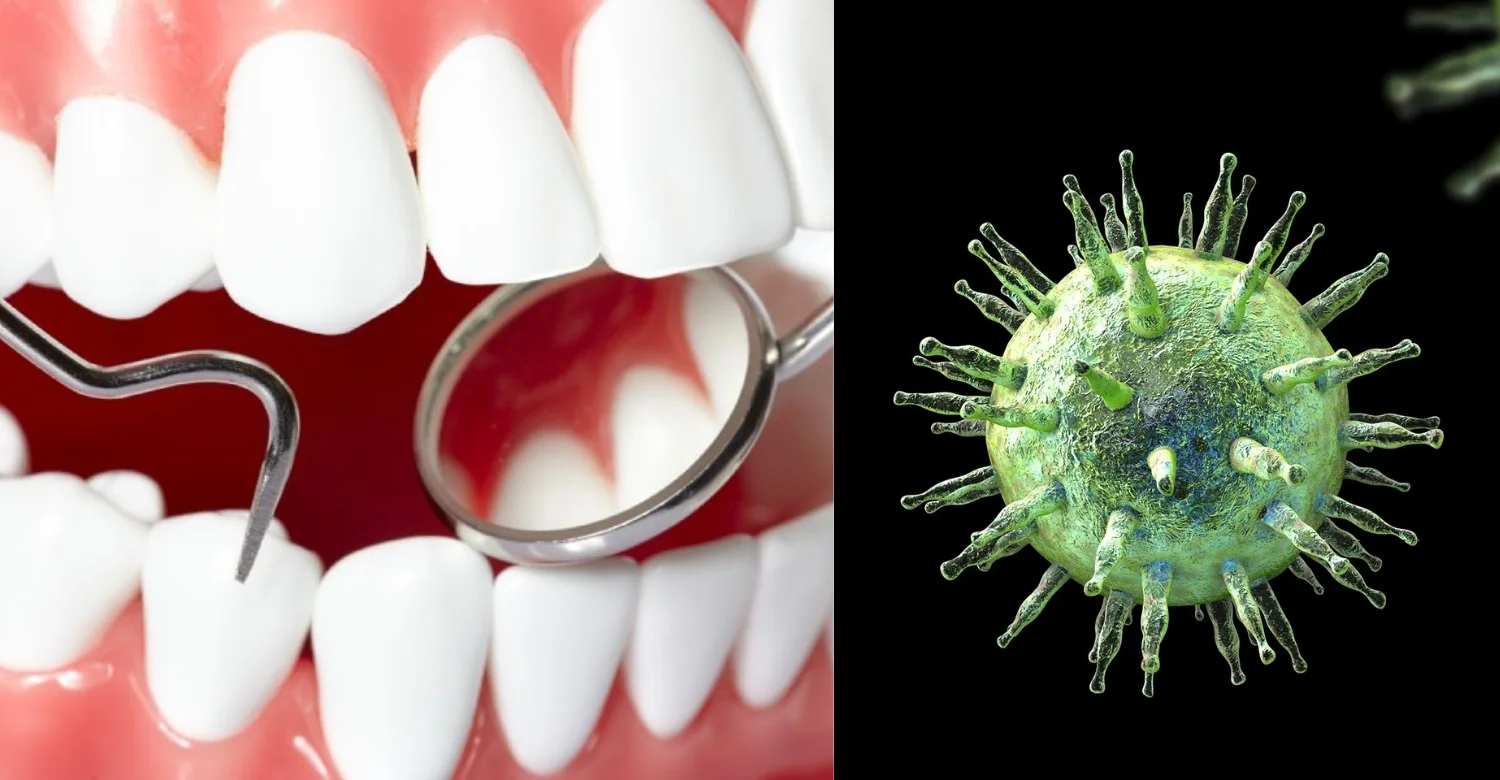
Note : All images used are for editorial and illustrative purposes only and may not originate from the original news provider or associated company.
When Dental or Medical Assessment Is Recommended
Medical evaluation is appropriate when systemic EBV symptoms are significant or persistent. Warning signs include difficulty breathing, severe abdominal pain, or inability to swallow fluids. Dental assessment helps when oral pain, gum swelling, ulcers, or unusual lesions develop.
The two evaluations answer different questions. Medical assessment addresses infection and systemic symptoms. Dental assessment examines teeth, gums, oral mucosa, and related structures. Coordinated care is useful when symptoms overlap. Patients should share test results and medication lists with both providers. This shared information supports safe, consistent recommendations. Knowing when to seek help is a practical part of Epstein Barr Virus and Oral Health.
Dr. Rifat Alsaman’s Opinion on Managing Oral Symptoms During EBV Infection
Dr. Rifat Alsaman emphasizes that oral symptoms should be evaluated according to their clinical presentation. EBV infection does not automatically explain every mouth or gum complaint. A tooth-related problem may coincide with viral illness by chance.
At Vitrin Clinic, dental assessment focuses on identifying the actual oral findings. Treatment recommendations depend on examination results and individual needs. Where medical evaluation is necessary, dental care should complement rather than replace medical management. Non-urgent procedures can often wait until the patient feels well. Urgent dental problems, such as infection or severe pain, still need timely care. Clear communication between patient and dentist supports safe decisions.
Discover the link between tetanus and lockjaw
Tips for Patients: Protecting Oral Health During EBV Infection
Simple daily habits can protect oral health while the body recovers from EBV. These measures support comfort and reduce the risk of secondary dental problems. They do not replace medical treatment or professional examination. The following practical tips apply to most patients during acute illness. Individual advice from a healthcare professional should always take priority.
Maintain Gentle Daily Oral Hygiene
Continue brushing regularly during illness whenever possible. Use gentle movements around sensitive gums and oral tissues. Avoid aggressive brushing when the mouth is painful. Choose a soft-bristled toothbrush and fluoride toothpaste.
Cleaning the teeth helps control plaque accumulation. This is especially important when appetite, routine, or hydration changes during illness. Do not share toothbrushes, cups, or utensils with others. EBV spreads through saliva, so these precautions protect family members. Persistent gum inflammation should be assessed by a dental professional. These habits form the foundation of good Epstein Barr Virus and Oral Health care at home.
Drink Enough Fluids
Adequate fluid intake supports hydration during infectious illness. Dryness can make the mouth and throat feel more uncomfortable. Water is usually the simplest and safest option. Frequent small sips may be easier when swallowing hurts.
Limit sugary and acidic drinks, which can harm teeth when sipped frequently. Cool drinks may soothe an inflamed throat. Patients should follow individualized medical advice when fluid intake needs restriction. Severe swallowing difficulty or signs of dehydration require medical attention. Signs include dark urine, dizziness, and very little urination. Staying hydrated supports both general recovery and oral comfort.
Avoid Irritating Foods When the Mouth Is Sore
Spicy, acidic, salty, or very hot foods can irritate sensitive oral tissues. Crunchy or sharp foods may also scrape inflamed areas. Softer foods are usually easier to tolerate during acute discomfort. Examples include yogurt, soups, mashed vegetables, and smoothies.
Food choices should support adequate nutrition without increasing pain. Eating smaller meals more often may help when swallowing is difficult. Citrus fruits and tomato-based foods may sting open sores. Alcohol and tobacco should be avoided, as both irritate oral tissues. Symptoms that make eating difficult should be discussed with a healthcare professional. Diet adjustments are a practical, low-risk aspect of Epstein Barr Virus and Oral Health.
Monitor Mouth Sores and Gum Changes
Monitor the size, location, discomfort, and duration of oral lesions. Pay attention to persistent gum swelling or unusual white patches. Note whether new sores appear or existing ones spread.
Changes that do not improve should receive professional assessment. A simple diary can record symptom dates and changes. Photographs may help patients track changes between appointments. However, they should not replace clinical examination. Sores lasting longer than two weeks deserve review by a dentist or physician. Careful monitoring allows timely action when findings do not follow the expected course. Self-observation is a useful tool in Epstein Barr Virus and Oral Health awareness.
Seek Professional Advice for Persistent or Worsening Symptoms
Persistent oral pain, swelling, ulcers, or unusual lesions deserve evaluation. Rapidly worsening symptoms also require prompt professional attention. Difficulty breathing or swallowing needs urgent medical care.
Patients should avoid assuming every oral symptom results from EBV. Several dental and medical conditions produce similar findings. Accurate diagnosis supports appropriate treatment and prevents delays. Self-treatment with leftover antibiotics should be avoided. It may cause side effects without addressing the real cause. Contact a dentist or physician when symptoms change in an unexpected way. Early professional advice often leads to simpler and more effective care.
Learn how to identify a gum line cavity
What We Notice Clinically
Clinical experience shows that oral symptoms rarely follow textbook patterns. Patients often arrive with concerns shaped by online information. Some attribute every mouth symptom to a known infection. Others overlook important changes because they seem minor. The following observations explain why thorough examination remains essential in everyday practice.
Oral Symptoms Can Have Multiple Causes
Oral symptoms rarely have only one possible explanation. Mouth ulcers can result from trauma, infection, inflammatory disease, or medication effects. Gum swelling can result from plaque, periodontal disease, irritation, or systemic factors. White patches may reflect friction, fungal infection, or other mucosal conditions.
EBV can produce certain oral manifestations, but these findings are rarely specific. More than one cause may also be present simultaneously. For example, existing gingivitis may worsen during a viral illness. A comprehensive clinical assessment helps identify the most relevant cause. This multifactorial nature explains why careful assessment is always necessary. Recognizing it prevents oversimplified conclusions.
Why Clinical Examination Matters
Clinical examination allows dentists to assess teeth, gums, mucosa, bite, and other oral structures. The location and appearance of a lesion provide important diagnostic information. Texture, color, borders, and tenderness all contribute to the assessment. Lymph nodes in the neck may also be checked.
Additional tests may be necessary when findings are unusual or persistent. These can include imaging, blood tests, swabs, or biopsy. The examination also identifies unrelated problems requiring treatment. Many dental conditions develop without obvious symptoms in early stages. Regular examinations therefore support prevention as well as diagnosis. A direct examination offers information no online description can replace.
Clinical Note: Diagnosis Should Not Be Based on Oral Symptoms Alone
Oral symptoms should not be used alone to diagnose EBV. CDC notes that EBV testing requires interpretation within the patient's clinical context. Antibody patterns can indicate susceptibility, recent infection, or past infection.
Some symptoms strongly suggest infectious mononucleosis. However, laboratory testing helps distinguish EBV from other causes when presentation is atypical. This distinction matters for appropriate medical management. Misdiagnosis may lead to unnecessary antibiotics or missed conditions. A balanced approach to Epstein Barr Virus and Oral Health relies on combined evidence. Symptoms, examination, and testing together provide the most reliable conclusions.
When Dental and Medical Evaluation May Be Appropriate
Dental and medical evaluation may both be appropriate when systemic and oral symptoms occur together. A physician can evaluate EBV-related illness and systemic complications. Blood tests, spleen assessment, and symptom monitoring fall within medical care.
A dentist can assess oral tissues and identify dental conditions. Dental care addresses gum disease, tooth problems, and mucosal lesions. Coordinated evaluation prevents unrelated oral problems from being overlooked. Patients benefit when both professionals understand the full clinical picture. Sharing records and test results supports this coordination. Each professional contributes expertise within their own field. Together, they provide safer and more complete care.
When Should You See a Dentist for EBV Related Oral Symptoms?
Many EBV-related oral symptoms resolve without dental treatment. However, certain findings justify a dental visit. These include symptoms that persist, worsen, or appear unusual. A dentist can examine the mouth and decide whether further care is needed. The following sections describe specific situations that deserve professional attention.
Persistent Mouth Sores
Persistent mouth sores deserve professional evaluation. Most simple oral ulcers heal within one to two weeks. A lesion that does not improve may have another cause. Ulcers that bleed easily or feel hard need prompt review.
Dentists assess appearance, location, duration, and surrounding tissues. They also ask about recent illness, medications, and habits. Further testing may be considered when findings need clarification. A biopsy may be recommended for lesions lasting beyond expected healing time. Early evaluation provides reassurance or leads to timely treatment. Persistent sores are a clear reason to seek care regarding Epstein Barr Virus and Oral Health.
Significant Gum Swelling
Significant gum swelling should be assessed when it is painful, persistent, or associated with bleeding. EBV can produce gingival changes, but periodontal disease remains an important alternative explanation. Localized swelling with throbbing pain may indicate a dental abscess.
A dental examination determines whether plaque, periodontal inflammation, trauma, or another condition contributes. The dentist may measure gum pockets and check tooth mobility. Radiographs may be needed when bone involvement is suspected. Professional cleaning often reduces plaque-related swelling. Swelling that spreads to the face or neck requires urgent attention. Such spreading can signal a serious infection needing immediate treatment.
Ongoing Oral Pain or Discomfort
Ongoing oral pain should not automatically be attributed to EBV. Dental infections, ulcers, periodontal disease, and mucosal conditions can cause persistent discomfort. Cracked teeth and exposed roots may also cause pain during eating.
Professional assessment identifies the location and likely source. Pain triggered by hot, cold, or biting suggests a dental origin. Pain limited to the throat may reflect ongoing pharyngeal inflammation. Appropriate treatment depends on the clinical diagnosis. Pain relief without diagnosis may hide a worsening problem. Patients should describe when pain started and what makes it better or worse. This information helps dentists narrow possible causes efficiently.
Unusual Mouth Lesions
Unusual white patches, ulcers, or other mucosal changes deserve examination. Oral hairy leukoplakia is one EBV-associated lesion seen in immunocompromised individuals. It appears as painless, ridged white patches on the sides of the tongue.
Not every white lesion represents this condition. Candidiasis, frictional keratosis, lichen planus, and other leukoplakias can look similar. Some white or red patches carry a risk of malignant change. Professional evaluation is necessary for accurate identification. A biopsy may be recommended when appearance alone is inconclusive. Detecting oral hairy leukoplakia may prompt medical investigation of immune status. Unusual lesions always justify careful professional evaluation.
Oral Symptoms That Do Not Improve
Symptoms continuing after general illness improves should be reassessed. Persistent findings may indicate a separate oral condition. They may also reflect a complication requiring attention.
A dentist can evaluate teeth, gums, mucosa, and other oral structures. Medical reassessment may be appropriate when systemic symptoms continue. Prolonged fatigue alone is common after mononucleosis and may last weeks. However, persistent oral lesions are not expected to follow the same course. Patients should not wait indefinitely for symptoms to resolve. A follow-up visit clarifies whether the problem needs treatment. Timely review prevents minor issues from becoming more complex.
Explore what to do after a dental injury
How Vitrin Clinic Evaluates Oral Health During Patient Assessment
At Vitrin Clinic, every dental assessment follows a structured, patient-centered process. The team combines clinical examination with digital tools when appropriate. These tools support dental diagnosis but do not diagnose viral infections. Medical conditions such as EBV remain under the care of physicians. The following sections describe the main elements of the assessment.
Examination of the Teeth, Gums, and Oral Tissues
At Vitrin Clinic, dental assessment begins with examination of the teeth, gums, and oral tissues. Dentists evaluate visible findings and consider the patient's reported symptoms. Medical history, current medications, and recent illnesses are reviewed.
The examination can identify decay, gum inflammation, mucosal changes, tooth wear, and other concerns. The tongue, palate, cheeks, and floor of the mouth are checked carefully. Findings are explained clearly so patients understand their oral health status. Treatment recommendations depend on clinical findings rather than assumptions about EBV. This thorough approach reflects responsible, evidence-based dental practice. It ensures nothing important is overlooked.
Digital Dental Diagnostics When Clinically Appropriate
Digital diagnostics can support dental assessment when clinically appropriate. Vitrin Clinic uses digital workflows to support individualized treatment planning. These tools provide detailed records that help dentists compare findings over time.
Digital tools do not replace clinical examination. Their role depends on the specific dental question being investigated. The dentist decides whether additional imaging or scanning is necessary. Unnecessary tests are avoided when examination alone answers the clinical question. Digital records also help explain findings to patients visually. This transparency supports informed decisions about treatment. Technology serves clinical judgment rather than replacing it.
CBCT and Digital XRays When Indicated
CBCT and digital X-rays may be used when clinically indicated. These technologies provide additional information about teeth, roots, and surrounding bone. CBCT offers three-dimensional views useful for complex cases. Digital X-rays generally involve lower radiation doses than traditional film.
Imaging is not automatically required for every oral symptom. Decisions depend on clinical findings and the diagnostic question. Mucosal lesions and viral symptoms usually cannot be diagnosed by imaging alone. Appropriate imaging avoids unnecessary exposure while providing useful information when needed. The principle of justification guides every imaging decision. Patients can ask why a specific image is recommended.
3D Intraoral Scanning for Detailed Dental Assessment
3D intraoral scanning captures detailed digital information about the teeth and oral structures. Vitrin Clinic may use scanning when it supports the planned assessment or treatment. The process is comfortable and avoids traditional impression materials for many patients.
Scanning is particularly useful for restorative and orthodontic planning. It allows precise measurements and digital treatment simulations. Scans can also document tooth and gum contours for later comparison. However, scanning does not diagnose EBV. Medical viral diagnosis requires appropriate medical evaluation and laboratory testing. The scanner supports dental decisions within its defined role. Used appropriately, it enhances accuracy and patient understanding.
Dr. Rifat Alsaman’s Clinical Perspective on Individualized Dental Assessment
Dr. Rifat Alsaman, Head of the Medical Team at Vitrin Clinic and cosmetic dentist, emphasizes individualized dental assessment. Each patient presents a unique combination of symptoms, history, and goals.
Oral findings should be considered alongside symptoms, medical history, and clinical examination. No single digital tool replaces professional judgment. Appropriate diagnostics depend on the patient's specific dental needs. Patients recovering from illness may need adjusted appointment timing. Comfort, safety, and healing capacity are considered before treatment begins. This personalized approach supports predictable outcomes and patient confidence. It also respects the role of medical care in managing systemic conditions.
Oral Health Care at Vitrin Clinic for Patients With Existing Medical Conditions
Patients with existing medical conditions deserve dental care adapted to their needs. Viral infections, immune conditions, and medications can influence dental planning. Open communication allows the dental team to plan safely. The following sections explain how Vitrin Clinic integrates medical information into dental care. The goal is safe, effective, and coordinated treatment.
Personalized Dental Treatment Planning
Vitrin Clinic develops dental treatment plans according to individual clinical findings. Existing medical conditions should be communicated before treatment begins. This includes recent infections, immune conditions, and current medications.
This information helps the dental team understand the broader care context. Treatment timing may be adjusted when a patient is recovering from illness. Recommendations consider current dental findings and relevant medical information. Plans are explained clearly, including alternatives and expected outcomes. Patients are encouraged to ask questions at every stage. Personalized planning reflects the individual nature of every patient's oral and general health. It ensures treatment fits each patient's circumstances.
Assessing Oral Findings Before Dental Treatment
A dental examination identifies active oral problems before treatment begins. Dentists evaluate teeth, gums, oral tissues, bite, and other relevant structures. Active ulcers or inflammation may affect the timing of certain procedures.
This assessment is especially useful when patients report unexplained lesions or persistent symptoms. Findings guide whether treatment can proceed or further evaluation is needed. Elective procedures may be postponed until acute illness and oral inflammation resolve. Urgent problems such as infection are managed promptly and appropriately. Documenting baseline findings helps monitor healing after treatment. This careful sequencing protects patient comfort and treatment outcomes.
Coordinating Dental Care With the Patient’s Existing Medical Care
Dental care may need coordination with existing medical management. EBV infection can involve systemic symptoms beyond the oral cavity. Some patients also take medications that affect bleeding, healing, or immunity.
When appropriate, patients should provide relevant medical information to the dental team. Recent blood test results and physician recommendations can be helpful. With patient consent, the dental team may communicate with the treating physician. Coordination ensures dental recommendations fit the broader clinical situation. It also reduces the risk of conflicting advice. Patients remain central to decisions throughout this process.
Choosing Appropriate Dental Treatment Based on Clinical Findings
Dental treatment should address an identified dental need. EBV infection alone does not require restorative, periodontal, orthodontic, or surgical treatment. Treatment is recommended only when examination reveals a specific problem.
At Vitrin Clinic, recommendations are based on examination findings and individual treatment goals. Additional diagnostics may be suggested when clinically appropriate. Options are discussed with their benefits, limitations, and expected timelines. Cosmetic treatments are planned when oral tissues are healthy and stable. Patients receive clear explanations before agreeing to any procedure. This approach avoids unnecessary interventions while addressing genuine needs. Evidence-based decisions support lasting oral health.
International Patient Support and Aftercare
Vitrin Clinic supports international patients throughout their dental treatment journey. The team coordinates appointments and treatment planning according to individual needs. Travel schedules are considered when planning treatment stages.
Aftercare is an important part of dental treatment. Patients receive clear instructions for maintaining oral health after treatment. Follow-up communication helps address questions after patients return home. Patients who become unwell before travel should inform the clinic promptly. Appointments can then be adjusted to protect health and treatment quality. Medical symptoms unrelated to dental treatment should be managed by the appropriate healthcare professional.
Conclusion About Epstein Barr Virus and Oral Health
Epstein Barr Virus and Oral Health are connected through several recognized oral manifestations. These include throat inflammation, tonsillar enlargement, palatal petechiae, gingival swelling, and occasional ulcers. Other EBV-associated lesions, such as oral hairy leukoplakia, occur mainly with immune suppression. Most mononucleosis cases improve within two to four weeks, though fatigue may last longer.
Oral symptoms should not be used alone to diagnose EBV. Several infections and dental conditions produce similar findings. Persistent ulcers, gum swelling, or unusual lesions should receive professional assessment. At Vitrin Clinic, dental examinations focus on identifying actual oral findings. Digital diagnostics support treatment planning when clinically appropriate. Medical evaluation remains essential for diagnosing and managing EBV infection.
At Vitrin Clinic
At Vitrin Clinic, Periodontics focuses on the health of the gums and supporting tissues around the teeth. Our dental team evaluates gum swelling, redness, bleeding, tenderness, and other periodontal concerns during a clinical examination. Treatment is personalized according to the patient's gum condition and overall dental findings. Depending on the diagnosis, periodontal care may include professional cleaning, gum treatment, or other appropriate procedures. For patients experiencing persistent gum changes alongside oral symptoms, a detailed dental assessment can help identify the underlying periodontal concern. Vitrin Clinic combines clinical evaluation with digital diagnostics when clinically appropriate to support individualized treatment planning.
Reference
FAQs
Dr. Rifat Alsaman has more than 5 years of clinical experience in dentistry and currently serves as the Head of the Medical Team at Vitrin Clinic. He is dedicated to providing exceptional patient care, overseeing treatment planning, and ensuring the highest clinical standards across the team. His expertise, attention to detail, and commitment to continuous professional development have helped countless patients achieve healthier, more confident smiles.


