Dental Implant
September 29, 2026
Dental Implants vs Implant Supported Dentures: Which Option Is Right for You?
 Dr. Rifat Alsaman
Choosing tooth replacement depends on how many teeth are missing, plus bone levels, gum health, and prosthetic goals. Dental Implants vs Implant Supported Dentures describes two different treatment approaches. Individual implants replace selected teeth, while implant supported dentures use implants to stabilize a removable or fixed restoration. At Vitrin Clinic, planning combines examination findings with digital diagnostics. This guide explains design, candidacy, maintenance, recovery, and cost so you can prepare for a clinical assessment.
What Are Dental Implants and Implant Supported Dentures?
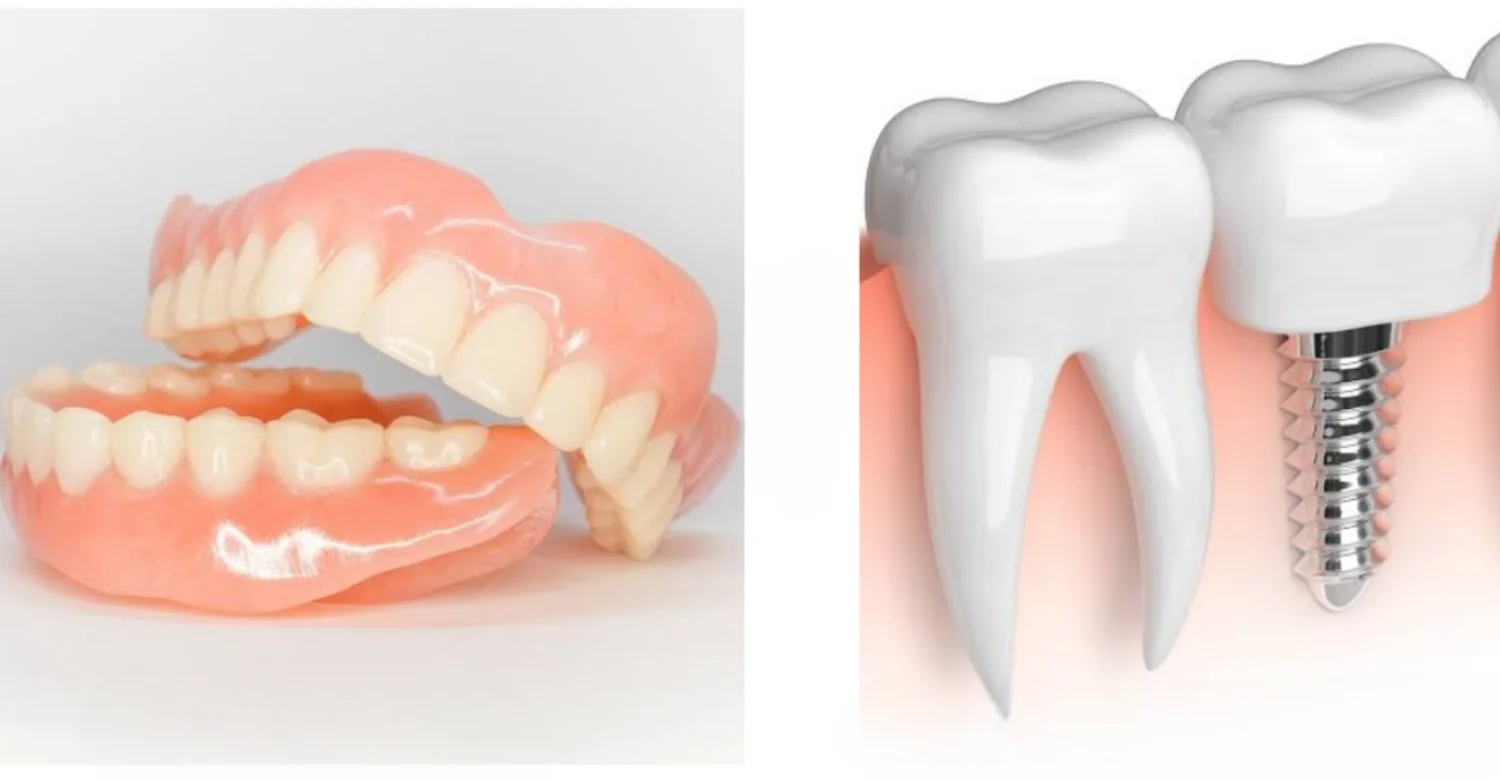
Dental implants are biocompatible fixtures placed into the jawbone to support crowns, bridges, or larger restorations. An implant supported denture uses implants as retention or support points. Both share implant surgery but differ in prosthetic construction. Evidence shows implant supported overdentures can improve quality of life compared with conventional dentures. Knowing these basic definitions makes later treatment discussions much clearer and easier to follow.
What is an individual dental implant?
An individual dental implant replaces the root of one missing tooth. A crown connects to it after healing or appropriate loading. Adjacent healthy teeth remain independent. The implant position must respect neighboring roots, nerves, and bone contours. Regular professional review helps detect problems early. Digital planning can confirm the ideal implant position before any surgery takes place.
What is an implant supported denture or overdenture?
An implant supported denture replaces multiple missing teeth with one prosthesis. Implants provide attachment points beneath the denture base, improving retention and reducing movement. It can still be removed for cleaning when designed as an overdenture. Upper and lower jaws often need different implant numbers. Patients should ask which attachment type is planned and how it will be serviced over time.
How are implant supported dentures different from conventional dentures?
Conventional dentures rely mainly on oral tissues for support. Implant supported dentures gain retention from mechanical connections to implants. This reduces lifting and sliding during speech and eating. This difference matters most for lower dentures, which move easily. Research reports better satisfaction, stability, and comfort with implant retained lower dentures. Patients should weigh these benefits against the added surgery and maintenance commitments.
What does “implant supported” actually mean?
“Implant supported” means implants provide structural support or retention for a prosthesis. The term does not automatically mean the restoration is fixed. Both removable overdentures and fixed full arch restorations can be implant supported. Patients should ask whether they can remove the restoration and how cleaning works. This distinction becomes important when comparing stability, hygiene, and long term costs between clinics.
Removable implant supported dentures
A removable implant supported denture clips onto strategically positioned implants. The patient removes it for daily cleaning. Attachments may be stud, locator style, or bar based systems. These components wear over time and need periodic replacement. The denture may also need relining as the ridge changes. Cleaning must cover both the denture and the implant areas every day.
Fixed implant supported full arch restorations
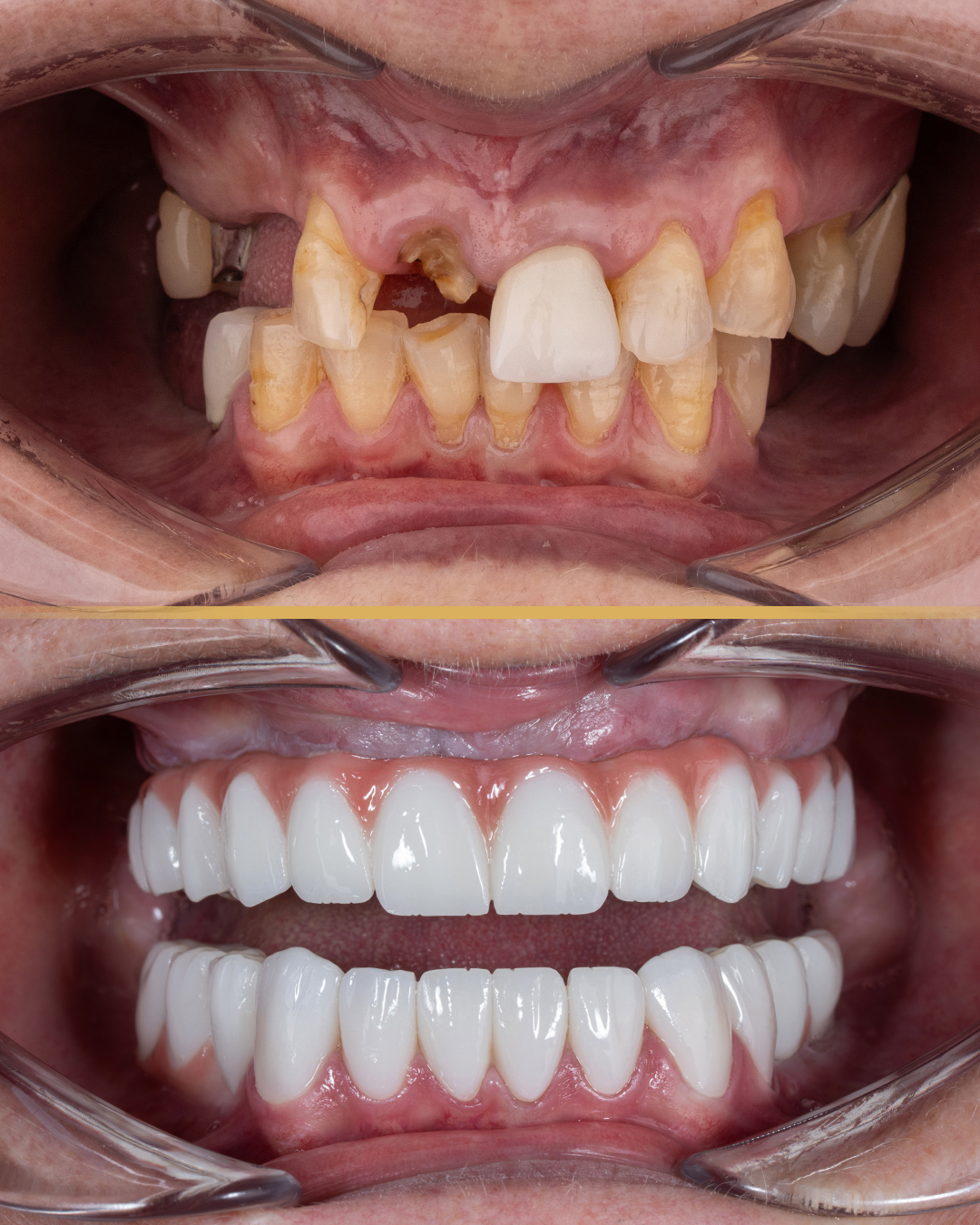
A fixed full arch restoration stays attached to the implants during daily use. The patient cannot remove it independently. Materials may include acrylic, composite, zirconia, or combinations. A 2023 systematic review found fixed restorations gave stronger improvements in reported stability. Contours must still allow adequate cleaning. Occasional professional removal may be needed for deeper cleaning or component checks.
Dental Implants vs Implant Supported Dentures: What Is the Difference?
The primary difference is how implants relate to the final prosthesis. Individual implants support separate crowns or bridges. Overdentures use implants to retain one removable prosthesis. Fixed full arch restorations use several implants under one non removable prosthesis. Bone volume and prosthetic space decide what is feasible for each patient. There is no universal treatment that suits every patient, so a full examination always comes first.
How do the two treatment approaches work?
Individual implants replace missing roots separately, each receiving a crown or supporting a bridge. Implant supported dentures use several implants to hold one appliance. Attachments transfer chewing forces toward the implants and bone. Loading may be immediate or delayed, depending on clinical stability. The treatment sequence may include extractions, healing, imaging, implant placement, and final restoration.
Implant supported dentures vs dental implants: a quick comparison
Individual implants suit one tooth or selected gaps, while implant supported dentures suit multiple missing teeth or whole arches. Individual crowns feel highly tooth-like. Overdentures improve retention without being fixed. A quick look at Dental Implants vs Implant Supported Dentures helps, but it cannot replace diagnosis. Fixed full arch restorations maximize stability, while removable overdentures simplify daily cleaning.
Number of implants
Implant count depends on the planned prosthesis and anatomy. Single tooth replacement usually uses one implant per missing tooth. Lower jaw overdentures often use two implants. Implant count should always follow the planned restoration, not the reverse. Distribution, angulation, and bone quality influence performance as much as the number itself.
Fixed versus removable design
A fixed restoration stays attached during normal use. A removable denture can be taken out for cleaning. Fixed designs feel more like permanent teeth. Removable designs may simplify home hygiene. The choice reflects anatomy, function, hygiene ability, and patient preference. Discussing daily routines openly helps the dental team recommend a realistic design.
Stability and chewing function
Implants improve denture stability compared with tissue retention alone. A 2021 meta analysis found better stability, speech, and satisfaction with two implant overdentures. Fixed full arch restorations resist movement even more. Stability is central to any Dental Implants vs Implant Supported Dentures comparison. Patients often notice the biggest change when moving away from a loose lower denture.
Appearance and speech
Both approaches can restore tooth shape and facial support. Removable dentures may add flange support when tissue volume is missing. Speech usually improves once a loose denture is stabilized. At Vitrin Clinic, prosthetic planning is coordinated with implant position planning. Trial tooth setups can help patients preview their smile before final fabrication.
Cleaning and maintenance
Individual crowns need brushing, interdental cleaning, and professional monitoring. Removable overdentures come out for direct cleaning. Fixed full arch prostheses need specialized tools to reach beneath them. Cleaning demands differ clearly between these designs. Maintenance should be planned before treatment, not after complications appear.
Treatment time and complexity
Treatment time depends on healing, grafting, implant count, and restoration type. A single implant needs fewer stages than full arch treatment. Immediate temporary teeth may suit selected patients with good stability. Digital planning reduces surprises but cannot shorten biological healing. Patients should receive a clear stage by stage schedule before treatment starts.
Long term maintenance
Implants are not maintenance free. Complications include peri implant mucositis, peri implantitis, and worn or broken components. A 2022 meta analysis estimated peri implantitis at about 19.5% of patients. Long term care matters for both options in Dental Implants vs Implant Supported Dentures. Ongoing professional care protects both the surrounding tissues and the prosthetic components.
Explore the best choice between No-Prep Veneers vs Traditional Veneers
Which Teeth Can Each Option Replace?
Implant Dentures
vs Individual Implants
Individual implants suit localized tooth loss and can support bridges across several gaps. Implant supported dentures are usually considered when many or all teeth are missing. The pattern of tooth loss often frames Dental Implants vs Implant Supported Dentures. At Vitrin Clinic, individualized Dental Implant Treatment planning links these findings to the restoration design.
When are individual implants used for missing teeth?
Individual implants are considered when one tooth or a few separate teeth are missing. Each implant supports a crown or part of a bridge. Bone dimensions and nearby structures decide safe positioning. The crown should match neighboring teeth in shape, color, and bite. Single site treatment usually involves fewer prosthetic components than full arch rehabilitation.
When is an implant supported denture used for multiple missing teeth?
An implant supported denture suits partially or completely edentulous arches. Fewer implants are needed than separate crowns for every tooth. Ridge anatomy and prosthetic space shape the design. Extensive tooth loss often favors a denture based plan. Patients should understand attachment maintenance before agreeing to treatment.
Can several individual implants support a full mouth restoration?
Yes, multiple implants can support fixed bridges or crowns across a full arch. This needs sufficient healthy bone and careful bite and aesthetic planning. More implants do not automatically improve outcomes. Surgical and prosthetic planning should happen together. A coordinated digital workflow can help visualize the final result before treatment begins.
Can an implant supported denture replace a complete dental arch?
Yes, an overdenture can replace a complete arch, including gum colored areas. Lower arches commonly use two implants. Upper arches often need more support. Fixed full arch bridges are another option when bone allows. A clear explanation of each design helps patients choose with confidence.
Check out the comparison of Immediate Dental Implants vs Delayed Implants
How Many Implants Are Needed for Implant Supported Dentures?
Implant numbers vary because prosthetic demands differ. Lower jaw overdentures often use two implants, backed by strong evidence. Upper jaw overdentures usually need more because bone conditions differ. Fixed full arch restorations may use four, six, or more. Implant numbers often explain price gaps in Dental Implants vs Implant Supported Dentures quotes.
How many implants are commonly used in the lower jaw?
Two implants are a widely established setup for lower overdentures. They usually sit around the canine regions. A 2023 systematic review found better patient reported outcomes with two implants than one. Fixed designs need more extensive support. Denser front bone in the lower jaw often supports predictable implant placement.
How many implants may be needed in the upper jaw?
Upper jaw overdentures often need more implants than lower ones. The upper jaw usually has softer bone and sinus limits. Pooled data showed high survival with six or more splinted implants. Planning should be individualized, not copied from another patient. Patients should ask why the proposed configuration suits their own anatomy.
Why does the number and position of implants vary?
Implant placement is a three dimensional planning problem. Bone volume, nerves, and sinuses limit where fixtures can go. Distribution affects how forces spread across the prosthesis. Digital planning helps align implant positions with the intended tooth arrangement. This explains why two similar patients may receive quite different recommendations.
Available bone
Bone height, width, and density affect implant selection. Tooth loss gradually reduces ridge volume. Grafting can sometimes rebuild deficient sites. CBCT supports cross sectional assessment when justified. Bone findings often decide which restoration is feasible. Severe resorption may restrict conventional placement without extra procedures.
Jaw anatomy
The lower jaw contains important nerves, and the upper jaw contains the sinus. These structures influence implant length, angle, and position. Bone quality also differs between front and back areas. Every plan should reflect the patient's own anatomy. Advanced imaging can reveal anatomy that ordinary X rays cannot show clearly.
Implant distribution
Implants should be spread to support the prosthesis effectively. Poor distribution creates unfavorable loading. Fixed full arch restorations need strategic front and back support. The goal is controlled force distribution, not maximum implant count. Balanced spacing also makes attachments easier to service and clean later.
Denture design and attachment system
Attachment systems control how the denture connects to implants. Stud attachments clip onto individual implants, while bars splint implants together. Each needs different space and maintenance. Attachment choice should be agreed before surgery begins. Patients should also ask how easily each system can be cleaned at home.
Fixed versus removable restoration
Removable restorations allow direct cleaning access. Fixed restorations resist movement more strongly. A 2026 review reported higher chewing efficiency with fixed designs and easier hygiene with removable ones. No single implant count fits every prosthetic category. Fixed designs generally need more implants and more extensive laboratory work.

How stable are implant supported dentures?
Implant supported dentures are generally more stable than conventional dentures. Attachments resist lifting and sliding during speech and chewing. Stability also depends on attachment condition and denture fit. Periodic relining or adjustment keeps retention reliable over time. Many patients describe greater confidence when eating in public after treatment.
How do individual implants affect chewing and bite function?
Individual implants provide support similar to natural roots. Crowns transfer biting forces directly into the bone. Function depends heavily on implant position and bite design. Night guards may help patients who grind their teeth. Excessive forces can contribute to technical or biological complications over time.
What does research show about fixed restorations versus implant overdentures?
A 2023 meta analysis of 28 studies and 1,457 patients found both designs improved patient reported outcomes. Overall effects did not differ significantly. Fixed restorations showed an advantage for stability. Research supports both options within Dental Implants vs Implant Supported Dentures decisions.
Why might a fixed restoration provide greater stability for some patients?
A fixed restoration stays physically connected to implants during function. It does not rely on removable attachments. This reduces movement while chewing and speaking. However, cleaning beneath it requires special tools and more complex maintenance. Patients should practice cleaning techniques before the final restoration is delivered.
Compare options in Snap-On Veneers vs Porcelain Veneers
Which Option Looks and Feels More Natural?
Natural appearance depends on tooth position and soft tissue design. Individual crowns closely replicate separate teeth. Full arch prostheses can also look highly natural. Appearance goals matter in Dental Implants vs Implant Supported Dentures planning. At Vitrin Clinic, digital scans guide restorative design before final fabrication.
How natural do individual implant restorations feel?
A well designed implant crown feels similar to a fixed natural tooth. It stays stable during chewing. Sensation differs slightly because implants lack a periodontal ligament. Most patients adapt quickly after placement. Careful shade matching helps the crown blend naturally with neighboring teeth.
How do implant supported dentures affect speech and comfort?
Better retention reduces movement during speaking, so pronunciation becomes more predictable. Comfort depends on the denture base, attachments, and tissue condition. Gradual adaptation is normal after major prosthetic changes. Research shows improved speech and comfort with lower implant overdentures. Reading aloud at home can help patients adapt to new tooth positions faster.
Can an implant supported denture move during eating or speaking?
Slight movement can occur because an overdenture is not permanently fixed. Good implant positioning limits unwanted motion. Sudden increases in movement need professional assessment. Minor movement is normal and should be explained before treatment. Increased mobility can point to attachment wear, poor fit, or tissue changes.
What role do gum tissue, lip support, and prosthetic design play?
Gum tissue shapes the visible transition around teeth. Lip support becomes important after major tooth and bone loss. A removable denture can add flange support. The prosthetic design should be planned before final implant positions. Photographs and facial measurements can support these aesthetic decisions.
Implant Supported Dentures vs Implants: Which Is Easier to Maintain?
Maintenance depends mainly on prosthetic design. Crowns need daily care around each restoration. Overdentures come out for cleaning. Fixed full arch restorations need special tools. Hand dexterity can influence which Dental Implants vs Implant Supported Dentures option suits someone.
How do you clean individual dental implants?
Brush implant crowns like natural teeth, focusing on the gumline. Interdental brushes help reach tight areas. Water irrigation may supplement cleaning for some patients. Persistent bleeding or swelling around an implant should be assessed. A soft bristled brush and a consistent routine matter more than complicated products.
How do you clean removable implant supported dentures?
Remove the denture as instructed and clean it with a suitable method. Clean the attachments and surrounding gums separately. Avoid abrasive products that scratch the prosthesis. Easy removal is a clear hygiene advantage of overdentures. Leaving the denture in continuously can make tissue hygiene harder.
What professional maintenance is needed?
Professional visits check implants, gums, bite, and components. The dentist assesses plaque, bleeding, pocketing, and mobility. Denture fit is reviewed as the ridge changes. Consistent follow up benefits both options in Dental Implants vs Implant Supported Dentures. Patients should keep records of each visit and any component replacement.
Implant and gum examinations
Clinicians check tissues around implants for inflammation. They may measure probing depths when indicated. True implant mobility needs prompt evaluation. A history of periodontitis raises peri implant disease risk. Early findings are usually easier to manage than advanced disease.
Professional cleaning
Professional cleaning removes deposits from accessible implant surfaces. Instruments are chosen to suit implant and prosthetic materials. Frequency depends on patient risk and history. It supports, but never replaces, daily home care. Feedback during these visits helps patients refine their home routine.
Denture and attachment maintenance
Attachments lose retention as inserts wear. The denture base can fracture or lose fit. Relining can restore tissue adaptation. Patients should not glue or adjust components themselves. Replacement parts are usually simple to fit during routine appointments.
Monitoring bone and peri implant tissues
Radiographs are taken when clinical findings indicate a need. Comparing them with earlier records reveals bone changes. CBCT is not required at every visit. Baseline records make later comparisons more reliable. Peri implant disease prevalence estimates vary widely between published studies.
Find your ideal smile with Teeth Whitening vs Veneers
Who May Be a Candidate for Individual Dental Implants?
Candidates need adequate conditions for predictable implant placement. Bone, gums, remaining teeth, and bite are all evaluated. A 2024 meta analysis found smokers had higher early failure risk, with an odds ratio of 2.59. Candidacy is a key step before settling Dental Implants vs Implant Supported Dentures.
How does the condition of the jawbone affect candidacy?
Implants require enough bone width, height, and density. Tooth loss and infection both reduce available bone. Imaging shows whether the intended site is adequate. Some patients need grafting, while others suit alternative positions. A clear plan should explain whether grafting changes the overall healing time.
How do gum health and oral hygiene affect implant treatment?
Healthy gums support cleaner implant environments. Active gum disease should be treated before elective implant surgery. A history of periodontitis increases peri implant disease risk. Gum stability matters equally for crowns and dentures. Good habits formed before surgery usually continue after treatment.
How do smoking and other risk factors affect treatment planning?
Smoking raises implant failure risk across multiple studies. Diabetes control, gum history, and hygiene also matter. Patients should share medications and medical history during consultation. Stopping smoking before surgery can support healing. Honest disclosure allows the dental team to adjust the plan safely.
What happens if there is insufficient bone?
Insufficient bone can change implant placement or timing. Grafting or sinus augmentation may add volume. Alternative positions can sometimes avoid augmentation. Bone limits can shift Dental Implants vs Implant Supported Dentures toward fewer implants.
Bone grafting
Bone grafting rebuilds volume in deficient areas. It may happen before or during implant surgery. Healing time depends on graft size and location. Not every bone defect needs augmentation. Grafting can also affect the total cost and appointment schedule.
Sinus augmentation when clinically indicated
Sinus augmentation increases bone in the back of the upper jaw. It is considered when sinus anatomy limits implant length. Some cases allow simultaneous implant placement. Others need staged healing first. CBCT helps visualize sinus boundaries before this procedure is planned.
Alternative implant planning
Alternative planning may reduce the need for grafting. Implants can sometimes be angled or repositioned within a safer bone. These approaches need case specific planning. They are not universal substitutes for grafting. Each alternative should be explained with its benefits and limitations.
Who May Be a Candidate for Implant Supported Dentures?
Implant supported dentures suit patients with many missing teeth or loose conventional dentures. Candidates need sufficient conditions for implant placement. Patients must also manage cleaning around implants. Candidacy assessments often clarify Dental Implants vs Implant Supported Dentures for denture wearers.
Are implant supported dentures suitable for people missing most or all teeth?
Yes, they suit extensive tooth loss or complete edentulism. Lower overdentures are well established with two implants. Upper designs need more detailed planning. Fixed full arch restorations are another option. Patients should compare removable and fixed maintenance demands before choosing.
Can patients with existing conventional dentures transition to implant supported dentures?
Yes, many denture wearers can be assessed for an implant retained upgrade. The current denture guides tooth position and facial support. Reviews show improved satisfaction after this transition. The old denture may also serve as a temporary cure. A new prosthesis is often made once the implants have healed.
Can implant supported dentures be considered when individual implants are not practical?
Yes, fewer implants can support one removable prosthesis. This helps when replacing every tooth individually is impractical. Bone distribution and hygiene capacity still matter. Removable designs also simplify cleaning access. The choice should reflect clinical feasibility, not only the number of missing teeth.
Why does overall oral and medical assessment matter before treatment?
Implants involve surgery and long term maintenance. Examination can reveal infection, gum disease, or insufficient bone. Medical history may affect planning and timing. A complete assessment underpins every Dental Implants vs Implant Supported Dentures recommendation.
Learn what treatment you need in Dental Inlays vs Onlays
What Does the Diagnosis and Treatment Planning Process Involve?
Planning begins with a clinical examination of teeth, gums, bite, and missing areas. Imaging then clarifies bone anatomy. CBCT supports cross sectional assessment when justified. Digital scans guide prosthetic planning. Careful diagnosis turns Dental Implants vs Implant Supported Dentures into a clear decision.
What does the dentist examine before recommending implants?
The dentist checks remaining teeth, gum health, ridge contour, and available space. The bite and hygiene ability are also assessed. Existing dentures reveal aesthetic and vertical dimension information. Findings should be explained in plain language. Medical history and smoking status may also affect the final plan.
Which dental X rays or scans may be needed?
Imaging depends on the clinical question and case complexity. Panoramic or periapical X rays give an initial overview. CBCT adds three dimensional detail when required. Intraoral scans support restorative design and fabrication. Patients may ask why each image is being requested.
Panoramic or other dental X rays
Panoramic images show both jaws in one overview. Periapical images give closer views of specific teeth or sites. Two dimensional images may be insufficient for complex planning. Radiographs should follow clinical needs. Recent images from another clinic may sometimes reduce the need for repeats.
CBCT 3D imaging when clinically appropriate
CBCT creates a three dimensional view of the jaw. The AAOMR calls it the method of choice for cross sectional implant imaging. It shows bone dimensions, nerves, and sinus anatomy. The smallest suitable field of view should be used. The scan can also guide both prosthetic and surgical planning.
Digital intraoral scanning and prosthetic planning
Intraoral scanning captures oral structures digitally. Scan data can merge with radiographs for guided planning. This helps position implants according to the planned teeth. Many patients find scanning more comfortable than impressions. Evidence on fully digital overdenture workflows continues to develop.
How is available bone evaluated?
Bone is evaluated through examination and appropriate imaging. Width and height are measured at proposed sites. Distances from nerves and the sinus are checked. Bone assessment cannot be separated from prosthetic planning. Clear bone findings help patients understand why a specific design is recommended.
How are implant positions planned?
Implant positions should start from the final prosthetic teeth. The clinician considers bite, bone, and cleansability. Combining scans with CBCT supports guided planning. Placement should be restoration driven, not bone only. Surgical guides may be used when they add precision to the plan.
How does the dentist determine whether fixed or removable treatment is appropriate?
The decision weighs anatomy, function, hygiene, aesthetics, and priorities. Fixed designs offer more stability but harder cleaning. Removable overdentures often use fewer implants. This step usually completes the Dental Implants vs Implant Supported Dentures planning conversation.
Note : All images used are for editorial and illustrative purposes only and may not originate from the original news provider or associated company.
See what works best for you with Fixed Retainers vs Removable Retainers
What We Notice Clinically
Clinical decisions rarely depend on one measurement. Bone, gums, facial support, and bite can all change the plan. Many patients assume more implants always mean a stronger result. These observations often reshape how patients view Dental Implants vs Implant Supported Dentures. At Vitrin Clinic, Dental Implant Treatment planning connects every factor.
Why the number of missing teeth is not the only factor that determines treatment choice
Two patients missing the same teeth may need different restorations. Bone shape, remaining teeth, and bite forces vary. Some patients prioritize easy cleaning, others fixed stability. Tooth count is useful but should not dictate treatment alone. Lifestyle and maintenance preferences also deserve careful attention.
Why bone availability and prosthetic design can change the treatment plan
Implants need suitable bone, and prostheses need enough space. A fixed design may need different implant positions from an overdenture. Bone limits can force a prosthetic redesign. Digital planning reveals these interactions early. Patients benefit when these limits are explained before surgery begins.
Common misconception: more implants do not automatically mean a better treatment
Extra implants add cost and surgical complexity. They help only when they serve a restorative purpose. Evidence supports two implants for lower overdentures. The right number is the one the restoration truly needs. Fixed full arch cases may still need higher numbers for good support.
Common misconception: implant supported dentures are not the same as conventional dentures
An implant supported denture connects to implants, while a conventional denture relies on tissue. The connection reduces movement during function. However, an overdenture may still be removable. Clear terminology helps patients compare quotes accurately.
Why a removable overdenture and a fixed full arch implant restoration should not be treated as interchangeable terms
A patient can remove an overdenture but not a fixed full arch prosthesis. Their attachments, cleaning methods, and implant numbers differ. Materials and laboratory steps also vary. Mixing these terms confuses cost and care expectations.
Differences in attachment, cleaning, and removal
Removable dentures expose attachments once taken out. Fixed prostheses stay connected continuously. Fixed arches need tools that reach beneath them. Patients should practice their routine before treatment ends. Demonstrations at the clinic can make home care easier to follow.
Differences in prosthetic maintenance
Overdentures need attachment inserts replaced as retention fades. Fixed restorations need screw checks and occasional repairs. Both can suffer wear or fracture. These future costs should be discussed before treatment. A lower initial surgical plan can still bring later prosthetic expenses.
Clinical Note: Dr. Rifat Alsaman on individualized implant planning
Dr. Rifat Alsaman emphasizes matching implant design to each patient's oral condition. Implant numbers should follow clinical purposes, not marketing claims. Bone, gums, bite, and space all influence selection. At Vitrin Clinic, digital records connect diagnosis with restoration.
Dr. Rifat Alsaman, on matching implant design to the patient's oral condition, functional needs, and restorative goals
Dr. Rifat Alsaman, Head of the Medical Team at Vitrin Clinic and cosmetic dentist, plans implants individually. Implant positions should support the planned teeth and allow practical hygiene. One patient may suit a removable design, another a fixed one. Each recommended stage should be explained.
What Are the Possible Side Effects and Complications?
Short term symptoms include soreness, swelling, bruising, and minor bleeding. Complications can include infection, poor healing, nerve symptoms, or implant failure. Prosthetic problems include wear and attachment loss. Both sides of Dental Implants vs Implant Supported Dentures carry risks worth discussing openly.
What side effects are common after implant surgery?
Mild pain and swelling are common after oral surgery. Bruising and temporary sensitivity can also occur. Symptoms usually ease within several days. Severe, worsening, or persistent bleeding needs assessment. Recovery differs according to surgical complexity and individual healing.
What complications can affect dental implants?
Possible complications include infection, failed integration, peri implant disease, and fracture. Nerve irritation can occur if anatomy is not respected. Screws and restorations can loosen or break. Good planning reduces, but cannot remove, every risk. Smoking is linked with a higher risk of early implant failure.
What complications can affect implant supported dentures?
Overdentures can develop attachment wear and reduced retention. The base can fracture or need relining. Fixed full arch restorations risk screw loosening and material fracture. Most issues are manageable when detected early. Sudden changes in fit or comfort always require assessment.
Implant inflammation and peri implant disease
Inflammation develops when bacterial biofilm builds up around implants. Mucositis affects soft tissue only, while peri implantitis also destroys bone. A 2025 meta analysis estimated peri implantitis in 25% of patients. Mucositis often reverses with better plaque control. Regular professional maintenance remains the best protection against progression.
Prosthetic wear or fracture
Prosthetic materials face repeated chewing forces. Acrylic teeth and denture bases gradually wear. Fractures can follow stress or trauma. Many repairs restore function without replacing the whole restoration. Material choice influences both durability and repair options.
Loose attachments or components
Overdenture attachments can loosen or lose retention over time. Inserts wear and need replacement. Patients often notice increased movement first. DIY adjustments are not recommended. The underlying implant should also be checked if movement changes suddenly.
Denture movement or loss of retention
Retention drops as attachments wear or the ridge changes. Food trapping may appear under a less stable base. Relining or attachment replacement often fixes this. Persistent movement should not be ignored. Early review usually makes the correction simpler and cheaper.
Implant failure
Implant failure can happen before integration or later in function. Causes include poor healing, infection, overload, or disease. Smoking raises the risk. Further treatment may involve removal, grafting, or replacement. Patients should ask about contingency plans before surgery begins.
What factors may increase the risk of implant supported overdenture complications?
Poor hygiene, smoking, and previous periodontitis raise complication risk. Poor fit creates movement and uneven loading. Skipped maintenance lets wear progress unnoticed. Risk profiles can influence Dental Implants vs Implant Supported Dentures recommendations.
How can regular professional follow up reduce preventable problems?
Recall visits catch inflammation, attachment wear, and prosthetic damage early. Professional plaque removal supports home care. Higher risk patients may need closer monitoring. Small corrections now prevent larger repairs later. Maintenance should continue even when treatment feels completely comfortable.
Explore the difference between Hollywood Smile vs Veneers
What Relief Can Patients Expect After Treatment?
Implant supported treatment can reduce problems caused by loose dentures. Better retention improves comfort while eating and speaking. Early soreness usually settles as tissues heal. Relief is a common reason patients explore Dental Implants vs Implant Supported Dentures. Vitrin Clinic provides aftercare guidance throughout healing.
How can implant supported treatment address problems with loose conventional dentures?
Implants anchor the denture and reduce sliding during chewing and speech. Lower dentures benefit especially. Reviews report better satisfaction with lower implant overdentures. Many patients reduce or stop using denture adhesives.
What can help with discomfort during the healing period?
Take medications as instructed and use cold packs when advised. Choose soft foods and avoid pressure on surgical areas. Keep the mouth clean using the recommended method. Contact the dental team if symptoms worsen. Rest during the first day or two can also support comfort.
How should patients manage temporary soreness or swelling?
Mild soreness responds to the prescribed medication plan. Swelling usually peaks early, then declines. Sleeping with the head raised may help. Recovery time varies with the scope of surgery. Avoid touching the surgical area and keep the rest of the mouth clean.
Follow the dentist's post operative instructions
Postoperative instructions are part of the treatment itself. They cover medication, rinsing, food, and activity. Do not substitute generic online advice. Keep written instructions nearby during the first days. Following them closely also helps the clinician interpret symptoms during follow up.
Maintain appropriate oral hygiene around the treatment area
Good hygiene controls bacterial buildup during healing. Brushing may be modified temporarily near fresh wounds. Other areas should be cleaned normally. Gentle rinses may be advised early on.
Choose suitable foods during early healing
Soft foods reduce pressure on surgical areas. Hard foods can irritate tissues or strain temporary teeth. Stay well hydrated. Follow the dentist's food guidance for your procedure. Nutritious soft meals support comfortable healing and steady energy.
Avoid smoking during recovery when advised
Smoking harms implant healing and early success. A 2024 meta analysis confirmed higher early failure among smokers. Follow the smoke free period your dental team recommends. Stopping earlier gives tissues a better healing environment.
When should discomfort or swelling be assessed by a dentist?
Seek assessment when pain grows stronger instead of weaker. Increasing swelling, fever, pus, or persistent bleeding need attention. New mobility of an implant or prosthesis needs evaluation. Do not wait for the next scheduled visit. Professional assessment can tell routine healing apart from a complication.
How Long Does Treatment and Recovery Take?
Timelines vary widely between patients. Single tooth cases need fewer stages than full arch rehabilitation. Grafting adds healing time. Some patients receive immediate temporary teeth, while others need delayed loading. Timelines are a practical factor in Dental Implants vs Implant Supported Dentures.
What happens during the implant placement stage?
The implant is placed into the planned bone position under local anesthesia. The site is prepared with a controlled surgical sequence. Temporary restoration choices depend on stability. Follow up visits monitor healing. Sedation options may be discussed for anxious patients when appropriate.
How long does implant healing usually require before definitive restoration?
Healing time depends on implant site, bone quality, and protocol. Some cases allow immediate loading with good stability. Others need several months before the final restoration. It should never be rushed for scheduling reasons. Patience during healing supports long term implant stability.
Can temporary teeth or dentures be used during treatment?
Yes, temporary teeth or dentures are often used during staged treatment. They support appearance and basic function. Chewing limits apply while healing. Immediate temporaries are not suitable for every case. Temporary appliances may need adjustment as the tissues change shape.
Why does treatment time vary between patients?
Healing responses differ between individuals. Grafting, implant numbers, and loading protocols change timelines. Complex aesthetics add laboratory visits. At Vitrin Clinic, scheduling follows the planned Dental Implant Treatment sequence.
Bone grafting or additional procedures
Grafting adds surgical and healing stages. Sinus augmentation can extend upper jaw treatment. Extractions or gum treatment may come first. Each extra procedure affects the overall timeline. Patients should ask how each procedure changes the overall schedule.
Number of implants
More implants mean more surgical and prosthetic appointments. A single implant follows a short sequence. Full arch work needs broader coordination. The final number should follow the prosthetic objective.
Healing response
Biological healing differs between patients and sites. Bone quality affects integration timing. Complications can lengthen treatment. General health and smoking also influence healing speed. The clinician should assess the tissues before moving to the final restoration.
Immediate versus delayed loading protocols
Immediate loading shortens time without teeth in selected cases. It needs strong primary stability. Delayed loading allows more healing first. Neither protocol suits every patient. Patients should understand which protocol is planned and why.
Compare treatments in Professional Teeth Whitening vs Whitening Strips
Dental Implants vs Implant Supported Dentures Cost
Costs vary by country and treatment complexity. The figures below are planning ranges, not quotations. Final estimates depend on implant number, materials, imaging, surgery, and laboratory work. At Vitrin Clinic, an individualized assessment comes before any definitive treatment plan and cost.
Country | Approximate Cost Per Arch | Approximate Midpoint | Main Cost Factors |
United States | 8,000–15,000 | $11,500 | Implants, attachments, prosthesis, grafting, imaging |
United Kingdom | $6,000–$10,000 | $8,000 | Implant system, prosthetic design, surgery, laboratory work |
Turkey | 3,000–6,000 | $4,500 | Implant system, restoration type, additional procedures |
These figures are planning ranges and simple midpoints, not national average prices or fixed dental quotes.
How much do implant supported dentures cost in the United States?
A planning range of about 8,000–15,000 per arch applies. Implant number and attachment design can influence the price. Grafting and fixed designs may exceed this range. Imaging and temporary teeth may be billed separately. Insurance coverage varies, so benefits should be checked separately.
Typical planning range: approximately 8,000–15,000 per arch, depending on implant number, attachment system, prosthesis, and additional procedures
This range supports broad financial planning only. Clinics package surgical and prosthetic services differently. Implant brands can also change component costs. Request an itemized quotation to compare treatment plans fairly.
How much do implant supported dentures cost in the UK?
A planning range of about $6,000–$10,000 per arch is used. Complex fixed or multi implant restorations can cost more. Some quotes include imaging and temporary teeth, while others list them separately. Compare identical treatment components. Payment plans may be available at some private clinics.
Typical planning range: approximately $6,000–$10,000 per arch, with more complex fixed or multi implant restorations potentially costing more
Treat this as an indicative figure. Fixed prostheses require different laboratory work from overdentures. Grafting can add another surgical stage. A detailed quote should list every included component. Ask how long the quoted price remains valid.
How much do implant supported dentures cost in Turkey?
A planning range of about 3,000–6,000 per arch is used here. The implant system, prosthetic design, and grafting can affect the total. Check whether transfers, temporary restorations, and follow up are included. Many international patients compare Dental Implants vs Implant Supported Dentures while also considering travel arrangements.
Typical planning range: approximately 3,000–6,000 per arch, depending on the implant system, prosthetic design, number of implants, and additional treatment
This figure is for early planning, not a quotation. Overdentures and fixed full arch restorations are not identical services. Visit numbers can also differ. Request a written treatment plan before comparing providers.
What is the approximate average planning cost across the three countries?
These are simple midpoints of the ranges above. They are not weighted national averages. Currency differences make direct comparisons imperfect. Always match treatment scope before comparing prices.
Country | Planning Range | Midpoint |
United States | 8,000–15,000 | $11,500 |
United Kingdom | $6,000–$10,000 | $8,000 |
Turkey | 3,000–6,000 | $4,500 |
US: approximately $11,500 per arch
This is the midpoint of the United States planning range. Actual treatment may cost more or less. Prosthesis type is a major variable. Extra surgery can raise the total. Location and clinic structure can influence the final amount.
UK: approximately $8,000 per arch
This is the midpoint of the United Kingdom planning range. It is not a typical quote for every clinic. Fixed restorations can cost more. Regional fees also vary. Individual complexity can shift the total up or down.
Turkey: approximately $4,500 per arch
This is the midpoint of the Turkey planning range. The actual cost depends on the treatment scope and implant system. Check package inclusions carefully. Budget for future maintenance or return visits too. Accommodation and transport may or may not be included.
Why should these figures not be treated as fixed dental quotes?
Dental treatment is highly individualized. Implant numbers, grafting, and materials vary widely. Scans, temporary restorations, and aftercare may be separate items. No online range can determine the exact cost for an individual patient.
Number and type of implants
Implant count directly affects surgical and component costs. Different systems use different components and laboratory workflows. The planned prosthesis determines how many implants are required. Count alone cannot predict the final price. Ask how each implant contributes to the planned restoration.
Implant brand and components
Manufacturers use different abutments, screws, and attachment systems. These components vary in price. The implant brand should appear in the treatment plan. Widely available systems can simplify future replacement needs. Some systems also require specific laboratory components.
Denture or prosthetic material
Acrylic, composite, zirconia, and hybrid options have different laboratory costs. Material selection can affect durability and repair options. Choose materials according to function and anatomy, not price alone. Material choice can also influence appearance and long term maintenance.
Bone grafting or sinus procedures
Grafting adds surgical fees and healing appointments. Sinus procedures can add complexity in selected upper jaw cases. Imaging helps determine whether these procedures are needed. Discuss their likelihood before accepting a final quote.
Temporary restorations
Temporary teeth can support appearance during treatment. Some are simple removable appliances. Others are laboratory made fixed temporaries. Confirm whether temporary restorations are included in the fee. Their complexity and cost vary between cases.
Diagnostic imaging
Panoramic X rays, periapical images, and CBCT can have different costs. Not every patient requires each type of imaging. Imaging fees should appear clearly in the estimate. Each requested scan should have a clear diagnostic purpose.
Follow up and maintenance
Maintenance belongs in the long term treatment budget. Attachment replacement, relining, and prosthetic repairs can create future expenses. Ongoing professional care also helps monitor peri implant tissues. Supportive care should be planned from the beginning.
What is included in an implant supported denture quote?
A clear quote should state the number of implants, manufacturer, and attachment system. It should describe the prosthesis material and restoration type. Imaging, surgery, temporary restorations, laboratory fees, and grafting should be listed separately. International patients should check transfers and accommodation separately. Warranty terms should also be provided in writing.
Quote Component | Should Be Clearly Stated? | Why It Matters |
Number of implants | Yes | Changes surgical and prosthetic costs |
Implant brand | Yes | Affects components and future maintenance |
Attachment system | Yes | Influences retention and replacement needs |
Prosthesis material | Yes | Affects appearance, durability, and laboratory fees |
Imaging | Yes | Determines diagnostic costs |
Bone grafting | Yes | Can add surgery and healing time |
Temporary restoration | Yes | May create an additional laboratory cost |
Laboratory fees | Yes | Can vary significantly by restoration type |
Follow up visits | Yes | Helps identify future treatment expenses |
Warranty terms | Yes | Clarifies coverage and exclusions |
Transfers/accommodation | Yes, for international treatment | Determines the full travel budget |
How Do You Choose Between Implant Supported Dentures and Individual Implants?
Start with the pattern of tooth loss, then check bone and gum feasibility. Prosthetic goals define which designs are practical. Budget and maintenance preferences matter too. The best Dental Implants vs Implant Supported Dentures choice balances evidence, anatomy, and personal priorities.
When might individual implants be considered?
Individual implants suit one missing tooth or a few separate gaps. They avoid involving healthy neighboring teeth. The site needs adequate bone or a feasible graft. They often suit patients with otherwise healthy teeth. The bite should also support the planned crown.
When might an implant supported denture be considered?
It suits many missing teeth or complete arch loss. A removable overdenture improves retention while staying removable. Fixed full arch treatment is another route. It often suits denture wearers wanting more confidence. Research supports improved patient reported outcomes with implant overdentures.
How do budget and maintenance preferences affect the decision?
Implant supported dentures often use fewer implants than full arch crowns. Removable designs simplify cleaning. A lower upfront price may still bring later maintenance costs. Budget and upkeep often decide close Dental Implants vs Implant Supported Dentures cases.
How do aesthetics and functional expectations affect treatment planning?
Some patients prioritize chewing stability, others facial support. Tooth position affects speech and smile appearance. Digital planning previews tooth positions before fabrication. Sharing photos of a preferred smile helps guide design.
Why should the final choice be based on a clinical examination rather than cost alone?
Price cannot show whether an implant position is feasible. A cheaper plan may need more future maintenance. Clinical findings decide what is biologically practical. Examination should come before Dental Implants vs Implant Supported Dentures pricing decisions.
What We Recommend Patients Discuss During an Implant Consultation
Patients should leave knowing exactly what is proposed. Implant count, restoration type, and attachment design should be explained. Failure scenarios and maintenance deserve honest discussion. At Vitrin Clinic, these details form part of an individualized Dental Implant Treatment discussion.
How many implants are being proposed and why?
Ask the dentist to justify the proposed number. The answer should link to the planned restoration. Distribution matters as much as count. Evidence supports two implants for lower overdentures.
Is the final restoration fixed or removable?
Know who can remove the prosthesis. Fixed full arch restorations need professional removal. Overdentures come out at home. The answer shapes your entire daily cleaning routine. Confusion about removability can easily lead to incorrect expectations.
What type of attachment system will be used?
Attachments affect retention and maintenance. Studs and bars wear at different rates. Ask how parts are replaced and how often. Knowing the system name helps future dentists service it. Components should suit the planned denture and available space.
What happens if an implant does not integrate successfully?
Ask for the contingency plan before surgery. A failed implant may need removal, healing, or grafting. The prosthesis may need redesign. Check whether replacement is covered by any guarantee. A clear contingency plan reduces stress if problems occur.
What maintenance will be required after treatment?
Maintenance combines home hygiene with professional review. Overdentures need attachment replacement over time. Fixed restorations need screw checks and special cleaning. Maintenance expectations should be written into the plan.
What additional procedures could change the final cost?
Ask whether grafting, extractions, or sinus work might be needed. Temporary restorations can add fees. International patients should ask about follow up costs. Asking early avoids surprises in Dental Implants vs Implant Supported Dentures budgets.
Tips for Patients
Preparation makes consultations more productive. Bring previous records and ask about restoration type and implant count. Clarify every additional procedure before starting. Good preparation helps patients approach Dental Implants vs Implant Supported Dentures with confidence. Vitrin Clinic coordinates communication for international patients.
What should you bring to an implant consultation?
Bring previous dental records and recent X rays. List current medications and allergies. Bring your current denture if you have one. International patients should share travel dates early.
What questions should you ask before accepting a treatment plan?
Ask which restoration will be delivered and how many implants are proposed. Ask about grafting, healing time, and maintenance. Ask what happens if an implant fails. Confirm what the quoted cost includes.
What should you avoid during implant healing?
Avoid smoking and hard foods over the surgical area. Do not disturb healing tissues or modify temporaries. Keep every follow up visit. Report worsening symptoms instead of self treating. Strenuous exercise may also be limited for a short period.
How can you protect implants and implant supported dentures long term?
Maintain daily plaque control and clean prostheses as instructed. Attend professional maintenance visits. Watch for changes in bite, retention, or swelling. Long term protection matters equally in Dental Implants vs Implant Supported Dentures outcomes.
Why regular dental check ups remain important after treatment
Implants need monitoring even when comfortable. Disease can develop without early symptoms. Components wear gradually. Recall visits are part of the treatment plan. Remaining natural teeth also benefit from these regular visits.
.jpg)
.jpg)
.jpg)
.jpg)
.jpg)
When Should You See a Dentist About an Implant or Denture Problem?
Seek assessment when symptoms persist or worsen. Increasing pain, swelling, bleeding, or discharge deserve review. New mobility may signal a mechanical or biological issue. Warning signs apply equally to both options in Dental Implants vs Implant Supported Dentures.
What symptoms should be assessed promptly?
Symptoms that persist, worsen, or appear unexpectedly need review. New mobility or sudden retention loss needs evaluation. Bite changes after restoration should be reported. A symptom diary helps the dentist assess changes.
Persistent or worsening pain
Pain should ease during normal recovery. Pain that later intensifies may signal infection or pressure. The dentist should examine the area. Do not mask pain indefinitely with medication. Early review often allows a simpler correction.
Significant swelling or bleeding
Minor swelling is normal after surgery. Increasing swelling needs clinical assessment. Heavy bleeding that will not settle needs prompt care. Follow any emergency instructions provided. Firm gauze pressure may be advised while arranging review.
Pus or unusual discharge
Pus can indicate localized infection. Discharge around an implant should be assessed. The dentist can identify its source. Prompt care helps protect surrounding bone. Self treatment should never replace a proper examination.
Increasing implant or denture mobility
An overdenture moves slightly by design, but sudden extra movement is different. It may reflect attachment wear or poor fit. True implant mobility can mean lost integration. Any unexpected mobility should be assessed professionally. Early checks can protect both the implant and the prosthesis.
Persistent difficulty chewing after the expected recovery period
Chewing problems may stem from poor fit or bite imbalance. They should not be accepted as normal. A professional review identifies needed adjustments. Small bite corrections often help quickly. Adaptation difficulties can also be addressed with guidance and time.
When is urgent dental or medical care appropriate?
Seek urgent care for severe bleeding, rapidly increasing swelling, or breathing difficulty. Fever with facial swelling also needs immediate assessment. Follow your clinician's emergency instructions. International patients should keep local emergency contacts available.
Dental Implant and Implant Supported Denture Planning at Vitrin Clinic
Vitrin Clinic combines diagnostic and restorative planning. Examination covers teeth, gums, tissues, and missing areas. Digital X rays, CBCT, and intraoral scans are used when appropriate. This structure helps patients understand Dental Implants vs Implant Supported Dentures in their own case.
How Vitrin Clinic evaluates patients considering dental implants or implant supported dentures
Vitrin Clinic begins with an individualized clinical assessment. The team reviews missing teeth, bone, and gum conditions. Prosthetic goals are discussed before choosing a restoration. Fixed and removable options are then compared.
Dental, gum, and oral tissue assessment before implant treatment
Teeth and gums are assessed before surgery. Active inflammation may need treatment first. Tissue quality affects denture comfort and aesthetics. Findings are explained so patients decide confidently. This assessment supports a broader treatment plan rather than isolated implant placement.
Digital X rays and CBCT when clinically appropriate
Digital radiography supports initial assessment. CBCT adds cross sectional detail when justified. It shows bone, nerves, and sinus anatomy. Results feed directly into surgical planning.
Digital intraoral scanning and implant position planning
Intraoral scanning records dental surfaces digitally. Scan data supports restorative design and communication. It helps align implant positions with the final teeth. Scans also create useful maintenance records.
How Vitrin Clinic develops an individualized Dental Implant Treatment plan
The plan connects clinical findings with the planned restoration. Bone assessment informs implant positions, and gum health sets surgical readiness. Additional procedures are identified early. Each plan reflects the Dental Implants vs Implant Supported Dentures option suited to the patient.
How restorative design is coordinated with implant placement
The final teeth guide implant positions whenever possible. This supports function and cleanability. Digital records show both bone and tooth position. Close coordination reduces prosthetic compromises. This link between surgery and restoration supports predictable results.
How Vitrin Clinic Supports Your Treatment Journey
Vitrin Clinic coordinates consultation, digital planning, scheduling, and aftercare. International patients receive guidance before arriving in Istanbul. Stages are planned around clinical needs and travel. Clear support matters whichever Dental Implants vs Implant Supported Dentures option is chosen.
Consultation and individualized treatment assessment
The consultation focuses on dental condition and restoration goals. Findings decide whether more diagnostics are needed. Fixed and removable options are discussed. Costs and stages are reviewed before treatment. Online preliminary reviews may help international patients prepare.
Digital treatment planning and coordination between surgical and restorative stages
Digital planning connects imaging with intraoral scans. Surgical and restorative teams share one objective. This is especially useful in full arch cases. Clinical judgment still guides the final plan. Shared records help keep every stage consistent.
International patient coordination before treatment
International patients need treatment and travel information together. Coordination covers scheduling and treatment sequence. Transfers and accommodation may be arranged. Travel plans should allow flexibility. Early communication helps align healing periods with return trips.
Treatment scheduling and communication throughout the dental journey
Implant treatment often involves several appointments. Scheduling covers surgery, healing, fitting, and review. Clear timelines help before arrival. Schedules stay flexible when healing needs more time. A single point of contact can simplify multi stage care.
Follow up and aftercare after implant supported treatment
Aftercare checks healing and prosthetic function. Patients receive cleaning guidance and temporary restrictions. The team monitors attachment retention and fit. Local dentists can continue care with shared records.
Ready to transform your smile?
Talk to our team and get a personal FREE treatment plan.
Key Takeaways
The central distinction is prosthetic design. Individual implants restore separate teeth, while overdentures and fixed arches restore many. Implant numbers should follow anatomy and the planned restoration. Maintenance drives long term success. These points summarize the Dental Implants vs Implant Supported Dentures decision.
Dental implants vs implant supported dentures: the main differences
Individual implants usually replace separate teeth. Implant supported dentures support a larger removable or fixed prosthesis. Overdentures offer retention while staying removable. Neither design suits every patient.
The treatment decision depends on tooth loss, bone, oral health, prosthetic design, and patient needs
Tooth count alone does not decide treatment. Bone and gum health shape feasibility. Patient priorities guide fixed or removable selection. The plan should balance function, aesthetics, and hygiene.
Implant supported dentures can provide retention without functioning like conventional loose dentures
Implant attachments connect the prosthesis to bone anchored fixtures. This differs from tissue supported dentures. Patients experience less movement when eating and speaking. Research reports higher satisfaction. Many patients also rely less on denture adhesives afterward.
Individual implants may be used for single teeth or as part of more extensive fixed restorations
One implant can support one crown. Several implants can support bridges or full arches. Implant count should follow restoration design. More implants are not automatically better. Bone and space decide how many are practical.
Cost varies by country, implant number, restoration type, and additional procedures
Prices differ substantially between the United States, United Kingdom, and Turkey. Ranges here are planning figures only. Grafting, imaging, and materials change totals. Compare complete treatment scopes.
Persistent pain, swelling, bleeding, discharge, or increasing mobility warrants professional assessment
Normal recovery symptoms improve over time. Worsening symptoms need examination. Unexpected implant mobility is especially important. Early assessment simplifies management.
Medical Tips: follow individualized surgical and oral hygiene instructions and maintain scheduled follow up
Instructions differ between patients. Follow your dentist's advice over generic tips. Keep plaque control consistent. Attend every scheduled maintenance visit. Report unusual symptoms early rather than waiting.
Side Effects: understand expected short term post treatment symptoms versus symptoms requiring assessment
Mild soreness and swelling are expected after surgery. Persistent or worsening symptoms need evaluation. Heavy bleeding may need urgent care. Know how to reach your dental team.
Relief: seek professional guidance if discomfort, denture movement, or chewing problems persist beyond the expected recovery period
Some adaptation is normal after new prosthetics. Persistent problems should not be ignored. The restoration may need adjustment. Biological complications should be ruled out.
At Vitrin Clinic
Vitrin Clinic focuses on individualized implant and restorative planning. The team assesses teeth, gums, bone, and prosthetic needs with digital diagnostics. Implant placement is coordinated with the final restoration. The clinic's Dental Implant Treatment approach follows each patient's findings. A consultation clarifies Dental Implants vs Implant Supported Dentures for each situation.
Reference
FAQs
Dr. Rifat Alsaman has more than 5 years of clinical experience in dentistry and currently serves as the Head of the Medical Team at Vitrin Clinic. He is dedicated to providing exceptional patient care, overseeing treatment planning, and ensuring the highest clinical standards across the team. His expertise, attention to detail, and commitment to continuous professional development have helped countless patients achieve healthier, more confident smiles.


