Cosmetic Dentistry
September 27, 2026
No Prep Veneers vs Traditional Veneers: Which Option Is Right for Me?
 Dr. Rifat Alsaman
No Prep veneers vs traditional veneers is one of the most common comparisons patients make before cosmetic treatment. Both options can improve the look of a smile. However, they differ in tooth preparation, enamel removal, thickness, bonding, and suitability. Many patients struggle to choose because online information often presents one option as simply better. In reality, neither approach suits everyone. The right choice may depend on tooth position, enamel availability, color, shape, bite, and the level of change you want. Veneers can refine many visible features, but they cannot fix every dental problem. This guide offers a clinical comparison rather than a "better versus worse" debate, so you can understand what each option realistically offers.
No Prep Veneers vs Traditional Veneers: What Is the Difference?
No Prep veneers vs. traditional veneers differ mainly in how much tooth structure is altered before bonding. No Prep veneers are very thin shells placed with little or no enamel reduction. Still, "No Prep" does not always mean zero alteration. Traditional veneers usually involve controlled enamel preparation to create space. Throughout this article, we compare both options by tooth preparation, enamel preservation, veneer thickness, aesthetic change, tooth position, durability, maintenance, reversibility, cost, and treatment timeline. Each factor matters differently for each patient.
What Are No Prep Veneers?
No Prep veneers are ultra-thin restorations bonded to the front surface of the teeth. In selected cases, they need little or no enamel reduction. This works best when there is adequate space and the tooth anatomy is favorable. For example, small or slightly inward teeth may accept added material naturally. However, they may be unsuitable for crowded, prominent, or heavily discolored teeth, or teeth needing major reshaping. The term "No Prep" is a description, not a guarantee. An individual dental assessment should confirm it.
What Are Traditional Veneers?
Traditional veneers, also called conventional porcelain veneers, are thin ceramic shells bonded after controlled enamel preparation. This preparation creates room for the material, so the finished tooth does not look bulky. It also helps the dentist control the final shape, contour, and bite. The amount removed varies with each tooth and treatment plan. Some teeth need very little reduction, while others need more. Even so, preserving healthy enamel wherever clinically possible remains an important goal in modern cosmetic dentistry.
Why Does Tooth Preparation Matter?
Tooth preparation affects how the veneer bonds, how thick it can be, and how the final tooth is shaped. Enamel provides a strong bonding surface, so keeping it is valuable. However, adding a veneer without enough space can increase tooth bulk and alter the emergence profile near the gums. On the other hand, removing unnecessary structure should also be avoided. This is why the debate of No Prep veneers vs. traditional veneers comes down to conservative preparation based on individual anatomy.
Read about Alveolar Ridge Preservation After Tooth Extraction
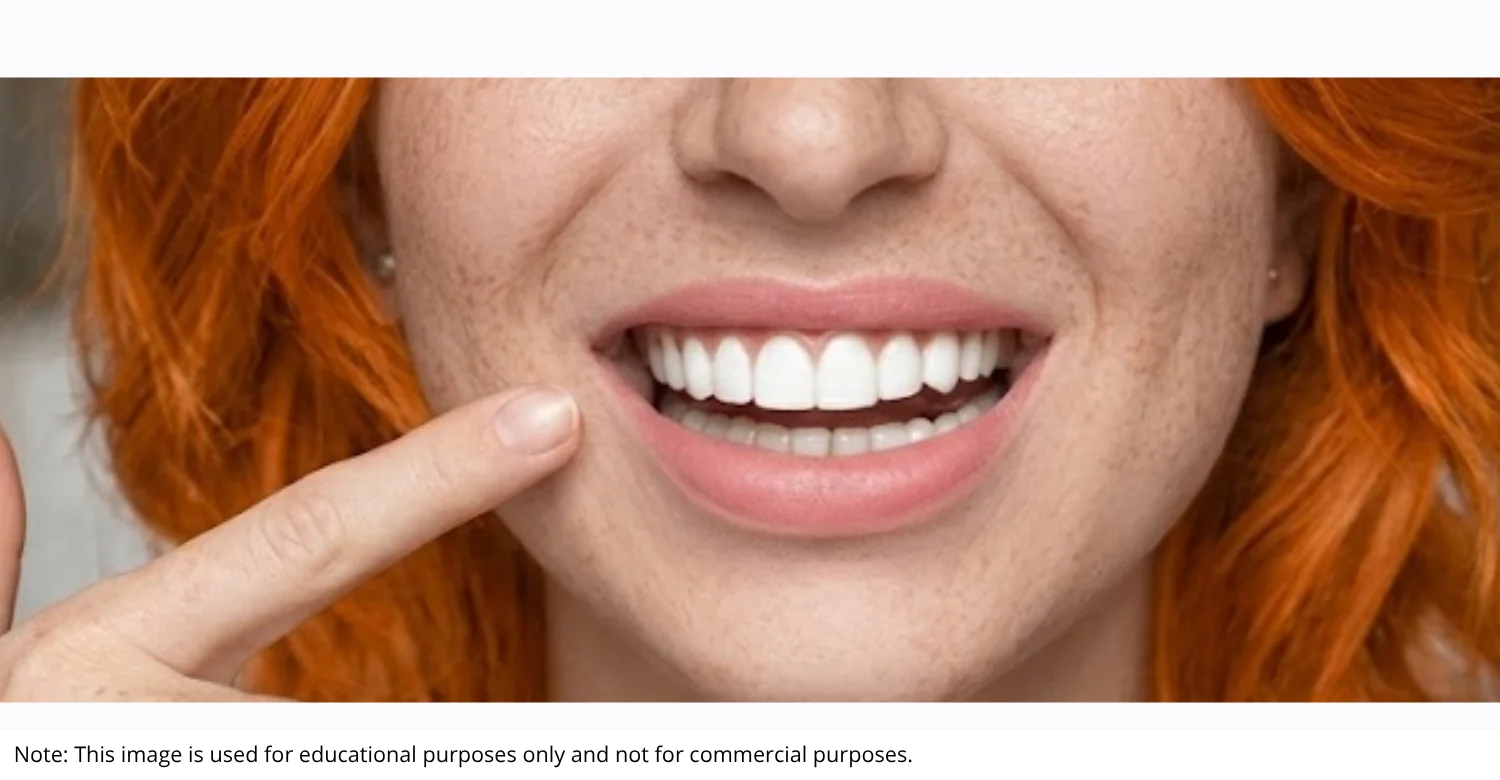
Note: All images used are for editorial and illustrative purposes only and may not originate from the original news provider or associated company.
No Prep vs Traditional Veneers: Which Teeth May Be Suitable?
When comparing no prep vs traditional veneers, candidacy depends more on the starting condition of your teeth than on preference alone. Clinicians review several factors before recommending an approach. These include tooth alignment, existing tooth size, enamel condition, and tooth color. They also assess gaps, chipped or worn edges, and existing restorations. Your bite relationship and gum position matter too. Together, these details show whether adding material is possible or whether some preparation is needed for a natural result.
When No Prep Veneers May Be Considered
No Prep veneers may be considered when the teeth already have relatively favorable alignment and shape. They often suit minor cosmetic changes, such as small gaps, slightly short edges, or mild shape irregularities. They also require sufficient space for the planned veneer. For instance, teeth that sit slightly back in the arch may accept extra thickness. In these cases, minimal intervention makes sense because the anatomy allows it. The goal is improvement without unnecessary removal of healthy enamel.
When Traditional Veneers May Be Considered
Traditional veneers may be considered when teeth need more significant changes in shape or proportion. They are also useful when controlled preparation is needed to create space for the veneer. Some discoloration or contour concerns require a specific veneer thickness to achieve a natural result. Preparation makes that thickness possible without bulk. Importantly, traditional preparation does not automatically mean aggressive tooth reduction. In careful hands, it is often limited to what the planned design actually requires.
When Neither Veneer Option May Be Appropriate
In some cases, neither veneer option is appropriate yet. Active gum disease, significant untreated decay, and poor oral hygiene can all compromise results. Severe enamel loss may reduce bonding strength. Certain bite problems can place heavy forces on veneers. Significant tooth movement or orthodontic concerns may also need attention first. So, the No Prep veneers vs. traditional veneers question may need to wait. Treating the underlying dental problem often comes before any cosmetic veneer treatment.
See the risks of Purposely Avoiding Dental Checkups and Tooth Loss
No Prep Veneers vs Conventional Veneers: What Changes Aesthetically?
Comparing no prep veneers vs conventional veneers aesthetically means looking at tooth length, width, shape, color, symmetry, smile proportions, and even facial appearance. Both options can change these features, but in different ways. The final result depends on the underlying tooth structure and the treatment design. Ultra-thin does not automatically mean more natural-looking. A thin veneer on a poorly positioned tooth may still look bulky. Controlling contour and translucency is what creates a lifelike smile.
How Tooth Shape Can Affect the Final Smile
Tooth shape strongly influences how natural veneers look. Adding material without creating enough space can make teeth appear bulky or slightly protruding. The facial contour of each tooth and its emergence profile at the gumline must blend smoothly. Otherwise, the smile may look artificial or trap plaque. Digital planning can help visualize proportions before treatment begins. This allows patients to preview the planned shape and discuss changes. In No Prep veneers vs traditional veneers decisions, shape planning is often decisive.
How Tooth Color and Existing Discoloration Affect Veneer Choice
Veneer thickness and material both influence how well a veneer masks the original tooth color. Very thin veneers are often partly translucent. So, darker underlying shades may show through. Severe discoloration may require a thicker veneer, a more opaque material, or a different restorative approach, such as crowns. Whitening and veneer planning may also need coordination. For example, whitening neighboring teeth first helps match the veneer shade. Color goals should therefore be discussed early in the planning process.
 (2).webp)
.jpg)
.jpg)
What Are the Main Benefits and Limitations of Each Option?
Every veneer approach has strengths and trade-offs. Understanding them helps you ask better questions during consultation. When patients compare traditional veneers vs no prep veneers, they often focus only on enamel removal. However, benefits and limitations also involve aesthetics, function, reversibility, and long-term maintenance. The sections below outline what each option may offer and where it may fall short. Remember that these are general points. Your own teeth determine which benefits actually apply to you.
Potential Benefits of No Prep Veneers
In appropriately selected cases, No Prep veneers offer minimal alteration to natural teeth. They can preserve more natural tooth structure, especially enamel, which supports strong bonding. For certain minor cosmetic corrections, they provide a conservative option. The preparation stage is usually less invasive, and anesthesia may not be needed. Many patients also value keeping their original teeth largely intact. These advantages make No Prep veneers attractive when the starting anatomy truly suits them.
Potential Limitations of No Prep Veneers
No Prep veneers have limited ability to correct certain tooth positions. For example, they cannot easily bring a protruding tooth back into line. If space is inadequate, they may increase tooth bulk and look unnatural. They may also be unsuitable for substantial color or shape changes. Additionally, "No Prep" does not necessarily mean completely reversible. Bonding alters the enamel surface, and minor adjustments are sometimes needed. These limits matter when weighing No Prep veneers vs traditional veneers.
Potential Benefits of Traditional Veneers
Traditional veneers give the dentist greater control over tooth shape and contour. They can accommodate more significant aesthetic changes in suitable cases. Controlled preparation creates appropriate space for the planned restoration, so the final teeth look proportionate rather than bulky. They also offer flexibility when tooth proportions need substantial modification. For instance, uneven lengths can often be corrected more predictably. This design control is a key difference in No Prep veneers vs. traditional veneers.
Potential Limitations of Traditional Veneers
Traditional veneers require some degree of tooth preparation when clinically indicated. This means natural enamel may be altered. Once enamel has been prepared, treatment is generally considered irreversible. The tooth will usually need a veneer or another restoration in the future. Traditional veneers also require careful planning and ongoing maintenance. Temporary restorations may be needed between appointments. Understanding this long-term commitment is essential before choosing, so patients should discuss it openly during consultation.
Understand the effects of Frequent Snacking and Tooth Decay
How Is the Right Veneer Approach Chosen for Me?
Choosing between No Prep veneers vs traditional veneers follows a structured clinical process. It is not based on a single factor or a brochure. The dentist first examines your natural teeth, then evaluates your bite and smile. Next, your cosmetic goals are discussed in detail. Finally, conservative options are compared against your anatomy. Each step builds on the one before. The four stages below explain what usually happens and why each one matters.
Step 1 — Assess Your Natural Teeth
The first step is a thorough assessment of your natural teeth. The dentist reviews tooth structure and enamel condition, since both affect bonding. Tooth position is checked to see whether teeth sit forward, backward, or rotated. Existing restorations, such as fillings or crowns, are evaluated for compatibility. Gum health is also examined, because inflamed gums can affect veneer margins. This baseline information guides the No Prep veneers vs. traditional veneers decision from the start.
Step 2 — Evaluate Your Bite and Smile
Next, your bite and smile are evaluated. Overbite and overjet show how the upper and lower teeth meet. Tooth display reveals how much tooth shows at rest and when smiling. Your smile line and facial proportions help guide ideal tooth length and width. Functional movements, such as chewing and side-to-side motion, show where stress may fall on veneers. A veneer that looks good but ignores the bite may chip or debond over time.
Step 3 — Define Your Cosmetic Goals
Your cosmetic goals shape the treatment plan. Some patients want color changes, while others want shape changes. Closing spaces between teeth is another common goal. Correcting minor asymmetry can also make a smile look balanced. Many people simply want a more uniform smile. Clear goals help frame the No Prep veneers vs traditional veneers decision. Small changes may favor minimal preparation. Larger changes may require more space, which influences the recommended approach.
Step 4 — Compare Conservative Options
The final step compares conservative options. Depending on anatomy, No Prep, minimal-prep, or traditional preparation may each be considered. Minimal-prep sits between the two, involving very light enamel reshaping. Here, no prep vs traditional veneers becomes a practical choice rather than a theoretical one. Importantly, the least invasive option is not automatically the most appropriate. A conservative result must still look natural, function well, and last. Balancing all three is the real aim of veneer planning.
Tips for Patients
Before your consultation, these questions can help you get clearer, more personal answers:
Ask whether your proposed veneers require enamel preparation and why.
Ask how the planned veneer thickness could affect your tooth shape.
Ask whether your bite could place additional stress on the restorations.
Ask what happens if your teeth move or your gums change over time.
Bring photos showing the type of smile shape you prefer, while keeping expectations realistic.
Explore Electrolyzed Saline and Airborne Bacteria in Dental Procedures
Prevention and Long-Term Care After Veneers
Veneers do not remove the need for natural tooth care. Daily brushing and interdental cleaning remain essential, especially along the gumline. Regular dental examinations help detect early problems. If you grind your teeth, managing bruxism protects your veneers. Avoid using teeth as tools for opening packages or bottles. Address gum inflammation early, before it affects the margins. Follow professional maintenance recommendations. Whatever you choose in No Prep veneers vs traditional veneers, the teeth underneath remain biologically active and need care.
No Prep Veneers vs. Traditional Veneers: What About Durability and Maintenance?
Longevity depends on more than veneer type. Bonding quality, material, and bite forces all play major roles. Bruxism, or teeth grinding, can shorten veneer life significantly. Oral hygiene, diet, and habits also matter. Professional follow-up helps catch small issues early. Therefore, neither option should be presented as permanently maintenance-free. In No Prep veneers vs traditional veneers comparisons, durability is shared ground. Protecting veneers from excessive forces, sometimes with a night guard, supports long-term performance.
What Can Affect Veneer Longevity?
Several factors can shorten veneer longevity. Teeth grinding or clenching places repeated stress on the porcelain. Nail biting or chewing hard objects, such as ice or pens, can cause chips. Poor oral hygiene and gum disease may affect the margins and surrounding tissue. Trauma, such as a sports injury, can crack or dislodge a veneer. Poorly controlled bite forces also increase risk. These risks apply to both sides of the No Prep veneers vs traditional veneers comparison.
Learn more about Rodent-Borne Disease and Dental Health
No Prep Veneers Cost: What Determines the Price?
No prep veneers cost varies from patient to patient, so there is no single universal price. Several variables affect the final figure. These include the number of veneers, the material, and the laboratory process. Case complexity and preparation requirements also play a role. Digital planning, additional dental treatment, and temporary restorations when needed may add to the total. Comparing only the price per veneer can be misleading. An accurate estimate requires a clinical assessment first.
Are No Prep Veneers Always More Affordable?
Minimal preparation does not automatically mean lower overall treatment cost. No Prep veneers are often very thin and technically demanding to fabricate. As a result, the material and laboratory work can be costly. Case complexity and the number of teeth treated also influence the final estimate. Some patients also need whitening or gum treatment first. So, no prep veneers cost should never be judged as a fixed price without an individual treatment plan and examination.
What Should You Compare Besides the Price?
Price is only one part of the decision. You should also compare treatment suitability, since the wrong option can compromise results. Material quality affects appearance and strength. The preparation approach shows how your enamel will be handled. Laboratory standards influence fit and aesthetics. Thorough treatment planning reduces surprises. Follow-up and maintenance support long-term success. Finally, check whether additional dental treatment is required. In No Prep veneers vs. traditional veneers choices, value matters more than cost.
Compare options in Traditional Bridge vs Cantilever Bridge
How Long Does No Prep or Traditional Veneer Treatment Take?
Treatment duration varies according to the number of teeth and case complexity. Most cases follow similar stages. First comes consultation and assessment. Then, digital scans or impressions are taken. Smile or aesthetic planning follows. Tooth preparation happens when required. Next, the laboratory fabricates the veneers. A trial or temporary stage may be used when appropriate. Final bonding completes the process, and a follow-up visit checks fit and bite. Timelines for No Prep veneers vs. traditional veneers often overlap.
Does No Prep Mean Faster Treatment?
Not necessarily. Less preparation does not eliminate planning or laboratory time. No Prep veneers still require detailed digital planning to confirm space and proportions. Fabricating ultra-thin veneers also demands precision, which takes time. However, some patients may skip the temporary stage because little enamel is removed. Overall, the timeline difference between traditional veneers vs no prep veneers is often small. The individual case, not the veneer label, determines how long treatment takes.
How Long Does It Take to Adjust to Veneers?
Most patients adapt to veneers within a few days to a few weeks. Changes in tooth shape and bite can feel unusual at first. You may notice slight differences when speaking, especially with sounds like "s" or "f". Biting may also feel different initially. These sensations usually settle as the tongue and lips adjust. However, persistent discomfort, sensitivity, or bite problems should be assessed professionally. Small adjustments can often resolve these issues quickly.
Find the differences in Root Canal vs Apicoectomy
What We Notice Clinically
Dr. Rifat Alsaman, Head of the Medical Team and cosmetic dentist at Vitrin Clinic, emphasizes that veneer selection should follow examination and individualized planning. In his view, preserving healthy tooth structure is important. However, avoiding preparation at all costs is not necessarily the correct clinical goal. Dr. Rifat Alsaman, Head of the Medical Team and cosmetic dentist at Vitrin Clinic, considers the relationship between tooth anatomy, planned veneer thickness, bite, and aesthetic goals before recommending an approach. A conservative treatment should still provide an appropriate functional and aesthetic result.
Clinical Note
Dr. Rifat Alsaman, Head of the Medical Team and cosmetic dentist at Vitrin Clinic, notes that good treatment balances conservative dentistry with predictable restorative design. In practice, this means removing no more tooth structure than needed while still achieving a stable result. Realistic expectations and informed consent are essential, whether the plan involves No Prep veneers vs traditional veneers.
Vitrin Clinic: Individualized Planning for Veneer Treatment
At Vitrin Clinic, veneer planning begins with an individualized dental assessment. The team evaluates tooth structure, gum health, bite, tooth proportions, existing restorations, and desired aesthetic changes. Digital scans and 3D planning are used when clinically indicated. This process helps determine whether No Prep, minimal-prep, or traditional veneers are appropriate. Dr. Rifat Alsaman, Head of the Medical Team and cosmetic dentist at Vitrin Clinic, oversees individualized cosmetic treatment planning. The aim is an informed No Prep veneers vs traditional veneers decision based on your anatomy.
Takeaway: No Prep Veneers vs Traditional Veneers
The central distinction in No Prep veneers vs traditional veneers is how much tooth structure is prepared to make space. No Prep does not automatically mean better, safer, cheaper, or completely reversible. Likewise, traditional veneers do not automatically mean excessive tooth reduction. The appropriate approach depends on the relationship between tooth structure, preparation needs, veneer design, bite, and aesthetic goals. Before deciding, seek an individualized assessment. The right plan should respect both your teeth and your goals.
References:
FAQs
Dr. Rifat Alsaman has more than 5 years of clinical experience in dentistry and currently serves as the Head of the Medical Team at Vitrin Clinic. He is dedicated to providing exceptional patient care, overseeing treatment planning, and ensuring the highest clinical standards across the team. His expertise, attention to detail, and commitment to continuous professional development have helped countless patients achieve healthier, more confident smiles.


