Cosmetic Dentistry
September 27, 2026
Teeth Whitening vs Veneers: Which Option Is Right for Your Smile?
 Dr. Rifat Alsaman
Choosing a cosmetic dental treatment starts with one question: what do you want to change? Whitening mainly targets tooth color. Veneers can change color, shape, size, and selected surface flaws. The debate over teeth whitening vs veneers is really about matching the treatment to the problem. Your enamel, stains, restorations, bite, and gums all shape that decision. Some patients benefit from combining both treatments in a planned sequence. At Vitrin Clinic, planning weighs dental findings alongside the smile you hope to achieve. Digital diagnostics can support selected cases when clinically appropriate. The goal is a proportionate, medically sound plan, not simply the brightest option.
Teeth Whitening vs Veneers: What Is the Difference?
Whitening and veneers improve a smile through different methods. Whitening lightens natural tooth structure using bleaching agents. Veneers bond custom-made material over the visible front surface of selected teeth. Whitening does not change tooth shape or size. Veneers can modify contour, length, width, and apparent alignment. The American Dental Association notes that whitening does not work on veneers, crowns, or fillings. When comparing teeth whitening vs veneers, ask whether color is your only concern. A dental examination confirms which approach fits your clinical situation.
What Is Professional Teeth Whitening?
Professional whitening uses dental bleaching products under controlled conditions. Common active ingredients are hydrogen peroxide and carbamide peroxide. These break stain molecules into smaller, less visible components. Treatment may happen in the clinic or through dentist-prescribed take-home trays. Decay, gum disease, or cracks may need attention first. Whitening cannot lighten existing crowns, fillings, or veneers. Results vary with stain type and individual tooth characteristics. Understanding this process is the first step in any teeth whitening vs veneers discussion. Your dentist can explain likely shade improvement before starting.
What Are Dental Veneers?
Dental veneers are thin, custom-made restorations covering the front surface of teeth. They are made from porcelain or composite materials. Veneers can improve stained, chipped, crooked, or misshapen teeth. They can also mask selected small gaps. Treatment involves shade selection, preparation, scanning, and laboratory fabrication. Preparation usually removes a small amount of enamel. The teeth underneath can still decay, so daily cleaning remains essential. This added layer is what separates the two sides of teeth whitening vs veneers. Regular dental reviews help protect both the veneer and tooth.
How Do Veneers and Whitening Change the Appearance of Teeth?
Whitening changes the perceived brightness of natural teeth. It does not redesign contours or proportions. Veneers alter both color and visible tooth form. They can create a more uniform look across several teeth. Whitening cannot rebuild lost enamel or fix a chipped edge. Veneers can replace the visual effect of missing structure. In teeth whitening vs veneers decisions, this structural difference often settles the choice. A dentist should rule out untreated problems before any cosmetic work.
Teeth Whitening vs Dental Veneers at a Glance
Feature | Whitening | Veneers |
Main purpose | Change tooth color | Change color and tooth appearance |
Natural structure | Usually preserved | Preparation may remove enamel |
Shape change | No | Yes |
Size change | No | Yes |
Minor gaps | No direct correction | Sometimes possible |
Restorations | Do not whiten | Can replace selected visible surfaces |
Treatment duration | Often shorter | Usually requires planning and laboratory work |
Maintenance | Periodic whitening may be needed | Long-term restoration maintenance |
Whitening is color-focused, while veneers offer broader cosmetic change. Suitability should always be confirmed clinically.
Treatment goal
Define the goal before choosing a procedure. Some patients simply want a lighter shade. Others want changes to tooth proportions. Whitening is designed for discoloration, while veneers also modify contours. At Vitrin Clinic, planning begins by identifying your cosmetic objectives. A clear goal helps set realistic expectations and protects dental health.
Effect on natural tooth structure
Whitening generally removes no tooth structure. Veneer preparation may remove a small amount of enamel. Preserving enamel supports durable bonding. A systematic review found stronger survival for veneers bonded mainly to enamel. Your dentist should explain how much preparation your design needs. For teeth whitening vs veneers, structural impact is a major difference. Dental anatomy differs, so preparation is never identical for every patient.
Ability to change tooth color
Whitening lightens suitable natural teeth, depending on the stain’s origin. Yellow discoloration often responds better than gray or brown. Veneers provide a selected shade through a new surface. This helps when color stays unsuitable after bleaching. Crowns and fillings do not change during whitening. Careful shade mapping keeps the result natural and balanced. Laboratory communication further improves aesthetic coordination.
Ability to change tooth shape and size
Whitening does not change tooth shape or dimensions. Veneers can modify length, width, contour, and symmetry. Excessive enlargement can look unnatural. Planning should consider lips, facial features, gum levels, and bite. Digital smile planning can preview changes but cannot replace examination. Significant malposition may need orthodontic treatment instead.
Treatment time
Professional whitening usually takes less time than veneers. Philips states that certain Zoom in-office protocols take approximately 45 minutes. Veneers need consultation, preparation, scanning, fabrication, and placement. The timeline depends on the number of teeth and laboratory process. Speed should never replace proper clinical assessment. In teeth whitening vs veneers timelines, whitening usually wins on speed. International patients should plan appointments with some flexibility.
Expected maintenance
Natural teeth can stain again after whitening. Diet, tobacco, and aging influence future color. Veneers need routine hygiene and periodic professional checks. Teeth beneath veneers can still develop decay or gum problems. Veneers may also fracture or debond over time. Long-term success depends on the restoration and your daily care. Sports mouthguards may be recommended for active patients.
When Is Teeth Whitening a Better Option?
Whitening may suit teeth that are structurally acceptable but discolored. It usually requires less intervention than veneers. It fits patients who do not need shape changes. The cause of discoloration still matters, especially after trauma. Restorations will not respond to bleaching. Within the teeth whitening vs veneers choice, whitening is often the conservative starting point. At Vitrin Clinic, whitening decisions rest on dental findings and realistic shade goals.
Which Types of Tooth Discoloration Can Whitening Improve?
Whitening improves many surface stains and some internal discoloration. Extrinsic stains come from coffee, tea, tobacco, and certain foods. Intrinsic discoloration lies within the tooth structure. Some intrinsic stains respond well, while others respond unpredictably. Medication-related or trauma-related changes may need different approaches. Diagnosis separates treatable staining from structural or pathological changes. Dentists also check whether restorations contribute to an uneven smile. This helps avoid unnecessary restorative procedures.
Can Whitening Treat Yellow or Stained Teeth?
Whitening often improves yellow discoloration on suitable teeth. The ADA notes that yellow teeth generally bleach well. Brown or gray shades may need different expectations. Medication or injury stains may respond poorly. Front crowns or large fillings can create uneven results. Professional cleaning before whitening can remove interfering surface deposits. For yellow teeth, teeth whitening vs veneers often favors bleaching first. Diagnosis, not color preference alone, should guide the final choice.
How Professional In-Office Whitening Works
Treatment begins with assessment of teeth, gums, restorations, and sensitivity risk. A peroxide gel is then applied under controlled conditions. Protective barriers limit contact with surrounding soft tissues. Some systems use several application cycles in one visit. Temporary sensitivity may occur, and desensitizing steps can help. Results vary with the original discoloration. Philips describes a three-cycle WhiteSpeed protocol with optional extra treatment. Evidence supports individualized concentration and sensitivity management.
Is Zoom Whitening Different From Other Professional Whitening Treatments?
Zoom is a branded professional system, not a separate biological category. Philips describes Zoom WhiteSpeed as peroxide whitening with blue LED technology. A recent umbrella review found light activation does not consistently improve results. Light may also increase sensitivity in some protocols. Formulation, concentration, and patient factors matter more than branding. Professional supervision remains important for safe treatment selection. Focus on the full protocol, not the brand name alone.
Who May Be a Suitable Candidate for Whitening?
Good candidates have healthy natural teeth with cosmetic discoloration. Gums should be healthy before elective bleaching. The dentist checks for cavities, cracks, restorations, and sensitivity. Existing crowns, fillings, and veneers need separate planning. Whitening should never conceal unexplained tooth darkening. At Vitrin Clinic, examination findings shape an individualized protocol.
Healthy natural teeth with discoloration
Healthy teeth with suitable discoloration are common whitening candidates. An examination confirms no untreated disease is present. The dentist records the starting shade for later comparison. Sensitivity risk still varies between patients. Results are not permanent, so maintenance may be needed later. Healthy enamel provides a suitable surface for controlled whitening. Desensitizing strategies can be added when needed.
Extrinsic stains from foods and drinks
Extrinsic stains sit mainly on the outer tooth surface. Coffee, tea, red wine, and tobacco are common causes. Professional cleaning can remove some staining before bleaching. Whitening then targets the remaining color. Unusually dark or localized stains deserve a closer look. Good oral hygiene helps slow future stain build-up. Dietary guidance after treatment can protect the result.
Certain intrinsic discoloration
Intrinsic discoloration develops inside the tooth. Some intrinsic stains improve with professional bleaching. Deep medication-related staining may respond incompletely. A tooth darkened by trauma needs diagnostic evaluation. Internal bleaching or veneers may suit selected cases. The dentist confirms whether the tooth remains vital first. Every dark tooth does not need conventional whitening.
Patients seeking a color-focused cosmetic change
Patients wanting only a brighter smile may benefit from whitening. This works best when tooth shape already meets expectations. The desired shade should stay realistic for natural teeth. Existing restorations may become more visible after bleaching. At Vitrin Clinic, color goals are weighed against existing dental conditions.
Learn How to Stop Acid Erosion on Teeth
When Are Veneers a Better Treatment Option?
Veneers may be considered when concerns extend beyond color. They can improve chips, shape irregularities, stubborn stains, and small spaces. They create greater uniformity across several front teeth. Preparation may remove some enamel, so planning matters. Significant bite or alignment problems may need other treatment. In teeth whitening vs veneers planning, veneers answer broader cosmetic goals. At Vitrin Clinic, veneer planning combines digital smile analysis with clinical assessment.
What Dental Problems Can Veneers Address?
The ADA lists chipped, broken, stained, crooked, and misshapen teeth among veneer uses. Veneers can also mask certain gaps. They do not replace treatment for decay or gum disease. Their role is primarily aesthetic in suitable cases. The design depends on anatomy, bite, gum levels, and smile display. Veneers can bring a more uniform appearance across several teeth. Conservative preparation protects healthy tooth structure.
Can Veneers Change Tooth Shape, Size, and Color?
Yes, veneers change the visible shape, size, and color of teeth. They can smooth uneven contours and worn edges. They can make teeth appear longer or broader. Shade is selected before laboratory fabrication. Digital planning helps assess proportions before irreversible preparation. Changes must remain compatible with normal function. Tooth position, enamel thickness, and gum levels shape the design. This broad effect distinguishes veneers from bleaching.
Can Veneers Improve Minor Gaps or Uneven Tooth Appearance?
Veneers can mask small spaces between selected teeth. They can also create a more symmetrical look. However, veneers do not move teeth through bone. Larger spacing may need orthodontics instead. Closing gaps with material alone can make teeth look too wide. Digital planning helps check these proportions. The dentist may compare veneer design with orthodontic alternatives. Gum shape and tooth position also influence the final look.
Who May Be a Suitable Candidate for Porcelain Veneers?
Candidates usually have concerns that whitening alone cannot fix. Teeth are checked for decay, fractures, gum disease, and bite problems. Good oral hygiene remains essential after treatment. Veneers usually involve irreversible preparation. Enamel availability affects bonding strength. Personalized planning should come before any commitment. Candidates often reach veneers after exploring teeth whitening vs veneers with their dentist. Grinding habits should be discussed before treatment begins.
Persistent discoloration
Some stains remain after appropriate professional whitening. Veneers can mask them with a new ceramic surface. The cause of discoloration should still be investigated. Ceramic thickness and opacity affect the final appearance. At Vitrin Clinic, shade planning links with digital smile assessment. Unexplained darkening may indicate trauma or pulp disease. Treating the cause should come before aesthetic masking.
Chipped or worn tooth surfaces
Veneers can restore the appearance of chipped or worn front teeth. The cause of wear should be evaluated first. Grinding increases stress on restorations. Protective appliances may be recommended for some patients. Small chips may suit less invasive bonding. Veneers should not simply cover ongoing destructive habits. Digital scanning can document the existing tooth shape.
Minor shape irregularities
Uneven edges and small contour differences can often be improved with veneers. The dentist confirms whether the issue is purely cosmetic. Conservative preparation limits unnecessary enamel removal. The design should suit facial proportions and bite. Individual anatomy guides the result, not templates. Digital smile planning can help visualize the proposed contour. Laboratory skill affects symmetry and surface texture.
Selected spacing concerns
Minor spacing can sometimes be masked with veneer design. Tooth width must be considered before closure. Excessive closure creates bulky-looking teeth. Veneers change contours but do not move roots. Orthodontics may suit cases needing real movement.
Cosmetic concerns that whitening alone cannot address
Whitening cannot correct chips, worn edges, irregular shapes, or gaps. Veneers can address several of these together. The comparison of teeth whitening vs veneers often turns on this limit. Still, the least invasive suitable option should come first. Some patients need bonding, orthodontics, or gum treatment instead.
Understand the link in Sinonasal Disease and Dental Health
Teeth Whitening vs Porcelain Veneers: What Can Each Treatment Actually Change?
The treatments differ most in what they physically modify. Whitening changes natural tooth color only. Porcelain veneers modify color, contour, surface defects, and minor spacing. Whitening leaves crowns, fillings, and existing veneers unchanged. Yellow but well-shaped teeth may need only bleaching. Yellow, chipped, uneven teeth usually need broader planning. A dentist can compare expected outcomes before recommending either route.
Color
Both treatments can change color, but differently. Whitening bleaches natural tooth color. Veneers add a new surface with a chosen ceramic shade. Whitening keeps the natural enamel character. Veneers can create more uniform shade across treated teeth. Untreated neighbors may need whitening to match. On color alone, teeth whitening vs veneers can reach similar brightness by different routes. A planned final shade keeps the whole smile coordinated.
Tooth Shape
Bleaching never changes tooth shape. Veneers can alter contours, edges, and symmetry. Shape changes must respect function and facial proportions. Excessive changes can affect speech or bite. Minor irregularities may suit composite bonding instead. Digital smile design helps visualize proposed contours first. The aim is controlled reshaping, not maximum enlargement.
Tooth Size
Whitening does not alter tooth dimensions. Veneers can change apparent width and length. Extra width can make a smile look crowded. Extra length can affect bite relationships. Lip movement and gum display also guide the design. Ceramic thickness limits how much correction is possible. Orthodontic or gum procedures are sometimes needed first.
Minor Spacing
Bleaching cannot close tooth spaces. Veneers may mask selected small gaps through contour changes. This is a cosmetic effect, not orthodontic correction. Large spaces may need orthodontic treatment. Gum health must be confirmed first.
Surface Imperfections
Whitening brightens teeth but does not repair chipped enamel. Veneers can cover selected surface imperfections. Large fractures may need crowns instead. Minor chips may respond well to composite bonding. Remaining tooth structure guides the final choice. Digital impressions document the existing surface. The laboratory then reproduces planned contours and texture.
Existing Dental Restorations
Restorations do not change color during whitening. Crowns, fillings, veneers, and implant crowns keep their shade. This can create mismatches once natural teeth lighten. Teeth whitening vs veneers planning must therefore account for every visible restoration. Bleaching first, then matching new restorations, is a common sequence.
Crowns
Crowns cover more of the tooth than veneers. Their shade does not change with whitening. A front crown may look darker after bleaching nearby teeth. Replacement can follow once the natural shade stabilizes. The crown’s material and underlying tooth influence its appearance. A mismatched crown needs restorative care, not bleaching.
Fillings
Tooth-colored fillings do not whiten like enamel. An old front filling may stand out after bleaching. The final natural shade should be set before replacement. Large fillings may also point toward bonding or veneers. Replacing a filling too early may cause another mismatch.
Existing veneers
Existing veneers cannot be lightened by whitening. Bleaching nearby teeth may increase contrast. A shade assessment should come before treatment. Replacement sometimes gives a better-coordinated result.
Dental implants
Implant crowns do not bleach. Whitening nearby teeth may change the contrast with an implant crown. The crown should be included in shade planning. A replacement crown can match the final shade if needed. Implant position and gum levels also affect smile aesthetics.
Check the effects of Secondhand Smoke and Tooth Enamel Development
Zoom Whitening vs Veneers: Which Treatment Addresses Your Main Concern?
A branded in-office whitening system and ceramic veneers solve different problems. Whitening targets discoloration of suitable natural teeth. Veneers modify both color and visible tooth form. Zoom may suit patients who want speed and shade improvement. Veneers suit discoloration combined with structural concerns. Brand names should never replace clinical evaluation. At Vitrin Clinic, the choice links to specific cosmetic objectives.
When Zoom Whitening May Be Considered
Zoom may suit patients seeking noticeable shade improvement in one visit. Philips reports a nominal 45-minute duration for a specific protocol. Actual timing depends on preparation and clinical needs. Tooth shape should already look satisfactory. Baseline sensitivity should be checked before treatment. A tailored protocol helps manage discomfort. The discoloration must also be suitable for bleaching. Existing restorations remain a key limitation.
When Veneers May Be Considered
Veneers may suit patients wanting changes beyond shade. They modify shape, size, surface appearance, and selected spacing. They can mask discoloration that resists bleaching. Enamel, bite, gums, and restorations are evaluated first. Veneer treatment is generally irreversible. Maintenance remains necessary after placement. Conservative enamel preservation supports strong ceramic bonding. A careful plan balances aesthetics, function, and long-term preservation.
Why the Choice Depends on More Than Tooth Color
Color is only one part of cosmetic planning. Shape, enamel, wear, spacing, and restorations also matter. Bite forces affect restoration durability. Gum health must be confirmed before elective treatment. Pain or decay needs treatment first. Deciding teeth whitening vs veneers on color alone can miss these factors.
Can Whitening and Veneers Be Combined?
Yes, many cosmetic plans combine both treatments. Sequence matters most when several front teeth are involved. Natural teeth are often whitened before final veneer shade selection. This sets the background color for laboratory fabrication. Existing restorations should be reviewed early. The final shade should stabilize before matching. Combining treatments reframes teeth whitening vs veneers as a sequence rather than a contest.
Whitening natural teeth before veneers
Whitening first helps establish the final smile shade. This is useful when only some teeth receive veneers. The laboratory then matches ceramic to the new natural color. Whitening after placement may create mismatch. Sensitivity should settle before final shade selection. Existing restorations stay unchanged and belong in the shade plan.
Matching veneer shade to the final whitening result
Veneer shade is chosen after the natural shade settles. This reduces visible differences across the smile. Technicians use shade data and clinical photographs. The ceramic should complement neighboring teeth, not simply maximize whiteness. Clear communication matters most for multiple front veneers. Very high opacity can reduce natural light transmission. Material selection can be adjusted to avoid this.
Managing existing restorations during treatment planning
Existing restorations can clash after whitening. Their shade should be recorded before treatment. The dentist decides whether they stay or are replaced later. Replacement should only happen when clinically justified. Healthy restorations do not automatically need removal. Visibility, condition, and mismatch guide each decision. This approach limits unnecessary restorative work.
Compare treatments in Professional Teeth Whitening vs Whitening Strips
What We Notice Clinically
Patients often describe color problems differently from dentists. Someone may request whitening because teeth look uneven. Examination may show that shape differences matter more. Another patient may request veneers when bleaching would suffice. This is why diagnosis must come before treatment selection. The aim is the smallest appropriate intervention. At Vitrin Clinic, this clinical reasoning shapes every cosmetic plan.
Why Patients Sometimes Compare Treatments That Solve Different Problems
Both treatments can create brighter-looking smiles. That similarity makes teeth whitening vs veneers a natural comparison. Yet whitening changes color, while veneers change color and form. A bright result can hide very different procedures. Explaining what physically changes prevents unrealistic expectations.
The Difference Between Changing Tooth Color and Changing Tooth Structure
Bleaching changes color without redesigning visible structure. Veneers alter the external form of selected teeth. Whitening cannot rebuild lost tooth material. Veneers may require enamel preparation. Conservative treatment should come first when it meets the goal.
Why Existing Restorations Matter Before Whitening
Restorations do not whiten with natural teeth. Front fillings and crowns may become more visible afterward. The dentist should identify them before treatment. Replacement can follow once the final shade is set. This sequence avoids remaking restorations unnecessarily.
Why Healthy Tooth Structure Should Be Considered Before Cosmetic Treatment
Healthy tooth structure is valuable and worth preserving. Veneers may require enamel preparation. Evidence links enamel bonding with favorable veneer survival. A brighter smile does not automatically require veneers. Oral health should remain the priority in elective care.
Clinical Note
Clinical decisions should reflect dental findings, not a single cosmetic preference. Color, shape, structure, restorations, and bite all influence selection. Sometimes a combined plan suits coexisting concerns. The dentist should explain why a treatment fits. Patients should also understand future maintenance needs. Treatment should always preserve healthy structure where possible.
Dr. Rifat Alsaman
Dr. Rifat Alsaman emphasizes individualized assessment before any cosmetic choice. The first question is what the patient actually wants changed. Some patients need only a color change. Others need changes to shape, symmetry, or visible wear. Existing restorations may alter the treatment sequence. Examination separates cosmetic concerns from problems needing treatment. At the Vitrin Clinic, conservative options are always weighed first.
Explore the difference between Hollywood Smile vs Veneers
How Is the Right Treatment Diagnosed and Planned?
Planning starts with examining the teeth, gums, bite, and restorations. The dentist identifies the source of discoloration and structural concerns. Medical and dental history may influence the plan. Photographs and shade records document the starting appearance. X-rays are used when clinical findings create a diagnostic need. The final plan balances aesthetics, function, and biological health. Getting teeth whitening vs veneers right depends on this diagnostic stage.
What Does a Cosmetic Dental Assessment Include?
The assessment covers teeth, gums, color, restorations, and smile features. Tooth shape and symmetry are evaluated. Bite relationships guide restorative planning. Crowns, fillings, implants, and veneers are documented. Digital scanning may create a three-dimensional model. Additional imaging depends on specific clinical questions. The source of discoloration is investigated before whitening. The result should be realistic, personalized treatment options.
Why Dentists Check Teeth and Gum Health Before Cosmetic Treatment
Cosmetic treatment should never replace care for active disease. Decay weakens teeth and increases sensitivity. Gum inflammation affects comfort and appearance. The ADA notes sensitivity can stem from decay, fractures, or gum disease. Healthy tissues help maintain aesthetic results. Veneers placed over unhealthy teeth can complicate future care. Examination identifies these conditions early.
How Tooth Color, Enamel, Existing Restorations, and Bite Affect Treatment Planning
Tooth color shapes shade selection and whitening response. Enamel thickness influences veneer preparation and bonding. Restorations do not change during whitening. Bite forces affect veneer stress and maintenance. Assessing these together improves predictability. Choosing by visible color alone overlooks important factors. A complete review reduces later adjustments.
When Are Digital X-Rays or Other Digital Diagnostics Clinically Appropriate?
Imaging is chosen to answer a clinical question. Digital X-rays help assess decay and bone levels. CBCT gives three-dimensional detail when standard images fall short. Intraoral scanning records tooth surfaces for restorative design. At Vitrin Clinic, these tools support selected cases only when clinically appropriate.
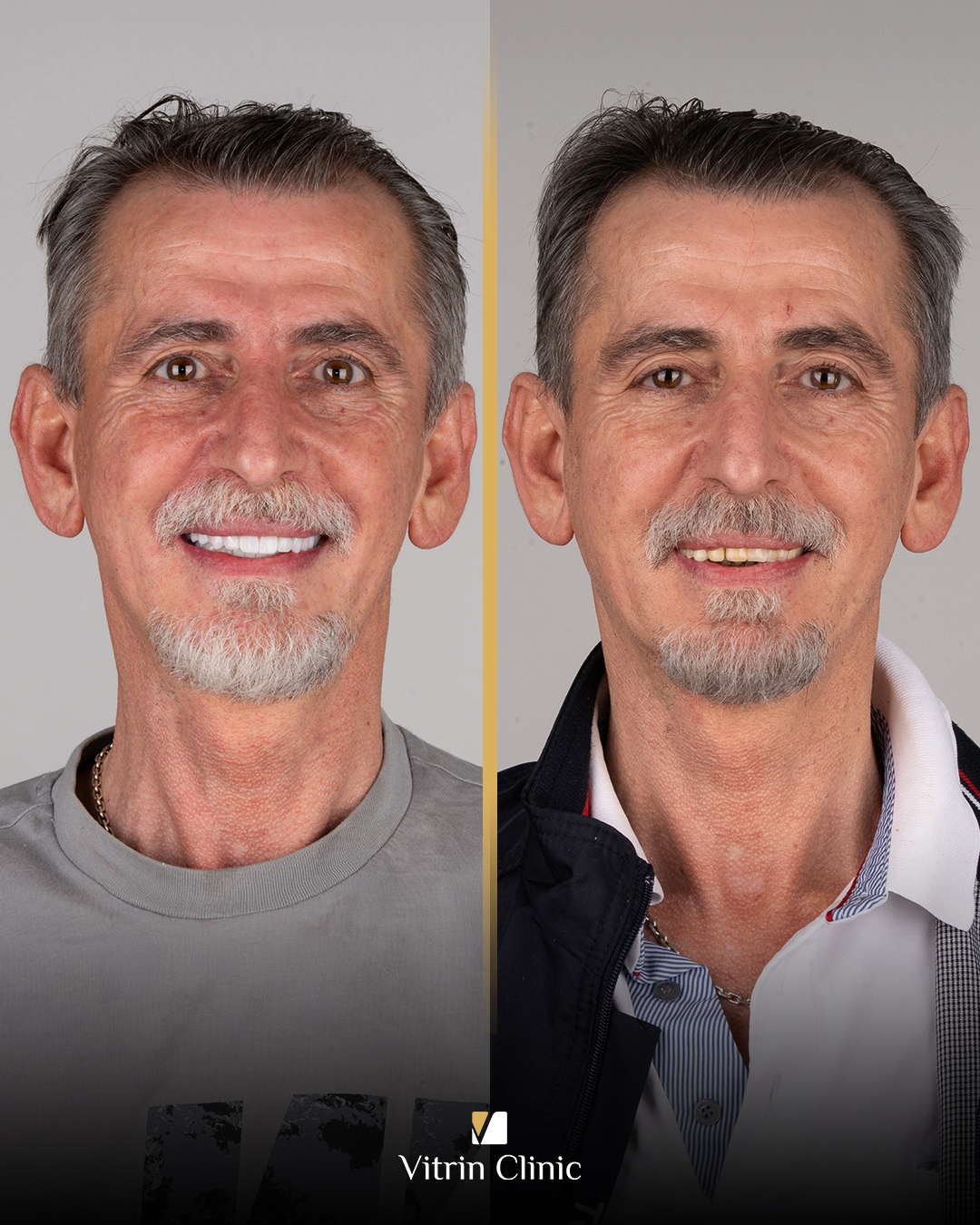
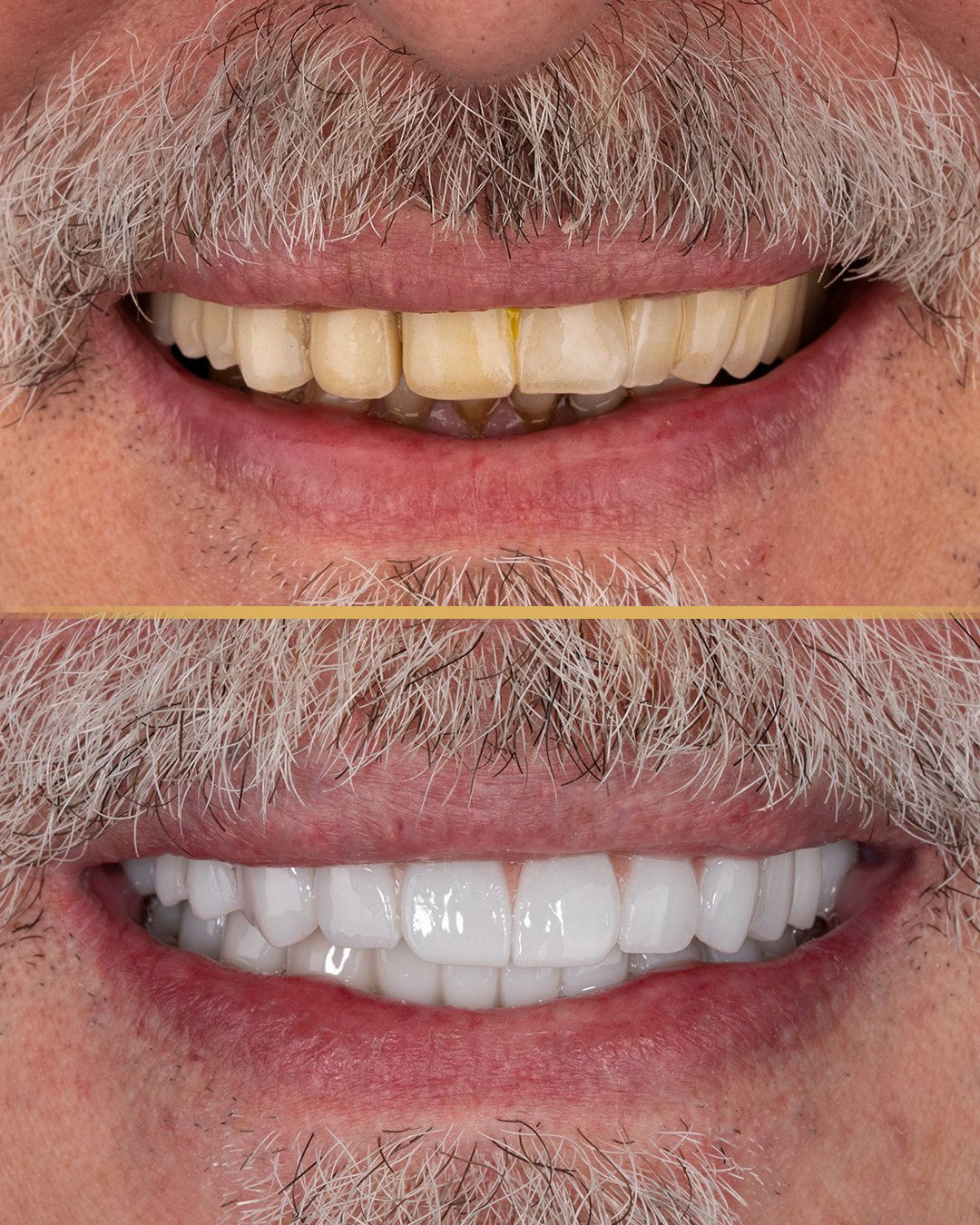
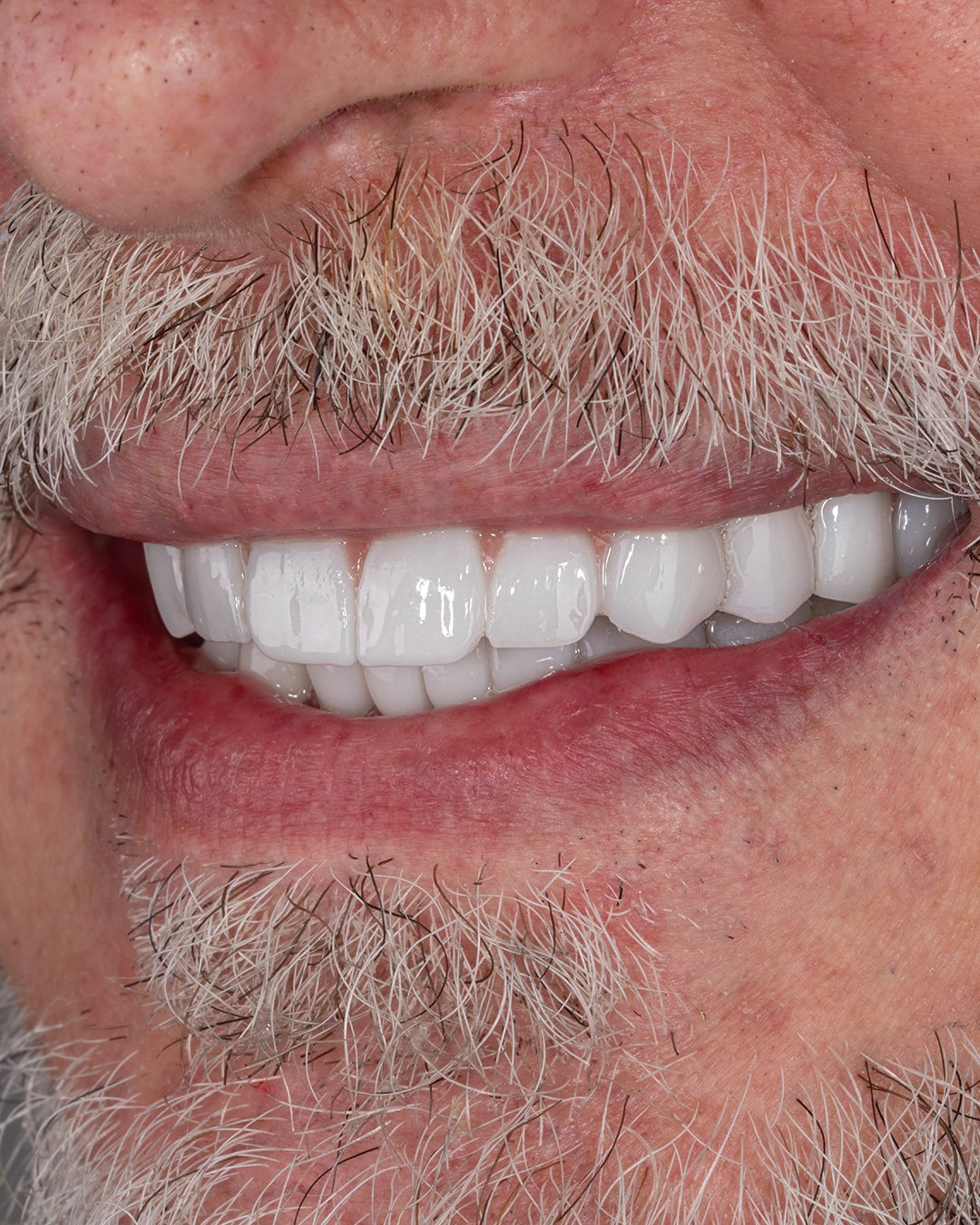
Why a Smile Design Should Consider Facial and Dental Proportions
A smile should suit the face around it. Tooth width, length, gum display, and lip movement all matter. Digital planning visualizes these relationships. A preview is not a guarantee of the final result. A proportionate smile usually looks more natural than uniform perfection. Enamel, bite, and biology still limit what is possible. The laboratory turns planned proportions into real ceramic restorations.
See what works best for you with Fixed Retainers vs Removable Retainers
Teeth Whitening vs Veneers: Side Effects and Potential Risks
The two treatments carry different risk profiles. Whitening can cause temporary sensitivity and gum irritation. Veneers can fracture, debond, or develop decay at their margins. Systematic reviews show high veneer survival but not zero failure. Veneer preparation also makes the decision more permanent. The lowest-risk suitable option should follow clinical assessment.
What Are the Common Side Effects of Teeth Whitening?
Temporary sensitivity is the most common side effect. Some patients experience gum irritation. Risk depends on peroxide concentration and protocol. Moderate concentrations may reduce sensitivity while still whitening effectively. Overuse can damage enamel or gums. Uneven whitening between teeth can also occur. Persistent pain is not simply a routine whitening effect.
Can Whitening Cause Temporary Tooth Sensitivity?
Yes, temporary sensitivity can follow bleaching. Peroxide can irritate structures near the tooth nerve. Desensitizing agents can reduce discomfort. Patients with existing sensitivity may need adjusted protocols. Severe or persistent pain needs dental evaluation.
Can Whitening Irritate the Gums?
Whitening gel can irritate gums on contact. Professional isolation limits soft-tissue exposure. Mild irritation usually fades after exposure ends. Take-home gel should be used exactly as instructed. Excess gel at the gumline increases discomfort.
What Are the Potential Risks and Limitations of Veneers?
Veneers can chip, fracture, debond, or develop secondary decay. Preparation may remove enamel irreversibly. Repair or replacement may be needed later. Poor hygiene raises decay risk around margins. Heavy bite forces increase mechanical stress. Across teeth whitening vs veneers, veneers carry more long-term restorative commitment.
Why Veneers Require Long-Term Maintenance
Veneers stay part of a long-term care plan. The tooth underneath can still decay. Daily brushing and interdental cleaning remain essential. Hard biting habits increase chipping risk. Regular examinations monitor gums and margins. Plaque can collect at margins when hygiene slips. Maintenance should be discussed before treatment begins.
Sensitivity
Veneers sometimes cause sensitivity after preparation. Risk depends on preparation depth and exposed dentin. Another untreated condition may also be responsible. Significant temperature sensitivity should be reported promptly. Appropriate design and conservative preparation help reduce problems.
Chipping or fracture
Ceramic veneers can chip, though survival is generally high. Bite forces and habits increase stress. Chewing hard objects raises fracture risk. A night guard may be advised for grinders. Proper ceramic thickness and laboratory design also matter. Damaged veneers may need repair or replacement.
Changes around the gumline
Gum inflammation can expose veneer margins. Good hygiene protects the surrounding tissues. Existing gum disease should be treated before placement. Persistent bleeding or swelling deserves assessment. Healthy gums support a more stable cosmetic appearance.
Shade mismatch with natural teeth
Natural teeth may lighten while veneers stay unchanged. Whitening before shade selection reduces this risk. Existing restorations should be recorded before bleaching. Natural tooth color also shifts gradually with age.
Future replacement or maintenance
Veneers may eventually need repair or replacement. Longevity depends on material, bonding, hygiene, and bite. Regular monitoring catches small problems early. Younger patients should plan for future maintenance. Replacement can involve further restorative treatment.
What Provides Relief if Whitening Causes Sensitivity?
Temporary sensitivity after bleaching is common, so preventive planning helps. Potassium nitrate or fluoride products can reduce discomfort. Recent evidence supports these desensitizing approaches. Moderate peroxide concentrations may also lower sensitivity. Persistent symptoms should never be ignored. At Vitrin Clinic, sensitivity management forms part of whitening planning.
Practical Ways to Manage Temporary Whitening Sensitivity
A dentist-recommended desensitizing toothpaste may help. Your dentist can adjust concentration or exposure time. Avoid very hot or cold foods for a few days. Brush gently to prevent extra irritation. Never apply more gel than prescribed. Acidic foods may also feel uncomfortable during sensitive periods. Symptoms should improve rather than worsen over time.
What Patients Should Avoid Immediately After Whitening
Follow your dentist’s dietary instructions closely. Limit coffee, tea, red wine, and tobacco. Extreme temperatures may trigger sensitivity. Acidic foods can increase discomfort. Avoid adding unsupervised bleaching products.
When Whitening Sensitivity Should Be Discussed With a Dentist
Report sensitivity that is severe, persistent, or worsening. Pain without temperature triggers also needs attention. Decay, fractures, or exposed roots can cause similar symptoms. Treatment may be adjusted or paused. Do not keep bleaching painful teeth without assessment.
Why Persistent Dental Pain Should Not Be Assumed to Be a Normal Whitening Side Effect
Temporary sensitivity does not explain every pain. Ongoing pain may signal decay, a crack, or gum disease. Whitening should stop until the cause is diagnosed. Delayed assessment can complicate later cosmetic treatment.
Can You Whiten Teeth Before or After Veneers?
Natural teeth and veneers respond differently to bleaching. Whitening changes natural tooth color only. Veneer shade depends on its ceramic or composite material. Whitening is often planned before new veneers. The final veneer shade then matches the established natural color. Existing veneers cannot be bleached lighter. At Vitrin Clinic, cosmetic sequencing is built into the overall plan. Sequencing is a practical side of teeth whitening vs veneers that patients often overlook. Discuss old restorations before any bleaching starts.
Why Natural Teeth and Veneers Respond Differently to Whitening
Natural teeth contain structure that bleaching agents can affect. Veneers have a fixed, fabricated shade. The ADA confirms that veneers and other restorations do not whiten. Natural teeth may lighten while veneers stay the same. Multiple visible veneers need especially careful shade planning.
Can You Whiten Porcelain Veneers?
Conventional whitening does not lighten porcelain veneers. Cleaning may remove surface stains from the ceramic. It will not change the ceramic’s built-in shade. A veneer that looks too dark may need replacement. The dentist distinguishes surface deposits from built-in ceramic shade.
Why Existing Veneers May Need Shade Evaluation Instead of Whitening
Existing veneers have a set restorative shade. Bleaching cannot directly change it. The dentist may polish, monitor, or replace them. Adjacent natural teeth may also have changed over time. A full shade evaluation identifies the real source of mismatch.
Should Whitening Be Completed Before New Veneers?
Whitening is often completed before final veneer shade selection. This gives the laboratory a stable reference color. Sensitivity should settle before matching begins. The dentist confirms when the shade is stable. A planned sequence reduces avoidable shade mismatch.
How Long Do Whitening and Veneer Results Usually Last?
Cosmetic results are not permanent. Natural teeth can gather new stains after whitening. Diet, tobacco, aging, and hygiene influence color. Veneers can last many years with proper care. One review reported 95.5% estimated veneer survival at ten years. Another reported 89% survival at about nine years. Longevity is never a guarantee, which matters when weighing teeth whitening vs veneers.
How Long Does Professional Whitening Usually Last?
No single duration applies to every patient. Diet, tobacco, hygiene, and aging all play a role. Heavy staining habits may bring darkening sooner. Touch-ups should follow dentist guidance. Good hygiene helps preserve a brighter appearance. Periodic reviews show whether a touch-up is appropriate.
How Long Can Porcelain Veneers Last?
Porcelain veneers can survive long term with good planning and care. Reviews report roughly 89% to 95.5% survival over nine to ten years. These figures describe study groups, not individual guarantees. Fracture and debonding remain possible. Hygiene, bite forces, and bonding substrate influence outcomes.
What Can Shorten Cosmetic Treatment Longevity?
Poor hygiene increases problems around restorations. Heavy biting stresses veneers. Smoking and staining drinks darken natural teeth. Gum disease and decay can compromise treated teeth. Repeated unsupervised bleaching raises sensitivity. Regular checkups catch problems early.
Teeth Whitening vs Veneers: Cost in Turkey, the UK, and the USA
Pricing varies with treatment scope and clinical complexity. Whitening generally costs less than several ceramic veneers. Veneers involve laboratory fabrication and restorative steps. The figures below are approximate planning values, not fixed quotations. Veneers are usually priced per tooth, whitening per arch or session. For teeth whitening vs veneers budgeting, compare complete plans rather than headline prices.
Average Teeth Whitening and Veneer Cost Comparison
Treatment | Turkey | UK | USA | Pricing Basis |
Professional Teeth Whitening | Approximately $150 | Approximately $425 | Approximately $525 | Full arch |
E-max Veneer | Approximately $230 | Approximately $800 | Approximately $1,250 | Per tooth |
These figures are approximate planning examples and can vary between clinics. Treatment systems, materials, laboratory work, and clinical complexity affect final pricing. Whitening may be quoted per arch or appointment. Veneers are commonly quoted per tooth. Consultation, diagnostics, temporary restorations, and aftercare may also affect the total cost.
Average Teeth Whitening Cost in Turkey vs UK vs USA
These approximate full-arch figures are planning examples only. Prices vary between clinics and whitening systems. In-office and take-home whitening are priced differently. Diagnostics and aftercare may add cost. Currency shifts also change comparisons over time.
Turkey: approximately $150 average for full-arch whitening
An approximate planning figure for Turkey is $150. Clinic, system, and protocol affect the final price. Ask whether consultation and sensitivity care are included. A headline price may exclude other treatments.
UK: approximately $425 average for full-arch whitening
An approximate planning figure for the UK is $425. Prices vary between practices and regions. Custom trays and follow-up may affect cost. Check whether the quote covers both arches.
USA: approximately $525 average for full-arch whitening
An approximate planning figure for the USA is $525. Pricing varies by state, dentist, and system. Confirm whether consultation, trays, and aftercare are included. Compare quotes using the same treatment scope.
Average Veneer Cost in Turkey vs UK vs USA
Veneers are usually priced per tooth. Total cost depends heavily on the number planned. Material, laboratory, and dentist experience affect pricing. The figures below are planning values, not guaranteed prices. A personalized plan gives accurate costing. This per-tooth pricing explains much of the teeth whitening vs veneers cost gap. Ask what diagnostics, temporaries, and aftercare each quote includes.
Turkey: approximately $230 per E-max veneer
An approximate planning figure is $230 per E-max veneer in Turkey. Laboratory, clinic, and case complexity change the price. Some quotes include digital planning, others do not. Compare identical E-max specifications.
UK: approximately $800 per veneer
An approximate planning figure is $800 per veneer in the UK. Location, material, and laboratory drive variation. Consultation and temporaries may be charged separately. Request a complete treatment estimate.
USA: approximately $1,250 per veneer
An approximate planning figure is $1,250 per veneer in the USA. Costs vary widely between dentists and regions. Material and customization influence the price. A written plan allows fair comparison.
Teeth Whitening vs Veneers Cost: What Is Included in the Price?
A clear quote lists every major component. This includes consultation, diagnostics, preparation, laboratory work, materials, placement, and aftercare. Whitening quotes should state one arch or two. Veneer quotes should state the number of teeth. Ask about temporaries, digital planning, and excluded treatment. A lower price may simply reflect a smaller scope.
Why the Number of Veneers Can Change the Total Treatment Cost
Veneers are commonly priced per tooth. More teeth mean higher laboratory and clinical costs. Some clinics offer package pricing. The number should reflect genuine cosmetic needs. Confirm the exact unit count before travelling. The dentist should avoid treating extra teeth purely for uniformity.
Why Cosmetic Dental Prices Differ Between Turkey, the UK, and the USA
Operating costs differ between dental markets. Laboratory fees, staffing, rent, and taxes vary. Material quality affects restorative pricing. Dentist experience and case complexity influence fees. Compare equivalent plans for a meaningful comparison. Geography alone does not explain every difference. Compare materials, credentials, and aftercare too.
What Should Patients Check Before Comparing International Dental Quotes?
Compare the full treatment specification. Each procedure and tooth should be listed. Materials should be named clearly. Ask how unexpected findings are handled. Know who performs your treatment. Keep travel dates flexible.
Material and laboratory work
Material affects appearance, strength, and cost. Ask whether veneers are porcelain, lithium disilicate, or composite. Identify the fabricating laboratory. A generic “porcelain” label may lack detail.
Number of teeth treated
The unit count drives total veneer cost. Ask exactly which teeth are included. Extra teeth should have a clear reason. Documented numbers make comparison fair.
Consultation and diagnostics
Diagnostics may include photographs, scans, X-rays, or CBCT. Not every patient needs every test. The dentist should explain each recommendation. Ask whether these are included.
Follow-up and aftercare
Aftercare matters when treatment happens abroad. Know who handles concerns after you return home. Vitrin Clinic coordinates follow-up support for international patients.
Additional dental treatment required before cosmetic care
Decay, gum problems, or infection may need treatment first. These can change price and timeline. Ask whether preliminary care is included.
Are Teeth Whitening and Veneers in Turkey Less Expensive Than in the UK or USA?
The planning figures show lower nominal prices in Turkey. However, a $230 veneer may not equal every $800 veneer. Laboratory quality, diagnostics, and aftercare can differ. Whitening protocols also vary. Judge teeth whitening vs veneers prices on full specifications, not headlines alone.
Teeth Whitening vs Veneers in Turkey and Istanbul
Istanbul attracts many international cosmetic dental patients. Planning abroad involves more than price. Patients should understand materials, sequence, diagnostics, and aftercare. Veneers need laboratory coordination and several appointments. Whitening typically involves fewer clinical stages. Digital dentistry supports communication, but judgment remains essential. At Vitrin Clinic, international coordination is built into the treatment journey.
What Should International Patients Consider When Comparing Treatments in Turkey?
Compare plans using the same specifications. Clarify tooth count, material, laboratory, and aftercare. Allow time for consultation and treatment. Unexpected findings may change the itinerary. Know how follow-up works after returning home. Whether you choose whitening or veneers, clear communication matters throughout. Teeth whitening vs veneers abroad also differs in visit count and stay length.
What Should Patients Ask About Veneer Materials and Laboratory Work?
Ask which ceramic will be used and why. Ask which laboratory fabricates the restorations. Customization affects shade, translucency, and texture. Ask about digital impressions and temporary previews. Clear answers reduce misunderstandings about results. The number of veneer units should be documented.
What Should Patients Ask About Professional Whitening?
Ask which system and active ingredient will be used. Confirm in-office or home use. Ask about sessions and sensitivity management. Ask how crowns or fillings affect results. Expect realistic ranges, not guaranteed shades.
How Should Patients Compare a Treatment Plan Rather Than Only a Headline Price?
A plan should cover diagnosis, procedures, materials, timing, and follow-up. A low quote may cover fewer teeth or services. Compare equivalent clinical components. Ask what happens if extra treatment is needed. Detailed proposals make comparison transparent. This matters most for irreversible restorative work.
When Should Cosmetic Treatment Be Delayed?
Delay cosmetic treatment when active dental problems exist. Decay, gum inflammation, unexplained pain, and severe sensitivity need evaluation. Whitening should never hide unexplained discoloration. Veneers should not cover unstable conditions. Treating disease first improves comfort and predictability. At Vitrin Clinic, clinical assessment sets the treatment sequence. Timing affects teeth whitening vs veneers equally, since both are elective treatments. Diagnostics may help when findings need more information.
Why Active Tooth Decay Should Be Addressed Before Cosmetic Treatment
Decay weakens teeth and raises sensitivity. Neither veneers nor whitening treat cavities. Covering decay can hide a worsening problem. Treat the decay, then reassess for cosmetic care. Existing decay also threatens long-term restoration stability.
Why Gum Problems May Need Treatment Before Whitening or Veneers
Inflamed gums affect cosmetic outcomes. Bleeding makes veneer margins harder to assess. Inflammation also increases whitening discomfort. Healthy gums give more stable cosmetic margins. Regular oral hygiene remains essential after treatment.
Why Unexplained Tooth Pain Requires Dental Assessment
Unexplained pain may signal decay, fracture, or pulp inflammation. Whitening should wait until the cause is known. Diagnosis may include tests and imaging. Cosmetic care resumes once the tooth is stable.
Why Severe Sensitivity Should Be Discussed Before Whitening
Severe sensitivity makes bleaching uncomfortable. It may signal recession, decay, or worn enamel. Protocols can often be adjusted. Avoid unsupervised bleaching when sensitivity is severe.
Warning Signs That Need Professional Dental Evaluation
Not every cosmetic concern is purely aesthetic. Pain, bleeding gums, sudden discoloration, and fractures may signal disease. Sudden changes deserve prompt attention. Imaging may help when findings require it. Cosmetic treatment should follow diagnosis, never replace it.
Persistent Tooth Pain or Sensitivity
Persistent pain needs dental assessment. Causes include decay, fractures, worn fillings, and exposed roots. Whitening sensitivity is usually temporary.
Bleeding or Swollen Gums
Bleeding or swelling may indicate gum disease. Treat it before elective cosmetic work. Inflamed gums compromise veneer appearance.
Sudden Tooth Discoloration
Sudden discoloration may have deeper causes than staining. Trauma or pulp changes can darken a tooth. The ADA notes injury-related discoloration may not respond to whitening.
A Broken or Severely Worn Tooth
Whitening cannot rebuild lost structure. Veneers may not suit every fracture. Crowns are sometimes more appropriate. Structural assessment comes first.
Discoloration Associated With Trauma
A tooth darkening after trauma needs evaluation. Trauma can affect the pulp. Treatment may involve restorative work or internal whitening.
Can Teeth Whitening or Veneers Prevent Future Tooth Problems?
Neither treatment prevents cavities, gum disease, or future damage. Whitening changes color without replacing preventive care. Veneers cover surfaces but do not remove decay risk. The underlying tooth remains biologically active. Daily cleaning and regular checkups stay essential.
Why Cosmetic Treatment Does Not Replace Preventive Dental Care
Whitening changes appearance, not disease risk. The ADA notes teeth under and around veneers can still decay. Keep using fluoride toothpaste and interdental cleaning. Cosmetic care should complement prevention.
How Oral Hygiene Supports Long-Term Cosmetic Results
Brush with fluoride toothpaste twice daily. Clean between teeth daily, especially near veneer margins. Plaque control keeps gums healthy. Good habits extend cosmetic results.
Why Regular Dental Checkups Remain Important After Cosmetic Treatment
Checkups monitor natural teeth and restorations. Dentists review margins, gums, decay, and bite changes. Whitening maintenance can be discussed then. Follow your recommended recall schedule.
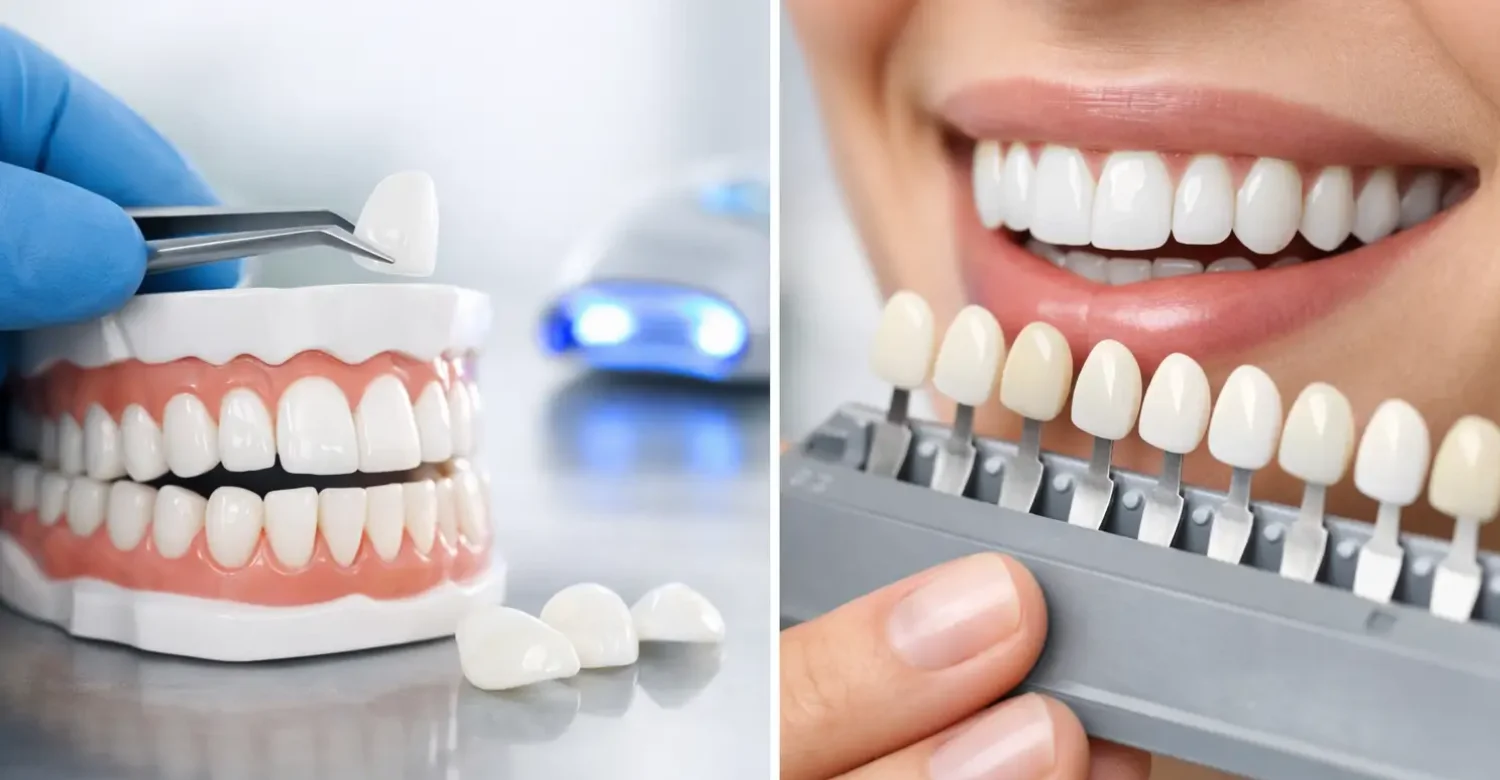
Note : All images used are for editorial and illustrative purposes only and may not originate from the original news provider or associated company.
Tips for Patients
Cosmetic treatment works best when patients understand it beforehand. Start with a proper dental assessment. Learn what each treatment can and cannot change. Ask about maintenance and future costs. Anyone weighing teeth whitening vs veneers benefits from preparing questions in advance. At Vitrin Clinic, coordination covers consultation, digital assessment, planning, and aftercare.
What to Do Before Teeth Whitening
Book a dental examination first. Discuss sensitivity, restorations, and your desired shade. Treat cavities or gum problems beforehand. Ask whether cleaning should come first. Confirm the protocol and expected appointments. Discuss realistic results for your discoloration type. Document existing crowns and fillings to avoid surprises.
What to Avoid After Professional Whitening
Follow your dentist’s aftercare instructions. Avoid extra bleaching products. Limit staining foods, drinks, and tobacco. Extreme temperatures may worsen sensitivity. Contact the clinic if pain persists. Keep brushing gently and maintain daily hygiene.
What to Discuss Before Choosing Veneers
Ask why veneers suit your specific concern. Discuss expected enamel preparation. Confirm the material and number of teeth. Ask about alternatives like whitening or bonding. Review digital previews or temporaries when available. Understand that treatment is usually irreversible.
Questions to Ask Your Dentist About Veneer Preparation
Ask how much tooth structure will be removed. Ask whether enamel can be preserved. Ask how your bite will be assessed. Ask how shade selection works. Ask how existing restorations affect the plan. Ask about temporary restorations and laboratory fabrication. Clear answers support informed consent.
How to Compare Treatment Plans When Considering Dental Tourism
Compare procedures, not headline prices. Check tooth count, materials, diagnostics, and aftercare. Confirm who performs treatment. Ask how complications are handled at home. Request written documentation of everything planned. Make sure travel dates allow clinical flexibility.
Why Patients Should Avoid Choosing a Treatment Based Only on Price
Price does not show suitability or scope. A cheaper quote may include fewer teeth or services. Materials and laboratory quality affect cost. Clinical appropriateness should guide the decision. Continuity of care matters for treatment abroad.
Cosmetic Treatment Options at Vitrin Clinic
At Vitrin Clinic, cosmetic planning includes whitening and restorative options. Clinical findings and desired results guide each choice. Whitening may address suitable discoloration. Veneers may address color plus shape and surface concerns. Digital smile planning supports discussion of proportions. Resolving teeth whitening vs veneers here follows examination, not a menu. International patients receive coordinated support throughout.
How Cosmetic Dental Assessment Can Help Compare Whitening and Veneer Options
An assessment shows what actually needs changing. The dentist evaluates color, shape, enamel, restorations, gums, and bite. This predicts whether bleaching will meet your goal. Veneers enter the plan when structure also needs change. Photographs and scans support planning.
Professional Teeth Whitening at Vitrin Clinic
Whitening suits patients seeking a color-focused change. Treatment begins with checking tooth health and discoloration. The protocol matches clinical needs. Sensitivity and shade goals are discussed first. Restorations that will not whiten are identified beforehand. Digital assessment can support planning when appropriate. The aim is a controlled, individualized whitening experience.
Veneer Treatment Options at Vitrin Clinic
Vitrin Clinic offers veneers for appropriately selected patients. Options include E-max and porcelain veneer solutions. Material depends on the clinical situation and aesthetic goal. Planning covers shade, shape, preparation, and laboratory coordination. Digital impressions support accurate records. Bite and existing restorations are considered too. The final number of veneers follows clinical findings.
How Digital Smile Planning Can Help Evaluate Cosmetic Goals
Digital smile planning helps visualize potential changes. It supports discussion of length, width, and symmetry. It improves communication between patient and team. A preview is not a clinical guarantee. It complements, never replaces, examination.
How the Treatment Choice Is Based on Individual Dental Findings and Desired Results
Selection combines dental findings with your cosmetic goals. Whitening suits color as the main concern. Veneers suit color plus structural change. Disease or malalignment may call for other treatment. Long-term health and maintenance shape the final plan.
How Vitrin Clinic Supports Your Treatment Journey
International cosmetic care needs clinical and logistical coordination. Vitrin Clinic supports patients from consultation to follow-up. Digital workflows organize diagnostic information. Plans are personalized to findings and goals. Treatment may involve whitening, veneers, crowns, or implants. Aftercare remains part of the pathway.
Initial Consultation and Review of Your Cosmetic Goals
The consultation starts with your desired result. The team reviews color, shape, spacing, wear, and restorations. Examination confirms which goals are achievable. Your priorities then shape the plan. Digital records can support communication and visualization.
Digital Assessment and Diagnostics When Clinically Appropriate
Digital X-rays provide two-dimensional information when needed. CBCT answers specific three-dimensional questions. Intraoral scanning records tooth surfaces. Not every patient needs every tool. Selection follows the clinical question.
Personalized Treatment Planning
Planning links findings with your goals. Tooth count, material, shade, and sequence are considered. Alternatives are discussed openly. Whitening may come first, then veneers. Existing restorations can influence the sequence.
Coordinating Whitening, Veneers, and Other Necessary Dental Treatments
Some patients need several procedures. Fillings or gum care may come first. Whitening may precede veneer shade selection. Clinical priorities set the order. Digital records help clinical and laboratory teams coordinate. This simplifies complex international schedules.
Follow-Up and Aftercare for International Patients
Aftercare matters when treatment happens away from home. Patients know how to reach the clinic afterward. Vitrin Clinic provides coordinated follow-up support. Guidance covers hygiene and restoration care. Patients also learn when professional review is needed.
Related Dental Treatments and Internal Link Opportunities
Internal links connect this guide with related cosmetic services. They help readers explore treatment options in depth. Each link should match the section’s search intent. Descriptive anchor text supports readers and search engines. Articles on teeth whitening vs veneers naturally link to these treatment pages.
Teeth Whitening
A teeth whitening page can explain professional protocols. It can cover eligibility, results, sensitivity, and maintenance. It suits readers focused on color. It can also compare in-office and take-home whitening.
E-Max Veneers
An E-max veneers page can explain lithium disilicate restorations. It can cover aesthetics, fabrication, and shade planning. It suits readers considering shape or color changes.
Porcelain Veneers
A porcelain veneers page can explain indications, preparation, and care. It can distinguish veneers from crowns and whitening. It can also discuss complications and maintenance.
Zirconia Crowns
A zirconia crowns page can explain full-coverage restorations. Crowns suit extensively damaged or weakened teeth. This helps readers understand restorative alternatives.
Cosmetic Dentistry in Turkey
This page can explain international treatment planning. It can cover consultations, materials, and aftercare. Claims there should stay specific and evidence-based.
Dental Checkup
A checkup page can explain assessment before cosmetic work. It reinforces preventive dental care. It covers teeth, gums, restorations, and oral health findings.
Digital Smile Design
This page can explain digital visualization of proportions and symmetry. It suits readers interested in visual planning. It also explains how previews support patient communication.
Dental Impressions
This page can explain conventional and digital impressions. Intraoral scans support veneer laboratory workflows. They matter most when veneers involve several teeth.
Related Articles on Tooth Discoloration and Cosmetic Dentistry
Related articles can cover stains, sensitivity, veneers, and smile design. Together they build a strong topical cluster. Clear anchor text helps readers find each topic.
Evidence-Based Guidance for Teeth Whitening and Veneers
Evidence guides cosmetic care without replacing individual assessment. The ADA confirms whitening does not affect crowns, veneers, or fillings. It identifies temporary sensitivity as common. Recent reviews support individualized bleaching protocols. Systematic reviews show strong long-term survival for ceramic veneers. Research on teeth whitening vs veneers explains averages, while anatomy decides personal suitability.
What the American Dental Association Says About Teeth Whitening
The ADA says whitening products commonly use hydrogen or carbamide peroxide. Bleaching breaks stains into smaller pieces. Whitening does not work on crowns, veneers, caps, or fillings. Yellow teeth respond better than some gray or brown teeth. Overuse may damage enamel or gums.
Evidence on Whitening Effectiveness and Common Adverse Effects
Whitening is effective for suitable discoloration. Improvement depends on stain type and protocol. Sensitivity is among the most common adverse effects. Moderate peroxide balances results and comfort. Light activation does not consistently improve outcomes.
Evidence on Indirect Restorative Materials and Veneers
Ceramic veneers show strong long-term survival. One review reported 95.5% estimated survival at ten years. Another estimated 89% at a median of nine years. Complications include fracture, debonding, and secondary decay. Enamel-bonded veneers showed especially strong outcomes.
What Peer-Reviewed Dental Literature Says About Cosmetic Treatment Outcomes
Published evidence supports both whitening and ceramic veneers. Whitening studies show effective color change with some sensitivity. Veneer studies show high survival across materials. Methods and follow-up periods vary between studies. Evidence gives ranges, not personal guarantees.
How Clinical Evidence Should Influence Treatment Selection
Evidence clarifies likely benefits and limits. It cannot replace examining your teeth. Ask how findings apply to your condition. The plan should adapt to clinical results. Personalized care remains central to responsible dentistry.
Key Takeaways
The core difference is what each treatment changes. Whitening targets the color of suitable natural teeth. Veneers change color, shape, size, and surface features. Restorations do not whiten. Veneers need maintenance and may involve enamel preparation. Settling teeth whitening vs veneers requires weighing health, goals, maintenance, and cost together.
Teeth Whitening vs Veneers: The Main Difference
Whitening changes natural tooth color. Veneers change both color and visible form. Veneers address a wider range of concerns. Whitening involves less structural intervention. Your dental findings decide which fits.
When Whitening May Be Appropriate
Whitening suits healthy teeth with suitable discoloration. Yellow shades often respond well. Tooth shape should already meet expectations. Restorations still need planning. A professional exam sets realistic results and sensitivity plans.
When Veneers May Be Considered
Veneers suit concerns beyond color alone. They address chips, stubborn stains, shape issues, and minor gaps. Preparation and maintenance should be discussed first. They are restorative, so long-term care is part of the commitment.
Important Side Effects and Limitations
Whitening may cause temporary sensitivity and gum irritation. Veneers may fracture or debond. Neither result is permanent. Restorations can mismatch after whitening.
Relief and Practical Medical Tips
Desensitizing products may ease post-whitening sensitivity. Follow instructions and avoid overusing whitening products. Persistent pain needs professional evaluation. Recent systematic evidence supports several desensitizing strategies.
When Professional Dental Evaluation Is Appropriate
Seek evaluation before cosmetic treatment and for unusual symptoms. Pain, swelling, bleeding, and sudden discoloration deserve assessment. Diagnosis comes before cosmetic care.
Why the Final Choice Should Be Based on Dental Health, Cosmetic Goals, and Individual Assessment
The right treatment depends on what you want changed. Structure, stains, restorations, gums, and bite also matter. Evidence guides, but examination decides. The final answer to teeth whitening vs veneers should protect dental health first.
At Vitrin Clinic
teeth whitening vs veneers , cosmetic planning begins with an individualized dental assessment. The team evaluates teeth, gums, restorations, proportions, and your goals. Whitening may suit color as the main concern. Veneers may suit shape, size, surface, or stubborn discoloration. Digital X-rays, CBCT, or intraoral scanning are used when clinically appropriate. Digital smile planning helps discuss expected changes. International patients follow a structured, coordinated workflow. Aftercare support continues after treatment ends. Every plan rests on clinical findings, not one procedure for everyone.
Reference
FAQs
Dr. Rifat Alsaman has more than 5 years of clinical experience in dentistry and currently serves as the Head of the Medical Team at Vitrin Clinic. He is dedicated to providing exceptional patient care, overseeing treatment planning, and ensuring the highest clinical standards across the team. His expertise, attention to detail, and commitment to continuous professional development have helped countless patients achieve healthier, more confident smiles.


