General Dentistry
October 12, 2026
Dry Mouth Medicine: What Is the Best Treatment for Lasting Relief?
 Dr. Rifat Alsaman
Dry mouth medicine is often the first thing people look for when dryness makes speaking, swallowing, eating, or sleeping uncomfortable. The medical term for the feeling of having a dry mouth is xerostomia. It may result from reduced saliva production or from changes in saliva composition. The right option depends on the underlying cause, how severe your symptoms are, and the medications you already take. This guide covers causes, self-care, products, prescription options, professional assessment, and prevention.
So what is the best treatment for lasting relief? The best dry mouth medicine is the one that matches the cause of your symptoms. No single product suits everyone. Mild dryness often improves with hydration, sugar-free gum, and saliva substitutes. Dryness caused by a medicine may need a supervised review of your prescriptions. Selected patients who still have working salivary glands may benefit from prescription saliva stimulants. Lasting relief usually comes from combining the right treatment, fewer triggers, and preventive dental care.
What Is Dry Mouth Medicine, and How Does It Work?
Dry mouth medicine includes any product or prescription used to relieve oral dryness or increase saliva. Some options, such as sprays and gels, moisten and lubricate the mouth for a while. Others, such as prescription stimulants, encourage the salivary glands to produce more saliva. Temporary symptom relief is different from treatment aimed at the cause, such as dehydration or a drug side effect. Not everyone needs prescription medicine for dry mouth. Many people improve with simple measures and a review of contributing factors.
How Does Dry Mouth Affect Your Everyday Life?
Persistent dryness can make ordinary routines tiring. Dry foods such as bread or crackers may be hard to swallow without water. Speaking for long periods can leave the mouth sticky and uncomfortable. Many people wake at night or in the morning feeling thirsty. Taste may seem dull or altered, and dentures may feel less comfortable. Over time, these changes can affect meals, work, and sleep. This is why many people search for dry mouth medicine rather than simply putting up with the discomfort.
What Is the Difference Between Dry Mouth and Low Saliva Production?
Xerostomia describes the sensation of dryness. Hyposalivation means saliva flow is objectively reduced when measured. The two often occur together, but not always. Some people feel dry despite normal measurable saliva, possibly because saliva composition has changed or oral tissues are sensitive. Others have reduced flow without strong symptoms. This distinction matters when choosing a dry mouth treatment. Saliva stimulants need working gland tissue, so they are considered only when some function remains. Saliva substitutes can help regardless of flow.
What Are the Symptoms of Dry Mouth?
Symptoms of dry mouth can appear at different times of day, and their pattern may offer clues about the cause. Some people notice dryness mainly when they wake up. Others feel it during long conversations or meals. Symptoms range from mild, occasional discomfort to persistent dryness that interferes with eating, speaking, and oral health. Recognizing your pattern helps a professional decide whether simple measures are enough or whether dry mouth medicine or further assessment is appropriate.
Why Does My Mouth Feel Sticky or Dry When I Wake Up?
Saliva flow naturally falls during sleep, so mild morning dryness is common. Breathing through the mouth overnight, often due to nasal congestion, can make it worse. Low fluid intake during the day, alcohol in the evening, and medicines taken at night may also contribute. A dry bedroom can add to the problem. If morning dryness happens most days, comes with snoring or poor sleep, or continues despite good hydration, it is worth discussing with a doctor or dentist.
Why Is It Difficult to Swallow, Speak, or Taste Food?
Saliva lubricates the mouth and helps the tongue and lips move smoothly when you speak. During eating, it moistens food and helps form a soft mass, called a bolus, that is easier to swallow. Saliva also dissolves flavor molecules so taste receptors can detect them. When moisture is reduced, dry foods may stick, speech may feel effortful, and flavors may seem weaker. These everyday difficulties are often what prompt people to seek dry mouth relief.
Can Dry Mouth Cause Bad Breath, Tooth Decay, or Mouth Sores?
Saliva rinses away food debris, neutralizes acids, and supplies minerals that support tooth enamel. When saliva is reduced, these protective and buffering effects weaken. Persistent dryness is associated with more plaque, a higher risk of dental caries, oral irritation, fungal infections such as candidiasis, and bad breath. However, dry mouth does not automatically mean these complications will develop. Good oral hygiene, fluoride, and regular dental reviews lower the risk, alongside suitable dry mouth medicine when needed.
What Causes Dry Mouth, and When Might You Need Medication?
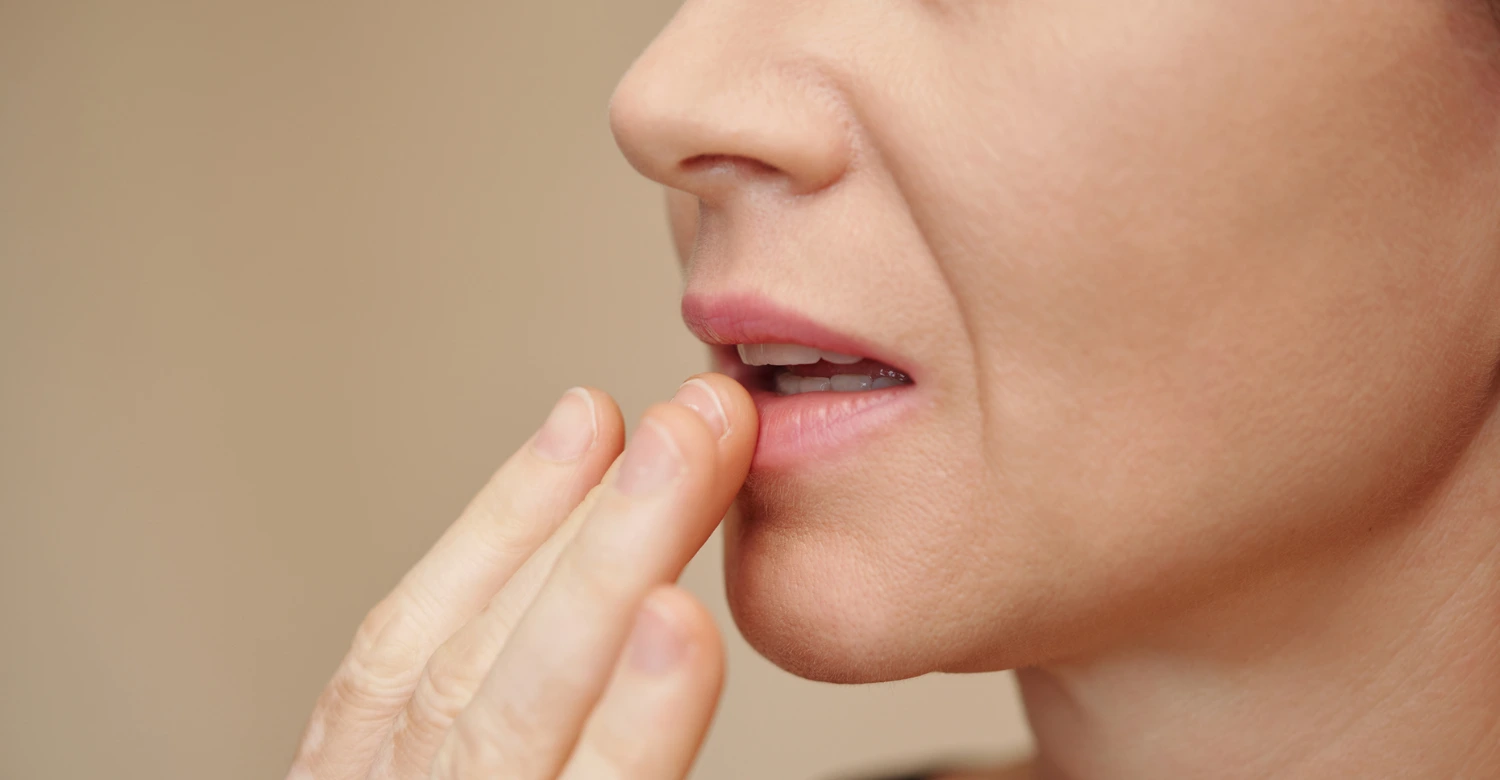
Identifying the cause is the most important step before choosing any medication for dry mouth. Common and often reversible causes include dehydration, mouth breathing, and lifestyle habits. Many prescription and over-the-counter medicines can also reduce saliva. Medical conditions and cancer treatments may cause more complex or long-lasting dryness. You might need dry mouth medicine when simple measures fail, symptoms persist, or the salivary glands are affected by disease or treatment. A professional assessment helps match treatment to cause.
Dehydration and Everyday Habits
Low fluid intake is one of the simplest causes of dryness. Heavy sweating, hot weather, exercise, fever, vomiting, or diarrhea can all reduce body fluids. Alcohol may contribute because it increases fluid loss and can dry oral tissues. Tobacco use, including smoking and vaping, is a recognized aggravating factor. Frequent caffeine intake may make some people feel drier, although individual effects vary. Adjusting these habits is often the first step, and it may reduce the need for dry mouth medicine.
Medications That May Cause Dry Mouth
Medicines are among the most common causes of dry mouth, especially when several are taken together. Examples include some antihistamines, antidepressants, decongestants, diuretics, and drugs with anticholinergic effects, such as certain bladder medicines. These drugs may reduce saliva production or affect fluid balance. If you suspect a medicine is responsible, review your list with a qualified prescriber. Do not stop or change treatment on your own. Adding dry mouth medicine without a review may only mask the problem.
Medical Conditions That Can Reduce Saliva
Several health conditions can contribute to dryness. Poorly controlled diabetes may cause dehydration through frequent urination and is associated with dry mouth. Sjögren's disease is an autoimmune condition in which the immune system affects moisture-producing glands, including the salivary glands. Certain neurological conditions, such as Parkinson's disease, may contribute through mouth breathing, swallowing changes, or medication effects. Persistent dryness alone cannot establish a diagnosis. A proper medical evaluation is needed before linking symptoms to a specific condition.
Cancer Treatment and Salivary Gland Damage
Radiotherapy to the head and neck can damage salivary glands, especially when the glands lie within the treatment field. Some chemotherapy can also cause temporary dryness or thicker saliva. Chemotherapy-related symptoms often improve after treatment ends. Radiation-related changes may be long-lasting or permanent, depending on the dose and the glands involved. Anyone developing dryness during cancer treatment should receive individualized medical and dental support. Preventive dental care, symptom management, and sometimes xerostomia medication are planned with the oncology team.
What Other Symptoms May Occur Alongside Dry Mouth?
Dry mouth sometimes appears with other symptoms that can help guide an assessment. Excessive thirst, burning or irritated oral tissues, and dry eyes are among the most relevant. These combinations do not confirm a diagnosis. However, they can point a doctor or dentist toward likely causes. Noting them also helps avoid using dry mouth medicine to hide a problem that needs its own treatment. Share every symptom at your appointment, even ones that seem unrelated.
Dry Mouth and Excessive Thirst
Thirst and dryness often occur together when the body is short of fluids. Dehydration from heat, illness, or low intake is a common explanation. High blood glucose can also cause both symptoms, because the kidneys remove excess sugar along with extra water. Persistent thirst with frequent urination, tiredness, or unexplained weight loss should prompt medical evaluation, including blood glucose testing. In this situation, treating the underlying cause matters far more than using dry mouth remedies alone.
Dry Mouth and Burning or Irritated Oral Tissues
Reduced saliva can leave the lining of the mouth more vulnerable to irritation. Some people notice cracked or fissured lips, sore corners of the mouth, a burning sensation, or a sore tongue. Spicy, salty, or acidic foods may become hard to tolerate. However, fungal infections, nutritional deficiencies, burning mouth syndrome, and other oral conditions can cause overlapping symptoms. An oral examination helps identify the cause, so the right treatment is given rather than general dry mouth relief only.
Dry Mouth and Dry Eyes
When dry mouth occurs with gritty, dry, or irritated eyes, a doctor may consider assessment for Sjögren's disease, which affects tear and salivary glands. Testing can include blood tests, eye examinations, and sometimes a salivary gland biopsy. However, this combination also has other possible causes, including medication side effects, aging, and environmental factors. These symptoms do not confirm an autoimmune disorder. A proper evaluation clarifies the cause and guides whether dry mouth medicine is appropriate.
What Dry Mouth Remedies Can You Try at Home?
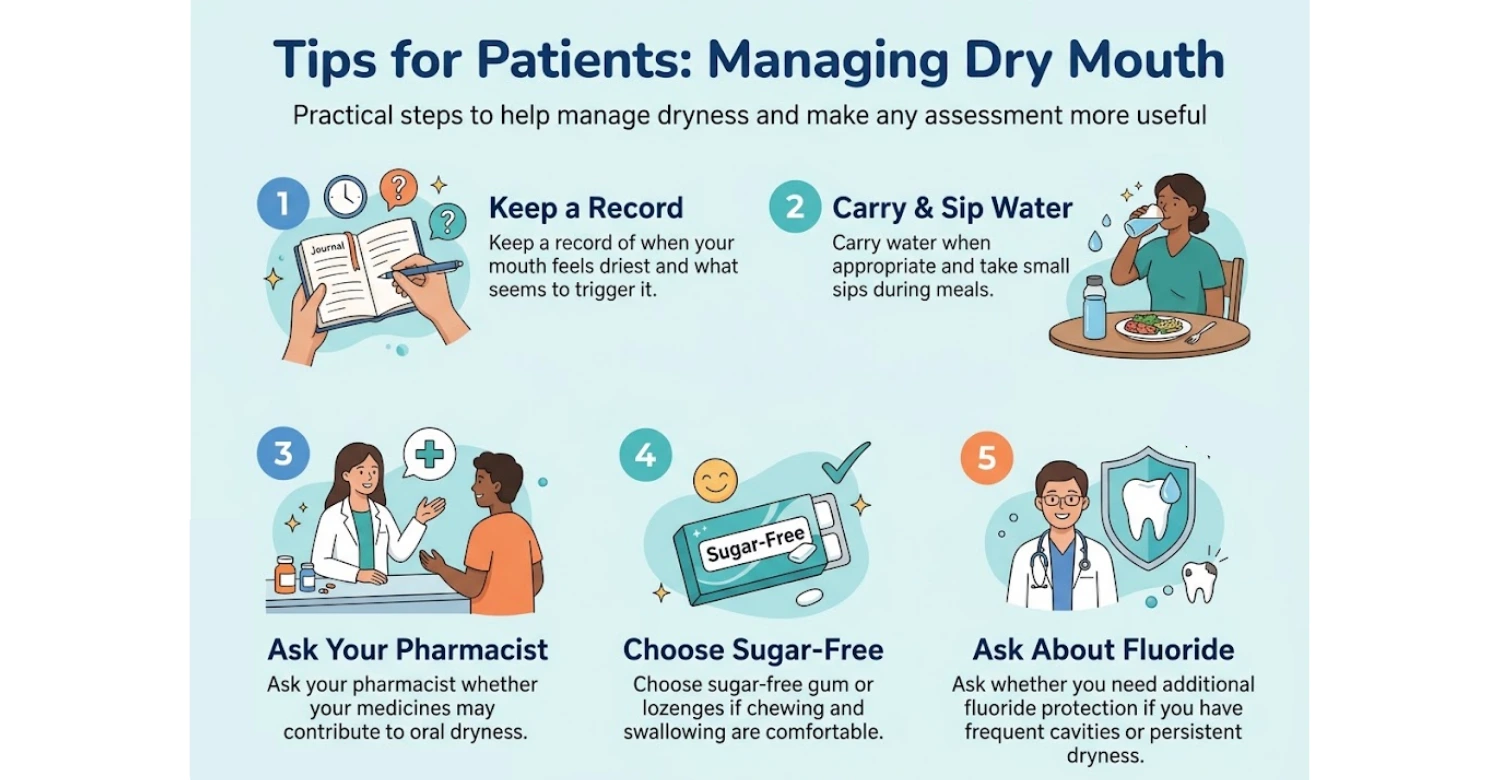
Several low-risk dry mouth remedies can ease mild symptoms while the underlying cause is investigated. Regular sips of water, sugar-free gum or lozenges, avoiding common triggers, and improving bedroom humidity are practical starting points. These measures are generally safe and inexpensive. However, home remedies may relieve symptoms without addressing their cause. They do not replace necessary medical care, a medication review, or dry mouth medicine when a professional decides it is needed.
Drink Water Regularly Throughout the Day
Frequent small sips of water keep oral tissues moist and offer one of the simplest forms of dry mouth relief. Sip water during meals to help with chewing and swallowing. Keep some nearby during long conversations and at night. Plain water is better than sugary or acidic drinks, which can raise the risk of tooth decay. People with prescribed fluid restrictions, such as some with heart or kidney conditions, should follow their healthcare professional's advice.
Use Sugar-Free Gum or Lozenges
Chewing gum or sucking lozenges stimulates the salivary glands and may increase residual saliva flow. Always choose sugar-free products to avoid feeding decay-causing bacteria. Products containing xylitol may be a sensible choice when suitable, although large amounts can upset digestion in some people. These products may be less effective when salivary gland function is severely reduced, such as after head and neck radiotherapy. In those cases, substitutes or prescription dry mouth medicine may be discussed.
Avoid Common Dry Mouth Triggers
Reducing triggers can make a noticeable difference. Tobacco and vaping products dry and irritate oral tissues. Many standard mouthwashes contain alcohol, which may worsen dryness, so alcohol-free versions are usually a better choice. Excessive alcohol intake can also contribute. Salty, spicy, very acidic, or very dry foods may irritate a dry mouth. Choosing gentle, alcohol-free oral care products supports comfort and works well alongside other dry mouth remedies.
Improve Bedroom Humidity and Nasal Comfort
A clean humidifier in the bedroom may reduce nighttime dryness, especially in dry climates or heated rooms. Clean it regularly according to the manufacturer's instructions to prevent mold or bacterial growth. However, humidification only addresses part of the problem if you breathe through your mouth at night. Persistent nasal obstruction, loud snoring, or habitual mouth breathing deserves medical assessment. Allergies, structural nasal problems, or sleep-disordered breathing may need specific treatment rather than humidification alone.
Which Products Can Help With Dry Mouth Relief?
Nonprescription products sit between home care and prescription treatment. They include saliva substitutes, moisturizing gels, rinses, sprays, and sugar-free lozenges, many available from pharmacies. These products can provide meaningful dry mouth relief for many people. The best choice depends on your symptoms, how much salivary function remains, and your dental needs, such as caries risk. Some people use different products for day and night. If these options are not enough, a professional may consider prescription dry mouth medicine.
Artificial Saliva Sprays, Gels, and Rinses
Saliva substitutes, often called artificial saliva, lubricate and moisten oral tissues. They generally do not restore normal saliva production, and their effect is temporary. Sprays are convenient for quick relief during the day. Gels usually last longer and are often useful at night. Rinses spread moisture across the whole mouth. Ingredients vary, and some products contain acidic components or flavorings unsuitable for natural teeth or sensitive tissues. Check suitability with a dental professional before relying on any dry mouth medicine of this type.
Sugar-Free Lozenges and Moisturizing Oral Products
Some products stimulate your own saliva, while others simply coat the tissues. Sugar-free lozenges, pastilles, and gum encourage the salivary glands to work, so they help most when some gland function remains. Moisturizing products such as oral gels, sprays, and lip balms form a protective film that reduces friction and discomfort. Coating products are useful when saliva production is very low. Many people benefit from combining both types, depending on the time of day and activity.
How Do You Choose the Right Product?
Choosing a product depends on several factors. Mild daytime dryness may respond to sugar-free lozenges or sprays. Nighttime dryness often suits longer-lasting gels. People with sensitive tissues may prefer unflavored or mild formulations. Those with high caries risk should avoid acidic products and may benefit from fluoride-containing options. Ease of use matters too, especially for older adults or denture wearers. A dentist or pharmacist can help you choose and advise when prescription dry mouth medicine deserves consideration.
.webp)
When Should You See a Doctor or Dentist for Dry Mouth?
See a doctor or dentist when self-care no longer controls your symptoms, or when dryness lasts more than a few weeks without a clear reason. An assessment can identify the cause, review your medicines, and check for dental complications. It also helps decide whether dry mouth medicine or another treatment is needed. Early evaluation is especially important if you develop new cavities, oral sores, or swallowing difficulties. Some situations need urgent attention, as described below.
Signs That Persistent Dry Mouth Needs Assessment
Arrange an assessment if you notice ongoing dryness despite adequate hydration. Other signs include recurrent oral discomfort, burning, or sores, and difficulty swallowing. Frequent new cavities, especially near the gumline or around fillings, also need attention. So do unexplained oral changes such as white patches, swelling, or lumps. Assessment is recommended when symptoms persist, recur, or interfere with eating, speaking, or sleeping. Choosing dry mouth medicine on your own is not a substitute for this evaluation.
When Is Dry Mouth an Urgent Concern?
Dry mouth itself is rarely an emergency, but some accompanying symptoms are. Difficulty breathing or an inability to swallow fluids requires urgent medical attention. Seek prompt care for signs of severe dehydration, such as confusion, dizziness, very little urine, or a racing heartbeat. Significant swelling of the face, neck, tongue, or floor of the mouth also needs prompt assessment, especially when swallowing or breathing is affected. Painful salivary gland swelling with fever may suggest infection.
Which Medical Treatments Are Available for Dry Mouth?
Treatment for xerostomia depends on the cause, its severity, remaining salivary gland function, and overall health. Clinicians usually start with conservative measures, including hydration, trigger reduction, saliva substitutes, and preventive dental care. A review of existing medicines often follows. When these steps are not enough, prescription xerostomia medication may be considered for selected patients. Treating any identified underlying condition is also essential. The goal is an individualized plan, not one dry mouth medicine for everyone.
Reviewing and Adjusting Medicines That Cause Dry Mouth
When a medicine is likely contributing, a prescriber may consider several options. These include reducing the dose, changing the timing, switching to an alternative with fewer drying effects, or reducing the number of drying medicines. Such changes are made only when clinically appropriate, because the original medicine may be essential. Medication changes must always be supervised. Stopping some drugs suddenly can cause withdrawal effects or worsen the treated condition. Sometimes a review works better than adding dry mouth medicine.
Prescription Medication for Dry Mouth
Pilocarpine and cevimeline are prescription medicines that can stimulate saliva production in selected patients. They are the main examples of dry mouth medicine that acts directly on the glands. They may help people who still have some functioning salivary tissue. This includes some patients with Sjögren's disease and, for pilocarpine, people with dryness after head and neck radiotherapy. Suitability depends on the indication, medical history, other medicines, and contraindications such as uncontrolled asthma or certain eye conditions.
How Does Pilocarpine Work?
Pilocarpine stimulates muscarinic receptors, which help control glandular secretions through the parasympathetic nervous system. This can increase saliva, as well as sweat and other secretions. Possible adverse effects include sweating, flushing, nausea, increased urination, runny nose, dizziness, and blurred vision, which may affect night driving. It is generally avoided in uncontrolled asthma and narrow-angle glaucoma. Caution is needed with some heart and lung conditions. Pilocarpine is not suitable for everyone and requires medical supervision.
How Does Cevimeline Work?
Cevimeline also stimulates muscarinic receptors and may increase saliva production in appropriate patients. Where it is approved, its main use is dry mouth associated with Sjögren's disease. Its availability varies by country. Potential adverse effects resemble those of pilocarpine, including sweating, nausea, diarrhea, runny nose, and visual changes. Cautions apply to people with uncontrolled asthma, certain eye conditions, and some heart conditions. A doctor must assess individual suitability and possible drug interactions before prescribing this xerostomia medication.
Treatment for Xerostomia Caused by an Underlying Condition
When a specific cause is identified, addressing it can improve dryness. Correcting dehydration, improving diabetes control, treating nasal obstruction, or managing an autoimmune condition with the right specialist may all help. However, some causes cannot be fully reversed. Salivary gland damage from radiotherapy or advanced Sjögren's disease may need ongoing symptom management rather than a complete cure. In these cases, treatment for xerostomia focuses on comfort, protecting teeth and oral tissues, and quality of life.
What Happens When Medication Does Not Provide Enough Relief?
Even with prescription medication for dry mouth, relief may be partial. Clinicians then often combine approaches. These can include saliva substitutes for comfort, prescription stimulants where appropriate, high-fluoride toothpaste, and continued trigger reduction. Regular reassessment checks symptoms, side effects, and dental health. Treatment may need adjustment over time as conditions, medicines, and needs change. Realistic expectations matter, because any dry mouth medicine usually aims for meaningful improvement rather than completely normal saliva.
How Can You Prevent Dry Mouth From Returning?
Preventing dry mouth from returning focuses on three areas: reducing avoidable triggers, maintaining strong oral health, and managing contributing conditions. Some causes, such as dehydration or alcohol-containing mouthwash, are easy to change. Others, like long-term medicines or gland damage, can only be managed. A consistent daily routine, regular medication reviews, and preventive dental care reduce both symptoms and complications. Prevention can also reduce how much you rely on dry mouth medicine for daily comfort.
Build a Daily Routine That Supports Saliva and Oral Health
Drink water regularly when medically appropriate, and keep it nearby during meals and at night. Brush twice daily with fluoride toothpaste. Clean between your teeth once a day using floss or interdental brushes. Limit how often you have sugary foods and acidic drinks, since frequency matters for decay risk. Attend dental reviews at intervals based on your individual risk. These habits support any dry mouth treatment you use and help protect your teeth.
Manage Medication-Related and Medical Causes
Regular medication reviews with your doctor or pharmacist help identify drying medicines and possible alternatives. This is particularly useful if you take several medicines or recently started a new one. Follow-up for conditions such as diabetes or Sjögren's disease helps keep them well managed. Some causes cannot be prevented completely, especially when a medicine is essential or gland damage has occurred. However, their oral effects may be reduced with suitable dry mouth medicine, preventive care, and monitoring.
Protect Your Teeth When Saliva Is Reduced
Reduced saliva means less natural protection against acids and bacteria, so teeth need extra care. Fluoride toothpaste strengthens enamel and helps resist decay. Your dentist may recommend higher-strength fluoride toothpaste, professional fluoride varnish, or other caries-prevention measures when indicated. Dietary advice, more frequent check-ups, and early treatment of small cavities also help. For people using dry mouth medicine long term, these steps remain essential, because symptom relief alone does not prevent decay.
What We Notice Clinically
Dr. Rifat Alsaman, Head of the Medical Team at Vitrin Clinic and cosmetic dentist, explains that patients have often tried several products before understanding why their mouth feels dry. In practice, identifying the cause matters more than choosing a product by its label. A useful assessment considers oral tissues, existing restorations, caries risk, and the full medication history. This information shows whether simple measures, a prescriber review, or dry mouth medicine is the most appropriate next step.
Why Does the Cause Matter More Than the Product?
Dr. Rifat Alsaman, Head of the Medical Team at Vitrin Clinic and cosmetic dentist, emphasizes that similar symptoms can arise from very different causes. A saliva substitute may ease discomfort, but it will not correct dehydration or a drying medicine. Medication-related dryness may need a prescriber-led review instead. A prescription saliva stimulant is only appropriate for selected patients with remaining gland function and no contraindications. Matching dry mouth medicine to its cause avoids wasted effort and unnecessary side effects.
How Can Persistent Dry Mouth Affect Dental Treatment Planning?
Dr. Rifat Alsaman, Head of the Medical Team at Vitrin Clinic and cosmetic dentist, highlights the importance of evaluating oral dryness before planning restorative or cosmetic treatment when relevant. Reduced saliva may increase caries risk around crowns, veneers, and fillings. It can also affect comfort with dental appliances. Identifying dryness early allows fluoride measures and dietary advice to be built into an individualized plan. Follow-up visits then help protect both natural teeth and complete treatment.
Clinical Note
Dry mouth is a symptom, not a diagnosis, and the best treatment depends on its cause. Prescription medicines such as pilocarpine and cevimeline can have contraindications and adverse effects, so they are not suitable for everyone. Do not start prescription medication or stop existing medicines without professional guidance. Persistent symptoms, recurrent cavities, oral lesions, or swallowing difficulties warrant assessment. Dr. Rifat Alsaman, Head of the Medical Team at Vitrin Clinic and cosmetic dentist, emphasizes individualized assessment and realistic expectations from any dry mouth medicine.
Finding the Right Dry Mouth Treatment
The right dry mouth treatment balances temporary relief with addressing the underlying cause. Saliva substitutes and dry mouth remedies can ease discomfort, while a medication review or condition management may tackle the source. Safe self-care, thoughtful product selection, and preventive dental care protect both comfort and teeth. Prescription dry mouth medicine can help selected patients but needs medical supervision. If dryness persists, affects daily activities, or comes with other concerning symptoms, seek a professional assessment.
How Can Vitrin Clinic Help You Manage Dry Mouth?
At Vitrin Clinic, the dental team can assess oral symptoms, evaluate your dental health, and identify complications linked to persistent dryness, such as decay or tissue irritation. Dental examination and appropriate imaging may be considered when clinically indicated. The team can help build an individualized oral-care and preventive plan, with medical referral when the suspected cause requires it. Prescription decisions for systemic causes, including dry mouth medicine, belong with the appropriate prescribing professional. Request a Free Consultation or Online Free Consultation & Assessment.
Ready to transform your smile?
Talk to our team and get a personal treatment plan.
References:
FAQs
Dr. Rifat Alsaman has more than 5 years of clinical experience in dentistry and currently serves as the Head of the Medical Team at Vitrin Clinic. He is dedicated to providing exceptional patient care, overseeing treatment planning, and ensuring the highest clinical standards across the team. His expertise, attention to detail, and commitment to continuous professional development have helped countless patients achieve healthier, more confident smiles.


