Periodontics
October 12, 2026
Gum Disease Medication: What Is the Best Treatment for Bleeding or Infected Gums?
 Dr. Rifat Alsaman
Gum disease medication can help in specific situations, but it is rarely the whole answer. Bleeding gums, tenderness, swelling, persistent bad breath, or pus can make everyday brushing uncomfortable and worrying. Gingivitis is early gum inflammation and is usually reversible. Periodontitis is advanced gum disease. It can damage the gums, ligament, and bone that support your teeth. Medication may help control infection or inflammation in selected cases. However, it does not replace professional removal of plaque and tartar when they are present.
So, what is the best treatment for bleeding or infected gums? There is no single best medicine for everyone. For gingivitis, thorough daily cleaning and a professional cleaning are usually most effective. For periodontitis, deep cleaning of the root surfaces is the foundation, sometimes supported by an antiseptic or antibiotic. An abscess usually needs drainage or treatment of its source. The right gum disease medication depends on the diagnosis, the severity, and whether an abscess or another condition is present.
How Does Gum Disease Medication Work?
Gum disease medication works by reducing harmful bacteria, calming inflammation, or easing discomfort. Different products act in different ways. Antiseptic rinses reduce bacteria on tooth and gum surfaces. Antibiotics target susceptible bacteria inside tissues or periodontal pockets. Pain relievers ease discomfort without treating the cause. Most of these products work best alongside mechanical cleaning. This is because bacteria in plaque live in an organised film called a biofilm. Biofilms resist medicines and must be physically disrupted to be removed effectively.
How does medicine help control gum inflammation?
Antimicrobial agents lower the number of harmful bacteria around the gums. With fewer bacteria, the inflammatory response often settles. Chlorhexidine, for example, binds to tooth and gum surfaces and keeps acting for several hours. Antibiotics may reach bacteria that rinses cannot. Pain relievers can make sore gums feel more comfortable. However, reduced bleeding or pain does not prove the disease has resolved. Deep pockets and tartar can remain even when symptoms improve. A periodontal examination confirms whether inflammation is truly controlled.
Can medication for gum disease restore damaged gums?
In most cases, no. Medication for gum disease can help control inflammation, but it cannot rebuild lost tissue. When periodontitis destroys bone and the attachment fibres around a tooth, that damage usually does not grow back on its own. Gum recession also tends to remain after the inflammation settles. Some defects may be suitable for regenerative surgery or gum grafting. Others are managed by keeping the remaining support stable. Your dentist will explain which approach suits you after measuring the pockets and reviewing X-rays.
What Symptoms Might Mean You Need Gum Disease Medicine?
Several symptoms suggest your gums need attention. They do not automatically mean you need gum disease medicine, though. Bleeding, swelling, bad breath, pus, and loose teeth can all have different causes. Some point to mild gingivitis that responds well to better cleaning. Others suggest periodontitis or an abscess that needs professional treatment. A dentist can check your gums, measure the pockets, and decide whether gum disease medication is useful in your case. The sections below explain what each symptom may indicate.
Bleeding gums when you brush or floss
Bleeding is one of the earliest signs of gum inflammation. Plaque along the gumline triggers an immune response. The gum tissue then becomes swollen and fragile, so it bleeds easily when touched. Many people stop brushing the area because of the bleeding. This allows even more plaque to build up. Recurring bleeding deserves a proper assessment. Simply masking it with mouthwash may delay diagnosis. Bleeding can also be linked to blood-thinning medicines or general health conditions, so mention these to your dentist.
Swollen, red, or tender gums
Healthy gums are usually pale pink and firm. They fit snugly around the teeth. Inflamed gums often look red, puffy, or shiny. They may feel tender when you eat, brush, or touch them. This happens because blood flow and fluid increase in the irritated tissue. Hormonal changes, such as those during pregnancy, can make gums react more strongly to plaque. Swelling around a single tooth may suggest a localized problem, such as trapped food or an abscess. Generalized swelling is more typical of plaque-induced gum disease.
Persistent bad breath or an unpleasant taste
Bacteria in plaque and periodontal pockets release sulphur compounds with an unpleasant smell. Deep pockets are hard to clean at home, so bacteria can thrive there. An infection may also drain pus into the mouth, causing a salty or foul taste. Mints and mouthwashes only mask the odour briefly. Bad breath can also come from the tongue, dry mouth, tonsils, sinuses, or some medical conditions. If it persists despite good cleaning, a dental examination can help identify the source.
Pus, gum boils, or localized swelling
Pus means the body is fighting an infection. A small bump on the gum, often called a gum boil, may drain pus from time to time. Localized swelling beside a tooth can indicate a periodontal abscess or an abscess from an infected tooth nerve. Both need prompt professional evaluation. Gum infection medication alone may not eliminate the source of an abscess. The dentist usually needs to drain the pus, clean the pocket, or treat the tooth itself. Antibiotics are added mainly when infection spreads or causes fever.
Loose teeth or gums pulling away from the teeth
Teeth may feel loose when periodontitis destroys the bone and fibres holding them in place. Gums may also pull away from the teeth, making them look longer. Gaps can appear between teeth that were previously close together. Your bite may feel different. These signs usually indicate advanced periodontal damage. Prompt assessment helps determine which teeth can be stabilized and which supporting tissues need treatment. Early care often preserves more teeth. Delaying treatment may allow further bone loss.
What Causes Gum Disease and When Might Medication Be Needed?
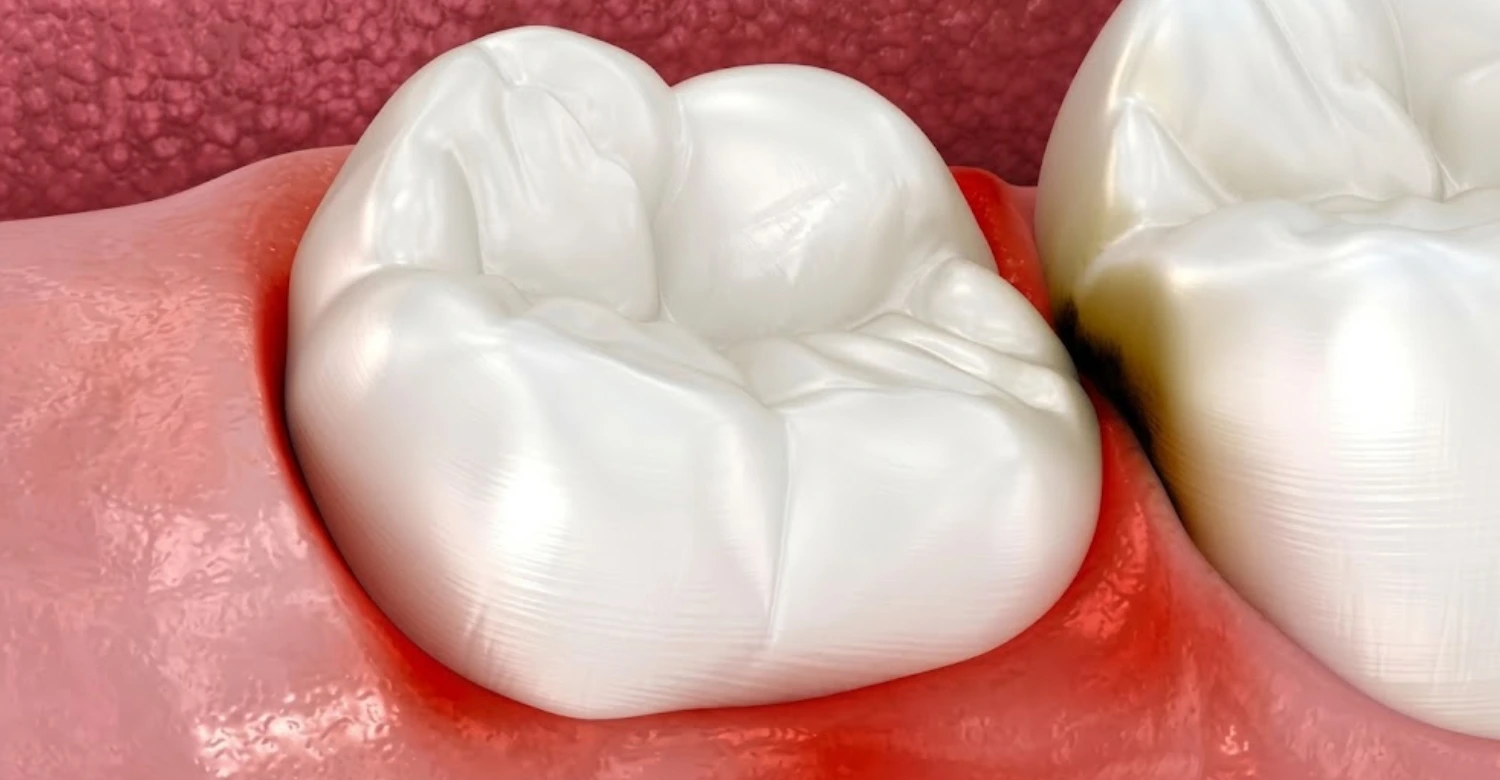
Most gum disease begins with dental plaque. Bacteria in plaque irritate the gums and trigger inflammation. In susceptible people, this inflammation can spread deeper and destroy supporting tissues. Medication is not the first step for most cases. Plaque removal comes first. Gum disease medication may be considered when infection is severe, spreading, or persistent after cleaning. It may also be used for specific periodontitis presentations. Understanding the cause helps your dentist decide whether medicine is useful at all.
Plaque buildup and gingivitis
Plaque is a sticky bacterial film that forms on teeth every day. If it is not removed, it irritates the gum margin. This produces gingivitis, which causes redness, swelling, and bleeding. Over time, plaque can harden into tartar, also called calculus. Tartar cannot be brushed away. Gingivitis is usually reversible with effective daily brushing, cleaning between the teeth, and a professional cleaning. Antibiotics and other gum disease medication are not normally needed for plaque-induced gingivitis.
Periodontitis and deep periodontal pockets
When inflammation persists, it may extend below the gumline. The tissues and bone that support the teeth begin to break down. Spaces called periodontal pockets form between the gum and the tooth root. These pockets collect bacteria and are difficult to clean at home. Treatment usually starts with professional cleaning of the root surfaces. Periodontal disease medication, placed locally or taken by mouth, may be added for selected deep or persistent sites. It works as a support, not a substitute.
Dental or periodontal abscesses
An abscess is a localized collection of pus. A periodontal abscess forms in the gum and bone beside a tooth, often within a deep pocket. A dental abscess usually starts from an infected tooth nerve. Both need source control. This may mean draining the pus, cleaning the pocket, root canal treatment, or extraction. Medicine for gum infection is generally reserved for spreading infection, fever, or other signs of systemic involvement. Antibiotics alone rarely resolve an abscess permanently.
Factors that may make gum disease harder to control
Some factors make gum disease more severe or harder to treat. Smoking impairs gum healing and can hide bleeding, which delays diagnosis. Poorly controlled diabetes increases the risk and severity of periodontitis. Inadequate plaque removal allows inflammation to continue. Dry mouth reduces the protective effect of saliva. Some medicines, such as certain anti-seizure drugs, calcium channel blockers, and ciclosporin, can cause gum overgrowth. These factors influence treatment response and recurrence. They do not mean that every patient needs medication.
Which Related Symptoms Can Occur Alongside Gum Disease?
Gum disease does not always appear alone. It can produce several related symptoms that affect comfort and daily routines. Some are mild and develop slowly, such as sensitivity from exposed roots. Others signal that infection is spreading and need urgent attention. Recognizing these symptoms helps you describe your situation accurately during an appointment. It also helps you understand when gum disease medication might play a role and when it is not enough. The next sections cover the most common examples.
Gum pain with chewing or brushing
Inflamed gum tissue is more sensitive than healthy tissue. Chewing firm foods can press on swollen gums and cause soreness. Brushing may also hurt, especially along the gumline. Pain in one tooth when biting may suggest an abscess, a cracked tooth, or food trapped in a pocket. Avoiding brushing because of pain often makes inflammation worse. Gentle, thorough cleaning usually helps tenderness settle over time. Persistent or increasing pain should be checked by a dentist.
Gum recession and tooth sensitivity
Gum recession exposes part of the tooth root. Root surfaces are not covered by enamel. They contain tiny channels that connect to the nerve. As a result, cold drinks, hot foods, sweet foods, or brushing may cause sharp, brief pain. Recession can result from periodontitis, aggressive brushing, or thin gum tissue. Desensitizing toothpaste may reduce discomfort. Your dentist can also apply fluoride varnish or bonding materials. Severe recession may sometimes be treated with gum grafting.
Swelling accompanied by fever or facial discomfort
Swelling with fever suggests the body is responding to an infection beyond the gums. Facial swelling that spreads toward the eye, jaw, or neck can be serious. It may indicate cellulitis or a deeper infection. These infections can progress quickly. Difficulty opening the mouth, swallowing, or breathing are emergency signs. In these situations, urgent assessment is essential. Antibiotics may be needed, but the source of infection must also be treated. Do not wait for home remedies to work.
What Can You Do at Home Before Using Gum Infection Medication?
Good home care is the foundation of gum health. It helps control plaque and may ease mild inflammation. It also improves how well any later treatment works. Home care cannot remove tartar or treat deep periodontal pockets, though. Use these measures while you arrange an assessment. Do not use them to delay care if symptoms are severe. Gum disease medication should only be started after a clinician confirms what is causing your symptoms.
Brush gently with a soft-bristled toothbrush
Brush twice a day for about two minutes with a fluoride toothpaste, unless a clinician has advised otherwise. Use a soft-bristled toothbrush. Angle the bristles toward the gumline and use small, gentle movements. Plaque at the gum margin causes most inflammation, so this area needs special attention. Aggressive brushing can traumatize already irritated gums. It may also contribute to recession over time. If brushing causes bleeding, continue gently. Bleeding often reduces as plaque control improves.
Clean between your teeth every day
A toothbrush cannot fully clean the surfaces between teeth. Plaque in these areas is a common source of gum inflammation. Dental floss suits tight contacts. Interdental brushes often work better where there are gaps, recession, or bridges. Choose a brush size that fits snugly without forcing it. Clean between your teeth once a day. Your dentist or hygienist can show you the right technique and sizes. Mild bleeding at first is common and usually improves.
Rinse safely and avoid irritating the gums
Warm salt-water rinses may offer temporary comfort. Dissolve about half a teaspoon of salt in a glass of warm water. Swish gently and spit. These rinses do not eliminate established periodontal disease. Never place aspirin directly on the gums. It can cause a chemical burn of the tissue. Concentrated essential oils and other harsh substances can also irritate or damage gum tissue. Avoid overusing strong alcohol-based mouthwashes if your gums are already sore.
Avoid smoking and monitor changes
Smoking impairs gum healing. It also increases the risk of periodontitis and tooth loss. Stopping smoking improves treatment outcomes. Support from a doctor or pharmacist can increase your chance of quitting. Meanwhile, keep an eye on your symptoms. Note whether bleeding, swelling, or pain improves with better cleaning. Worsening swelling, increasing pain, or discharge should not be ignored. These changes need professional assessment rather than more home treatment.
Which Tools May Support Gum Disease Treatment?
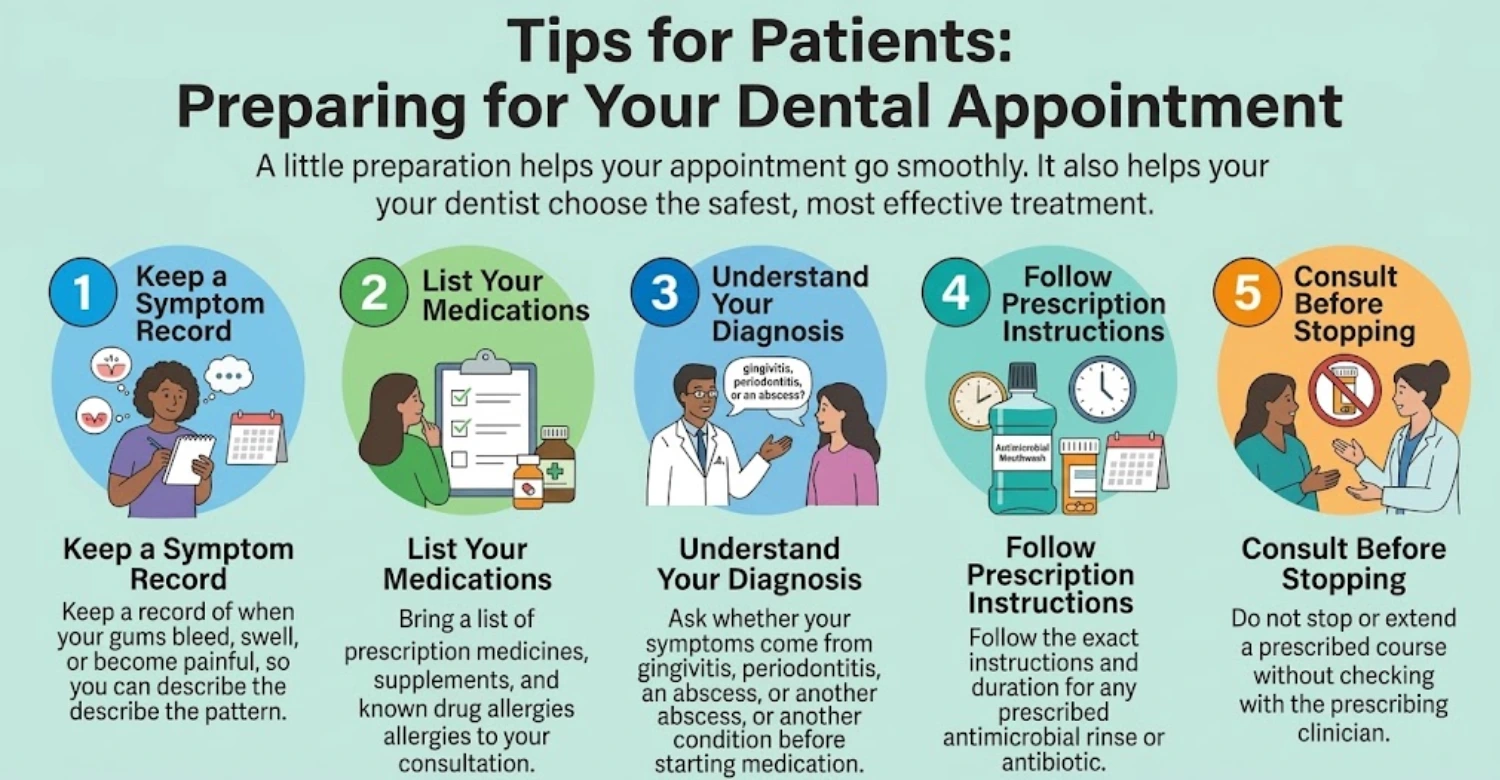
Several oral hygiene tools can make plaque control easier and more effective. The right tools support professional care and any gum disease treatment medication you are prescribed. They do not replace examination, cleaning, or periodontal therapy. The best choice depends on your teeth, spacing, dexterity, and any restorations or implants. A dental hygienist can recommend suitable products and show you how to use them. Using tools correctly matters more than using many different products.
Interdental brushes and dental floss
Interdental brushes and floss remove plaque from between the teeth. Interdental brushes come in different sizes and fit open spaces well. Research suggests they are often more effective than floss where the gaps allow them. Floss is useful for tight contacts. Floss threaders or special brushes help around bridges and braces. The best choice depends on spacing, dexterity, restorations, and professional guidance. Using the wrong size may damage the gums or leave plaque behind.
Therapeutic mouthwashes
Some mouthwashes contain antimicrobial ingredients. Examples include chlorhexidine, cetylpyridinium chloride, and essential oil formulations. Selected rinses may complement brushing and interdental cleaning in specific situations. They cannot reach deep periodontal pockets effectively. Chlorhexidine-containing products may stain teeth and alter taste. They are generally intended for limited use under clinical direction. Cosmetic mouthwashes freshen breath but do little for gum disease. Ask your dentist which rinse, if any, suits your situation.
Electric toothbrushes and water flossers
Electric toothbrushes may help some people remove plaque more effectively. Studies show modest reductions in plaque and gingivitis with some powered brushes compared with manual ones. Many models include pressure sensors that warn against brushing too hard. Water flossers can help people who struggle with floss, braces, or implants. These tools support daily oral hygiene. They do not replace professional periodontal treatment or remove hardened tartar. Technique still matters with every device.
Clinical Note
This article provides general educational information. It cannot diagnose gum disease or determine which gum disease medication is appropriate for you. Antibiotics should be prescribed only when clinically indicated. Do not take them from leftover supplies or share them with another person. Urgent symptoms, such as spreading swelling, fever with worsening infection, or difficulty swallowing, require prompt assessment. Treatment decisions may differ according to medical history, allergies, pregnancy, and other medications. Always follow the advice of the clinician who examines you.
When Should You See a Dentist Instead of Trying Medication at Home?
Home care is useful for mild symptoms, but it has limits. You should see a dentist when symptoms persist, return, or worsen. Over-the-counter products cannot diagnose the cause of gum problems. Gum disease medication taken without a diagnosis may hide symptoms while the disease progresses. Some signs need routine assessment. Others need urgent or emergency care. Knowing the difference can protect your teeth and your general health. The following sections explain which signs belong in each group.
Warning signs that need prompt assessment
Book a dental assessment if you notice any of these signs:
Gums that bleed regularly when you brush or floss
Swelling that persists despite better cleaning
Pus or a recurring gum boil
Increasing pain
Gum recession or teeth that look longer
Teeth that feel loose or have moved
These signs can have different causes. They range from gingivitis to periodontitis, abscesses, or other conditions. An examination is needed to identify the cause and plan suitable treatment.
Signs that may require urgent or emergency care
Some signs suggest a spreading infection. These include facial or neck swelling that is increasing, fever with a worsening dental infection, or difficulty opening your mouth. Seek urgent medical or dental assessment for these symptoms. Difficulty swallowing or breathing is an emergency. Go to an emergency department or call emergency services immediately. Do not use leftover antibiotics as a substitute for assessment. The wrong drug or dose may not work and can delay proper treatment.
.jpg)
What Gum Disease Treatment Medication Might a Dentist Recommend?
Dentists choose medication based on the diagnosis, severity, and your medical history. Options include antiseptic rinses, locally delivered antimicrobials, oral antibiotics, and pain relief. Each has a specific role. None replaces cleaning of the teeth and root surfaces when plaque and tartar are present. Many periodontal cases are treated successfully without systemic antibiotics. When gum disease medication is used, it usually supports mechanical treatment rather than acting alone. The options below explain when each may be considered.
Antiseptic mouth rinses for selected gum conditions
As a gum disease medication, chlorhexidine is the most studied antiseptic rinse. A dentist may prescribe it as an adjunct to mechanical plaque removal in selected cases. It can be useful after periodontal procedures or when brushing is temporarily difficult. It is typically used for a limited period. Possible effects include brown staining of teeth and tongue, taste changes, and increased tartar formation. Follow the prescribed duration. Rare allergic reactions to chlorhexidine have also been reported.
Topical or locally delivered periodontal antimicrobials
Some antimicrobial products can be placed directly into periodontal pockets by a dental professional. Examples include minocycline microspheres, doxycycline gel, and chlorhexidine chips. Availability differs between countries. These products release medicine slowly at the treatment site. They may be considered for selected sites with persistent periodontal infection after deep cleaning. Because they act locally, they generally cause fewer whole-body side effects than oral antibiotics. They are applied after the pocket is cleaned, not instead of cleaning.
Oral antibiotics for specific periodontal infections
Oral antibiotics are a form of gum disease medication reserved for selected cases. Examples include spreading infections, abscesses with fever, and certain severe or rapidly progressing forms of periodontitis. In periodontitis, they are usually prescribed alongside deep cleaning. They are not routinely needed for ordinary plaque-induced gingivitis or every case of periodontitis. The choice of drug depends on the diagnosis, allergies, medical history, and other medicines. Antimicrobial stewardship also matters, because unnecessary antibiotics increase resistance and side effects.
Pain relief for gum discomfort
Over-the-counter pain relievers, such as paracetamol or ibuprofen, may help manage gum discomfort temporarily. They do not treat the underlying cause. Pain often returns if the infection or inflammation is not addressed. Ibuprofen is not suitable for everyone. People with stomach ulcers, kidney problems, certain heart conditions, or some types of asthma may need to avoid it. Check with a healthcare professional or pharmacist if you have other conditions, take other medicines, or are unsure which option is safe.
Why antibiotics cannot replace periodontal cleaning
Plaque bacteria live in a protected biofilm. Biofilms are far more resistant to antibiotics than free-floating bacteria. Hardened tartar also provides a rough surface where new plaque collects. Even the most suitable gum disease medication cannot dissolve or remove tartar. Professional scaling and root surface debridement physically remove these deposits from above and below the gumline. This allows the gum tissue to heal and pockets to reduce. Antibiotics work best after this disruption. Without cleaning, infection often returns.
What Are the Main Benefits and Limitations of Gum Disease Medication?
Gum disease medication can be valuable when chosen for the right reason. It may help control infection, reduce inflammation, or support periodontal procedures. However, it has clear limits. It cannot remove tartar, rebuild lost bone, or replace daily plaque control. Every medicine also carries potential side effects. Understanding both sides helps you set realistic expectations. It also helps you discuss options confidently with your dentist. The sections below cover benefits, expected outcomes, and important precautions.
Potential benefits of the right treatment
Appropriately selected gum disease medication may help control a spreading infection. Antiseptic rinses can reduce plaque when brushing is difficult, such as after periodontal surgery. Locally delivered antimicrobials may improve pocket reduction at some persistent sites. In selected severe periodontitis cases, adjunctive antibiotics can enhance the results of deep cleaning. Benefits depend on the condition being treated. For mild gingivitis, better cleaning usually offers more benefit than medicine. Realistic expectations prevent disappointment and unnecessary drug use.
What should you expect before and after treatment?
Before treatment, your dentist will review your symptoms and medical history. They will examine your gums and measure pocket depths with a periodontal probe. Bleeding points and tooth mobility may also be recorded. X-rays are taken when indicated to assess bone levels. After treatment, bleeding and tenderness often improve over several weeks. The response varies between people and sites. Gums may shrink slightly as swelling reduces. Established recession and bone loss may not reverse with gum disease medication alone.
Possible side effects and medication precautions
Every gum disease medication should be chosen with your safety in mind. Oral antibiotics can cause nausea, diarrhea, or stomach upset. Some may trigger allergic reactions. Alcohol should be avoided with metronidazole. Tetracyclines are generally avoided in pregnancy and young children because they can discolour developing teeth. Chlorhexidine may cause staining and taste changes. Medication choice should account for allergies, pregnancy, other medicines, and medical conditions. Seek urgent help for facial or throat swelling, widespread rash, or breathing difficulty.
What We Notice Clinically
Dr. Rifat Alsaman, Head of the Medical Team and cosmetic dentist at Vitrin Clinic, emphasizes the importance of identifying the cause of gum inflammation before selecting treatment. Bleeding commonly occurs with plaque-induced gingivitis. In these cases, effective plaque control and professional cleaning are usually more appropriate than antibiotics. Unnecessary antibiotics expose patients to side effects and contribute to resistance. Medication decisions depend on the clinical findings, such as pocket depths, pus, and swelling, rather than bleeding alone.
Why treating the cause matters more than masking symptoms
Dr. Rifat Alsaman, Head of the Medical Team and cosmetic dentist at Vitrin Clinic, highlights the value of assessing gum health before restorative or cosmetic dental treatment when indicated. Periodontal pockets, tartar, abscesses, and other sources of inflammation may need targeted treatment. A rinse may reduce bleeding for a while, but deep deposits can remain. Symptom relief alone does not confirm that periodontal disease is controlled. Re-measuring the gums after treatment gives a clearer picture of healing.
Why maintenance is important after periodontal treatment
Dr. Rifat Alsaman, Head of the Medical Team and cosmetic dentist at Vitrin Clinic, recognizes the importance of individualized maintenance planning. Periodontitis can return if plaque control slips or risk factors persist. Regular periodontal reviews, effective home cleaning, and risk-factor management help keep the gums stable. Follow-up intervals should reflect disease severity, treatment response, and individual risk. Many people treated for periodontitis are reviewed every three to six months. Others may need visits less often.
How Can You Help Prevent Gum Disease From Returning?
Gum disease can return after successful treatment. Bacteria recolonize the teeth daily, so prevention is an ongoing process. The good news is that consistent habits greatly reduce the risk of recurrence. Daily cleaning, regular reviews, and managing health risks all play a part. Prevention also reduces the chance of needing gum disease medication again in the future. The following steps focus on what you can control. They also explain when professional support makes a difference.
Maintain a consistent oral hygiene routine
Brush twice daily with a fluoride toothpaste for about two minutes. Focus on the gumline, where plaque causes most inflammation. Clean between your teeth every day with floss or interdental brushes. Spit out toothpaste after brushing rather than rinsing with water, so the fluoride keeps working. Replace your toothbrush or brush head every three months, or sooner if the bristles fray. Consistency matters more than intensity. A thorough daily routine is the most effective long-term protection for your gums.
Attend professional cleaning and periodontal reviews
Professional cleaning removes tartar that home care cannot reach. Periodontal reviews also allow your dentist or hygienist to re-measure your pockets. Bleeding points and new areas of inflammation can be detected early. Early detection usually means simpler treatment. Your clinician can also check your cleaning technique and help you adjust it. People with a history of periodontitis usually need more frequent reviews than those with healthy gums. Keep your appointments even when your gums feel fine.
Manage health and lifestyle risk factors
Stopping smoking is one of the most effective ways to protect your gums. Good diabetes control also matters, because high blood sugar worsens gum inflammation. In turn, treating gum disease may modestly help blood sugar control. If you have a dry mouth, discuss possible causes with your doctor or dentist. Some medicines reduce saliva flow. Never stop a prescribed medicine without medical advice. A balanced diet and fewer sugary snacks also support oral health.
Recognize early warning signs
Early signs of gum disease are often painless. Watch for bleeding when you brush, gums that look red or swollen, and persistent bad breath. Gum tenderness and a bad taste are also worth noting. Seek assessment if these symptoms return after treatment. Early inflammation responds more readily than advanced disease. Acting early may reduce the need for gum infection medication or more complex procedures. Prompt attention also helps protect the bone that supports your teeth.
How Does Vitrin Clinic Approach Gum Disease Assessment and Treatment?
At Vitrin Clinic, gum treatment starts with understanding the cause of your symptoms. The clinic provides periodontal treatment for patients with gum disease. The approach focuses on diagnosis before medication. Your gum condition is assessed carefully, and treatment is planned around your clinical findings. Gum disease medication is considered only when it adds clear value. Gum health is also coordinated with any cosmetic or restorative treatment you are planning. Follow-up is part of the plan, because lasting results depend on maintenance.
Individualized gum health assessment
Assessment begins with a review of your symptoms and medical history. This includes medicines, allergies, smoking, and conditions such as diabetes. The dentist then examines your gums for bleeding, swelling, recession, and pus. Periodontal pocket depths are measured around the teeth. Tooth mobility may also be checked. Appropriate diagnostic imaging, such as dental X-rays, is used when indicated to evaluate bone levels. These findings help distinguish gingivitis, periodontitis, and abscesses, which require different treatments.
Coordinating gum health with other dental treatments
Healthy gums provide a stable foundation for veneers, crowns, and implants. Active periodontal disease may affect how gums look and heal around new restorations. It can also increase the risk of complications around implants. For this reason, gum health may need attention first when periodontal disease is present. Treatment sequencing depends on your oral health and clinical findings. In some cases, gum treatment and a healing period come before cosmetic work begins.
Planning treatment and follow-up
Your treatment plan may combine several elements. These can include home care guidance, professional cleaning, selected gum disease medication when indicated, and ongoing periodontal maintenance. Each step and its purpose are explained clearly. Follow-up visits check how your gums respond and whether further care is needed. If you have bleeding, swelling, or tender gums, you are welcome to request a consultation or treatment assessment at Vitrin Clinic. Bringing previous dental records or X-rays can be helpful.
Choosing the Right Gum Disease Medication
The most appropriate gum disease medication depends on what is causing your symptoms. Gingivitis usually improves with better cleaning and a professional clean, without antibiotics. Periodontitis needs deep cleaning, sometimes supported by local or oral antimicrobials. An abscess needs source control, with antibiotics added for spreading infection. Effective plaque removal, professional assessment, and maintenance remain central to gum health. If your gums bleed repeatedly, swell, become painful, or produce pus, arrange a dental assessment rather than relying on medication alone.
Ready to transform your smile?
Talk to our team and get a FREE treatment plan.
References:
FAQs
Dr. Rifat Alsaman has more than 5 years of clinical experience in dentistry and currently serves as the Head of the Medical Team at Vitrin Clinic. He is dedicated to providing exceptional patient care, overseeing treatment planning, and ensuring the highest clinical standards across the team. His expertise, attention to detail, and commitment to continuous professional development have helped countless patients achieve healthier, more confident smiles.


