Oral Surgery
October 13, 2026
Dry Socket: What Does It Feel Like, and How Can You Treat It?
 Dr. Rifat Alsaman
Dry socket, in other words (Alveolar Osteitis) after tooth extraction can turn a routine recovery into a painful one. Pain often eases at first, then returns stronger after two or three days. It may spread toward the ear or temple. Eating and sleeping can become difficult. Clinicians call this condition alveolar osteitis. It happens when the protective blood clot after tooth extraction is lost or breaks down too early. This guide covers symptoms, causes, diagnosis, treatment, healing time, and practical steps to protect the extraction site.
Dry Socket: What Is It, and How Does It Affect Healing After Tooth Extraction?
Dry socket is a painful complication that affects the bone socket left after a tooth is removed. Normally, a blood clot fills the space within hours. That clot shields the bone and nerve endings while new tissue forms. In alveolar osteitis, the clot breaks down or is lost before healing is established. The exposed bone walls then become very sensitive. This is different from an ordinary healing socket. It is also not automatically the same as a bacterial infection, although bacteria may play a role.
Why Is the Blood Clot After Tooth Extraction So Important?
The clot is the foundation of healing. It seals the socket, protects exposed bone and nerve endings, and acts as a scaffold. Over the following days, cells move into the clot and gradually replace it with granulation tissue. Bone then fills the socket over several weeks to months. Because this early structure is fragile, the extraction site should stay undisturbed. Avoid touching it with your tongue or fingers. Avoid forceful rinsing during the first day. These simple steps help the clot stay in place.
When Does Alveolar Osteitis Usually Develop?
Symptoms usually begin one to three days after extraction. Some people notice them up to about five days later. A common pattern is pain that seems to settle at first and then becomes clearly worse. That change matters. Normal extraction pain usually peaks early and fades day by day. When dry socket pain builds instead of easing, it deserves attention. Contact your dentist rather than waiting it out. An early assessment can shorten the period of severe discomfort.
.jpg)
.jpg)
.jpg)
.jpg)
.jpg)
.jpg)
Ready to transform your smile?
Talk to our team and get a FREE treatment plan.
What Are the Symptoms of Dry Socket, and Where Might You Feel the Pain?
The main dry socket symptoms involve pain that is stronger and longer-lasting than expected. This discomfort can affect daily life. Chewing may feel difficult on the affected side. Sleep may be interrupted. Speaking or concentrating at work can become tiring. Some people also notice a bad taste or unpleasant breath. Symptoms vary from person to person. Not everyone experiences every sign. The pattern and timing of pain often tell more than any single symptom on its own.
What Does Alveolar Osteitis Feel Like?
If you are wondering what does dry socket feel like, most people describe a deep, constant, throbbing ache. It comes from the socket itself rather than the gum surface. The pain often spreads to the ear, temple, eye area, or neck on the same side. It can feel far stronger than expected after a simple extraction. Ordinary over-the-counter pain relief may only take the edge off. This persistent quality is what separates it from the dull soreness of normal healing.
Can Dry Socket Cause Bad Breath or an Unpleasant Taste?
Bad breath after tooth extraction and a foul taste are common complaints with alveolar osteitis. Food debris and breakdown products can collect in the open socket. Bacteria then add to the odor. However, these signs alone do not confirm the diagnosis. Reduced brushing near the wound can cause similar breath changes. Trapped food can too. An infection can as well, sometimes with pus or swelling. If a bad taste comes with worsening pain, ask your dentist to check the area.
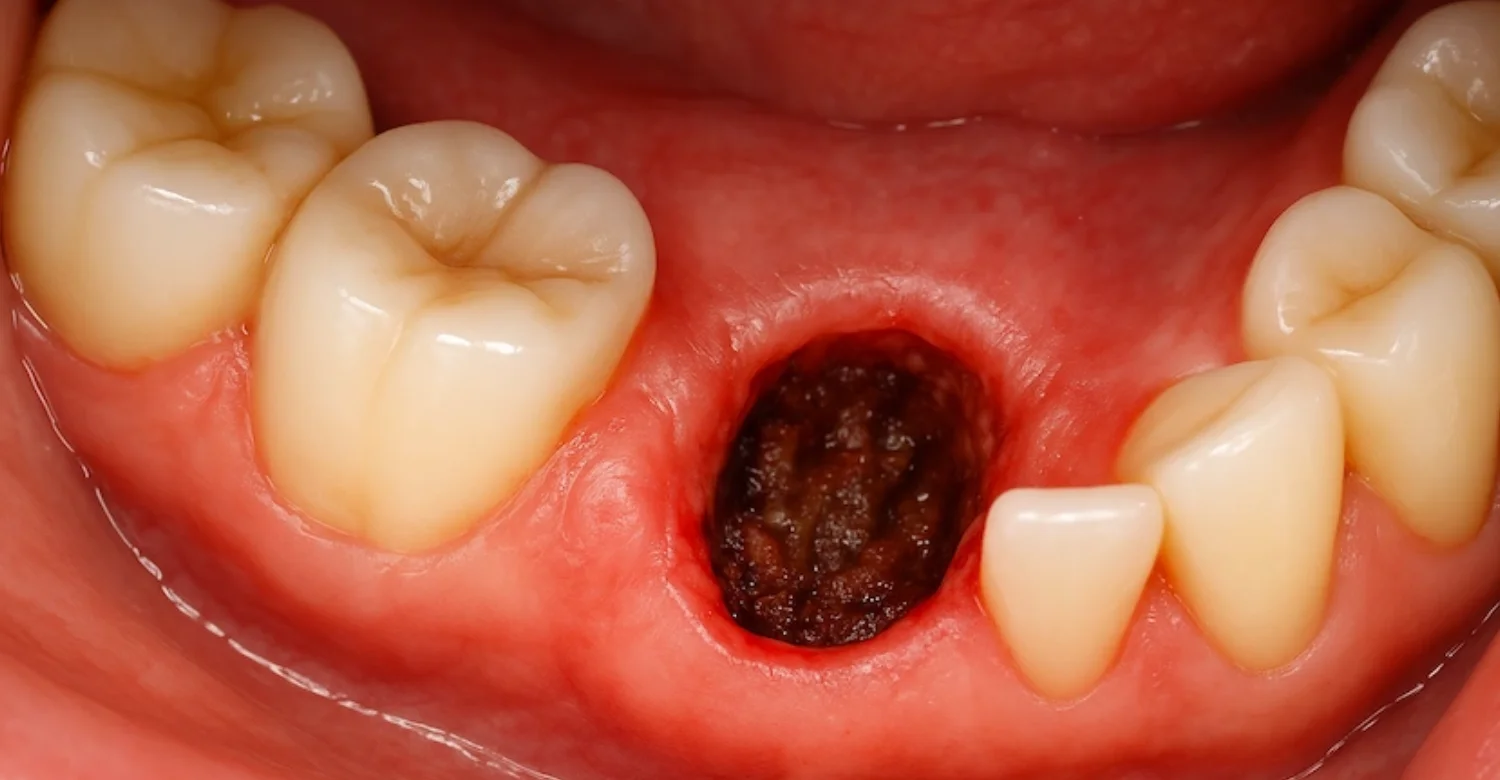
Can You See an Empty Socket or Exposed Bone?
In some cases, the socket looks empty. You may see grayish-white bone instead of a dark red clot. Food may also be lodged inside. Even so, appearance alone cannot confirm the diagnosis. Normal healing tissue can look pale or yellowish and be mistaken for a problem. Mirrors and phone lights also give a distorted view. Do not poke the wound with fingers, toothpicks, or cotton swabs to look for a clot. Probing can irritate exposed bone and introduce bacteria.
Can Alveolar Osteitis Cause Throbbing Jaw Pain After Extraction?
Yes. Throbbing jaw pain after extraction is one of the hallmark features of dry socket. The pain often radiates along the jaw toward the ear and temple. It can make chewing difficult and disturb sleep. Timing is the key clue. Discomfort that gradually improves over the first few days is expected. Pain that grows stronger on day two, three, or four is more concerning. In that situation, a dental examination is more useful than adding extra painkillers at home.
What Causes Dry Socket, and Who Is More Likely to Develop It?
Dry socket causes are not fully understood. The leading explanation is increased fibrinolysis, a process in which the body breaks down the clot too early. Local trauma, bacteria, and inflammation can trigger this. The most relevant risk factors include difficult or surgical extractions, smoking, previous episodes, and estrogen-containing contraceptives. Several factors often combine. Importantly, the condition can develop even when you follow every aftercare instruction. No single behavior always causes it, so blaming yourself is neither accurate nor helpful.
How Can a Dislodged Blood Clot Lead to Alveolar Osteitis ?
A dislodged blood clot leaves the socket walls unprotected. In the first 24 hours, the clot is soft and easily disturbed. Vigorous rinsing, forceful spitting, sucking through a straw, or poking the area can all create pressure on it. Hard or crunchy food chewed near the wound may also disturb it. Still, clot loss often happens through breakdown rather than physical removal. Many cases occur in careful patients. If the condition develops, do not assume you caused it.
Does Smoking After Tooth Extraction Increase Dry Socket Risk?
Smoking after tooth extraction is one of the best-documented risk factors. Drawing on a cigarette creates suction that may disturb the clot. Heat and chemicals in tobacco smoke can irritate the wound. Nicotine narrows blood vessels and may reduce blood flow to healing tissue. Studies consistently show higher rates of dry socket in smokers. Vaping also involves suction and nicotine. Avoid both for the period your treating dentist recommends. Ask for support if stopping, even briefly, feels difficult.
Is Dry Socket More Common After Wisdom Tooth Removal?
Yes. Dry socket after wisdom tooth removal is noticeably more common than after simple extractions, especially for lower wisdom teeth. Reported rates are roughly 1–5% for routine extractions and considerably higher for impacted lower third molars in some studies. Surgical removal often involves cutting gum, removing bone, or sectioning the tooth. This creates more tissue trauma. The lower jaw also has denser bone and a poorer blood supply. Individual healing differences add further variation. Your dentist can discuss your personal risk beforehand.
Can Oral Contraceptives Affect Dry Socket Risk?
Several studies have linked estrogen-containing oral contraceptives and dry socket. Estrogen may increase fibrinolytic activity, which can speed up clot breakdown. However, the evidence is mixed. Modern lower-dose pills may have a smaller effect than older formulations. Individual risk also varies. Tell your dentist if you take hormonal contraception, since they may consider this when planning the extraction. Never stop prescribed contraception on your own. Discuss any change first with the healthcare professional who prescribed it, even before planned surgery.
Can Bacterial Contamination of the Socket Contribute to Dry Socket?
Bacterial contamination of the socket may contribute to the condition. Bacteria release substances that can promote clot breakdown and local inflammation. Poor oral hygiene and existing gum or tooth infection near the extraction site may increase this load. That is why dentists sometimes use a chlorhexidine rinse or gel around the time of extraction. Still, alveolar osteitis is not simply an infected socket. An infection typically brings fever, spreading swelling, or pus, and is managed differently. The two can occasionally coexist.
What Other Dry Socket Risk Factors Should You Know About?
Other dry socket risk factors include a previous episode and a difficult or traumatic procedure. Poor oral hygiene also raises the risk. Pre-existing infection around the tooth may also play a part. Some studies suggest older age, female sex, and certain medical conditions or medicines may matter. Associations like these do not prove that any factor causes dry socket in every case. Share your full medical history so your dentist can assess your individual risk. Mention any earlier extraction problems, too.
Treatments We Provide at Vitrin Clinic, Turkey
Treatment | Average Cost |
≈ $1,500 – $3,000 per tooth | |
≈ $3,000 – $10,000+ (full set) | |
≈ $500 – $1,500 per tooth | |
≈ $800 – $2,500 per tooth | |
≈ $3,000 – $7,000 | |
≈ $3,000 – $7,000 | |
≈ $300 – $1,000 | |
≈ $150 – $300 per quadrant (deep cleaning) to $1,000–$3,000 (surgery) | |
≈ $100 – $350 per tooth | |
≈ $600 – $1,500 per tooth | |
≈ $600 – $1,800 per tooth | |
≈ $450 – $1,000 (€400 – €900) total bridge cost |
Comparative Pricing for Major Dental Treatments (US, UK, Turkey)
Dental Treatment | Turkey (USD) | United States (USD) | United Kingdom (USD / GBP) |
Dental Implants (per tooth) | ≈$400 – $900 | $3,000 – $5,500 | $2,200 – $4,500 (£1,800 – £3,500) |
Hollywood Smile (full set) | ≈$2,000 – $5,000 | $15,000 – $35,000+ | $6,000 – $20,000 (£5,000 – £15,000) |
Dental Crowns (per tooth) | ≈$180 – $400 | $800 – $2,500 | $500 – $1,200 (£400 – £900) |
Veneers (per tooth) | ≈$150 – $350 | $900 – $2,500 | $600 – $1,300 (£500 – £1,000) |
Invisalign | ≈$1,500 – $3,000 | $3,500 – $8,000 | $2,500 – $5,500 (£2,000 – £4,500) |
Subperiosteal Implants (per tooth) | ≈$1,500 – $2,500 | $4,000 – $6,000 | $3,000 – $5,000 (£2,400 – £4,000) |
Teeth Whitening | ≈$150 – $300 | $400 – $1,000 | $350 – $800 (£250 – £600) |
Periodontics (deep cleaning / per quadrant) | ≈$100 – $250 | $200 – $500 | $150 – $400 (£120 – £300) |
Gingival Esthetics (per tooth) | ≈$100 – $250 | $300 – $800 | $200 – $600 (£150 – £450) |
Endodontics (root canal / per tooth) | ≈$120 – $300 | $700 – $1,500 | $400 – $1,000 (£300 – £800) |
Same Visit Dentistry | ≈$200 – $450 | $1,000 – $2,200 | $700 – $1,500 (£550 – £1,200) |
Dental Bridges in Turkey (full bridge) | ≈$300 – $800 | $1,500 – $4,500 | $1,000 – $3,000 (£800 – £2,400) |
Ready to transform your smile?
Talk to our team and get a FREE treatment plan.
Tips for Patients
A little preparation makes recovery smoother and helps your dentist assess any problem quickly:
Keep your post-extraction instructions available so you can check the recommended care steps.
Choose soft foods that do not require forceful chewing near the extraction site.
Note when your pain began, whether it improved, and when it became worse.
Avoid smoking, vaping, straws, and forceful spitting during the advised healing period.
Bring a list of your medicines and relevant medical conditions to your dental appointment.
Ask your dentist whether your symptoms fit Alveolar Osteitis or suggest another complication.
.jpg)
Which Symptoms Suggest Alveolar Osteitis Rather Than Normal Healing?
Some pain, swelling, and tenderness are normal after any extraction, especially after surgical removal. Swelling usually peaks around day two or three and then settles. Normal pain should ease steadily and respond to the pain relief your dentist recommended. The picture becomes more concerning when pain intensifies instead of improving. Pain that spreads to the ear, keeps you awake, or barely responds to medication also stands out. Comparing your recovery with these expected patterns helps you decide when to call.
Dry Socket vs Normal Healing: What Is the Difference?
The difference in dry socket vs normal healing lies mainly in the pain pattern. With normal healing, pain is usually worst in the first two days and then fades. Painkillers usually control it well. With alveolar osteitis, pain often starts or sharply increases on days two to four. It is deeper, more persistent, and frequently radiates to the ear. Standard painkillers may barely help. Worsening pain after initial improvement is a strong clue, but only an examination can distinguish it from other complications.
Could Your Symptoms Indicate an Infection Instead?
Possibly. An infected extraction site can cause pain that overlaps with alveolar osteitis, but other signs often appear. Watch for fever, swelling that increases after the third day, or pus from the socket. A hot, red area or feeling generally unwell is also significant. Swollen, tender lymph nodes under the jaw may also occur. These features point more toward infection. The two conditions are different and are treated differently, so a dentist needs to examine the area.
What Can You Do at Home to Relieve Dry Socket Pain Safely?
Home measures can make dry socket pain relief easier while you wait for an appointment. They can reduce irritation, keep the area clean, and help you rest. However, home care cannot reliably resolve established alveolar osteitis. Exposed bone usually needs professional care to settle quickly. Contact your dentist if pain is severe, getting worse, or lasting beyond a few days. Use the steps below as support, not as a replacement for assessment. Each tip should match your own instructions.
Can a Saltwater Rinse Help After Tooth Extraction?
A saltwater rinse after extraction can help keep the area clean. Most dentists suggest starting after the first 24 hours, but follow your own instructions. Dissolve about half a teaspoon of salt in a cup of warm water. Tilt your head gently from side to side rather than swishing hard. Then let the water fall out of your mouth instead of spitting forcefully. Many dentists recommend this after meals. Stop and ask your dentist if rinsing increases your pain.
Which Everyday Habits May Help You Manage the Pain?
Small daily choices can ease discomfort. Eat soft, lukewarm foods such as yogurt, eggs, soup, or mashed potatoes. Chew on the opposite side. Very hot or spicy foods may sting. Drink plenty of water, but avoid straws. Brush the rest of your teeth gently and keep the brush away from the socket. Rest well, and keep your head slightly raised in the early days. Avoid smoking, vaping, and alcohol. Above all, follow the individual instructions your dentist gave you.
Which Pain Relievers May Be Appropriate?
Suitable non-prescription pain relief depends on your medical history, other medicines, allergies, and your clinician's advice. Anti-inflammatory medicines such as ibuprofen are commonly used after extractions, sometimes alongside paracetamol (acetaminophen). However, they are not safe for everyone. Stomach, kidney, or heart problems, asthma, pregnancy, and blood thinners can all change what is appropriate. Always follow the product instructions and never exceed the stated dose. Do not combine products without checking their ingredients. If pain persists despite correct use, contact your dentist.
Should You Try to Clean or Pack the Socket Yourself?
No. Do not insert cotton, gauze, aspirin, clove oil, or any other substance into the socket without professional direction. Aspirin placed against tissue can cause chemical burns. Cotton or gauze can trap debris and bacteria. Undiluted oils can irritate tissue. Probing or scraping the socket may also damage fragile tissue and delay appropriate care. Professional dressings are chosen and placed under direct vision. If the socket seems full of food, call your dentist instead of digging it out.
When Should You See a Dentist for Suspected Alveolar Osteitis?
See a dentist when self-care is no longer enough. That point usually comes when pain becomes severe, worsens after initial improvement, or radiates toward the ear. Pain that disturbs sleep or makes eating difficult is another reason to book an appointment. So is pain that lasts beyond the first few days without easing. Early assessment confirms what is happening and often brings faster relief. A prompt visit also rules out other causes. Your original dentist is usually the best first contact.
Which Warning Signs Need Urgent Attention?
Some symptoms need prompt assessment. These include pain that you cannot control with recommended medication, fever, pus, and facial swelling that keeps increasing. Persistent bleeding or numbness that does not wear off also warrants a call. Certain signs are emergencies. Difficulty swallowing or breathing needs emergency medical care immediately. So does swelling that spreads rapidly toward the eye, neck, or floor of the mouth. Do not wait for a routine dental appointment in these situations. Go to emergency services.
How Do Dentists Diagnose Dry Socket?
Dry socket diagnosis is mainly clinical. Your dentist asks when the tooth was removed, when pain started, and whether it improved before worsening. They then examine the socket for clot loss, exposed bone, food debris, and tenderness. They also check for signs of infection. Gentle irrigation may reveal the socket more clearly. X-rays are not always needed. They may be considered if a retained root fragment, bone problem, or other cause is suspected. Together, these findings separate it from other complications.
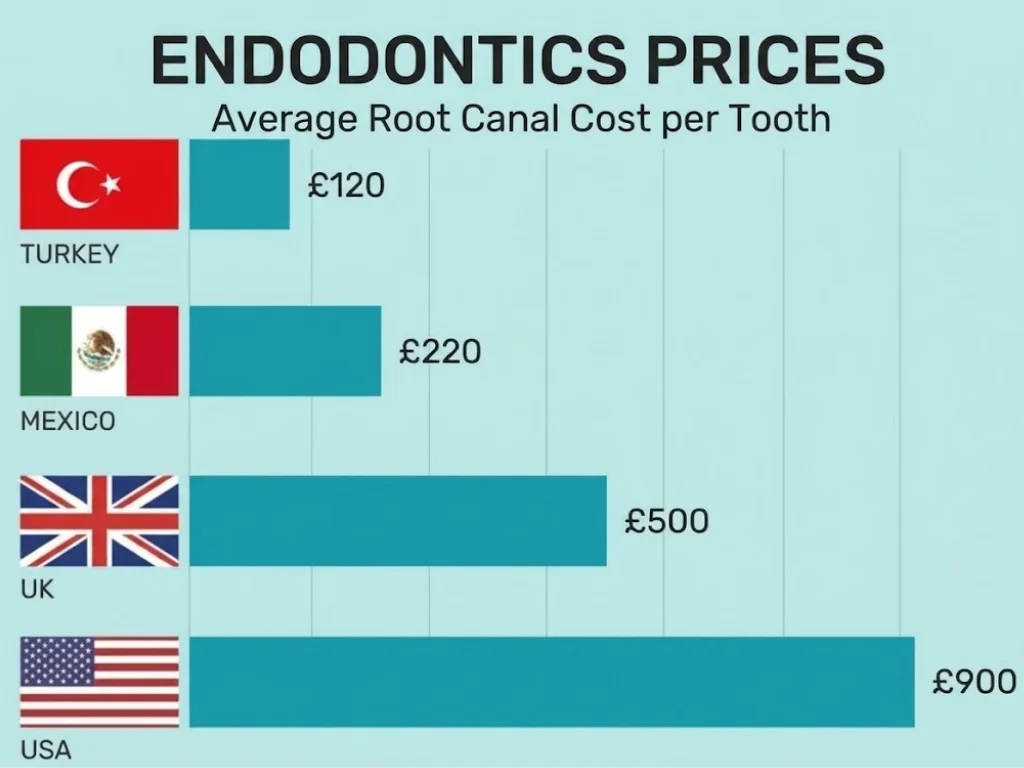
How Much Is Endodontic Treatment (Root Canal) in Turkey?
The cost of endodontic treatment in Turkey depends on the number of root canals in the tooth (front teeth, premolars, or molars), the complexity of the case (such as initial treatment vs. retreatment), and whether additional procedures (like a post placement or a full crown restoration) are required. You will receive a personalized treatment plan after the dentist examines your mouth and X-rays.
Treatment | Price |
Single Root Canal (Front Tooth - 1 Canal) | ≈ £100 |
Root Canal (Premolar - 1–2 Canals) | ≈ £130 |
Root Canal (Molar - 3–4 Canals) | ≈ £160 |
Root Canal Retreatment | ≈ £200 |
Root Canal + Fiber Post | ≈ £220 |
Root Canal + Zirconia Crown | ≈ £320 |
Ready to transform your smile?
Talk to our team and get a FREE treatment plan.
How Is Dry Socket Treated, and What Can You Expect During Recovery?
Dry socket treatment aims to relieve pain and protect the socket while it heals. It does not create a new clot. Instead, the socket heals gradually through the body's natural repair process, forming new tissue from the walls inward. Treatment depends on what the dentist finds. It commonly includes gentle cleaning, a soothing dressing, and pain-relief advice. Many people feel noticeably better within a day or two of treatment. Follow-up visits may be needed.
Can Gentle Socket Irrigation Help Relieve Alveolar Osteitis?
Yes. Gentle irrigation is often the first step. The dentist flushes the socket with warm saline or an antiseptic solution, such as chlorhexidine, using a syringe. This removes trapped food and debris that can irritate exposed bone. It is done gently, without scraping the socket walls, because aggressive cleaning can increase pain. Local anesthetic may be used if the area is very tender. Some dentists also provide a syringe for careful rinsing at home. Use it only as instructed.
When Is a Medicated Dressing Used for Dry Socket?
A medicated dressing for dry socket may be placed after irrigation to soothe exposed bone. Common dressings contain ingredients such as eugenol, which has pain-relieving properties, often with an antiseptic and a soft carrier material. Many patients notice relief within hours. Some dressings dissolve on their own, while others need reassessment, replacement, or removal at a follow-up visit. Not every case needs one. Your dentist decides based on pain severity and examination findings. Do not remove a dressing yourself unless told to.
Are Antibiotics Necessary for Alveolar Osteitis?
Antibiotics for dry socket are not routinely indicated for uncomplicated cases. The condition is mainly a problem of clot loss and local inflammation rather than a spreading infection. Antibiotics are therefore unlikely to help in most cases, and unnecessary use contributes to side effects and antibiotic resistance. A dentist may prescribe them if there are signs of infection, such as fever or spreading swelling. Certain medical conditions that weaken immunity may also justify them. Never use leftover antibiotics.
What Happens if Alveolar Osteitis Pain Does Not Improve?
Most people improve noticeably soon after professional care. If pain persists or worsens, return to your dentist. Repeat examination may show that the dressing needs changing or that debris has collected again. Sometimes another cause is responsible. Possible dry socket complications or alternative problems include infection, a retained root fragment, or, rarely, bone inflammation. X-rays or further local treatment may then be needed. Surgical intervention is not routinely required for uncomplicated cases. Persistent pain should never simply be endured.
Are Endodontic Treatments in Turkey cost-effective?
The Endodontic Treatment (Root Canal) Turkey price is significantly lower than in the US and UK, usually by 60% to 70%. This substantial savings is linked to lower operating overhead, clinical expenses, and favorable exchange rates, not to lower treatment standards.
At Vitrin Clinic Istanbul, we adhere strictly to international clinical standards, utilizing advanced 3D CBCT imaging, rotary endodontic systems, and apex locators alongside top-tier, internationally certified restorative materials to ensure long-term tooth preservation.
How Can You Prevent Alveolar Osteitis After Tooth Extraction?
Learning how to prevent dry socket starts before the extraction. Tell your dentist if you smoke, take hormonal contraception, or had the problem before. They may adjust planning or use a gentle surgical technique. Research suggests a chlorhexidine rinse or gel may also reduce risk in some patients. After the procedure, protecting the clot is your main job. Even so, prevention cannot be guaranteed. Some people develop the condition despite careful care. Realistic expectations help you respond quickly if symptoms appear.
Which Tooth Extraction Aftercare Instructions Matter Most?
The most important tooth extraction aftercare instructions focus on protecting the clot. Bite on gauze as directed to control bleeding. Avoid rinsing, spitting forcefully, or using straws for the first 24 hours. Afterwards, rinse gently only when your dentist advises. Keep your tongue and fingers away from the socket. Eat soft foods and chew on the other side. Avoid strenuous exercise for the first day or two. Continue cleaning the rest of your mouth gently. Take prescribed medicines exactly as directed.
How Long Should You Avoid Smoking After Extraction?
Avoid smoking and vaping for the period specified by your treating dentist. Many dentists advise at least 48 to 72 hours, and longer is better if you can manage it. The first days matter most because the clot is still fragile. If you cannot stop completely, ask your dentist for practical advice before the extraction. Planning ahead makes the break easier. Avoiding tobacco during early healing may reduce risk and also supports better gum and bone repair.
Does Oral Hygiene Help Reduce Alveolar Osteitis Risk?
Yes, gentle oral hygiene helps. Fewer bacteria around the extraction site may lower the risk of clot breakdown and infection. Keep brushing the other teeth twice daily with a soft brush. Clean teeth next to the socket very carefully, avoiding the wound itself. From the second day, gentle saltwater or prescribed rinses can remove food without disturbing the clot. Ask before using any alcohol-based mouthwash. Good hygiene before the extraction matters too, so treating gum disease beforehand may be helpful.
Patient Reviews
What We Notice Clinically
Dr. Rifat Alsaman, Head of the Medical Team and cosmetic dentist at Vitrin Clinic, offers practical guidance on post-extraction pain. The key message is simple. Pain pattern, timing, and examination findings matter more than any single symptom. A bad taste, a pale socket, or some soreness can all occur during normal healing. What changes the picture is how symptoms develop over several days. The following points reflect the recommended approach when patients report unexpected discomfort. Each one supports safer decisions.
Why Does Pain That Gets Worse After Extraction Deserve Attention?
Dr. Rifat Alsaman, Head of the Medical Team and cosmetic dentist at Vitrin Clinic, emphasizes that expected postoperative discomfort follows a predictable course. It peaks early and eases each day. Pain that intensifies after initial improvement breaks that pattern. This may raise suspicion of dry socket, although other complications are possible. Such a change should prompt a clinical assessment. Repeated attempts at home treatment can delay relief and leave the underlying cause unaddressed. Calling early is the safer choice.
Why Is Professional Examination Better Than Judging the Socket at Home?
Dr. Rifat Alsaman, Head of the Medical Team and cosmetic dentist at Vitrin Clinic, highlights that patients cannot reliably diagnose the problem by looking at the wound. Healing tissue, food debris, and exposed bone can look similar in a mirror. An examination allows a clear view under proper light. It helps assess clot loss, exposed bone, trapped debris, and infection signs. It can also identify other possible causes of pain, so treatment starts on the right path.
Why Should Treatment Focus on the Actual Cause of Pain?
Dr. Rifat Alsaman, Head of the Medical Team and cosmetic dentist at Vitrin Clinic, recommends an individualized approach based on clinical findings. Local care, such as gentle irrigation and a dressing, may be sufficient for uncomplicated cases. An infection may need different management, which can include antibiotics. A retained fragment or other complication may need its own treatment plan. Matching treatment to the actual cause avoids unnecessary medicines and helps patients recover more comfortably. Treatment should follow the diagnosis, not habit.
Clinical Note
This article provides general educational information and cannot replace a dental examination. Symptoms of dry socket overlap with other postoperative complications, including infection and retained fragments. Appropriate treatment should reflect your symptoms, medical history, extraction details, and examination findings. Do not self-prescribe antibiotics. Do not place aspirin, oils, or other medication inside the socket. Seek urgent medical attention for breathing or swallowing difficulties or rapidly progressing swelling. When in doubt, contact your dentist promptly. Prompt advice is always safer than guessing.
How Can Vitrin Clinic Help You Understand Post-Extraction Pain?
Vitrin Clinic in Istanbul, Türkiye, assesses dental concerns through individualized clinical evaluation. For post-extraction pain, this may include a review of your extraction history and pain progression. An oral examination follows, with imaging only when clinically indicated. The appropriate next step depends on the findings. Not every case requires imaging, antibiotics, or surgical intervention. Some concerns may need coordination with other specialists. The aim is to explain what is happening clearly and recommend suitable care.





Ready to transform your smile?
Talk to our team and get a FREE treatment plan.
References:
FAQs
Dr. Rifat Alsaman has more than 5 years of clinical experience in dentistry and currently serves as the Head of the Medical Team at Vitrin Clinic. He is dedicated to providing exceptional patient care, overseeing treatment planning, and ensuring the highest clinical standards across the team. His expertise, attention to detail, and commitment to continuous professional development have helped countless patients achieve healthier, more confident smiles.


.webp&w=3840&q=75)
