General Dentistry
August 18, 2026
Gum Disease and Overall Health : How Your Gums Affect Your Body?
 Dr. Rifat Alsaman
.webp&w=3840&q=75)
Gum Disease and Overall Health are closely connected through inflammation, immune responses, lifestyle factors, and chronic disease. Your gums are living tissues that constantly interact with bacteria, saliva, and the body's immune system. When gum inflammation becomes persistent, it can affect more than the tissues surrounding your teeth. However, gum disease does not automatically cause systemic diseases. Research mainly identifies associations between periodontal disease and several health conditions, while scientists continue investigating the exact mechanisms and strength of these relationships.
The World Health Organization recognizes severe periodontal disease as a major oral health problem worldwide. Understanding the relationship between oral and general health can encourage earlier dental evaluation, better prevention, and improved management of shared risk factors. Gum Disease and Overall Health should therefore be viewed as part of a broader preventive healthcare approach rather than as a simple cause-and-effect relationship.
Vitrin Clinic focuses on preventive periodontal care, early detection, individualized treatment, and comprehensive oral health assessment to help patients maintain healthy gums and natural teeth.
What Is Gum Disease and Why Does It Matter for Overall Health?
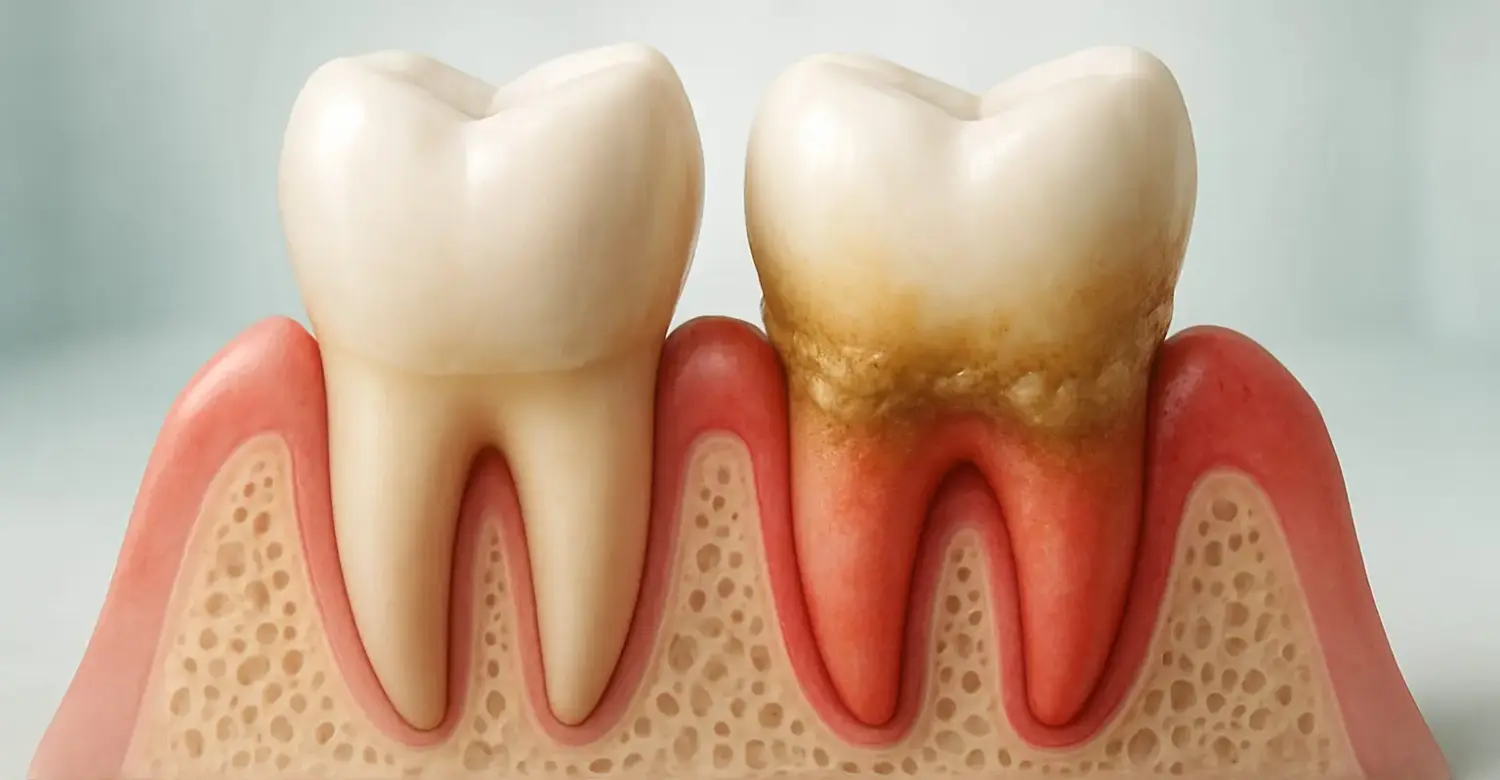
Gum disease describes inflammatory conditions affecting tissues surrounding and supporting your teeth. Gingivitis affects the gums, while periodontitis can damage supporting bone and connective tissues.The condition often begins when bacterial plaque remains around the gumline. The immune system responds by producing inflammation. Persistent inflammation can gradually damage periodontal tissues.This matters because oral tissues contain blood vessels and immune cells. Inflamed gums can therefore interact with broader inflammatory pathways.The CDC reports that about 42% of United States adults aged 30 years and older have periodontitis. Severe disease affects approximately 8% of adults.These statistics show why periodontal prevention deserves attention. Protecting gum tissues can also support comfortable eating, speaking, and long-term tooth retention.
What Happens When Gum Disease Develops?
Gum disease commonly develops gradually rather than suddenly. Plaque accumulation can irritate gum tissues and produce redness, swelling, and bleeding. Early inflammation may cause little or no pain, which means patients can underestimate its importance. If inflammation continues, periodontal pockets can develop around affected teeth. Bacteria and inflammatory products may remain beneath the gumline, where normal brushing cannot adequately remove them. Periodontitis can eventually cause attachment loss and destruction of supporting bone. Advanced disease may produce tooth mobility and, eventually, tooth loss. The World Health Organization identifies severe periodontal disease as an important cause of tooth loss. Early periodontal assessment can therefore help prevent minor gum problems from progressing into advanced disease. At Vitrin Clinic, periodontal evaluation can consider gum condition, bleeding, periodontal pockets, recession, tooth mobility, and supporting tissues.
Gingivitis vs. Periodontitis: What Is the Difference?
Gingivitis is generally the earliest and milder form of gum disease. Typical signs include red, swollen, or easily bleeding gums. With appropriate oral hygiene and professional care, gingivitis can usually be reversed. Periodontitis is more advanced and involves damage to supporting periodontal tissues. Bone loss may occur around affected teeth, and established structural damage cannot simply be reversed through brushing alone. Treatment focuses on controlling disease activity and preventing further progression. This distinction is important when considering Gum Disease and Overall Health because early inflammation can often be managed before deeper periodontal destruction develops. A periodontal examination can distinguish superficial gingival inflammation from deeper tissue involvement. Treatment should therefore match the severity of disease and the patient's individual risk profile.
How Oral Inflammation Can Extend Beyond the Mouth
Inflamed periodontal tissues contain immune cells, inflammatory mediators, and complex bacterial communities. Damaged gum tissue can also provide opportunities for bacterial components and inflammatory products to enter circulation. This does not mean that oral bacteria constantly cause systemic infection. Instead, periodontal inflammation may contribute to a broader inflammatory burden in some individuals. Researchers are investigating potential relationships involving diabetes, cardiovascular health, pregnancy outcomes, and respiratory conditions. These relationships are complex because many systemic conditions share risk factors with periodontal disease. Smoking, diet, obesity, diabetes, socioeconomic factors, and access to healthcare can influence both oral and systemic health. Consequently, Gum Disease and Overall Health should be understood through a multifactorial model rather than a simple direct-causation model. Good periodontal care remains valuable regardless of whether systemic benefits are eventually confirmed because it reduces oral inflammation, protects supporting tissues, and helps preserve natural teeth.
Clinical Note: Why Periodontal Health Matters Beyond Your Teeth
Periodontal health matters because healthy gums help protect the tissues supporting your teeth. Persistent inflammation can progressively damage these structures, potentially affecting tooth stability and long-term oral function. A clinical periodontal assessment considers more than visible redness. Dentists evaluate bleeding, pocket depths, recession, attachment levels, tooth mobility, plaque accumulation, and other clinical findings. Patients with diabetes or tobacco exposure may require particularly careful periodontal monitoring because these factors can increase periodontal risk. At Vitrin Clinic, periodontal evaluation can form part of a broader preventive dental strategy. The objective is to identify disease activity early and establish an appropriate treatment and maintenance plan. Understanding Gum Disease and Overall Health does not require exaggerating systemic risks. Instead, it means recognizing that maintaining healthy periodontal tissues is an important component of comprehensive healthcare.
What Is the Connection Between Oral Health and Overall Health?
Oral health is an integral component of general health. The World Health Organization describes oral health as important for eating, speaking, social interaction, and quality of life. The mouth contains diverse microorganisms that normally coexist with host tissues. Disease can develop when microbial balance, immune responses, and environmental factors become disrupted. Periodontal inflammation can affect local tissues and potentially influence systemic inflammatory processes. However, researchers continue investigating exactly how strong these effects are and which patients may be most affected. Shared risk factors provide another important connection. Tobacco use, unhealthy diets, metabolic disorders, and inadequate healthcare access can influence multiple chronic conditions. Improving oral hygiene, controlling plaque, avoiding tobacco, and attending dental examinations can therefore address several modifiable risks. A complete understanding of Gum Disease and Overall Health requires looking beyond isolated diseases and considering how oral and general health interact through shared biological and behavioral pathways.
How Gum Disease Affects the Body
Periodontal inflammation can influence the body through immune signaling and inflammatory mediators. Bacterial components from periodontal pockets may also interact with circulating immune cells. These mechanisms remain an active research area. Scientists are examining whether periodontal inflammation contributes meaningfully to systemic inflammatory activity and whether treating periodontal disease produces measurable health benefits beyond the mouth. The strongest established consequences remain local. Untreated periodontitis can destroy supporting tissues and contribute to tooth loss. Tooth loss may affect nutrition, speech, confidence, and quality of life. Therefore, Gum Disease and Overall Health involves both biological and functional considerations. Protecting periodontal tissues helps preserve natural teeth and daily oral function.
Gum Disease and Systemic Health
Periodontal disease has been associated with several systemic conditions, including diabetes, cardiovascular disease, respiratory disorders, and some pregnancy-related outcomes. Association does not prove that periodontal disease directly causes these conditions. Shared risk factors can partly explain observed relationships. Diabetes provides one of the clearest examples of a two-way relationship. Diabetes can increase susceptibility to periodontitis, while periodontal inflammation may complicate glycemic management. Cardiovascular research also reports associations between periodontal disease and cardiovascular outcomes, although causality is more difficult to establish. This distinction protects patients from misleading health claims. Gum Disease and Overall Health should be discussed using evidence-based language and individualized clinical assessment rather than exaggerated promises.
Bacteria, Inflammation, and the Immune Response
Periodontal pockets can contain complex bacterial communities. The immune system responds to these microorganisms and their byproducts. A healthy immune response helps maintain tissue balance, but persistent stimulation can contribute to chronic inflammation and periodontal tissue destruction. Inflammatory mediators may enter circulation and interact with distant tissues. Researchers are studying whether these pathways contribute to systemic disease development or progression. However, systemic health outcomes involve numerous biological and lifestyle factors. Periodontal inflammation represents one potential contributor rather than an isolated explanation. Effective periodontal treatment reduces local bacterial burden and inflammation. Daily plaque control also supports healthier periodontal tissues. This helps explain why Gum Disease and Overall Health has become increasingly important within preventive healthcare. Oral hygiene is a practical component of maintaining long-term health.
Can Gum Disease Affect Your Health?
Yes, gum disease can affect health in several important ways. Its clearest effects involve oral inflammation, periodontal tissue destruction, tooth mobility, and tooth loss. Research also identifies associations between periodontitis and several systemic conditions. However, gum disease should not be described as the sole cause of systemic disease. Genetics, lifestyle, medications, socioeconomic factors, and existing illnesses can also influence health outcomes. The WHO recognizes oral health as an important part of general health. For patients, the practical message is straightforward: persistent gum inflammation deserves professional evaluation rather than being ignored. The relationship between Gum Disease and Overall Health can therefore involve inflammation, shared risk factors, and disease management. Proper periodontal care supports oral function while contributing to a comprehensive preventive healthcare routine.
What We Notice Clinically
Clinically, patients may not recognize periodontal disease during its early stages. Bleeding during brushing is often dismissed as normal, even though healthy gums generally should not bleed regularly during routine oral hygiene. Dentists also monitor pocket depths, recession, attachment loss, mobility, and plaque accumulation. These findings help determine periodontal severity and treatment requirements. Patients with diabetes may require closer periodontal monitoring, while smoking and tobacco exposure can significantly increase periodontal risk. At Vitrin Clinic, a personalized evaluation can help identify periodontal problems before advanced tissue destruction develops. Treatment recommendations should reflect individual findings rather than symptoms alone. Recognizing Gum Disease and Overall Health early can encourage patients to address inflammation before it progresses and affects tooth-supporting structures.
Gum Disease and Heart Health: Is There a Connection?
Research has identified an association between periodontal disease and cardiovascular disease. Several biological mechanisms have been proposed, including systemic inflammation, immune responses, and movement of bacterial components from periodontal sites. However, association does not establish direct causation. People with periodontal disease may also have higher exposure to smoking, diabetes, obesity, or other cardiovascular risk factors. Therefore, patients should not assume that treating gum disease alone prevents heart attacks or cardiovascular disease. Periodontal care should complement established cardiovascular prevention. Blood pressure control, physical activity, healthy nutrition, smoking cessation, and appropriate medical monitoring remain essential. The cardiovascular discussion surrounding Gum Disease and Overall Health should therefore focus on prevention, risk-factor management, and accurate interpretation of current evidence.
How Gum Disease May Be Linked to Cardiovascular Health
Periodontal inflammation may influence systemic inflammatory pathways. Some studies have detected periodontal bacteria or bacterial components in vascular tissues, while other research has examined endothelial dysfunction and immune responses. Researchers continue investigating whether these findings represent direct causal mechanisms or reflect shared risk factors. Smoking, diabetes, obesity, and poor diet can increase risks for both periodontal and cardiovascular conditions. Consequently, periodontal disease should be considered within a broader individual risk profile. Patients with cardiovascular conditions should maintain regular dental care and follow their physician's recommendations for cardiovascular management. At Vitrin Clinic, periodontal treatment can support oral health while fitting into a patient's wider healthcare needs.
Gum Inflammation and Whole-Body Health
Gum inflammation is localized, but inflammatory signals can potentially influence distant biological systems. This possibility has encouraged extensive research into periodontal-systemic relationships. The body's immune system responds continuously to microorganisms within periodontal tissues. Chronic stimulation may contribute to increased inflammatory activity. Yet inflammation is not unique to periodontal disease. Obesity, infections, autoimmune conditions, smoking, and metabolic disorders can also increase inflammatory activity. Reducing gum inflammation is therefore beneficial without claiming that it eliminates systemic inflammation. Good oral hygiene and professional periodontal treatment can reduce local inflammation and protect supporting tissues. Understanding Gum Disease and Overall Health means recognizing these potential connections while respecting scientific uncertainty.
Periodontal Inflammation and Cardiovascular Risk
Periodontal inflammation has been associated with cardiovascular risk in observational research. Proposed pathways include endothelial dysfunction and systemic inflammatory signaling. However, observational studies cannot completely separate periodontal disease from shared risk factors. This distinction matters because patients deserve accurate medical information. A statistical association does not prove that one condition causes another. Current evidence supports maintaining good periodontal health as part of general preventive care. Patients with cardiovascular risk factors should continue medical monitoring and treatment. They should also inform dental professionals about relevant diagnoses and medications. The connection between Gum Disease and Overall Health should therefore be approached collaboratively, with dental and medical prevention working together.
Does Gum Disease Cause Heart Disease?
Current evidence does not justify saying that gum disease directly causes heart disease. Research consistently finds associations, but causation remains difficult to establish. Multiple confounding factors can influence both periodontal and cardiovascular outcomes. Smoking is particularly important, while diabetes, obesity, age, diet, and socioeconomic conditions can also contribute. This means periodontal treatment should not be marketed as a guaranteed method for preventing heart disease. Instead, patients should control established cardiovascular risks while maintaining healthy gums. Research continues to investigate whether periodontal treatment produces measurable cardiovascular benefits. This balanced approach keeps discussions about Gum Disease and Overall Health medically accurate and patient-centered.
Clinical Note
A periodontal examination should never replace cardiovascular assessment. Similarly, cardiovascular care should not be considered complete without appropriate attention to oral health. Patients with cardiovascular risk factors can benefit from consistent dental hygiene and professional periodontal monitoring. Dentists should review relevant medications and medical history before invasive periodontal procedures. The objective is not to claim that periodontal disease causes cardiovascular disease. The objective is to reduce preventable oral inflammation and maintain healthy periodontal tissues. Vitrin Clinic emphasizes individualized assessment rather than generalized disease claims. This allows periodontal recommendations to reflect each patient's oral findings and medical circumstances. A balanced understanding of Gum Disease and Overall Health supports safer communication and better preventive decisions.
Gum Disease and Diabetes: Why the Relationship Matters
Diabetes and periodontal disease have a well-established clinical relationship. Diabetes can increase susceptibility to periodontal inflammation and disease progression, while periodontal inflammation may make glycemic management more challenging. Research describes this relationship as potentially bidirectional. Blood glucose control is therefore important for periodontal health, while regular dental monitoring is valuable for patients with diabetes. Patients should maintain their prescribed diabetes treatment while addressing periodontal disease through appropriate dental care. This relationship demonstrates why Gum Disease and Overall Health requires attention to systemic conditions rather than focusing exclusively on the mouth.
How Diabetes Can Affect Gum Health
Elevated blood glucose can impair several protective mechanisms within periodontal tissues. Diabetes can also alter inflammatory and immune responses, potentially increasing susceptibility to periodontal infection. Poor glycemic control is particularly concerning for periodontal health because healing may become more difficult. Regular dental examinations can identify bleeding, pocket formation, recession, and attachment changes. Patients should not stop prescribed diabetes medications because of dental problems. Instead, diabetes management should remain coordinated with the appropriate medical professional. At Vitrin Clinic, periodontal assessments can help identify oral changes requiring professional intervention.
How Gum Disease May Affect Diabetes Management
Periodontal inflammation may contribute to increased systemic inflammatory activity. This could potentially influence insulin sensitivity and glycemic control. Research supports a bidirectional relationship, although the size of the effect varies between studies and individuals. Treating periodontal disease may improve some metabolic measures in certain patients. However, periodontal treatment should not replace diabetes treatment. Patients should continue monitoring glucose according to their healthcare plan. Dental care should complement nutrition, medication, exercise, and medical follow-up. The relationship between Gum Disease and Overall Health is particularly important for patients managing chronic metabolic conditions.
Periodontal Inflammation and Blood Sugar Control
Periodontal inflammation can release inflammatory mediators into surrounding tissues. Some inflammatory signals may enter systemic circulation. These processes have been proposed as mechanisms connecting periodontal inflammation with insulin resistance. Clinical research supports an association between periodontal disease and diabetes, although individual responses to treatment can differ. Blood glucose levels depend on numerous factors, including medication adherence, diet, physical activity, stress, and other health conditions. Therefore, periodontal care should form part of comprehensive diabetes management. Controlling gum inflammation can improve oral health and may provide additional systemic benefits. Patients should discuss significant changes in glucose control with their medical provider. Understanding Gum Disease and Overall Health helps patients recognize why periodontal monitoring matters when managing diabetes.
Why People With Diabetes Need Regular Gum Monitoring
Diabetes can increase the risk of periodontal disease, while periodontitis may make glucose management more challenging. Regular dental visits allow professionals to identify inflammation before severe tissue destruction occurs. Monitoring may include periodontal probing, bleeding assessment, plaque evaluation, recession measurement, and radiographic assessment when indicated. Patients with poor glycemic control may require closer dental follow-up. Their medical and dental teams should communicate when significant concerns arise. Early treatment can reduce periodontal inflammation and protect supporting tissues. Vitrin Clinic can provide personalized periodontal monitoring based on individual risk factors and clinical findings. This is an important part of understanding Gum Disease and Overall Health among patients living with diabetes.
Clinical Note
Patients with diabetes should view gum care as part of their preventive health routine. Persistent bleeding or swelling should not be considered a normal consequence of diabetes. Good glucose control supports periodontal health, while periodontal treatment can help control local inflammation. The relationship is not one-directional. Both conditions can influence inflammatory pathways and tissue responses. Dental professionals can monitor periodontal changes during routine visits, while medical professionals continue managing glucose levels and systemic complications. At Vitrin Clinic, periodontal care can be tailored according to clinical findings and relevant medical information. Gum Disease and Overall Health is especially important when chronic conditions require coordinated preventive care.
How Gum Disease Affects the Body
Periodontal disease primarily affects the gums, periodontal ligament, cementum, and supporting bone. Its systemic relevance comes from interactions between bacteria, inflammation, and immune responses. Inflamed periodontal tissues can release inflammatory mediators, while bacterial components may interact with immune cells beyond the mouth. These mechanisms have attracted research into cardiovascular disease, diabetes, pregnancy outcomes, and respiratory conditions. However, evidence strength differs between these conditions. The most immediate consequences remain periodontal tissue destruction and tooth loss. The CDC identifies periodontitis as a leading cause of tooth loss. Therefore, the most important aspect of Gum Disease and Overall Health is protecting periodontal tissues while interpreting broader systemic implications with appropriate scientific caution.
The Role of Chronic Inflammation
Chronic inflammation occurs when immune activation continues for an extended period. Periodontitis provides a localized example of persistent inflammatory activity. Inflammation helps the body respond to harmful microorganisms, but prolonged inflammation can damage surrounding tissues. Periodontal inflammation can destroy connective tissue and supporting bone, contributing to periodontal pocket formation and tooth mobility. Systemic inflammation can arise from many sources, including obesity, infection, autoimmune disease, and smoking. Periodontal disease is therefore one potential contributor rather than a universal cause. Reducing periodontal inflammation remains clinically valuable regardless of systemic outcomes.
How Periodontal Bacteria Interact With the Body
The mouth contains hundreds of microbial species living within complex communities. Periodontal disease can change the balance of these communities. Inflamed periodontal pockets provide environments where pathogenic bacteria can thrive. Bacterial products can interact with local immune cells, and bacterial components may enter circulation under certain circumstances. The body normally manages these exposures through immune defenses. Problems may arise when inflammatory activity becomes persistent. Researchers continue studying how oral microorganisms influence distant tissues. Importantly, the presence of oral bacteria in circulation does not automatically mean systemic disease develops. A complete understanding of Gum Disease and Overall Health requires considering microbial, immune, genetic, and environmental factors together.
The Immune System and Periodontal Disease
The immune system plays a central role in periodontal disease. It responds to bacteria within dental plaque and periodontal pockets. Inflammatory cells attempt to control microorganisms. However, prolonged immune activation can contribute to tissue destruction. The severity of periodontal disease differs between individuals. Genetics, smoking, diabetes, oral hygiene, stress, and other factors can influence susceptibility. Controlling bacterial plaque reduces the stimulus driving inflammatory responses. Professional periodontal treatment can also reduce bacterial accumulation beneath the gumline. These principles demonstrate why oral-systemic health involves more than bacteria alone. Host immune responses are equally important.
Gum Disease and Chronic Health Conditions
Periodontal disease has been associated with several chronic health conditions, including diabetes, cardiovascular disease, and some respiratory disorders. However, associations differ in strength and biological plausibility. Shared risk factors create additional complexity. Smoking, socioeconomic disadvantage, obesity, and diet can affect multiple diseases simultaneously. Patients with chronic conditions should inform dental professionals about their medical history because this information can influence treatment planning and monitoring. At Vitrin Clinic, individualized periodontal assessment helps identify local disease severity and relevant risk factors. The broader concept of Gum Disease and Overall Health supports integrated preventive care without overstating scientific conclusions.
What We Notice Clinically
Clinically, periodontal disease can affect comfort, chewing, tooth stability, and confidence. Advanced inflammation may also produce persistent bleeding and bad breath. Some patients have significant periodontal destruction without severe pain. This makes routine examinations particularly important. Dentists assess periodontal pockets because deeper pockets can indicate greater tissue destruction. Bleeding during probing can provide additional information about inflammation. Radiographs may help identify supporting bone loss when clinically indicated. Vitrin Clinic uses clinical findings to guide individualized periodontal recommendations. Patients should understand that maintaining healthy gums is important for preserving oral function and natural teeth.
Effects of Periodontal Disease on the Body
Periodontal disease can affect the body through local tissue destruction and potential systemic inflammatory pathways. The clearest consequences involve the structures supporting the teeth, including gum tissue, periodontal ligament, and alveolar bone. Advanced disease can result in loose teeth and eventual tooth loss. Tooth loss can affect nutrition, speech, appearance, and quality of life. Research also investigates associations with diabetes, cardiovascular conditions, respiratory disorders, and pregnancy outcomes. Evidence quality varies across these areas. Some findings remain observational rather than demonstrating direct causation. For this reason, Gum Disease and Overall Health should always be discussed using precise medical language. The priority remains early diagnosis, effective treatment, and long-term periodontal maintenance.
Can Gum Disease Affect More Than Your Mouth?
Yes, periodontal disease can have implications beyond the mouth. These implications primarily involve inflammation, immune responses, and shared disease risk factors. Research has associated periodontitis with several systemic conditions. However, association does not establish that periodontal disease directly causes those conditions. The strongest practical evidence concerns the consequences of untreated periodontal inflammation within the mouth. Periodontitis can destroy supporting tissues and increase the risk of tooth loss. Systemic implications remain an important research field. Patients should therefore avoid both extremes of thinking. Gum disease should neither be dismissed as purely cosmetic nor described as the cause of every chronic illness. A balanced understanding of Gum Disease and Overall Health supports responsible prevention and treatment.
Periodontal Disease and Overall Wellness
Periodontal health can influence daily comfort, eating ability, speech, confidence, and quality of life. Severe periodontal disease may cause tooth mobility and tooth loss, making certain foods harder to chew. Oral discomfort can also affect social interactions and wellbeing. The WHO recognizes oral health as integral to general health and quality of life. Maintaining healthy gums therefore contributes to functional wellness. Systemic associations provide another reason to maintain periodontal health, but they should be interpreted alongside other risk factors. Vitrin Clinic emphasizes prevention, early detection, and individualized maintenance.
Cardiovascular Health
Periodontal disease and cardiovascular disease are frequently studied together. Research has identified associations between periodontal inflammation and cardiovascular outcomes. Potential mechanisms include systemic inflammatory signaling and vascular interactions. However, cardiovascular disease has many established risk factors, including hypertension, smoking, diabetes, obesity, age, and family history. Therefore, periodontal disease should not be presented as an independent cause of cardiovascular disease. Patients should continue recommended cardiovascular screening and treatment while maintaining healthy gums.
Diabetes
Diabetes and periodontal disease can influence each other. Poor glycemic control can increase susceptibility to periodontal disease, while periodontal inflammation may complicate glucose management in some patients. Patients with diabetes should maintain regular dental examinations and follow their medical treatment plan carefully. Periodontal treatment can control local inflammation and prevent further periodontal destruction. Dental treatment should not replace prescribed diabetes management.
Pregnancy and Periodontal Health
Pregnancy can alter hormonal and immune responses within gum tissues. These changes can make gums more sensitive to plaque, resulting in increased gingival swelling or bleeding. Research has also investigated associations between periodontitis and adverse pregnancy outcomes. However, causal relationships remain complex and continue to be studied. Pregnant patients should not automatically delay necessary dental care. Dental professionals can adapt care according to individual needs. Patients should inform their dentist about pregnancy and relevant medical recommendations.
Other Systemic Conditions Under Investigation
Researchers continue investigating relationships between periodontal disease and respiratory conditions, rheumatoid arthritis, kidney disease, and neurodegenerative disorders. Evidence varies considerably between these conditions. Some studies identify biological pathways that could explain associations, while other findings may reflect shared risk factors or healthcare access. Patients should avoid interpreting preliminary research as established causation. Periodontal treatment remains appropriate regardless of whether systemic benefits are eventually confirmed. The primary goal is controlling periodontal inflammation and preventing tissue destruction.
Clinical Note
Periodontal disease should be treated as a genuine inflammatory condition rather than simply a cosmetic concern. The disease can progressively damage supporting structures without producing severe pain. Clinical assessment is therefore more reliable than symptoms alone. At Vitrin Clinic, periodontal evaluation can identify inflammation, pocketing, recession, mobility, and other risk indicators. Treatment can focus on controlling disease activity and maintaining periodontal stability. Patients should also understand that systemic associations do not guarantee systemic complications. A balanced approach to Gum Disease and Overall Health supports realistic treatment expectations and responsible dental communication.
Gum Disease and Chronic Health Conditions
Chronic health conditions can interact with periodontal inflammation through shared biological and lifestyle factors. Patients with multiple conditions may therefore require coordinated preventive care. Periodontal disease can remain active even when symptoms appear mild. Regular examinations help identify inflammation before substantial tissue damage develops. This becomes particularly important when patients manage diabetes, cardiovascular disease, or respiratory conditions. Current evidence supports associations between periodontitis and several chronic diseases, but these relationships should not be interpreted as proof of direct causation. Vitrin Clinic emphasizes individualized periodontal assessment for patients with complex health histories. Effective periodontal care can protect teeth, reduce local inflammation, and support daily oral function.
Why Chronic Inflammation Is Important
Inflammation is an essential defense mechanism against harmful microorganisms. It becomes problematic when inflammatory activity remains persistent for prolonged periods. Periodontitis creates a chronic inflammatory environment around affected teeth. The immune response attempts to control bacterial communities within periodontal pockets. Persistent immune activation can contribute to connective tissue and bone destruction. Inflammatory mediators may also enter circulation and interact with distant tissues. However, systemic inflammation has numerous possible causes beyond periodontal disease. Reducing periodontal inflammation is therefore beneficial regardless of possible systemic effects.
Can Treating Gum Disease Improve Overall Health?
Treating periodontal disease clearly improves periodontal health and helps prevent further tissue destruction. Research has also investigated whether periodontal treatment produces broader systemic benefits. Some studies report improvements in inflammatory or metabolic markers after treatment, while diabetes research has found modest improvements in glycemic measures in some populations. However, results vary between studies and patients. Evidence does not currently justify claiming that periodontal treatment prevents every systemic disease. The strongest reason for treatment remains controlling periodontal inflammation and preserving natural teeth. Potential systemic benefits may occur, but they should not be guaranteed. Patients should continue medical treatment for established systemic diseases.
What Happens When Periodontal Inflammation Is Controlled?
Controlling periodontal inflammation can reduce bleeding, swelling, and periodontal pocket activity. It can also help prevent additional attachment and bone loss. Patients may experience improved comfort and fresher breath after successful treatment. Healthy periodontal tissues provide better support for long-term tooth retention. Inflammation control also makes daily plaque removal easier for many patients. Periodontal stability requires continued maintenance rather than one-time treatment. Plaque can accumulate again after professional treatment without consistent home care. Regular monitoring helps detect recurrence or progression at an earlier stage.
Does Treating Gum Disease Reduce Systemic Health Risks?
Research continues to investigate whether periodontal treatment reduces systemic disease risks. Some studies suggest potential benefits for inflammatory markers and glycemic control. Evidence for cardiovascular event reduction remains less conclusive. Differences between study designs make direct comparisons difficult. Treatment timing, disease severity, patient characteristics, and maintenance quality can influence outcomes. Therefore, periodontal treatment should not be promoted as guaranteed systemic disease prevention. The established benefit remains control of periodontal inflammation and prevention of oral tissue destruction.
How to Protect Your Gums and Support Overall Health
Protecting periodontal health requires consistent daily care and professional monitoring. Brushing twice daily helps remove plaque from accessible tooth surfaces, while cleaning between teeth addresses areas where toothbrushes cannot reach effectively. Regular dental visits allow early detection of inflammation and periodontal changes. Diabetes management can also support healthier periodontal tissues. Avoiding tobacco reduces one of the strongest modifiable periodontal risk factors. A balanced diet supports general health and provides nutrients needed for normal tissue function. A practical understanding of Gum Disease and Overall Health depends on these preventive behaviors.
Brush Your Teeth Twice a Day
Brushing twice daily helps disrupt plaque before it matures into more complex deposits. Fluoride toothpaste also helps prevent dental cavities. Patients should use a soft-bristled toothbrush and gentle pressure. Brushing should reach the gumline without causing unnecessary trauma. Electric toothbrushes can help some patients improve plaque removal, but technique remains more important than choosing a particular toothbrush.
Clean Between Your Teeth Daily
Toothbrush bristles cannot fully clean the spaces between many teeth. Interdental cleaning helps remove plaque from these areas. Floss can work well for closely spaced teeth, while interdental brushes may be more effective when spaces are larger. The appropriate method depends on anatomy, dexterity, and periodontal condition.
Schedule Regular Dental Checkups
Regular dental examinations allow clinicians to identify periodontal disease before advanced destruction develops. Appointment frequency depends on individual oral health and risk factors. Patients with periodontitis may need periodontal maintenance more frequently. Routine visits can include plaque assessment, gum evaluation, professional cleaning, and radiographs when appropriate. Patients should not wait for pain before scheduling examinations because periodontal disease can progress with limited discomfort.
Manage Blood Sugar If You Have Diabetes
Stable blood glucose levels can support healthier periodontal tissues. Poor glycemic control can increase susceptibility to periodontal inflammation and complications. Patients with diabetes should follow their prescribed medical treatment plan and inform dental professionals about relevant medications. Periodontal inflammation may also complicate glycemic management in some patients, making coordinated care valuable.
Avoid Tobacco and Smoking
Tobacco use is a major modifiable risk factor for periodontal disease. Smoking can impair immune responses and periodontal tissue healing. It can also increase treatment complications and disease progression. Smokers may sometimes experience less visible bleeding despite significant periodontal disease, making symptoms less reliable as an indicator of disease activity. Patients who smoke should discuss cessation support with qualified healthcare professionals.
Maintain a Balanced, Nutrient-Rich Diet
A balanced diet provides nutrients required for normal tissue maintenance and immune function. Fruits, vegetables, whole grains, lean proteins, and appropriate healthy fats can support overall nutrition. Excessive added sugars can increase dental caries risk. Diet alone cannot prevent or cure periodontitis. Plaque control and professional periodontal care remain essential.
Follow Your Periodontal Maintenance Plan
Periodontal maintenance helps prevent recurrence after active treatment. Appointments typically include periodontal examination, plaque assessment, professional cleaning, and reinforcement of home care. The interval depends on disease severity and individual risk factors. Maintenance is particularly important because periodontitis can recur without obvious symptoms. Patients should attend recommended appointments even when their gums feel comfortable.
Tips for Patients: Protecting Gum Health Every Day
Daily periodontal care does not need to be complicated. Consistency matters more than occasional intensive cleaning sessions. Patients should brush twice daily and clean between teeth daily. Bleeding should not be ignored or treated as normal. Regular professional examinations can identify disease before advanced tissue destruction occurs. Patients with diabetes or previous periodontal disease may need individualized maintenance schedules. Tobacco users should consider cessation because smoking significantly increases periodontal risk.
Tips for Patients
Start with a simple morning and evening brushing routine. Clean between your teeth once daily using an appropriate interdental method. Avoid smoking and seek professional support when stopping feels difficult. Schedule dental examinations according to your individual periodontal risk. Do not ignore persistent bleeding, swelling, bad breath, or tooth mobility. Small daily habits can produce meaningful long-term oral health benefits.
When Should You See a Dentist or Periodontist?
Patients should seek professional evaluation when gum symptoms persist. Bleeding, swelling, recession, bad breath, or tooth mobility can indicate periodontal disease. A dentist can perform an initial assessment and determine whether specialist referral is appropriate. Periodontists specialize in diagnosing and treating diseases affecting periodontal tissues. Advanced cases may require specialized procedures or complex treatment planning. Patients with diabetes or tobacco exposure may also require closer periodontal assessment.
Symptoms That Should Not Be Ignored
Persistent gum bleeding deserves professional assessment. Redness and swelling can indicate ongoing gingival inflammation. Receding gums can expose sensitive tooth roots and indicate tissue loss. Persistent bad breath may result from periodontal pockets or other oral conditions. Loose teeth can indicate significant supporting tissue damage. Pain is not required for periodontal disease to be significant. Patients should arrange an examination when symptoms persist or worsen.
Who May Need a Comprehensive Periodontal Evaluation?
A comprehensive periodontal evaluation may benefit patients with persistent inflammation or previous periodontitis. People with diabetes, tobacco exposure, significant recession, or tooth mobility may also need detailed assessment. Periodontal evaluation can include pocket measurements and assessment of supporting tissue levels. Radiographs may be used when bone loss requires evaluation. Treatment recommendations should reflect disease severity and individual risk.
Patients With Diabetes
Patients with diabetes have increased susceptibility to periodontal disease. Poor glycemic control can make periodontal inflammation more difficult to manage. Regular dental examinations can identify changes before severe tissue destruction occurs. Medical treatment remains essential for glucose control, while periodontal treatment can reduce local inflammation and protect supporting tissues.
Patients With Cardiovascular Risk Factors
Cardiovascular risk factors include smoking, hypertension, diabetes, obesity, and family history. Patients with these risks should maintain regular dental care. Periodontal disease is associated with cardiovascular disease in many observational studies, but this does not prove direct causation. Patients should continue cardiovascular monitoring with their physician while maintaining healthy gums.
Patients With Advanced Gum Disease
Advanced periodontitis can cause substantial attachment and bone loss. Deep periodontal pockets can make effective home cleaning difficult. Tooth mobility may develop as supporting tissues deteriorate. Advanced cases may require scaling and root planing or specialist periodontal treatment. Long-term periodontal maintenance remains essential after active treatment.
Patients With Persistent Gum Inflammation
Persistent inflammation can indicate inadequate plaque control or underlying periodontal disease. Some patients may have inflammation despite regular brushing. Deep pockets, calculus, systemic conditions, or tobacco exposure can contribute. Professional evaluation can identify factors that home care cannot resolve.
Clinical Note
Periodontal evaluation should consider the entire clinical picture. Symptoms provide useful information but do not determine disease severity alone. Periodontal measurements and imaging can reveal hidden tissue destruction. Medical history can identify conditions that influence periodontal risk. At Vitrin Clinic, clinical findings can be integrated into personalized periodontal treatment planning. Early intervention can improve opportunities for controlling periodontal disease, while long-term maintenance remains important after active inflammation is reduced.
Gum Disease and Overall Health: What Does the Evidence Really Show?
Scientific evidence shows consistent associations between periodontitis and several systemic conditions. The relationship with diabetes is particularly well established. Cardiovascular associations are also widely reported in observational research. Pregnancy and respiratory relationships remain active research areas. However, association does not automatically establish causation. Randomized clinical trials can provide stronger evidence about treatment effects, while observational studies can identify relationships but cannot completely eliminate confounding factors. Patients should be cautious about dramatic claims based on single studies.
Association vs. Causation
Association means two conditions occur together more frequently than expected. Causation means one condition directly contributes to producing another. Many periodontal-systemic studies demonstrate association rather than definitive causation. Shared risk factors can influence both periodontal and systemic disease. Smoking is a major example of a factor affecting multiple health outcomes. Diabetes can also influence periodontal inflammation and cardiovascular risk. Scientific conclusions become stronger when supported by multiple study types.
What Current Research Supports
Current research strongly supports periodontal prevention and treatment. Periodontitis clearly causes local inflammation, attachment loss, bone destruction, and increased tooth-loss risk. Evidence also supports a bidirectional relationship between diabetes and periodontal disease. Cardiovascular and pregnancy associations remain important but require cautious interpretation. The WHO recognizes oral health as an integral part of overall health.
What Researchers Are Still Investigating
Researchers continue studying whether periodontal treatment changes systemic disease outcomes. Cardiovascular event reduction is one important area requiring stronger clinical evidence. Scientists are also studying mechanisms connecting periodontal bacteria with vascular inflammation. Diabetes research continues evaluating how periodontal treatment influences glycemic measures. Future trials may identify which patients receive the greatest systemic benefits.
Why Patients Should Avoid Overstated Health Claims
Overstated health claims can create unrealistic expectations about periodontal treatment. Gum disease treatment should not be presented as a cure for diabetes or heart disease. Such claims can distract patients from necessary medical treatment. Periodontal therapy has clear benefits for reducing oral inflammation and protecting supporting tissues. Patients deserve information that distinguishes established facts from emerging research. Vitrin Clinic can focus on clinically meaningful periodontal outcomes while acknowledging ongoing research.
Clinical Note
Clinical decisions should be based on examination findings and individual risk factors. Research evidence provides important background information but cannot replace personalized diagnosis. Patients with periodontal disease should receive appropriate treatment regardless of whether systemic benefits are confirmed. Controlling periodontal inflammation protects natural teeth and improves oral function. Patients should maintain medical care for chronic systemic conditions. Dental and medical teams can coordinate when relevant health factors overlap.
Why Choose Vitrin Clinic for Gum Health and Periodontal Care?
Vitrin Clinic can provide a structured approach to periodontal evaluation and preventive care. The focus is on identifying gum inflammation and supporting long-term periodontal stability. Treatment recommendations should be based on clinical findings rather than generalized assumptions. Patients can receive individualized guidance about brushing and interdental cleaning. Periodontal maintenance can also be planned according to disease severity and risk factors. The clinic's approach recognizes the connection between oral health and broader wellbeing while avoiding unsupported systemic claims.
Comprehensive Gum and Oral Health Evaluation
A comprehensive evaluation examines the condition of gums and supporting periodontal tissues. Clinicians assess inflammation, bleeding, pocket depths, recession, and tooth mobility. Radiographs may be appropriate when supporting bone requires evaluation. Plaque and calculus levels also provide information about periodontal risk. Medical history can identify systemic conditions affecting treatment planning. Patients receive recommendations based on their individual clinical presentation.
Personalized Periodontal Treatment Planning
Periodontal treatment should reflect disease severity and individual risk. Mild gingivitis may respond to improved plaque control and professional cleaning. Periodontitis may require deeper periodontal therapy and ongoing maintenance. Treatment plans can be adjusted according to clinical response. Diabetes, tobacco exposure, previous periodontitis, and oral hygiene can influence treatment needs. Vitrin Clinic can structure periodontal care around these individual factors.
Assessment of Gum Inflammation
Gum inflammation can be assessed through visual examination and periodontal probing. Bleeding during probing can indicate active gingival inflammation. Redness and swelling provide additional clinical information. Plaque accumulation may identify areas requiring improved hygiene. Persistent inflammation can contribute to tissue destruction when associated with periodontitis.
Evaluation of Periodontal Pockets
Periodontal pocket measurements help determine the depth of spaces around teeth. Deeper pockets can indicate periodontal tissue destruction. Bleeding and attachment measurements provide additional information about disease activity. Pocket measurements can be repeated during maintenance appointments to monitor changes over time.
Personalized Prevention and Maintenance
Prevention is most effective when recommendations match individual needs. Patients with previous periodontitis may require more frequent maintenance appointments. Interdental cleaning methods can also vary according to tooth spacing and anatomy. Long-term stability requires continued professional monitoring and consistent home care.
Dr. Rifat Alsaman's Clinical Approach
Dr. Rifat Alsaman's clinical approach emphasizes careful assessment before periodontal treatment decisions. Periodontal care should begin with understanding the patient's oral condition and relevant risk factors. Clinical findings help determine whether inflammation is gingival or associated with deeper periodontal destruction. Treatment should focus on controlling inflammation and protecting supporting tissues. Patients should understand both the benefits and limitations of periodontal treatment. Long-term maintenance is essential because periodontitis can recur. At Vitrin Clinic, personalized periodontal planning can support sustainable oral health.
Your Gum Health Is Part of Your Overall Health at Vitrin Clinic
Gum Disease and Overall Health , Vitrin Clinic approaches gum health as an important component of comprehensive dental care. Healthy periodontal tissues support tooth stability, comfort, and daily oral function. Preventive assessment can identify inflammation before it causes advanced tissue destruction. Patients can receive guidance about brushing, interdental cleaning, and maintenance. Individual medical factors can also be considered when they influence periodontal risk. The goal is not to make exaggerated systemic claims. The goal is to provide effective periodontal care supported by current evidence.
Modern Dental Care With a Patient-Centered Approach
Patient-centered periodontal care begins with understanding individual concerns and expectations. Treatment recommendations should explain the condition, available options, and expected maintenance needs. Modern periodontal management combines clinical assessment with preventive strategies. Clear communication helps patients participate actively in their care. Patients should understand why periodontal treatment may require multiple stages and why home care remains important between appointments.
Long-Term Gum Health and Preventive Care
Long-term gum health depends on consistent plaque control and professional monitoring. Periodontitis is a chronic condition that can recur after successful treatment. Maintenance appointments allow clinicians to identify inflammation before significant progression occurs. Home care remains essential between professional visits. Patients should report new bleeding, swelling, or mobility promptly.
Early Detection of Periodontal Problems
Early detection can identify periodontal inflammation before substantial tissue destruction occurs. Dental examinations can reveal bleeding, pocketing, recession, and other clinical changes that patients may not notice themselves. Periodontal disease can progress with limited discomfort, making professional monitoring important.
Personalized Aftercare and Maintenance
Aftercare helps maintain periodontal stability following active treatment. Patients receive instructions about brushing and interdental cleaning. Maintenance appointments monitor inflammation and remove persistent deposits. Follow-up frequency depends on disease severity and individual risk. Patients should communicate new symptoms between scheduled appointments.
What We Notice Clinically
Patients often achieve better outcomes when they understand why maintenance matters. Visible improvement can create a false impression that periodontal disease has permanently disappeared. Periodontitis requires continued monitoring because bacterial plaque can accumulate again. Patients who stop maintenance may experience recurrent inflammation without immediate discomfort. Vitrin Clinic can reinforce home-care techniques during maintenance visits.
Conclusion: Protect Your Gums, Protect Your Overall Health
Healthy gums contribute to healthy teeth, comfortable eating, and better oral function. Periodontal disease can progressively destroy supporting tissues when inflammation remains uncontrolled. Research also identifies associations between periodontitis and several systemic conditions. Diabetes has one of the clearest bidirectional relationships with periodontal disease. Cardiovascular and pregnancy-related connections remain important research areas. The key message is that oral health should not be separated from general wellbeing. At the same time, associations should not be presented as proof that gum disease directly causes systemic disease. Daily brushing, interdental cleaning, professional examinations, and periodontal maintenance all support prevention. Vitrin Clinic can provide individualized periodontal evaluation and long-term care to help patients protect their gums and preserve their natural teeth.
Reference
- https://doi.org/10.4103/0972-124x.106878
- https://doi.org/10.1186/s40779-024-00583-y
- https://doi.org/10.12816/0048820
- https://doi.org/10.1007/s10266-006-0060-6
- https://doi.org/10.3389/fphys.2021.709438
- Harvard School of Dental Medicine
- UNC Adams School of Dentistry
- UCL Eastman Dental Institute
- University of Gothenburg Sahlgrenska Academy
- NIDCR / NIH
- European Federation of Periodontology
FAQs
Dr. Rifat Alsaman has more than 5 years of clinical experience in dentistry and currently serves as the Head of the Medical Team at Vitrin Clinic. He is dedicated to providing exceptional patient care, overseeing treatment planning, and ensuring the highest clinical standards across the team. His expertise, attention to detail, and commitment to continuous professional development have helped countless patients achieve healthier, more confident smiles.


