

Gum contouring reshapes excess gingival tissue to create a proportionate gumline. It is a popular cosmetic dental procedure for patients unhappy with a gummy smile. Before booking treatment, most patients want to know what to expect during recovery. Does gum tissue grow back after contouring? Generally, tissue that has been intentionally removed does not return to its original volume.
Healing involves tissue repair, inflammation control, and gradual remodeling. These processes can temporarily change how your gumline looks without any true regeneration. Early swelling can make treated gums look larger during recovery. Ongoing inflammation can also produce a similar visual effect. Remaining tissue may reposition slightly as healing progresses, so final results differ from immediate post-treatment appearance.
Treatment planning, gum thickness, periodontal health, and aftercare habits all influence long-term stability. Vitrin Clinic evaluates these factors carefully before recommending cosmetic gum reshaping. Understanding normal healing helps patients avoid mistaking standard recovery for tissue regrowth.
Does Gum Tissue Grow Back After Contouring?
Does Gum Tissue Grow Back After Contouring depends on what a patient means by "grow back." Completely removed gingival tissue does not regenerate to its previous volume. Instead, the body repairs the treated area through normal wound healing. New tissue develops as the wound closes and matures over several weeks.
Swelling temporarily increases visible tissue volume in the early days. Conservative treatment leaves residual tissue that becomes more visible once swelling subsides. This creates an impression of regrowth even when none has occurred. A dentist can distinguish normal remodeling from true recurrence after sufficient healing time. Vitrin Clinic recommends follow-up whenever a patient notices unexpected changes.
Can Gums Grow Back After Gum Contouring?
In most cases, deliberately removed gum tissue does not return once healing is finished. The body prioritizes closing and strengthening the treated area. Healing unfolds through epithelial coverage, connective tissue repair, and gradual remodeling.
Because of this multi-stage process, the gumline looks different depending on when you evaluate it. Swelling makes gums look fuller right after treatment. Conservative contouring intentionally leaves a small tissue margin for biological safety. That remaining tissue looks more prominent once postoperative swelling decreases. Patients should avoid assuming that visible changes represent true tissue regrowth.
Regrowth vs. Normal Healing
It is easier to understand recovery once regeneration is separated from ordinary healing. Regeneration means restoring original tissue structure and volume. Normal healing mainly repairs the treated area without recreating the excised tissue.
After contouring, new cells and connective tissue form during recovery. They gradually mature and organize over subsequent weeks. The gumline changes as inflammation decreases. Early swelling makes tissue look thicker or uneven, while later remodeling creates a refined appearance. This progression is normal and does not indicate regrowth. Patients should evaluate results only after appropriate healing time has passed.
What Happens to Gum Tissue During Contouring
Understanding the procedure helps clarify how gums heal. During contouring, excess gingival tissue is reshaped based on tooth proportions and periodontal anatomy. Dentists may use surgical instruments, electrosurgery, or a soft-tissue laser.
The procedure creates a controlled wound within the treated gingival tissue. The body responds to that injury immediately. Blood clot formation supports the earliest stage of healing, followed by inflammatory cell arrival. New tissue forms as the wound closes, adapting around the teeth during remodeling. Proper planning preserves healthy structures while removing only unnecessary tissue.
Why Removed Tissue Usually Doesn't Fully Regrow
Wound healing restores tissue integrity rather than recreating the exact original anatomy. Cells migrate into the treated area during repair. New connective tissue forms and becomes organized over time. Surface tissue develops as collagen structures mature and strengthen.
These processes restore function without restoring original volume. Consequently, the final gumline reflects remaining tissue and treatment design rather than regenerative regrowth. Temporary inflammation can make the healed area look larger during early weeks. Patients should allow adequate recovery time before evaluating final contour stability.
What Happens After Gum Contouring
Gums may look swollen or slightly irregular right after treatment. This is a normal healing response rather than a complication. Mild tenderness and sensitivity around treated teeth are also common initially.
Over the following days, inflammation decreases and the gumline becomes more defined. Tissue remodeling continues quietly after initial symptoms improve, subtly changing gum position. Good oral hygiene supports a healthy healing environment. Patients should follow specific postoperative instructions provided by their dentist. Vitrin Clinic offers individualized guidance because healing timelines vary.
The Healing Process in Detail
Healing progresses through several biological stages. An initial inflammatory response leads into early tissue repair. New connective tissue then develops within the treated area.
Surface coverage protects the healing tissue from the oral environment. Remodeling follows as collagen becomes organized and mature. Throughout this period, the gumline changes visually. Mild swelling makes tissue look larger early on, while reduced inflammation later reveals a refined contour. Patients should avoid touching healing gum tissue to prevent mechanical disruption.
Contouring and Tissue Regeneration
Contouring does not cause complete regeneration of removed gingival volume. Epithelial cells cover the surface while connective tissue develops underneath. Remodeling reorganizes newly formed tissue into a stable configuration.
The final result depends partly on the amount of tissue removed and baseline tissue thickness. Healthy periodontal tissues provide a predictable healing environment. Pre-existing inflammation can make the gumline appear temporarily enlarged. Patients should rely on clinical examinations to evaluate unexpected changes carefully.
Initial Healing After Contouring
Gums can look fuller during the first few days because swelling and redness are common. Mild tenderness and minor gumline irregularities may accompany these visible changes.
None of these symptoms indicate that removed tissue has returned. The body is simply repairing the treated area. Patients should protect the site from mechanical irritation. Follow oral hygiene instructions strictly, and report persistent pain or swelling to your provider.
Gingival Remodeling During Recovery
Remodeling begins after the initial inflammatory response settles, typically within one to two weeks. Collagen fibers reorganize within the healing tissue, steadily improving structural strength.
Some irregularities become less noticeable as swelling decreases. Other minor differences may persist and require professional assessment. Patients should avoid judging daily changes and focus on longer recovery perspectives. Scheduled follow-up examinations provide an accurate picture of proper stabilization.
How Long Does Healing Take?
Initial healing occurs over the first several days. Surface healing continues during the first two weeks. Deeper tissue remodeling can persist for several additional weeks beyond that.
The exact timeline depends on treatment extent, individual biology, gum thickness, and prior health. Symptoms should generally trend toward steady improvement over time. Persistent or worsening symptoms warrant professional assessment. A dentist ultimately determines when the gumline is stable enough for final evaluation.
First Few Days
Swelling typically peaks during the first few days. The gumline may look thicker along with mild redness around treated areas. These findings reflect normal inflammatory responses. Patients should avoid touching the site and contact their provider if bleeding persists.
First 1–2 Weeks
Swelling continues decreasing during this window, making the gumline look more defined. Minor sensitivity and contour irregularities can still persist. Patients should maintain careful oral hygiene without traumatizing the healing tissue.
Several Weeks After Treatment
The gumline becomes far more stable once substantial inflammation resolves. Tissue texture and color look increasingly natural. Persistent asymmetry becomes easier to identify without swelling. Additional contouring should never be considered before adequate healing occurs.
Clinical Note
Healing varies considerably based on tissue thickness, baseline health, and treatment scope. Visual changes alone cannot establish whether genuine recurrence has occurred.
A dentist examines color, contour, inflammation, and periodontal health to distinguish normal healing from complications. Patients should seek advice whenever symptoms worsen unexpectedly. Persistent enlargement often has an inflammatory or anatomical explanation. Vitrin Clinic uses individualized evaluations whenever assessing postoperative gumline changes.
Dr. Rifat Alsaman's Perspective
Gum Tissue Grow Back After Contouring is best evaluated after tissue has matured, according to Dr. Rifat Alsaman. Early swelling can distort the apparent gumline considerably.
Tissue thickness and periodontal health matter significantly when assessing recovery. The desired contour must remain compatible with healthy gingival anatomy. Patients should follow individualized aftercare instructions carefully. Unexpected bleeding, swelling, pain, or recession deserves prompt professional evaluation to prevent premature retreatment decisions.
What Can Make Gum Tissue Appear to Regrow
Several factors create the appearance of regrowth without true tissue regeneration. Postoperative swelling is a common cause during early recovery. It naturally becomes less noticeable as inflammation decreases.
Ongoing inflammation driven by plaque near surgical sites makes tissue look thicker. Treating that inflammation directly resolves the issue without additional tissue removal. Residual tissue left during conservative treatment can also look prominent once swelling subsides. Natural remodeling shifts visual contours as collagen reorganizes.
Recurrence vs. Normal Healing
True recurrence is a clinically meaningful increase in tissue after complete healing. Persistent inflammation can enlarge remaining gum tissue over time. Periodontal disease can also independently alter the gumline.
Residual tissue from conservative treatment may simply be part of the original plan. Natural anatomical shifts also influence appearance long after initial recovery. A dentist determines the actual cause before recommending retreatment. Addressing underlying inflammation often resolves apparent recurrence without surgery.
Gumline Changes to Expect Over Time
Early post-procedure appearance differs substantially from eventual long-term results. Swelling temporarily obscures intended contours before giving way to a defined gumline. Remodeling continues subtly altering tissue position after obvious symptoms disappear.
Long-term stability depends heavily on ongoing periodontal health. Gum disease, aging, trauma, and tooth movement can alter the gumline years later. Regular dental monitoring helps distinguish expected changes from issues requiring intervention.
Early Gumline Changes
Swelling makes treated gums look fuller than their final state. Minor asymmetry between sides is common immediately after treatment. These findings improve as inflammation resolves, so patients should avoid judging final results too soon.
Long-Term Gumline Stability
Healthy periodontal tissue supports a predictable, stable contour for years. Persistent inflammation or active disease can change the gumline over time. Aggressive brushing may also cause localized recession. Regular examinations help catch subtle changes early.
Permanent Effects of Gum Contouring
Gum contouring creates lasting anatomical change once excess tissue is removed. However, permanent treatment does not prevent natural aging changes in living tissue. Aging affects gingival tissue and tooth proportions gradually over time.
Periodontal disease can also independently alter the gumline if it develops. Maintaining healthy tissue is essential for preserving original cosmetic results. Thoughtful treatment planning improves overall outcome predictability from the start.
How Long Can Results Last?
Results can remain stable for many years under healthy conditions. Longevity depends on individual anatomy, treatment extent, and maintenance habits. Periodontal inflammation developing later can change gum appearance regardless of procedure success. Smoking and poor hygiene compromise health over time, so regular care supports long-term stability.
Factors That May Change the Gumline
Aging gradually alters gingival position over time. Periodontal disease causes inflammation or recession, modifying established proportions. Aggressive brushing contributes to traumatic recession. Smoking negatively influences tissue health and healing capacity. Maintaining good hygiene reduces preventable changes.
What We Notice Clinically
Dentists evaluate tissue thickness, inflammation, symmetry, and health directly. The original treatment plan provides essential context during evaluations. A changed gumline does not automatically indicate treatment failure. Swelling and remodeling explain early differences, while persistent changes deserve professional evaluation once healing finishes.
Dr. Rifat Alsaman on Long-Term Stability
Gum Tissue Grow Back After Contouring is tied to long-term periodontal health, according to Dr. Rifat Alsaman. Maintaining healthy tissue matters more for stability than almost any other factor. Conservative planning supports predictable results over time. Regular evaluations help monitor the gumline effectively.
What Factors Influence the Final Result
Several variables shape how healing unfolds and how the gumline ultimately looks. The total amount of tissue removed affects the final contour. Conservative approaches leave more residual tissue than aggressive reduction.
Tissue should never be removed purely for cosmetic exposure at the expense of health. Gum thickness, or biotype, also influences healing and appearance. Thin tissue requires a more cautious approach than thicker tissue. Oral hygiene, smoking, and existing disease further dictate recovery speed and outcome stability.
Amount of Tissue Removed
Conservative contouring removes only what is necessary for the planned result. Extensive reshaping creates a more dramatic cosmetic change. Healthy structures must remain protected regardless of removal depth.
Gum Thickness and Biotype
Gingival tissue thickness varies naturally between patients. Thicker tissue creates different visual proportions than thin tissue after healing. Thin gingiva requires conservative planning because it is more prone to recession.
Oral Hygiene and Gum Health
Plaque accumulation causes swelling that can be mistaken for tissue regrowth. Maintaining good oral hygiene supports healthier tissue. Follow cleanings closely to build a strong foundation for cosmetic results.
Smoking and Lifestyle Factors
Smoking negatively affects periodontal tissue and interferes with normal healing. This habit increases the likelihood of recovery complications. Discussing habits openly with your dentist allows for personalized care guidance.
Existing Periodontal Problems
Active gum disease enlarges tissue through inflammation or causes recession through loss of attachment. Identifying and treating periodontal problems before elective cosmetic work creates a healthier healing environment.
Individual Healing Variation
Biological healing responses naturally differ between patients. Tissue thickness, treatment scope, and health shape the overall recovery pace. Comparing your timeline to someone else's can create unrealistic expectations.
What Counts as Normal Recovery
Mild swelling, tenderness, and temporary sensitivity are expected after treatment. Minor gumline irregularities typically smooth out as inflammation resolves. Patients should follow aftercare instructions and avoid touching healing tissue. Symptoms that worsen rather than improve signal that professional assessment is needed.
Mild Swelling and Tenderness
Mild swelling is a straightforward inflammatory response that resolves over time. Patients should avoid placing pressure on the area. Contact your dentist if swelling continues increasing unexpectedly.
Temporary Sensitivity
Sensitivity develops because reshaping temporarily exposes tooth surfaces to environmental stimulation. This eases as tissue heals. Severe sensitivity deserves evaluation, and recommended desensitizing routines should be followed.
Minor Gumline Irregularities
Swelling can exaggerate small contour differences that smooth out as remodeling progresses. Patients should wait for adequate healing before judging overall symmetry.
When to Contact Your Dentist
Persistent bleeding that does not taper off despite gentle pressure deserves prompt attention. Pain or swelling that keeps increasing instead of improving is another signal to act.
Signs of infection include site discharge, fever, or a lingering bad taste. Unexpected gum recession, where tissue pulls away from the tooth, also requires professional evaluation. Patients should never attempt to reshape or manage healing gum tissue themselves.
Can Results Reverse Over Time?
A successful result does not simply wear off on its own. However, the gumline can still change years later for unrelated biological reasons. Periodontal inflammation may enlarge remaining tissue, while gum disease causes recession. Aging and tooth movement also shift established proportions over time.
Does Tissue Reattach or Reposition?
During healing, remaining gingival tissue adapts around treated teeth. Remodeling can subtly alter the final contour compared to immediate post-treatment appearance. This adaptation does not mean removed tissue has reattached. Remaining tissue simply reorganizes into a stable, healthy configuration.
Can Excess Tissue Return?
Does Gum Tissue Grow Back After Contouring is often asked when excess tissue appears again. Visible excess tissue can appear to return without any actual regeneration having occurred. Ongoing inflammation can enlarge remaining gingiva, residual tissue left during conservative treatment can become more noticeable over time, and periodontal disease can independently produce changes that mimic recurrence. A dentist should identify the actual underlying cause through direct examination before any retreatment decision is made.
What Causes Apparent Recurrence
Does Gum Tissue Grow Back After Contouring may be affected by several recurrence factors. Poor gum health, driven by plaque-related inflammation, frequently plays a central role — improving periodontal health, often reducing the appearance without any additional cosmetic treatment. Chronic inflammation represents a biological response rather than genuine regeneration and should be managed at its source. Sometimes the original treatment plan intentionally preserved tissue for safety reasons, meaning some tissue was always going to remain visible. Shifts in tooth or gum position from orthodontic movement or natural drift can also be mistaken for recurrence, and only a direct examination can determine what's actually responsible.
Protecting Your Results Long-Term
Does Gum Tissue Grow Back After Contouring becomes less concerning when patients maintain healthy gums. Good oral hygiene remains one of the most effective tools for protecting cosmetic results, since plaque accumulation can enlarge tissue and affect appearance if left unaddressed. Following aftercare instructions closely — rather than generic online advice — reduces unnecessary irritation and supports smoother recovery. Avoiding trauma to healing tissue through touching, picking, or aggressive brushing and flossing protects fragile healing, and attending scheduled follow-up appointments allows the dentist to directly assess maturation and catch inflammation or recession early, even when recovery feels entirely normal.
Tips for Navigating Recovery
Does Gum Tissue Grow Back After Contouring should not cause unnecessary concern during normal healing. Patients are best served by not judging the final gumline too early, since swelling and temporary asymmetry are common in the first weeks. Avoiding contact with healing tissue prevents unnecessary mechanical irritation, and following the dentist's specific brushing instructions — rather than a generic routine — helps control plaque without traumatizing the area using proper flossing technique. Any unusual swelling, bleeding, recession, or severe pain should always be reported rather than self-diagnosed, since early professional evaluation catches complications while they're still minor.
Is Gum Contouring Permanent?
Does Gum Tissue Grow Back After Contouring is closely connected with the permanence of the procedure. Gum contouring can create genuinely lasting anatomical change that isn't expected to reverse spontaneously, but the gumline remains biologically active tissue for the rest of a patient's life. Aging, periodontal disease, and trauma from injury or aggressive brushing can all continue affecting gum position over time. Permanent contouring means the deliberate reduction achieved during treatment won't reverse on its own, not that the gumline will never change again for any reason. Maintaining healthy periodontal tissue throughout life remains essential for genuinely lasting results.
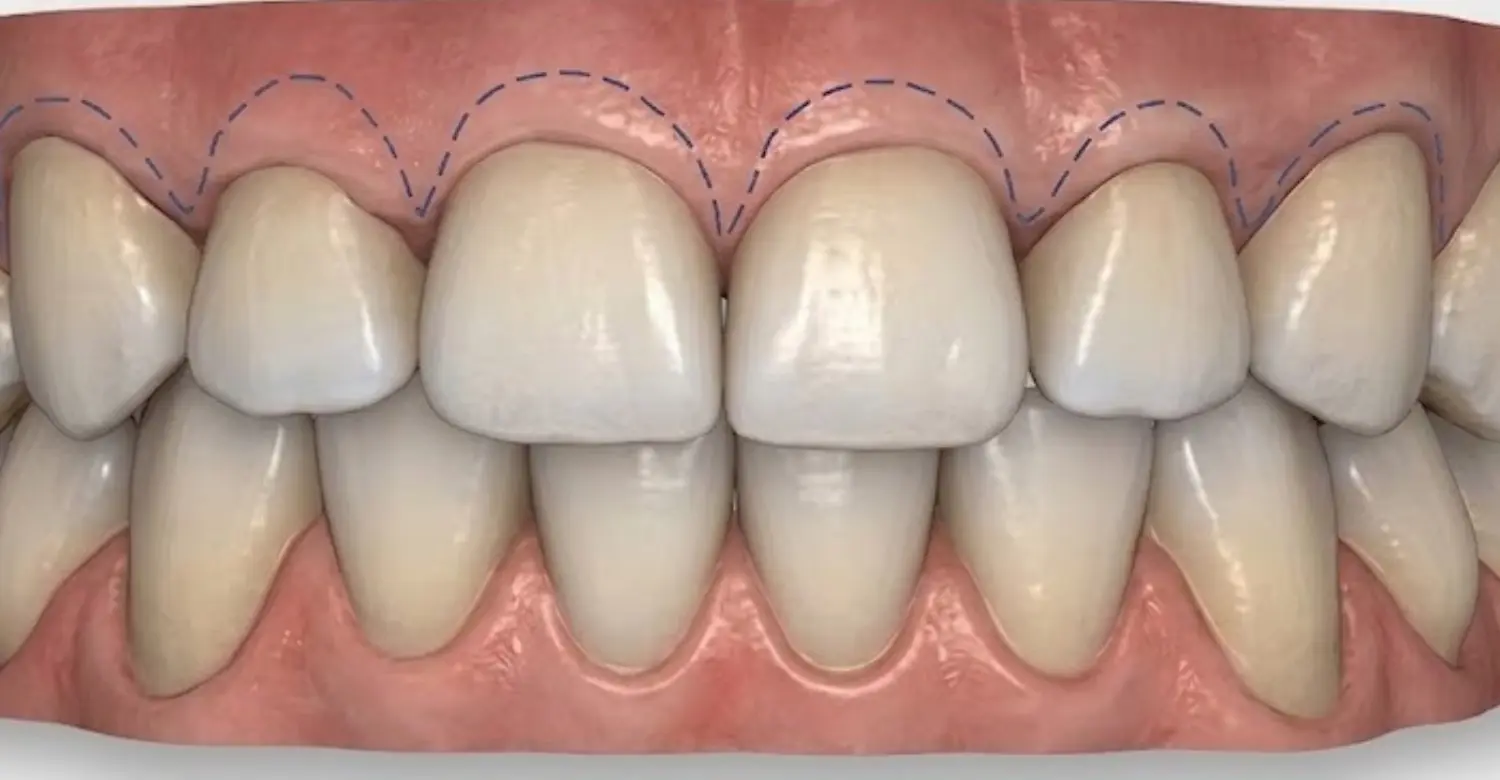
How Long Do Results Last?
Results can remain stable for many years in patients who maintain good periodontal health, though longevity varies with anatomy, treatment extent, and ongoing oral hygiene habits. Periodontal inflammation developing later can change the gumline regardless of how well the original procedure was performed, and regular dental care throughout life supports long-term stability more than almost any other single factor.
What Affects Longevity
Persistent inflammation can gradually enlarge tissue, while recession from disease or trauma moves the gumline in the opposite direction. Smoking and traumatic brushing technique both negatively affect periodontal health over time, and tooth movement can change the proportions the original treatment was designed around. Regular examinations remain the best tool for monitoring all of these factors.
Contouring vs. Natural Gumline Changes
Does Gum Tissue Grow Back After Contouring differs from natural changes occurring independently of treatment. Contouring intentionally reshapes gingival anatomy at a specific point in time, while natural changes result from aging, disease, trauma, or tooth movement occurring gradually and independently over months or years. Understanding this distinction helps patients interpret later changes accurately, since not every difference from the "just healed" appearance represents true recurrence.
Aging and Gingival Changes
Gingival tissue changes gradually throughout adulthood as part of normal aging, independent of any prior treatment. Regular monitoring over the years helps distinguish this expected change from anything that might genuinely need attention.
Periodontal Disease and Recession
Active disease can cause both inflammation and eventual tissue destruction, with recession exposing additional tooth structure that was previously covered. Treating periodontal disease promptly whenever it develops remains important regardless of any prior cosmetic treatment.
Oral Habits and Trauma
Aggressive brushing is a well-documented cause of localized recession over time. Patients should use appropriate pressure and technique consistently, and professional guidance can help identify habits quietly affecting gum health.
When Is Additional Contouring Needed?
Does Gum Tissue Grow Back After Contouring should be assessed before considering additional treatment. Minor asymmetry noticed early often improves on its own as remodeling continues, while persistent differences after healing is complete can be properly assessed through examination. Before considering additional treatment for excess tissue, inflammation should be ruled out as a contributing factor, since addressing it may resolve the appearance without further removal. Rushing into retreatment before healing has fully run its course risks removing tissue that was never actually a problem once recovery finished.
Gum Contouring at Vitrin Clinic
Does Gum Tissue Grow Back After Contouring is addressed through individualized treatment planning at Vitrin Clinic, which evaluates each patient's gumline proportions carefully before recommending cosmetic reshaping, factoring in tissue thickness and periodontal health from the first consultation. The goal throughout is a balanced, natural-looking gumline rather than an aggressive reduction, and recovery guidance is tailored to the individual procedure and patient. Scheduled follow-up gives the clinical team a chance to directly assess tissue maturation, and patients are encouraged to raise any unexpected changes during these reviews so normal remodeling can be reliably distinguished from potential recurrence.
Personalized Assessment and Planning
Does Gum Tissue Grow Back After Contouring is a question the clinical team keeps in mind throughout this planning stage, since the assessment directly shapes how much tissue is removed and how conservatively the procedure is approached. The evaluation considers the relationship between teeth, gums, and overall smile proportions, along with whether excess gingiva genuinely contributes to the aesthetic concern. Treatment planning is built around individual gum thickness and tooth-to-gum proportions rather than a standardized template, with conservative reshaping favored to preserve healthy periodontal structures while still achieving the desired result. Recovery expectations, including a realistic timeline for swelling and remodeling, are discussed with every patient before treatment begins so that normal healing changes are never mistaken for a disappointing outcome.
Why Choose Vitrin Clinic
Does Gum Tissue Grow Back After Contouring requires more than cosmetic tissue removal. Vitrin Clinic combines smile-focused cosmetic planning with genuine clinical assessment of gingival health at every stage, evaluating tissue characteristics before recommending treatment and providing structured follow-up to monitor recovery and long-term stability. Patients receive personalized guidance for protecting healing tissue, with an emphasis throughout on natural-looking results paired with healthy periodontal structures rather than a one-size-fits-all approach.
Conclusion
Gum Tissue Grow Back After Contouring generally has a simple answer: removed gum tissue does not completely regenerate to its former volume — the body instead repairs and remodels what remains, and swelling or inflammation can temporarily make gums look larger during that process. Residual tissue may also create an appearance of recurrence once swelling resolves. Long-term gumline changes, when they occur, more often result from periodontal disease, aging, trauma, or tooth movement than from actual tissue regrowth. Maintaining healthy gums supports better stability after treatment, and professional follow-up helps distinguish normal healing from anything that genuinely needs attention. Vitrin Clinic can assess individual gumline concerns and provide personalized cosmetic treatment planning.
Key Points to Remember
Does Gum Tissue Grow Back After Contouring should be understood through normal wound healing. Complete regeneration of removed tissue is generally not something to expect, and early swelling can make gums look temporarily larger than their eventual healed state. Remodeling can continue for several weeks after visible symptoms resolve, periodontal health strongly influences long-term stability, and unexpected symptoms deserve timely evaluation rather than continued waiting.
Healing Is Not the Same as Regrowth
Does Gum Tissue Grow Back After Contouring is different from the concept of normal healing. Normal healing restores tissue continuity and function without necessarily recreating the exact volume that was removed. Remodeling can still visibly change the gumline during recovery, and these changes shouldn't automatically be interpreted as evidence of tissue coming back.
Follow-Up Protects Long-Term Results
Does Gum Tissue Grow Back After Contouring should be discussed during follow-up when changes are noticed. Scheduled examinations allow tissue maturation to be monitored directly, catching inflammation or recession early. Patients are always better served by reporting persistent symptoms to their dental team than by attempting to self-diagnose recurrence based on appearance alone, and consistent professional cleanings and periodontal maintenance support that long-term monitoring, alongside routine reviews such as ongoing maintenance visits and, where relevant, a documented maintenance schedule and confirmation that preventive habits and underlying gum conditions are being properly managed, and that early-stage inflammation is addressed before it affects the gumline.


