General Dentistry
September 15, 2026
Chewing on One Side of Mouth: Causes, Effects, and How to Fix It?
 Dr. Rifat Alsaman
Chewing on one side of mouth can be harmless, but persistent preference may reflect pain, missing teeth, or jaw dysfunction. This pattern becomes more important when it prevents comfortable chewing on the opposite side. Common causes include tooth sensitivity, cavities, gum disease, damaged restorations, missing teeth, and jaw disorders. The correct approach is finding the reason before trying to change the chewing pattern. NIDCR notes that TMDs can involve jaw joints, chewing muscles, and associated headaches. Symptoms can include jaw pain, stiffness, painful clicking, and limited movement.
Is Chewing on One Side of Your Mouth Normal?
Many people develop a preferred chewing side without having dental disease. However, a persistent preference deserves attention when the opposite side feels painful or uncomfortable. A 117-person study found that 59 participants preferred the right side, 15 preferred the left, and 43 used both sides. This demonstrates that chewing preference occurs naturally in some people. The important distinction involves preference versus avoidance. Preference means you can comfortably use either side. Avoidance means you deliberately protect one side because something feels wrong. Pain, sensitivity, missing teeth, or jaw symptoms make dental evaluation more appropriate. Vitrin Clinic recommends identifying the underlying cause before attempting to retrain chewing habits.
Why Do People Tend to Chew on One Side?
People may favor one side because chewing feels easier, more coordinated, or more comfortable there. Dental conditions can also make one side preferable. A sensitive tooth can discourage pressure on one area. Missing teeth can reduce available chewing surfaces. A new restoration can temporarily alter chewing sensations. Jaw muscle discomfort may also influence chewing patterns. Research has found associations between chewing-side preference and differences in bite force and occlusal contact. However, these findings do not mean that every preference indicates disease. The reason behind the preference matters more than the preference itself. If someone suddenly changes sides, pain or dental damage should be considered. A dentist can evaluate teeth, gums, bite relationships, and jaw function.
Do Most People Chew on One Side of Their Mouth?
Not everyone consistently chews on one side. Some people alternate naturally during meals, while others show a stronger preferred side. Research demonstrates considerable variation between individuals. In one study involving 117 dentate adults, 59 preferred the right side, 15 preferred the left, and 43 used both sides. These numbers show that unilateral preference exists, but they should not be interpreted as a universal population percentage. Chewing behavior can also change depending on food texture, dental comfort, jaw movement, and individual habits. A person who occasionally favors one side may have no problem. Persistent avoidance is more clinically relevant. Pain, swelling, sensitivity, broken teeth, or restricted jaw movement should prompt examination.
Is It Bad to Only Chew on One Side?
Only using one side is not automatically harmful, but persistent avoidance can indicate an untreated dental problem. Chewing on one side of mouth may increase functional demand on the preferred side. It can also make the underlying problem harder to notice because the painful side receives less pressure. Research has identified associations between habitual chewing preference and asymmetric bite-force characteristics. However, evidence does not prove that chewing on one side of mouth alone causes TMD. NIDCR describes TMD as a group of more than 30 conditions with multiple potential contributing factors. Therefore, treatment should target the reason for the behavior. Forcing yourself to alternate sides while experiencing pain may be counterproductive.
Is It Okay to Chew on One Side?
Occasional chewing on one side of mouth is generally not concerning when both sides remain comfortable. The situation becomes different when you cannot chew comfortably on the opposite side. Pain, tooth sensitivity, swelling, jaw stiffness, or missing teeth can explain persistent avoidance. NIDCR recommends professional evaluation when jaw symptoms interfere with normal function. A dental examination can identify problems involving teeth, gums, restorations, bite relationships, or jaw structures. Patients should avoid assuming that their chewing habit is the primary disease. Often, the habit develops because another problem changes how chewing feels. Restoring comfortable function should therefore come before consciously changing the chewing pattern.
When Chewing on one side of mouth May Be Normal
A temporary preference may occur during meals containing foods with different textures. People may naturally select the side that feels more coordinated or comfortable. A preference without pain, swelling, sensitivity, or restricted movement usually has less clinical significance. Some individuals also develop stable chewing-side preferences without obvious dental disease. Research confirms substantial variation in normal chewing laterality. Therefore, a preferred side does not automatically require treatment. The key question is whether the person can comfortably use the other side. If both sides function normally, monitoring may be sufficient. If one side becomes consistently avoided, dental evaluation becomes more useful.
When Chewing on one side of mouth May Indicate a Problem
Chewing on one side of mouth becomes more concerning when the behavior develops because another side hurts or cannot function normally. Possible causes include cavities, cracked teeth, gum inflammation, missing teeth, dental abscesses, or problematic restorations. Jaw disorders can also make one side uncomfortable. NIDCR lists jaw pain, stiffness, painful joint sounds, and limited movement among symptoms requiring attention. Persistent bad taste or swelling may suggest dental infection. Difficulty chewing can also accompany advanced gum disease. If symptoms persist, professional assessment is preferable to habit modification alone. Read more about stress oral habits
Why Do I Mostly Chew on One Side?
Mostly favoring one side usually happens because that side feels more comfortable or functional. Tooth pain is one of the most common reasons people unconsciously protect the opposite side. Missing teeth can also reduce chewing efficiency. Gum inflammation may cause discomfort when pressure is applied. Dental crowns, fillings, or orthodontic changes can temporarily alter bite sensations. Jaw muscle or TMJ symptoms may produce another reason for avoidance. The exact cause cannot reliably be determined from chewing behavior alone. A dental examination should consider the teeth, periodontal tissues, bite, jaw movement, and symptoms. NIDCR emphasizes that TMD diagnosis can be challenging because several conditions can produce overlapping symptoms.
Tooth Pain or Sensitivity
Tooth pain can quickly change chewing behavior. People often avoid pressure on a tooth that hurts during biting or temperature exposure. Sensitivity may arise from exposed dentin, enamel wear, gum recession, decay, cracks, or other dental conditions. Pain specifically triggered by biting can also indicate deeper structural problems. A dentist may test the tooth's response to pressure, temperature, and other clinical stimuli. X-rays can help identify decay, bone changes, or infection when appropriate. Avoiding the painful side does not resolve the underlying condition. It simply reduces mechanical stimulation. Vitrin Clinic evaluates symptoms alongside clinical findings and digital imaging when indicated. Early assessment can prevent a manageable problem from progressing into a more complex restorative issue.
Missing or Damaged Teeth
Missing teeth can change how food is distributed during chewing. Patients may naturally shift chewing toward the side with more functional teeth. Damaged teeth can create a similar pattern when biting becomes uncomfortable. A missing molar may particularly affect chewing efficiency because posterior teeth handle substantial food breakdown. Treatment depends on the number of missing teeth, bone condition, gum health, and overall bite. Options may include restorative dentistry, bridges, or dental implants. Implant treatment should be planned after appropriate clinical assessment and imaging. Current 2026 market guides show substantial differences between implant costs in the USA, UK, and Turkey. Vitrin Clinic can develop a personalized treatment plan when tooth replacement is appropriate.
Cavities and Tooth Decay
Tooth decay can make chewing uncomfortable when damaged structures become sensitive or painful. Deeper decay may affect the pulp and eventually cause severe pain or infection. Patients sometimes respond by avoiding the affected side without realizing why. Early cavities may produce few symptoms, making professional examinations important. Treatment depends on the depth and location of the decay. Options can range from restorative fillings to root canal treatment and crowns. A dental professional determines treatment after examination and imaging when necessary. Continuing to chew away from a painful tooth does not stop disease progression. Prompt treatment can preserve more healthy tooth structure. If swelling, fever, or severe pain develops, urgent dental care may be appropriate.
Gum Disease
Gum disease can make chewing uncomfortable because inflamed tissues become tender under pressure. NIDCR lists red, swollen, tender gums, loose teeth, chewing pain, and persistent bad breath among possible symptoms. Advanced periodontal disease can also damage supporting bone and cause tooth mobility. Patients may consequently avoid chewing on the affected side. Treatment depends on disease severity and may include professional cleaning, periodontal therapy, improved home care, or specialist treatment. Chewing on one side of mouth should not be considered the primary problem when periodontal inflammation is present. Treating the gum condition can improve comfort and function. Vitrin Clinic can assess periodontal health alongside teeth and bite relationships during comprehensive dental evaluation.
Dental Crowns, Fillings, or Recent Dental Treatment
A new filling or crown can temporarily feel different from the surrounding teeth. Patients may notice altered bite contact or sensitivity after treatment. Mild temporary sensitivity can occur, but persistent pain deserves evaluation. A restoration that interferes with normal occlusion may require professional adjustment. However, patients should not assume every bite sensation indicates a faulty restoration. The dentist must examine the tooth and surrounding structures. If pain continues, additional testing may be required to identify pulp, periodontal, or structural problems. Chewing on one side of mouth following treatment should therefore be monitored rather than ignored. Appropriate follow-up helps distinguish normal recovery from a complication requiring attention.
Bite Problems and Malocclusion
Differences in tooth position can affect how teeth contact during chewing. However, malocclusion should not automatically be blamed for jaw disorders. NIDCR states that research does not support the belief that a bad bite causes TMD. Bite assessment can still be useful when chewing feels uneven or when teeth do not contact comfortably. Dentists examine tooth contacts, jaw movement, restorations, and overall function. Treatment should be based on clinically demonstrated problems rather than appearance alone. Orthodontic or restorative treatment may be appropriate for selected functional concerns. Patients should receive a diagnosis before undergoing irreversible bite changes.
TMJ Disorders and Jaw Problems
TMJ disorders can cause pain involving the jaw joint and chewing muscles. NIDCR describes more than 30 conditions under the TMD category. Symptoms can include jaw pain, stiffness, limited movement, and painful clicking or popping. Some people also experience headaches, facial pain, or changes in how their teeth meet. These symptoms may encourage a person to favor one chewing side. However, chewing on one side of mouth does not prove that TMD caused the behavior. TMD can have multiple contributing factors, including biological and psychosocial influences. Treatment often begins conservatively. NIDCR recommends approaches such as soft foods, reducing gum chewing, self-management, and appropriate physical therapy when indicated.
Habitual Chewing on one side of mouth
Sometimes a person develops a preferred side without obvious pain or dental disease. Repetition can make that pattern feel automatic during meals. Habitual chewing may persist even after the original trigger has disappeared. Research has investigated whether habitual chewing relates to differences in bite force and jaw function. However, current evidence does not justify claiming that habit alone causes permanent facial or jaw changes. Patients should first confirm that both sides are healthy and comfortable. If examination finds no underlying problem, gentle awareness may help encourage more balanced chewing. Forcing the jaw to alternate sides can be uncomfortable when an undiagnosed condition exists.
Clinical Note: Why Finding the Cause Matters
Chewing on one side of mouth is often a behavioral response rather than the original dental problem. The underlying cause may involve a tooth, gum, restoration, missing tooth, or jaw structure. Treating only the habit could leave the actual disease untreated. NIDCR emphasizes that TMD symptoms can overlap with other conditions, making accurate diagnosis important. Dental evaluation should therefore focus on symptoms and objective findings. Imaging may be appropriate when clinical examination suggests structural disease. CBCT can provide three-dimensional information when clinically indicated, especially for complex dental implant planning. Vitrin Clinic uses digital diagnostic technologies to support individualized treatment planning. The goal should always be comfortable, functional chewing rather than simply forcing equal chewing time on both sides. Learn more about sugar and bacteria
What Happens If You Only Chew on One Side?
Long-term chewing on one side of mouth can create an uneven distribution of chewing activity. However, the clinical consequences vary substantially between individuals. Research has identified relationships between chewing preference and asymmetric bite-force characteristics. Another study found an association between habitual chewing on one side of mouth and chronic unilateral TMD among a small symptomatic group. These findings do not establish a simple cause-and-effect relationship. The underlying dental condition remains important. A person avoiding a painful tooth may develop chewing on one side of mouth because of that disease. In such cases, treating the tooth may normalize chewing without directly treating the habit. Persistent jaw symptoms should receive professional evaluation.
Effects of Chewing on One Side
The effects depend on why the person uses one side. A healthy person with a mild preference may experience no noticeable problem. Someone avoiding a painful tooth may develop continued functional imbalance because the original problem remains untreated. Chewing on one side of mouth can also concentrate repetitive activity on particular teeth and muscles. Evidence regarding long-term structural consequences remains limited and mixed. Research has demonstrated asymmetric bite-force and occlusal-contact relationships with chewing preference. Clinicians should therefore distinguish measurable functional asymmetry from assumptions about permanent damage. Treatment should address pain, disease, missing teeth, or jaw dysfunction when present.
Can Chewing on One Side Cause Problems?
It may contribute to uneven functional loading, but it should not automatically be described as the sole cause of dental problems. TMD development is multifactorial. NIDCR identifies biological, psychological, and environmental factors among possible contributors. Existing research also shows associations between chewing on one side of mouth and certain jaw findings. However, the association does not prove that chewing on one side of mouth caused those findings. A comprehensive examination provides more useful information than focusing on the habit alone. If both sides are healthy and comfortable, the risk profile may differ from someone avoiding one side because of pain.
Can Chewing on One Side Cause Tooth Pain?
Chewing on one side of mouth does not necessarily create tooth pain by itself. Pain may instead cause the person to favor one side. A cracked tooth, deep cavity, periodontal inflammation, or problematic restoration can become painful during biting. Repetitive loading can also aggravate an already compromised tooth. Dentists can perform bite tests and other examinations to identify the source. Persistent pain should not be masked by simply chewing elsewhere. If a tooth hurts whenever pressure is applied, professional assessment is appropriate. Early treatment can sometimes prevent progression into infection or more extensive restorative treatment.
Can Chewing on One Side Affect Your Jaw?
Persistent chewing on one side of mouth may alter the distribution of activity between chewing muscles. Some studies have associated habitual chewing preference with asymmetric functional measurements. However, this does not prove that chewing on one side of mouth causes structural jaw disease. Jaw symptoms can arise from several TMD conditions, trauma, arthritis, clenching, or other factors. NIDCR describes jaw pain, stiffness, limited movement, and painful joint sounds as possible TMD symptoms. If these symptoms persist, evaluation is more appropriate than attempting to retrain chewing independently.
Can Chewing on One Side Cause TMJ Problems?
Research suggests an association between habitual chewing on one side of mouth and some chronic unilateral TMD findings. However, the available evidence does not establish that chewing on one side of mouth alone causes TMD. TMD involves multiple disorders affecting joints, chewing muscles, and surrounding tissues. Some people develop TMD without any obvious chewing preference. Others may favor one side because their jaw already hurts. Therefore, the relationship can work in both directions. If clicking occurs without pain, treatment may not be necessary. NIDCR states that painless clicking and popping are common. Painful sounds or restricted movement deserve evaluation.
Long-Term Effects of Chewing on One Side
Long-term effects vary depending on the cause and individual anatomy. Continued avoidance can allow dental disease to remain untreated. Functional asymmetries may also persist when one side consistently performs more chewing work. Research has identified differences in bite-force and occlusal-contact characteristics among preferred chewing sides. Yet evidence is insufficient to claim that everyone develops facial asymmetry, tooth damage, or TMJ disease. Clinical assessment should focus on measurable symptoms and findings. Treating missing teeth, dental disease, or painful jaw conditions may restore more balanced function. Patients should not attempt aggressive chewing exercises without professional guidance. Explore more on teeth feel tight
Can Chewing on One Side Affect Your Face?
Claims about chewing on one side of mouth dramatically changing facial shape are often stronger than available evidence. Chewing muscles can adapt to functional demands, but facial appearance depends on many factors. Genetics, skeletal anatomy, age, body composition, dental position, and muscle activity all contribute. Research has examined associations between chewing preference and asymmetric functional characteristics. This does not establish that chewing on one side of mouth will visibly shrink one side of the face. Similarly, a person with facial asymmetry should not automatically blame chewing behavior. A dental or medical assessment may identify other explanations. Vitrin Clinic approaches facial and dental concerns through clinical examination and digital diagnostics rather than assumptions based solely on chewing habits.
Does Chewing on One Side Affect Your Face?
There is insufficient evidence to claim that ordinary chewing on one side of mouth inevitably changes facial appearance. Chewing muscles can respond to repeated activity, but visible asymmetry involves multiple biological factors. Studies have identified functional asymmetry associated with preferred chewing sides. Functional differences do not necessarily translate into obvious facial changes. Facial asymmetry can also arise from skeletal development, dental relationships, trauma, or natural variation. Therefore, people should avoid internet claims promising that chewing exercises can reshape the face. Persistent concerns about facial asymmetry should be discussed with an appropriately qualified dental or medical professional.
Chewing on One Side of Mouth Asymmetry
Chewing on one side of mouth may produce measurable differences in chewing activity between sides. However, measurable functional asymmetry is different from permanent facial asymmetry. A study involving 117 adults found relationships between chewing laterality, bite force, and occlusal contact area. The study did not demonstrate that chewing on one side of mouth caused facial asymmetry. Other research has examined habitual chewing on one side of mouth among people with chronic unilateral TMD. These findings support clinical investigation rather than definitive cosmetic claims. If a patient notices a new change in facial symmetry, dental, skeletal, muscular, and other causes should be considered.
Does Chewing on One Side Make Your Face Smaller?
There is no reliable evidence showing that chewing on one side simply makes the opposite side of the face smaller. Facial size reflects skeletal structure, soft tissues, muscles, dental relationships, and individual development. Repeated muscle activity can influence muscle function, but visible changes cannot be predicted from chewing preference alone. People should therefore be cautious with claims that switching chewing sides will reshape their face. If facial asymmetry develops suddenly, medical or dental assessment is advisable. A persistent asymmetry may have causes unrelated to chewing behavior. Clinical evaluation provides a more reliable explanation than online facial exercises.
Effects of Chewing on One Side on Facial Muscles
The muscles responsible for chewing work repeatedly during meals. A preferred side may therefore receive more repetitive activity during chewing. Research has documented lateral differences in chewing-related functional measurements among people with side preferences. However, this does not prove that chewing on one side of mouth causes clinically significant muscle enlargement or facial distortion. Jaw muscle discomfort may instead indicate clenching, TMD, or another condition. NIDCR identifies soreness and tightness of jaw muscles among symptoms associated with bruxism. Patients with persistent muscle pain should seek evaluation rather than simply switching chewing sides.
Does Chewing on One Side Affect Your Posture?
Claims that chewing on one side directly causes major posture problems require careful interpretation. The jaw, neck, and body interact through complex neuromuscular systems. However, evidence does not justify saying that chewing on one side of mouth inevitably changes whole-body posture. TMD can coexist with neck pain and other musculoskeletal symptoms. NIDCR notes that TMDs may occur alongside several other pain conditions. A patient with jaw pain may also change head or neck positioning because movement feels uncomfortable. That is different from proving that chewing preference caused the posture change. Persistent jaw and neck symptoms warrant appropriate clinical assessment.
What Evidence Says About Facial and Postural Changes
Current evidence supports caution when discussing facial or postural effects. Research has demonstrated chewing-side differences in bite force and occlusal contact. Another small study found associations between habitual chewing on one side of mouth and chronic unilateral TMD findings. Neither study proves that chewing on one side of mouth causes permanent facial asymmetry or posture changes. Stronger claims would require larger longitudinal studies. Patients should therefore distinguish research findings from social-media explanations. Clinicians should evaluate symptoms objectively and avoid unnecessary irreversible treatment. Discover more about teeth hurt when sick with flu
Why Does My Jaw Hurt When I Chew on One Side?
Jaw pain during chewing can originate from the jaw joint, chewing muscles, teeth, gums, or surrounding structures. TMD is a common category of jaw-pain conditions. NIDCR reports that TMD affects approximately 5% of U.S. adults. Symptoms may include pain, stiffness, limited movement, and painful clicking. Tooth problems can create similar discomfort during chewing. A cracked tooth, deep cavity, infection, or periodontal disease can produce pain when pressure is applied. Because symptoms overlap, diagnosis requires clinical assessment. Patients should avoid assuming that every chewing-related jaw pain represents TMJ disease.
Jaw Pain When Chewing on One Side
Jaw pain during unilateral chewing may reflect increased muscle activity or an underlying dental problem. The location of pain provides useful information but does not establish the diagnosis. Pain directly over the jaw joint can suggest TMD, while tooth-specific pain may point toward dental disease. NIDCR recommends considering symptoms, medical history, jaw examination, and appropriate imaging when evaluating TMD. Persistent pain should not be managed solely by switching sides. A dentist can determine whether the problem originates from a tooth, periodontal tissue, muscle, or joint. Early evaluation can prevent prolonged discomfort.
Sharp Pain When Chewing on One Side
Sharp pain during biting may have several possible causes. Cracked teeth, decay, inflamed pulp, periodontal problems, or damaged restorations can produce biting discomfort. Jaw muscle pain may feel different and often presents as soreness or tenderness. A dentist may reproduce the pain through controlled clinical tests. Imaging can help identify deeper problems when indicated. Sharp pain that repeatedly occurs in the same location should not be ignored. Avoiding that tooth may temporarily reduce symptoms but does not treat the underlying cause. If swelling or fever accompanies the pain, urgent dental evaluation becomes more important.
Hurts to Chew on One Side of the Mouth
Pain while chewing usually indicates that something is affecting comfortable oral function. Possible causes include tooth decay, cracked teeth, gum disease, dental infection, missing teeth, or jaw dysfunction. NIDCR notes that TMD can cause pain and difficulty moving the jaw. Gum disease can also cause pain during chewing. The exact cause cannot be determined from symptoms alone. A dental examination can localize the source and determine whether imaging is necessary. Patients should not force chewing through significant pain.
Ear Hurts When I Chew on One Side
Ear-region pain can sometimes accompany jaw disorders because the TMJ sits immediately in front of the ear. NIDCR lists ringing, hearing changes, and dizziness among symptoms that can accompany some TMD presentations. However, ear pain does not automatically mean the jaw is responsible. Ear infections and other medical conditions can cause similar symptoms. A clinician should evaluate persistent or severe ear pain. Jaw movement, chewing, and tenderness may provide useful clues. If symptoms involve hearing loss, drainage, fever, or severe pain, medical assessment should not be delayed.
Chewing on One Side of Mouth Hurts
Pain localized to one side during chewing deserves attention when it persists or worsens. The source may be a specific tooth, gum tissue, restoration, or jaw structure. Dental infection can cause pain, swelling, and unpleasant taste. Gum disease can cause tenderness and pain during chewing. TMD can also produce jaw and muscle pain. The best treatment depends on the actual diagnosis. Avoiding the painful side may reduce symptoms temporarily, but it does not identify or treat the cause.
When Jaw Pain May Be Related to TMJ
Jaw pain becomes more suggestive of TMD when accompanied by stiffness, limited opening, painful clicking, popping, or joint tenderness. NIDCR identifies these symptoms as possible signs of TMD. Headaches and facial pain can also accompany some TMD conditions. However, dental pain can mimic jaw symptoms. A thorough examination should therefore assess teeth and periodontal tissues alongside jaw function. Conservative management is commonly considered first when TMD is diagnosed. NIDCR recommends simple measures such as softer foods and reducing excessive gum chewing.
When Jaw Pain May Come From a Tooth
Tooth-related pain often becomes noticeable when biting or applying pressure. Cracks, cavities, pulp inflammation, abscesses, and periodontal disease can all produce chewing discomfort. A dentist may identify a specific tooth through clinical tests and imaging. Gum disease can also cause painful chewing and tooth sensitivity. If a tooth repeatedly hurts when pressure is applied, patients should avoid assuming that the jaw joint is responsible. Treating the tooth may resolve the chewing problem. Delayed treatment can allow infection or structural damage to progress.
How Much Does Treatment Cost in the USA, UK, and Turkey?
Treatment costs vary depending on the dental problem causing one-sided chewing. Missing teeth, damaged teeth, infections, crowns, and implants may require different treatments. The following figures are indicative 2026 published price ranges, not fixed average prices or Vitrin Clinic quotations:
Treatment | USA | UK | Turkey |
Single implant + crown | $3,000–$6,000 | $1,800–$3,500 | ~$500–$1,800 |
Zirconia crown | ~$1,000–$2,500 | $550–$1,200 | ~$200–$400 |
All-on-4, one arch | ~$18,000–$28,000 | $12,000–$20,000 | ~$5,000–$8,000 |
These ranges can vary between clinics and individual treatment plans. Costs may depend on the implant system, restorative material, imaging, bone availability, laboratory work, and treatment complexity. Additional procedures, such as bone grafting, may also increase the total cost. For international patients, comparing prices alone is not enough. The diagnosis, treatment plan, materials, clinical expertise, and aftercare should also be considered before choosing a provider. Dive deeper into the process of chewing
Why Does My Tooth Hurt When I Chew on One Side?
A tooth that hurts during chewing may have structural, pulpal, periodontal, or restorative problems. Cracked teeth can produce sharp pain when biting. Decay can cause sensitivity or deeper pain. Infection may cause pressure-related discomfort, swelling, or bad taste. Gum disease can make teeth tender during chewing. NIDCR lists pain while chewing among possible symptoms of periodontal disease. Diagnosis requires examination rather than guessing from the symptom alone. A dentist may use visual inspection, percussion, bite testing, periodontal measurements, and imaging. Treating the source can restore comfortable chewing and reduce the need to favor one side.
Can Chewing on One Side Cause Tooth Pain?
Usually, tooth pain is more likely to explain one-sided chewing than result directly from it. A person may choose the comfortable side because the opposite tooth already hurts. However, repetitive loading can aggravate a structurally compromised tooth. A cracked restoration or weakened tooth may become increasingly uncomfortable under repeated pressure. Dentists can determine whether the tooth is responding abnormally to biting. Persistent pain should therefore be investigated. Simply changing chewing sides may hide the symptom without addressing the underlying condition. Early diagnosis can sometimes allow conservative treatment before extensive damage develops.
Teeth Hurt When Chewing on One Side
Multiple painful teeth on one side may suggest a broader dental or periodontal issue. Gum inflammation can affect several neighboring teeth. Advanced periodontal disease may cause tooth mobility and chewing discomfort. Multiple restorations can also produce altered bite sensations. Patients should report whether pain occurs with hard foods, soft foods, pressure, temperature, or spontaneous episodes. These details help clinicians narrow possible causes. If symptoms involve swelling, fever, or severe pain, prompt evaluation becomes important. A dental examination can determine whether one specific tooth or several structures are involved.
Tooth Hurts to Chew on One Side
A single tooth that hurts during chewing deserves a focused examination. Common possibilities include decay, cracking, pulp inflammation, periodontal inflammation, or a restoration problem. The timing and quality of pain can provide useful diagnostic clues. Sharp pain during release after biting may suggest a structural crack, although clinical testing is required. Persistent throbbing may indicate pulpal or infectious disease. A dentist can perform appropriate tests before recommending treatment. Avoiding the tooth can reduce discomfort temporarily. It does not repair cracks, remove decay, or treat infection.
Cavities and Tooth Decay
Dental decay can progress from enamel damage toward deeper tooth structures. Early decay may cause no symptoms, while deeper lesions can cause sensitivity and pain. When chewing becomes uncomfortable, patients may instinctively move food toward the opposite side. Treatment depends on disease severity. Small lesions may be restored with fillings, while advanced disease can require root canal treatment and restoration. Untreated decay can progress to infection. Patients should not rely on chewing avoidance as a treatment strategy. Regular dental examinations can identify disease before severe symptoms develop.
Cracked or Fractured Teeth
Cracked teeth can be difficult to diagnose because symptoms may appear only during chewing. Patients may describe sharp pain when biting specific foods. The discomfort can encourage persistent unilateral chewing. Cracks can arise from biting forces, trauma, large restorations, or tooth weakening. Treatment depends on crack location, depth, and whether the tooth remains restorable. Some cracks require protective restorations, while severely damaged teeth may need extraction and replacement. Early diagnosis is important because crack progression can reduce treatment options. A dentist should assess repeated biting pain rather than assuming it is caused by the jaw.
Dental Abscess or Infection
A dental abscess can cause significant pain and swelling. Patients may avoid chewing on the affected side because pressure worsens discomfort. Other symptoms can include a bad taste, gum swelling, facial swelling, or fever. Dental infection requires professional treatment. Depending on the tooth and disease severity, treatment may involve drainage, root canal therapy, extraction, or other procedures. Antibiotics are not a substitute for definitive dental treatment in most localized infections. Facial swelling, difficulty swallowing, difficulty breathing, or rapidly worsening symptoms require urgent medical attention. Patients should not delay care because chewing on the opposite side feels easier.
Gum Disease and Inflammation
Inflamed periodontal tissues can become tender when chewing pressure is applied. NIDCR lists swollen or tender gums, loose teeth, chewing pain, and persistent bad breath among possible gum disease symptoms. Periodontal pockets may also develop around affected teeth. Advanced disease can damage supporting bone and contribute to tooth mobility. Treatment aims to control bacterial inflammation and preserve supporting tissues. Depending on severity, management may include professional periodontal cleaning, improved home care, or specialist therapy. Persistent one-sided chewing should therefore include periodontal evaluation when gum symptoms are present.
Tooth Sensitivity
Tooth sensitivity can make chewing uncomfortable when foods are cold, hot, sweet, or acidic. Exposed dentin may result from gum recession, enamel wear, erosion, or other conditions. Sensitivity can also accompany decay or cracked teeth. Patients sometimes compensate by chewing on the opposite side. This behavior can persist even after sensitivity improves. Dentists can identify the cause and recommend appropriate management. Treatment may include desensitizing products, fluoride strategies, restoration, or management of the underlying condition. Persistent sensitivity should not automatically be attributed to normal aging.
How Dentists Identify the Cause of Chewing Pain
Diagnosis begins with a detailed history and clinical examination. Dentists ask where pain occurs, when it appears, and which foods trigger symptoms. They may examine tooth surfaces, restorations, gums, bite contacts, jaw movement, and chewing muscles. Percussion, bite testing, periodontal probing, and temperature testing may be used when appropriate. Imaging can provide additional information when clinical findings indicate a need. NIDCR notes that TMD evaluation may include examination of the head, neck, face, and jaw. The objective is to identify the source rather than simply label the chewing habit.
Clinical Note: Pain When Biting Should Not Be Ignored
Pain during biting is a useful clinical symptom. It can indicate problems involving tooth structure, pulp, periodontal tissues, or restorations. It can also coexist with jaw-muscle or joint problems. Persistent chewing pain should therefore receive appropriate examination. Delaying assessment may allow a dental condition to progress. A tooth that initially requires a simple restoration could later require more extensive treatment if disease advances. Vitrin Clinic emphasizes diagnosis before treatment planning. Digital imaging and clinical testing can help determine the most appropriate treatment pathway. Patients should never use unilateral chewing as a substitute for dental care. Read the full article on thumb sucking teeth
What Does Chewing on One Side Do to Your Jaw?
The jaw performs repeated movements through coordinated activity of the chewing muscles and temporomandibular joints. A persistent side preference changes where repetitive chewing activity is concentrated. Research has found relationships between chewing laterality and differences in bite-force characteristics. However, the clinical meaning varies between individuals. TMD can involve joint disorders, chewing-muscle disorders, or headaches associated with TMD. One-sided chewing does not prove that a TMD exists. Jaw pain, stiffness, restricted movement, or painful joint sounds are more clinically meaningful warning signs. NIDCR recommends professional evaluation when symptoms interfere with function.
How One-Sided Chewing Affects Jaw Muscles
Chewing muscles contract repeatedly during food processing. A preferred side may therefore perform more repetitive activity during meals. This can produce differences in muscle use without necessarily causing disease. Jaw muscle fatigue or tenderness may occur for several reasons, including clenching and TMD. NIDCR identifies jaw soreness, tightness, and muscle tiredness among symptoms associated with bruxism. If discomfort develops, reducing excessive gum chewing and clenching may help. Persistent pain should receive professional evaluation. Patients should avoid aggressive jaw exercises unless recommended by a qualified professional.
Chewing on One Side of Mouth and TMJ
The TMJs coordinate jaw movement during chewing and speaking. Habitual unilateral chewing has been investigated as a possible factor associated with unilateral TMD. A small study found habitual unilateral chewing among 17 of 24 people with chronic unilateral TMD. However, that study cannot prove causation. TMD may also cause a person to favor one side because the joint already hurts. NIDCR describes TMD as a multifactorial group of conditions. Diagnosis should therefore consider the complete clinical picture.
Can One-Sided Chewing Overwork the Jaw Muscles?
Repeated chewing increases activity in the muscles responsible for mastication. Favoring one side may concentrate this activity on specific muscle groups. However, ordinary eating does not automatically cause muscle injury. Symptoms such as persistent tenderness, fatigue, tightness, or headaches deserve assessment. NIDCR identifies muscle pain and headaches among possible TMD-related symptoms. Excessive gum chewing may also increase repetitive jaw activity. Patients experiencing discomfort should reduce aggravating habits rather than deliberately increasing chewing exercises. Professional guidance is appropriate when symptoms persist.
Can Chewing on One Side Cause Jaw Stiffness?
Jaw stiffness can occur with several TMD conditions. NIDCR lists stiffness among recognized TMD symptoms. One-sided chewing may coexist with stiffness, but it does not prove causation. People may favor one side because jaw movement already feels restricted. Other causes include muscle tension, joint inflammation, arthritis, trauma, or clenching. Persistent difficulty opening the mouth requires professional assessment. Sudden severe restriction can require urgent evaluation, especially after trauma or with swelling. Treatment should be based on the underlying diagnosis rather than the chewing pattern itself.
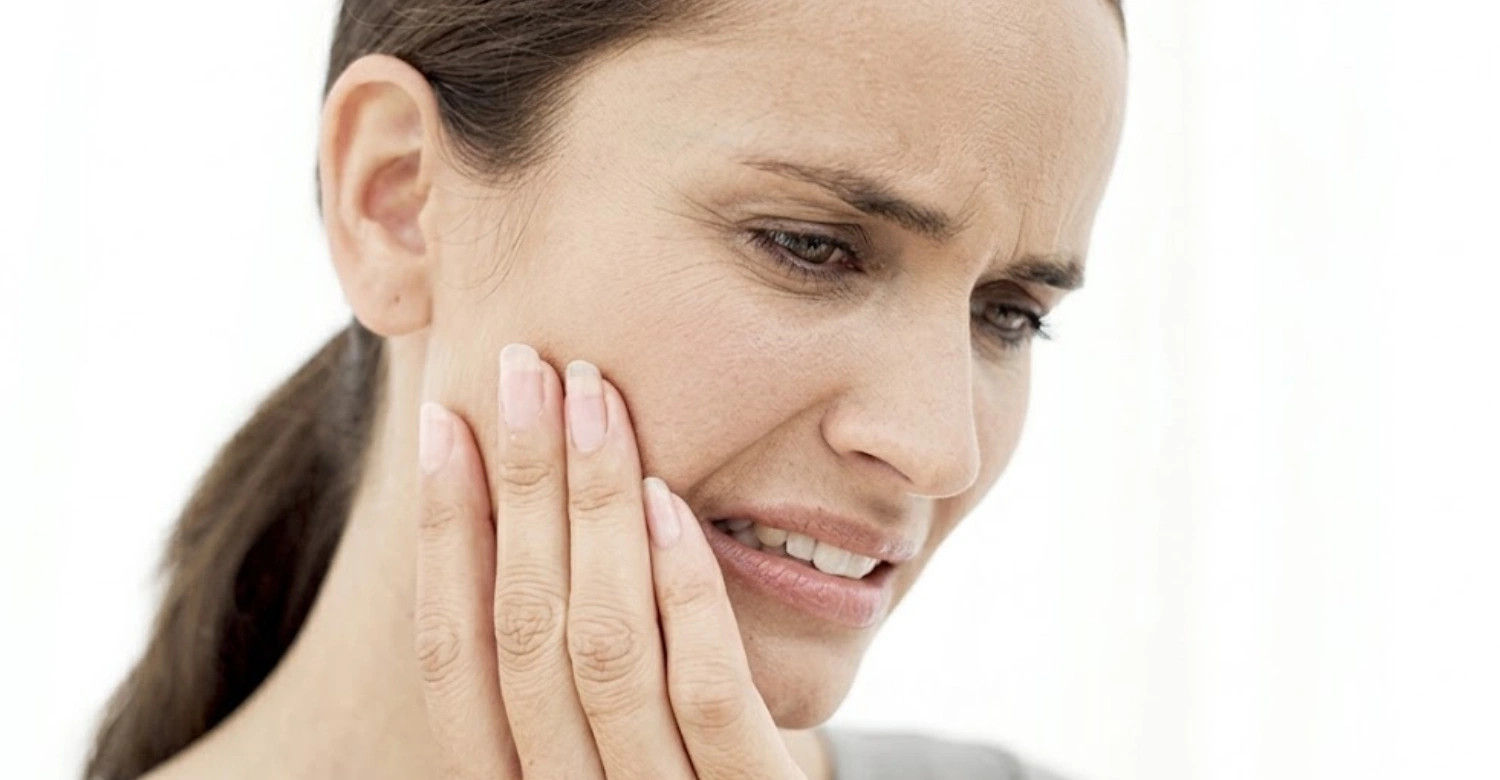
Note : All images used are for editorial and illustrative purposes only and may not originate from the original news provider or associated company.
Can Chewing on One Side Cause Clicking or Popping?
Jaw clicking and popping are common and do not always indicate disease. NIDCR specifically notes that painless TMJ sounds are common and generally do not require treatment. Painful clicking, locking, restricted movement, or functional changes are more concerning. One-sided chewing may coexist with joint sounds, but it is not sufficient evidence of damage. Patients should avoid repeatedly testing the joint by opening and closing the mouth. If sounds are accompanied by pain or locking, professional assessment is appropriate. Treatment depends on the specific TMD diagnosis.
Can Chewing on One Side Cause Headaches?
Headaches can occur alongside TMD, especially when chewing muscles or jaw joints are painful. NIDCR includes headaches associated with TMD within its classification. However, headaches have many possible causes. One-sided chewing should not automatically be blamed for recurring headaches. Bruxism can also produce jaw soreness, facial pain, and headaches. A clinician should consider headache patterns, jaw symptoms, medication use, sleep factors, and other relevant history. Severe or unusual headaches require appropriate medical assessment.
When Jaw Symptoms Need Professional Evaluation
Professional evaluation is appropriate when jaw pain persists, worsens, or interferes with eating. Limited opening, jaw locking, swelling, painful clicking, or significant functional changes also warrant assessment. NIDCR recommends consulting a dentist or doctor when TMD is suspected. Conservative management is often considered before invasive procedures. NIDCR recommends starting with simple measures when appropriate. Patients should not pursue irreversible bite changes solely because they chew preferentially on one side. Find out more about tight jaw
What Are the Side Effects of Chewing on One Side?
The possible effects depend heavily on the underlying reason. A healthy person with a mild preference may experience little or no noticeable consequence. A person avoiding a painful tooth may allow dental disease to continue untreated. Repetitive unilateral chewing may also produce measurable functional asymmetry. Research has found differences in bite force and occlusal contact associated with chewing laterality. Evidence does not establish that everyone develops permanent facial changes or TMJ disease. The most important clinical step is identifying why the person avoids the other side. Treatment should address that cause.
Chewing on One Side Effects
Potential effects include uneven functional loading, continued avoidance of a painful area, and persistent chewing preference. Some individuals may notice muscle fatigue or jaw discomfort. Others may experience no significant symptoms. The research does not support a universal list of permanent consequences. One study found associations with bite-force and occlusal-contact differences. Another small study found an association with chronic unilateral TMD. These findings should be interpreted carefully. They show possible relationships, not guaranteed outcomes.
Side Effects of Chewing on One Side of the Mouth
Possible effects include increased repetitive activity on one side and continued avoidance of the opposite side. If the reason involves missing teeth, dental disease may remain untreated. If the reason involves TMD, jaw symptoms may persist. If no underlying problem exists, the consequences may be minimal. NIDCR emphasizes that TMD conditions vary substantially between patients. Therefore, side effects should be evaluated individually. A dentist can determine whether the chewing pattern reflects disease, habit, or normal preference.
Effects of Only Chewing on One Side
Only using one side may create an uneven distribution of chewing activity. Research has demonstrated lateral differences in bite force among people with chewing preferences. However, evidence remains insufficient to predict specific long-term damage for every individual. The presence of pain, missing teeth, or jaw symptoms changes the clinical significance. Treating those conditions can improve chewing comfort. Patients should not force equal chewing if one side is painful. Balanced function should develop naturally after underlying problems are addressed.
Possible Effects on Teeth and Bite
The preferred side may receive more repetitive chewing activity. However, ordinary chewing forces vary considerably according to food, tooth position, and individual anatomy. Research links chewing laterality with differences in bite-force and occlusal contact characteristics. This does not mean unilateral chewing automatically damages teeth. Existing cracks, restorations, tooth wear, or missing teeth can influence how forces are distributed. Dental examination can identify whether bite contacts or tooth conditions require treatment. Patients should avoid unnecessary irreversible bite adjustments without a clear diagnosis.
Possible Effects on Jaw Muscles
One side may perform more repetitive muscle activity when chewing is consistently unilateral. Muscle fatigue or tenderness can develop for multiple reasons. Bruxism is another important contributor to jaw muscle symptoms. NIDCR lists soreness, tightness, tiredness, and headaches among bruxism-related symptoms. If symptoms persist, clinicians should evaluate both chewing habits and possible clenching. Reducing excessive gum chewing can also decrease repetitive jaw activity. NIDCR recommends reducing gum chewing when managing TMD symptoms.
Possible Effects on Facial Muscle Balance
Unilateral chewing can create differences in repetitive muscle activity. However, functional differences should not be confused with permanent facial asymmetry. Research has demonstrated lateral differences in chewing-related measurements. There is insufficient evidence to promise that changing chewing sides will reshape the face. Facial appearance depends on skeletal and soft-tissue factors beyond chewing behavior. Patients concerned about visible asymmetry should receive individualized assessment. Cosmetic assumptions should not replace clinical diagnosis.
Possible Effects When the Underlying Problem Is Untreated
This is often the most important concern. If unilateral chewing results from a cavity, cracked tooth, infection, or gum disease, the disease can progress. Gum disease may cause tooth mobility and supporting bone loss when advanced. Dental infection can also spread beyond the original tooth. If the cause involves missing teeth, continued avoidance can reduce functional efficiency. Treating the underlying problem may allow normal chewing to return. Therefore, the habit itself should not distract from the condition causing it. Get the details on tingling of the mouth
Why Can't I Chew on One Side of My Mouth?
Being unable to chew on one side usually means that side feels painful, weak, sensitive, unstable, or mechanically difficult. Dental causes include cavities, cracked teeth, gum disease, infection, missing teeth, and problematic restorations. Jaw-related causes include muscle pain, joint problems, stiffness, and limited movement. NIDCR notes that TMD can cause difficulty moving the jaw and chewing problems. A person who cannot chew comfortably should not force the jaw through pain. Examination can identify whether the limitation originates from teeth, gums, muscles, or joints.
I Can Only Chew on One Side
If you can only chew comfortably on one side, identify why the opposite side is avoided. Pain is one of the most common explanations. Missing teeth can also reduce available chewing surfaces. Gum inflammation may cause pressure sensitivity. Jaw disorders can make movement uncomfortable. A dental examination can assess all these possibilities. Persistent inability to use one side is more clinically relevant than a mild preference. Treating the underlying problem often provides the safest path toward balanced chewing. Do not deliberately overload the painful side while waiting for assessment.
I Only Chew on One Side of My Mouth
A persistent habit may develop from an old dental problem or current discomfort. Some people continue using the same side even after the original problem has resolved. Others have an active condition that still makes the opposite side uncomfortable. The distinction requires examination. Research shows that chewing-side preference is relatively common and can vary among individuals. Therefore, the habit itself does not establish disease. Pain, swelling, sensitivity, missing teeth, or jaw dysfunction make evaluation more important.
I Can't Chew on One Side of My Mouth
Inability to chew on one side is more concerning than simply preferring another side. It may indicate pain, tooth damage, infection, periodontal disease, missing teeth, or jaw dysfunction. NIDCR recognizes difficulty chewing as a possible functional symptom associated with TMD. Dental causes must also be excluded. If swelling or severe pain accompanies the limitation, prompt evaluation is recommended. If breathing or swallowing becomes difficult, urgent medical care is necessary. Do not wait for a chewing habit to resolve these symptoms.
Unable to Chew on One Side
The duration and severity of the problem matter. A temporary change after dental treatment may have a different explanation from months of unilateral chewing. Sudden inability can indicate acute dental pain, infection, trauma, or jaw locking. Chronic inability may relate to missing teeth, periodontal disease, or persistent jaw dysfunction. A dentist can assess tooth stability, gum health, occlusion, and jaw movement. Imaging may be recommended when clinical findings require further investigation. Treatment should restore comfortable function rather than simply force the patient to alternate sides.
Hard to Chew on One Side
Difficulty chewing may result from discomfort, weakness, restricted jaw movement, or missing teeth. Patients should describe exactly what makes chewing difficult. Is there pain, sensitivity, clicking, stiffness, or difficulty closing the teeth? These details help guide evaluation. TMD can produce pain and restricted jaw movement. Dental disease can produce pressure-related pain. Periodontal disease can also cause painful chewing. Identifying the specific symptom makes diagnosis more efficient.
Pain as a Reason You Avoid One Side
Pain is a strong reason people unconsciously avoid one side. The source may be a tooth, gum tissue, jaw muscle, or TMJ. Patients often adapt their chewing automatically rather than consciously deciding to change sides. Persistent pain should therefore be considered a symptom requiring investigation. NIDCR recommends professional assessment for suspected TMD and persistent jaw problems. Dental pain should also be evaluated promptly. Pain relief alone may not address infection, decay, or structural damage.
Missing Teeth as a Reason You Avoid One Side
Missing teeth reduce the number of available chewing surfaces. People often compensate by using teeth on the opposite side. Posterior tooth loss can particularly affect food breakdown. Tooth replacement may restore function when clinically appropriate. Options include bridges, removable prostheses, or dental implants. Implant planning requires evaluation of bone volume, gum health, bite, and overall oral condition. Current 2026 market estimates vary considerably between countries. Vitrin Clinic can prepare an individualized treatment plan based on clinical findings.
Jaw Problems as a Reason You Avoid One Side
Jaw disorders can make movement or loading uncomfortable. TMD symptoms may include pain, stiffness, limited movement, and painful clicking. Patients may therefore favor the side that feels easier. However, jaw symptoms can coexist with dental disease. A proper examination should evaluate both teeth and jaw structures. Conservative management is often considered first for TMD. NIDCR recommends soft foods, reducing gum chewing, and appropriate self-management. More complex treatment should be reserved for clearly diagnosed conditions. Everything you need to know about tinnitus and teeth
Can Chewing Gum on One Side Cause Problems?
Chewing gum repeatedly on one side can increase repetitive activity in the jaw muscles. NIDCR recommends reducing gum chewing when managing TMD symptoms. People without symptoms may tolerate occasional gum chewing without problems. The concern increases when chewing becomes prolonged, forceful, or associated with jaw pain. Gum chewing can also reinforce an existing side preference. Patients with clicking, soreness, stiffness, or headaches should consider reducing the habit. If symptoms continue, professional assessment can determine whether TMD or another condition is present.
Chewing Gum on One Side
Chewing gum on one side creates repetitive loading concentrated on that side. The effect depends on duration, frequency, chewing force, and individual jaw health. Occasional gum chewing may not cause noticeable symptoms. Prolonged chewing can become more problematic for people already experiencing jaw discomfort. NIDCR recommends reducing gum chewing among self-management strategies for TMD. Patients should stop or reduce gum chewing if it clearly aggravates symptoms. Persistent pain should not be managed through habit changes alone.
What Happens If You Chew Gum on One Side?
The jaw muscles repeatedly contract while gum is chewed. If chewing remains unilateral, the same muscles perform most of that repetitive work. This may increase fatigue in some people. However, it does not mean permanent damage will occur. Symptoms are more important than assumptions about muscle loading. Jaw soreness, stiffness, headaches, or painful clicking may indicate a condition requiring assessment. NIDCR identifies these symptoms within TMD and related jaw disorders. Reducing gum chewing can decrease repetitive stress while symptoms are evaluated.
Does Chewing Gum on One Side Affect the Jaw?
Unilateral gum chewing can increase repetitive activity on one side of the jaw. People with existing TMD symptoms may be more sensitive to this activity. NIDCR specifically recommends reducing gum chewing as part of conservative TMD management. However, gum chewing alone should not be blamed for every jaw problem. Underlying factors can include clenching, joint disorders, muscle pain, injury, or other conditions. If symptoms develop, reducing gum chewing is reasonable while seeking professional guidance.
Can Excessive Gum Chewing Trigger Jaw Symptoms?
Excessive chewing can aggravate already sensitive jaw muscles or joints. Symptoms may include soreness, tightness, fatigue, or pain during chewing. NIDCR recommends reducing gum chewing for people managing TMD symptoms. The risk may be greater when gum chewing is prolonged and forceful. Patients should avoid continuing an activity that consistently worsens symptoms. If pain persists despite reducing the activity, professional evaluation is appropriate. A clinician can determine whether another condition is responsible.
Tips for Safer Gum Chewing
Keep gum chewing moderate and avoid prolonged sessions. Avoid chewing continuously on one side for extended periods. Sugar-free gum is preferable for dental health when gum is used. Stop chewing if jaw pain, stiffness, or painful clicking develops. People with diagnosed TMD should follow their clinician's recommendations. NIDCR recommends reducing gum chewing when managing TMD symptoms. Gum should never replace meals or normal chewing function. Persistent jaw symptoms require assessment rather than repeated self-testing. Read more about tongue function
What Causes a Bad Taste When Chewing on One Side?
A bad taste localized to one side may originate from a dental or periodontal problem. Infection, gum pockets, food trapping, or inflammation around wisdom teeth can contribute. Dental abscesses can release unpleasant-tasting material into the mouth. Gum disease can also cause persistent bad breath and chewing discomfort. A localized bad taste deserves attention when it repeatedly occurs near the same tooth. The combination of bad taste, swelling, pain, or drainage is particularly important. Dental examination can identify the source and determine whether treatment is necessary.
Bad Taste When Chewing on One Side
A bad taste that appears specifically while chewing may indicate fluid or material being released from a localized area. Possible causes include infection, periodontal pockets, trapped food, or inflamed tissue. A dental abscess can sometimes produce an unpleasant taste when drainage occurs. Patients should not rely on mouthwash to mask the symptom. Persistent localized taste changes require examination. If swelling, fever, severe pain, or facial swelling occurs, prompt care becomes more important. Early treatment can prevent a localized dental problem from becoming more extensive.
Tooth Infection or Dental Abscess
A dental infection can produce pain, swelling, tenderness, and an unpleasant taste. Patients may notice symptoms when chewing because pressure affects the infected area. Treatment depends on whether the tooth can be saved and how advanced the infection is. Root canal treatment may be appropriate for a restorable infected tooth. Extraction may be required when the tooth cannot be predictably restored. Antibiotics may be used in selected circumstances but do not replace definitive dental treatment. Facial swelling, fever, difficulty swallowing, or breathing difficulty requires urgent medical care.
Gum Disease and Gum Pockets
Periodontal pockets can trap bacteria and food particles. This may contribute to unpleasant taste or persistent bad breath. NIDCR identifies persistent bad breath and chewing pain among possible gum disease symptoms. Deeper pockets may indicate periodontal disease. Dentists measure pocket depth during periodontal examination. Treatment depends on disease severity and may include professional periodontal therapy. Good home hygiene remains important. Localized bad taste should not be ignored when accompanied by bleeding, swelling, tooth mobility, or pain.
Food Trapped Around a Tooth
Food can become trapped between teeth, around restorations, or near partially erupted wisdom teeth. Trapped material may create an unpleasant taste or odor. Flossing and appropriate interdental cleaning can help remove debris. However, persistent trapping may indicate a cavity, periodontal pocket, open contact, or tooth-position problem. If the same area repeatedly traps food, dental evaluation is worthwhile. A dentist can identify the structural reason and determine whether treatment is necessary. Patients should avoid aggressive flossing that injures the gums.
Wisdom Teeth and Gum Inflammation
Partially erupted wisdom teeth can create areas where food and bacteria accumulate. Inflammation around a partially erupted tooth may cause pain, swelling, bad taste, and difficulty chewing. The condition is commonly associated with pericoronitis. Evaluation is important when symptoms recur. Treatment depends on the position of the wisdom tooth and surrounding tissue. Some cases require cleaning and monitoring, while recurrent or problematic teeth may require removal. Severe swelling or difficulty swallowing requires urgent assessment. Patients should not repeatedly ignore localized symptoms around wisdom teeth.
When a Bad Taste Requires a Dental Examination
A dental examination is appropriate when a bad taste persists, repeatedly returns, or occurs with localized pain. Swelling, bleeding, tooth mobility, drainage, or fever increases concern. Gum disease can cause persistent bad breath and chewing pain. Dental infections can also cause unpleasant taste. A dentist can identify whether the source involves a tooth, gum pocket, restoration, or wisdom tooth. Treating the cause is more effective than repeatedly masking the taste with mouthwash.
How to Fix Chewing on One Side of Mouth
The safest solution is to identify why one side is being avoided. Treatment may involve a cavity, cracked tooth, periodontal disease, missing tooth, restoration, bite concern, or jaw disorder. There is no universal exercise that corrects every case. If pain exists, forcing yourself to chew on both sides may worsen discomfort. NIDCR recommends conservative management for many TMD problems. Dental treatment should therefore be diagnosis-driven. Vitrin Clinic can evaluate the dental and functional factors contributing to unilateral chewing. Digital diagnostics can support personalized planning when clinically indicated.
Find Out Why You Prefer One Side
Start by observing what happens when you use the opposite side. Does a particular tooth hurt? Does the jaw click painfully? Is there sensitivity, swelling, or a missing tooth? These clues can help identify the likely category of problem. However, self-observation cannot replace clinical examination. Dentists can evaluate teeth, gums, restorations, bite, jaw movement, and chewing muscles. If imaging is needed, the appropriate modality depends on the suspected condition. Finding the cause prevents unnecessary treatment and improves the chance of restoring comfortable function.
Treat Tooth Pain or Dental Disease
If decay, infection, cracks, or periodontal disease causes unilateral chewing, treatment should address that condition. A filling may be sufficient for appropriate cavities. Root canal treatment may preserve a tooth with infected pulp when the tooth remains restorable. Periodontal therapy may be needed for gum disease. Cracked teeth require individualized assessment because treatment depends on crack extent. Treating the source can reduce the need to avoid that side. Patients should not postpone care simply because chewing on the opposite side remains possible.
Replace Missing Teeth When Appropriate
Missing teeth can affect chewing efficiency and encourage patients to favor the opposite side. Replacement options depend on oral health and individual needs. Dental implants can replace individual missing teeth when suitable. Bridges or removable prostheses may be alternatives. Implant treatment requires evaluation of bone volume, gum health, and overall treatment goals. Current 2026 cost guides show substantial international variation. Vitrin Clinic can use digital diagnostics and treatment planning to assess appropriate restorative options for international patients.
Address Bite and Alignment Problems
A bite assessment can identify uneven contacts, tooth position issues, or restorative problems. However, bite differences should not automatically be treated as TMD causes. NIDCR states that research does not support the belief that a bad bite causes TMD. Treatment should therefore address documented functional problems rather than theoretical imbalance. Orthodontics or restorative treatment may be appropriate in selected cases. Irreversible tooth modification should never be performed simply because someone prefers one chewing side.
Manage TMJ-Related Problems
TMD treatment depends on the specific diagnosis. Many cases improve with conservative measures. NIDCR recommends approaches including softer foods, heat or cold, gentle exercises, self-management, and reducing gum chewing when appropriate. Physical therapy may also help selected patients. More invasive treatment should be considered carefully. NIDCR recommends caution with procedures that permanently alter the jaw joints, teeth, or bite. Treatment should therefore be individualized and evidence-based.
Should You Force Yourself to Chew on Both Sides?
You should not force chewing through significant pain. If one side hurts, the priority is determining the cause. Forcing pressure onto a painful tooth or inflamed jaw could aggravate symptoms. Once the underlying problem is treated, comfortable bilateral chewing may return naturally. If both sides are healthy, gentle awareness can help reduce a strong habitual preference. However, deliberate excessive chewing exercises are unnecessary. The goal is comfortable function rather than achieving an artificial chewing ratio.
How to Stop Chewing on One Side Safely
First, confirm that both sides are healthy and comfortable. Address dental pain, missing teeth, gum disease, restorations, or jaw symptoms before changing the habit. Once those issues are treated, begin paying attention to where food is placed during meals. Alternate naturally without forcing uncomfortable movement. Avoid prolonged gum chewing during the adjustment period. If jaw pain develops, stop and seek professional advice. A gradual approach is safer than deliberately overloading an unused side.
Why Treating the Cause Is More Important Than Changing the Habit
The chewing habit often develops because something makes one side less comfortable. Removing the behavior without treating the cause does not restore healthy function. A painful tooth remains painful even if chewing is consciously redirected. Likewise, a missing tooth continues to reduce available chewing surfaces. TMD symptoms require diagnosis rather than habit correction alone. NIDCR emphasizes that TMD has multiple causes and that diagnosis can be difficult. The clinical priority should therefore be restoring comfortable function.
Tips for Patients Who Chew on One Side
Patients should observe whether unilateral chewing is associated with pain, sensitivity, swelling, missing teeth, or jaw symptoms. Do not force yourself to chew through significant discomfort. Maintain regular brushing and interdental cleaning to reduce preventable dental disease. Reduce excessive gum chewing if jaw symptoms are present. Persistent chewing difficulties deserve dental evaluation. Gum disease can cause chewing pain and tooth sensitivity. TMD can also cause pain and difficulty moving the jaw. Early evaluation can identify the cause before functional problems become more complicated.
Pay Attention to Pain, Sensitivity, or Swelling
Pain, sensitivity, and swelling provide important clues. A tooth that hurts when biting may require structural or pulpal evaluation. Gum swelling may indicate periodontal inflammation or infection. Jaw swelling can have dental or medical causes. Patients should record where symptoms occur and what triggers them. This information can help the dentist identify patterns. Persistent symptoms should not be dismissed simply because chewing on the other side remains possible.
Do Not Ignore Persistent Chewing Problems
Persistent difficulty chewing is a functional change. It may indicate a problem involving teeth, gums, restorations, or jaw structures. NIDCR notes that TMD can affect eating, chewing, and speaking. A dental examination can identify whether the problem requires treatment. Waiting indefinitely may allow dental disease to progress. Patients should seek assessment when chewing difficulty continues or interferes with normal meals.
Maintain Good Oral Hygiene
Good oral hygiene helps reduce the risk of decay and periodontal disease. Brush twice daily with fluoride toothpaste and clean between teeth regularly. Dental checkups can identify problems before severe chewing symptoms appear. Gum disease can produce tenderness, bleeding, loose teeth, bad breath, and chewing pain. Oral hygiene cannot prevent every dental problem, but it reduces several important risks. Patients with implants, bridges, crowns, or periodontal disease may require individualized hygiene instructions.
Avoid Excessive One-Sided Gum Chewing
Excessive gum chewing increases repetitive jaw activity. NIDCR recommends reducing gum chewing as part of conservative TMD self-management. If gum chewing causes jaw soreness or stiffness, stopping temporarily is reasonable. Avoid switching from one excessive side to the other. The goal is reducing unnecessary repetitive loading. Persistent symptoms require clinical evaluation.
Do Not Force Yourself to Chew Through Pain
Pain is a signal that should be investigated. Chewing harder on a painful tooth can aggravate structural or inflammatory problems. Similarly, excessive jaw movement can worsen some TMD symptoms. Choose softer foods temporarily when appropriate and seek professional advice. NIDCR includes softer foods among conservative measures for some TMD conditions. Patients should not use pain as a guide for self-directed jaw training.
When to Schedule a Dental Examination
Schedule an examination when unilateral chewing persists or repeatedly returns. Earlier assessment is appropriate when symptoms include tooth pain, sensitivity, swelling, bleeding gums, bad taste, missing teeth, or jaw stiffness. A dentist can identify whether the cause involves dental disease or jaw dysfunction. Persistent chewing difficulty should not be considered merely a habit. Clinical evaluation provides a safer path toward treatment.
When to Seek Urgent Dental Care
Urgent care is appropriate for severe dental pain, facial swelling, fever, significant infection symptoms, or rapidly worsening symptoms. Difficulty breathing or swallowing can indicate a serious spreading infection and requires emergency medical attention. Severe trauma or inability to open the mouth may also require urgent evaluation. Do not wait for a dental tourism appointment when an acute emergency is developing. Seek appropriate care locally first.
What We Notice Clinically About One-Sided Chewing
Clinically, one-sided chewing is often a clue rather than a diagnosis. Patients may adapt their chewing because one tooth hurts, several teeth are missing, or the jaw feels uncomfortable. The clinician's objective is to identify the trigger. Dental history, clinical examination, bite assessment, periodontal evaluation, and appropriate imaging can provide the necessary information. Research demonstrates that chewing preference can correlate with bite-force differences. However, these findings should not be interpreted as proof of disease. At Vitrin Clinic, treatment planning focuses on the patient's clinical findings and functional goals.
One-Sided Chewing May Be a Symptom, Not the Root Cause
A chewing preference often develops because one side feels better. That makes the behavior an important diagnostic clue. The underlying problem could involve a tooth, gum, restoration, missing tooth, or jaw. Treating the cause may allow normal chewing to resume. Research into unilateral chewing and TMD supports an association but does not establish simple causation. Patients should therefore avoid self-diagnosing TMJ disease based solely on chewing preference.
How Dentists Evaluate One-Sided Chewing
Dentists evaluate the complete chewing system rather than focusing on one behavior. Examination includes teeth, restorations, periodontal tissues, bite contacts, jaw movement, and relevant muscles. Patient history provides information about pain, duration, triggers, and previous dental treatment. Imaging is selected according to the clinical question. NIDCR notes that TMD evaluation may involve clinical examination and imaging such as X-rays, CT, or MRI when appropriate. The goal is accurate diagnosis and conservative treatment whenever possible.
Dental Examination
The dentist checks for cavities, cracks, worn surfaces, defective restorations, sensitivity, infection, and tooth mobility. Gum tissues are examined for inflammation, recession, bleeding, and periodontal pockets. NIDCR notes that healthy periodontal pockets are usually approximately 1–3 millimeters. Deeper pockets can indicate periodontal disease. Tooth-specific tests may help identify the source of chewing pain. The examination establishes whether the problem originates from a particular tooth or broader oral condition.
Bite and Occlusion Assessment
Bite assessment examines how upper and lower teeth contact during closure and movement. It can identify obvious interference, uneven contacts, or restoration-related changes. However, clinicians should avoid assuming that every bite difference causes TMD. NIDCR states that evidence does not support bad bite as a general cause of TMD. Bite findings should therefore be interpreted alongside symptoms and other clinical evidence. Treatment should focus on demonstrated functional needs.
Jaw and TMJ Assessment
Jaw assessment includes range of movement, joint sounds, tenderness, muscle sensitivity, and functional symptoms. NIDCR identifies jaw stiffness, limited movement, painful clicking, and muscle or joint pain among possible TMD symptoms. Clinicians also consider whether pain occurs during chewing, opening, closing, or resting. This information helps distinguish different sources of discomfort. Imaging may be appropriate when structural joint disease is suspected.
Digital X-Rays or CBCT When Clinically Indicated
Digital X-rays can provide useful information about teeth and supporting structures. CBCT provides three-dimensional imaging and may be particularly useful for selected implant-planning or complex structural cases. Imaging should be prescribed according to clinical need rather than used routinely without indication. NIDCR notes that imaging can include X-rays, CT, or MRI depending on the suspected TMD condition. Vitrin Clinic uses digital diagnostic technologies as part of individualized treatment planning when appropriate.
Dr. Rifat Alsaman's Clinical Opinion
Dr. Rifat Alsaman, Head of the Medical Team at Vitrin Clinic and cosmetic dentist, emphasizes that unilateral chewing should be investigated rather than treated as a diagnosis. A patient may favor one side because of pain, missing teeth, sensitivity, or jaw discomfort. The correct approach begins by identifying the source. Treatment should restore comfortable function without unnecessary procedures. Patients should not force chewing on a painful side or pursue irreversible bite changes without a clear clinical indication. A personalized assessment provides a safer foundation for treatment planning.
Chewing on One Side at Vitrin Clinic
Vitrin Clinic approaches unilateral chewing as a functional concern requiring individualized assessment. The team can investigate possible dental and restorative causes before recommending treatment. Digital X-rays, CBCT, and three-dimensional intraoral scanning may support selected cases. The purpose of diagnostics is to understand the patient's oral condition and treatment requirements. Treatment recommendations depend on clinical findings rather than the chewing habit alone. International patients can also receive coordinated treatment planning designed around their travel schedule. The clinic's international patient experience combines dental care with transportation, accommodation coordination, and aftercare support.
How Vitrin Clinic Evaluates Problems That Affect Chewing
Evaluation begins with the patient's symptoms and dental history. The team assesses teeth, gums, restorations, missing teeth, bite relationships, and jaw function. Digital imaging can be used when clinically appropriate. CBCT may provide three-dimensional information for complex implant cases. Digital intraoral scanning can help capture detailed information about tooth surfaces and oral structures. These technologies support treatment planning but do not replace clinical judgment. The objective is to identify the condition responsible for altered chewing. Vitrin Clinic then develops an individualized treatment pathway based on the patient's needs.
Digital Diagnostics and Personalized Treatment Planning
Digital dentistry can improve visualization and treatment planning. Vitrin Clinic uses technologies including CBCT, digital X-rays, digital smile design, and three-dimensional intraoral scanning. These tools can support restorative and implant planning when indicated. The iCam scanner can capture implant positions rapidly during appropriate workflows. Digital information can also help coordinate treatment steps for international patients. The technology is valuable because it supports clinical decision-making. It does not mean every patient requires every diagnostic procedure. Treatment should remain individualized according to symptoms and clinical findings.
Treating Dental Problems That Affect Chewing
Treatment depends on the cause. Cavities may require fillings, while severely damaged teeth may need root canal treatment and restoration. Missing teeth may be replaced with bridges, dentures, or implants when appropriate. Gum disease requires periodontal management. Jaw disorders may require conservative management or specialist care. Vitrin Clinic develops treatment plans according to the patient's oral condition and functional objectives. International patients receive coordinated planning before treatment begins. The priority remains restoring oral health and comfortable chewing rather than simply changing chewing behavior.
Dr. Rifat Alsaman's Clinical Perspective
Dr. Rifat Alsaman, Head of the Medical Team at Vitrin Clinic and cosmetic dentist, considers one-sided chewing an important functional clue. The first question should be why the patient avoids the other side. Dental pain, missing teeth, periodontal disease, restorations, and jaw symptoms require different solutions. A personalized diagnostic process helps prevent unnecessary treatment. Digital tools can support the assessment, particularly when implant or complex restorative planning is required. The goal is to restore stable, comfortable oral function while respecting the patient's individual dental condition.
Restoring Comfortable Chewing at Vitrin Clinic
Restoring comfortable chewing may require treatment of teeth, gums, missing teeth, restorations, or jaw-related problems. The appropriate solution depends on diagnosis. Vitrin Clinic offers restorative and implant dentistry supported by digital planning. International patients can receive coordinated treatment planning before traveling. This approach can help clarify the anticipated treatment stages and clinical objectives. Costs vary according to treatment complexity, materials, implant systems, and additional procedures. Current market data shows substantial differences between dental treatment costs in the USA, UK, and Turkey.
Treatment Options for Missing or Damaged Teeth
Damaged teeth may be restored with fillings, crowns, or other restorative procedures. Missing teeth may be replaced with bridges, dentures, or dental implants. The correct choice depends on bone availability, periodontal health, neighboring teeth, aesthetics, function, and patient preferences. Crowns can protect appropriately indicated damaged teeth. Implants replace missing tooth roots and can support individual crowns or larger restorations. A detailed examination is necessary before treatment selection. Vitrin Clinic can create a personalized plan for international patients after reviewing clinical information.
Dental Implants and Restorative Solutions
Dental implants can restore missing teeth when patients meet appropriate clinical criteria. Implant treatment typically involves assessment of bone, gums, bite, and overall oral health. CBCT can provide three-dimensional information for implant planning when clinically indicated. Current 2026 market estimates place single implant treatment substantially higher in the USA and UK than many Turkish clinics. However, price alone should never determine treatment quality. Patients should compare implant systems, materials, clinician experience, diagnostics, included procedures, and aftercare. Vitrin Clinic provides personalized treatment planning rather than one universal treatment package.
Personalized Care for International Patients
International dental patients often need coordinated treatment planning because travel adds logistical considerations. Vitrin Clinic supports international patients with treatment coordination, airport transportation, hotel arrangements, and aftercare support. Treatment planning can incorporate digital diagnostic information before the patient travels when appropriate. The clinical plan may change after an in-person examination. Patients should therefore understand that preliminary plans are not always final diagnoses. The objective is to combine safe clinical care with a predictable international patient experience.
Start With a FREE Treatment Plan
Patients considering treatment for missing or damaged teeth can request a FREE Treatment Plan from Vitrin Clinic. The plan can help identify potential treatment stages and provide an initial understanding of the required procedures. Final recommendations require appropriate clinical assessment. Digital records can support preliminary treatment discussions when available. International patients can also discuss travel and treatment coordination. Vitrin Clinic's goal is to provide a clear pathway toward comfortable oral function and a new smile.
Conclusion About Chewing on One Side of Mouth
A persistent chewing preference can be harmless, but it can also signal an underlying dental problem. Pain, sensitivity, missing teeth, gum disease, damaged restorations, and jaw disorders can all influence chewing behavior. Research shows relationships between chewing laterality and certain functional characteristics, but it does not prove that unilateral chewing automatically causes permanent damage. The most important step is identifying why one side is being avoided. Patients should not force themselves to chew through pain. A professional examination can evaluate teeth, gums, bite, jaw movement, and relevant imaging needs. Vitrin Clinic uses digital diagnostics and personalized treatment planning for appropriate dental and restorative cases. If missing or damaged teeth are responsible, restorative or implant treatment may help restore comfortable function.
Reference
FAQs
Dr. Rifat Alsaman has more than 5 years of clinical experience in dentistry and currently serves as the Head of the Medical Team at Vitrin Clinic. He is dedicated to providing exceptional patient care, overseeing treatment planning, and ensuring the highest clinical standards across the team. His expertise, attention to detail, and commitment to continuous professional development have helped countless patients achieve healthier, more confident smiles.


