Periodontics
September 24, 2026
Noma and Periodontal Disease: What Is the Connection and How Does Noma Affect Oral Health?
 Dr. Rifat Alsaman
Noma is a rapidly progressing gangrenous disease that affects the mouth and face. It usually begins with inflammation or ulceration of the gingival tissues. Without prompt treatment, destruction can extend into deeper oral structures, facial tissues, and bone. The link between Noma and Periodontal Disease matters clinically because noma can follow severe necrotizing gingival disease. However, ordinary chronic periodontitis should not be described as a direct cause of noma. Noma involves several interacting factors, including malnutrition, infection, impaired immunity, poor oral health, and poverty. The World Health Organization recognizes noma as a neglected tropical disease. WHO reports that it mainly affects children aged two to six years in vulnerable conditions. The most cited global estimate dates from 1998 and suggests about 140,000 new cases each year. WHO stresses that these figures carry substantial uncertainty and need careful interpretation.
What Is Noma and How Does It Affect the Mouth?
Noma is a severe, rapidly progressive disease that destroys oral and facial tissues. It is also known as cancrum oris or gangrenous stomatitis. The disease generally begins inside the mouth, often involving the gingiva first. It can then move through stages of necrosis, swelling, gangrene, healing, and long-term sequelae. Unlike ordinary gingivitis, noma can progress extremely quickly over days rather than months. Severe disease may involve the cheeks, lips, palate, jaw structures, and facial skin. Understanding Noma and Periodontal Disease together helps explain why early gum changes deserve attention in vulnerable patients. The condition is strongly associated with nutritional deprivation, weakened immunity, infections, and extreme poverty. These factors usually interact rather than act alone. Early recognition is therefore critical for every patient at risk. Treatment during early stages can stop progression and may allow healing without major permanent damage.
What Is Noma, Also Called Cancrum Oris?
Noma is a severe gangrenous disease involving the mouth and the face. Medical literature also calls it cancrum oris or gangrenous stomatitis. Noma is generally considered non-contagious and is associated with polymicrobial infection and severe host and social vulnerability. WHO describes its development as involving nonspecific polymicrobial organisms and several biological and social risk factors. Noma usually starts with a lesion affecting the gums. It may progress to acute necrotizing gingivitis, swelling, tissue necrosis, and extensive destruction. The disease is not simply another form of chronic gum disease. Its rapid course and its link with severe systemic vulnerability set it apart from common periodontal conditions. WHO added noma to its official neglected tropical disease list in December 2023. This recognition highlights the importance of prevention, early detection, treatment, surveillance, and rehabilitation. It also encourages governments and health partners to include noma in wider public-health planning.
Why Is Noma Considered a Severe Oral and Facial Disease?
Noma is severe because destruction can spread beyond the gingiva into deeper oral and facial structures. Advanced disease can damage soft tissues, facial skin, and underlying bone. Survivors may face lasting problems with eating, speaking, swallowing, breathing, and opening the mouth. WHO describes noma as a disease that can become life-threatening without prompt treatment. The historical WHO case-fatality estimate of 90% comes from data dating back to 1998. WHO now stresses that the true current burden and mortality remain uncertain. Early treatment can substantially reduce the risk of death. This distinction matters whenever statistics about Noma and Periodontal Disease are shared with patients or the public. Older estimates should not automatically appear as current surveillance data. Clear communication protects accuracy and avoids unnecessary fear among patients with common gum problems.
How Does Noma Progress From Gingival Inflammation to Tissue Destruction?
The clinical course can move from limited gum inflammation toward extensive tissue destruction. WHO describes six clinical stages of noma, numbered from stage 0 to stage 5. These stages begin with simple gingivitis and move through necrotizing gingivitis, oedema, gangrene, scarring, and sequelae. The progression is not a predictable transformation of ordinary gum disease in every patient. Host defenses, nutrition, infections, oral hygiene, and access to healthcare all influence the course. This staging system helps clinicians discuss Noma and Periodontal Disease with shared and consistent language. It also helps health workers recognise when simple inflammation begins to look more dangerous. Early identification provides the greatest opportunity to interrupt the disease. Each stage below describes typical features, but individual patients may not follow every step in order.
Stage 0: Simple Gingivitis
Stage 0 represents simple gingivitis, meaning inflammation of the gum tissues. Gums may appear red, swollen, or prone to bleeding during brushing. Gingivitis itself is very common and does not mean that noma is developing. However, WHO includes simple gingivitis as the earliest stage within its noma staging framework. This placement highlights the value of noticing worsening oral inflammation in vulnerable patients. At this stage, a professional assessment can separate ordinary plaque-related gingivitis from inflammation with additional warning signs. Oral hygiene, nutritional support, and suitable monitoring can all form part of care. Most people with gingivitis recover fully when plaque control improves and routine dental care continues.
Stage 1: Acute Necrotizing Gingivitis
Stage 1 is acute necrotizing gingivitis, a painful and destructive gum condition. It involves inflammation and death of gingival tissue, particularly at the tips between the teeth. Ulceration, bleeding, grey tissue, and unpleasant oral odour may appear together. WHO identifies this stage as one where early intervention is especially important. It represents an important clinical overlap between noma and necrotizing periodontal diseases. Not every patient with acute necrotizing gingivitis develops noma. The wider clinical context must always be assessed carefully. Prompt professional evaluation matters when symptoms develop rapidly or occur with malnutrition, systemic illness, or immune compromise.
Stage 2: Oedema
Stage 2 involves oedema, which means significant tissue swelling. Swelling can affect the gums and nearby facial tissues, including the cheek and lips. The appearance may change rapidly, especially when necrosis is also spreading. At this stage, clinicians should evaluate the extent of tissue involvement and look for systemic illness. Fever, weakness, and reduced eating may accompany the swelling. The presence of swelling does not establish a diagnosis by itself. Differential diagnosis remains important because other infections can cause similar changes. WHO recommends early detection because treatment works best before extensive tissue destruction develops.
Stage 3: Gangrene
Stage 3 is the gangrenous phase of the disease. At this stage, tissue necrosis can become extensive and may extend from the mouth into facial tissues. Advanced noma can create major defects involving the cheek, lips, jaw, or nearby facial structures. Survivors can experience serious functional and aesthetic consequences afterwards. This stage requires urgent medical management in an appropriate facility. Treatment can include antimicrobial therapy, wound care, nutritional support, and management of associated illness. Specialist surgical care may become necessary when tissue loss is severe. Families should never delay care while waiting for the lesion to improve on its own.
Stage 4: Scarring
Stage 4 represents the scarring phase that follows active disease. Healing can leave significant fibrosis and contraction of the affected tissues. These changes may alter facial appearance and restrict normal movement of the jaw and lips. Scar formation often contributes to restricted mouth opening, commonly described as trismus. This limitation can affect eating, speaking, oral hygiene, and later dental treatment. Children may also experience effects on facial growth as they develop. Rehabilitation therefore becomes an important part of long-term care. Early physiotherapy and follow-up can sometimes reduce the severity of later functional limitations.
Stage 5: Long-Term Sequelae
Stage 5 represents the long-term consequences that follow noma. Survivors may experience facial tissue loss, scarring, restricted mouth opening, and dental problems. Speech difficulties, swallowing problems, and ongoing nutritional challenges may also persist. Some patients require several reconstructive procedures over many years. Dental rehabilitation may become necessary once the acute disease has been fully controlled. Long-term care can involve oral surgery, reconstructive surgery, dentistry, speech therapy, and physiotherapy. Nutrition support and psychosocial services are equally important for recovery and quality of life. Many survivors also face stigma, so emotional and social support should form part of every care plan.
Who Is Most Commonly Affected by Noma?
Noma mainly affects young children between two and six years old. WHO links the disease especially with malnutrition, infectious illness, poor oral health, weakened immunity, and extreme poverty. It is most frequently reported in sub-Saharan Africa, particularly in the Sahel region. However, documented cases have also occurred in Asia, the Americas, the Middle East, and Europe. Adults can develop noma as well, particularly with significant immunosuppression or serious underlying disease. This demographic pattern shows why Noma and Periodontal Disease cannot be understood as a purely dental topic. Nutrition, infection control, sanitation, healthcare access, and social conditions all shape risk. Protecting vulnerable children therefore requires cooperation between families, communities, health workers, and public-health programmes.
Learn more about pulpectomy and when it may be needed
What Is the Relationship Between Noma and Periodontal Disease?
The relationship between Noma and Periodontal Disease is mainly understood through severe gingival inflammation rather than ordinary chronic periodontitis. Noma can begin with gum inflammation and then progress through acute necrotizing gingivitis. This creates an important clinical overlap with necrotizing periodontal diseases. However, chronic periodontitis is common worldwide and should not automatically be treated as a precursor to noma. WHO estimates that severe periodontal disease affected about 1.08 billion people globally in 2019. Noma is dramatically less common and appears in a very different clinical context. Clinicians should therefore distinguish association from causation when discussing both conditions. Patients with ordinary gum disease can be reassured while still receiving proper periodontal care.
How Does Noma Affect Periodontal Health?
Noma can severely damage gingival and periodontal tissues during active disease. It may begin with gum inflammation before progressing into necrotizing tissue destruction. Advanced disease can affect the structures supporting the teeth and the surrounding bone. This means periodontal health can become seriously compromised within a short period. Tooth mobility or tooth loss may occur when supporting tissues or bones are destroyed. After acute disease control, survivors usually need comprehensive periodontal and dental assessment. The treatment plan depends on tissue damage, remaining teeth, bone condition, oral function, and earlier reconstructive treatment. Regular monitoring helps protect the teeth that remain and supports future rehabilitation options.
Is Noma a Form of Periodontal Disease?
Noma should not simply be classified as ordinary periodontal disease. It is a severe gangrenous disease involving both oral and facial tissues. Its development involves polymicrobial organisms and several interacting risk factors. There is an important connection with acute necrotizing gingivitis and other necrotizing periodontal conditions. However, common chronic periodontitis follows a slower and very different clinical course. Keeping Noma and Periodontal Disease conceptually separate prevents patients from assuming routine gum disease leads to noma. It also stops health communicators from presenting a common condition as the direct cause of a rare disease. Accurate classification supports better education, earlier referral, and more appropriate treatment decisions.
How Are Noma and Necrotizing Periodontal Diseases Connected?
Both conditions can involve painful gum inflammation, ulceration, necrosis, bleeding, and rapid tissue changes. Necrotizing periodontal diseases include necrotizing gingivitis and necrotizing periodontitis. Noma may develop after acute necrotizing gingivitis in susceptible individuals. WHO specifically places acute necrotizing gingivitis at stage 1 of its noma classification. This overlap makes careful clinical assessment essential for every rapidly changing gum lesion. Clinicians should consider the patient's age, nutrition, systemic health, and speed of progression. Tissue involvement and social circumstances also shape the level of concern. A necrotizing gum lesion in a well-nourished adult usually carries a different outlook than one in a malnourished child.
Can Periodontal Disease Increase the Risk of Noma?
Poor oral health can be associated with noma risk, but chronic periodontitis does not directly cause noma. WHO lists poor oral health among several associated risk factors. Other factors include malnutrition, infections, immunosuppression, and extreme poverty. The interaction between these factors is what matters most. Malnutrition may impair host defenses, while poor oral hygiene can support harmful microbial changes. Viewed this way, Noma and Periodontal Disease share a background of oral vulnerability rather than a direct causal chain. Prevention therefore requires more than dental cleaning alone. Improving nutrition, managing infections, maintaining oral hygiene, and widening healthcare access are all relevant strategies.
Why Should Chronic Periodontitis Not Be Considered a Direct Cause of Noma?
Chronic periodontitis is a widespread inflammatory disease of the tissues supporting the teeth. Noma is a rapidly progressive gangrenous disease with a narrower and more complex risk profile. WHO describes noma as linked with polymicrobial organisms and several biological and social determinants. The distinction matters because periodontal disease is extremely common across all populations. WHO estimates that severe periodontal disease affected about 19% of people older than 15 in 2019. If chronic periodontitis directly caused noma, noma would be far more common everywhere. Instead, noma occurs in specific high-risk settings shaped by poverty and illness. This pattern is central to any accurate discussion of Noma and Periodontal Disease.
The Difference Between Association and Causation
An association means two conditions appear together more often than chance would predict. Causation means one condition directly contributes to producing the other. WHO lists poor oral health as one factor associated with noma. It does not state that ordinary chronic periodontitis directly causes noma. This distinction is essential for medically accurate patient education about Noma and Periodontal Disease. Noma involves several interacting influences rather than a single trigger. These include oral microbial changes, nutritional deficiencies, immune impairment, and infectious disease. Hygiene conditions and limited healthcare access also play important roles in many affected communities.
The Role of Oral Biofilm and Polymicrobial Dysbiosis
The mouth contains a complex microbial community known as oral biofilm. WHO describes noma as involving nonspecific polymicrobial organisms rather than one confirmed causative pathogen. Changes in oral microbial balance, called dysbiosis, can accompany severe periodontal inflammation. Poor oral hygiene increases plaque accumulation and contributes to gum inflammation. This shared microbial background is one reason Noma and Periodontal Disease are often discussed together. However, microbial changes alone do not fully explain why noma develops. Host immunity, nutritional status, infections, and social determinants remain equally important. This multifactorial model explains why prevention needs integrated medical and public-health strategies.
Discover the connection between congenital adrenal hyperplasia and oral health
What Causes Noma and What Are Its Risk Factors?
Noma does not have one simple cause that explains every case. WHO describes a combination of polymicrobial organisms and several risk factors acting together. These include malnutrition, poor oral health, infections, weakened immunity, and extreme poverty. The disease therefore reflects interactions between biological vulnerability and environmental conditions. Understanding these factors helps explain why noma disproportionately affects vulnerable children. It also clarifies where Noma and Periodontal Disease overlap and where they clearly differ. Prevention cannot depend on dentistry alone. Effective protection requires nutrition, infection control, clean water, education, and accessible primary healthcare working together.
What Causes Noma in the Mouth?
The exact disease mechanism remains incompletely understood by researchers. WHO states that evidence supports the involvement of nonspecific polymicrobial organisms. The disease commonly begins with a gum lesion or acute necrotizing gingivitis. Under favourable conditions, tissue destruction can then progress very rapidly. The shift from localised gum inflammation to gangrene likely reflects several interacting host and microbial factors. For this reason, no single bacterial test currently confirms noma. Diagnosis remains primarily clinical and depends on trained observation. Ongoing research aims to clarify the microbiology and develop better diagnostic tools for field settings.
How Do Malnutrition and Weakened Immunity Affect Noma Risk?
Malnutrition can weaken normal immune function and slow tissue repair. A weakened host may struggle to control infections and heal damaged oral tissues. WHO identifies malnutrition and weakened immunity among the most important noma risk factors. This link helps explain why Noma and Periodontal Disease behave so differently in well-nourished populations. The relationship is particularly important in young children who are still growing. Severe nutritional deficiency can also make recovery slower and more difficult. Nutritional assessment and support therefore form a core part of management. Prevention must address underlying nutritional vulnerability rather than focusing only on oral symptoms.
Can Poor Oral Hygiene Increase the Risk of Noma?
Poor oral hygiene is associated with increased noma risk. Plaque accumulation can promote gum inflammation and create an unfavourable oral environment. However, poor hygiene alone cannot explain why noma develops. WHO lists poor oral health alongside malnutrition, infections, immunosuppression, and poverty. Prevention messages should therefore avoid blaming patients or families for the disease. Noma is strongly influenced by social and health-system conditions beyond individual control. Access to clean water, nutritious food, dental care, and primary healthcare all influence prevention. Supportive education works better than blame when encouraging healthier oral habits in communities.
What Infections and Illnesses Are Associated With Noma?
Several infectious and systemic conditions have been associated with greater vulnerability to noma. These include severe childhood infections and illnesses that weaken nutritional or immune status. WHO notes that noma may occur in people affected by infectious diseases and weakened immunity. This association does not mean every infection leads to noma. Instead, illness may contribute to a state of heightened vulnerability. Repeated infections can gradually exhaust a child's nutritional reserves and immune defenses. Clinicians should therefore review recent illnesses when assessing any severe oral lesion. Treating infections promptly supports both general health and oral health.
Measles and Other Childhood Infections
Measles and other serious childhood infections have historically been linked with noma. Such infections can worsen nutritional status and weaken immune function. Measles can also cause oral lesions that complicate the clinical picture. The risk therefore reflects the overall health context rather than a single infection. Vaccination remains one of the most effective ways to protect vulnerable children. Appropriate treatment of childhood illnesses, good nutrition, and healthcare access also support prevention. Communities with strong immunisation programmes tend to see fewer severe complications from childhood infections.
Severe Diarrheal and Systemic Illness
Severe diarrheal disease can cause dehydration and rapid nutritional depletion. In vulnerable children, repeated illness can steadily weaken nutritional status and overall resilience. WHO emphasises the relationship between noma and broader health determinants, including malnutrition and infection. Clean water and safe sanitation reduce exposure to many diarrheal infections. Oral rehydration and prompt care help protect children during acute illness. Preventing severe childhood infections therefore forms part of broader noma prevention. These measures also bring wider benefits for child survival and development.
Immunosuppression and Underlying Conditions
Noma can also occur in adults with significant immune compromise. WHO identifies conditions such as HIV and leukaemia among circumstances associated with adult cases. Having an underlying condition does not automatically mean noma will develop. However, immune compromise can increase susceptibility to severe oral infections. Clinical assessment should therefore include the patient's broader medical history and current treatments. Chemotherapy and other immunosuppressive therapies may also affect oral tissue resistance. Patients in these groups should report unusual oral symptoms to their healthcare team promptly.
How Do Poverty, Sanitation, and Limited Healthcare Access Influence Noma Risk?
Noma is strongly associated with extreme poverty. WHO describes the disease as a marker of absolute poverty and highlights the role of social determinants. Limited access to nutritious food increases vulnerability to infection and poor healing. Poor sanitation and limited clean water increase exposure to infectious disease. Limited healthcare access delays recognition and treatment of early oral lesions. These factors interact and can produce a cycle of infection, malnutrition, and delayed care. This social dimension clearly separates Noma and Periodontal Disease in terms of population risk. WHO's 2026 technical brief promotes integrated interventions covering water, sanitation, hygiene, nutrition, oral health, and early detection.
What Role Does Acute Necrotizing Gingivitis Play Before Noma?
Acute necrotizing gingivitis is important because it represents stage 1 in WHO's noma classification. The condition can involve painful gum inflammation, ulceration, bleeding, and tissue necrosis. It is the clearest clinical bridge in any discussion of Noma and Periodontal Disease. Not every case progresses to noma, especially in healthy and well-nourished patients. However, rapidly worsening necrotizing gum disease should always receive urgent professional assessment. Early intervention may prevent progression toward deeper tissue destruction. WHO states that treatment is most effective during early stages, before gangrene occurs. Community health workers play a key role in identifying these lesions early in high-risk areas.
Find out why your mouth may suddenly produce so much saliva
What Are the Oral Symptoms and Manifestations of Noma?
Symptoms can progress rapidly from mild inflammation to serious tissue damage. Early findings may resemble severe gum inflammation that seems out of proportion to plaque levels. Advanced disease can involve necrosis, swelling, facial destruction, and functional impairment. Because noma can progress quickly, unusual oral changes should never be ignored. Recognising the symptom overlap between Noma and Periodontal Disease helps families and clinicians act sooner. The combination of rapid progression and systemic vulnerability is particularly concerning. Parents and caregivers should seek help whenever a child's mouth becomes painful, ulcerated, or swollen. Early action offers the best chance of avoiding permanent damage.
What Are the Early Noma Symptoms in the Mouth?
Early symptoms can include painful gum inflammation, ulceration, bleeding, swelling, and tissue changes. WHO describes noma as starting with a soft-tissue lesion on the gums. This lesion can then progress to acute necrotizing gingivitis within a short time. Bad breath may also appear with necrotizing oral disease. Excessive salivation and reluctance to eat are often noticed by caregivers. A rapidly worsening lesion is more concerning than stable, mild gingivitis. Children with malnutrition or serious illness require particularly careful assessment. Any combination of oral pain, ulceration, and general illness deserves prompt evaluation.
What Does Noma Look Like Inside the Mouth?
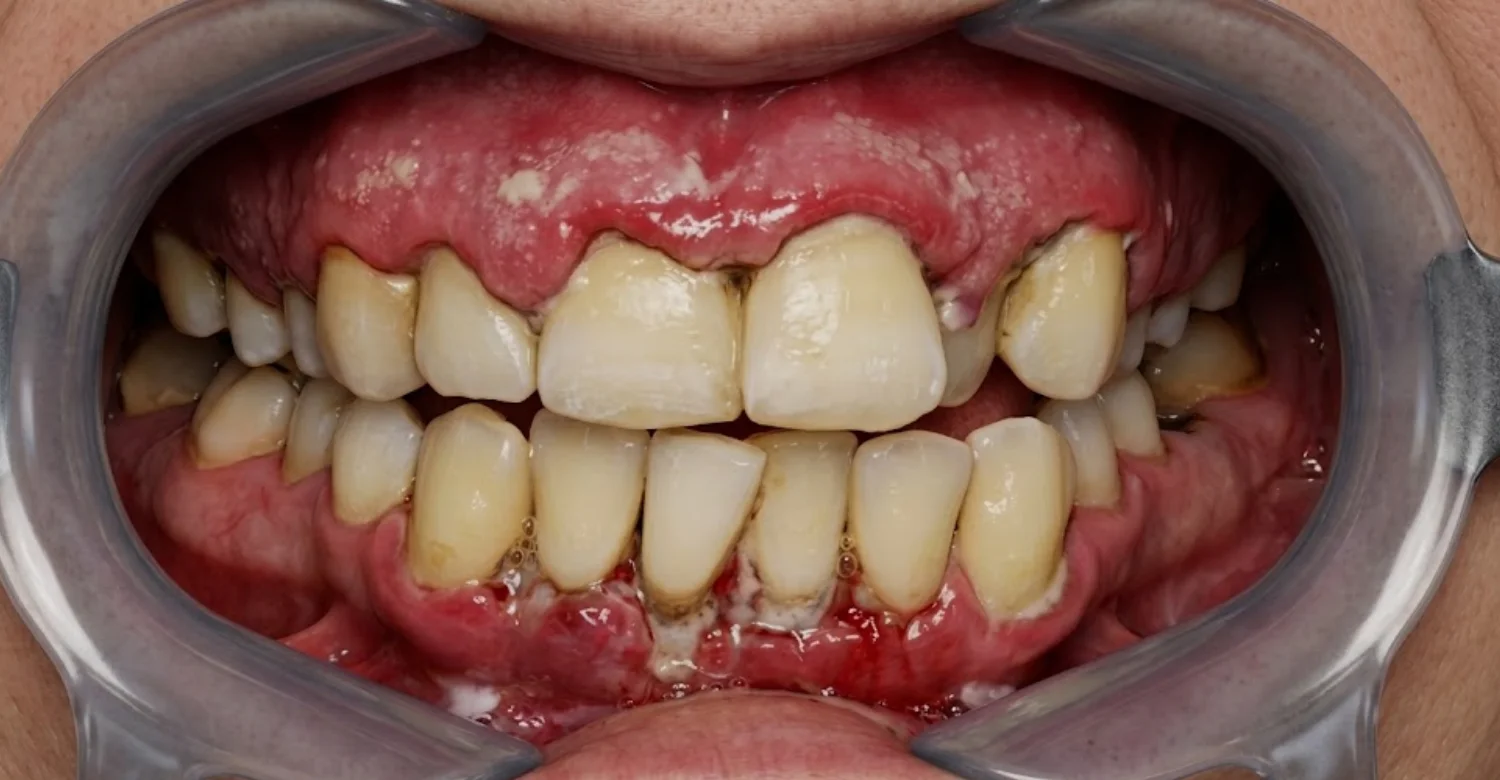
The appearance depends on the stage of the disease. Early disease may resemble severe gum inflammation with ulceration or greyish necrotic tissue. Later disease can involve marked swelling of the gums and nearby cheek. Advanced gangrenous disease may extend through the cheek or other facial tissues. The affected area can become dark and clearly separated from healthy tissue. Because the appearance overlaps with other serious oral conditions, trained professionals should make the diagnosis. Photographs or descriptions shared online cannot replace a proper clinical examination.
What Are Common Noma and Gum Disease Symptoms?
Symptoms of Noma and Periodontal Disease can overlap, which makes careful observation important. Common features include painful or swollen gums, gum bleeding, ulceration, and tissue necrosis. Severe bad breath, oral discharge, and facial swelling may also occur. Patients may develop difficulty eating, difficulty speaking, and restricted mouth opening. The speed of progression is the most important distinguishing feature. Chronic periodontitis usually develops slowly over many years with little pain. Noma, by contrast, can change visibly from one day to the next. The following sections describe each symptom in more detail.
Painful or Swollen Gums
Painful swelling can occur during acute necrotizing gum disease. Swelling may become more pronounced as inflammation spreads through the tissues. Mild gingivitis is common and usually causes little discomfort. Rapidly worsening swelling with significant pain requires professional evaluation. Pain that stops a child from eating or drinking is especially concerning. Clinicians will look for necrosis, ulceration, and signs of spreading infection during assessment.
Gingival Bleeding
Bleeding gums can occur with both simple gingivitis and necrotizing periodontal disease. Bleeding alone does not indicate noma in most people. Many adults notice occasional bleeding when brushing or flossing inflamed gums. However, bleeding with necrosis, severe pain, ulceration, or rapid progression warrants urgent assessment. Spontaneous bleeding without brushing may also suggest a more serious condition. Clinicians should consider systemic causes when bleeding appears unusual or persistent.
Ulceration and Tissue Necrosis
Ulceration and necrotic tissue are important warning signs in any mouth. Necrosis means tissue death and always requires professional evaluation. Necrotic areas often appear grey, yellow, or dark compared with healthy pink tissue. When necrosis progresses rapidly, clinicians must consider serious infectious and necrotizing conditions. Loss of the gum tips between teeth is a typical sign of necrotizing gingivitis. Early treatment at this point can prevent further destruction.
Bad Breath and Oral Discharge
Severe oral malodour can accompany necrotizing infections of the gums. Discharge may appear with tissue breakdown or secondary infection. The smell is often stronger and more unpleasant than ordinary morning breath. Persistent severe malodour with painful ulcers should not be dismissed as simple halitosis. Families sometimes notice the odour before they see visible lesions. This symptom should prompt a careful look inside the mouth and a professional visit.
Rapidly Developing Facial or Oral Swelling
Rapid swelling can indicate significant infection or spreading tissue inflammation. Facial swelling becomes particularly concerning with fever, difficulty swallowing, or breathing problems. Swelling that spreads toward the eye or neck needs immediate attention. Emergency medical evaluation may be required in these situations. Delays can allow infection to spread into deeper spaces of the face and neck. Prompt care improves outcomes and reduces the risk of serious complications.
How Can Noma Affect Teeth, Periodontal Tissues, and Oral Function?
Advanced disease can destroy the tissues that support the teeth. Bone and soft-tissue involvement can cause tooth mobility or tooth loss. Patients may also struggle with chewing, swallowing, speaking, and cleaning their teeth. WHO reports substantial functional consequences among survivors, including eating and speech problems. These effects show where Noma and Periodontal Disease converge on the same supporting structures. Scarring can make later dental access difficult for both patient and clinician. Long-term dental rehabilitation depends on remaining anatomy and the history of the disease. Careful coordination between medical and dental teams produces the best functional results.
What Are the Signs That Noma Is Progressing?
Rapid tissue destruction is the most important warning sign. Other concerning findings include increasing swelling, spreading necrosis, and facial involvement. Worsening pain, systemic illness, and difficulty eating or drinking also suggest progression. Advanced disease can produce visible defects on the cheek or lips. A foul smell combined with dark tissue is especially alarming. Urgent medical assessment is appropriate whenever progression is suspected. Families should not wait for the next routine appointment in these circumstances.
Explore pneumococcal disease and oral health
What We Notice Clinically
Clinically, the key distinction lies between common gum inflammation and rapidly progressive necrotizing disease. Noma is uncommon, while periodontal disease is widespread in almost every population. CDC data indicate that nearly 42% of US adults aged 30 or older have periodontitis. This difference in prevalence frames how we explain Noma and Periodontal Disease to patients. Chronic periodontitis should not automatically be interpreted as a warning sign of noma. Patients deserve reassurance alongside accurate information about genuine warning signs. Our role is to identify concerning features early and refer appropriately when necessary.
Why Early Gingival Changes Can Be Clinically Important
Early gum inflammation offers an opportunity for timely intervention. When inflammation becomes painful, ulcerated, necrotic, or rapidly progressive, the situation changes significantly. WHO emphasises early detection because treatment works best before advanced destruction occurs. Simple measures at early stages can prevent complex treatment later. Good oral hygiene, nutritional support, and professional cleaning often resolve early gingival problems. Regular check-ups allow clinicians to spot unusual changes before they become severe.
Common Patient Misconceptions About Noma and Severe Gum Infection
One common misconception is that all severe gum disease represents noma. Another is that ordinary chronic periodontitis inevitably progresses into noma. Neither belief is supported by current WHO guidance on Noma and Periodontal Disease. Noma has a distinct clinical and epidemiological context linked with severe vulnerability. Some patients also believe noma is contagious, which WHO does not support. Others assume noma only occurs in one region, although cases appear worldwide. Correcting these misconceptions reduces anxiety and encourages appropriate care.
Why Noma Should Not Be Confused With Ordinary Gingivitis or Chronic Periodontitis
Ordinary gingivitis is common and generally involves reversible inflammation of the gums. Chronic periodontitis destroys the supporting tissues of the teeth over a much longer period. Noma can progress rapidly and cause gangrenous destruction within days. The clinical urgency is therefore substantially different between these conditions. Gingivitis usually responds to improved brushing and professional cleaning. Periodontitis requires structured periodontal therapy and long-term maintenance. Noma requires urgent medical treatment, nutritional support, and often specialist care.
How Clinicians Distinguish Noma From Other Necrotizing Oral Conditions
Clinicians consider the speed of progression, tissue appearance, and facial involvement. They also assess systemic condition, nutritional status, and immune status. Necrotizing gingivitis and necrotizing periodontitis may both be considered during assessment. Other ulcerative or infectious conditions may need to be excluded as well. There is currently no point-of-care diagnostic test that specifically confirms noma. WHO states that diagnosis relies on clinical criteria applied by trained professionals. Experience and careful history-taking therefore play a central role in accurate diagnosis.
Clinical Note
Dr. Rifat Alsaman, Head of the Medical Team at Vitrin Clinic and cosmetic dentist, on the importance of evaluating rapidly changing gingival and oral lesions
Rapidly changing oral tissues should receive professional evaluation rather than cosmetic treatment alone. A clinical examination helps determine whether inflammation is localised or linked with deeper periodontal pathology. When patients ask about Noma and Periodontal Disease, we explain that most gum problems are manageable and far less serious. Even so, necrosis, severe pain, or rapid swelling deserve prompt attention. At Vitrin Clinic, diagnostic planning can include examination of the teeth, gums, and oral tissues. Additional imaging can be considered when it is clinically appropriate. Suspected necrotizing disease is referred for suitable medical care before any restorative planning begins.
Discover more about fixed dentures cost in Turkey
What Complications Can Noma Cause?
Complications depend on disease severity and the timing of treatment. Advanced noma can cause extensive tissue loss and permanent functional impairment. WHO reports that survivors may experience difficulties with eating, speaking, swallowing, breathing, and vision. Facial disfigurement can also affect self-esteem, schooling, work, and social participation. Many survivors face stigma within their communities. Early treatment reduces the risk of these serious outcomes considerably. Long-term follow-up helps manage complications that appear months or years later.
How Can Noma Damage the Gums and Periodontal Tissues?
Noma can cause necrosis of the gums and surrounding soft tissues. As the disease progresses, deeper periodontal structures can become involved. This destruction is where the tissue effects of Noma and Periodontal Disease most clearly overlap. Supporting ligaments and bone may be lost around the affected teeth. Oral function may become compromised as a result. Healing can leave irregular gum contours that trap plaque and complicate hygiene. Careful periodontal follow-up helps protect remaining teeth after recovery.
Can Noma Cause Tooth Loss or Bone Damage?
Advanced disease can involve hard tissues, including the jawbones. Damage to periodontal support can lead to tooth mobility or tooth loss. In some cases, sections of bone may die and separate from healthy tissue. Developing teeth in young children may also be affected. Dental reconstruction must therefore consider remaining bone and soft tissue carefully. Imaging often helps clinicians understand the full extent of hard-tissue damage.
How Can Noma Affect Eating, Swallowing, and Speaking?
Tissue loss and scarring can change normal movement of the lips, cheeks, and jaw. Patients may have difficulty chewing, swallowing, speaking, or opening the mouth. Food and liquid may escape through defects in the cheek or lips. These problems can persist long after the acute infection has resolved. Poor eating can then worsen nutritional status and slow recovery. Speech therapy, nutrition support, and reconstructive care can all help improve function.
What Long-Term Facial and Oral Complications Can Occur After Noma?
Long-term complications of noma extend well beyond the original infection. Survivors may live with facial tissue loss, scarring, restricted mouth opening, and dental problems. Speech difficulties and nutritional challenges may continue for many years. Addressing the long-term side of Noma and Periodontal Disease requires coordinated, multidisciplinary follow-up. Growth changes in children can alter facial balance as they mature. Psychological effects are also common and deserve attention. The sections below describe the main long-term complications.
Scarring and Facial Tissue Loss
Scarring can permanently alter facial structures and appearance. Tissue loss may leave openings or deformities in the cheek, lips, or nose. Reconstructive procedures may be required depending on the extent of loss. Planning often takes place over several stages as healing matures.
Trismus and Restricted Mouth Opening
Scar contraction can severely restrict mouth opening. This limitation complicates eating, speaking, oral hygiene, and dental treatment. Some patients can barely open their mouths at all. Surgery and physiotherapy are often combined to improve opening.
Functional Oral Problems
Functional problems can affect chewing, swallowing, speaking, and adequate nutrition. Some patients also experience drooling or difficulty closing the lips. These challenges can influence daily life, school attendance, and employment. Rehabilitation aims to restore as much normal function as possible.
Dental and Periodontal Sequelae
Survivors may need periodontal evaluation, restorative dentistry, or prosthetic rehabilitation. Missing teeth, displaced teeth, and damaged gums are common findings. Scarring can make routine dental procedures more technically demanding. A tailored, long-term dental plan supports lasting oral health.
Why Can Noma Survivors Need Reconstructive and Rehabilitation Care?
Noma can leave permanent structural defects in the face and mouth. Reconstruction may restore facial tissues and improve oral function. Rehabilitation often involves surgeons, dentists, speech therapists, physiotherapists, and nutrition specialists. WHO emphasises that survivors can require complex surgery and prolonged rehabilitation. Psychosocial support helps survivors cope with stigma and rebuild confidence. Treatment is often staged over many years as the patient grows. Coordinated care produces the most meaningful and lasting improvements.
How Is Noma Diagnosed?
Diagnosis of noma is primarily clinical. There is currently no specific point-of-care diagnostic test for the disease. Clinicians rely on history, examination, and knowledge of risk factors. Understanding how Noma and Periodontal Disease differ helps examiners avoid both missed and exaggerated diagnoses. Training community health workers improves early recognition in high-risk regions. WHO has developed materials to support clinical identification at different stages. Accurate early diagnosis remains the foundation of effective treatment.
How Do Doctors and Dentists Diagnose Noma?
Healthcare professionals assess oral and facial findings together with medical and nutritional history. The rate of tissue progression is particularly important in this assessment. Clinicians ask when symptoms started and how quickly they changed. They also review recent illnesses, weight loss, and living conditions. Examination focuses on the gums, cheeks, lips, and nearby facial tissues. Collaboration between medical and dental professionals improves diagnostic accuracy.
What Clinical Findings Help Identify Noma?
Findings may include necrotizing gingivitis, swelling, tissue destruction, gangrene, and facial involvement. A sharply defined dark area of dead tissue is especially characteristic. Severe odour and excessive salivation may also be present. Signs of malnutrition or systemic illness add important context. The overall pattern matters more than any single isolated finding. Clinicians combine these observations to reach a working diagnosis quickly.
Is There a Specific Test for Noma?
WHO states that there is currently no point-of-care diagnostic test for noma. Clinical assessment therefore remains central to diagnosis. Laboratory tests can support evaluation of the patient's general condition. They cannot, however, confirm noma on their own. Research into better diagnostic tools continues internationally. Until such tools exist, trained clinical judgement remains essential.
What Is the Role of Oral Examination and Medical History?
History helps identify malnutrition, infections, immune compromise, and earlier oral symptoms. It also reveals how rapidly the disease has progressed. Examination determines the extent and depth of tissue involvement. Together, history and examination guide urgency and treatment planning. Caregivers often provide essential details when the patient is a young child. Clear communication between families and clinicians improves diagnostic accuracy.
When Are Imaging, Laboratory Tests, or Specialist Assessment Needed?
Additional investigations depend on clinical severity and available resources. Imaging may help assess bone involvement or deeper tissue damage. Laboratory tests may help evaluate anaemia, infection, or other systemic conditions. Testing for underlying immune problems may be appropriate in some patients. Specialist care becomes important when tissue destruction is extensive. Surgical, medical, and nutritional specialists may all contribute to management.
What Conditions May Be Considered in Differential Diagnosis?
Clinicians may consider several other necrotizing or ulcerative conditions during assessment. This process separates true noma from other serious oral diseases. It also clarifies the boundary between Noma and Periodontal Disease in each individual patient. Accurate differential diagnosis prevents both delayed treatment and unnecessary alarm. The main conditions considered are described below.
Necrotizing Gingivitis
Necrotizing gingivitis may represent an early clinical stage of noma. It usually affects the gum tips between the teeth. Most cases respond well to prompt treatment.
Necrotizing Periodontitis
Necrotizing periodontitis involves deeper destruction of periodontal tissues. It can cause attachment loss and bone damage around teeth. It is more common in patients with immune compromise.
Necrotizing Stomatitis
Necrotizing stomatitis extends beyond the gums into wider oral mucosa. It represents a more severe stage of necrotizing disease. Urgent care is required to prevent further spread.
Other Severe Oral Infections and Ulcerative Conditions
Other infectious, inflammatory, traumatic, or systemic conditions may produce similar findings. Clinicians exclude these possibilities through careful history and examination. Additional tests may help when the picture remains unclear.
Find out about leptomeningeal disease and oral health
How Is Noma Treated?
Treatment depends on the disease stage and the patient's general condition. Early intervention is critical for preventing permanent damage. WHO recommends antibiotics, oral hygiene support, disinfectant mouthwash, nutritional supplementation, and wound care. Advanced disease may need hospital care and specialist surgery. Treatment approaches for Noma and Periodontal Disease differ greatly because noma is a medical emergency. Routine periodontal therapy alone is never sufficient for active noma. A coordinated medical plan offers the best outcome.
Why Is Early Treatment Essential for Noma?
Early treatment can stop disease progression before major tissue destruction occurs. WHO states that early detection can allow healing without long-term sequelae. Delays can allow necrosis to spread into facial tissues. Mortality risk also rises when treatment starts late. Simple, low-cost measures can be highly effective at early stages. Rapid referral from community settings therefore saves lives and prevents disfigurement.
What Is the Initial Medical Treatment for Noma?
Management requires professional medical supervision from the start. Initial treatment combines medicines, local care, nutrition, and management of associated illness. Each element addresses a different part of the disease process. The plan is adjusted according to the patient's stage and response. The following sections describe each part of initial treatment.
Antibiotic Therapy Under Professional Supervision
Antibiotics generally form part of early noma treatment. The specific medicine, dose, and duration should be chosen by a qualified clinician. Patients should complete the course exactly as prescribed.
Oral Hygiene and Local Wound Care
Careful oral hygiene and wound management support healing. WHO identifies disinfectant mouthwash as part of early management. Gentle cleaning removes debris without damaging fragile tissue.
Nutritional Support
Nutritional support addresses one of the major underlying risk factors. Adequate nutrition strengthens immune function and promotes tissue healing. Severely malnourished children may need structured therapeutic feeding.
Hydration and Management of Associated Illnesses
Hydration is essential, especially when eating and drinking are painful. Associated infections and systemic illnesses also require treatment. Addressing these conditions supports overall recovery.
When Is Surgery Needed for Noma?
Severe disease may require surgical management. WHO states that advanced cases can require surgery and specialised wound dressing. Surgery may remove necrotic tissue once the patient is stable. Later procedures can address structural defects, scarring, and functional limitations. Reconstructive surgery is usually delayed until the acute phase has fully resolved. Timing decisions depend on the patient's nutrition, growth, and general health.
What Treatment May Be Needed After Noma Has Healed?
Long-term rehabilitation often continues well after active disease has resolved. Care focuses on restoring appearance, function, and quality of life. Several specialties may contribute over many years. The main areas of rehabilitation are described below.
Note : All images used are for editorial and illustrative purposes only and may not originate from the original news provider or associated company.
Reconstructive Surgery
Reconstructive surgery can repair facial tissue defects and release scarring. Several operations may be needed over time.
Dental Rehabilitation
Dental care can address tooth loss, periodontal problems, and chewing limitations. Prosthetic options depend on remaining bone and tissue.
Speech and Functional Rehabilitation
Speech and swallowing therapy can improve communication and eating. Therapists tailor exercises to each patient's needs.
Management of Restricted Mouth Opening
Physiotherapy and specialist procedures may help improve trismus. Consistent exercises often support better long-term results.
Can Periodontal Treatment Be Needed After Noma?
Yes, survivors often require periodontal assessment and treatment. Remaining teeth may have reduced support or irregular gum contours. The appropriate approach depends on periodontal support, oral hygiene, scarring, and reconstructive anatomy. Post-noma care is where treatment for Noma and Periodontal Disease most clearly comes together. Restricted mouth opening may require adapted instruments and shorter appointments. Regular maintenance visits help protect the remaining dentition. Good periodontal health also supports future prosthetic or implant options.
Explore the role of polyphenols in oral health
What Are the Relief Options and Possible Treatment Side Effects?
Supportive care should always complement professional treatment rather than replace it. Relief measures help patients stay comfortable, eat, and maintain hygiene. Every treatment also carries possible side effects worth discussing openly. Patients should report any unexpected reactions to their clinician promptly. The sections below describe common relief measures and potential side effects.
What Can Help Relieve Oral Pain and Discomfort During Professional Treatment?
Clinicians can recommend suitable pain relief based on age, medical history, and disease severity. Soft, nutritious foods can make eating easier during recovery. Cool fluids may also feel more comfortable than hot drinks. Severe oral pain should not be managed only with home remedies. Worsening pain may signal progression and needs professional review.
What Oral Hygiene Measures May Provide Support During Recovery?
Gentle oral hygiene helps reduce plaque accumulation during healing. A soft toothbrush can clean teeth without damaging sensitive tissue. Prescribed mouthrinses may support local cleanliness. However, patients with extensive tissue injury should follow professional instructions closely. Aggressive cleaning can disturb healing areas and increase pain.
What Side Effects Can Occur With Treatments Used for Associated Oral Infections?
Treatment risks depend on the specific medication or procedure used. Most side effects are mild and temporary. Some reactions, however, need prompt medical attention. Patients should share their full medical history before treatment begins. The following sections outline common considerations.
Possible Effects of Antibiotics
Antibiotics can cause stomach upset, diarrhoea, allergic reactions, or other medication-specific effects. Severe rash or breathing difficulty requires urgent care.
Possible Effects of Antiseptic Mouthrinses
Antiseptic products can sometimes cause irritation, taste changes, or temporary tooth staining. Clinicians can suggest alternatives when problems occur.
Possible Effects of Periodontal Procedures
Scaling and periodontal procedures can cause temporary sensitivity or gum discomfort. These effects usually settle within days.
Why Should Patients Avoid Self-Treating Severe Oral Infections With Antibiotics?
Self-treatment can delay proper diagnosis and effective care. It may expose patients to the wrong medicine, incorrect dosing, and avoidable side effects. Leftover antibiotics may not target the infection involved. Incomplete courses may also contribute to antimicrobial resistance. Suspected noma always requires professional medical assessment. Early expert care offers the safest and most effective path to recovery.
Discover the causes and effects of tooth erosion
What Is the Cost of Treating Noma and Related Periodontal Problems?
There is no reliable global average price for noma treatment. Noma may require emergency care, antibiotics, nutritional support, surgery, reconstruction, and long-term follow-up. Costs therefore vary enormously between patients and countries. Many affected families live in settings where charities or public programmes provide care. Comparing costs for Noma and Periodontal Disease is misleading because the treatments differ fundamentally. Routine periodontal fees should never be used as a proxy for normal care. The examples below relate only to routine periodontal treatment and are not national averages.
Location / treatment | Example cost | Important context |
United States: scaling and root planing | About $242 per quadrant | Varies by region, insurance, and extent |
UK NHS England Band 1 | $27.90 | From April 1, 2026 |
UK NHS England Band 2 | $76.60 | Includes more extensive treatment |
Istanbul: scaling and root planing listings | From about TL 1,530–1,546 | Private-clinic listings |
Istanbul: periodontitis treatment listings | About TL 8,249 and above | Treatment scope varies substantially |
Istanbul: gum surgery example | About TL 21,392–32,088 | Not a noma-treatment price |
Why Is There No Standard Global Price for Noma Treatment?
Noma treatment is not a standardised dental procedure. One patient may need only antibiotics, wound care, and nutritional support. Another may require extensive surgery and years of rehabilitation. The difference in resources and cost can be enormous. Healthcare systems, charities, and insurance arrangements also vary widely between countries. A single price figure would therefore mislead rather than inform patients.
What Factors Can Affect the Cost of Noma-Related Care?
Several categories of care influence the overall cost of noma treatment. Each one depends on disease severity and local healthcare arrangements. The main categories are described below.
Emergency and Medical Management
Hospital admission, medications, laboratory tests, and nutritional support all influence costs. Longer stays increase the overall expense.
Dental and Periodontal Treatment
Dental rehabilitation depends on the condition of remaining teeth and gums. Extensive tooth loss usually requires more complex care.
Surgery and Reconstruction
Complex reconstruction can involve several procedures over many years. Each stage adds surgical, anaesthetic, and hospital costs.
Rehabilitation and Follow-Up
Speech therapy, physiotherapy, nutrition support, and dental maintenance add ongoing costs. Long-term follow-up remains important for survivors.
What Is the Average Periodontal Treatment Cost in the United States?
There is no single official national price for scaling and root planing. Fees vary by location, number of quadrants treated, disease severity, and insurance coverage. The individual dental practice also influences the final charge. Any average figure should therefore be treated as a rough guide only. Patients should request a written estimate after their periodontal examination.
Scaling and Root Planing: Approximately $242 Per Quadrant on Average
About $242 per quadrant is a commonly quoted estimate, not an official fixed price. Fees are usually calculated for each quarter of the mouth. The actual charge depends on location, insurance, disease severity, and treatment complexity. Deeper pockets and heavier deposits generally require more time and cost more.
What Is the Average Periodontal Treatment Cost in the United Kingdom?
NHS England uses standardised patient charges organised into treatment bands. These charges apply to eligible NHS patients in England. Scotland, Wales, and Northern Ireland use separate charging systems. Private treatment follows different pricing arrangements.
NHS England Band 1: $27.90
NHS England charges this band in pounds, at $27.90 from April 1, 2026. It covers examination, assessment, necessary X-rays, and simple gum treatment such as scaling.
NHS England Band 2: $76.60 for More Extensive Treatment
The Band 2 charge is $76.60 from April 1, 2026. It includes Band 1 services plus additional treatments listed by NHS England.
Private Periodontal Treatment Can Cost More Depending on Complexity
Private periodontal treatment does not follow NHS band charges. The final price depends on examination findings and treatment requirements. Complex cases involving surgery usually cost considerably more.
What Is the Average Periodontal Treatment Cost in Turkey?
Turkey has no single universal private-clinic price for periodontal treatment. Prices vary by clinic, procedure, disease severity, and number of treated areas. Currency changes can also affect prices for international patients. The examples below come from individual clinics and are not national averages.
Root Planing: Around $4,500 in a 2026 Istanbul Private-Clinic Price Example
This figure comes from one private-clinic example and should not be read as typical. Other Istanbul listings show scaling and root planing from about TL 1,530–1,546. Patients should confirm whether a quoted price is in US dollars or Turkish lira.
Periodontal Surgery: Around $8,000 in a 2026 Istanbul Private-Clinic Price Example
This figure also reflects a single clinic example rather than a standard price. Other gum-surgery listings in Istanbul appear around TL 21,392–32,088. The final cost depends on the procedure, the number of areas, and clinical findings.
What Should Patients Know Before Comparing Dental Treatment Prices?
Price comparisons should always begin with an accurate diagnosis. Two patients with similar symptoms may need very different treatment. Patients comparing care for Noma and Periodontal Disease must recognise that these involve entirely different services. Asking what each quoted price includes prevents unexpected costs later. Follow-up visits, imaging, and maintenance should also be considered.
Why Diagnosis and Treatment Complexity Affect the Final Cost
A simple cleaning differs substantially from periodontal surgery in time and resources. Noma care differs even more because it involves medical, nutritional, surgical, and rehabilitation services.
Why Noma Treatment Costs Should Not Be Compared With Routine Gum Treatment
Noma is a severe medical condition requiring emergency care. Routine periodontal prices cannot represent the cost of advanced noma management.
How Can Noma Be Prevented?
Prevention requires combined oral-health, nutrition, infection-control, and public-health measures. WHO's 2026 technical brief emphasises early detection, nutrition, oral healthcare, and water and sanitation. It also highlights community awareness and integration within health systems. Prevention strategies for Noma and Periodontal Disease overlap in oral hygiene but differ in wider social measures. Protecting children from malnutrition and serious infection is central. Training health workers to recognise early lesions improves outcomes. Collective action across sectors offers the strongest protection.
Can Noma Be Prevented Through Better Oral Hygiene?
Better oral hygiene can reduce the overall burden of oral disease. Healthy gums are less likely to develop severe inflammation. However, hygiene alone cannot remove every noma risk factor. Nutrition, infection control, and healthcare access remain equally essential. Oral hygiene should therefore form one part of a wider prevention approach.
How Does Oral Hygiene Support Noma Prevention?
Reducing plaque accumulation supports healthier gum tissues. Healthier gums may resist severe inflammation more effectively. Clean mouths also make early warning signs easier to notice. Caregivers who check children's mouths regularly can spot ulcers or swelling sooner. Good hygiene lowers the microbial load that contributes to necrotizing gum disease. It works best alongside nutrition, vaccination, and access to primary healthcare.
What Daily Oral Hygiene Habits Help Protect Periodontal Health?
Simple daily habits protect the gums and the tissues supporting the teeth. Consistency matters more than expensive products or complicated routines. Brushing, cleaning between the teeth, and regular professional visits form the foundation. Limiting sugary snacks and drinks also reduces plaque formation. Avoiding tobacco protects gum tissue and improves healing. Parents should supervise brushing for young children until they can clean effectively alone. The habits below form a practical routine for most families.
Brushing With Fluoride Toothpaste
Regular brushing with fluoride toothpaste supports overall oral health. Brushing twice daily for about two minutes is widely recommended. A soft brush angled toward the gum line removes plaque gently.
Cleaning Between the Teeth
Interdental cleaning removes plaque from areas that toothbrushes often miss. Floss, interdental brushes, or water flossers can all be used. Daily cleaning between the teeth reduces gum inflammation.
Regular Professional Dental Assessment
Dental check-ups can identify gum inflammation and periodontal problems early. Professional cleaning removes hardened deposits that brushing cannot. Early treatment prevents more complex disease later.
How Can Nutrition and General Health Support Noma Prevention?
Adequate nutrition supports immune function and tissue repair. Balanced diets with sufficient protein, vitamins, and minerals protect vulnerable children. Prompt treatment of childhood infections also reduces risk significantly. Vaccination protects against measles and other serious illnesses. Growth monitoring helps identify children who need nutritional support early.
Why Early Recognition of Necrotizing Gingivitis Matters
Acute necrotizing gingivitis can represent an early stage in WHO's noma classification. Recognising it quickly allows prompt treatment and follow-up. Early care can interrupt progression before gangrene develops. Caregivers and health workers should know its typical warning signs.
What Community and Public-Health Measures Help Prevent Noma?
Community education raises awareness of early signs and encourages faster referral. Clean water, sanitation, nutrition programmes, and vaccination all reduce vulnerability. Access to oral healthcare and trained health workers supports early detection. Public messages about Noma and Periodontal Disease should stay accurate and avoid stigma. WHO's 2026 noma technical brief emphasises these integrated measures. Surveillance systems also help measure the true burden of disease. Sustained investment in these areas protects communities for generations.
When Should You Seek Urgent Medical or Dental Care?
Rapidly changing oral disease should always be assessed urgently. Most gum problems develop slowly and allow time for routine appointments. Knowing how Noma and Periodontal Disease differ in urgency helps patients decide when to act. Necrosis, spreading swelling, and systemic illness require immediate attention. Children with malnutrition deserve particularly prompt care. When in doubt, seeking early assessment is always the safer choice.
What Oral Warning Signs Should Not Be Ignored?
Concerning signs include tissue necrosis, severe ulcers, and rapidly increasing swelling. Persistent bleeding, facial swelling, and difficulty eating also require attention. A strong foul odour with painful gums is another warning sign. Grey or dark patches on the gums should never be ignored. These findings warrant prompt professional assessment.
When Does Severe Gum Swelling Require Urgent Evaluation?
Urgent evaluation is appropriate when swelling progresses rapidly over hours or days. It is also essential when swelling affects eating, swallowing, or breathing. Swelling with fever needs same-day medical attention. Swelling spreading toward the eye or neck requires emergency care.
When Should a Child With Rapidly Worsening Oral Symptoms Be Seen Immediately?
Children with severe oral symptoms and malnutrition need prompt medical assessment. Recent measles or other serious illnesses increases urgency further. A child who refuses food or drink because of mouth pain needs same-day care. Caregivers should not wait for symptoms to settle alone.
Which Symptoms May Indicate a Spreading or Severe Infection?
Certain symptoms suggest that infection may be spreading beyond the gums. These signs require urgent medical rather than routine dental care. The main warning symptoms are described below.
Rapid Tissue Destruction
Rapidly dying tissue is an emergency warning sign. Seek medical care immediately.
Significant Facial Swelling
Facial swelling can indicate deeper infection or extensive inflammation. It needs a prompt medical assessment.
Difficulty Eating, Drinking, Swallowing, or Breathing
These symptoms can indicate significant functional or airway compromise. Breathing difficulty requires emergency services.
Fever or Signs of Systemic Illness
Fever, dehydration, weakness, or altered general condition increases urgency considerably. The whole body needs assessment, not only the mouth.
Why Should Suspected Noma Be Treated as a Medical Emergency?
Noma can progress rapidly and cause permanent damage within days. WHO emphasises that early treatment substantially improves outcomes. Delays increase the risk of disfigurement and death. Treating suspected noma as an emergency gives patients the best chance of recovery.
Tips for Patients
Practical steps can help patients respond quickly and appropriately to oral symptoms. Most concerns about Noma and Periodontal Disease can be addressed through timely professional advice. Keeping notes on symptoms helps clinicians understand how the condition developed. Photos taken on different days can also show how quickly a lesion changes. The following tips support safer decisions before and after treatment.
What Should You Do If You Notice Severe Gum Inflammation or Oral Ulcers?
Arrange a prompt professional assessment. Do not wait for tissue destruction to become extensive. Keep the mouth gently clean while waiting for care. Drink enough fluids and choose soft, nutritious foods. Seek emergency care if swelling spreads or breathing becomes difficult.
What Should You Tell Your Dentist or Doctor About Your Symptoms?
Explain when symptoms started and how quickly they changed. Mention pain, swelling, bleeding, ulcers, fever, eating difficulties, and weight loss. Share any recent illnesses, current medications, and known allergies. Tell the clinician about any medicines already taken for the problem. Accurate information helps the clinician judge urgency correctly.
What Should You Avoid Before Professional Assessment?
Avoid delaying care in the hope that symptoms settle. Do not use leftover antibiotics without professional advice. Avoid aggressive manipulation of damaged tissue with fingers or sharp objects. Avoid very hot, spicy, or acidic foods that irritate ulcers. Do not rely only on home remedies for severe pain.
How Can You Maintain Periodontal Health After Treatment?
Follow the recommended oral hygiene routine carefully every day. Attend periodontal reviews when advised, even when the mouth feels comfortable. Maintain good nutrition and manage relevant medical conditions. Avoid tobacco, which slows gum healing. Report any new bleeding, swelling, or tooth movement promptly.
Medical Tips for Patients at Higher Risk of Severe Oral Infection
Patients with immune compromise, nutritional problems, or serious illness should report unusual oral symptoms promptly. Regular dental reviews help detect problems before they become severe. Coordination between the medical team and the dentist improves safety. Early review prevents minor problems from becoming serious infections.
At Vitrin Clinic: Assessing Periodontal Health and Severe Oral Infections
Vitrin Clinic emphasises clinical assessment before any restorative or cosmetic dental treatment. Noma requires medical management and should never be approached as a cosmetic dental condition. Our team explains Noma and Periodontal Disease clearly so patients understand real risks without unnecessary worry. Suspected active necrotizing disease is referred for appropriate medical care first. Once acute disease is controlled, dental rehabilitation can follow the patient's clinical needs. This sequence protects both health and long-term treatment success.
How Can a Comprehensive Oral Examination Help Identify Periodontal Problems?
A detailed examination evaluates teeth, gums, periodontal tissues, and oral lesions. Pocket measurements show how much support surrounds each tooth. Bleeding points and gum recession are recorded for future comparison. Findings guide both urgent referral and routine periodontal treatment. A clear baseline also helps track healing after therapy.
How Can Digital X-Rays and CBCT Support Assessment When Clinically Appropriate?
Digital X-rays and CBCT provide additional structural information when clinically indicated. They help evaluate bone levels, root shapes, and dental structures. CBCT offers three-dimensional views that support implant and surgical planning. Imaging decisions always balance diagnostic benefits against radiation exposure.
How Can 3D Intraoral Scanning Contribute to Personalized Treatment Planning?
3D scanning captures detailed dental anatomy without traditional impression materials. It supports digital planning when restorative rehabilitation becomes appropriate. Patients can see their own scans, which improves understanding of the treatment plan. Scans also help track changes in teeth and gums over time.
How Can Periodontal Health Be Considered Before Restorative or Implant Treatment?
Active periodontal disease should be treated before definitive restorative work. Inflamed gums can compromise the fit and lifespan of crowns and veneers. Implant planning requires assessment of available bone, soft tissues, and oral health. Stable gums improve the longevity of crowns and implants.
Which Vitrin Clinic Treatments May Be Relevant After Periodontal Health Has Been Stabilized?
Several restorative options may be considered once periodontal health is stable. Each option requires individual assessment and careful planning. The choice depends on remaining teeth, bone, gums, and the patient's goals. The main treatments are described below.
Dental Implants
Implants may be considered after comprehensive assessment of bone and gums. They replace missing teeth with fixed, natural-looking restorations.
Full-Mouth Implant Rehabilitation
Extensive tooth loss may require multidisciplinary full-mouth rehabilitation. Options such as All-on-4 or All-on-6 depend on bone availability.
Zirconia and E-Max Crowns
Crowns can restore suitable teeth after disease has been stabilised. Zirconia offers strength, while E-Max offers high translucency.
Veneers When Clinically Appropriate
Veneers should be considered only when the underlying oral condition is suitable. Healthy gums and stable teeth are essential first.
Internal-Link Opportunities for Related Vitrin Clinic Treatment and Oral-Health Articles
Readers may find related Vitrin Clinic articles helpful after reading this guide. Relevant treatment pages include dental implants, full-mouth implants, All-on-4, and All-on-6. Restorative topics include zirconia crowns and E-Max crowns. Oral-health articles cover dental check-ups, periodontal health, dental impressions, oral hygiene, and tooth loss.
How Vitrin Clinic Supports Your Treatment Journey
Our care pathway follows a clear sequence from the first visit to long-term follow-up. Each step is built around clinical findings rather than cosmetic goals alone. Patients receive clear explanations at every stage before any procedure begins. The main stages of the journey are described below.
Initial Consultation and Clinical Assessment
Treatment begins with understanding the patient's dental and medical condition. The clinician reviews symptoms, medical history, medications, and treatment goals. A full examination of teeth, gums, and oral tissues follows. Any sign of active infection is addressed before further planning.
Digital Diagnostics When Clinically Appropriate
Digital X-rays, CBCT, and intraoral scanning may be used when clinically indicated. These tools provide precise information about bone, teeth, and gums. Imaging is chosen according to each patient's specific clinical needs.
Personalized Treatment Planning Based on Oral Findings
Treatment plans reflect clinical findings and each patient's functional needs. Options, timelines, and expected results are explained clearly. Patients can ask questions before agreeing to any treatment.
Coordination of Necessary Dental Treatments
Procedures are sequenced according to clinical priorities and healing time. Periodontal therapy usually comes before restorative or implant work. Careful sequencing reduces complications and improves long-term results.
Monitoring Oral Health Before Definitive Restorative Treatment
Periodontal stability is confirmed before definitive restorative procedures begin. Follow-up measurements show whether gum inflammation has resolved. Restorations placed on healthy foundations tend to last longer.
Follow-Up and Aftercare Planning for International Patients
International patients receive clear treatment sequencing and practical aftercare instructions. Written guidance covers hygiene, diet, and warning signs after treatment. Follow-up plans are arranged to suit each patient's travel schedule.
Key Takeaways
The points below summarise the most important information from this guide. They cover risk factors, warning signs, treatment, side effects, and prevention. Patients can use them as a quick reference when discussing concerns with a clinician.
What Are the Most Important Facts About Noma and Periodontal Disease?
Noma is a severe gangrenous disease affecting oral and facial tissues. It can begin with acute necrotizing gingivitis but differs from ordinary chronic periodontitis. Chronic periodontitis is common, while noma is rare and linked with severe vulnerability. Poor oral health is associated with noma but does not directly cause it.
What Are the Main Noma Risk Factors to Remember?
Major associated factors include malnutrition, poor oral health, infections, weakened immunity, and extreme poverty. Young children aged two to six years face the highest risk. Adults with serious immune compromise can also be affected.
Which Oral Warning Signs Require Professional Evaluation?
Rapid tissue destruction, severe swelling, necrosis, and facial involvement require urgent evaluation. Difficulty eating, drinking, swallowing, or breathing also needs immediate care. Fever or general illness with oral ulcers increases urgency.
What Relief and Supportive Measures May Be Used During Professional Care?
Care may include antibiotics, oral hygiene support, wound care, nutrition, and hydration. Treatment of associated illness supports recovery. Pain relief should follow professional advice rather than home remedies alone.
What Side Effects and Treatment Considerations Should Patients Discuss With Their Clinician?
Patients should discuss allergies, stomach effects, and possible antiseptic irritation. Pain, sensitivity, and procedure-specific risks also deserve discussion. Sharing a full medical history helps clinicians choose the safest treatment.
What Medical Tips Can Help Protect Periodontal and Overall Oral Health?
Maintain daily oral hygiene, eat a balanced diet, and attend regular check-ups. Keep vaccinations up to date and treat infections promptly. Seek early care for any unusual oral symptoms.
Why Is Early Professional Evaluation Important When Noma Is Suspected?
Early treatment combines antimicrobial therapy, oral hygiene support, nutritional care, and appropriate wound management and reduces the risk of permanent tissue destruction. It also lowers the risk of death. Suspected noma should always be treated as a medical emergency.
At Vitrin Clinic
At Vitrin Clinic, we provide personalized periodontal care for patients experiencing gum inflammation, periodontal disease, recession, or bone loss. Our dental team assesses your oral health, explains your treatment options, and creates a care plan based on your individual needs. Follow your periodontal care with Vitrin Clinic and take the next step toward healthier gums with our dedicated dental team.
Reference
FAQs
Dr. Rifat Alsaman has more than 5 years of clinical experience in dentistry and currently serves as the Head of the Medical Team at Vitrin Clinic. He is dedicated to providing exceptional patient care, overseeing treatment planning, and ensuring the highest clinical standards across the team. His expertise, attention to detail, and commitment to continuous professional development have helped countless patients achieve healthier, more confident smiles.


