General Dentistry
September 21, 2026
What Causes Tooth Erosion and How Can You Prevent It?
 Dr. Rifat Alsaman
Tooth erosion is the gradual chemical loss of dental hard tissue caused by acids that are not produced by oral bacteria. Common sources include acidic drinks, fruit juices, reflux, and repeated vomiting. Unlike tooth decay, this process does not primarily depend on bacterial acids. Frequent acid exposure can soften enamel and eventually expose dentin. Sensitivity, altered tooth shape, and surface changes may develop as damage progresses. The American Dental Association reports that erosion can affect people at any age. One global review estimated erosion in approximately 20%–45% of adults with permanent teeth. Prevention focuses on reducing acid exposure, supporting saliva, using appropriate fluoride care, and identifying medical causes. Early dental assessment can help identify active wear before substantial structure is lost.
What Is Tooth Erosion?
Tooth erosion describes chemical damage caused by repeated exposure to acids. These acids may come from food, beverages, stomach contents, or environmental sources. The process progressively removes minerals from enamel and potentially dentin. Saliva provides natural buffering and helps restore the oral environment after acid exposure. However, frequent or prolonged exposure can overwhelm these protective mechanisms. The damage becomes more important when acidic substances remain against teeth for extended periods. Individual susceptibility also varies because saliva flow, tooth structure, diet, and medical conditions differ. Dental examination can distinguish erosion from other forms of tooth wear. Understanding the underlying cause is essential because treatment should address both damage and continued acid exposure.
What Is Tooth Erosion?
Tooth erosion is chemical dissolution of dental hard tissue by non-bacterial acids. The process can gradually reduce enamel thickness and alter normal tooth surfaces. Acid exposure initially softens the mineralized surface. Continued exposure can then produce irreversible tissue loss. Saliva can buffer acids and support mineral recovery between episodes. However, frequent exposure may prevent adequate recovery. Acidic beverages, citrus products, reflux, and vomiting are recognized contributors. Erosion may occur without obvious symptoms during early stages. Therefore, routine examinations can identify subtle surface changes before sensitivity becomes noticeable. Treatment depends on severity, activity, symptoms, and the underlying cause.
Tooth Erosion Definition
The clinical definition describes progressive and irreversible loss of dental hard tissue through chemical acid dissolution. Bacterial acids responsible for dental caries are excluded from this definition. The term therefore describes a specific mechanism of tooth wear. Erosion may occur alongside abrasion or attrition, creating mixed patterns of tooth wear. Dentists consider these mechanisms during diagnosis. The source, frequency, duration, and intensity of acid exposure all matter. Salivary protection also influences individual risk. Recognizing the mechanism helps clinicians develop appropriate preventive and restorative strategies.
Erosion of Tooth Enamel
Enamel is the highly mineralized outer layer protecting each tooth. Acid exposure can soften its surface and gradually reduce its thickness. Early changes may appear smooth, glossy, or unusually flattened. Continued mineral loss can create shallow defects and rounded edges. Advanced damage may expose underlying dentin. Dentin exposure can increase sensitivity because it contains microscopic tubules connected toward the pulp. The ADA describes cupping, flattening, loss of surface texture, and hypersensitivity among clinical findings. Fluoride-based care may support enamel resistance, although prevention requires reducing the underlying acid challenge.
How Tooth Erosion Differs From Tooth Decay
Erosion and tooth decay involve different chemical mechanisms. Erosion results from acids that are not produced by oral bacteria. Dental caries develop through bacterial metabolism of fermentable carbohydrates and subsequent acid production. Erosion often produces smooth, shallow, or cupped surfaces. Caries more commonly produce localized lesions associated with plaque accumulation. Both conditions can occur simultaneously. A patient with acidic dietary habits may therefore experience both processes. Dental assessment considers surface appearance, location, history, and risk factors. Accurate diagnosis prevents inappropriate treatment and helps identify modifiable causes.
Find out how tongue thrust can contribute to an open bite
What Causes Tooth Erosion?
The causes can be divided broadly into extrinsic and intrinsic acid exposure. Extrinsic sources include soft drinks, sports drinks, fruit juices, citrus foods, and acidic candies. Intrinsic sources include stomach acid reaching the mouth through reflux or vomiting. Frequency of exposure is especially important because repeated episodes reduce recovery time. Holding or swishing acidic drinks can increase contact with tooth surfaces. Salivary flow also affects how quickly acids are cleared. The ADA identifies frequent soft drink consumption as an important risk factor. Medical conditions should receive appropriate evaluation when gastric acid exposure is suspected.
Acid Erosion of Tooth Enamel
Acids can dissolve mineral components within enamel. The initial effect may be surface softening rather than immediate visible loss. Repeated exposure can progressively remove softened material. Saliva normally helps neutralize acids and restore mineral balance. However, repeated acid challenges can exceed this protective capacity. The severity depends on acidity, exposure duration, frequency, buffering capacity, and individual factors. Diet is a particularly important source of external acid exposure. Reducing frequent acidic exposures is therefore central to prevention.
Acidic Foods and Drinks
Common dietary sources include citrus fruits, fruit juices, carbonated beverages, sports drinks, and acidic candies. Their erosive potential depends on more than pH alone. Buffering capacity, mineral composition, concentration, and exposure pattern also influence effects. Frequent sipping may create repeated acid attacks throughout the day. Drinking acidic products with meals may reduce exposure frequency compared with constant sipping. Water can help rinse away acids afterward. Patients should avoid holding acidic drinks in their mouths. Using a straw may reduce contact with front teeth when appropriate.
Acid Reflux and Tooth Erosion
Acid reflux can expose teeth to gastric contents. Repeated reflux may increase the frequency and duration of intrinsic acid exposure. Nighttime reflux can be particularly relevant because salivary flow and swallowing decrease during sleep. The location of wear may provide clues about the acid source. However, dental findings alone cannot diagnose reflux disease. Patients with persistent heartburn, regurgitation, or unexplained erosive patterns should discuss symptoms with a medical professional. Treating the underlying reflux can reduce continued exposure.
Tooth Erosion From Vomiting
Repeated vomiting exposes teeth to highly acidic stomach contents. Frequent episodes can affect the surfaces exposed during regurgitation. The palatal surfaces of upper front teeth can be particularly affected. Brushing immediately after vomiting may mechanically damage softened surfaces. Rinsing with water can help clear remaining acid. Some patients may benefit from individualized neutralizing strategies recommended by their dental team. Recurrent vomiting requires medical assessment because the underlying cause can affect general health. Dentists may sometimes recognize characteristic patterns during routine examinations.
GERD and Tooth Erosion
GERD can repeatedly introduce gastric acid into the mouth. Chronic exposure may contribute to progressive erosive tooth wear. The ADA reports an association between GERD and dental erosion. The risk can become more relevant when reflux occurs frequently or during sleep. Dental findings should not be used alone to diagnose GERD. Patients may need coordinated dental and medical assessment. Managing reflux can reduce one important source of acid exposure. Dental prevention remains necessary because existing mineral loss does not automatically reverse after reflux improves.
Early-Stage Acid Reflux and Tooth Erosion
Early reflux may produce subtle dental effects before extensive damage becomes visible. Patients may notice sensitivity, smooth surfaces, or unexplained changes in tooth appearance. Some patients may have few symptoms despite repeated acid exposure. Dental examination can therefore provide useful information when erosive wear is suspected. However, dentists cannot confirm reflux solely from enamel changes. Medical evaluation may be appropriate when reflux symptoms occur repeatedly. Early recognition allows dietary modifications and protective oral care to begin sooner.
Understand the link between vitamin A deficiency and tooth development
Types of Tooth Erosion
Severity and location can vary considerably between patients. Mild cases may involve subtle surface changes without major structural loss. Severe cases can involve substantial enamel reduction, dentin exposure, sensitivity, and altered tooth shape. Location may also suggest different exposure patterns. Front teeth can be affected by dietary acids or gastric exposure. Posterior teeth may develop occlusal cupping and flattening. Children can also experience erosive wear. The ADA reports erosion across different age groups. Classification helps dentists monitor progression and select appropriate management.
Mild Tooth Erosion
Mild erosion may produce small changes that patients cannot easily see. Enamel can appear smoother, glossier, or less textured. Early sensitivity may occur when cold, hot, sweet, or acidic substances contact affected areas. At this stage, prevention is particularly important. Reducing acid exposure can help limit further mineral loss. Fluoride-based oral care may also support enamel protection. Regular dental monitoring helps determine whether wear remains stable. Restorative treatment is not always necessary for mild, inactive changes. Management should reflect symptoms, progression, and the underlying cause.
Severe Tooth Erosion
Severe erosion involves substantial loss of dental hard tissue. Dentin may become exposed, causing significant sensitivity or discomfort. Teeth can appear shorter, thinner, smoother, or structurally altered. Cupping may develop on chewing surfaces. Advanced wear can compromise function and aesthetics. The ADA notes that severe erosive activity can contribute to dentin exposure, hypersensitivity, and eventual tooth loss. Treatment may require restorative dentistry after active acid exposure is controlled. A comprehensive assessment is important before irreversible procedures are performed.
Front Tooth Enamel Erosion
Front teeth can show visible changes when enamel loss progresses. Edges may become thinner or more translucent. The surfaces may appear smooth, flattened, or unusually glossy. Gastric acid exposure can particularly affect palatal surfaces of upper front teeth. Dietary acids may affect facial surfaces depending on exposure patterns. Cosmetic concerns often motivate patients to seek treatment. Dentists should first determine whether the process remains active. Restoring appearance without controlling ongoing acid exposure may increase future complications.
Back Tooth Erosion
Posterior teeth experience different mechanical and chemical forces. Erosive wear may create rounded depressions called cupping on chewing surfaces. Repeated acid exposure can reduce enamel thickness around existing anatomy. Bruxism or other mechanical forces may compound the loss. Dentists therefore assess multiple tooth-wear mechanisms together. The ADA identifies cupping and flattening as characteristic clinical findings. Treatment depends on remaining structure, symptoms, progression, and function.
Tooth Erosion in Children
Children can develop erosive tooth wear from frequent acidic drinks and foods. Developing dietary habits can strongly influence exposure frequency. Fruit juices, soft drinks, and acidic snacks may contribute when consumed frequently. The ADA cites a 2015 meta-analysis finding dental erosion in 34.1% of 16,661 children and adolescents worldwide. Prevalence varies considerably between populations and assessment methods. Parents should encourage water, balanced meals, and limited acidic drinks. Pediatric dental examinations can identify early changes and guide age-appropriate prevention.
Baby Tooth Enamel Erosion
Primary teeth have thinner enamel than permanent teeth. Repeated acid exposure can therefore become clinically important during early childhood. Acidic drinks consumed frequently may increase exposure. Children should not routinely sip acidic beverages throughout the day. Water is generally a tooth-friendly choice between meals. Parents should follow pediatric dental guidance regarding fluoride toothpaste and brushing. Early dental visits can identify unusual wear patterns. Prevention is preferable because primary teeth contribute to eating, speech, and maintaining space for permanent teeth.
Toddler Tooth Enamel Erosion
Toddlers may repeatedly consume acidic drinks through bottles or training cups. Prolonged sipping can increase the duration of acid contact. Frequent fruit juice consumption can also contribute to dietary acids. Parents can reduce risk by limiting acidic drinks and encouraging water between meals. Toothbrushing should use age-appropriate fluoride toothpaste according to professional guidance. Dental examinations can identify early erosive changes. If wear appears unusually extensive, medical and dietary causes should also be considered.
Learn when to stop using a pacifier
What Are the Signs and Symptoms of Tooth Erosion?
Early erosion can be difficult to recognize without professional examination. Symptoms become more noticeable as mineral loss progresses. Sensitivity is common when dentin becomes exposed. Patients may also notice changes in tooth shape, color, edges, or surface texture. Front teeth can appear thinner or more translucent. Back teeth may develop shallow depressions or flattened chewing surfaces. Importantly, symptoms do not always indicate the severity of structural damage. Regular dental examinations remain useful for detecting subtle changes.
Tooth Erosion Symptoms
Common symptoms include sensitivity, altered tooth shape, smooth surfaces, and visible enamel loss. Some patients notice discomfort with cold or acidic foods. Others report no symptoms despite clinically visible changes. Advanced wear can affect chewing and dental aesthetics. Dentin exposure may make teeth increasingly responsive to temperature. The pattern and location of symptoms can help dentists investigate possible causes. Dietary history and medical history remain important parts of assessment.
Tooth Sensitivity
Sensitivity can occur when protective enamel becomes thinner. Exposed dentin contains tubules that transmit external stimuli toward the pulp. Cold drinks, hot foods, sweets, and acidic products can trigger discomfort. Sensitivity does not prove erosion because cavities, gum recession, cracks, and other conditions can cause similar symptoms. A dentist should evaluate persistent or worsening sensitivity. Fluoride products and treatment of the underlying cause may reduce symptoms. Severe sensitivity may require additional professional management.
Changes in Tooth Shape and Appearance
Progressive mineral loss can change normal tooth anatomy. Incisal edges may appear thinner or more transparent. Chewing surfaces can become flattened or develop cupped depressions. The enamel may look smooth, silky, glossy, or melted. Advanced wear can make teeth appear shorter. These changes may affect both function and appearance. Photographs and dental records can help monitor progression over time.
What Does Tooth Erosion Look Like?
Early changes may appear as smooth or unusually glossy enamel. More advanced lesions may show flattened surfaces and shallow depressions. Cupping can develop on posterior chewing surfaces. Front teeth may develop thinner edges and increased translucency. Dentin exposure can produce darker or yellower areas because dentin is naturally darker than enamel. Clinical examination is necessary because similar appearances can occur with abrasion and attrition. Dentists evaluate the overall pattern rather than one isolated feature.
Tooth Erosion on the Front Teeth
Front-tooth changes may include translucent edges, flattened surfaces, and altered contours. Gastric acid can particularly affect palatal surfaces of upper front teeth. Dietary acids can also affect exposed facial surfaces. Patients may become concerned when their smile appears shorter or less uniform. Cosmetic treatment can sometimes restore appearance after disease activity is controlled. Preventive management should remain part of any restorative plan.
Explore the relationship between oral health and systemic disease
What Causes Tooth Enamel Erosion From Acid?
Acid can dissolve minerals within enamel and weaken the surface. The source may be dietary or gastric. Repeated exposure is particularly important because enamel needs time to recover between acidic episodes. Saliva provides buffering and mineral ions that support natural protection. Frequent acidic beverages can therefore create repeated challenges. The ADA notes that soft drinks, fruit juices, and acidic foods are recognized dietary contributors. The goal is not necessarily eliminating every acidic food. Instead, patients should reduce frequency, duration, and unnecessary contact.
Acidic Foods That Can Cause Tooth Erosion
Potentially erosive foods include citrus fruits, sour candies, pickled products, and acidic sauces. Their effect depends on composition, acidity, buffering capacity, and consumption pattern. Eating acidic foods as part of a meal may reduce repeated isolated exposure. Drinking water afterward can help clear acids. Patients should avoid slowly holding acidic foods or drinks against their teeth. A balanced diet remains important for general health, so unnecessary dietary restriction should be avoided.
Lemon Juice and Tooth Enamel Erosion
Lemon juice is highly acidic and can soften enamel with repeated exposure. Drinking concentrated lemon water frequently may increase acid contact. The risk depends on concentration, frequency, and duration. Swishing lemon water around the mouth can increase contact time. Using it occasionally with meals creates a different exposure pattern. Water rinsing afterward can help clear residual acid. Patients should not brush immediately after significant acid exposure because softened enamel can be more vulnerable to mechanical wear.
Vinegar and Tooth Enamel Erosion
Vinegar contains acetic acid and can contribute to erosive challenges. Risk depends on concentration, frequency, and contact duration. Vinegar-based foods consumed as part of meals may create less frequent exposure than repeated sipping of acidic drinks. Excessive vinegar use may be relevant in susceptible patients. Rinsing with water afterward can reduce residual acidity. Patients with established erosive wear should discuss dietary patterns with their dentist.
Apple Cider Vinegar and Tooth Enamel Erosion
Apple cider vinegar is acidic and may soften enamel when consumed frequently or undiluted. Regular direct contact can increase the potential for mineral loss. Using vinegar as a concentrated drink may therefore create unnecessary exposure. Dilution does not make an acidic drink completely harmless to enamel. Patients should avoid swishing it around their teeth. Water rinsing after consumption can reduce residual acid. Existing erosion should be assessed professionally rather than treated with home remedies.
Acidic and Carbonated Drinks
Soft drinks, sports drinks, energy drinks, and fruit juices can contain acids capable of erosive effects. The ADA identifies frequent soft drink consumption as a major dietary risk factor. Carbonation itself is not the only concern. Beverage acidity, formulation, frequency, and exposure duration all matter. Even sugar-free products can remain acidic. Drinking water instead can reduce repeated acid exposure. When acidic beverages are consumed, avoiding prolonged sipping may reduce contact time.
Diet Soda and Tooth Enamel Erosion
Diet soda may contain little or no sugar but can remain highly acidic. Therefore, removing sugar does not necessarily eliminate erosive potential. The acid can still interact chemically with enamel. Research summarized by the ADA indicates that the acid component of beverages can erode enamel independently of sweetener type. Limiting frequency remains important. Water or milk can provide less erosive alternatives. Patients with existing wear should discuss beverage habits during dental assessment.
Citric Acid and Tooth Erosion
Citric acid occurs naturally in citrus fruits and appears in many beverages and processed foods. Its acidity can contribute to enamel mineral dissolution. Citric acid can also interact with calcium, potentially influencing its erosive behavior. Exposure frequency remains important. Drinking water afterward can help clear acids. Patients should avoid prolonged contact or swishing acidic beverages. The overall diet should be considered rather than focusing on one ingredient alone.
Phosphoric Acid and Tooth Erosion
Phosphoric acid is present in some carbonated beverages. Acidic formulations can contribute to enamel softening and erosive wear. The overall erosive effect depends on beverage chemistry and exposure patterns. Frequent consumption creates repeated challenges for enamel. Choosing water more often can substantially reduce dietary acid exposure. Dental counseling can help patients identify hidden sources of frequent acidic drinks.
Discover how electrolyte drinks can affect dental health
Tooth Erosion and Acid Reflux
Gastric acid is substantially more acidic than most dietary products. Repeated reflux can therefore expose teeth to a strong intrinsic acid challenge. The location of wear can sometimes suggest gastric exposure. However, diagnosis requires consideration of symptoms and medical history. GERD, recurrent vomiting, and other conditions may increase exposure. The ADA reports a mean erosion prevalence of 32.5% among adults with GERD across included studies. The reported range was broad, reflecting differences among studies. Dental management should therefore be individualized.
Can Acid Reflux Cause Tooth Enamel Erosion?
Yes, repeated reflux can expose teeth to gastric acid and contribute to erosive wear. Risk depends on frequency, duration, severity, and oral exposure. Nighttime reflux may be particularly relevant because salivary protection decreases during sleep. Patients may also experience heartburn, regurgitation, or an acidic taste. Dental examination can identify suspicious patterns but cannot independently diagnose GERD. Medical evaluation is appropriate when reflux symptoms persist.
GERD and Tooth Erosion
GERD can expose oral tissues to stomach contents repeatedly. Chronic exposure may contribute to mineral loss and progressive tooth wear. Some patients have obvious reflux symptoms, while others may experience less recognizable symptoms. The dental pattern can provide a clue requiring further medical assessment. Treating GERD can reduce an important intrinsic acid source. Dental prevention remains necessary because already lost enamel does not naturally regenerate.
How Stomach Acid Affects Tooth Enamel
Stomach acid can lower oral pH and dissolve mineral components of enamel. Repeated exposure can leave the surface softened and vulnerable to additional wear. Reduced saliva during sleep can make nighttime exposure more concerning. Mechanical forces may accelerate structural loss after acid softening. This combination explains why reflux-related wear can progress even without highly acidic dietary habits. Identifying and controlling reflux can therefore be an important part of management.
Tooth Erosion From Vomiting
Repeated vomiting introduces gastric acid directly into the mouth. Upper front teeth may show characteristic palatal changes when exposure is frequent. Immediately brushing afterward can increase mechanical damage to acid-softened surfaces. Rinsing with water is preferable immediately after vomiting. Recurrent vomiting should receive appropriate medical evaluation. Dentists can document tooth changes and recommend protective measures while underlying causes are addressed.
Clinical Note
Clinical assessment should consider acid exposure, dietary habits, reflux, vomiting, medications, saliva flow, and mechanical wear. Erosion can coexist with abrasion and attrition. The ADA recommends detailed history-taking and clinical examination when erosive wear is suspected. A single visual finding rarely identifies the cause. Monitoring over time can help determine whether damage remains active. Early intervention focuses primarily on reducing exposure and protecting remaining tooth structure.
Find out whether chickenpox in the mouth can be dangerous
How to Prevent Tooth Erosion
Prevention focuses on reducing acid exposure and supporting natural oral defenses. Patients should limit frequent acidic drinks and avoid prolonged contact. Water can help rinse acids from the mouth. Saliva naturally buffers acids and supports mineral balance. Sugar-free chewing gum may stimulate salivary flow when appropriate. Fluoride-based oral care can provide additional protection. Patients with reflux or recurrent vomiting should seek appropriate medical care. Regular dental examinations can identify progression before substantial structural loss occurs.
How to Prevent Tooth Enamel Erosion
Reduce the frequency of acidic food and beverage exposure. Choose water more frequently between meals. Avoid swishing acidic drinks around the mouth. Drink acidic beverages through a straw when appropriate. Rinse with water afterward. Wait before brushing after significant acid exposure. Use a soft-bristled toothbrush and fluoride toothpaste. Regular dental visits help identify early changes and personalize prevention.
How to Protect Your Tooth Enamel From Erosion
Protective habits include reducing acid frequency and maintaining adequate saliva flow. Fluoride toothpaste can support overall enamel protection. Some products specifically claim to help reduce dietary acid erosion. The ADA Seal identifies products evaluated for safety and efficacy against dietary acid erosion. Patients should follow professional recommendations rather than relying solely on commercial claims. Medical causes such as reflux should also be addressed.
How to Avoid Tooth Erosion From Acidic Foods
Consume acidic foods as part of meals rather than repeatedly between meals. Avoid prolonged sucking, holding, or swishing of acidic products. Drink water after acidic foods or beverages. Choose less acidic alternatives when possible. Milk and some calcium-rich foods may provide useful dietary alternatives. Individual dietary recommendations should consider nutritional needs and existing oral conditions.
What to Do After Vomiting or Acid Reflux
Rinse your mouth with water after vomiting. Avoid brushing immediately because acid may temporarily soften enamel. The ADA also describes water, milk, or certain bicarbonate rinses as possible rinsing approaches. Recurrent vomiting requires evaluation of its underlying cause. Persistent reflux symptoms should also receive medical assessment. Dental monitoring can identify whether repeated exposure is affecting tooth structure.
Oral Hygiene and Tooth Erosion Prevention
Brush twice daily using fluoride toothpaste and a soft-bristled toothbrush. Clean between teeth daily with floss or another suitable interdental cleaner. Avoid aggressive brushing after acidic exposure. Saliva can help neutralize acids and clear them from tooth surfaces. Sugar-free gum may increase salivary flow. Good oral hygiene supports overall dental health but does not eliminate dietary or gastric acid exposure.
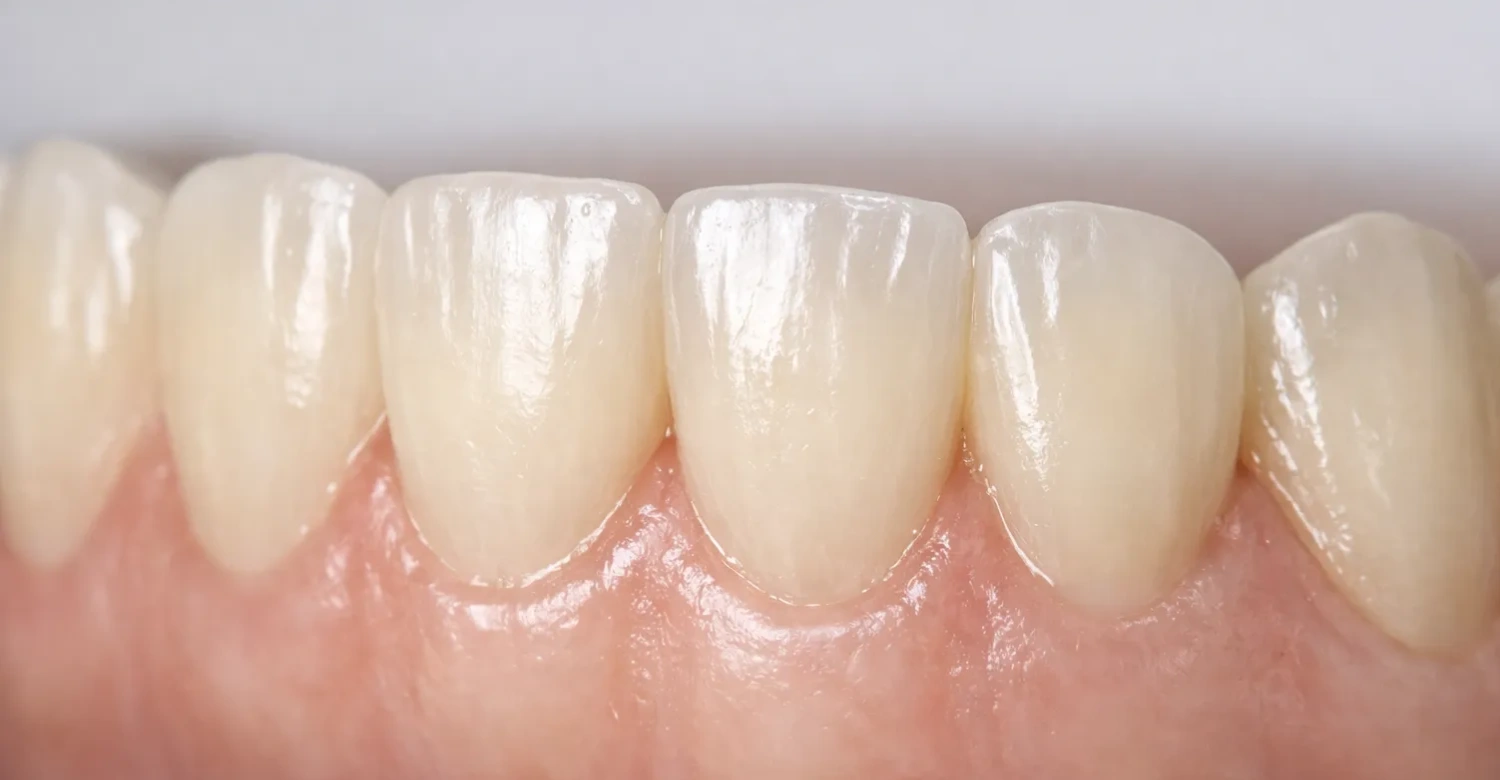
Note : All images used are for editorial and illustrative purposes only and may not originate from the original news provider or associated company.
Learn more about veneers and bad breath
Tips for Patients to Prevent Tooth Erosion
Small behavioral changes can reduce repeated acid exposure. Patients should examine what they drink, how often they consume it, and how long it contacts teeth. Recording beverage habits can reveal frequent exposures that seem insignificant individually. Medical conditions should also be considered when wear appears unexplained. Preventive dental visits allow clinicians to monitor changes objectively. At Vitrin Clinic, individualized assessment can help connect visible wear with possible dietary, medical, and mechanical factors.
Limit Frequent Acid Exposure
Frequency can matter as much as the amount consumed at one time. Repeated sipping keeps the oral environment acidic more often. Avoid carrying acidic drinks throughout the day. Choose water between meals. If acidic beverages are consumed, finish them rather than repeatedly sipping. The ADA specifically recommends reducing dietary acid exposure and avoiding behaviors that prolong contact.
Choose Tooth-Friendly Foods and Drinks
Water is a simple alternative to acidic beverages. Milk can provide calcium and phosphate while reducing reliance on acidic drinks. Unsweetened, balanced foods can also reduce frequent exposure. Patients do not necessarily need to eliminate every acidic food. Portion, frequency, and timing are important. Dietary changes should support both oral and general nutritional needs.
Avoid Brushing Immediately After Acid Exposure
Acids can temporarily soften the outer tooth surface. Brushing immediately afterward may increase mechanical wear on softened enamel. Rinsing with water is preferable immediately after acidic exposure. The ADA recommends waiting before brushing after acidic foods or beverages. A soft toothbrush and low-abrasion fluoride toothpaste are appropriate for routine care.
Maintain Fluoride-Based Oral Care
Fluoride is widely used to support enamel resistance and prevent dental caries. Some fluoride formulations may also help reduce erosive effects. Evidence varies according to fluoride compound and formulation. Patients should use age-appropriate fluoride products according to dental guidance. Professional fluoride treatments may be considered for selected patients.
Attend Regular Dental Checkups
Routine examinations can identify subtle surface changes before extensive structural loss occurs. Dentists assess tooth shape, texture, sensitivity, and wear distribution. They can also review diet, reflux, vomiting, and oral-care habits. Early identification allows preventive measures to begin sooner. Regular monitoring can show whether active wear is progressing.
Explore the connection between ADHD and gum disease
How to Stop or Slow Tooth Erosion
Lost enamel cannot simply grow back like skin. However, progression can often be slowed by controlling the underlying cause. The first step is identifying acid exposure and other contributing mechanisms. Dietary modification, reflux management, fluoride care, and protective habits may help. Restorative treatment may be considered when structural loss affects function or appearance. The ADA emphasizes prevention and reduction of continued erosive challenges before or alongside restorative management.
Can You Stop Tooth Erosion?
Progression can often be controlled when the causative exposure is identified and reduced. Existing enamel loss remains irreversible. The objective is to protect the remaining structure and prevent additional damage. Patients may need dietary changes, medical treatment, oral-care adjustments, or restorative dentistry. Success depends on controlling the underlying cause consistently. Regular monitoring helps confirm stability.
How to Stop Tooth Enamel Erosion From Progressing
Reduce frequent acidic exposure and avoid prolonged contact with acidic products. Manage reflux or recurrent vomiting with appropriate medical care. Use fluoride-based dental products as recommended. Avoid aggressive brushing after acid exposure. Maintain regular dental examinations. If mechanical wear contributes to damage, dentists may also evaluate grinding or other habits. A personalized approach is usually more effective than one isolated intervention.
Can You Get Rid of Tooth Erosion?
You cannot naturally regenerate enamel that has already been lost. However, you can often reduce ongoing damage and improve symptoms. Fluoride can support remaining enamel, while dietary changes reduce future acid challenges. Restorative dentistry can rebuild lost contours when clinically appropriate. The treatment objective depends on severity and activity. Early management can prevent minor changes from becoming more extensive.
Can a Dentist Fix Tooth Erosion?
A dentist can manage the effects of erosive wear and restore damaged structure when indicated. Treatment may range from preventive care to adhesive restorations, crowns, or other rehabilitation. The correct approach depends on remaining tooth structure and active disease. Restorative treatment should not replace prevention. Controlling acid exposure helps protect new and remaining dental surfaces.
Discover what can cause a rough roof of the mouth
Tooth Erosion Treatment
Treatment begins with diagnosis and identification of active causes. Mild cases may need prevention, monitoring, sensitivity management, and fluoride-based care. More advanced cases may require restorative dentistry. Front-tooth treatment often considers both appearance and function. Severe structural loss may require comprehensive rehabilitation. The ADA describes lifestyle and dietary changes as important components of management. Treatment should be conservative whenever sufficient healthy structure can be preserved.
Tooth Erosion Treatment Options
Options may include dietary counseling, fluoride care, sensitivity management, monitoring, bonding, composite restorations, veneers, crowns, or more extensive rehabilitation. Not every patient needs restorative treatment. Dentists first determine whether the process is active. Restorations can rebuild lost structure but do not prevent new acid damage. Treatment therefore combines prevention with appropriate restoration.
Front Tooth Erosion Treatment
Treatment for front teeth depends on structural loss, appearance, sensitivity, and progression. Minor defects may be managed conservatively. Composite bonding can sometimes restore small areas while preserving tooth structure. More extensive damage may require veneers or crowns when clinically justified. Active acid exposure should be controlled before definitive cosmetic treatment. A careful assessment helps determine the least invasive suitable option.
Treating Mild Tooth Erosion
Mild wear often emphasizes prevention rather than extensive restoration. The dentist may recommend dietary changes, fluoride care, sensitivity management, and regular monitoring. Photographs or digital records can help track changes. Patients should report increasing sensitivity or visible changes. If progression continues, treatment can be adjusted before damage becomes extensive.
Treating Severe Tooth Erosion
Severe wear requires comprehensive evaluation. Dentists assess remaining enamel, exposed dentin, bite relationships, sensitivity, function, and aesthetics. The underlying acid source must be addressed. Restorative treatment may then rebuild lost structure. Complex cases may require several treatment stages. Careful planning can help preserve remaining tooth tissue while improving function.
Restorative Options for Advanced Enamel Loss
Restorative choices may include adhesive composite, veneers, crowns, or comprehensive rehabilitation. Selection depends on tooth structure, occlusion, symptoms, and cosmetic requirements. Minimally invasive approaches are preferred when adequate structure remains. Advanced cases require careful evaluation because restoration must withstand functional forces. Long-term maintenance also depends on controlling the original acid exposure.
What We Notice Clinically
Clinicians often see patients seeking cosmetic treatment before recognizing the underlying cause of wear. This can create a problem when acid exposure remains active. A successful restorative result requires more than changing tooth appearance. Diagnosis should consider diet, reflux, vomiting, saliva, brushing habits, and mechanical wear. The distribution of surface changes can provide useful clinical clues. However, no single pattern proves one cause. At Vitrin Clinic, assessment should therefore combine clinical examination with digital diagnostic information when indicated.
Dr. Rifat Alsaman’s Clinical Opinion
Dr. Rifat Alsaman, Head of the Medical Team at Vitrin Clinic and cosmetic dentist, emphasizes cause-focused treatment planning. Erosive wear should be evaluated before selecting cosmetic or restorative procedures. The visible appearance does not always reveal the underlying cause. A patient may require dietary modification or medical assessment before definitive restoration. Preserving healthy tooth structure remains an important consideration. Digital diagnostics can support communication and treatment planning. Restorative treatment should aim to improve function and appearance while respecting remaining natural structure.
Find out why your jaw may hurt on one side when chewing
Tooth Erosion Diagnosis
Diagnosis combines clinical examination, history, and assessment of risk factors. Dentists examine surface texture, tooth shape, location, sensitivity, and progression. Dietary habits can reveal frequent exposure to acidic products. Medical history may identify reflux or vomiting. Mechanical factors such as grinding can complicate the pattern. The ADA recommends detailed history-taking and clinical examination for erosive tooth wear. Imaging may be considered when additional information is clinically necessary.
Dental Examination
A dental examination evaluates tooth surfaces for smoothness, flattening, cupping, translucency, and structural loss. Dentists also assess sensitivity and exposed dentin. The distribution of wear can provide clues about exposure patterns. A detailed history supports interpretation of clinical findings. Photographs can help document baseline appearance. Follow-up examinations can determine whether changes remain stable.
Assessing Enamel Loss and Tooth Wear
Dentists distinguish chemical erosion from attrition and abrasion. Mixed tooth wear is common, so several mechanisms may contribute simultaneously. Erosive surfaces often appear smooth or flattened. Mechanical wear may create different patterns depending on the force involved. Careful examination helps determine whether treatment should focus on prevention, restoration, or both.
Identifying Dietary and Medical Causes
Patients may be asked about soft drinks, sports drinks, fruit juices, citrus products, vinegar, reflux, vomiting, medications, and dry mouth. Frequency and timing are especially relevant. Medical conditions should be referred to appropriately when suspected. Dietary counseling can reduce unnecessary acid exposure. Identifying the cause helps prevent continued structural loss after treatment.
When X-Rays or Digital Imaging May Be Needed
Imaging is not always necessary to diagnose surface erosion. However, radiographs can help evaluate other conditions and overall tooth structure. Digital scans may document tooth shape and support treatment planning. CBCT should be used only when clinically justified. At Vitrin Clinic, digital diagnostics can support individualized restorative planning when indicated.
Tooth Erosion Before and After Treatment
Before treatment, clinicians assess active wear, tooth structure, function, and aesthetics. After treatment, the goal is to restore appropriate contours while protecting remaining structure. Photographs and digital scans can document changes. However, restorative improvement does not mean the underlying cause has disappeared. Long-term success depends on controlling continued acid exposure. Maintenance appointments help monitor both restorations and natural teeth.
What Dental Treatment Can Improve
Treatment can improve sensitivity, tooth contours, chewing function, and smile appearance. Restorations can replace lost structure when sufficient support remains. Preventive care can reduce the risk of continued progression. Outcomes depend on the severity and cause of wear. Patients should maintain recommended follow-up after restorative procedures.
Restoring the Appearance of Eroded Front Teeth
Front teeth can sometimes be restored using conservative adhesive techniques. Composite bonding may repair limited defects while preserving tooth structure. Veneers or crowns may be considered for more extensive structural loss. Treatment selection should account for occlusion and remaining enamel. Cosmetic expectations should be balanced with biological preservation.
Protecting Teeth After Restorative Treatment
Restored teeth still face the same environmental and dietary conditions. Patients should therefore maintain acid-reduction strategies after treatment. Fluoride-based oral care and regular examinations remain important. Avoiding frequent acidic drinks can help protect natural and restored surfaces. Reflux management may also remain necessary. Long-term maintenance is part of restorative treatment.
Tooth Erosion at Vitrin Clinic
At Vitrin Clinic, treatment planning can combine clinical examination with digital dentistry. The goal is to understand the extent of structural loss before selecting restorative procedures. Dietary and medical factors can also be discussed during assessment. Digital records may support communication and treatment planning. When appropriate, CBCT, digital X-rays, or intraoral scanning can provide additional information. Treatment recommendations remain individualized according to dental condition, functional needs, and aesthetic goals.
Comprehensive Dental Assessment
A comprehensive assessment reviews tooth surfaces, sensitivity, bite, gum health, and existing restorations. Medical and dietary history can reveal potential acid sources. The dentist also considers mechanical wear. This approach helps distinguish active chemical damage from previous structural loss. A personalized plan can then prioritize prevention and preservation.
Digital Diagnostic Workflow
Digital X-rays, intraoral scanning, and clinical photography can support detailed assessment. Three-dimensional scanning can document tooth contours and provide a baseline. Digital Smile Design may be relevant when cosmetic restoration is planned. CBCT is reserved for situations where three-dimensional information is clinically useful. Digital tools support planning but do not replace clinical diagnosis.
Personalized Tooth Erosion Treatment Planning
Treatment should reflect the amount of remaining tooth structure and the cause of wear. Some patients need preventive care alone. Others may need restorative dentistry after active causes are controlled. Vitrin Clinic can coordinate diagnostic findings with restorative treatment planning. The objective is to preserve healthy structure while addressing functional and aesthetic concerns.
Restorative Dental Care for Tooth Erosion at Vitrin Clinic
Restorative care should follow careful diagnosis and prevention. Depending on the case, options may include composite bonding, veneers, crowns, or comprehensive rehabilitation. Material selection depends on tooth structure, bite, aesthetics, and functional requirements. Premium zirconia or porcelain may be considered when clinically appropriate. Restorative choices should not be based solely on appearance. Long-term protection requires ongoing prevention and professional monitoring.
Restoring Damaged Tooth Structure
Restoration replaces structure that cannot naturally regenerate. Conservative adhesive techniques may preserve more natural tissue in suitable cases. Extensive structural loss can require stronger full-coverage options. Treatment planning considers occlusion and available support. The dentist should also assess whether the process is still active.
Cosmetic and Functional Treatment Options
Cosmetic treatment can improve tooth shape, symmetry, and color. Functional treatment focuses on chewing, protection, and structural stability. Some patients require both objectives simultaneously. Vitrin Clinic can use digital planning to visualize proposed changes before treatment. The final approach depends on individual clinical findings.
Long-Term Prevention and Aftercare
After restorative treatment, patients should continue reducing acidic exposures. Regular brushing with fluoride toothpaste and appropriate interdental cleaning remain important. Patients should avoid aggressive brushing after acid exposure. Reflux and vomiting should receive appropriate medical management. Follow-up appointments can identify changes before they become extensive. Long-term maintenance helps protect both restorations and natural teeth.
Conclusion About Tooth Erosion
Tooth erosion develops when acids repeatedly dissolve dental hard tissue. Dietary acids, acidic beverages, reflux, and vomiting are important potential sources. Frequent exposure can progressively reduce enamel and expose dentin. Early changes may be subtle, while advanced disease can affect sensitivity, function, and appearance. Prevention focuses on reducing acid frequency, supporting saliva, maintaining fluoride-based care, and addressing medical causes. The ADA emphasizes detailed clinical assessment and reduction of erosive challenges. Restorative dentistry can rebuild lost structure when necessary. At Vitrin Clinic, individualized digital assessment can support conservative and comprehensive treatment planning.
Reference
FAQs
Dr. Rifat Alsaman has more than 5 years of clinical experience in dentistry and currently serves as the Head of the Medical Team at Vitrin Clinic. He is dedicated to providing exceptional patient care, overseeing treatment planning, and ensuring the highest clinical standards across the team. His expertise, attention to detail, and commitment to continuous professional development have helped countless patients achieve healthier, more confident smiles.


