General Dentistry
September 22, 2026
Polyphenols and Oral Health: What Are the Benefits of Polyphenols for Teeth, Gums, and the Oral Microbiome?
 Dr. Rifat Alsaman
Polyphenolsare naturally occurring plant compounds found in many foods and beverages. Researchers study them for antioxidant, antimicrobial, and anti-inflammatory properties. These effects may influence several processes involved in oral health. Research has examined their potential relationship with dental plaque, oral bacteria, gingival inflammation, and periodontal disease. However, promising laboratory findings do not automatically establish clinical effectiveness. Human studies remain varied in design, dosage, duration, and polyphenol source. Therefore, dietary polyphenols should complement established preventive dental practices rather than replace them. A balanced diet can provide these compounds through tea, berries, vegetables, nuts, legumes, and cocoa. At Vitrin Clinic, nutrition is considered one component of broader preventive oral care. Professional examinations remain important when plaque accumulation, bleeding gums, tooth sensitivity, or persistent inflammation occurs. This article on Polyphenols and Oral Health reviews the current evidence carefully.
What Are Polyphenols?
Polyphenols are a large group of naturally occurring compounds produced by plants. They contribute to the color, taste, aroma, and protective traits of plant foods. Major groups include flavonoids, phenolic acids, stilbenes, and lignans. Their biological activity varies considerably between compounds and food sources. Researchers have investigated their antioxidant and antimicrobial properties in several areas. Oral research has examined whether these compounds influence bacterial adhesion and inflammation. However, effects seen in laboratory experiments may differ from effects after normal eating. Absorption, metabolism, concentration, and contact time can influence biological activity. Eating polyphenol-rich foods should not be seen as a direct treatment. Their potential role is better understood as part of a balanced lifestyle. Understanding Polyphenols and Oral Health begins with this basic chemistry.
What are dietary polyphenols?
Dietary polyphenols are plant compounds consumed through ordinary foods and beverages. Common sources include tea, berries, grapes, cocoa, nuts, legumes, and vegetables. Their concentration differs according to plant variety, maturity, and preparation. Flavonoids represent one major polyphenol family found across many foods. Catechins are particularly prominent in green tea. Anthocyanins contribute color to many berries and other deeply colored plants. Other compounds occur in cocoa, coffee, herbs, vegetables, and whole grains. Researchers examine these substances because they may interact with microorganisms. However, dietary exposure is usually lower than laboratory concentrations. Food sources also contain fiber, vitamins, minerals, and other compounds. A varied diet provides broader nutritional value than isolated extracts. This dietary picture underlies most discussions of Polyphenols and Oral Health research today.
Where are polyphenols found?
Polyphenols occur naturally throughout the plant-based food supply. Green and black teas provide catechins and other tea-associated compounds. Berries contain anthocyanins and several other phenolic substances. Cocoa contains flavanols, while grapes provide resveratrol and other flavonoids. Nuts, legumes, vegetables, herbs, and some fruits also contribute polyphenols. Coffee is another major dietary source for many adults. Preparation can influence the amount available in the final food. Brewing conditions, for example, affect compounds extracted from tea. Dietary patterns matter because overall intake depends on frequency and portion. Choosing varied plant foods can increase exposure to different compounds. Patients should avoid viewing one food as a substitute for hygiene. These sources form the basis of most Polyphenols and Oral Health discussions.
Why are polyphenols studied for oral health?
Researchers study these compounds because laboratory experiments show several relevant activities. Some polyphenols can interfere with bacterial growth, adhesion, or biofilm processes. Others have shown effects on inflammatory signaling and oxidative pathways. These mechanisms matter because plaque and periodontal inflammation involve complex interactions. A 2019 systematic review identified antibacterial and immunomodulatory findings in laboratory research. However, the review emphasized substantial heterogeneity among the included studies. Human clinical evidence remains less consistent than laboratory evidence. This distinction is important when discussing possible benefits for patients. Scientific interest does not mean established therapeutic effectiveness. At Vitrin Clinic, nutritional strategies remain supportive measures alongside diagnosis and treatment. Such mechanisms explain continued scientific interest in Polyphenols and Oral Health overall. This is the scientific foundation of ongoing Polyphenols and Oral Health research.
Discover the connection between sugar and bacteria
How Do Polyphenols Affect Oral Health?
The biological effects of these compounds depend on structure and concentration. Different compounds can interact with oral tissues through different mechanisms. Laboratory research suggests possible effects on bacterial enzymes and adhesion. Some studies also investigate interactions with dental biofilm formation directly. However, laboratory concentrations may exceed levels achieved through normal diet. Metabolism can further change the compounds after they are consumed. Laboratory findings should therefore not be interpreted as clinical proof. Human studies provide more relevant evidence but remain relatively limited. The strongest practical approach is maintaining proven preventive habits daily. These habits include fluoride toothpaste, interdental cleaning, and regular examinations.
How polyphenols interact with oral tissues
Oral tissues are exposed to compounds through food, beverages, and saliva. Some plant compounds may interact with proteins, enzymes, and microbial surfaces. Their activity can therefore differ according to compound and exposure method. Laboratory experiments have reported effects on bacterial adhesion and signaling. Some studies also investigate antioxidant activity in saliva and gum tissue. However, the oral environment continuously changes through saliva flow and swallowing. These factors can reduce or modify the actual exposure level. Biological activity seen under controlled conditions may not occur clinically. Research continues to determine which compounds have meaningful oral effects. These interactions form a core part of ongoing Polyphenols and Oral Health science.
Polyphenols and oral bacteria
Oral bacteria form complex communities rather than existing as isolated organisms. Some species contribute to healthy balance, while others favor disease-associated biofilms. Laboratory studies suggest that selected compounds may interfere with bacterial growth. Research involving periodontal pathogens has produced particularly interesting findings recently. A systematic review identified antibacterial effects involving growth, adhesion, and enzymes. However, much of this evidence came from controlled laboratory studies only. Clinical outcomes depend on many additional factors beyond bacterial exposure. Dietary intake should therefore not be described as antimicrobial treatment. Maintaining mechanical plaque removal remains essential for controlling bacterial biofilm daily. This bacterial research remains central to Polyphenols and Oral Health studies.
Polyphenols and inflammation in the mouth
Inflammation plays an important role in gingivitis and periodontal disease. The immune response helps control microorganisms but can also damage tissue. Laboratory research suggests that some plant compounds influence inflammatory signaling pathways. Certain studies report changes involving cytokine production and other mediators. These findings provide a biological rationale for further clinical investigation. However, laboratory activity does not prove that eating treats gum inflammation. Clinical periodontal disease requires assessment of plaque, pocketing, and bleeding. Patients with persistent gum inflammation should therefore receive professional evaluation. Nutritional improvements can support general health while treatment addresses local disease.
Polyphenols and oxidative stress
Oxidative stress occurs when reactive molecules exceed the body's antioxidant defenses. Periodontal inflammation can involve oxidative processes that interact with tissue responses. Researchers therefore investigate plant antioxidants as potential supportive agents. Some studies report increased antioxidant capacity after specific dietary interventions. Clinical research, for example, has examined green tea alongside periodontal treatment. Results have suggested potential changes in antioxidant measures and indicators. However, findings differ across studies, and measurements do not equal outcomes. A balanced diet provides many antioxidant compounds rather than one substance. Patients should focus on overall nutritional quality rather than a single ingredient. Oxidative research remains one branch of Polyphenols and Oral Health science.
Clinical Note: Antioxidant activity and oral health
Antioxidant activity is biologically interesting, but should not be confused with treatment. Oral diseases involve microorganisms, inflammation, behavior, anatomy, and systemic factors. A compound with antioxidant activity does not automatically prevent periodontal disease. Clinical evidence requires appropriate human trials measuring meaningful dental outcomes directly. Research on plant compounds remains promising but genuinely heterogeneous overall. This distinction matters when patients consider supplements or concentrated extracts. At Vitrin Clinic, preventive recommendations stay grounded in examination findings. Dietary choices can support general wellness, but professional care remains necessary. Polyphenols and Oral Health research must always separate mechanisms from proven benefits.
Learn why your teeth may feel tight
Benefits of Polyphenols for Teeth and Gums
Research suggests several possible mechanisms connecting plant compounds with oral health. These include effects on bacterial adhesion, biofilm, inflammation, and oxidative processes. Some clinical studies involving green tea have reported improved periodontal measurements. However, systematic reviews have reached cautious conclusions because methods vary widely. One meta-analysis included 18 clinical studies involving 870 total participants. The authors reported encouraging findings but concluded evidence was insufficient overall. This illustrates an important distinction between potential benefit and established therapy. Polyphenol-rich foods can be included within a balanced diet plan. They should not replace brushing, interdental cleaning, fluoride, or periodontal treatment. These findings anchor much of the current Polyphenols and Oral Health discussion.
Polyphenols and gum health
Healthy gums depend on effective plaque control and appropriate host responses. Research suggests that certain plant compounds may influence bacterial activity. Green tea has received considerable attention because it contains catechins, including EGCG. Clinical trials have investigated green tea as an adjunct to treatment. Some studies reported improvements in bleeding, probing depth, or gum measurements. However, systematic reviews describe the overall evidence as limited certainty. Differences in preparation, dose, and delivery method make comparisons difficult. Patients should not consider tea consumption a replacement for periodontal therapy. Gum health at Vitrin Clinic is assessed through clinical examination methods. Gum-focused findings remain central to Polyphenols and Oral Health research today.
Polyphenols and dental plaque
Dental plaque is a structured microbial biofilm that develops on tooth surfaces. Its accumulation is strongly associated with gingivitis and contributes to caries. Laboratory studies indicate that some compounds may influence bacterial adhesion. A 2023 systematic review evaluated polyphenols for dental biofilm prevention specifically. Only six studies met the review's strict inclusion criteria overall. Five studies contributed to meta-analysis, but substantial heterogeneity was observed. The authors found a reduction in plaque without statistically significant clinical evidence. This finding highlights the need for larger and better-designed trials. Mechanical plaque removal remains the foundation of daily biofilm control. Plaque research remains one pillar of Polyphenols and Oral Health science.
Polyphenols and tooth decay
Dental caries develop through interactions between plaque, sugar, saliva, and time. Certain bacteria can produce acids that lower plaque pH locally. Laboratory research has investigated whether compounds influence cariogenic bacteria's metabolic activity. Some polyphenols have shown effects against organisms associated with caries development. However, laboratory antimicrobial activity does not establish everyday clinical prevention. Fluoride remains a central evidence-based measure for reducing caries risk. Limiting frequent sugar exposure also matters for long-term dental health. Saliva, hygiene, and individual susceptibility influence overall caries risk. Polyphenol-rich foods can be part of a balanced diet plan.
Polyphenols and periodontal health
Periodontal disease involves microbial biofilms and an inflammatory host response system. Advanced disease can involve pocketing, attachment loss, and bone destruction. Researchers investigate plant compounds for their antimicrobial and immunomodulatory properties. A systematic review identified 38 relevant studies involving several evidence types. The authors reported promising findings but highlighted substantial research heterogeneity overall. This limits firm conclusions regarding real clinical application today. Green tea has also been examined as an adjunct treatment. Some trials report improvements, while other reviews describe low certainty. Patients with bleeding, swelling, or recession should receive professional evaluation.
Potential benefits for maintaining healthy gums
Potential benefits may involve several biological pathways rather than one effect. Plant compounds may interact with adhesion, inflammation, and oxidative processes. Their dietary sources can also contribute to a nutrient-rich eating pattern. However, evidence does not establish that these compounds alone prevent disease. Gum health depends heavily on plaque control, smoking, and diabetes management. Individual risk therefore varies considerably between different patients over time. A healthy diet can support general health while hygiene controls biofilm. At Vitrin Clinic, preventive recommendations are tailored to clinical findings directly. Nutrition should be viewed as supportive rather than curative treatment. These pathways illustrate why Polyphenols and Oral Health remains an active field.
Find out why teeth can hurt when you have the flu
Polyphenols and the Oral Microbiome
The oral microbiome contains hundreds of microbial species interacting constantly with the host. Health depends partly on ecological balance rather than eliminating microorganisms entirely. Researchers therefore study whether dietary compounds can influence microbial communities safely. Polyphenols may interact with bacterial enzymes, cell surfaces, and biofilm structures. Some laboratory findings suggest selective antimicrobial effects against harmful species. However, translating these findings into predictable human changes remains difficult. Diet, saliva, hygiene, medications, age, and disease status all matter. More research is needed to determine clinically meaningful microbiome changes. Current evidence supports interest but not a standardized treatment approach.
What is the oral microbiome?
The oral microbiome is the community of microorganisms living throughout the mouth. It includes bacteria, fungi, viruses, and other microbial organisms present. These communities occupy different environments, including the tongue, teeth, and gums. A healthy oral ecosystem can coexist with the host without causing disease. Problems may develop when conditions favor disease-associated bacterial communities instead. Frequent sugar exposure and inadequate plaque control can influence this environment. Researchers increasingly study the microbiome because diseases involve ecological changes broadly. Dietary compounds may influence microbial behavior, but effects remain complex. Maintaining good hygiene supports a healthier microbial environment overall. Microbiome findings are increasingly relevant to Polyphenols and Oral Health research.
How dietary polyphenols may influence oral bacteria
Dietary compounds can reach the oral cavity before being swallowed. Some may interact directly with microorganisms during chewing or drinking. Laboratory studies suggest potential effects on bacterial growth and adhesion. However, actual exposure depends on food composition, saliva, and chewing time. Metabolism may also change compounds significantly after they are ingested. This means laboratory concentrations cannot automatically predict real dietary effects. Different polyphenols can behave differently, even from similar food sources. Clinical research therefore needs standardized interventions and meaningful oral outcomes. The practical approach for patients remains straightforward and simple overall.
Polyphenols and the balance of oral microorganisms
The goal of modern microbiome research is not eliminating bacteria entirely. Healthy microbial communities perform important ecological functions within the mouth. Broad antimicrobial activity could affect beneficial organisms alongside harmful species. Researchers therefore examine whether compounds influence microbial balance in a selective way. Polyphenols may affect adhesion and metabolic activity, but evidence remains insufficient. Oral microbial communities also respond to pH, oxygen, and host immunity. These factors make individual responses genuinely difficult to predict accurately. Patients should avoid self-treating oral conditions using concentrated plant extracts. Professional diagnosis remains important when microbial imbalance contributes to disease. This balance is a growing focus within Polyphenols and Oral Health studies.
What current research suggests about the oral microbiome
Current research supports further investigation into dietary compounds and microbial ecology. Laboratory evidence provides several plausible mechanisms, including effects on adhesion. Clinical evidence, however, is considerably less developed than laboratory evidence. A systematic review of polyphenols and dental biofilm found six eligible studies. The review reported substantial heterogeneity and no clear supporting clinical evidence. This suggests promising mechanisms have not yet translated into standardized therapy. Future studies need larger groups, standardized preparations, and longer follow-up periods. Until then, patients should view polyphenols as nutritional components only.
Explore the process of chewing step by step
Green Tea Polyphenols and Oral Health
Green tea is one of the most extensively studied dietary sources. It contains catechins such as epigallocatechin gallate and other compounds. Researchers have examined green tea consumption, mouthwashes, extracts, and delivery systems. Studies have investigated plaque, gingival inflammation, periodontal pockets, and bacterial activity. A systematic review and meta-analysis included 18 studies involving 870 participants. The findings were encouraging for several periodontal measures overall. However, the authors concluded evidence was insufficient for first-choice treatment. Another review found very low certainty for outcomes involving periodontal therapy. Green tea should therefore not replace professional periodontal care ever.
Green tea polyphenols and oral health
Green tea contains several catechins with meaningful biological activity documented. EGCG is particularly prominent within current scientific research literature. Laboratory studies suggest possible antimicrobial, antioxidant, and anti-inflammatory effects together. Clinical studies have investigated both drinking green tea and applying extracts. Results have varied depending on preparation and treatment protocol used. A randomized clinical trial involving 30 patients reported improvements after treatment. However, small trials have important limitations that affect generalizability significantly. Larger evidence reviews provide a more cautious interpretation of results. Green tea remains best considered a dietary option currently, not therapy.
Tea polyphenols for gum health
Tea compounds may influence gingival inflammation through several possible pathways. Laboratory research has examined bacterial growth and inflammatory signaling closely. Clinical trials have investigated green tea as an adjunct treatment. Some studies reported reductions in bleeding or probing measurements. However, systematic reviews have identified low certainty for several outcomes. This uncertainty reflects differences in formulations, doses, and study duration. Drinking unsweetened tea can fit within a balanced dietary pattern. Adding sugar frequently can increase caries risk and offset benefits. Patients with gum disease should continue professional treatment regardless of tea.
Green tea and dental plaque
Green tea has been investigated for possible effects on plaque formation. Some studies examine catechin-containing mouthwashes or topical preparations directly. Results suggest potential plaque-related activity, but clinical evidence remains inconsistent overall. A systematic review found polyphenol interventions reduced plaque compared with controls. Strong heterogeneity was also reported across the included studies. This means results cannot currently support routine use as a substitute. Mechanical plaque disruption remains fundamental because mature biofilms are structurally complex. Green tea can be consumed without added sugar as part of a diet.
Green tea polyphenols and oral bacteria
Green tea catechins have demonstrated antimicrobial activity in laboratory studies. Researchers have investigated their effects on bacteria associated with disease. Some findings suggest interference with bacterial enzymes, adhesion, or growth patterns. However, effects observed under laboratory conditions may not occur similarly. Saliva dilution and short exposure times can reduce direct contact. Concentrated preparations create different exposure conditions requiring careful safety assessment. Evidence should distinguish drinking tea from therapeutic extracts or mouthwashes. At Vitrin Clinic, patients are encouraged to use evidence-based hygiene primarily.
Clinical Note: What research says about green tea and periodontal health
Research on green tea and periodontal health is promising but inconclusive. A 2021 meta-analysis included 18 studies involving 870 total participants. Several periodontal indicators showed potentially favorable effects in the analysis. Nevertheless, the authors concluded evidence was insufficient for first-choice treatment. Another systematic review found very low certainty for several outcomes. These findings demonstrate why clinical context matters so much here. Green tea may have supportive biological effects without replacing periodontal therapy. Patients with established disease still require appropriate diagnosis and treatment. This remains a central theme within Polyphenols and Oral Health literature.
Learn how thumb sucking can affect teeth
Polyphenol-Rich Foods for Healthy Teeth
A varied diet can provide numerous plant compounds alongside other nutrients. Tea, berries, cocoa, nuts, legumes, and vegetables can contribute polyphenols. However, oral health depends on the entire dietary pattern overall. Frequent sugar intake remains important for caries risk regardless of content. Acidic beverages can also contribute meaningfully to enamel erosion. A food should therefore not be considered automatically tooth-friendly simply because it contains polyphenols. Preparation matters as well throughout the diet. Unsweetened tea differs considerably from sweetened bottled tea products. Dark chocolate differs substantially from high-sugar confectionery products.
Green tea and other teas
Tea provides a practical dietary source of plant compounds generally. Green tea is especially studied because of its catechin content. Black tea also contains polyphenolic compounds, although processing changes composition. Unsweetened tea avoids the added sugars found in many beverages. However, tea can still contribute to tooth staining in some people. Very hot beverages may also irritate oral tissues when consumed excessively. The overall dietary pattern remains more important than any single drink. Patients should maintain fluoride exposure regardless of their tea consumption habits.
Berries and colorful fruits
Berries contain anthocyanins and other beneficial plant compounds naturally. They can contribute antioxidants, fiber, vitamins, and minerals to the diet. Whole fruit is generally preferable to frequent fruit juice consumption. However, fruit still contains naturally occurring sugars and acids present. Frequent acidic exposure may contribute to enamel erosion in susceptible people. Portion size and frequency therefore matter considerably for dental health. Rinsing with water after acidic foods can help clear residual acids. A balanced diet can include berries without treating them as medicine.
Cocoa and dark chocolate
Cocoa contains flavanols and other polyphenolic compounds naturally present. Dark chocolate generally contains more cocoa than milk chocolate products. Added sugar remains relevant to overall dental health outcomes. Frequent consumption of sugary chocolate can increase caries risk significantly. Cocoa's polyphenol content does not automatically make every product beneficial. Portion size and frequency should be considered carefully by patients. Unsweetened cocoa and minimally sweetened products may offer better profiles. Patients should still clean their teeth regularly after dietary exposure.
Nuts, vegetables, and legumes
Nuts, vegetables, and legumes provide diverse nutrients and plant compounds. Many also contribute fiber and minerals that support nutritional quality. Their textures may stimulate chewing and saliva flow somewhat. Plain nuts generally contain less fermentable carbohydrate than sugary snacks. Vegetables can also replace highly processed snack foods within diets. Preparation matters because sauces and coatings may introduce added sugars. Individuals with dental restorations should also consider hardness and chewing comfort. A varied plant-rich diet can support general health effectively overall.
How to include polyphenol-rich foods in a balanced diet
The simplest approach is dietary variety rather than focusing on one compound. Choose unsweetened tea, whole fruits, vegetables, nuts, and other minimally processed foods. Limit frequent sugary snacks and sweetened drinks throughout the week. Water can be the main beverage consumed between meals daily. Meals should provide adequate protein, fiber, minerals, and other nutrients. Oral hygiene should continue after any dietary improvements are made. Patients with specific requirements may need individualized dietary guidance instead. Polyphenol-rich foods should complement comprehensive health habits, not replace them.
Discover what can cause a tight jaw
Polyphenols for Preventing Gum Disease: What Does the Evidence Show?
Research suggests several mechanisms that could make plant compounds relevant here. These include effects on adhesion, inflammation, oxidative stress, and microbial enzymes. Laboratory studies provide much of the available mechanistic evidence today. Human studies are fewer in number and show variable outcomes. A systematic review identified 38 studies examining antimicrobial and immunomodulatory effects. The authors noted promising findings but emphasized considerable study heterogeneity. Green tea trials have also reported improvements in selected measurements. However, evidence reviews have frequently rated certainty as low overall. Prevention still depends primarily on plaque control and regular dental care. This evidence base shapes ongoing Polyphenols and Oral Health guidance.
Can polyphenols reduce factors associated with gum disease?
Some laboratory studies suggest effects on bacterial growth, adhesion, and signaling. These mechanisms could theoretically influence factors involved in gum disease. However, disease development depends on many variables beyond bacterial exposure alone. Smoking, diabetes, hygiene, genetics, medication, and anatomy can influence risk. Clinical evidence therefore needs to account for these many factors. Current studies do not justify recommending polyphenols as standalone prevention. A varied diet may support general health while measures address plaque. Patients should seek dental assessment when bleeding or swelling persists.
Polyphenols and inflammation associated with periodontal disease
Periodontal inflammation results from interactions between microorganisms and immune response. Researchers have investigated whether plant compounds influence inflammatory mediators directly. Some experimental studies report reduced pro-inflammatory signaling under controlled conditions. Animal and laboratory findings provide useful biological hypotheses for researchers. Human evidence, however, remains considerably more limited than laboratory evidence. Clinical outcomes require measurements such as bleeding, probing depth, and attachment. Changes in laboratory biomarkers alone do not prove disease prevention. Patients should not use antioxidant supplements as substitutes for treatment.
What laboratory and clinical studies show
Laboratory studies generally provide stronger evidence for mechanisms than outcomes. Researchers have demonstrated antimicrobial and immunomodulatory activity for compounds. Clinical studies are considerably more variable in their design and results. A systematic review of periodontal applications found 38 relevant studies. Green tea studies have produced mixed but sometimes encouraging clinical findings. Another systematic review found insufficient evidence to recommend green tea. This pattern indicates scientific potential without established clinical replacement therapy. Future research needs standardized formulations, appropriate doses, and larger samples.
Can polyphenols replace conventional periodontal care?
Current evidence does not support replacing conventional care with dietary compounds. Mechanical plaque removal remains central to prevention and treatment. Periodontal therapy may include debridement, scaling, root planing, and other interventions. Advanced disease may require additional periodontal procedures beyond routine cleaning. Dietary improvements can support general health but cannot remove calculus physically. They also cannot restore lost periodontal attachment or bone tissue. Patients should therefore consider nutritional strategies complementary, not primary. At Vitrin Clinic, treatment recommendations depend on individual clinical findings.
Dr. Rifat Alsaman's Clinical Perspective on Polyphenols and Gum Health
Dr. Rifat Alsaman, Head of the Medical Team at Vitrin Clinic, emphasizes evidence-based care. Dietary choices can contribute to overall wellness and healthy habits. However, they cannot replace plaque removal or professional periodontal assessment. Bleeding gums should not automatically be attributed to nutritional factors alone. Persistent bleeding may indicate gingivitis or established periodontal disease instead. A clinical examination can identify plaque, calculus, pocketing, and recession. Patients should treat nutrition as one part of preventive care. A balanced diet can complement dentistry within an individualized plan.
Read more about tingling of the mouth
Polyphenols and Dental Plaque
Dental plaque begins developing when microorganisms attach to oral surfaces. Salivary proteins create an acquired pellicle that facilitates microbial attachment. Over time, communities become more organized and structurally complex. Without adequate removal, mature biofilm can contribute to gingivitis and caries. Researchers study plant compounds because some may interfere with adhesion. A systematic review found potential reductions in plaque but insufficient evidence. Mechanical disruption therefore remains essential for daily oral care routines. Toothbrushing and interdental cleaning directly address biofilm accumulation effectively. Professional hygiene can remove calculus that ordinary brushing cannot reach.
How dental plaque develops
Plaque development begins shortly after tooth surfaces are cleaned thoroughly. Salivary proteins rapidly form a thin pellicle over enamel surfaces. Early bacteria attach to this surface and create favorable conditions. The resulting community produces extracellular materials that strengthen biofilm structure. With continued accumulation, the microbial environment changes considerably over time. This can increase inflammatory stimulation around the gum tissue. Acid-producing bacteria can also contribute to enamel demineralization under conditions. Regular brushing interrupts this process before mature biofilm becomes established. Professional dental cleaning becomes important when mineralized deposits develop.
How polyphenols may interact with plaque-forming bacteria
Laboratory studies suggest that certain compounds may influence bacterial adhesion. Some compounds can interact with microbial proteins or cell surfaces. These findings provide possible explanations for reduced biofilm under experiments. However, the mouth is considerably more complex than a laboratory system. Saliva, food, competing microorganisms, and fluid movement influence exposure levels. Dietary concentrations may also be lower than experimental concentrations used. Potential antimicrobial activity should not be equated with clinical control. Daily mechanical removal remains more reliable and directly applicable practically.
Polyphenols and bacterial adhesion
Bacterial adhesion is an important early stage of biofilm formation. Some experimental research suggests plant compounds can interfere with adhesion. Polyphenols may interact with bacterial proteins, enzymes, or surface structures. These effects vary considerably among different compounds and organisms studied. Clinical relevance remains uncertain because oral exposure differs from laboratory conditions. Concentration and contact time can strongly influence experimental results. Researchers therefore continue investigating topical preparations and delivery systems actively. These compounds should be considered experimental rather than replacements for hygiene.
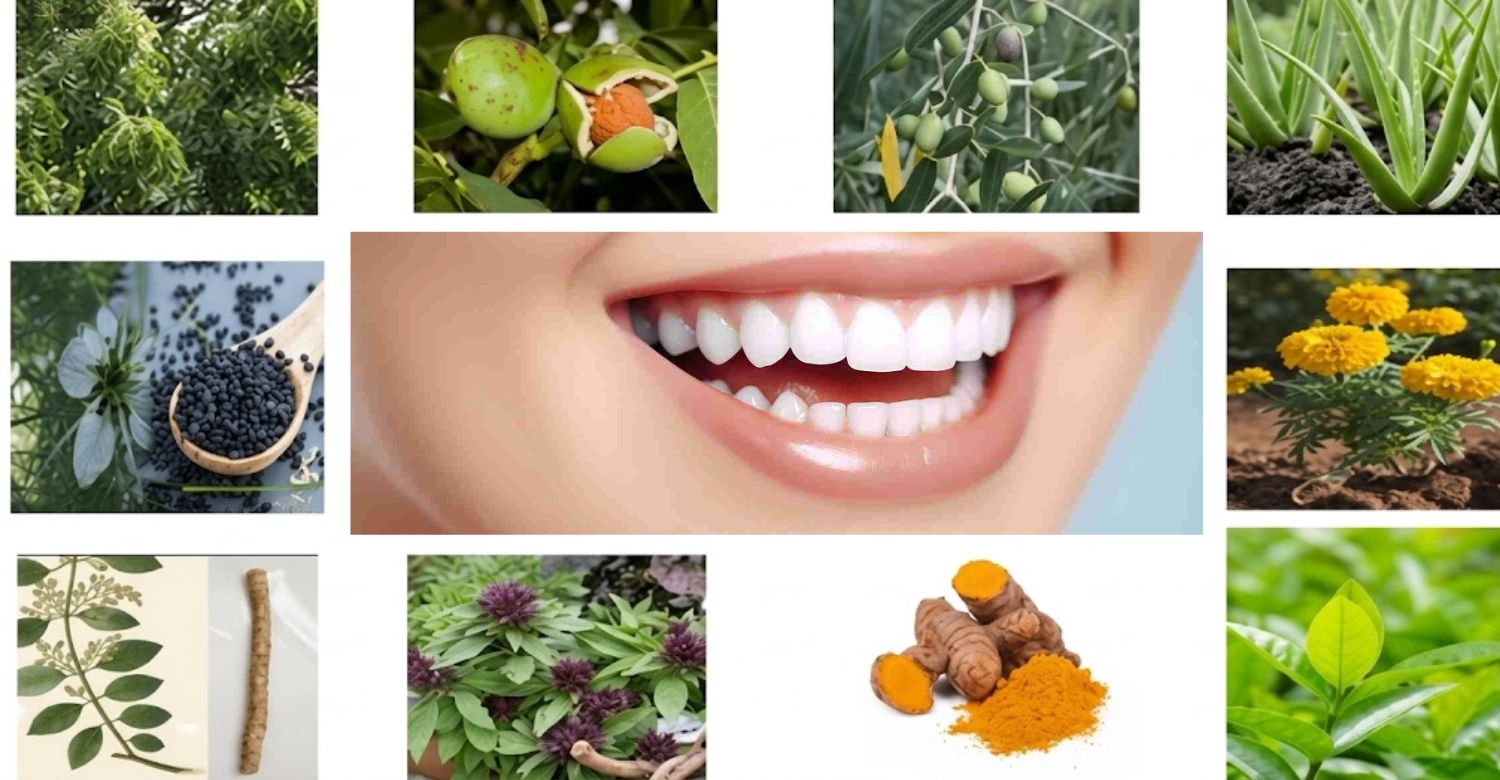
Note : All images used are for editorial and illustrative purposes only and may not originate from the original news provider or associated company.
Can polyphenols reduce plaque buildup?
Some clinical studies suggest possible reductions in plaque with interventions. However, the overall evidence remains genuinely inconsistent across different trials. A 2023 systematic review included only six eligible clinical studies total. Five contributed to quantitative analysis, and strong heterogeneity was observed. The authors concluded that clear clinical evidence was still lacking. This means patients should not depend on polyphenols to control plaque. Brushing with fluoride toothpaste and cleaning between teeth remain essential. Dietary improvements may complement these measures without ever replacing them.
Explore the connection between tinnitus and teeth
Polyphenols and Tooth Decay
Dental caries is a multifactorial disease involving biofilm, carbohydrates, and time. Acid production by plaque microorganisms can lower local pH significantly. Repeated acid exposure can shift the balance toward enamel mineral loss. Researchers investigate plant compounds because some may influence cariogenic bacteria. Laboratory findings have shown potentially relevant antimicrobial activity for compounds. However, clinical prevention requires evidence from well-designed human studies. Fluoride remains a central preventive measure because it aids remineralization. Limiting frequent free-sugar exposure is also genuinely important for prevention.
How oral bacteria contribute to tooth decay
Caries-associated microorganisms metabolize fermentable carbohydrates and produce organic acids. Repeated acidification of dental plaque can lower pH near surfaces. When pH falls sufficiently, mineral loss can exceed natural remineralization processes. Saliva provides buffering and mineral ions that support recovery between challenges. Frequent snacking can reduce the time available for remineralization significantly. Fluoride helps shift the balance toward remineralization and reduces dissolution. Effective plaque control also limits overall bacterial biomass considerably. Dietary polyphenols may have laboratory effects, but do not replace measures.
Polyphenols and cariogenic bacteria
Researchers have investigated compounds from tea, cocoa, berries, and other plants. Laboratory experiments may demonstrate reduced growth, adhesion, or enzyme activity. These findings provide useful mechanistic information for future research direction. However, concentrations used experimentally can differ greatly from dietary exposure. Human clinical outcomes are therefore necessary before recommending therapeutic use. Patients should not assume polyphenol-rich foods neutralize frequent sugar consumption. Overall dietary frequency remains highly relevant to caries risk assessment. Fluoride exposure and regular dental care remain genuinely foundational practices.
Polyphenols and acid production in the mouth
Some oral bacteria produce acids when fermenting available carbohydrates. Acid production contributes to the chemical environment associated with demineralization. Laboratory research has explored whether compounds affect bacterial metabolism directly. Results vary according to the compound and bacterial species studied. Normal dietary exposure may also be insufficient to reproduce concentrations. These findings should therefore be viewed as genuinely preliminary currently. Limiting frequent sugar intake remains a practical way to reduce challenges. Fluoride toothpaste further supports enamel resistance and remineralization processes.
Can polyphenols help protect teeth from decay?
Potential protective mechanisms have been proposed, particularly involving bacterial activity. However, clinical evidence is not strong enough for standalone recommendation. Tooth decay prevention requires multiple strategies working together effectively today. These include fluoride exposure, plaque control, and appropriate dental examinations regularly. Patients with high caries risk may require additional professional interventions. Polyphenol-rich foods can fit within a balanced diet plan. Their presence should not be interpreted as proof of protection.
Learn about tongue function and oral health
Polyphenols and Inflammation in the Mouth
Inflammation is a central feature of many common oral diseases. Gingivitis occurs when gum tissues respond to accumulated dental biofilm. If susceptible individuals develop persistent inflammation, periodontal destruction can occur. Researchers investigate plant compounds because some show anti-inflammatory effects experimentally. Potential mechanisms include changes in cytokine signaling and oxidative pathways. However, inflammation is only one component of periodontal disease overall. Removing dental biofilm and calculus remains genuinely essential for treatment. Patients should avoid interpreting anti-inflammatory claims as substitutes for treatment. Inflammation remains a key theme in Polyphenols and Oral Health research.
Why inflammation matters for oral health
Inflammation helps the body respond to microbial challenges effectively. In gingivitis, the inflammatory response is associated with plaque accumulation. Persistent inflammation can become clinically significant, particularly as periodontal disease develops. Swelling, redness, bleeding, and changes in gum contours can occur. Periodontal disease may additionally involve attachment and bone loss. Early professional intervention can reduce disease progression significantly over time. Nutrition can influence general inflammatory status, but local control remains essential. Patients with repeated bleeding should not rely on diet alone.
Polyphenols and inflammatory pathways
Experimental research suggests that some plant compounds may influence mediators. Certain studies report changes in cytokine production and signaling pathways. These effects provide potential mechanisms for future oral-health applications eventually. However, concentration and delivery methods strongly influence biological activity observed. Dietary consumption may not reproduce effects seen with concentrated preparations. Clinical research therefore needs standardized interventions and measurable outcomes overall. Anti-inflammatory claims should remain appropriately cautious until stronger evidence develops. Patients should focus on established prevention while maintaining nutrient-rich diets.
Polyphenols and gum inflammation
Gum inflammation is commonly associated with dental plaque accumulation. Some clinical research involving green tea has reported improved indicators. However, study quality and certainty vary considerably across the literature. Systematic reviews have identified encouraging findings alongside important limitations overall. The effect may also depend on whether compounds are consumed or applied. These differences make broad dietary recommendations genuinely difficult for clinicians. Patients with gingival inflammation should prioritize effective plaque removal first. Persistent symptoms require professional assessment to identify underlying causes.
The connection between inflammation and periodontal health
Periodontal disease involves interactions among microorganisms, immunity, and environmental factors. Persistent inflammation can contribute to connective tissue and bone destruction. Smoking, diabetes, inadequate plaque control, and other factors can modify risk. Nutritional status may also influence overall health and immune function. However, no single dietary compound prevents periodontal disease independently today. Professional periodontal treatment addresses bacterial deposits and disease progression directly. Dietary improvements can support the broader health environment meaningfully.
Discover how tongue thrust can affect oral development
What We Notice Clinically
Oral health rarely depends on one single dietary factor alone. Patients can consume nutrient-rich foods while still developing dental disease. Clinical outcomes depend on plaque control, anatomy, saliva, and professional care. Dietary patterns can support overall health but cannot remove calculus. This distinction is important when evaluating natural oral-health claims carefully. At Vitrin Clinic, clinicians consider individual findings before recommending treatment plans. Digital diagnostics may help identify structural, periodontal, and restorative concerns. Preventive advice is then integrated with the patient's clinical needs.
Oral Health Factors That Matter Beyond Diet
Daily plaque control is one of the most important modifiable factors. Fluoride exposure is also important for effective caries prevention. Smoking can significantly affect periodontal health and healing capacity. Diabetes and other systemic conditions may influence periodontal risk considerably. Medications can alter saliva production and increase caries susceptibility. Bruxism, oral habits, and diet can also affect individual outcomes. These factors demonstrate why nutrition should not be isolated care.
Why professional assessment is still important
Some dental problems remain unnoticed until they become genuinely advanced. Periodontal disease can progress with limited discomfort for patients. Early caries may also produce few noticeable symptoms initially. Professional examinations can identify plaque, calculus, and structural problems reliably. Radiographic imaging may be appropriate when deeper structures need evaluation. At Vitrin Clinic, digital diagnostic tools support treatment planning when indicated. Dietary improvements cannot replace these thorough clinical assessments. Regular examinations allow preventive care to remain proactive, not reactive.
Dr. Rifat Alsaman's Clinical Perspective
Dr. Rifat Alsaman encourages patients to view nutrition as one part of a bigger picture. Diet alone cannot diagnose or resolve dental disease. Clinical findings guide every treatment recommendation made at Vitrin Clinic. Patients benefit most when nutrition supports, rather than replaces, professional care. Persistent symptoms always warrant a proper clinical evaluation first. This perspective shapes how the clinic approaches everyday preventive guidance.
At Vitrin Clinic: Supporting Long-Term Oral Health
Vitrin Clinic approaches oral health through individualized assessment and digital planning. Preventive care begins with understanding the patient's current dental condition. Clinical findings can determine whether treatment focuses on hygiene or restoration. Digital diagnostic technologies can support detailed evaluation when clinically appropriate. Nutrition can then be discussed as part of broader lifestyle guidance. Patients should understand that dietary compounds cannot correct established disease. Long-term oral health depends on consistent home care and follow-up.
Comprehensive oral examination and digital diagnostics
A comprehensive examination can identify concerns involving teeth, gums, and structures. Depending on needs, clinicians may use digital X-rays or CBCT imaging. These technologies can provide additional information when examination alone is insufficient. Digital records can also support treatment planning and patient communication. The appropriate diagnostic method depends entirely on the clinical question asked. Imaging should never be performed unnecessarily or without clear indication. At Vitrin Clinic, diagnostic decisions are based on individual treatment requirements.
Identifying plaque, gum, and periodontal concerns
Plaque and gingival inflammation can often be identified through examination. Periodontal assessment may include bleeding measurements, probing depths, and mobility. Calculus may also require professional removal beyond home brushing. Early identification allows clinicians to address problems before advancement occurs. Patients should report persistent bleeding, swelling, or bad breath promptly. These symptoms should never be managed through diet alone effectively. Professional evaluation can clarify the underlying cause of symptoms.
Personalized treatment planning
Treatment planning should reflect the patient's diagnosis, goals, and risk factors. Some patients may require preventive hygiene and ongoing monitoring only. Others may need restorative, periodontal, orthodontic, or implant-related treatment instead. Digital diagnostics can support communication and appropriate treatment sequencing. Nutritional habits can be considered within the broader preventive plan. However, dietary recommendations should remain realistic and firmly evidence-based. At Vitrin Clinic, treatment planning is individualized rather than universal.
Clinical Note: Nutrition supports oral health but does not replace treatment
A healthy diet supports general wellbeing and good oral-health habits. However, nutrition cannot remove hardened calculus or restore damaged structures. It cannot reverse advanced periodontal attachment loss once it occurs. It also cannot replace fluoride-based caries prevention measures entirely. Patients should combine healthy eating with consistent daily oral hygiene. Professional examinations remain important whenever symptoms develop or persist. This balanced approach avoids exaggerated claims about natural compounds generally.
At Vitrin Clinic: A Personalized Approach to Healthy Teeth and Gums
Long-term oral health requires more than one single intervention alone. Patients differ in caries risk, periodontal susceptibility, and treatment history. A personalized approach considers these factors together comprehensively. Vitrin Clinic can integrate examination findings with digital diagnostics and planning. Preventive recommendations can then be adapted to individual patient needs. Dietary habits may be discussed without presenting them as substitutes. This approach helps patients understand which actions directly address disease.
Evaluating individual oral health needs
Individual assessment begins with medical and dental history review. Clinicians evaluate existing restorations, tooth condition, gum health, and hygiene. Symptoms such as sensitivity or bleeding can provide additional information. When indicated, digital imaging can evaluate structures not visible otherwise. Risk factors are then considered when developing a treatment plan. This approach avoids assuming the same strategy works for everyone.
Preventive care and professional dental hygiene
Professional dental hygiene can remove plaque and calculus after home cleaning. Patients also receive guidance on brushing technique and interdental cleaning. The recommended frequency of professional care depends on individual risk. People with periodontal disease may require closer, more frequent monitoring. Preventive visits can identify changes before symptoms become severe overall. Dietary advice can complement these measures but never substitute them.
Treating underlying dental and periodontal problems
Established dental disease requires treatment directed at its underlying cause. Caries may require restorative care when structural damage develops significantly. Periodontal disease may require professional debridement and periodontal therapy directly. Advanced cases can require more complex interventions and procedures. Dietary changes alone cannot restore lost tooth structure or attachment. Early diagnosis can make treatment considerably more conservative and effective. Patients should therefore seek professional care when symptoms persist.
Supporting patients throughout their treatment journey
Successful dental care includes communication before, during, and after treatment. Patients benefit from understanding their diagnosis and expected treatment stages. International patients may also require coordinated scheduling and aftercare support. Vitrin Clinic provides an integrated patient experience around individualized treatment planning. Preventive recommendations can continue after active treatment has ended. Long-term maintenance remains important for protecting treatment outcomes achieved.
Tips for Patients
Simple daily habits remain more important than one dietary compound alone. Include a variety of plant foods while maintaining regular oral hygiene. Choose unsweetened beverages more often than sugar-sweetened drinks daily. Clean between teeth according to your dentist's specific recommendation. Use fluoride toothpaste unless your dental professional advises otherwise directly. Regular dental examinations help detect disease early and reliably. Bleeding gums should not be ignored when symptoms persist over time. Polyphenol-rich foods can be included as part of balanced nutrition.
Include a variety of polyphenol-rich foods
Choose different plant foods rather than relying on one source. Unsweetened tea, berries, vegetables, legumes, nuts, and cocoa provide diverse compounds. Whole foods also provide fiber and other beneficial nutrients together. Limit frequent sugary snacks and sweetened beverages throughout the day. Dietary variety is more meaningful than targeting one isolated molecule. Patients with dietary restrictions should adapt choices accordingly with guidance. The goal should be overall nutritional quality, not a single claim.
Maintain regular brushing and interdental cleaning
Mechanical plaque removal remains fundamental to effective oral hygiene routines. Brush teeth regularly with fluoride toothpaste according to recommendations given. Clean between teeth using floss or appropriate interdental devices daily. Technique matters because missed areas can retain plaque undisturbed. Patients with orthodontic appliances, bridges, or implants may need specialized methods. A dental professional can demonstrate appropriate techniques during routine visits. Dietary compounds should never replace mechanical biofilm control entirely.
Avoid relying on supplements for oral health
Supplements can provide concentrated doses that differ substantially from foods. Their safety and effectiveness depend on compound, formulation, dose, and patient. Evidence supporting routine supplementation for oral health remains genuinely limited. Some concentrated products can interact with medications or cause effects. Patients should discuss supplements with an appropriate healthcare professional first. Food-based nutrition is generally preferable when it meets nutritional needs. Concentrated extracts should not be assumed to provide greater benefits.
Keep regular dental checkups
Dental examinations allow early identification of caries, gingivitis, and other concerns. The appropriate interval depends entirely on individual patient risk factors. Patients with active periodontal disease may need more frequent monitoring. Dental professionals can also evaluate restorations and hygiene effectiveness routinely. Regular care helps prevent minor problems from becoming complicated later. Dietary strategies should complement these visits, not replace them entirely.
Seek professional care for bleeding or swollen gums
Bleeding and swollen gums can indicate gingivitis or periodontal concerns. Occasional bleeding may also occur when cleaning resumes after inconsistency. Persistent or recurrent bleeding should receive professional assessment promptly always. Other warning signs include recession, mobility, and persistent bad breath. Dietary changes alone cannot determine the underlying cause reliably. Early evaluation can help identify appropriate treatment for the patient.
Are Polyphenols a Substitute for Regular Oral Hygiene?
No dietary compound should replace established oral hygiene practices ever. Research into plant compounds remains active, particularly around adhesion and inflammation. However, current clinical evidence does not establish polyphenols as substitutes. A systematic review found insufficient evidence for routine clinical prevention. Oral hygiene directly disrupts biofilm through consistent mechanical action daily. Fluoride additionally provides established protection against dental caries development. Patients should therefore combine healthy dietary choices with proven practices.
Why brushing and interdental cleaning remain essential
Dental plaque is a structured biofilm that adheres to oral surfaces. Brushing physically disrupts this biofilm before it becomes mature. Interdental cleaning targets surfaces that toothbrushes may not reach. Dietary compounds may influence microorganisms, but do not remove plaque physically. This difference explains why mechanical hygiene remains genuinely central overall. Patients should select toothbrushes and interdental methods suited to needs.
The role of fluoride in preventing tooth decay
Fluoride is an established component of effective caries prevention. It supports enamel remineralization and reduces mineral dissolution during acid challenges. Fluoride toothpaste provides regular topical exposure during routine daily brushing. The appropriate fluoride concentration depends on age and individual circumstances. Patients should follow recommendations from dental professionals and health authorities. Polyphenol-rich foods cannot be considered replacements for fluoride exposure.
When professional dental care is necessary
Professional care becomes important when home hygiene cannot control problems. Calculus requires professional removal that brushing alone cannot achieve. Persistent periodontal inflammation may require dedicated periodontal treatment intervention. Cavities may require restoration to prevent further structural damage. Pain, swelling, trauma, or mobility can require prompt professional evaluation. At Vitrin Clinic, treatment decisions are based on clinical assessment findings.
Are Polyphenol Supplements Good for Oral Health?
Evidence for concentrated supplements remains less established than dietary sources. Supplement products can contain substantially higher concentrations than ordinary foods. Their biological effects may therefore differ from normal dietary exposure levels. Safety can also depend on dose, formulation, duration, and individual health. Clinical trials are needed before routine oral-health supplementation can be recommended. Patients should avoid assuming that higher doses produce better outcomes. Food-based dietary variety remains a more appropriate starting point generally.
Food sources versus concentrated supplements
Whole foods contain polyphenols alongside fiber, minerals, and other nutrients. Supplements isolate or concentrate selected compounds at higher doses. This can produce substantially different exposure levels compared with food. Clinical research using concentrated extracts cannot automatically translate into food advice. Conversely, evidence from dietary consumption cannot justify therapeutic supplement doses. Patients should distinguish between ordinary nutrition and pharmacological-style supplementation carefully.
What patients should know about oral health supplements
Marketing claims can sometimes exceed the available clinical evidence base. Patients should examine whether claims come from human clinical trials. Human trials should also be assessed for sample size and outcomes. A supplement affecting a laboratory biomarker does not prevent disease. Professional guidance can help patients evaluate safety and genuine relevance. Supplements should never delay established, necessary dental treatment for patients.
Why dosage and safety matter
Dose influences both biological effects and potential adverse effects together. Concentrated extracts can expose patients to amounts not normally consumed. Drug interactions may also be relevant for certain supplement products. Pregnancy, chronic conditions, and medication use can affect safety considerations. Patients should discuss concentrated products with qualified healthcare professionals beforehand. More is not automatically better when it comes to supplements.
Conclusion About Polyphenols and Oral Health
Polyphenols are promising plant-derived compounds with several biologically interesting properties. Research has examined their possible effects on bacteria, plaque, and inflammation. Laboratory findings provide plausible mechanisms, while clinical evidence remains less consistent overall. Green tea has received particularly extensive study within this research area. Some trials report favorable periodontal outcomes, but reviews identify continued uncertainty. These compounds should be viewed as potential supportive factors, not replacements. A varied diet can include tea, berries, vegetables, legumes, and nuts. Patients should continue brushing with fluoride toothpaste and cleaning between teeth. Regular dental examinations remain essential for detecting disease early. At Vitrin Clinic, dietary considerations complement individualized preventive and restorative dental care. Ongoing research into Polyphenols and Oral Health will continue refining these recommendations over time.
At Vitrin Clinic
Our treatments address different dental and oral health needs through personalized care. We provide professional dental hygiene, gum treatments, periodontal care, dental implants, crowns, veneers, and restorative treatments. Our team uses digital diagnostics to assess each patient’s oral condition before recommending treatment. Depending on your needs, we create a personalized treatment plan focused on restoring oral health and protecting your teeth. Our treatments are designed to address existing dental problems rather than relying on nutrition alone.
Reference
FAQs
Dr. Rifat Alsaman has more than 5 years of clinical experience in dentistry and currently serves as the Head of the Medical Team at Vitrin Clinic. He is dedicated to providing exceptional patient care, overseeing treatment planning, and ensuring the highest clinical standards across the team. His expertise, attention to detail, and commitment to continuous professional development have helped countless patients achieve healthier, more confident smiles.


.webp&w=3840&q=75)