
Pneumonia and Oral Care are more connected than many patients realize. The mouth naturally holds bacteria. During illness, these bacteria can sometimes reach the airways. Dehydration, medication side effects, and reduced brushing during recovery can all affect oral tissue. This article looks at how oral hygiene and pneumonia relate. It also covers whether oral infections can lead to serious complications, and whether pneumonia can cause tooth pain. The goal is clear, evidence-based guidance, so patients know when a dental or medical review is needed during respiratory illness.
Pneumonia and Oral Health: How Are They Connected?
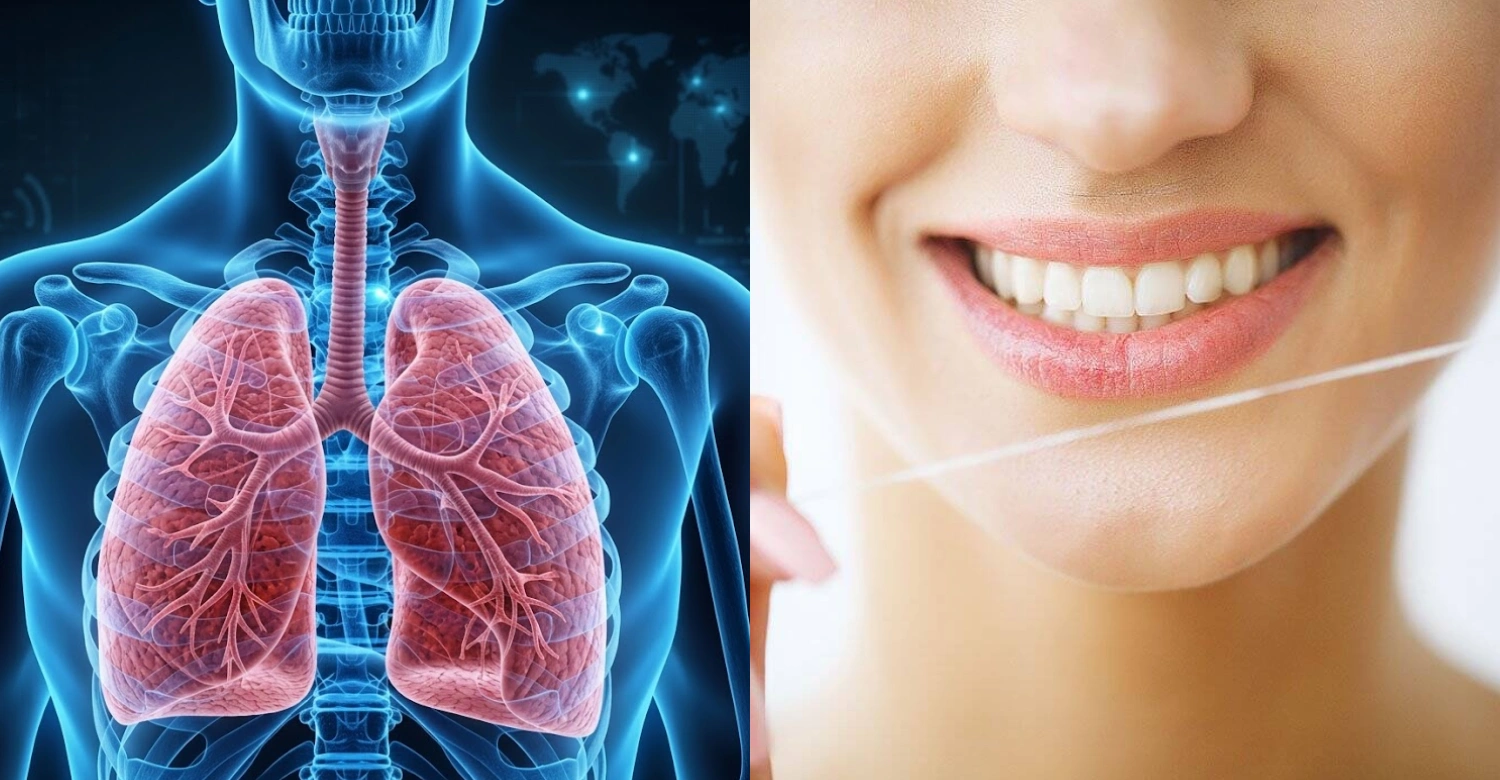
Pneumonia and Oral Care intersect because bacteria from the mouth do not always stay in the mouth. During respiratory illness, saliva changes and coughing patterns shift. Swallowing reflexes may also weaken slightly. This creates more opportunity for oral bacteria to travel toward the lungs. Pneumonia and oral health are linked through this shared exposure, not through a single direct cause. This relationship explains why oral hygiene and pneumonia recovery often go hand in hand, especially for vulnerable patients.
How oral bacteria affect pneumonia
How oral bacteria affect pneumonia comes down to aspiration. Dental plaque and periodontal pockets can harbour bacteria. In some cases, these bacteria are inhaled into the lower airway rather than swallowed safely. This does not happen to everyone, and healthy mouths carry many harmless bacteria. Harmful overgrowth becomes more likely when plaque builds up or gum disease goes untreated. For vulnerable patients, especially those with weaker cough reflexes, low bacteria levels through daily hygiene may reduce this pathway toward respiratory infection.
Oral infections and respiratory infections
Oral infections and respiratory infections are not the same condition, but they can be loosely connected. Periodontal disease increases the bacterial load in the mouth. Aspiration is one possible pathway linking that load to the lungs. This does not mean every oral infection leads to a respiratory problem. Pneumonia usually has several causes, including viruses, other bacteria, and underlying health conditions. Oral health is one factor among many, not a stand-alone explanation for why pneumonia develops.
Pneumonia and dental health
Pneumonia and dental health can influence each other during illness. Fatigue, breathlessness, and reduced appetite often make brushing and flossing feel harder to manage. Saliva production may also drop, particularly with certain medications. This leaves the mouth drier and more prone to irritation. These changes do not cause direct dental damage on their own. But neglecting routine care during recovery can allow existing problems to worsen. Basic oral hygiene remains part of supporting overall Pneumonia and Oral Care while unwell.
Can Poor Oral Hygiene Cause Pneumonia?
Can poor oral hygiene cause pneumonia on its own? Not directly. Poor oral hygiene and pneumonia can be associated, particularly in people who already have swallowing difficulties or weakened immune responses. But oral hygiene alone rarely explains a pneumonia diagnosis. Bacterial buildup from neglected brushing may increase the organisms available for aspiration, adding one risk factor among several. Pneumonia and Dental Care guidance treats hygiene as a supportive habit, not the single deciding factor in respiratory illness.
Can gum disease increase the risk of pneumonia?
Can gum disease increase the risk of pneumonia in susceptible patients? Research suggests a possible association. Gum disease creates chronic inflammation and a higher bacterial load in the mouth. This may add to risk when combined with other vulnerabilities, such as poor swallowing control. This is not the same as saying gum disease directly causes pneumonia. It is one contributing factor that grows more significant in already vulnerable individuals, not a guaranteed cause of respiratory infection. Patients experiencing dry mouth and gum disease should also discuss persistent symptoms with a dental professional.
Who may be more vulnerable?
Certain groups face higher risk when oral hygiene and pneumonia intersect. Older adults are more vulnerable due to natural changes in immunity and swallowing function. People with swallowing difficulties or impaired cough and gag reflexes face increased aspiration risk. Patients with significant periodontal disease or untreated dental abscesses carry a higher bacterial load. Those managing chronic illness or weakened immunity may also struggle to fight off infection. Consistent oral care and medical monitoring matter most for these groups.
Why prevention matters
Good oral hygiene is a supportive preventive measure, not a replacement for medical care. Pneumonia and Oral Care guidance should work alongside vaccination, prescribed treatment, and other strategies from healthcare professionals. Brushing and cleaning between teeth can reduce bacterial load. But they cannot substitute for flu or pneumococcal vaccines, proper hydration, or medical monitoring in vulnerable patients. Prevention works best as a combined approach, where dental habits support, rather than replace, broader respiratory health strategies.
Can Oral Infections Cause Septicaemia?
Can oral infections cause septicaemia? In rare cases, yes. Untreated dental abscesses or severe oral infections can occasionally spread beyond the mouth. This allows bacteria to enter the bloodstream. It is uncommon but serious when it happens. Pneumonia and Dental Care both involve infection risk, yet septicaemia and pneumonia are separate conditions with different origins. A local dental infection becoming systemic is a medical emergency requiring urgent attention, distinct from a respiratory infection.
When can a dental infection become serious?
When can a dental infection become serious enough to spread? Typically, this happens when an abscess is left untreated for a long period. Bacteria can then move beyond the local area. In Pneumonia and Oral Care assessments, swelling toward the face or neck, worsening pain, and fever are treated as warning signs. These signs suggest the infection may no longer be contained. Prompt dental assessment, and coordinated medical care where necessary, become essential to prevent complications. Patients should not ignore persistent tooth infection symptoms.
Warning signs requiring urgent medical attention
Certain symptoms mean urgent medical attention is needed, not routine dental care. These include: fever or chills, rapid breathing or heart rate, and confusion or unusual drowsiness. Significant weakness, facial or neck swelling, and difficulty swallowing or breathing are also warning signs, along with rapidly worsening symptoms generally. Any combination of these signs, especially with a known dental infection, should prompt immediate emergency assessment. Waiting for symptoms to improve can let a localized infection turn systemic.
Dental infection and pneumonia are not the same condition
Dental infection and pneumonia are not the same condition, even though both involve bacteria and can cause fever. A dental infection starts locally, in or around a tooth, while pneumonia affects the lungs. Bloodstream infection is a separate complication that can arise from either, though it remains uncommon. Treatment differs significantly: dental infections often need dental intervention, while pneumonia requires medical management. Severe symptoms in either case call for prompt, professional assessment.
Tips for Patients
Brush gently twice a day with fluoride toothpaste.
Clean between your teeth every day if tolerated.
Drink enough fluids according to your medical advice.
Do not ignore persistent toothache or gum swelling.
Avoid excessive sugary drinks while recovering.
Keep regular dental appointments once medically appropriate.
Seek urgent help for severe swelling, breathing difficulty, confusion, or rapidly worsening symptoms.
Can Pneumonia Cause Tooth Pain?
Can pneumonia cause tooth pain directly? Not usually. Pneumonia and Oral Care are connected mainly through shared risk factors, not through pneumonia directly damaging teeth. Tooth pain during respiratory illness more often comes from indirect causes, such as sinus pressure, dry mouth, or dehydration affecting oral tissue. Existing dental problems may also simply become more noticeable when a patient feels generally unwell. This distinction helps patients avoid assuming every ache is connected to their respiratory illness. For example, tooth pain when eating may have an underlying dental cause.
Does pneumonia directly cause toothache?
Does pneumonia directly cause toothache? Generally, no. Pneumonia is a lung infection, and it does not directly infect teeth or dental tissue. In Pneumonia and Dental Care guidance, discomfort felt in the mouth or jaw during pneumonia usually stems from related factors, not the lung infection itself. Sinus involvement, changes in breathing patterns, dry mouth, or existing dental issues are far more likely explanations. This helps patients seek the right kind of care instead of assuming a dental emergency.
Other possible explanations for tooth pain during pneumonia
Several factors can explain tooth pain during pneumonia besides the illness itself. These include sinus pressure or sinus infection, dry mouth, and dehydration. Existing tooth decay, cracked teeth, gum inflammation, and teeth grinding or jaw tension can also contribute, particularly during periods of stress. Identifying the actual cause usually requires a dental examination rather than guesswork. Patients with new or worsening oral discomfort while recovering from pneumonia should mention it to their dental provider.
When tooth pain needs a dental examination
Tooth pain needs a dental examination when it is persistent, severe, localized to one area, or accompanied by swelling. Pain that lingers beyond the expected course of respiratory illness should not be assumed to be related to pneumonia. Neither should pain that worsens rather than improves. A dental examination can identify the actual source, whether decay, a cracked tooth, or gum disease. This allows appropriate treatment to begin rather than leaving the underlying problem unaddressed. Pain that occurs specifically when biting may also require assessment, such as when tooth pain when biting down persists.
Dental Care During Pneumonia: What Should Patients Do?
Dental care during pneumonia does not need to stop, even though routines often change. Pneumonia and Oral Care go together during recovery, since illness can make basic habits harder to maintain. Continuing gentle brushing, staying hydrated, and monitoring for new symptoms all support oral health while the body fights infection. Patients who feel too unwell for their usual routine can still take simplified steps to protect their teeth and gums.
Continue gentle oral hygiene
Continuing gentle oral hygiene, even in a reduced form, supports Pneumonia and Dental Care throughout recovery. Brush twice daily with fluoride toothpaste when physically able, and clean the tongue gently to reduce bacterial buildup. Tongue cleaning can be included as part of a simple routine. Clean between teeth using floss or interdental brushes if tolerated. Keep toothbrushes clean, store them upright to air dry, and replace them when bristles wear down. These small, consistent habits help limit plaque during a period when the body already has enough to manage.
Stay hydrated
Staying hydrated supports saliva production, which naturally helps protect the mouth from irritation and discomfort. Adequate fluid intake can reduce dry-mouth symptoms that often appear during illness or with certain medications. Patients should follow their doctor's specific advice on fluid intake, particularly if a medical condition requires fluid restriction. Water remains the best general choice. Sugary or acidic drinks should be limited, since these can strain already sensitive oral tissue during recovery.
Manage dry mouth
Managing dry mouth can ease discomfort during respiratory illness. Sugar-free gum or saliva-supporting products may help stimulate natural moisture when appropriate. Frequent sugary drinks should be avoided, as they can worsen dryness and increase decay risk. Alcohol-containing mouthwash may also irritate an already dry or sensitive mouth, so milder alternatives are often preferable. Simple adjustments like these can noticeably reduce discomfort without requiring major changes to a patient's daily routine.
What if brushing feels difficult?
Fatigue, coughing, or breathlessness can make brushing feel exhausting. Shorter, more frequent sessions may be easier than one long routine. Sitting upright, resting between steps, or using a smaller, softer brush head can help. If a full routine is not possible, even a gentle rinse or wiping teeth with a clean, damp cloth is better than skipping oral care entirely. Resuming a complete routine as soon as strength allows helps prevent plaque buildup from becoming a bigger problem.
What Treatments May Be Needed for Dental Problems During or After Pneumonia?
Treatment needs depend on what a dental examination finds, not on the pneumonia diagnosis itself. Pneumonia and Oral Care considerations mean a patient's overall medical stability is always factored into timing. Common issues include tooth decay, gum disease, and dental abscesses, each requiring different approaches. Some treatment can proceed once a patient feels well enough. Urgent problems, such as significant infection, may need prompt attention regardless of recovery stage.
Treatment for tooth decay
Tooth decay treatment depends on severity, and is planned with Pneumonia and Dental Care recovery timelines in mind when relevant. Dental fillings are appropriate for smaller areas of decay, restoring the tooth's shape and function. Deeper decay requires assessment for infection reaching the inner tooth structure. When the pulp becomes irreversibly infected, root canal treatment may save the tooth rather than proceeding straight to extraction. The right option depends on decay extent and the patient's overall circumstances.
Treatment for gum disease
Gum disease treatment typically starts with professional dental cleaning to remove plaque and tartar buildup. A periodontal assessment helps determine how far the disease has progressed. Scaling and root surface debridement may be indicated for deeper pockets around the teeth. Ongoing home-care instruction supports long-term management between appointments. Consistent follow-up matters, since gum disease tends to progress gradually and needs sustained effort rather than a single treatment.
Treatment for dental abscesses
Treating a dental abscess starts with determining the source of infection. Drainage may be performed when clinically indicated, to relieve pressure and remove infected material. Depending on the tooth's condition, root canal treatment or extraction may follow to address the underlying cause. Antibiotics are used only when clinically necessary, not as a substitute for definitive dental treatment. Medication alone does not resolve the structural source of an abscess.
Why treatment timing matters
Treatment timing matters because overall medical condition should always be considered before elective dental work. In Pneumonia and Oral Care planning, patients who are acutely unwell may need to postpone non-urgent procedures until medically stable. Emergency dental issues, such as spreading infection, are handled differently. These may require coordination between dental and medical teams regardless of recovery stage. This balanced approach avoids unnecessary risk while still addressing problems that cannot safely wait.
Clinical Note
A clinical assessment should always distinguish between a respiratory illness and a dental infection, since the two need different diagnostic approaches. This principle underpins Pneumonia and Oral Care assessments generally. Persistent toothache, facial swelling, bleeding gums, visible pus, fever, or worsening oral symptoms should never be dismissed as simply part of recovering from pneumonia. Treating symptoms without identifying their actual source can delay appropriate care and let a problem progress further than necessary.
A Dentist's Perspective on Pneumonia and Oral Care
From a clinical standpoint, Pneumonia and Oral Care require careful, individual evaluation rather than assumptions. Not every oral symptom during respiratory illness is related to pneumonia. And not every case of pneumonia affects oral health. Each patient's history, current medications, and general condition shape what is actually happening in their mouth. Careful examination, rather than general assumptions, allows accurate identification of the true cause of any dental discomfort reported during recovery.
When Dental and Medical Care May Need to Work Together
Some situations call for dental and medical teams to coordinate directly. Patients with significant pneumonia, complex medical conditions, swallowing difficulties, or suspected systemic infection often benefit from this joint approach. Sharing relevant medical information with a dental provider helps ensure treatment decisions account for the full clinical picture. This collaboration reduces risk during procedures. It also supports safer outcomes, particularly for patients whose overall health status may affect their response to treatment.
How Can You Reduce the Risk of Oral Problems During Pneumonia?
Reducing risk starts with consistent habits rather than dramatic changes. Pneumonia and Dental Care both benefit when patients maintain basic hygiene, treat dental problems early, and support their overall health through medical guidance. Small, sustainable actions matter more than occasional intensive effort, especially when energy and routine are already disrupted. Combining dental awareness with standard medical precautions gives patients the best chance of avoiding additional complications during respiratory illness.
Maintain a consistent oral-care routine
A consistent oral-care routine remains important to Pneumonia and Oral Care even when a patient feels tired or unwell. Regular plaque removal, even in a simplified form, helps prevent bacterial buildup from becoming a larger problem. Skipping oral care entirely during illness, even for a few days, can let plaque accumulate more than usual. Returning to a full routine as soon as possible, rather than waiting for complete recovery, limits the extent of any dental issues.
Treat dental disease before it becomes advanced
Treating dental disease early prevents small problems from becoming larger ones. Regular examinations catch issues before they cause pain or complications. Professional cleaning when indicated removes buildup that home care cannot fully address. Early treatment of cavities avoids the need for more invasive procedures later. Periodontal care manages gum disease before it progresses. Prompt assessment of any dental infection remains one of the most effective preventive strategies available.
Support overall respiratory health
Oral hygiene is one part of maintaining health, not the whole picture. Effective Pneumonia and DentalCare works best when combined with appropriate medical care, vaccination where recommended, and regular hand hygiene. Consistent management of underlying conditions matters too. Patients focused only on dental habits, while ignoring broader medical guidance, miss the fuller picture of respiratory protection. A combined approach gives patients a more realistic strategy for reducing risk.
What We Notice Clinically
According to Dr. Rifat Alsaman, Head of the Medical Team at Vitrin Clinic, patients recovering from respiratory illness may notice oral dryness, sensitivity, unpleasant taste, or discomfort. This often happens because normal eating, drinking, and oral-care routines have changed. In Pneumonia and Oral Care assessments, Dr. Rifat Alsaman emphasizes that these symptoms should not automatically be attributed to pneumonia. A dental examination can help determine whether the problem relates to an existing dental condition, gum disease, dry mouth, or sinus-related pressure.
Why an Individual Assessment Matters
Dr. Rifat Alsaman also stresses that treatment decisions should rest on a patient's medical history, current symptoms, oral findings, and overall recovery. The diagnosis of pneumonia alone should not decide treatment. Two patients recovering from the same respiratory illness can present with entirely different oral symptoms, requiring different responses. This individualized approach helps avoid both over-treatment and under-treatment. It ensures care reflects what is actually happening in each patient's mouth.
Vitrin Clinic: Professional Dental Assessment and Patient-Centred Care
At Vitrin Clinic, Pneumonia and Oral Care assessments are designed to identify the underlying cause of oral symptoms. From there, an appropriate treatment plan is built around each patient's dental and medical circumstances. The clinical team can assess problems such as tooth pain, gum disease, dental infection, and damaged teeth, supported by modern diagnostic technology. Patients considering treatment after pneumonia should share relevant medical information and discuss their current health status. Book a consultation with Vitrin Clinic for a professional assessment of persistent oral symptoms. Patients who require restorative treatment may also be assessed for dental prosthetics, crowns, or other appropriate options.
References:
FAQs

Dr. Rifat Alsaman has more than 5 years of clinical experience in dentistry and currently serves as the Head of the Medical Team at Vitrin Clinic. He is dedicated to providing exceptional patient care, overseeing treatment planning, and ensuring the highest clinical standards across the team. His expertise, attention to detail, and commitment to continuous professional development have helped countless patients achieve healthier, more confident smiles.


.webp&w=3840&q=75)

