General Dentistry
September 21, 2026
Restorative Dentistry: Procedures, Materials, Benefits, and What to Expect?
 Dr. Rifat Alsaman
Restorative dentistry repairs damaged, weakened, decayed, or missing tooth structure. It is not limited to treating cavities. It can also restore chewing function, bite stability, and appearance. Treatment depends on the condition of the tooth, the amount of remaining structure, gum health, bite, and long-term prognosis. Restorative care differs from purely cosmetic treatment because its first goal is function and health rather than looks alone. Every plan is built around preserving healthy tooth structure whenever possible and choosing the least invasive suitable option.
Restorative Dentistry: What Is It and What Does It Treat?
Restorative dentistry focuses on repairing or replacing damaged tooth structure while protecting oral health. So, what is restorative dentistry from a clinical perspective? A practical restorative dentistry definition is the diagnosis and treatment of teeth that have lost structure or function. Patients seek it for decay, cracks, worn teeth, failing fillings, structural discoloration, missing teeth, trauma, or teeth weakened after root canal treatment. Diagnosis always comes first, using examination, X-rays, photographs, bite assessment, and 3D imaging when clinically indicated.
Restorative Dentistry vs. Cosmetic Dentistry
Restorative treatment aims to protect function, structure, and oral health. Cosmetic dentistry aims to improve the appearance of teeth that already work well. The two often overlap, and cosmetic and restorative dentistry can be combined when a tooth needs structural repair and the patient also has aesthetic concerns. Even then, a restoration should never be chosen just because it looks attractive. Its suitability must first be evaluated clinically, including strength, bite, and gum condition. Knowing this distinction helps patients ask better questions.
When Does a Tooth Need Restorative Treatment?
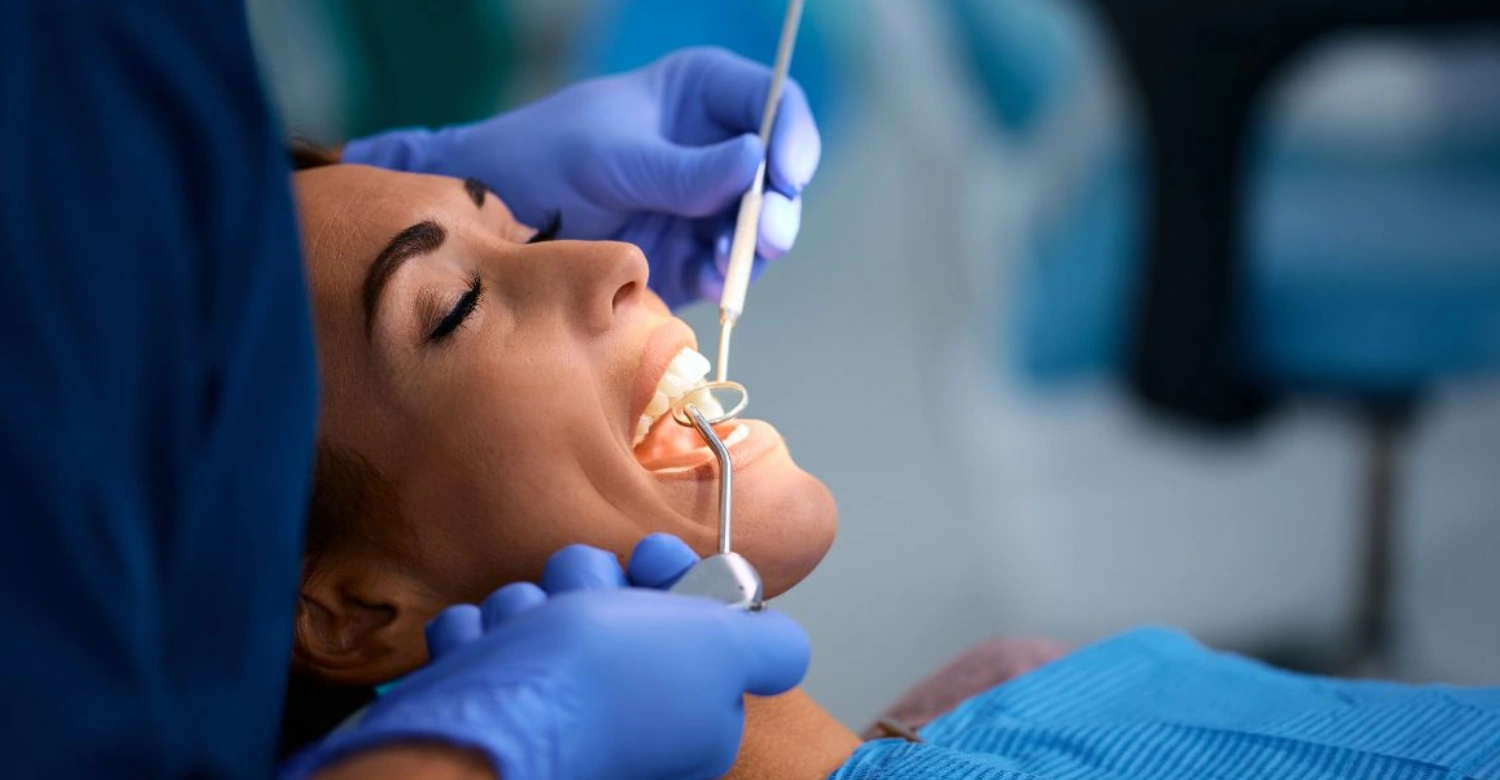
Dentists decide whether a tooth can be monitored, repaired conservatively, restored, or treated more extensively. They look at the remaining healthy tooth structure, decay depth, cracks, pulp condition, periodontal health, and occlusion. Each finding changes the recommendation. Delaying treatment can allow a relatively simple problem to become more complex. A small cavity may need only a filling, while the same tooth left untreated may later need a crown or root canal treatment. Regular examinations let the dentist track changes over time.
Note: All images used are for editorial and illustrative purposes only and may not originate from the original news provider or associated company
Explore hypogammaglobulinemia and gum disease
.
Restorative Dentistry Procedures: Which Treatments Are Available?
The main restorative dentistry procedures include fillings, inlays and onlays, crowns, bridges, implants, dentures, and full-mouth rehabilitation. Treatment is always individualized, because no two mouths present the same challenges. Dentists usually organize these options from the most conservative to the most extensive. The goal is to choose the approach that solves the problem while preserving as much natural tooth structure as possible for the long term. Understanding where each option fits helps patients take part in the decision.
Dental Fillings
Fillings suit cavities and small-to-moderate areas of tooth damage. Tooth-colored composite restorations are widely used because they blend with natural teeth, and many are completed in a single visit. The dentist removes diseased tooth structure while preserving healthy tissue. An old filling may need replacement when it cracks, wears down, leaks, or develops new decay around its edges. Regular checkups help catch these changes early, before a small repair turns into a larger restoration that requires more tooth removal.
Dental Inlays and Onlays
Inlays and onlays repair teeth with more damage than a filling can handle, yet without requiring a full crown. An inlay sits within the biting surface between the cusps. An onlay extends over one or more cusps to protect weakened areas. Dentists may consider them for larger cavities, cracked cusps, or old fillings that no longer provide enough support. Because they preserve more natural tooth structure than a crown, they are often chosen when a conservative but durable repair is needed.
Dental Crowns
A crown covers a tooth to restore substantial structural loss. Common indications include large restorations, fractured teeth, severely worn teeth, and root canal-treated teeth when appropriate. It also protects the tooth from further fracture. Before recommending one, the dentist evaluates whether enough healthy tooth structure remains to support it. Gum health and bite forces are checked as well. When too little structure remains, the tooth may need additional preparation or another solution before a crown can be placed predictably.
Dental Bridges
A bridge replaces one or more missing teeth using neighboring teeth or implants for support, depending on the design. The dentist considers function, appearance, and bite together, because a bridge should chew comfortably, look natural, and distribute forces evenly across the arch. Because a tooth-supported bridge requires preparing adjacent teeth, implant-supported alternatives are often evaluated too. Each design has different maintenance needs, so the dentist also reviews cleaning techniques and the expected longevity with the patient before treatment begins.
Dental Implants
Dental implants replace missing tooth roots and support crowns, bridges, or full-arch restorations. Treatment generally moves through assessment, implant placement, healing, and final restoration, though timelines differ for each patient. Before treatment, the dentist must assess bone volume, gum health, systemic health, and bite, because these factors influence whether an implant is suitable and how it should be planned. Implants integrate with the jawbone over time, which is why healing time and follow-up visits are built into the treatment process.
Dentures and Implant-Supported Dentures
Removable dentures may be appropriate when several teeth are missing or when other solutions are not suitable. Conventional dentures rest on the gums and rely on suction and fit, while implant-supported dentures attach to implants placed in the jaw. Implant support can improve retention and stability in appropriately selected patients. Bone quality, general health, and personal preferences all influence which option fits best. The dentist explains the benefits and limitations of each before treatment begins. Both types need regular review and adjustment over time.
Full-Mouth Restorative Rehabilitation
Full-mouth rehabilitation is considered when multiple teeth need coordinated treatment. The dentist evaluates tooth structure, bite, gum health, missing teeth, tooth wear, and aesthetic concerns together. Comprehensive planning matters because changing one tooth can affect the balance of the whole mouth. Treating teeth in isolation may create bite problems or shorten the life of restorations, especially when several teeth are involved at once. A unified plan sequences each step so the final result works as one system.
Tips for Patients
Attend regular dental examinations, even without pain.
Do not ignore sensitivity, fractured fillings, or bite changes.
Ask what caused the tooth damage first.
Discuss all suitable options, not just the most aesthetic.
Ask how much healthy tooth structure can be preserved.
Brush daily and clean between teeth.
Follow professional cleaning advice based on your risk.
Never open packages or bite hard objects with your teeth.
Mention nighttime grinding, clenching, jaw discomfort, or repeated fractures.
Follow post-treatment instructions carefully.
Attend recommended follow-up appointments.
Ask about maintenance needs and expected longevity.
Restorative Dentistry Options: How Does a Dentist Choose the Right Treatment?
There is no universal solution, so restorative dentistry options are selected case by case. Dentists weigh the remaining tooth structure, tooth location, functional loading, extent of decay or fracture, pulp and root condition, periodontal health, oral hygiene, aesthetic expectations, budget, and long-term prognosis. When clinically appropriate, the least invasive predictable option is often considered first. It preserves more natural tooth structure and leaves more choices open for the future. Priorities and budget are discussed openly so the plan remains realistic.
Why Diagnosis Comes Before Choosing a Restoration
Identifying the cause of the problem comes before choosing any restoration. Treating only the visible damage may leave the underlying disease active. For example, restoring a tooth without addressing active decay invites the problem to return. Placing a crown without evaluating periodontal or endodontic conditions can lead to failure later. A thorough diagnosis protects the investment in treatment, helps the restoration last as long as possible, and keeps the patient's oral health stable over time. Skipping this step invites avoidable problems.
Discover the connection between cardiometabolic disease and oral health
Restorative Materials in Dentistry: What Are They Made From?
Common restorative materials in dentistry include composite resin, porcelain and ceramics, zirconia, and metal-based alloys. Each behaves differently in the mouth. Material selection depends on the tooth's location, the forces it must handle, aesthetic needs, durability, and other clinical requirements. No single material is best for every situation. The dentist matches the material to the tooth, the bite, and the patient's goals rather than to a general preference. Understanding these materials helps patients take part in the discussion with confidence.
Composite Resin
Composite resin is a tooth-colored material commonly used for direct restorations, meaning it is shaped and placed directly in the mouth. Its main advantage is aesthetics, since shades can be matched closely to the surrounding tooth. It suits small-to-moderate cavities, chipped edges, and minor shape corrections. Because it bonds to tooth structure, it often requires less removal of healthy tissue, although its suitability decreases when forces on the tooth are heavy. Maintenance and regular checkups help it perform well over time.
Porcelain and Ceramic Materials
Porcelain and ceramic materials are valued for their natural translucency and color stability. Dentists use them in crowns, inlays, onlays, and other restorations. Ceramics can be useful when appearance and structural restoration both matter, such as a damaged front tooth that must look natural while withstanding daily use. Different ceramic types vary in strength, so the dentist selects the type according to the tooth's position and the patient's bite. Careful shade matching helps them blend with neighboring teeth.
Zirconia
Zirconia is known for its strength and is commonly used in crowns and bridges. It can be a good option for teeth that handle heavy chewing forces. Even so, the dentist must still assess whether it suits the individual tooth and bite. Factors such as available space, opposing teeth, and grinding habits influence the decision, because a very hard material can affect the teeth it meets. Strength alone does not make a material appropriate for every patient.
Metal-Based Restorative Materials
Metal-containing restorations may still have clinical applications, particularly where strength and precision matter more than appearance. Some back-tooth restorations and supporting frameworks are examples. Their use depends on the case, the tooth location, the patient's preferences, and the dentist's judgment. It would be inaccurate to present any single material as universally superior. Each option has strengths and limitations, and the best choice is the one that matches the clinical situation in front of the dentist.
Learn about Lyme disease and oral health
Advanced Restorative Dentistry: How Modern Technology Supports Treatment
Advanced restorative dentistry combines clinical expertise with modern diagnostic and digital tools. Technology does not replace clinical judgment, but it gives the dentist clearer information and more precise ways to plan complex treatment. Digital scanners, planning software, three-dimensional imaging, and computer-aided manufacturing can improve communication and predictability. Restorative dentistry techniques such as these are chosen according to clinical need, not simply because they are available. Used well, these tools help patients understand their diagnosis and see the proposed plan clearly before any treatment begins.
Digital Intraoral Scanning
Digital intraoral scanning captures the shape of teeth and gums using a small handheld scanner, which replaces traditional impression materials for many procedures. Many patients find this more comfortable, especially those sensitive to gagging. The digital file goes directly to the laboratory, which improves communication between the dentist and technician and lets the team review the preparation before the final restoration is made. Digital files can also be stored and compared over time to monitor changes.
Digital Smile and Restorative Planning
Digital smile and restorative planning uses photographs and digital tools to visualize tooth proportions and restorative design before treatment. It helps patients and dentists discuss shape, length, and alignment more clearly. These simulations are planning tools rather than guarantees of the final result, because actual outcomes depend on tooth structure, gum condition, materials, and biological response. A good plan balances what looks appealing with what is clinically achievable, and patients can react to the design early and share their preferences.
CBCT and 3D Imaging
CBCT is a three-dimensional imaging technique that shows bone, roots, and surrounding structures in detail. It produces detailed views that ordinary two-dimensional X-rays cannot show. It may be indicated for complex restorative and implant cases, such as evaluating bone volume, nerve position, or unusual root anatomy. Imaging should be prescribed based on clinical need, not routinely for every patient. When used appropriately, it helps the dentist plan more accurately and avoid surprises during treatment. Digital planning can then use this information.
CAD/CAM and Same-Day Restorative Dentistry
CAD/CAM stands for computer-aided design and manufacturing. The dentist designs the restoration on a computer, and a milling unit produces it. Systems such as CEREC can support certain same-day restorations when the case is suitable, which may reduce the number of appointments and the need for temporary restorations. The restoration is then bonded or cemented in place after fitting. However, not every restoration or patient can be completed in one visit. Complex bites, aesthetic demands, and extensive damage may still require laboratory fabrication.
Find out what can cause a swollen roof of the mouth
Benefits of Restorative Dentistry: What Can Patients Expect?
The goals of restorative treatment are functional and structural. Potential benefits include improved chewing function, restoration of damaged tooth structure, better bite stability, protection of weakened teeth, replacement of missing teeth, and improved oral comfort. When aesthetics are part of the treatment plan, appearance may improve as well. Results vary with the condition of the teeth, the procedures selected, and the patient's commitment to maintenance and follow-up care. These outcomes often support both comfort and confidence in daily life.
Restorative Dentistry Before and After: What Changes?
Realistic before-and-after expectations matter. Results may include changes in tooth shape, tooth strength, chewing ability, smile appearance, and bite balance. The outcome depends on the starting condition and the treatment selected. A patient restoring one cracked molar will notice different changes than someone rebuilding worn front teeth. Not every case produces a dramatic cosmetic transformation, and that is not always the goal, because often the best result is a tooth that works well and looks natural.
Discover how sleeping with your mouth open can affect your teeth
What We Notice Clinically
Patients often focus on the visible problem, but dentists assess the whole oral environment. Active decay, gum disease, bite problems, tooth wear, or infection must be addressed before definitive restoration. Dr. Rifat Alsaman, Head of the Medical Team at Vitrin Clinic and a cosmetic dentist, emphasizes individualized planning over choosing a restoration by appearance alone. He weighs tooth structure, function, aesthetics, periodontal condition, and long-term goals, and stresses preserving natural tooth structure whenever possible. In complex cases, he may recommend imaging or digital planning when clinically indicated.
Clinical Note
Clinical Note: Restorative treatment should address the reason a tooth became damaged, not simply cover the visible defect. Recurrent decay, excessive bite forces, poor oral hygiene, untreated gum disease, or tooth grinding can compromise restorations. A technically well-made restoration cannot compensate for untreated underlying disease. Dr. Rifat Alsaman, Head of the Medical Team at Vitrin Clinic and a cosmetic dentist, considers diagnosis and long-term tooth prognosis essential before definitive treatment. Periodontal or endodontic care may be needed first, reflecting conservative, evidence-based planning.
Explore the different stages of tooth decay
How Long Does Restorative Dentistry Take?
There is no single timeline, because duration depends on the number of teeth, the type of restoration, preliminary treatment, laboratory fabrication, digital workflow, gum or bone condition, root canal treatment, and implant healing. A simple filling may take one visit, while crowns, bridges, implants, and full-mouth rehabilitation need more appointments and planning. Same-day dentistry may be possible for selected cases but is not appropriate for every patient. Your dentist can give a realistic schedule after examination.
How Much Does Restorative Dentistry Cost?
Cost varies significantly with treatment complexity. Key factors include the number of teeth, the type and quality of restoration, the material selected, and the need for root canal treatment, gum treatment, or bone grafting when indicated. Implant requirements, laboratory and digital technology, and the complexity of the bite also matter. No single price fits every case, so an accurate estimate follows a thorough clinical examination and an individualized treatment plan. Understanding these variables helps patients compare proposals fairly.
Restorative Dentistry at Vitrin Clinic
Vitrin Clinic is a dental clinic in Istanbul providing restorative and cosmetic dental care. Its restorative dentistry services follow individual findings rather than a predetermined procedure. When clinically indicated, planning may use CBCT and 3D imaging, digital intraoral scanning, digital treatment planning, CAD/CAM workflows, and CEREC for suitable same-day cases. Care may involve several specialties, guided by clinical leaders such as Dr. Rifat Alsaman, Head of the Medical Team at Vitrin Clinic and a cosmetic dentist. International patients receive treatment coordination and consultation support. Book an assessment to learn which option suits your teeth.
Learn more about pulpectomy and when it may be needed
References:
FAQs
Dr. Rifat Alsaman has more than 5 years of clinical experience in dentistry and currently serves as the Head of the Medical Team at Vitrin Clinic. He is dedicated to providing exceptional patient care, overseeing treatment planning, and ensuring the highest clinical standards across the team. His expertise, attention to detail, and commitment to continuous professional development have helped countless patients achieve healthier, more confident smiles.


.webp&w=3840&q=75)


