Dental Crowns
October 18, 2026
Temporary Crown Pain: Why Does Your Tooth Hurt and How Can You Find Relief?
 Dr. Rifat Alsaman

Temporary Crown Pain can make eating, drinking, and even sleeping uncomfortable just when you expect relief. A temporary crown protects a prepared tooth while your permanent crown is being made. Some mild sensitivity can appear in the first days. However, pain that persists, worsens, or feels severe deserves a dental assessment. Not every ache is part of normal healing. This guide explains why your tooth may hurt, how to manage discomfort safely at home, and when professional evaluation is the right next step.
.jpg)
.jpg)
.jpg)
.jpg)
.jpg)
.jpg)
Ready to transform your smile?
Talk to our team and get a FREE treatment plan.
What Causes Temporary Crown Pain?
Temporary crown pain is discomfort in the prepared tooth, the surrounding gum, or nearby bite structures after a temporary crown is fitted. The cause can be short-lived sensitivity after tooth preparation. It can also be a crown that sits too high, a crown that has loosened, or an underlying problem inside the tooth. Because these causes need different care, understanding your symptoms is the first step toward the right solution.
What Does Temporary Crown Pain Feel Like?
Pain after temporary crown placement can feel different from person to person. Common descriptions include:
A sharp twinge when drinking something cold.
A dull ache that lingers after eating.
Pressure or pain when biting down.
Tender, swollen, or irritated gums around the crown.
A throbbing toothache that persists at rest.
Brief, mild twinges often behave differently from constant or throbbing pain. Noting which pattern you have helps your dentist narrow down the cause.
Where Can You Feel Pain After Temporary Crown Placement?
You may feel discomfort in the prepared tooth itself, along the gumline, on the biting surface, or in the surrounding jaw. Sometimes the pain spreads to neighboring teeth, making it hard to pinpoint. Dental pain is often poorly localized, so its location alone cannot reliably identify the cause. A tooth that hurts on biting may have a bite problem or inflammation around the root. A dentist confirms the source through examination and testing.
What Are the Most Common Causes of Temporary Crown Pain?
Several causes may explain why a temporary crown hurts after placement. The list below follows a rough order of how often they occur. Still, their likelihood depends on the tooth's condition before treatment, how much structure was removed, and the exact symptoms. Some causes are simple and easy to correct. Others need further testing. Only a clinical examination can confirm which one applies to you.
Temporary Crown Sensitivity After Tooth Preparation
Preparing a tooth for a crown removes part of its outer enamel and dentin. This can leave the tooth temporarily sensitive to cold, heat, air, and pressure. A temporary crown and its cement also seal less precisely than a permanent crown. As a result, mild temporary crown sensitivity is fairly common in the first days. It often improves as the tooth settles. Sensitivity that persists, lingers, or grows stronger should be checked by your dentist.
Temporary Crown Pain When Biting Because of a High Crown
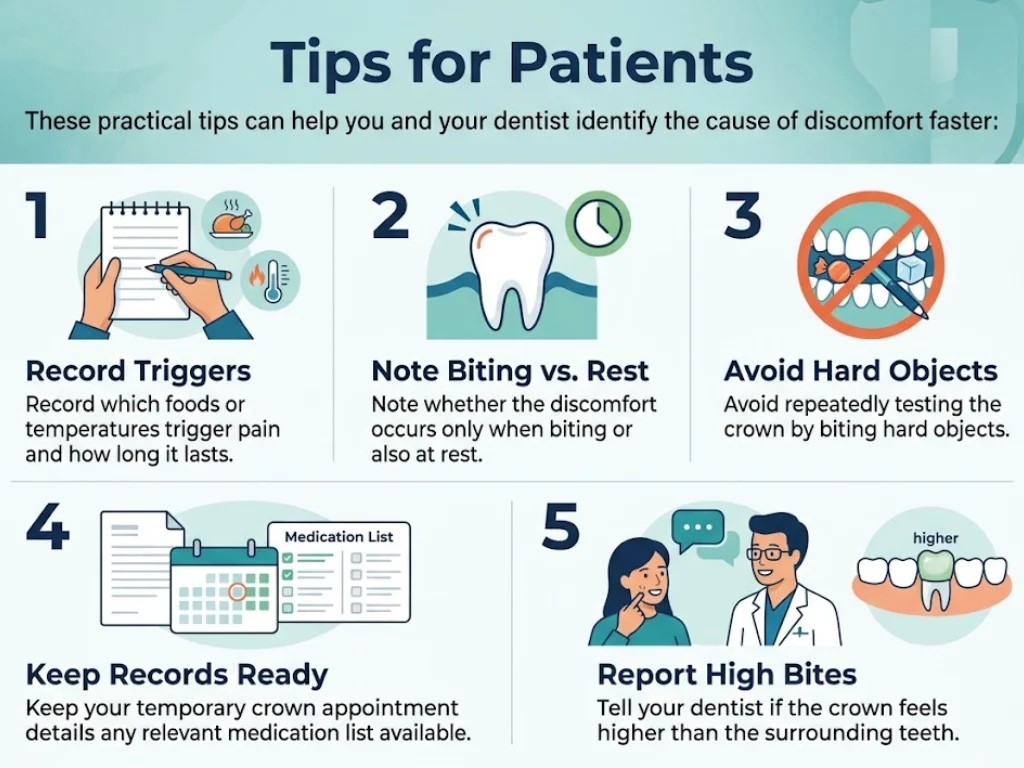
If the temporary crown is slightly too tall, it touches the opposing tooth before your other teeth meet. This concentrates chewing force on one tooth. Over a few days, the ligament around the root can become bruised and tender. Temporary crown pain when biting is a classic sign of this problem. Your bite may also feel uneven or "off." A quick bite check usually identifies the high spot, and adjustment often brings relief.
Temporary Crown Gum Pain From Tissue Irritation
The gum around a prepared tooth can become sore after treatment. Crown edges, excess temporary cement, or handling of the tissue during placement may all irritate it. This temporary crown gum pain usually appears as mild tenderness or slight bleeding when brushing. It often settles within days with gentle cleaning. Marked swelling, pus, a bad taste, or increasing pain is different. These signs may point to infection and need prompt assessment.
Temporary Crown Pain When Chewing Due to a Loose or Damaged Crown
Temporary crowns are made from weaker materials and held with softer cement, so they can loosen or crack. When a crown moves, the prepared tooth may be exposed to saliva, food, and temperature changes. This can trigger temporary crown pain when chewing or sudden sensitivity. A loose crown may also let the tooth shift slightly, which can affect the permanent crown's fit. Contact your dentist promptly if the crown moves or breaks.
Throbbing Pain Under Temporary Crown From Pulp Inflammation
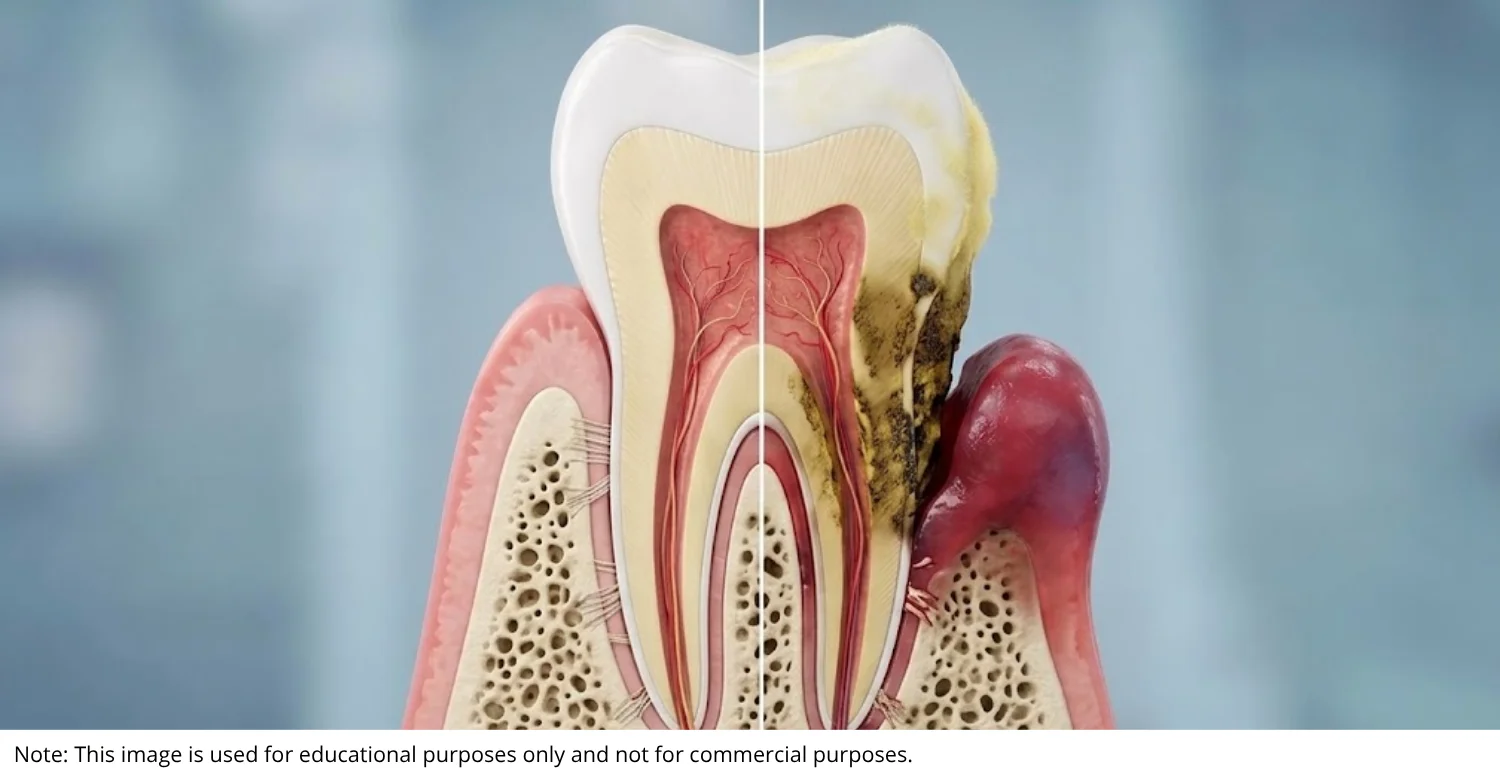
Pulpitis is inflammation of the pulp, the inner tissue that contains nerves and blood vessels. Deep decay, extensive preparation, or inflammation that existed before treatment can contribute. Mild inflammation may settle on its own. However, throbbing pain under a temporary crown that starts without a trigger, keeps you awake, or lingers after hot or cold is more concerning. It can suggest inflammation that may not recover. Further testing helps determine whether additional treatment is needed.
Infection or Other Underlying Dental Problems
Sometimes a problem already existed before the crown was placed. An infection, a crack, or earlier damage to the pulp may only become noticeable afterward. Warning signs include increasing pain, gum swelling, pus, a bad taste, fever, or facial swelling. These symptoms should not be managed at home alone. They need prompt dental assessment, because an infection will not resolve simply because a temporary crown is in place.
What Other Symptoms Can Occur With Temporary Crown Toothache?
A temporary crown toothache rarely occurs alone. Accompanying symptoms, such as temperature sensitivity, night pain, jaw ache, or gum changes, give your dentist useful clues. They help guide which tests to perform. However, these symptoms cannot establish a diagnosis by themselves. Similar sensations can come from different causes. Describe everything you notice, even details that seem minor.
Temporary Crown Sensitivity to Hot and Cold
Brief sensitivity is a sharp twinge that fades within seconds once the hot or cold stimulus is removed. This pattern is common after tooth preparation and often improves. Pain that lingers for a minute or longer after the drink is gone is more significant. Lingering pain can suggest deeper pulp inflammation. Pay attention to how long the feeling lasts, not just how strong it is, and report this to your dentist.
Pain After Temporary Crown That Worsens at Night
Pain that appears without any trigger, especially at night, deserves attention. Lying down may increase pressure in an inflamed tooth, making the ache feel stronger. Spontaneous pain that disrupts sleep can be a sign of significant pulp inflammation or infection. It is not typical of simple sensitivity. If night pain keeps returning or becomes more intense, contact your dentist rather than waiting for your permanent crown appointment.
Temporary Crown Pain When Biting Alongside Jaw Discomfort
An uneven bite may affect more than one tooth. When a crown sits high, you may unconsciously chew on the other side to protect it. This change in habit can strain the jaw muscles. Clenching or grinding may add further pressure. As a result, you may notice tenderness near the jaw joint or along the cheek. Correcting the bite often eases both the tooth discomfort and the muscle ache.
Gum Swelling, Bleeding, or Bad Taste Around the Crown
Mild irritation around a new temporary crown can cause tenderness or slight bleeding when you brush. This often improves with gentle, consistent cleaning. Trapped food or leftover cement may also leave an unpleasant taste. However, increasing swelling, pus, or a persistent bad taste can signal infection or a poorly sealing crown. These signs need a dental assessment instead of waiting for them to resolve on their own.
Note: All images used are for editorial and illustrative purposes only and may not originate from the original news provider or associated company.
How Can You Relieve Temporary Crown Pain at Home?
If you are wondering how to relieve temporary crown pain, start with simple, conservative steps. These may reduce discomfort without risking damage to the temporary restoration. Home care works best for mild sensitivity and gum tenderness. It does not replace professional evaluation. If symptoms persist, worsen, or include warning signs such as swelling or fever, contact your dentist.
Choose Soft Foods and Chew on the Opposite Side
Soft foods place less stress on a temporary crown and the tooth beneath it. Good options include yogurt, eggs, lukewarm soups, mashed vegetables, pasta, and soft fish. Cut food into small pieces. Chew mainly on the opposite side of your mouth whenever possible. This reduces pressure on a tender tooth. It also lowers the risk of loosening the crown before your permanent restoration is ready.
Avoid Foods That Trigger Temporary Crown Sensitivity
Some foods can trigger or worsen symptoms. Consider avoiding very hot or very cold food and drinks while the tooth settles. Hard foods such as nuts, ice, and hard candy can crack a temporary crown. Sticky or chewy foods, including caramel, toffee, and chewing gum, may pull it loose. Reintroduce foods gradually as comfort improves, and stop if a particular food triggers pain.
Keep the Crown and Surrounding Gums Clean
Good hygiene reduces gum irritation and plaque around the crown edge. Brush gently twice daily with a soft-bristled toothbrush, paying attention to the gumline. Clean between your teeth once a day. When flossing near the temporary crown, slide the floss out sideways rather than pulling it upward. Pulling upward can catch the crown edge and dislodge it. Rinsing with warm salt water may also soothe tender gums.
Use Pain Relief Medication Only When Appropriate
An over-the-counter pain reliever, such as ibuprofen or paracetamol (acetaminophen), may help some people manage discomfort. Always follow the dose and directions on the label. Some medicines are not suitable for everyone. Check with a pharmacist or clinician first if you have stomach, kidney, or heart conditions, asthma, or take other medication. Also seek advice if you are pregnant or unsure what is safe. Medication eases symptoms but does not treat the cause.
Avoid Home Repairs or Direct Medication Application
Never use household glue to reattach a temporary crown. It is not designed for use in the mouth and may harm the tooth and gums. Do not try to file or trim the crown yourself. Avoid placing an aspirin tablet directly against the tooth or gums. Aspirin is acidic and can cause a chemical burn to soft tissue. Do not remove or recement the crown without professional guidance.
.jpg)
Ready to transform your smile?
Talk to our team and get a FREE treatment plan.
What Tools Can Help You Manage Temporary Crown Discomfort?
A few simple tools can support comfort and hygiene while you wear a temporary crown. They make daily care easier and help you share useful details with your dentist. However, no tool can correct a high bite, diagnose pulp inflammation, or treat an infection. Use these aids alongside professional care, never as a replacement for it.
Soft-Bristled Toothbrush and Gentle Cleaning Tools
A soft-bristled toothbrush cleans the crown edge without scraping irritated gum tissue. Use small, gentle circular movements along the gumline. Waxed floss glides more easily around a temporary crown. Some people find interdental brushes or a water flosser on a low setting helpful, if suitable for their teeth. A toothpaste for sensitive teeth may also help, although it can take time to work. Ask your dentist which tools suit you.
Dental Wax for a Rough or Irritating Edge
If a rough crown edge rubs your tongue or cheek, orthodontic wax may provide temporary comfort. Dry the area gently, then press a small piece of wax over the rough spot. Wax is available at most pharmacies. However, it only covers the surface. It cannot fix a loose, cracked, or poorly fitting crown. Let your dentist know about the rough edge so it can be smoothed properly.
A Symptom Diary to Track Changes
A simple symptom diary can make your dental visit more productive. Note what triggers the pain, such as cold drinks or biting. Record how long each episode lasts and rate its intensity from one to ten. Also note whether symptoms occur at rest or at night. Most importantly, track whether the pain is improving or worsening over time. This pattern helps your dentist assess the likely cause.
When Should You See a Dentist for Temporary Crown Pain?
Self-care is suitable for mild discomfort that is steadily improving. It is no longer enough when pain is severe, persistent, or getting worse. In these cases, do not wait for your permanent crown appointment. Contact your dentist for an earlier review. Addressing a problem early may protect the tooth and prevent delays in completing your treatment.
Signs That Need Prompt Dental Assessment
Contact your dentist promptly if you notice any of the following:
Severe, persistent, or worsening pain.
Throbbing pain that occurs without eating.
Pain that lingers after hot or cold exposure.
A loose, cracked, or missing temporary crown.
Increasing gum swelling, pus, or pain on biting.
Symptoms that interrupt sleep or interfere with eating.
These signs suggest more than simple sensitivity. An examination can identify the cause and guide treatment.
When Dental Pain Becomes an Emergency
Some symptoms require urgent medical attention rather than a routine dental appointment. Seek emergency care immediately if swelling spreads to your face, eye, or neck. Difficulty swallowing or difficulty breathing is an emergency. Do not wait for a dental visit in these situations. Fever with spreading swelling also needs urgent assessment. A dental infection can spread to other areas and become serious if left untreated.
What Will the Dentist Check?
Your dentist may assess:
Crown stability and the condition of the temporary cement.
Bite contacts and pressure during closure.
Gum condition and surrounding tissues.
Tooth vitality and response to clinical tests.
Dental X-rays when indicated.
Not every patient needs every test. The dentist chooses investigations based on your symptoms and examination findings. Additional tests are added only when the initial results suggest a need.
Dental Crown Cost: vitrin Clinic vs. UK vs. USA
The cost of a dental crown varies depending on the material selected, the clinical complexity of the case, and the country of treatment.
The following table provides a transparent comparison of average costs by crown type across the United Kingdom, United States, and Vitrin Clinic in Istanbul allowing patients to assess their options accurately before their consultation.
Crown type | 🇬🇧 UK | 🇺🇸 USA | 🇹🇷 Turkey |
|---|---|---|---|
Zirconia crown Monolithic, high strength per unit | $890 – $1,525 | $1,000 – $2,500 | From $150 / unit |
E.max crown Lithium disilicate, premium aesthetics per unit | $1,270 – $2,030 | $1,200 – $2,500 | From $180 / unit |
PFM crown Porcelain-fused-to-metal per unit | $570 – $1,015 | $800 – $1,500 | From $100 / unit |
CEREC same-day crown CAD/CAM milled, single visit per unit | $1,015 – $1,780 | $1,000 – $2,000 | From $200 / unit |
Consultation & scans | Charged separately | Charged separately | Free & included |
Estimated saving | — | — | Up to 70% less |
* Prices are averages for reference only and may vary based on individual case requirements, tooth location, material selection, and treatment complexity. A personalised quote is provided following your free consultation.
How Much Are Dental Crowns in Turkey?
The cost of dental crowns in Turkey depends on the type of material used (such as Zirconia, E-Max, or Porcelain-Fused-to-Metal), the number of teeth being treated, and any preparatory treatment required before placement (such as root canal treatment or core buildup). You will receive a personalized treatment plan after the dentist examines your mouth and X-rays.
Treatment | Price |
Single Dental Crown (PFM / Metal-Fused) | ≈ £125 |
Single Dental Crown (Zirconia) | ≈ £175 |
Single Dental Crown (E-Max / All-Ceramic) | ≈ £225 |
Full Set of Crowns (16 Teeth - Smile Line) | ≈ £2,450 – £2,800 |
Full Set of Crowns (20 Teeth - Full Smile Makeover) | ≈ £3,000 – £3,500 |
Full Set of Crowns (24 Teeth - Both Jaws) | ≈ £3,600 – £4,200 |
Ready to transform your smile?
Talk to our team and get a FREE treatment plan.
What Treatments Can Fix Temporary Crown Pain?
Treatment depends on the cause. The goal is to identify the source of the pain, not simply suppress the symptom. A high bite, a loose crown, pulp inflammation, and infection each need a different approach. Some patients need only a small adjustment. Others require further treatment of the tooth. Your dentist will order the steps according to your diagnosis and its severity.
Bite Adjustment for Temporary Crown Pain When Biting
When examination confirms that the crown is too high, the dentist can adjust it. You will usually be asked to bite on thin marking paper, which highlights the contact points. Excess material is then smoothed away until your bite feels even. The adjustment is quick and usually painless. Tenderness from a bruised ligament may take a few days to fade afterward. If pain continues, further assessment may be needed.
Temporary Crown Repair, Recementation, or Replacement
A loose, cracked, or poorly fitting temporary crown can often be managed simply. After checking the tooth, the dentist may clean and recement the existing crown. If the crown is damaged or does not fit well, a new temporary crown may be made. Restoring a good seal protects the prepared tooth from saliva, bacteria, and temperature changes. It also helps the tooth stay in its correct position.
Treatment for Tooth Sensitivity and Pulp Inflammation
Management depends on how inflamed the pulp is. Mild, reversible inflammation is often monitored, as it may settle with time and a well-sealed crown. Your dentist may also use a soothing temporary cement or desensitizing measures. If tests suggest the pulp cannot recover, root canal treatment may be recommended. This removes the inflamed tissue while preserving the tooth. Each decision is based on clinical findings.
Treatment for Infection Beneath a Temporary Crown
An infection must be treated at its source. Depending on the findings, this may involve draining an abscess, root canal treatment, or, in selected cases, extraction when the tooth cannot be saved. Antibiotics may be prescribed in specific circumstances, such as spreading infection or fever. However, they are not a substitute for treating the source. Without addressing the cause, the infection is likely to return.
What Happens Before the Permanent Crown Is Placed?
Before final cementation, your dentist should reassess any pain that has not been resolved. Cementing a permanent crown over an untreated problem can make later treatment more difficult. For example, root canal treatment may then require drilling through the finished crown. If symptoms suggest an issue, the permanent crown appointment may be delayed. This allows the cause to be understood and managed properly first.
How Long Does Temporary Crown Pain Last?
A common question is: how long does temporary crown pain last? Mild sensitivity or gum soreness commonly improves within a few days to around one or two weeks. However, recovery varies with the tooth's condition and the cause. Pain from a high bite may persist until the crown is adjusted. Pain from pulp inflammation or infection needs treatment and will not reliably settle on its own.
Mild Pain After Temporary Crown Placement
Mild sensitivity or gum tenderness often settles over several days. The key sign of normal healing is steady improvement. Each day should feel slightly better, not worse. Short twinges with cold drinks or mild soreness when brushing may be part of this recovery. Pain that steadily increases, spreads, or begins to occur on its own does not follow the expected pattern and should be checked.
What If Temporary Crown Pain Lasts Longer Than Expected?
Persistent symptoms deserve reassessment rather than more waiting. Contact your dentist if sensitivity is worsening, pain lingers after hot or cold, or discomfort interferes with eating or sleeping. There is no fixed recovery time that applies to everyone. Some teeth simply settle more slowly. Others have an issue that needs correction. An examination helps tell these situations apart and guides the next step.
Does Pain Need to Disappear Before the Permanent Crown?
Not always completely, but it should be understood. Mild, improving sensitivity may be consistent with normal recovery. In that case, your dentist may proceed with the permanent crown. Persistent, spontaneous, or worsening pain is different. It may point to a problem that needs treatment before final cementation. Your dentist makes this decision based on your symptoms and examination findings.
What We Notice Clinically
Dr. Rifat Alsaman, Head of the Medical Team and cosmetic dentist at Vitrin Clinic, emphasizes identifying the cause of discomfort before proceeding with the permanent crown. In this approach, pain during biting may warrant checking the bite and crown stability. Lingering temperature sensitivity or spontaneous throbbing may require further assessment of the tooth's pulp. The next step should depend on the examination findings rather than the symptom alone.
Why a Crown That Looks Fine May Still Need Assessment
A temporary crown can look intact and well positioned yet still cause problems. Appearance alone cannot confirm correct bite contacts, healthy pulp tissue, or the absence of infection. Targeted tests help reveal what cannot be seen. Marking paper shows bite contacts. Cold and bite tests assess how the tooth responds. X-rays, when indicated, can show changes around the root. Together, they clarify the cause.
Clinical Note
Temporary crown pain is a symptom, not a diagnosis. Mild discomfort may occur after tooth preparation and often fades. However, a high bite, a loose crown, pulp inflammation, or infection may each require different management. Treating every ache the same way risks missing a problem that needs attention.
Why Individual Assessment Matters
Every tooth has a different history. Before recommending treatment, the dentist considers your symptoms, medical and dental history, crown fit, bite, and examination findings. A tooth with deep previous decay may behave differently from one with a small old filling. Imaging may be appropriate when the findings indicate a need. This individual approach supports accurate diagnosis and appropriate care.
Clinical Guidance From Dr. Rifat Alsaman
Dr. Rifat Alsaman, Head of the Medical Team and cosmetic dentist at Vitrin Clinic, supports a cause-based approach to temporary crown discomfort. The focus is on preserving the tooth when feasible. Mechanical problems, such as a high bite or a loose crown, are corrected when present. Pulpal or infectious disease is addressed once it is diagnosed. This approach aims to resolve the source of discomfort before the permanent crown is completed.
Patient Reviews
How Can You Prevent Temporary Crown Pain From Returning?
Prevention focuses on three areas: protecting the temporary restoration, maintaining good oral hygiene, and reporting problems early. A temporary crown is designed to last only a short period. Treating it gently reduces the risk of loosening, cracking, and renewed sensitivity until your permanent crown is ready.
Protect Your Temporary Crown During Everyday Activities
Small habits make a difference. Avoid hard foods like nuts and ice, and sticky foods like caramel and gum. Never use your teeth to open packaging, bite your nails, or chew on pens. If you clench or grind your teeth, mention it to your dentist, as this places heavy force on the crown. A night guard may sometimes be recommended. Chew mainly on the other side.
Maintain Oral Hygiene Without Dislodging the Crown
Brush twice daily with a soft-bristled toothbrush, angling the bristles gently toward the gumline. Plaque that collects at the crown margins can inflame the gums and increase sensitivity. Floss daily, but slide the floss out sideways rather than lifting it upward near the crown. Avoid aggressive scrubbing around the restoration. Consistent, gentle care keeps the gums healthier and reduces irritation.
Attend the Planned Permanent Crown Appointment
Temporary crowns are not designed for long-term use. Wearing one longer than planned increases the chance of loosening, wear, leakage, or tooth movement. Follow the recommended schedule for your permanent crown. If the temporary crown loosens, falls out, or becomes painful before the appointment, contact your dentist. Do not simply wait. Keep any crown that comes off and bring it with you.
Report Bite Changes and New Symptoms Early
Do not try to adapt to discomfort. If your crown feels too high, tell your dentist. Also report pain when chewing or sensitivity that is not improving. Early reporting allows simple fixes, such as a bite adjustment, before the problem grows. It also helps your dentist identify deeper issues sooner. Small changes in sensation are worth mentioning at any stage of treatment.
Takeaway: What Should You Do About Temporary Crown Pain?
Mild sensitivity after temporary crown placement may improve over several days, but the pattern and progression of pain matter. Bite-related discomfort, a loose crown, persistent throbbing, or worsening symptoms may need professional attention. Protect the temporary restoration and avoid unsafe home remedies. Seek urgent care for significant swelling or difficulty swallowing or breathing. If temporary crown pain persists, worsens, or feels unusual, arrange a dental assessment.
How Vitrin Clinic Approaches Temporary Crown Pain
At Vitrin Clinic, temporary crown pain is treated as a sign that needs explanation. The team focuses on understanding why the tooth hurts before deciding on the next step. Care is planned around each patient’s findings. Vitrin Clinic also provides dental crown treatment, from tooth preparation and temporary crowns to the fitting of permanent crowns. This allows each stage to be planned and reviewed within a single treatment pathway. No specific outcome can be promised before assessment, but a clear diagnosis supports more appropriate treatment.
Individualized Assessment Before Further Treatment
The clinical team may review your symptoms, medical history, crown stability, bite contacts, and tooth condition. Depending on the findings, tests may include bite checks, pulp sensitivity testing, or X-rays when indicated. This information helps the team decide whether you need a simple adjustment, crown repair, further treatment, or monitoring. The aim is to choose the next step based on evidence, not assumption.
Coordinated Care Under Dr. Rifat Alsaman
Dr. Rifat Alsaman, Head of the Medical Team and cosmetic dentist at Vitrin Clinic, oversees the team's approach to individualized assessment and treatment planning. This coordination helps keep diagnosis and treatment decisions consistent. Any further treatment depends on the diagnosis and the condition of the tooth. Your treatment plan is explained clearly, so you understand each recommended step before it begins.






Ready to transform your smile?
Talk to our team and get a FREE treatment plan.
References:
FAQs
Dr. Rifat Alsaman has more than 5 years of clinical experience in dentistry and currently serves as the Head of the Medical Team at Vitrin Clinic. He is dedicated to providing exceptional patient care, overseeing treatment planning, and ensuring the highest clinical standards across the team. His expertise, attention to detail, and commitment to continuous professional development have helped countless patients achieve healthier, more confident smiles.


