General Dentistry
September 13, 2026
Daytime Mouth Guard for Clenching Teeth: Does It Help?
 Dr. Rifat Alsaman
A daytime mouth guard for clenching teeth may help protect teeth from excessive pressure during waking hours. Daytime clenching, also called awake bruxism, can happen consciously or without awareness. It may occur during stress, concentration, physical effort, or prolonged screen use. Frequent clenching can place repeated pressure on teeth, jaw muscles, and the temporomandibular joints. An oral appliance may reduce direct tooth-to-tooth contact and help protect worn or vulnerable teeth. However, it does not necessarily remove the behavior causing the clenching. Treatment usually depends on the frequency, severity, symptoms, and underlying triggers. Dentists may also recommend awareness techniques, behavioral changes, stress management, or restorative treatment when necessary. At Vitrin Clinic, assessment can help determine whether an oral appliance is appropriate for your individual needs. A personalized approach is important because not every patient requires the same type of protection or treatment.
What Is Daytime Teeth Clenching?
Daytime teeth clenching occurs when a person repeatedly holds the upper and lower teeth together while awake. Unlike normal chewing, clenching involves sustained or repeated muscle activity without a necessary eating function. Some people notice the habit immediately, while others only recognize it after developing jaw discomfort, tooth sensitivity, or muscle fatigue. Daytime clenching can occur during stressful situations, intense concentration, driving, computer work, or demanding physical activities. It may also become an automatic response that continues throughout the day. Research suggests that awake bruxism is relatively common, although prevalence estimates vary according to the diagnostic method used. A recent meta-analysis estimated possible awake bruxism at approximately 25.9% among adults, highlighting its clinical relevance. Recognizing the habit early can help reduce unnecessary pressure on the teeth and jaw. Professional evaluation can also determine whether additional dental or behavioral management is appropriate.
What Causes Daytime Teeth Clenching?
Several factors may contribute to daytime teeth clenching, and the cause is not always the same for every person. Stress and emotional tension are commonly associated with increased jaw muscle activity. Concentration can also encourage unconscious tooth contact, especially during computer work, studying, driving, or other focused activities. Certain habits may increase jaw activity, including frequent gum chewing or chewing hard objects. Caffeine and other stimulants may influence muscle activity in some individuals, although their effects vary. Some medications and neurological conditions can also be associated with bruxism and require professional assessment. Poor awareness of jaw posture can allow repeated clenching to become an automatic behavior. A dental guard may protect the teeth, but identifying contributing factors remains important. A dentist can review symptoms, medications, habits, and dental findings to determine the most appropriate management strategy.
What Are the Signs of Clenching Teeth During the Day?
Daytime teeth clenching can produce several symptoms involving the teeth, jaw muscles, face, and surrounding structures. Common signs include jaw fatigue, facial muscle soreness, tooth sensitivity, headaches, and discomfort when opening or closing the mouth. Some people notice that their teeth feel tired or uncomfortable even without eating. Others may develop flattened tooth surfaces or small areas of enamel wear over time. Repeated pressure can also make existing dental restorations feel uncomfortable or increase sensitivity in vulnerable teeth. A person may notice tightness around the temples or cheeks after concentrating for long periods. These symptoms do not automatically prove that clenching is responsible. Several dental and medical conditions can produce similar complaints. A protective oral appliance may be considered when clinical findings support excessive tooth contact and protection is appropriate. Dental evaluation helps identify the actual cause.
Can You Clench Your Teeth Without Realizing It?
Yes, daytime clenching can occur without conscious awareness. Many people only recognize the behavior after someone points it out or after symptoms develop. The habit may occur during concentration, stressful conversations, computer work, driving, or other situations requiring sustained attention. A person may believe that their jaw is relaxed while the teeth remain lightly or firmly pressed together. Repeated episodes can become automatic through habit formation. One useful strategy is to check the jaw position several times throughout the day. When the jaw is relaxed, the teeth generally should not remain continuously pressed together outside eating or swallowing. Reminders on phones, computers, or desks can encourage regular awareness. Dental appliances may provide physical shielding when clinically appropriate, but awareness remains important because an appliance does not necessarily eliminate the underlying habit.
Read more about bacteria in the mouth
What Is a Daytime Mouth Guard for Clenching Teeth?
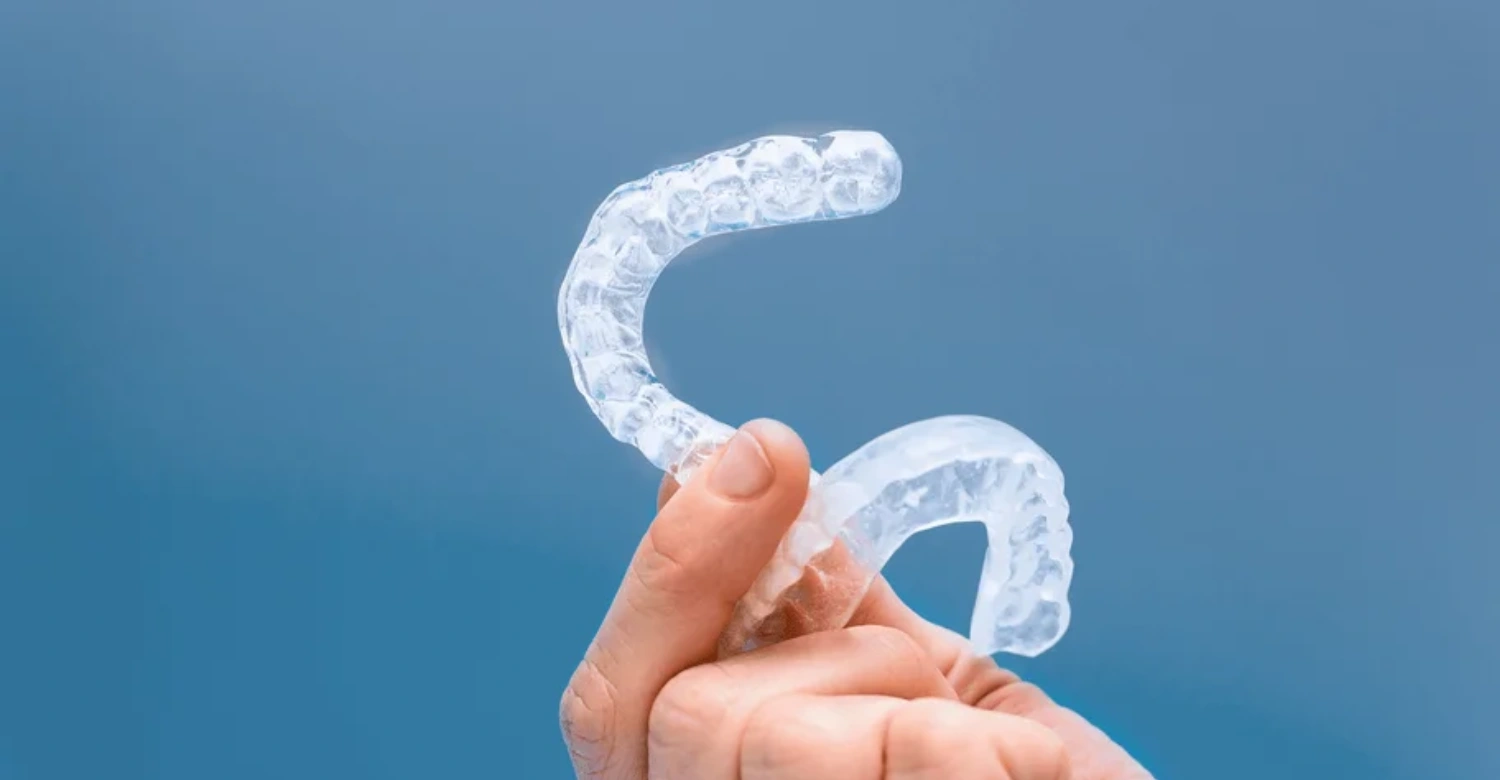
A daytime mouth guard is an oral appliance designed to create separation or protection between the upper and lower teeth. Depending on its design, it may reduce direct tooth contact and distribute forces across the dental structures. Dentists may recommend an appliance when repeated clenching creates significant tooth wear, discomfort, or risk to existing dental work. The appliance should be selected according to the patient's dental condition, bite, symptoms, and treatment goals. A professionally evaluated appliance may differ substantially from a generic product purchased without dental guidance. Comfort and fit are especially important because an uncomfortable appliance may discourage consistent use. A daytime mouth guard for clenching teeth should therefore be considered part of an individualized management strategy rather than a universal solution. The dentist may also recommend behavioral awareness techniques or treatment of underlying dental problems alongside appliance use.
How Does a Daytime Teeth Clenching Guard Work?
A daytime teeth clenching guard creates a physical barrier between opposing teeth. This separation can reduce direct tooth-to-tooth contact during episodes of clenching. Depending on its design and material, the appliance can also help distribute pressure across a broader surface. The primary purpose is usually protection rather than eliminating the neurological or behavioral factors associated with clenching. Some patients may become more aware of their jaw activity when wearing an appliance, although this effect should not be assumed for everyone. Proper adjustment is important because an appliance that interferes with the bite may create discomfort or other problems. Dentists consider factors such as tooth position, restorations, periodontal health, jaw symptoms, and occlusion before recommending a specific design. These guards can therefore be useful when carefully selected and monitored. Its role should always match the patient's clinical needs.
How Is a Daytime Mouth Guard Different From a Night Guard?
Daytime and nighttime appliances may look similar, but their intended use can differ. A night guard is generally designed for patients who experience tooth grinding or clenching during sleep. A daytime appliance may be designed around waking habits, comfort, communication, and the specific pattern of tooth contact. During the day, patients may need to speak, drink, work, and interact normally while wearing the appliance. This can influence its thickness, coverage, and overall design. Nighttime appliances can sometimes have different retention and material requirements because they are used for longer uninterrupted periods. The correct appliance depends on the patient's symptoms and dental findings rather than simply the time of use. An appliance designed for daytime use should therefore not automatically be substituted for a professionally recommended night appliance. Dental assessment can determine which design is appropriate for the patient's specific pattern of bruxism.
Who Can Benefit From a Daytime Mouth Guard?
Patients with frequent daytime clenching and evidence of excessive tooth pressure may benefit from an oral appliance. Potential candidates can include people with significant tooth wear, sensitive teeth, damaged restorations, or jaw muscle discomfort associated with repeated clenching. However, symptoms alone do not automatically mean that a mouth guard is necessary. Some patients may benefit more from behavioral awareness, habit modification, stress management, or treatment of an underlying dental condition. Children and adolescents require particularly careful evaluation because dental development can influence appliance selection. Patients with existing jaw disorders may also require specialized assessment before using an appliance. Protective mouth guards may provide useful shielding when the dentist identifies a clear clinical indication. The appliance should be properly fitted and periodically reviewed to ensure that it remains comfortable and suitable as the patient's dental condition changes.
Learn more about bacteria on teeth
How to Stop Clenching Teeth During the Day
Reducing daytime clenching usually requires awareness, habit changes, and management of contributing factors. A daytime mouth guard for clenching teeth can protect the teeth, but behavioral strategies remain important. Start by noticing when your jaw becomes tense or your teeth begin touching unnecessarily. During relaxed periods, allow the jaw muscles to rest without deliberately forcing the mouth open. Set regular reminders during work, driving, studying, or screen use. These reminders can prompt you to check whether your teeth are touching. Reducing excessive gum chewing and hard-object chewing may also decrease unnecessary jaw activity. Stress-management techniques can be useful when emotional tension contributes to clenching. Persistent symptoms should receive professional assessment because jaw pain and tooth wear have multiple possible causes. At Vitrin Clinic, personalized evaluation can help identify contributing factors and determine whether an appliance or other treatment is appropriate.
How to Stop Daytime Teeth Clenching With Jaw Awareness
Jaw awareness is one of the simplest strategies for reducing unconscious daytime clenching. The goal is to recognize unnecessary tooth contact before it becomes prolonged or repetitive. While dental guards provide physical protection, awareness helps address the behavior itself. Start by checking your jaw position several times each day. Notice whether your teeth are touching when you are not eating, swallowing, or speaking. If they are touching, consciously relax the jaw muscles without forcing the mouth open. Short reminders can be placed on your phone, computer, or workspace. Research on awake bruxism increasingly supports behavioral approaches involving awareness and habit modification. A 2026 systematic review identified behavioral strategies, including reminders and habit-focused approaches, among interventions studied for awake bruxism. Consistency matters because repeated awareness can help patients recognize patterns and modify automatic jaw activity.
Can Relaxation Techniques Reduce Daytime Teeth Clenching?
Relaxation techniques may help when daytime clenching is associated with stress, tension, or prolonged concentration. Slow breathing, brief pauses, gentle jaw relaxation, and structured stress-management exercises can encourage reduced muscle tension. An oral appliance may protect dental surfaces, but relaxation strategies address a different part of the problem. Patients can incorporate short relaxation periods throughout their working day. For example, a person might pause every hour and check their jaw, shoulders, and breathing pattern. Evidence for behavioral approaches to awake bruxism is developing, although researchers continue to identify limitations in study quality and treatment protocols. Relaxation should therefore be considered supportive rather than a guaranteed cure. If clenching remains frequent despite behavioral changes, a dental assessment can identify tooth wear, muscle tenderness, or other signs requiring further management.
Which Daily Habits Can Make Teeth Clenching Worse?
Certain daily habits may increase jaw activity or make existing clenching more noticeable. Frequent gum chewing can keep the chewing muscles active for extended periods. Chewing pens, fingernails, ice, or other hard objects can also place unnecessary forces on the teeth. Maintaining poor posture during prolonged computer use may contribute to general muscle tension. Excessive caffeine or stimulant intake may influence symptoms in some individuals, although responses vary between patients. An oral splint can provide protection when clinically appropriate, but changing aggravating habits remains important. Patients should also avoid deliberately testing or repeatedly biting the appliance because this can increase muscle activity. Keeping a simple daily record can help identify patterns between activities and symptoms. Discussing persistent problems with a dentist can help determine whether habits, medications, stress, or dental conditions are contributing to the clenching.
Can Stress and Concentration Trigger Daytime Clenching?
Stress and intense concentration can coincide with increased jaw muscle activity during waking hours. People may tighten their jaws while working, studying, driving, exercising, or completing demanding tasks. The behavior can become automatic when attention remains focused elsewhere. Dental guards may reduce direct tooth contact, but recognizing these situations can help patients modify the habit. Stress does not explain every case of daytime clenching, so symptoms should not automatically be attributed to anxiety. A useful approach involves identifying specific situations when tooth contact becomes more frequent. Patients can then use reminders to relax their jaw during those activities. Recent research has increasingly examined behavioral and biofeedback approaches for awake bruxism. However, treatment evidence remains variable, meaning individualized assessment is still important before selecting a management strategy.
Clinical Note: Why Awareness Matters
Awareness matters because daytime clenching can occur without conscious recognition. Patients may repeatedly activate their jaw muscles while focusing on work, driving, or other activities. While physical protection helps, it does not necessarily teach the jaw to remain relaxed. Awareness strategies can help patients recognize when unnecessary tooth contact occurs. Dentists may recommend reminders, behavioral exercises, or structured monitoring depending on the patient's symptoms. Keeping a short record of triggers can also reveal patterns that might otherwise remain unnoticed. For example, clenching may occur primarily during stressful meetings or prolonged computer sessions. Recognizing these patterns creates opportunities for targeted behavioral changes. Awareness is particularly useful because daytime clenching differs from sleep-related bruxism. Patients can actively respond to waking habits, while sleep-related activity generally requires different assessment and management.
Explore more on bacteriophage therapy for gum disease
Does a Daytime Mouth Guard Help With Teeth Clenching?
A daytime mouth guard for clenching teeth may help protect dental structures when repeated tooth contact creates excessive mechanical pressure. Its main benefit is usually physical protection rather than complete elimination of the clenching behavior. The appliance may separate opposing teeth and reduce direct contact during episodes of jaw activity. This can be particularly relevant for patients with tooth wear, sensitive areas, or vulnerable restorations. However, evidence does not support presenting mouth guards as a universal cure for bruxism. Behavioral awareness and management of contributing factors may remain necessary. The appropriate appliance also depends on the patient's bite, dental condition, symptoms, and treatment objectives. At Vitrin Clinic, professional assessment can help determine whether an appliance is suitable. Regular review may be necessary because dental conditions and symptoms can change over time.
What Can a Daytime Mouth Guard Protect Against?
A properly selected appliance may help reduce direct contact between opposing teeth during clenching episodes. This can potentially limit mechanical stress contributing to tooth wear and protect certain dental restorations. Dental guards may also help reduce the frequency of direct tooth-to-tooth contact while the appliance is being worn. However, the amount of protection depends on the appliance design, fit, material, and patient's behavior. It should not be considered a guarantee against all dental damage. Patients with existing cracks, severe wear, sensitive teeth, or extensive restorations may require additional treatment. Dentists should assess these conditions before recommending long-term appliance use. An appliance can be particularly useful when combined with awareness and behavioral strategies. The overall objective is to reduce unnecessary dental stress while addressing the factors contributing to repeated clenching.
Can a Mouth Guard Stop You From Clenching?
A mouth guard does not necessarily stop the muscles from clenching. Its primary function is generally to separate or protect the teeth rather than eliminate the underlying motor activity. Using a protective dental appliance can therefore reduce direct tooth contact while clenching continues. Some patients may become more aware of their jaw activity when wearing an appliance. However, this response varies between individuals and should not be guaranteed. Behavioral approaches can complement appliance therapy by helping patients recognize and reduce unnecessary tooth contact. Research into awake bruxism increasingly focuses on behavioral interventions, including awareness techniques and biofeedback. The best approach depends on the individual's symptoms and clinical findings. If clenching persists despite an appliance, the dentist may reassess the appliance, identify contributing factors, and consider alternative or additional management strategies.
Is It Safe to Wear a Mouth Guard During the Day?
Daytime appliance use can be appropriate for some patients when the device has been properly selected and fitted. Protective dental appliances should not be used simply because a person experiences occasional jaw tension. The dentist should consider the patient's teeth, bite, restorations, periodontal condition, jaw symptoms, and overall treatment needs. An improperly fitted appliance may feel uncomfortable or interfere with normal jaw function. Patients should follow the wearing schedule provided by their dental professional. They should also maintain appropriate cleaning and storage practices to reduce contamination and material deterioration. Regular dental reviews can determine whether the appliance remains suitable. Patients should report new pain, worsening symptoms, bite changes, or persistent discomfort. Professional supervision is especially important for people with complex dental restorations or existing temporomandibular disorders.
Why Does Proper Mouth Guard Fit Matter?
Proper fit matters because an oral appliance interacts directly with the teeth and bite. An appliance that fits poorly may become uncomfortable or interfere with normal jaw function. The device should remain stable without creating unnecessary pressure on individual teeth. Its thickness and design should also be appropriate for the patient's clinical situation. Generic appliances may not provide the same fit or customization as professionally evaluated devices. Patients with crowns, bridges, implants, orthodontic appliances, or significant tooth wear may require additional considerations. A dentist can assess whether the appliance distributes contact appropriately and remains comfortable during use. Regular follow-up is useful because changes in teeth, restorations, or symptoms can affect appliance suitability. Proper fitting therefore supports both comfort and the intended protective function of the appliance.
Dr. Rifat Alsaman’s Clinical Opinion on Daytime Mouth Guards
Dr. Rifat Alsaman, Head of the Medical Team at Vitrin Clinic and cosmetic dentist, emphasizes individualized assessment before appliance therapy. A daytime mouth guard for clenching teeth may be appropriate when repeated clenching creates measurable dental or muscular concerns. However, the appliance should support a broader treatment strategy rather than replace clinical evaluation. Patients may present with different levels of tooth wear, sensitivity, muscle tension, or jaw discomfort. Therefore, the same appliance design may not be suitable for everyone. Clinical assessment can identify whether protection, behavioral modification, restorative treatment, or combined management is more appropriate. Patients should also understand that an appliance protects the teeth while it is being used. It does not necessarily remove the factors that trigger clenching. Dr. Rifat Alsaman’s clinical approach emphasizes understanding the patient's symptoms, dental condition, and treatment objectives before recommending an individualized solution.
Discover more about bile acid malabsorption and dental health
What We Notice Clinically About Daytime Teeth Clenching
Dentists may notice several physical findings when evaluating patients with frequent daytime clenching. These findings can include flattened tooth surfaces, enamel wear, sensitivity, fractured restorations, or tenderness around the jaw muscles. Protective dental splints may become relevant when these findings correspond with repeated tooth contact. However, dental wear alone cannot always identify the exact cause of the problem. Normal function, acidic erosion, tooth grinding, dietary habits, and other factors can contribute to similar changes. Dentists therefore combine the patient's history with clinical examination and symptom patterns. They may ask when clenching occurs and whether symptoms become worse during stressful or concentrated activities. At Vitrin Clinic, this type of assessment can support a more personalized treatment plan. Understanding the complete clinical picture helps prevent unnecessary appliance use and focuses treatment on the patient's actual needs.
How Dentists Assess Daytime Teeth Clenching
Dentists typically begin by reviewing the patient's symptoms, habits, medical history, medications, and daily activities. Oral appliances may be considered after the clinician identifies evidence suggesting excessive daytime tooth contact. The examination can include checking tooth surfaces for wear, cracks, sensitivity, or restoration damage. Dentists may also examine the jaw muscles for tenderness or unusual tension. The temporomandibular joints can be evaluated for pain, clicking, restricted movement, or other functional concerns. Questions about work, concentration, stress, chewing habits, and previous dental treatment can provide additional information. Patients may be asked whether they notice tooth contact during specific activities. In some situations, photographs, digital scans, or other diagnostic records can support treatment planning. The purpose is not simply to confirm clenching. It is to understand its possible effects and determine whether intervention is clinically justified.
What Signs of Tooth Wear Can Clenching Cause?
Repeated clenching can contribute to mechanical wear when the teeth experience frequent or excessive contact. An oral appliance may help protect susceptible surfaces when a dentist determines that appliance therapy is appropriate. Signs can include flattened biting edges, small chips, polished contact areas, or increased sensitivity. More advanced wear may reduce tooth structure and change the appearance or function of the teeth. Existing fillings, crowns, or other restorations can also experience stress during repeated heavy contact. However, tooth wear does not automatically indicate bruxism. Acid erosion, abrasive brushing, dietary factors, and normal aging can produce similar changes. Dentists therefore consider the pattern, location, severity, and progression of wear. Early identification can help preserve remaining tooth structure and prevent unnecessary restorative procedures. Regular examinations are particularly valuable when patients report persistent clenching or increasing dental sensitivity.
How Can Clenching Affect the Jaw Muscles?
Frequent daytime clenching can keep the chewing muscles active for longer than necessary. While a mouth guard may reduce direct tooth contact, muscle activity can continue while the appliance is worn. Patients may experience muscle fatigue, tenderness, tightness, or discomfort around the cheeks and temples. Some people notice these symptoms after prolonged concentration or stressful activities. The masseter and temporalis muscles are commonly involved in chewing and jaw stabilization. Excessive activity may make these muscles feel tired or sensitive. However, jaw muscle discomfort has many possible causes and should not automatically be attributed to clenching. Dentists may examine muscle tenderness and jaw movement during an assessment. Identifying the pattern of symptoms can help determine whether behavioral strategies, appliance therapy, or another treatment approach is appropriate.
When Does Jaw Pain Require a Dental Evaluation?
Jaw pain deserves professional evaluation when it persists, becomes severe, or interferes with normal activities. Dental guards should not be used as a substitute for investigating unexplained or worsening pain. Dental assessment is particularly important when discomfort affects chewing, speaking, or opening the mouth. Sudden changes in the bite, persistent tooth sensitivity, swelling, or damaged restorations also warrant attention. Headaches accompanied by significant jaw symptoms may require evaluation because several conditions can produce similar complaints. Patients should seek prompt professional care when pain follows trauma or occurs with substantial swelling or infection-related symptoms. A dentist can determine whether clenching is contributing to the problem or whether another condition requires treatment. Early assessment may prevent a manageable issue from becoming more complicated. Vitrin Clinic can provide individualized dental evaluation when symptoms require a structured clinical assessment.
Clinical Note: Not All Jaw Pain Is Caused by Clenching
Jaw pain has many potential causes, so clenching should not automatically be considered the explanation. An oral guard may be unsuitable when symptoms originate from another dental or medical condition. Tooth infections, temporomandibular disorders, dental trauma, muscle problems, and other conditions can produce overlapping symptoms. Some patients may also experience facial pain without significant evidence of excessive tooth contact. A careful dental examination can help distinguish these possibilities. Dentists may evaluate the teeth, gums, jaw joints, muscles, and range of movement before recommending an appliance. This approach reduces the risk of treating the wrong cause. Patients should also report unusual symptoms, sudden pain, swelling, or significant changes in jaw movement. Clinical diagnosis should come before appliance selection. Treating the underlying cause is generally more appropriate than assuming every jaw symptom results from bruxism.
Dr. Rifat Alsaman’s Clinical Opinion
Dr. Rifat Alsaman emphasizes that daytime clenching should be assessed according to the patient's individual symptoms and dental findings. An oral appliance can provide protection for selected patients, especially when repeated tooth contact creates measurable dental risks. However, the appliance should not be viewed as a universal solution. Some patients may benefit primarily from awareness techniques and behavioral changes. Others may require restorative care when clenching has already damaged teeth or dental restorations. A comprehensive assessment helps determine which combination is appropriate. Dr. Rifat Alsaman also emphasizes the importance of monitoring changes over time. Dental wear, sensitivity, muscle discomfort, and bite changes can provide useful information during follow-up appointments. At Vitrin Clinic, personalized planning allows treatment recommendations to reflect the patient's oral condition rather than relying on a one-size-fits-all approach.
Dive deeper into bite strength
Daytime Mouth Guard vs. Other Ways to Manage Teeth Clenching
A Daytime Mouth Guard for Clenching Teeth is only one option for managing repeated daytime tooth contact. Some patients benefit from behavioral awareness, relaxation strategies, or habit modification instead of relying primarily on an appliance. Others may need dental treatment when clenching has contributed to tooth damage, sensitivity, or restoration problems. The appropriate approach depends on the patient's symptoms, clinical findings, and underlying triggers. Recent research increasingly supports behavioral approaches for awake bruxism, including awareness techniques and reminders. A mouth guard may provide additional protection when mechanical tooth contact remains a concern. However, appliance therapy should not automatically replace behavioral management. At Vitrin Clinic, dentists can assess the patient's oral condition and develop a personalized management strategy. Combining appropriate approaches may provide more practical protection than relying on a single intervention.
Daytime Mouth Guard vs. Stress Management
Stress management and an oral appliance address different aspects of daytime clenching. A Daytime Mouth Guard for Clenching Teeth can provide physical separation between opposing teeth during periods of clenching. Stress-management techniques instead aim to reduce tension or improve responses to situations associated with jaw tightening. These approaches can therefore complement each other. Patients may benefit from breathing exercises, scheduled relaxation breaks, improved sleep routines, or other appropriate stress-management strategies. However, stress should not automatically be considered the sole cause of clenching. Some patients clench during concentration even when they do not feel emotionally stressed. A recent systematic review found growing interest in behavioral interventions for awake bruxism, although evidence quality varies between studies. Combining awareness with dental protection may therefore be appropriate for selected patients. Professional assessment can determine whether an appliance, behavioral strategy, or combination is most suitable.
Daytime Mouth Guard vs. Behavioral Awareness
Behavioral awareness focuses on recognizing unnecessary tooth contact and relaxing the jaw during waking hours. A Daytime Mouth Guard for Clenching Teeth provides physical protection while it is being worn. These approaches have different purposes and can work alongside one another. Awareness may help patients identify specific situations that trigger clenching, such as computer work or intense concentration. Reminders can encourage patients to check their jaw position throughout the day. An appliance may then provide additional protection when repeated contact remains clinically concerning. Research into awake bruxism increasingly examines behavioral approaches, including reminders, habit modification, and biofeedback. However, individual responses vary, and no single technique works for everyone. A dentist can assess tooth wear and symptoms before recommending appliance therapy. At Vitrin Clinic, treatment planning can incorporate both behavioral strategies and dental protection when clinically appropriate.
Daytime Mouth Guard vs. Dental Treatment
Dental treatment may become necessary when clenching has already caused significant tooth damage or affected existing restorations. A Daytime Mouth Guard for Clenching Teeth may help protect vulnerable surfaces, but protection alone cannot repair lost tooth structure. Depending on the condition, treatment may involve repairing damaged restorations, treating sensitivity, managing cracks, or restoring severely worn teeth. Dentists should first identify the cause and severity of the dental problem. Replacing damaged teeth without addressing ongoing mechanical stress may leave the patient vulnerable to future problems. Conversely, an appliance may be unnecessary when dental findings do not indicate excessive clenching-related risk. Professional assessment therefore helps determine whether protection, restorative care, behavioral management, or combined treatment is appropriate. Vitrin Clinic can evaluate the condition of the teeth and develop a treatment plan based on the patient's individual dental needs.
When Is Additional Treatment Needed?
Additional treatment may be needed when daytime clenching is associated with persistent pain, significant tooth wear, cracks, sensitivity, or damaged restorations. A Daytime Mouth Guard for Clenching Teeth may protect the teeth, but it cannot restore dental structures that have already been lost. Dentists may recommend restorative procedures when tooth damage affects function, comfort, or structural stability. Persistent jaw symptoms may also require evaluation for temporomandibular disorders or other conditions. Patients experiencing sudden swelling, severe pain, trauma-related symptoms, or major changes in jaw movement should seek professional dental care promptly. Treatment decisions should be based on examination findings rather than symptoms alone. In some cases, behavioral management may remain the main intervention. Other patients may benefit from a combination of appliance protection and restorative treatment. Regular follow-up allows the dentist to monitor progression and adjust the treatment plan when necessary.
Note : All images used are for editorial and illustrative purposes only and may not originate from the original news provider or associated company
Read the full article on biting cheek while eating
.
Tips for Patients With Daytime Teeth Clenching
Managing daytime clenching often starts with small changes that increase awareness throughout the day. A Daytime Mouth Guard for Clenching Teeth may provide additional protection when a dentist recommends it. However, patients can also monitor their jaw position during work, driving, studying, and other focused activities. Regular reminders can encourage relaxation before clenching becomes prolonged. Reducing unnecessary gum chewing and hard-object chewing can decrease additional jaw activity. Keeping a trigger diary may help identify patterns connected with specific activities or situations. Patients should also pay attention to new sensitivity, tooth wear, jaw fatigue, or headaches. These symptoms can provide useful information during a dental assessment. Avoiding self-treatment with an unsuitable appliance is also important. At Vitrin Clinic, professional evaluation can help patients understand their symptoms and select appropriate preventive or restorative care when necessary.
Keep Your Teeth Apart When You Are Not Eating
Keeping unnecessary tooth contact to a minimum can reduce repeated pressure during waking hours. A Daytime Mouth Guard for Clenching Teeth may help protect the teeth, but relaxed jaw positioning remains an important behavioral goal. When you are not chewing or swallowing, avoid deliberately pressing the upper and lower teeth together. Instead, allow the jaw muscles to remain relaxed without forcing the mouth into an uncomfortable position. This awareness can be especially useful during computer work, driving, reading, or stressful tasks. Phone notifications or computer reminders can prompt regular jaw checks. Patients should avoid repeatedly testing whether their teeth are touching because this can increase awareness without reducing the habit. The objective is simple recognition followed by relaxation. If maintaining a relaxed jaw feels difficult or symptoms persist, a dental evaluation can help identify contributing factors and determine whether additional management is appropriate.
Use Reminders to Relax Your Jaw
Regular reminders can help patients recognize unconscious daytime clenching before it becomes prolonged. A Daytime Mouth Guard for Clenching Teeth can offer protection, while reminders address the behavioral component of repeated tooth contact. Patients can place brief reminders on their phones, computer screens, calendars, or frequently used objects. When a reminder appears, check whether the teeth are touching unnecessarily. Then relax the jaw muscles without forcing the mouth open. This process can be repeated several times throughout the day. Behavioral awareness is particularly useful because waking clenching can occur during activities requiring intense concentration. Research has investigated reminders and other behavioral strategies as potential approaches for awake bruxism. However, individual responses vary, and reminders should not be presented as a guaranteed treatment. Persistent symptoms, tooth damage, or significant jaw discomfort should receive professional evaluation.
Avoid Excessive Gum and Hard-Object Chewing
Frequent gum chewing can keep the jaw muscles active for extended periods. Chewing pens, ice, fingernails, or other hard objects can also place unnecessary mechanical forces on the teeth. A Daytime Mouth Guard for Clenching Teeth may protect against some direct tooth contact, but reducing excessive chewing habits can decrease additional jaw activity. Patients who already experience muscle fatigue may benefit from limiting activities that require prolonged chewing. This does not mean avoiding normal eating or necessary jaw movements. Instead, the goal is to reduce unnecessary repetitive activity outside normal functions. Patients should also avoid deliberately biting hard objects to test tooth strength. Such habits can contribute to cracks, chips, or restoration damage. If jaw discomfort continues despite changing these habits, a dentist can evaluate the teeth, muscles, and jaw joints for other possible causes.
Track Your Daytime Clenching Triggers
Tracking triggers can help patients understand when and where clenching occurs. A Daytime Mouth Guard for Clenching Teeth may provide protection, but identifying patterns can support more targeted behavioral changes. Record situations associated with jaw tension, such as work deadlines, prolonged screen use, driving, studying, or intense concentration. Note accompanying symptoms such as jaw fatigue, headaches, tooth sensitivity, or facial discomfort. After several days, patterns may become easier to recognize. Patients can then introduce reminders during the situations most strongly associated with clenching. A simple diary does not need to contain detailed medical information. The purpose is to identify repeated behavioral patterns that can be discussed with a dentist. This information can also help distinguish occasional tension from frequent or persistent clenching. Professional assessment remains important when symptoms are significant or dental damage is present.
Know When to See a Dentist
A dental evaluation is appropriate when daytime clenching becomes frequent, painful, or associated with visible dental changes. A Daytime Mouth Guard for Clenching Teeth may be considered when examination findings show a need for dental protection. Patients should seek assessment for persistent tooth sensitivity, unexplained tooth wear, cracked teeth, damaged restorations, or recurring jaw muscle pain. Difficulty opening the mouth or significant changes in the bite also deserve professional attention. Headaches may have many causes, so they should not automatically be attributed to clenching. A dentist can examine the teeth, restorations, muscles, and jaw function before recommending treatment. Early assessment can help identify problems before they progress. Vitrin Clinic can provide personalized evaluation and treatment planning based on the patient's symptoms and clinical findings.
Find out more about biting tongue while eating
Daytime Mouth Guard for Clenching Teeth at Vitrin Clinic
At Vitrin Clinic, a Daytime Mouth Guard for Clenching Teeth can be considered after evaluating the patient's teeth, bite, symptoms, and jaw function. The assessment helps determine whether an appliance is appropriate or whether another management approach would be better. Dentists may look for tooth wear, sensitivity, cracks, restoration damage, and signs of muscle tenderness. They may also discuss when clenching occurs and whether specific activities appear to trigger it. Digital dental records can support documentation and personalized treatment planning when clinically useful. The goal is not simply to provide an appliance. The goal is to understand the patient's oral condition and reduce unnecessary dental stress. Treatment recommendations can therefore combine appliance protection with awareness techniques, habit modification, or restorative care when needed. This individualized approach helps ensure that treatment addresses the patient's specific clinical situation.
How Vitrin Clinic Evaluates Teeth Clenching
Vitrin Clinic can evaluate daytime clenching through a structured dental examination and patient discussion. A Daytime Mouth Guard for Clenching Teeth should be recommended only when clinical findings support its use. The evaluation may include examination of tooth surfaces, restorations, bite relationships, and areas of sensitivity. Dentists can also assess jaw movement and examine relevant chewing muscles for tenderness or excessive tension. Patients may be asked about headaches, jaw fatigue, facial discomfort, and situations when clenching occurs. Daily habits can provide important information because concentration and repetitive activities may influence waking clenching. Digital diagnostic tools may also support treatment planning when appropriate. The assessment helps distinguish possible clenching-related problems from other dental or jaw conditions. This distinction is important because not every patient with jaw discomfort requires an oral appliance. Personalized evaluation supports safer and more targeted treatment decisions.
Personalized Mouth Guard and Treatment Planning
A personalized appliance should reflect the patient's dental condition, symptoms, bite, and treatment objectives. A Daytime Mouth Guard for Clenching Teeth may have different design requirements depending on tooth position, existing restorations, and the amount of protection needed. Vitrin Clinic can incorporate clinical findings into an individualized treatment plan. The dentist may determine whether appliance therapy should be combined with behavioral awareness or other dental treatment. Patients with significant tooth wear may require restorative assessment before or alongside appliance therapy. Existing crowns, bridges, implants, or other restorations can also influence appliance selection. Comfort is another important consideration because patients need to tolerate the appliance during waking activities. The treatment plan should therefore consider both clinical protection and practical daily use. Follow-up appointments can help evaluate comfort, symptoms, and dental changes after treatment begins.
Dr. Rifat Alsaman’s Clinical Perspective
Dr. Rifat Alsaman, Head of the Medical Team at Vitrin Clinic and cosmetic dentist, emphasizes that appliance selection should follow clinical assessment. A Daytime Mouth Guard for Clenching Teeth may be useful when repeated tooth contact creates a clear risk to dental structures. However, the appliance should be integrated into a broader management strategy when necessary. Patients may have different causes, symptoms, and degrees of dental wear. Some may benefit primarily from awareness and habit modification. Others may require restorative treatment because existing tooth damage has already developed. Dr. Rifat Alsaman’s clinical perspective focuses on understanding these differences before recommending treatment. Monitoring is also important because symptoms and dental conditions can change over time. At Vitrin Clinic, personalized planning can help ensure that treatment recommendations reflect the patient's specific oral health needs rather than applying the same appliance approach to every patient.
Get the details on chewing gum teeth
Personalized Care for Teeth Clenching at Vitrin Clinic
Personalized care can be particularly important when daytime clenching produces different symptoms or levels of dental damage. A Daytime Mouth Guard for Clenching Teeth may be appropriate for one patient but unnecessary for another. Vitrin Clinic focuses on evaluating the patient's dental condition before selecting an appropriate management approach. The assessment can consider tooth wear, sensitivity, restorations, jaw symptoms, and individual habits. Digital dentistry may also support accurate documentation and treatment planning. The purpose is to create a strategy that balances protection, comfort, and the patient's specific needs. Behavioral recommendations can be incorporated when awareness appears relevant to the patient's clenching pattern. Restorative treatment may also be considered when structural damage has occurred. Regular follow-up allows the dental team to monitor changes and adjust recommendations when needed. This approach can help avoid unnecessary treatment while addressing clinically important risks.
Why Professional Assessment Matters Before Choosing a Mouth Guard
Professional assessment helps determine whether a mouth guard is actually appropriate for the patient's symptoms and dental condition. A Daytime Mouth Guard for Clenching Teeth should not automatically be selected based solely on jaw discomfort or suspected clenching. The dentist can examine the teeth for wear, cracks, sensitivity, and restoration damage. The bite and jaw function can also provide information about possible contributing factors. Some symptoms that resemble clenching may have other dental or musculoskeletal causes. An appliance that does not match the patient's needs may provide limited benefit or become uncomfortable. Professional evaluation also allows the dentist to consider existing crowns, bridges, implants, or other restorations. At Vitrin Clinic, this assessment can contribute to a personalized treatment plan. The goal is to determine whether an appliance, behavioral management, restorative treatment, or a combination provides the most appropriate clinical approach.
How Digital Dentistry Can Support Personalized Treatment
Digital dentistry can support treatment planning by providing detailed information about the patient's teeth and oral structures. A Daytime Mouth Guard for Clenching Teeth can be planned more appropriately when clinicians understand the patient's dental anatomy and existing restorations. Digital scans can create detailed records of tooth surfaces and bite relationships. These records may help document wear patterns and support appliance planning when clinically indicated. Vitrin Clinic uses digital dental technologies as part of its broader approach to personalized treatment planning. Tools such as digital impressions can also improve patient communication by making dental conditions easier to visualize. However, digital technology does not replace clinical judgment. Dentists still need to evaluate symptoms, jaw function, dental history, and other relevant findings. The combination of clinical assessment and appropriate digital records can support more precise and individualized treatment decisions.
What Patients Can Expect From Their Treatment Plan
Patients can expect treatment planning to begin with an evaluation of their symptoms, dental condition, and clenching pattern. A Daytime Mouth Guard for Clenching Teeth may be recommended when the clinical findings indicate that protection could be beneficial. The dentist can explain why the appliance is appropriate and how it should be used. Patients may also receive guidance about jaw awareness, chewing habits, reminders, or other supportive strategies. If tooth damage is present, additional restorative treatment may be discussed. Vitrin Clinic can use digital dental records and clinical findings to support personalized planning where appropriate. Follow-up may be recommended to assess comfort and monitor changes in symptoms or dental surfaces. Patients should report persistent discomfort, changes in their bite, or other unexpected symptoms. Clear communication between the patient and dental team helps ensure that treatment remains appropriate as needs change.
Clinical Note: Why One Mouth Guard Does Not Fit Every Patient
Not every patient requires the same appliance design because dental conditions and clenching patterns vary considerably. A Daytime Mouth Guard for Clenching Teeth should be selected according to the individual's clinical needs rather than a standard assumption. Differences in tooth position, restorations, bite relationships, tooth wear, and jaw symptoms can influence appliance selection. Patients also differ in how frequently they clench and which situations trigger the behavior. Some may require short-term protection while addressing behavioral triggers. Others may need longer monitoring because existing dental damage increases their risk. A generic appliance may not provide the same level of fit or suitability as a professionally evaluated device. Clinical assessment therefore remains important before regular use. Vitrin Clinic can evaluate these factors and develop an individualized approach that considers protection, comfort, and the patient's broader dental treatment needs.
Everything you need to know about chewing on one side of mouth
When Should You See a Dentist About Daytime Teeth Clenching?
You should consider a dental evaluation when daytime clenching becomes frequent, uncomfortable, or associated with dental changes. A Daytime Mouth Guard for Clenching Teeth may protect vulnerable teeth when examination findings support its use. Persistent tooth sensitivity, flattened surfaces, cracked teeth, damaged restorations, or recurring jaw discomfort deserve professional attention. Headaches may also occur alongside jaw muscle tension, although they can have many different causes. Difficulty opening the mouth or noticeable changes in your bite should also be evaluated. A dentist can examine your teeth, jaw muscles, joints, and restorations to identify possible contributing factors. Early assessment can help distinguish clenching from other conditions that may cause similar symptoms. Treatment may involve behavioral strategies, an oral appliance, restorative dentistry, or a combination of approaches. At Vitrin Clinic, individualized evaluation can help determine the most appropriate treatment strategy for each patient's needs.
Can Daytime Teeth Clenching Damage Your Teeth?
Repeated daytime clenching can place substantial mechanical pressure on the teeth and existing restorations. A Daytime Mouth Guard for Clenching Teeth may help reduce direct contact when a dentist determines that protection is appropriate. Possible dental effects include flattened surfaces, small chips, increased sensitivity, and stress on fillings or crowns. More severe or prolonged forces may contribute to cracks or progressive loss of tooth structure. However, tooth wear does not automatically prove that clenching caused the damage. Acid erosion, abrasive habits, normal aging, and other factors can produce similar changes. Dentists therefore evaluate the pattern and location of wear alongside the patient's history and symptoms. Early recognition can help protect remaining tooth structure and guide appropriate treatment. Patients with noticeable changes should arrange a dental examination rather than relying solely on an over-the-counter appliance.
Can Teeth Clenching Cause Jaw Pain and Headaches?
Daytime clenching can contribute to jaw muscle fatigue and discomfort in some patients. A Daytime Mouth Guard for Clenching Teeth may reduce direct tooth contact, but it does not necessarily eliminate muscle activity. Patients may notice soreness around the cheeks, temples, or jaw after prolonged periods of concentration. Headaches can sometimes occur alongside jaw muscle tension, particularly when symptoms develop after sustained clenching. However, headaches have many possible causes and should not automatically be attributed to bruxism. A dentist can evaluate the jaw muscles, teeth, bite, and movement to determine whether clenching appears relevant. Persistent or severe symptoms may require broader medical or dental assessment. Treatment depends on the underlying cause and may include behavioral awareness, appliance therapy, restorative care, or other appropriate management. Professional evaluation is particularly important when symptoms are new, worsening, or interfering with daily activities.
What Symptoms Should Not Be Ignored?
Certain symptoms should receive professional attention rather than being managed solely with an appliance. A Daytime Mouth Guard for Clenching Teeth should not delay evaluation of severe or unexplained dental symptoms. Persistent tooth pain, significant sensitivity, cracked teeth, swelling, or damaged restorations can indicate problems requiring treatment. Difficulty opening or closing the mouth may also require evaluation, particularly when accompanied by significant pain. Sudden changes in the bite should not be ignored because they can have several possible causes. Facial swelling, signs of infection, or severe pain require prompt dental assessment. Patients should also report symptoms that continue despite reducing clenching triggers. At Vitrin Clinic, dental evaluation can help determine whether symptoms relate to clenching or another oral condition. Identifying the underlying problem is essential before selecting an appropriate appliance or treatment.
Read more about chronic venous insufficiency and periodontal health
Conclusion: Managing Daytime Teeth Clenching
Managing daytime clenching usually requires more than simply placing an appliance between the teeth. A Daytime Mouth Guard for Clenching Teeth can provide useful protection for selected patients when repeated tooth contact creates a clinical risk. However, it does not necessarily eliminate the behavior or its underlying triggers. Awareness, reminders, habit modification, and appropriate stress-management strategies may complement dental protection. Professional evaluation is important when patients experience tooth wear, sensitivity, jaw discomfort, headaches, or restoration damage. At Vitrin Clinic, personalized assessment can help determine whether appliance therapy, behavioral management, restorative treatment, or combined care is appropriate. Digital dentistry can also support documentation and individualized treatment planning when clinically useful. The most effective approach depends on the patient's symptoms, dental condition, and treatment goals. Early attention can help protect teeth and support healthier jaw function over time.
Learn more about daytime mouth guard for clenching teeth
Reference
FAQs
Dr. Rifat Alsaman has more than 5 years of clinical experience in dentistry and currently serves as the Head of the Medical Team at Vitrin Clinic. He is dedicated to providing exceptional patient care, overseeing treatment planning, and ensuring the highest clinical standards across the team. His expertise, attention to detail, and commitment to continuous professional development have helped countless patients achieve healthier, more confident smiles.


