Dental Implant
September 14, 2026
Full Arch Dental Implants: How the PATZi Protocol Helps Treat Severe Upper-Jaw Bone Loss?
 Dr. Rifat Alsaman
Full Arch Dental Implants can provide a fixed approach for replacing most or all teeth in an arch. Severe upper-jaw bone loss can make conventional implant placement more complex. The PATZi Protocol is associated with treatment approaches designed for challenging maxillary conditions. Careful diagnosis is essential before deciding whether advanced implant techniques are appropriate. CBCT imaging can help evaluate remaining bone volume, anatomical structures, and potential implant positions. Treatment planning must also consider the final prosthesis, bite, facial support, and long-term maintenance. According to Dr. Rifat Alsaman, Head of the Medical Team at Vitrin Clinic and cosmetic dentist, complex cases require individualized planning rather than a single treatment formula. Vitrin Clinic evaluates each international patient's clinical needs before recommending an implant strategy. The objective is to achieve stable function, appropriate aesthetics, and a restoration that suits the patient's anatomy.
What Are Full Arch Dental Implants?
replace multiple missing teeth across an entire upper or lower dental arch. Instead of placing an individual implant for every missing tooth, several implants can support a complete prosthetic restoration. The exact number depends on bone availability, implant position, prosthetic requirements, and overall oral health. A fixed restoration may restore chewing ability while also supporting facial appearance and speech. Patients with extensive tooth loss may consider this approach when conventional dentures provide insufficient stability. The treatment requires coordinated surgical and prosthetic planning before implant placement begins. Digital diagnostics can help clinicians understand the patient's anatomy and identify important structures. At Vitrin Clinic, treatment planning can incorporate CBCT, digital X-rays, and three-dimensional intraoral scanning. These technologies can support more precise communication between the surgical and restorative stages.
How Do Full Arch Dental Implants Work?
Full Arch Dental Implants use strategically positioned implants to support a complete dental prosthesis. The implants are inserted into suitable areas of the jawbone after comprehensive clinical assessment. During healing, bone gradually integrates with the implant surfaces through a process called osseointegration. Depending on stability and individual circumstances, temporary teeth may sometimes be attached during an immediate-loading approach. The definitive restoration is usually designed after the clinical situation becomes suitable for final prosthetic treatment. Implant distribution is important because the prosthesis must withstand repeated chewing forces. The restoration also needs appropriate contact with opposing teeth to reduce excessive pressure. Digital planning can help clinicians coordinate implant positions with the planned prosthesis. The result can provide greater stability than removable dentures when treatment is appropriately planned and maintained.
Full Arch Dental Implants vs. Full Mouth Dental Implants
Full Arch Dental Implants generally describe replacement of an entire dental arch using multiple implants and a prosthetic restoration. Full mouth dental implants usually describe rehabilitation involving both the upper and lower arches. The terminology can vary between clinics, dentists, and treatment providers. Therefore, patients should ask exactly which teeth, arches, implants, and prostheses are included. A single-arch treatment may address extensive tooth loss in the upper or lower jaw. Full-mouth rehabilitation may require coordinated treatment across both arches and can involve additional bite considerations. The distinction can also affect treatment duration, diagnostic requirements, prosthetic design, and overall cost. A detailed treatment plan should specify whether the quoted treatment covers one arch or both arches. At Vitrin Clinic, an individualized assessment can clarify the recommended scope before treatment begins.
Who Is a Candidate for Full Arch Implants?
Candidates for Full Arch Dental Implants generally have extensive tooth loss, severely damaged teeth, or teeth that cannot be predictably restored. Adequate general health is important because surgery and healing require appropriate physiological conditions. Bone volume and quality are also evaluated because implants require suitable support. However, reduced bone volume does not automatically exclude someone from implant treatment. Additional procedures or alternative implant strategies may sometimes address challenging anatomical conditions. Active periodontal disease, uncontrolled medical conditions, poor oral hygiene, and heavy smoking can influence treatment suitability. A comprehensive examination should therefore occur before a final recommendation is made. Clinicians may evaluate existing teeth, gums, bone structure, bite relationships, and aesthetic expectations. The final decision should be based on individual findings rather than age or tooth loss alone. Vitrin Clinic uses digital diagnostic information to support individualized treatment planning for international patients.
Full Arch Implants for Missing Teeth
Full Arch Dental Implants can be considered when numerous teeth are missing or when remaining teeth have poor long-term prognosis. Multiple missing teeth can affect chewing, speech, facial support, and confidence during everyday activities. Conventional removable dentures can replace missing teeth, but some patients experience movement during eating or speaking. Implant-supported restorations use implants anchored within the jawbone to provide a more stable foundation. The number and position of implants depend on anatomy, prosthetic design, and clinical objectives. Patients should also understand that implants do not behave exactly like natural teeth. They require daily cleaning and professional maintenance to reduce biological and mechanical complications. A complete assessment can determine whether fixed or removable implant-supported treatment is more appropriate. Vitrin Clinic can evaluate the condition of remaining teeth before developing a personalized full-arch treatment plan.
Full Arch Dental Implants With Bone Loss
Full Arch Dental Implants may still be possible when significant jawbone loss is present, but treatment becomes more complex. Bone resorption commonly occurs after tooth loss because the jaw no longer receives normal stimulation from tooth roots. Severe maxillary bone loss can also limit conventional implant placement in the posterior upper jaw. Anatomical structures, including the maxillary sinus, must be considered during planning. Advanced protocols may provide alternative strategies for selected patients with challenging bone conditions. The PATZi Protocol is one approach associated with severe upper-jaw bone loss and requires specialist assessment. CBCT imaging is particularly valuable because two-dimensional images cannot fully represent three-dimensional bone anatomy. Treatment should focus on implant stability, prosthetic support, anatomical safety, and long-term function. Dr. Rifat Alsaman emphasizes that bone loss should be evaluated individually rather than judged from a single clinical measurement.
Clinical Note: Why a Comprehensive Assessment Matters
A comprehensive assessment is essential before recommending Full Arch Dental Implants because implant treatment involves both surgical and prosthetic decisions. Clinicians need to understand the available bone, gum condition, bite, existing teeth, and anatomical limitations. CBCT imaging can provide three-dimensional information about bone dimensions and important anatomical structures. Digital impressions can also help clinicians visualize the planned restoration and coordinate implant positions. Medical history is equally important because healing capacity can be influenced by systemic factors and medications. Smoking, uncontrolled periodontal disease, and poor oral hygiene may increase the risk of complications. The treatment plan should therefore be based on objective findings rather than a generic implant package. At Vitrin Clinic, digital diagnostics can support communication between clinical planning and prosthetic design. This approach helps create a treatment strategy that considers immediate treatment requirements and long-term maintenance.
How Many Implants Are Needed for a Full Arch?
The number of implants needed for a complete arch depends on the patient's anatomy and restorative requirements. Some treatment concepts use four strategically positioned implants to support a fixed restoration. Other cases may benefit from six or more implants when bone distribution and prosthetic requirements allow. Implant quantity alone does not determine treatment quality. Position, angulation, primary stability, bone conditions, and prosthetic design also influence the outcome. A clinician may recommend fewer implants when strategic placement provides adequate support. More implants may be appropriate when additional distribution of chewing forces is desirable. Treatment planning should therefore begin with the final restoration rather than simply selecting an implant number. Digital planning can help evaluate potential implant positions before surgery. The recommended number should ultimately reflect individual anatomy, functional requirements, and the long-term maintenance strategy.
How Many Implants Support a Full Arch?
A full arch restoration can be supported by different implant configurations depending on the patient's clinical circumstances. Four implants may support a complete fixed prosthesis in selected cases with appropriate implant positioning. Six implants can provide additional distribution of support when anatomical and prosthetic conditions permit. Some complex cases may require alternative configurations because conventional implant placement is limited by bone availability. The upper jaw can present additional challenges because bone density and anatomical structures differ from the lower jaw. The final implant number should therefore be determined after three-dimensional assessment. A higher number of implants is not automatically better if placement compromises bone quality or anatomical safety. Conversely, too few implants may create unnecessary prosthetic loading in certain cases. The clinician should balance biological safety, mechanical requirements, aesthetics, and future maintenance when selecting the configuration.
All-on-4 Full Arch Dental Implants
All-on-4 Full Arch Dental Implants use four strategically positioned implants to support a complete fixed prosthetic arch in selected patients. The concept can reduce the number of implants required compared with placing individual implants for every missing tooth. Posterior implants may be angled to maximize available bone while avoiding certain anatomical structures. Immediate temporary teeth may sometimes be provided when adequate primary implant stability has been achieved. However, immediate loading is not appropriate for every patient. Bone quality, implant stability, bite forces, systemic health, and prosthetic design must all be considered. The final restoration is generally planned separately from the temporary prosthesis. Patients should also understand that All-on-4 is a specific treatment concept rather than a guarantee of treatment suitability. A CBCT assessment can help determine whether this approach matches the patient's anatomy and restorative needs.
Other Full Arch Implant Treatment Options
Other full-arch treatment concepts may be considered when four implants do not provide the preferred support strategy. Six implants can distribute prosthetic forces across a broader foundation when sufficient bone is available. Implant-supported removable dentures provide another option for patients who need improved stability without a completely fixed restoration. Advanced implant approaches may also be considered when severe bone loss limits conventional placement. The choice depends on bone anatomy, oral health, aesthetic expectations, functional requirements, and budget. A fixed restoration is not automatically the best option for every patient. Maintenance requirements and access for professional cleaning should also influence treatment planning. Clinicians may compare several configurations before selecting the most predictable approach. At Vitrin Clinic, treatment planning can be customized according to diagnostic findings and the patient's individual goals.
Four-Implant Full Arch Restoration
Four-implant full-arch restoration uses four implants to provide support for a complete prosthetic arch in appropriately selected cases. Strategic positioning can help maximize available bone and distribute functional forces across the restoration. The concept may be particularly useful when posterior bone availability is limited. Angled posterior implants can sometimes help avoid anatomical structures while increasing the available support area. However, implant angulation and position require careful three-dimensional planning. Primary stability is also important when immediate temporary teeth are being considered. Patients should understand that the temporary prosthesis and final restoration may have different designs and materials. Long-term success also depends on oral hygiene, professional maintenance, and appropriate bite management. The suitability of a four-implant configuration should always be established through individualized clinical and radiographic assessment.
Six-Implant Full Arch Restoration
Six-implant full-arch restoration uses six implants to support a complete prosthetic arch when clinical conditions allow. Additional implants can provide broader distribution of support across the dental arch. This configuration may be considered when sufficient bone is available in multiple regions. It can also provide restorative flexibility when the prosthetic design requires additional support. However, adding implants does not automatically improve the result if placement is poorly planned. Bone quality, implant distribution, prosthetic space, and hygiene access remain important considerations. The upper and lower jaws can require different strategies because their anatomy and bone characteristics differ. A clinician may use CBCT and digital planning to evaluate the proposed implant positions. The final configuration should balance surgical feasibility, prosthetic requirements, aesthetics, function, and long-term maintenance.
Full Arch Implant-Supported Dentures
Full Arch Dental Implants can also support an overdenture rather than a permanently fixed prosthesis. Implant-supported dentures remain removable, but implants can provide substantially greater retention than conventional dentures. This approach may be suitable for patients who prefer easier prosthesis removal for cleaning. It can also provide an alternative when a fixed restoration is not appropriate because of anatomical or financial considerations. The number of implants varies according to the arch, available bone, attachment system, and treatment objectives. Patients should ask whether the prosthesis is fixed, removable, or designed as a hybrid solution. Maintenance requirements also differ between removable and fixed restorations. At Vitrin Clinic, treatment discussions can include different prosthetic options before the final plan is selected. The best solution should address function, hygiene, comfort, aesthetics, and long-term practicality.
Dr. Rifat Alsaman’s Opinion on Choosing the Number of Implants
Dr. Rifat Alsaman, Head of the Medical Team at Vitrin Clinic and cosmetic dentist, emphasizes that implant quantity should follow clinical requirements. The number of implants should not be selected simply because one configuration is popular. Bone anatomy, implant stability, prosthetic dimensions, bite forces, and aesthetic objectives all influence the decision. Four implants can be effective for selected patients, while other patients may benefit from six or additional implants. Severe bone loss may require specialized approaches rather than conventional implant positioning. The final prosthesis should also be considered before implant placement because implant positions must support the restoration. Digital planning can help clinicians evaluate these relationships before surgery. According to this clinical perspective, predictable treatment begins with diagnosis rather than with a predetermined implant package. Each patient should receive a treatment plan based on individual anatomy and long-term restorative needs.
What Is the Full Arch Dental Implant Procedure?
The Full Arch Dental Implants procedure normally involves several coordinated stages rather than one isolated appointment. Treatment begins with an examination, medical history, diagnostic imaging, and assessment of the remaining teeth and soft tissues. Digital planning can then connect the surgical implant positions with the intended prosthetic design. Implant placement follows once the treatment strategy has been established. Some patients may receive temporary teeth shortly after surgery when immediate loading is clinically appropriate. Healing then allows the implants to integrate with the surrounding bone. After healing and clinical reassessment, the definitive restoration can be fabricated and fitted. The exact timeline varies according to bone conditions, additional procedures, implant stability, and prosthetic requirements. International patients should receive clear information about appointments, healing periods, temporary teeth, final restoration, and aftercare before traveling for treatment.
Initial Examination and Digital Treatment Planning
The first stage involves evaluating the patient's oral health, bone anatomy, bite, aesthetic goals, and overall treatment needs. CBCT imaging can provide detailed three-dimensional information about bone volume and important anatomical structures. Digital X-rays can complement the assessment by showing teeth and supporting structures. A 3D intraoral scanner can capture digital information about the teeth, gums, and planned prosthetic relationship. These records can help clinicians visualize the proposed treatment before implant surgery. Digital treatment planning may also improve communication between surgical and restorative stages. The clinician can evaluate implant positions according to the final prosthetic requirements. This is particularly important when bone loss or complex anatomy is present. At Vitrin Clinic, digital diagnostics can be incorporated into an individualized treatment plan for international patients. The objective is to reduce uncertainty before treatment and coordinate each stage more efficiently.
Implant Placement and Temporary Teeth
Implant placement involves surgically positioning dental implants within predetermined areas of the jawbone. The procedure is performed after reviewing the patient's anatomy and confirming the treatment plan. Primary implant stability is an important consideration when temporary teeth are planned immediately after surgery. When appropriate conditions are present, a temporary restoration may help patients maintain appearance and basic function during healing. Temporary teeth are not necessarily identical to the final prosthesis. They may be designed to protect healing implants while allowing clinicians to evaluate the bite and aesthetics. Patients should follow specific dietary and oral hygiene instructions during this stage. Excessive chewing forces can interfere with healing when implants require protected loading. The clinical team monitors healing before proceeding to the definitive restoration. The timing of each stage depends on implant stability, bone conditions, and individual healing response.
Healing and Osseointegration
Osseointegration is the biological process through which bone becomes closely integrated with the implant surface. This process provides the foundation for long-term implant stability. Healing time varies according to implant location, bone quality, surgical technique, loading protocol, and individual health factors. Patients may receive temporary teeth during this period when clinically appropriate. However, temporary restorations often require dietary restrictions to reduce excessive forces during healing. Good oral hygiene is important because inflammation around healing implants can create complications. Smoking can also negatively affect healing and should be discussed with the dental team before treatment. Follow-up appointments allow clinicians to evaluate soft tissues, implant stability, and prosthetic function. Once sufficient healing has occurred, the treatment can progress toward the final restoration. Patients should avoid comparing their healing timeline directly with another patient's experience.
Final Full Arch Implant Restoration
The final restoration is designed after the implants have sufficiently healed and the clinical team confirms that definitive loading is appropriate. Digital impressions or conventional records can be used to capture the relationship between the implants and surrounding structures. The prosthetic design considers tooth position, facial support, speech, bite, aesthetics, and cleaning access. Materials may include high-strength ceramics, zirconia, acrylic-based components, or other restorative materials. The choice depends on the clinical situation and laboratory design requirements. The final prosthesis should provide appropriate contact with the opposing arch without creating excessive forces. Patients usually receive instructions about cleaning around the prosthesis and attending maintenance appointments. At Vitrin Clinic, digital workflows can support communication between implant planning and final restoration. The completed restoration should be evaluated for comfort, function, aesthetics, and long-term maintainability.
Clinical Note: Why Implant Position and Bite Planning Matter
Implant position influences how forces are transferred from the prosthesis to the implants and surrounding bone. Poor positioning can create restorative challenges even when implants successfully integrate with bone. The final prosthesis should therefore influence implant placement rather than being treated as an afterthought. Bite planning is equally important because excessive or uneven forces can contribute to mechanical complications. Bruxism and strong chewing forces may require additional protective strategies. Digital planning can help visualize implant positions alongside the intended tooth arrangement. CBCT information can also help clinicians assess anatomical limitations before surgery. A coordinated surgical and prosthetic workflow can reduce avoidable discrepancies between implant placement and restoration design. Dr. Rifat Alsaman considers prosthetic planning an essential component of predictable full-arch rehabilitation. This principle becomes especially important when treating severe bone loss or complex upper-jaw anatomy.
What Are the Benefits of Full Arch Teeth Replacement?
Full Arch Dental Implants can provide a stable foundation for replacing extensive tooth loss and restoring important oral functions. Patients may experience improved chewing compared with unstable conventional dentures. Implant-supported restorations can also reduce movement during speaking and eating. A fixed prosthesis can provide a more tooth-like experience when appropriate clinical conditions are present. Treatment can additionally improve the appearance of missing teeth and restore aspects of facial support. However, benefits depend on proper diagnosis, surgical execution, prosthetic design, and maintenance. Implant treatment is not maintenance-free, and the surrounding tissues still require daily cleaning and professional monitoring. Patients should also understand that individual outcomes vary according to bone conditions and overall oral health. The treatment objective should be long-term function rather than aesthetics alone. A personalized plan can help balance functional, biological, aesthetic, and practical considerations.
Improved Chewing and Oral Function
Full Arch Dental Implants can restore a stable biting platform when extensive tooth loss has compromised normal chewing. Conventional dentures may move during chewing, particularly when retention is limited by jaw anatomy. Implant-supported restorations attach to implants that are anchored within the jawbone. This connection can improve prosthetic stability during functional movements. Better stability may allow patients to manage a wider range of foods than they tolerated with unstable dentures. However, chewing ability depends on the restoration design, bite relationship, muscle adaptation, and individual healing. Patients may need time to adapt after receiving their definitive prosthesis. Dietary instructions are especially important during the early healing period. Clinicians should also evaluate chewing forces when designing the final restoration. Long-term function depends on maintaining the implants, prosthesis, gums, and surrounding tissues.
Greater Stability Than Traditional Dentures
Implant-supported restorations can provide greater stability than conventional removable dentures because implants offer anchorage within the jaw. Traditional dentures rely mainly on oral anatomy, suction, adhesives, and muscular control. This can become challenging when severe bone resorption reduces the available foundation. Implant retention can reduce unwanted movement during speech and eating. Fixed restorations can provide an additional sense of stability because patients cannot remove them during normal use. Implant-supported removable dentures also offer increased retention while remaining removable for cleaning. The appropriate design depends on anatomy, hygiene needs, functional requirements, and patient preferences. Stability does not mean that maintenance becomes unnecessary. Regular professional examinations remain important for identifying biological or mechanical problems early. Patients should discuss both fixed and removable options before selecting their final restoration.
Natural-Looking Full Arch Implant Restoration
A natural-looking restoration depends on more than the implant itself. Tooth proportions, position, gum contours, facial support, color, texture, and bite all influence the final appearance. The prosthesis should be designed according to the patient's facial characteristics and existing anatomical relationships. Digital planning can help clinicians evaluate tooth arrangement before the final restoration is produced. Temporary teeth can sometimes provide an opportunity to assess speech, appearance, and functional relationships. The final restoration can then incorporate appropriate adjustments based on clinical feedback. Materials such as zirconia and high-quality ceramics may provide aesthetic characteristics suitable for different restorative situations. However, material selection should follow clinical requirements rather than marketing preferences. Vitrin Clinic combines digital diagnostics with individualized prosthetic planning for international patients. The goal is to create a restoration that looks appropriate while remaining functional and maintainable.
Long-Term Full Arch Teeth Replacement
Full Arch Dental Implants can provide long-term tooth replacement when implants successfully integrate and the restoration receives appropriate maintenance. Implant longevity depends on several biological and mechanical factors rather than one treatment decision. Oral hygiene helps control plaque accumulation around implants and prosthetic components. Regular professional examinations can identify inflammation, prosthetic wear, or mechanical problems before they become more serious. Smoking and uncontrolled periodontal disease can increase risks associated with implant treatment. Bite forces and bruxism can also place additional stress on implants and prosthetic components. The restoration itself may require repair, adjustment, or replacement even when the implants remain stable. Patients should therefore distinguish implant longevity from prosthesis longevity. A long-term maintenance plan is essential for protecting both the biological tissues and the prosthetic restoration.
How Much Do Full Arch Dental Implants Cost?
The Full Arch Dental Implants cost varies considerably because treatment plans differ between patients and clinics. The final price can depend on implant number, implant system, bone condition, surgical complexity, temporary teeth, final restoration, and laboratory materials. Additional procedures can also influence the total treatment cost. These may include extractions, bone augmentation, sinus-related procedures, periodontal treatment, or other preparatory care. Geographic location and the experience of the clinical team can also affect pricing. Patients should avoid comparing prices without checking exactly what the treatment package includes. A low initial quote may exclude temporary teeth, diagnostic imaging, final prosthetic components, medications, or aftercare. International patients should request a written treatment plan with clear inclusions and exclusions. Vitrin Clinic can provide individualized treatment planning after reviewing diagnostic information and treatment requirements.
What Is Included in the Full Arch Dental Implants Cost?
A treatment quotation may include several components that should be clearly identified before treatment begins. These can include the initial consultation, diagnostic imaging, implant surgery, temporary teeth, and definitive prosthesis. Some plans may also include extractions or other preparatory procedures when clinically necessary. Laboratory fees can represent a significant part of the final restoration cost. The implant brand and prosthetic materials should also be specified. Patients should ask whether follow-up appointments and adjustments are included after the restoration is delivered. International patients should additionally clarify transportation, accommodation, and other travel-related services when offered by a clinic. Package prices can differ substantially because clinics may include different services under similar terminology. A transparent quotation should identify every major component. At Vitrin Clinic, patients can discuss their treatment requirements before receiving a personalized treatment plan.
Factors That Affect Full Arch Implant Cost
Several clinical and prosthetic factors can influence the overall treatment cost. The number of implants can affect surgical and component requirements. Bone loss may require additional procedures or specialized treatment approaches. Temporary teeth and the definitive restoration also contribute to the total cost. Material selection can influence laboratory expenses and the characteristics of the final prosthesis. The complexity of the bite and existing oral conditions may require additional planning or treatment. Geographic location and clinic infrastructure can also influence pricing. Patients should therefore compare complete treatment plans rather than isolated implant prices. Statistics about average prices can provide general context, but they cannot replace an individualized quotation. The most useful comparison includes the same implant number, restoration type, materials, diagnostics, and aftercare. This approach can make international treatment comparisons more meaningful.
Number and Type of Implants
The number and type of implants can influence the total treatment cost because each implant requires surgical placement and restorative components. Four-implant and six-implant configurations may involve different surgical and prosthetic requirements. Implant systems also vary in design, manufacturing standards, components, and laboratory compatibility. Premium systems may have different costs from other clinically established systems. However, price alone should not determine the choice of implant system. The clinician should consider bone conditions, prosthetic requirements, implant dimensions, and long-term maintenance. Patients should ask for the exact implant system and component information included in their treatment plan. This information can make comparisons between clinics more transparent. A treatment plan should explain why the recommended implant configuration suits the patient's anatomy. Vitrin Clinic can discuss implant and prosthetic options according to individual diagnostic findings.
Bone Grafting and Additional Procedures
Bone grafting and other preparatory procedures can increase the total cost of treatment when existing bone is insufficient. Severe bone loss may require specialized implant strategies instead of conventional augmentation. The upper jaw can present particular challenges because of the maxillary sinus and reduced bone volume. Additional procedures may include tooth extraction, periodontal treatment, bone augmentation, or sinus-related treatment. Not every patient requires these procedures, so they should not automatically be included in every quotation. CBCT imaging can help determine whether additional intervention is clinically necessary. Patients should ask whether the proposed treatment plan includes all anticipated procedures. They should also understand which procedures are optional and which are considered essential. A comprehensive assessment helps prevent unexpected costs during treatment.
Temporary and Permanent Prosthetic Teeth
Temporary and permanent prosthetic teeth serve different purposes during full-arch treatment. Temporary teeth can protect healing implants while providing appearance and limited function. They may also help clinicians evaluate speech, tooth position, and bite before producing the definitive restoration. The final prosthesis is designed for long-term function and usually uses more durable restorative materials. These two stages can therefore involve different laboratory processes and costs. Patients should ask whether temporary teeth are included in the quoted treatment price. They should also confirm the material and design of the definitive prosthesis. Understanding these differences helps patients compare treatment packages more accurately. At Vitrin Clinic, treatment planning can distinguish the temporary phase from the definitive restorative stage.
Materials Used for the Final Restoration
The material used for the final restoration can influence both cost and clinical characteristics. Options may include zirconia, ceramic-based materials, acrylic components, or combinations of restorative materials. Each material has different properties related to strength, aesthetics, repairability, weight, and laboratory processing. The most appropriate material depends on the patient's bite, prosthetic design, available space, aesthetic goals, and functional requirements. Patients should avoid selecting materials based solely on advertisements or price differences. The restorative team should explain why a particular material is suitable for the planned prosthesis. Laboratory quality is also important because the final result depends on accurate fabrication and finishing. A complete treatment quotation should identify the proposed material rather than using only general terms such as “premium teeth.”
Full Arch Dental Implants Cost Compared With Dentures
Full Arch Dental Implants usually involve a greater initial investment than conventional removable dentures. Dentures do not require implant surgery, which can make their initial cost lower. However, dentures may require adjustments, relining, replacement, adhesives, or additional maintenance over time. Implant-supported solutions involve surgery, implant components, temporary restorations, and definitive prosthetic treatment. Their higher initial cost reflects the complexity of treatment and the materials involved. Cost should therefore be evaluated alongside stability, function, maintenance, and expected longevity. Patients should also consider whether they prefer a fixed or removable solution. A lower initial price does not necessarily mean lower lifetime expenditure. Conversely, implant treatment is not automatically the most economical choice for every patient. A personalized comparison can help patients understand the financial and clinical differences between options.
Full Arch Dental Implants in Turkey: What Affects the Price?
Full Arch Dental Implants in Turkey can vary in price depending on clinic location, implant system, restoration materials, treatment complexity, and included services. Istanbul clinics may offer treatment packages designed specifically for international patients. These packages can sometimes combine clinical treatment with accommodation, transportation, or patient coordination. However, package prices should not be compared without checking their clinical inclusions. Patients should confirm the number of implants, temporary teeth, final prosthesis, diagnostic imaging, and aftercare. The experience of the dental team and laboratory capabilities can also influence treatment quality. International patients should prioritize a transparent treatment plan rather than choosing solely according to the lowest price. Vitrin Clinic provides international patients with treatment planning designed around individual clinical findings. Patients can request a FREE digital treatment plan before making travel arrangements.
Full Arch Dental Implants vs. Dentures: Which Is Better?
Full Arch Dental Implants and conventional dentures can both replace extensive tooth loss, but they work differently. Dentures rest on the gums, while implants provide anchorage within the jawbone. This difference can affect stability, chewing, speech, maintenance, and comfort. Implant-supported treatment usually requires surgery and a longer treatment process. Conventional dentures can often be provided without surgical intervention. However, dentures may become less stable as jawbone resorption progresses. Implant treatment can help provide a more stable foundation when suitable bone and health conditions exist. The better option depends on anatomy, medical factors, preferences, budget, and long-term expectations. Patients should discuss fixed and removable alternatives before choosing treatment. Vitrin Clinic evaluates individual clinical findings before recommending a suitable replacement strategy.
Stability and Comfort
Full Arch Dental Implants can provide greater stability than conventional dentures because implants anchor the restoration within the jaw. Conventional dentures depend on gum support, oral anatomy, and retention mechanisms. Their stability can decrease when significant bone resorption has occurred. Implant-supported restorations can reduce movement during chewing and speaking. Fixed restorations remain attached during normal daily activities, while overdentures remain removable. Comfort can improve when the prosthesis fits accurately and has appropriate pressure distribution. However, implants do not guarantee complete comfort without proper planning and maintenance. Patients may need an adaptation period after receiving a new restoration. Soft-tissue health also affects comfort because inflammation can cause tenderness around implant-supported prostheses. A detailed clinical assessment can help determine which restoration design offers the most practical balance.
Chewing and Speaking
Full Arch Dental Implants can improve chewing stability when extensive tooth loss has made conventional dentures difficult to use. Implant anchorage helps reduce unwanted prosthesis movement during functional jaw movements. This stability can also support clearer speech for patients whose dentures previously shifted. However, adaptation remains necessary after receiving a new prosthesis. Patients need time to adjust to changes in tooth position, bite, and oral volume. Temporary restorations can sometimes help clinicians evaluate speech and function before the final prosthesis is produced. Chewing performance also depends on the restoration design and opposing bite. Patients should follow dietary instructions during early healing to protect newly placed implants. Vitrin Clinic can incorporate functional and prosthetic considerations into digital treatment planning. The objective is to create a restoration that supports both everyday function and long-term maintenance.
Maintenance and Oral Hygiene
Full Arch Dental Implants require consistent oral hygiene because plaque can accumulate around implants and prosthetic components. Patients should clean accessible areas beneath and around the restoration according to professional instructions. Special brushes, interdental cleaning devices, or water flossers may be recommended depending on the prosthesis design. Conventional dentures also require daily cleaning and should usually be removed according to professional guidance. Implant-supported fixed restorations can require additional cleaning because patients cannot remove them independently. Professional maintenance helps clinicians monitor implant tissues, prosthetic components, and bite conditions. Regular examinations can identify inflammation or mechanical problems before they progress. Patients should not assume that implant treatment eliminates the need for dental care. Long-term maintenance is an essential part of protecting the restoration and surrounding tissues.
Long-Term Considerations
Full Arch Dental Implants can offer long-term tooth replacement, but successful treatment requires ongoing care. Implants can remain functional for many years when biological and mechanical conditions remain favorable. The prosthetic teeth may have different longevity because they experience repeated chewing forces and material wear. Oral hygiene, smoking, periodontal health, bite forces, and professional maintenance can influence long-term outcomes. Patients with bruxism may require additional protective measures to reduce excessive loading. Conventional dentures can also provide long-term tooth replacement but may require periodic relining or replacement. Changes in jawbone anatomy can affect denture fit over time. The appropriate solution therefore depends on both current needs and future maintenance expectations. Patients should discuss long-term costs, maintenance appointments, and potential repairs before treatment.
Which Option Is Better for Different Patient Needs?
Full Arch Dental Implants may suit patients seeking greater stability and a fixed restoration when their clinical conditions allow. Conventional dentures may suit patients who prefer a non-surgical treatment or have contraindications to implant surgery. Implant-supported removable dentures can provide an intermediate option for patients wanting improved retention without a permanently fixed prosthesis. Bone availability, periodontal health, systemic health, hygiene ability, budget, and expectations all influence the decision. Patients with severe bone loss may require additional evaluation before conventional implant placement. Advanced treatment approaches may sometimes expand the available options. A dentist should explain the advantages and limitations of each solution before treatment. Vitrin Clinic can assess individual requirements and explain appropriate fixed and removable alternatives.
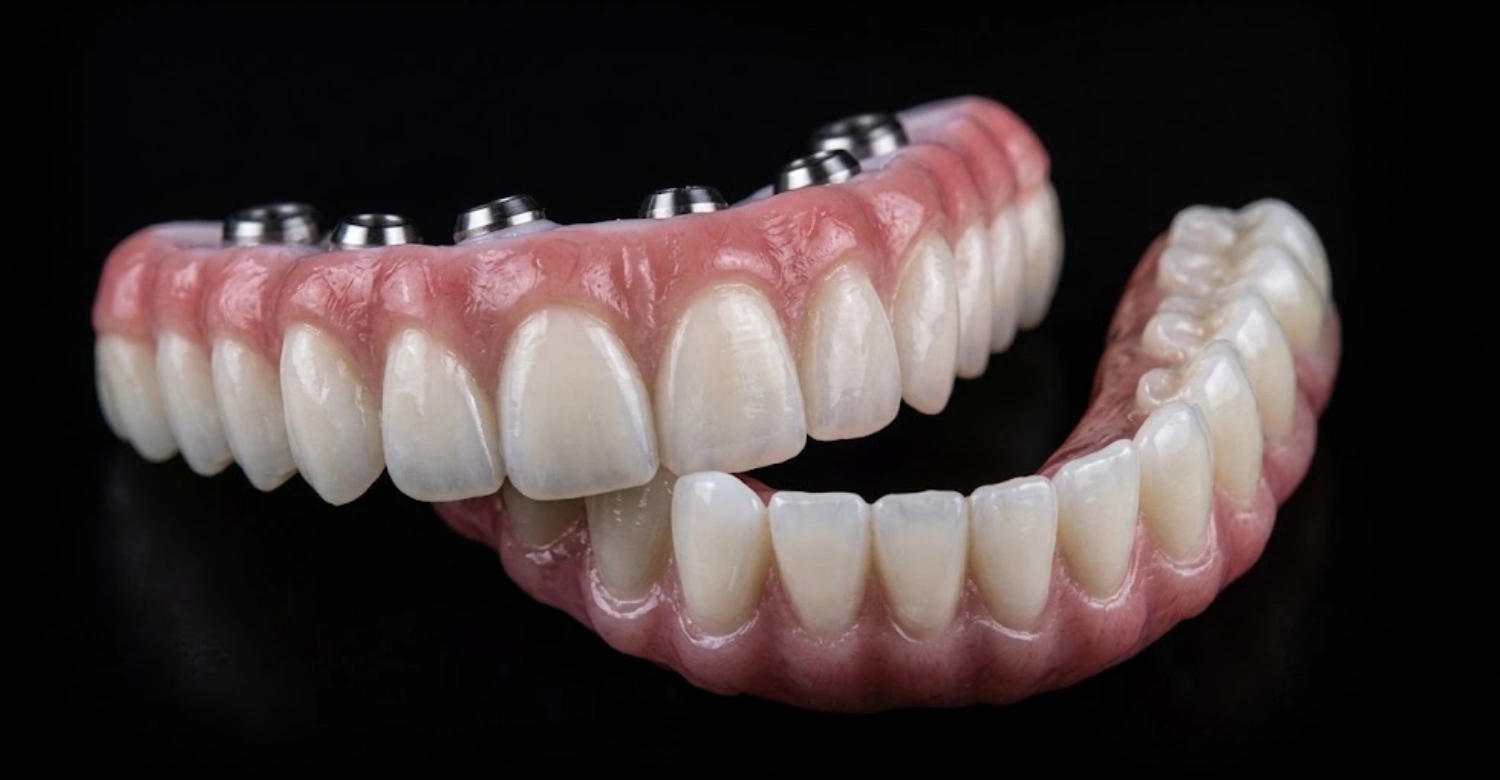
Note : All images used are for editorial and illustrative purposes only and may not originate from the original news provider or associated company.
What Is Full Arch Dental Implants Recovery Like?
Full Arch Dental Implants recovery involves several stages because the jawbone and surrounding tissues need time to heal. Patients may experience swelling, tenderness, bruising, or temporary changes in chewing after surgery. These effects commonly vary according to surgical complexity and individual healing. Temporary teeth may be provided when immediate loading is clinically appropriate. During healing, patients usually need to follow specific dietary and oral hygiene instructions. The early period is particularly important because excessive forces can affect implant stability. Follow-up visits allow clinicians to monitor healing and identify complications. Complete recovery does not occur at the same speed for every patient. Bone quality, implant stability, smoking, systemic health, and additional procedures can influence the timeline. Vitrin Clinic provides international patients with individualized instructions based on their treatment plan and clinical progress.
What to Expect Immediately After Implant Placement
After implant placement, patients may experience localized swelling, discomfort, bruising, or mild bleeding. These effects can vary depending on the number of implants and surgical complexity. The dental team may provide medication and specific instructions for managing discomfort. Patients are usually advised to avoid disturbing the surgical areas during the early healing period. Eating soft foods can reduce mechanical pressure around newly treated areas. Oral hygiene remains important, but cleaning instructions may differ around surgical sites. Patients should follow their clinician's recommendations rather than applying generic internet advice. Temporary teeth may require a modified diet when immediate loading is used. Significant or worsening symptoms should be reported to the treating dental team. Early communication can help clinicians assess whether additional intervention is necessary.
Full Arch Dental Implants Recovery Timeline
Full Arch Dental Implants recovery does not follow one universal timeline because patients heal differently. Initial swelling and tenderness generally occur during the early postoperative period. Soft-tissue healing progresses before deeper bone integration becomes complete. Osseointegration can take several months depending on implant location and individual biological factors. Patients receiving immediate temporary teeth may begin limited function sooner, but that does not mean complete healing has occurred. Dietary restrictions may continue while implants integrate with surrounding bone. Follow-up examinations help determine when normal function can gradually resume. Additional procedures, such as bone augmentation, may extend the overall treatment timeline. Patients should therefore use their dentist's clinical milestones rather than comparing recovery with another patient. Vitrin Clinic can provide an individualized timeline based on the surgical and restorative plan.
Eating and Oral Hygiene During Recovery
During Full Arch Dental Implants recovery, food choices can help reduce unnecessary pressure on healing implants. Soft foods are commonly easier to manage during the early postoperative period. Patients may need to avoid hard, sticky, or excessively chewy foods until the dental team confirms sufficient healing. Hydration is also important during recovery. Oral hygiene should continue according to the instructions provided by the treating clinician. The surgical areas may require modified cleaning techniques during the initial healing stage. Patients should avoid aggressive brushing directly over fresh surgical sites unless specifically instructed otherwise. Once healing progresses, cleaning beneath and around the restoration becomes essential. Professional maintenance can also help monitor the implant tissues and prosthetic components. Vitrin Clinic can provide individualized aftercare instructions for international patients following treatment.
When Can You Return to Normal Activities?
Returning to normal activities after Full Arch Dental Implants depends on the complexity of surgery and individual recovery. Some patients can resume light daily activities relatively quickly after uncomplicated treatment. More complex procedures may require additional recovery time before strenuous activities become appropriate. Exercise can increase blood pressure and may contribute to bleeding or discomfort during the early period. Patients should therefore follow their surgeon's activity recommendations. Work requirements also influence when someone feels comfortable returning to their normal routine. Physical jobs may require more caution than sedentary work. Eating normally may also take longer than returning to everyday activities. The presence of temporary teeth does not mean the implants have completely healed. Patients should attend scheduled follow-ups before resuming unrestricted function.
Clinical Note: Why Healing Is Different for Every Patient
Healing after Full Arch Dental Implants depends on biological and mechanical factors that differ between individuals. Bone quality can influence primary implant stability and subsequent osseointegration. Smoking can negatively affect healing and may increase risks around implant treatment. Periodontal inflammation can also compromise the health of tissues surrounding implants. Patients undergoing bone augmentation may require a longer treatment timeline than patients with adequate native bone. Systemic health, medications, nutrition, oral hygiene, and surgical complexity can also influence recovery. The temporary prosthesis may need adjustments if bite forces are excessive. These differences explain why treatment timelines should not be copied from another patient's experience. Dr. Rifat Alsaman emphasizes individualized monitoring throughout complex implant rehabilitation. Clinical follow-up helps determine when each patient can safely progress to the next treatment stage.
Can You Get Full Arch Teeth in One Day?
Full Arch Dental Implants can sometimes be followed by temporary teeth on the same day as implant placement. This approach is often described as immediate loading or same-day teeth. It does not mean that the implants have completely healed within one day. The temporary restoration is designed to function during the biological healing period. Patient selection is therefore essential before immediate loading is considered. Implant stability, bone quality, bite forces, systemic health, and prosthetic design all influence eligibility. Some patients may require delayed loading because immediate function could create excessive forces. The final restoration is usually provided later after healing and clinical reassessment. Patients should distinguish between same-day temporary teeth and definitive permanent restorations. Vitrin Clinic evaluates clinical and digital information before determining whether an immediate approach is appropriate.
What Does “Full Arch Teeth in One Day” Mean?
The phrase “full arch teeth in one day” generally describes receiving a temporary full-arch restoration shortly after implant placement. It does not mean that the complete treatment process finishes within one day. Implant surgery, temporary restoration, healing, and final prosthetic fabrication are separate stages. Immediate teeth may be possible when implants achieve adequate primary stability. The temporary prosthesis can restore appearance and provide controlled function during healing. Patients still need follow-up appointments and must follow dietary restrictions. The final restoration usually requires additional clinical records and laboratory fabrication. Marketing terminology can sometimes make immediate treatment appear simpler than it actually is. Patients should ask exactly what they will receive on the treatment day. They should also ask when the definitive prosthesis will be delivered.
Immediate Temporary Teeth vs. Permanent Full Arch Dental Implants
Immediate temporary teeth and permanent restorations serve different purposes during implant treatment. Temporary teeth are designed to support appearance and controlled function while the implants undergo biological healing. Their materials and construction may differ from those used for the definitive restoration. The final prosthesis is produced after clinicians confirm that the implants and surrounding tissues are ready. Additional digital or physical records may be taken before fabrication. Permanent restoration design considers long-term function, aesthetics, hygiene access, and bite management. Patients should not assume that temporary teeth represent the final material or appearance. Temporary restorations can also provide useful information about speech, tooth position, and facial support. At Vitrin Clinic, treatment planning distinguishes the immediate temporary stage from the definitive restorative stage.
Who May Qualify for Same-Day Full Arch Teeth?
Patients may qualify for same-day temporary teeth when sufficient implant stability can be achieved during surgery. Adequate bone conditions can help provide the mechanical foundation required for immediate loading. The patient's bite must also be compatible with the proposed temporary restoration. Excessive bruxism or uncontrolled functional forces may make immediate loading less suitable. Overall health and oral hygiene should also be considered before treatment. Severe infection or unfavorable bone conditions can alter the treatment approach. The final decision is made after clinical examination and diagnostic imaging. Immediate loading should never be promised solely from photographs or a preliminary conversation. A CBCT examination can provide valuable information about bone anatomy and implant positioning. Patients should receive a clear explanation of eligibility before traveling for treatment.
What Determines Whether Immediate Loading Is Possible?
Immediate loading depends primarily on implant stability and the ability to control functional forces during healing. Bone density and quantity can influence the mechanical stability achieved during implant placement. Implant position also matters because strategic distribution can affect how chewing forces reach the restoration. The temporary prosthesis should be designed to limit harmful loading during osseointegration. Bite relationships and opposing teeth must therefore be evaluated carefully. Patient factors such as smoking, bruxism, and general health may also influence clinical decisions. Severe bone loss can make immediate loading more challenging and may require alternative strategies. Digital planning can help clinicians anticipate anatomical and prosthetic challenges before surgery. The final decision should be based on objective clinical findings rather than treatment speed alone.
Dr. Rifat Alsaman’s Opinion on Same-Day Full Arch Treatment
Dr. Rifat Alsaman, Head of the Medical Team at Vitrin Clinic and cosmetic dentist, emphasizes that same-day treatment requires careful patient selection. Immediate temporary teeth can provide important functional and aesthetic benefits when clinical conditions are favorable. However, speed should never replace biological safety or appropriate implant stability. The patient's bone structure, bite, systemic health, and surgical findings must be evaluated first. Temporary teeth should also be designed to protect healing implants from excessive forces. Patients need to understand that same-day temporary teeth do not represent immediate biological integration. The final restoration still requires appropriate healing and clinical reassessment. This distinction is particularly important for international patients planning short dental trips. A responsible treatment plan should explain what can be completed immediately and what requires additional healing time.
Are Full Arch Dental Implants Permanent?
Full Arch Dental Implants are designed as a long-term tooth replacement solution, but “permanent” does not mean maintenance-free or indestructible. Dental implants can remain functional for many years when biological and mechanical conditions remain favorable. The prosthetic teeth may eventually require repair, adjustment, or replacement due to normal wear. Implant survival and prosthetic longevity are therefore separate concepts. Oral hygiene plays an important role in protecting the tissues surrounding implants. Regular professional examinations can identify inflammation, component wear, or bite problems. Smoking, periodontal disease, and uncontrolled bruxism can increase risks. Patients should also follow recommended maintenance schedules after receiving their restoration. Long-term success depends on the combination of surgical treatment, prosthetic design, home care, and professional monitoring. Vitrin Clinic can provide aftercare guidance for international patients following full-arch rehabilitation.
How Long Can Full Arch Dental Implants Last?
Full Arch Dental Implants can remain functional for many years, but individual longevity varies considerably. Research generally reports high implant survival rates over extended follow-up periods, although outcomes differ between studies and patient groups. Implant survival does not mean that the prosthetic teeth will never require maintenance or replacement. Bone health, periodontal conditions, smoking, oral hygiene, and bite forces influence long-term outcomes. Regular dental examinations can identify complications before they threaten implant stability. Prosthetic components can experience wear even when the underlying implants remain stable. Bruxism may increase mechanical stress and require protective strategies. Patients should therefore view implant treatment as a long-term healthcare commitment rather than a one-time procedure. A structured maintenance program can help preserve function and identify problems early.
How Long Do Full Arch Implant Restorations Last?
The lifespan of a full-arch prosthesis varies according to material, design, bite forces, hygiene, and patient habits. The restoration experiences repeated chewing forces every day, which can gradually cause wear. Acrylic components may require different maintenance from ceramic or zirconia-based restorations. Prosthetic screws and other components can also require adjustment or replacement. A well-maintained restoration may provide many years of service, but no prosthesis should be considered completely permanent. Regular examinations help identify fractures, wear, looseness, and changes in bite. Patients with bruxism may need a night guard or other protective approach when clinically appropriate. Cleaning beneath fixed restorations is also essential for maintaining healthy tissues. A long-term maintenance plan should address both the implants and the prosthesis.
Factors That Influence Implant Longevity
Several factors influence how long implants remain functional after treatment. Surgical planning establishes the initial position and stability of the implants. Prosthetic design determines how chewing forces are transferred through the restoration. Oral hygiene affects the tissues surrounding the implants. Regular dental examinations help detect biological and mechanical problems. Smoking can negatively influence periodontal and implant health. Bruxism can increase mechanical loading and may contribute to component wear or fracture. The patient's ability to follow postoperative instructions also affects early healing. Bone quality and systemic health can influence biological stability. These factors interact rather than acting independently. Long-term implant care should therefore combine professional monitoring with consistent daily hygiene.
Oral Hygiene
Good oral hygiene is essential for maintaining Full Arch Dental Implants because plaque can accumulate around implant surfaces and prosthetic components. Inadequate cleaning can contribute to inflammation around implants. Patients should follow individualized instructions for brushing and interdental cleaning. Fixed restorations can create areas that require specialized cleaning techniques. Water flossers, interdental brushes, and other devices may be recommended according to prosthesis design. Professional hygiene appointments can provide additional support when home cleaning is difficult. Patients should report bleeding, swelling, discomfort, or persistent bad taste to their dental team. Early assessment can help identify inflammatory problems before they become more advanced. Implant maintenance should continue even when the restoration feels comfortable. Absence of pain does not necessarily mean that surrounding tissues are completely healthy.
Regular Dental Checkups
Regular dental checkups help monitor implant stability, gum health, prosthetic components, and bite relationships. Clinical examinations can identify changes that patients may not notice themselves. Dental professionals can also evaluate areas that are difficult to clean at home. Radiographic imaging may be recommended when clinically indicated. The frequency of appointments depends on individual risk factors and clinical findings. Patients with periodontal disease or complex restorations may require closer monitoring. Professional maintenance can also include cleaning around implant-supported prostheses and checking mechanical components. Early identification of problems may allow simpler intervention. Patients should maintain their follow-up schedule even when the restoration feels stable. Long-term care is an important part of protecting the investment made in implant rehabilitation.
Smoking and Lifestyle Factors
Smoking can negatively affect oral tissues and may increase risks associated with implant treatment. Tobacco exposure can influence blood flow, healing, and periodontal health. Patients who smoke should discuss their habits openly with the dental team before surgery. Reducing or stopping tobacco exposure may improve the biological environment for healing. Other lifestyle factors can also influence oral health. High sugar intake, poor hygiene, and irregular dental attendance may contribute to complications. Physical habits such as chewing hard objects can place unnecessary stress on prosthetic teeth. Patients should follow individualized recommendations based on their restoration and risk profile. Long-term outcomes depend on more than the surgical procedure itself. Healthy daily habits can support the biological conditions required for successful maintenance.
Bite Forces and Bruxism
Bite forces can influence the mechanical performance of Full Arch Dental Implants and their prosthetic components. Bruxism involves repeated or sustained tooth contact that can place additional pressure on restorations. Patients who grind or clench their teeth may require specific bite management. A protective appliance may sometimes be recommended after clinical evaluation. Prosthetic design can also be modified to distribute forces more appropriately. Regular examinations can identify signs of excessive wear or component stress. Patients should report symptoms such as jaw soreness, restoration movement, or unusual clicking. Managing excessive forces can help reduce mechanical complications. However, every patient requires an individualized assessment because bruxism patterns and severity vary. The goal is to balance function, comfort, and protection of the restoration.
Can Full Arch Implant-Supported Teeth Be Replaced?
Full Arch Dental Implants can support prosthetic teeth that may eventually be repaired, modified, or replaced. The implants themselves can remain stable even when the prosthetic restoration reaches the end of its functional lifespan. Replacement requirements depend on material wear, fracture, staining, bite changes, and component condition. Regular examinations help determine when replacement is appropriate. Patients should understand the distinction between replacing the prosthesis and replacing the implants. If the implants remain healthy and stable, a new prosthesis may sometimes be attached to the existing implant foundation. However, complications around the implants may require additional treatment. Proper records of implant brands and components can make future maintenance easier. Patients should keep their implant and prosthetic information for future dental care.
What We Notice Clinically
Clinical experience shows that successful full-arch rehabilitation depends on coordination between surgery, prosthodontics, diagnostics, and maintenance. The number of implants alone does not determine whether treatment will succeed. Implant position must correspond with the planned tooth arrangement and functional requirements. Bone quality can influence surgical stability and treatment strategy. Soft-tissue health also matters because healthy tissues provide an important biological environment around implants. Digital diagnostics can improve visualization of complex anatomy before surgery. Temporary restorations can provide useful information about function, aesthetics, and speech before definitive fabrication. Long-term maintenance should be considered from the beginning rather than after treatment is completed. These principles become especially important in patients with severe upper-jaw bone loss. Dr. Rifat Alsaman's clinical perspective emphasizes individualized planning based on anatomy and restorative objectives.
Why Bone Quality and Implant Position Matter
Bone quality and implant position directly influence the mechanical foundation of a full-arch restoration. Dense, healthy bone can provide stronger initial mechanical support during implant placement. However, bone quality varies considerably between anatomical regions and individual patients. The upper jaw often presents different bone characteristics from the lower jaw. Implant position must also respect anatomical structures and the planned prosthetic tooth arrangement. Poor positioning can create difficulties with cleaning, aesthetics, and force distribution. CBCT imaging helps clinicians evaluate bone dimensions in three dimensions before surgery. Digital planning can then connect anatomical information with prosthetic requirements. In severe bone loss cases, alternative implant strategies may be considered. The final approach should prioritize biological safety, prosthetic function, and long-term maintenance.
Why the Final Prosthesis Should Be Planned Before Implant Placement
Planning the final prosthesis before surgery helps determine where implants should ideally be positioned. Implant placement should support the planned tooth arrangement rather than simply occupy areas with available bone. This principle is particularly important in full-arch rehabilitation because several implants must work together. The prosthesis requires appropriate spacing, emergence profiles, hygiene access, and force distribution. Digital planning can allow clinicians to visualize these relationships before surgery. A surgical guide may also be considered when appropriate. The final restoration should influence implant angulation and position whenever anatomical conditions permit. This prosthetically driven approach can reduce restorative compromises. At Vitrin Clinic, digital treatment planning can connect CBCT data with intraoral scanning information. The objective is to coordinate surgical and restorative stages before treatment begins.
How Digital Diagnostics Improve Full Arch Treatment Planning
Digital diagnostics can provide detailed information about anatomy, existing teeth, soft tissues, and planned restorations. CBCT imaging creates three-dimensional views of the jaw and relevant anatomical structures. Digital X-rays provide additional information about teeth and supporting tissues. A 3D intraoral scanner can capture detailed digital impressions without conventional impression materials. These records can be combined to visualize the proposed treatment. Digital planning can help identify potential anatomical limitations before surgery. It can also improve communication between dentists, surgeons, technicians, and patients. The technology does not replace clinical judgment, but it can provide valuable information for decision-making. At Vitrin Clinic, digital diagnostics support customized treatment planning for international patients. This workflow can help make complex full-arch treatment more organized and predictable.
Dr. Rifat Alsaman’s Clinical Perspective on Full Arch Rehabilitation
Dr. Rifat Alsaman views full-arch rehabilitation as a comprehensive treatment rather than simply an implant placement procedure. The implants, temporary restoration, final prosthesis, bite, soft tissues, and maintenance plan should work together. He emphasizes that treatment should begin with detailed diagnosis and prosthetic planning. This approach becomes especially important when patients have extensive bone loss or complex anatomical limitations. Digital diagnostics can help identify suitable implant positions and restorative requirements before surgery. Patient expectations should also be discussed before treatment begins. A clinically appropriate restoration must provide function while remaining practical to clean and maintain. International patients should understand every stage before traveling for treatment. The treatment objective should be predictable long-term rehabilitation rather than simply completing treatment quickly.
Full Arch Dental Implants Before and After: What Should You Expect?
Full Arch Dental Implants before-and-after results can show significant changes in tooth appearance, facial support, and oral function. However, photographs alone cannot reveal implant stability, bone conditions, bite relationships, or biological health. Each patient's starting anatomy can be different. Some patients may require extractions, bone procedures, or specialized implant strategies before receiving their final restoration. The final appearance depends on tooth position, gum contours, prosthetic materials, facial proportions, and aesthetic planning. Before-and-after photographs should therefore be viewed as examples rather than guaranteed outcomes. Patients should ask whether photographs represent similar clinical situations. They should also confirm whether the displayed result is temporary or definitive. Vitrin Clinic can use digital planning to help patients understand their proposed restorative direction before treatment.
What Can Full Arch Implant Treatment Change?
Full Arch Dental Implants can change several aspects of a patient's oral function and appearance. Replacing missing teeth can improve chewing stability and support clearer speech. A well-designed restoration can also restore aspects of facial support affected by extensive tooth loss. Tooth position and shape can be customized according to facial proportions and functional requirements. The prosthesis can replace severely damaged or missing teeth with a coordinated full-arch design. However, the amount of visible change depends on the patient's starting condition. Some patients require major rehabilitation, while others need more limited restorative changes. Bone and soft-tissue conditions can influence the final aesthetic result. Digital treatment planning can help clinicians evaluate tooth position and facial relationships before definitive restoration.
What Makes a Natural-Looking Full Arch Result?
A natural-looking full-arch restoration requires careful attention to tooth proportions, position, color, surface texture, and gum relationships. Teeth should be arranged according to facial features rather than using identical dimensions for every patient. The incisal edge position can influence smile aesthetics and speech. Tooth width and length should also complement the patient's facial proportions. Gum contours can affect how natural the restoration appears when smiling. Prosthetic materials influence translucency, texture, and light reflection. Digital planning can help visualize these relationships before the definitive restoration is fabricated. Temporary teeth can sometimes help evaluate aesthetics and function before final production. At Vitrin Clinic, prosthetic planning considers both digital records and individual aesthetic goals. Natural appearance should remain balanced with function and long-term cleanability.
Why Before-and-After Results Vary Between Patients
Before-and-after outcomes vary because every patient's anatomy, oral condition, and treatment requirements are different. Bone structure can influence implant positioning and prosthetic support. Gum health can affect the appearance of the restoration and the available soft-tissue contours. Existing teeth may require extraction or preservation depending on their prognosis. Bite relationships influence tooth arrangement and prosthetic design. Some patients need additional procedures before implant placement. Others may have favorable anatomy that permits a more straightforward treatment pathway. The final restoration material can also affect appearance and durability. Patient expectations influence the aesthetic design selected by the clinical team. Therefore, photographs from another patient should not be treated as a guaranteed prediction.
Bone Structure
Bone structure is one of the most important factors influencing full-arch implant planning. Bone volume determines where conventional implants can potentially be placed. Bone density can influence primary stability during implant surgery. Severe upper-jaw bone loss may limit conventional posterior implant placement. The relationship between available bone and anatomical structures must be evaluated using appropriate imaging. CBCT can provide three-dimensional information about bone dimensions and important anatomical landmarks. Advanced treatment approaches may be considered when conventional placement is not suitable. Bone changes after tooth loss can also affect facial support and prosthetic design. Clinicians must therefore consider both implant stability and the final appearance. A detailed assessment helps determine which treatment approach is biologically and prosthetically appropriate.
Gum and Soft-Tissue Conditions
Gum and soft-tissue conditions can influence both implant health and aesthetic appearance. Healthy tissues provide a favorable environment around implants and prosthetic components. Existing periodontal inflammation should be addressed before or during implant treatment when clinically necessary. Soft-tissue thickness can influence how implant restorations appear around the gumline. The position and shape of prosthetic teeth should accommodate available tissue contours. Patients with significant tissue deficiencies may require additional treatment or prosthetic compensation. Hygiene access is also important because difficult-to-clean areas can increase plaque accumulation. Digital planning can help visualize the relationship between tooth position and soft tissues. A successful aesthetic result therefore requires attention beyond the implant itself. Long-term tissue maintenance remains essential after the final restoration.
Existing Teeth and Bite
Existing teeth and bite relationships can significantly influence full-arch treatment planning. Some remaining teeth may be salvageable, while others may have a poor prognosis. Clinicians must evaluate whether preserving or removing specific teeth provides a better long-term strategy. The bite also determines how the upper and lower restorations contact each other. Excessive or uneven forces can create mechanical stress on implants and prosthetic components. Tooth position should therefore be planned according to functional and aesthetic requirements. Patients with bruxism may need additional protective measures. Digital scans can help clinicians analyze the existing bite and proposed tooth arrangement. Careful planning can reduce the risk of creating an unstable or uncomfortable prosthesis. The final restoration should support both chewing efficiency and long-term maintenance.
Prosthetic Design
Prosthetic design determines how the replacement teeth look, function, and interact with surrounding structures. Tooth shape and position influence facial appearance and speech. The prosthesis must also provide sufficient strength for repeated chewing forces. Hygiene access is another important consideration because patients need to clean around the restoration daily. Excessively bulky designs can make cleaning difficult and affect comfort. Digital planning can help technicians and clinicians coordinate tooth position with implant placement. Material selection also influences the weight, strength, appearance, and repairability of the restoration. The final design should reflect the patient's anatomy rather than follow a standardized template. A well-designed prosthesis can combine aesthetics, function, stability, and maintainability. Vitrin Clinic can incorporate digital records into the prosthetic planning process.
How to Evaluate Full Arch Dental Implants Before and After Photos
When reviewing Full Arch Dental Implants before-and-after photos, patients should examine more than tooth color and alignment. They should ask whether the patient had a similar level of bone loss. The number of implants and restoration type should also be identified. Patients should determine whether the photograph shows temporary or definitive teeth. Lighting, camera angles, and image editing can affect visual comparisons. Gum contours and facial proportions should be considered alongside tooth appearance. A clinically meaningful comparison should show similar views before and after treatment. Patients should also ask whether the result was photographed immediately or after healing. Before-and-after images are useful for understanding possibilities, but they cannot predict individual outcomes. A personalized digital treatment plan provides more relevant information about a specific patient's case.
What Are the Best Full Arch Dental Implants?
There is no single implant system that is universally best for every patient. The appropriate system depends on anatomy, bone conditions, prosthetic requirements, clinician experience, and long-term maintenance. Full-arch treatment involves more than selecting an implant brand. Implant dimensions, connection design, surface characteristics, restorative components, and laboratory compatibility can all matter. The clinical team's ability to plan and maintain the system is also important. Patients should ask which implant system is proposed and why it suits their case. They should also request information about the final prosthesis and maintenance requirements. A well-established system used appropriately may be more important than choosing a brand based solely on marketing. Vitrin Clinic evaluates treatment requirements before recommending an implant configuration. The goal is to match the system and restoration to the patient's clinical needs.
How Do Dentists Choose the Right Implant System?
Dentists consider several factors when selecting an implant system for full-arch rehabilitation. Bone anatomy influences implant dimensions and placement possibilities. The connection between the implant and prosthetic components affects restorative planning. Implant availability and laboratory support can also influence long-term maintenance. Clinician experience with a particular system is another practical consideration. The selected system should have appropriate components for the planned restoration. Patients should ask about the implant manufacturer and retain documentation after treatment. This information becomes valuable if future maintenance occurs at another clinic. The decision should also consider the patient's bite, prosthetic space, and long-term expectations. A reputable implant system cannot compensate for poor diagnosis or inappropriate positioning. Treatment quality depends on the complete clinical and prosthetic workflow.
Full Arch Implant Treatment Options Based on Individual Needs
Treatment options should be selected according to the patient's anatomy, oral health, functional requirements, and preferences. Some patients may be suitable for a four-implant fixed restoration. Others may benefit from six implants or another configuration. Patients requiring removable solutions may consider implant-supported overdentures. Severe bone loss may require advanced approaches that differ from conventional implant placement. The upper and lower jaws can require different strategies because their anatomy and bone characteristics differ. The final prosthesis also influences implant positioning and quantity. Patients should receive a clear explanation of the advantages and limitations of each option. Digital diagnostics can help compare potential treatment pathways before surgery. At Vitrin Clinic, treatment planning is customized according to clinical findings rather than applying one standardized protocol.
Implant-Supported Dentures vs. Fixed Full Arch Restorations
Implant-supported dentures and fixed full-arch restorations provide different experiences and maintenance requirements. Implant-supported dentures remain removable, allowing patients to remove them for cleaning. Implants provide retention and can reduce movement compared with conventional dentures. Fixed restorations remain attached to implants during normal use and can provide a more permanent-feeling solution. However, fixed restorations require careful cleaning beneath and around the prosthesis. The choice depends on anatomy, hygiene ability, prosthetic space, budget, and patient preference. Some patients prioritize removability because it simplifies daily cleaning. Others prioritize fixed stability and prefer not to remove their teeth. Both approaches can be clinically useful when properly planned. A dentist should explain the differences before treatment begins.
Why There Is No Single “Best” Full Arch Implant for Every Patient
The best implant approach depends on individual clinical circumstances rather than one universal formula. Bone anatomy can differ substantially between patients, even when the number of missing teeth is similar. Prosthetic requirements also vary according to facial structure, bite, and aesthetic expectations. Some patients need fixed restorations, while others benefit from removable implant-supported prostheses. Severe bone loss can require specialized approaches that are unsuitable for patients with adequate bone. The number of implants should also be selected according to support requirements. Patient lifestyle and maintenance ability influence the most practical restoration. Treatment cost can affect choices, but clinical suitability should remain the priority. A personalized assessment allows clinicians to balance these factors. Vitrin Clinic develops treatment recommendations according to individual diagnostic findings and restorative goals.
Full Arch Dental Implants at Vitrin Clinic
Vitrin Clinic approaches full-arch rehabilitation through coordinated diagnostics, treatment planning, implant placement, prosthetic restoration, and aftercare. International patients can receive individualized treatment plans based on their clinical information and treatment objectives. The clinic uses digital technologies to evaluate anatomy and plan restorative outcomes. CBCT imaging can help assess bone conditions and important anatomical structures. Digital X-rays provide complementary diagnostic information. A 3D intraoral scanner can capture detailed digital impressions for treatment planning and prosthetic workflows. The clinical team can use these records to coordinate implant positions with the planned restoration. Treatment may include temporary teeth followed by a definitive prosthesis when clinically appropriate. Patients can also receive guidance regarding recovery and long-term maintenance. The overall objective is a coordinated treatment pathway from diagnosis through restoration.
Digital Diagnostics and Full Arch Treatment Planning
Digital diagnostics provide important information for planning complex implant rehabilitation. CBCT imaging allows three-dimensional assessment of jawbone anatomy and anatomical structures. Digital X-rays provide additional information about teeth and supporting tissues. A 3D intraoral scanner records the dental surfaces and soft-tissue relationships digitally. These records can help clinicians evaluate implant positions before surgery. Digital treatment planning can also support communication between the clinical and laboratory teams. The proposed prosthesis can be considered before implants are placed. This prosthetically driven approach helps align surgical planning with the final restorative objectives. Digital technology does not eliminate the need for clinical judgment. Instead, it provides additional information for making treatment decisions. Vitrin Clinic incorporates digital diagnostics into individualized full-arch treatment planning.
Customized Full Arch Implant Treatment
Customized treatment is important because patients can have very different levels of bone loss and oral disease. Some patients may require extractions before implant placement. Others may need periodontal treatment or additional bone procedures. Implant number and position are determined according to available anatomy and prosthetic requirements. Temporary and definitive restorations may also differ according to individual circumstances. The bite should be evaluated because excessive forces can affect long-term prosthetic performance. Aesthetic goals should be discussed before the final restoration is designed. Digital records can help clinicians visualize the proposed outcome and coordinate treatment stages. Vitrin Clinic develops treatment plans around individual clinical findings rather than offering identical treatment to every patient. This approach can help align surgical, restorative, and aesthetic objectives.
CBCT, Digital X-Rays, and 3D Intraoral Scanning
CBCT, digital X-rays, and 3D intraoral scanning provide complementary information during implant planning. CBCT creates three-dimensional images of the jawbone and relevant anatomical structures. Digital X-rays provide detailed views of teeth and supporting tissues. Intraoral scanning captures digital information about tooth surfaces and oral structures. Combining these records can help clinicians understand the relationship between bone anatomy and the planned prosthesis. This information is particularly useful when bone loss makes implant positioning more complex. Digital scans can also support laboratory communication during prosthetic fabrication. The technology can improve visualization before treatment but does not replace clinical examination. At Vitrin Clinic, digital diagnostics are integrated into treatment planning for international patients. The aim is to create a clearer connection between diagnosis, surgery, and restoration.
From Implant Placement to Full Arch Implant Restoration
Treatment at Vitrin Clinic can involve coordinated stages from diagnostic evaluation through definitive prosthetic restoration. The process begins with clinical examination and digital treatment planning. Implant placement is performed according to the established surgical and prosthetic strategy. Temporary teeth may be provided when immediate loading is clinically appropriate. During healing, patients receive instructions regarding diet, hygiene, and activity. Follow-up evaluations help determine when the implants are ready for definitive restoration. Digital or conventional impressions can then support fabrication of the final prosthesis. The completed restoration is evaluated for function, aesthetics, comfort, and bite. Patients receive information about cleaning and maintenance after treatment. International patients can also receive aftercare guidance to support continued care after returning home.
Dr. Rifat Alsaman’s Approach to Full Arch Dental Implant Planning
Dr. Rifat Alsaman, Head of the Medical Team at Vitrin Clinic and cosmetic dentist, emphasizes comprehensive diagnosis before implant placement. His approach considers bone anatomy, implant positioning, prosthetic design, bite relationships, and aesthetic requirements together. He recognizes that full-arch rehabilitation requires coordination between surgical and restorative stages. Digital diagnostic information can help visualize anatomical limitations before treatment. The final prosthesis should influence implant placement whenever possible. Patients should also understand the difference between temporary and definitive teeth. This distinction is especially important for international patients planning treatment within a limited travel period. The treatment plan should explain healing requirements and long-term maintenance before surgery. His clinical perspective focuses on individualized planning rather than applying one implant configuration to every patient.
Why Choose Vitrin Clinic for Full Arch Dental Implants in Turkey?
Vitrin Clinic provides full-arch treatment planning for international patients seeking dental care in Istanbul. The clinic combines digital diagnostics with individualized surgical and prosthetic planning. International patients can receive assistance throughout treatment, from initial planning through aftercare. The clinic's workflow can include CBCT, digital X-rays, and three-dimensional intraoral scanning. Temporary and definitive restorations are planned according to clinical requirements. Patients can also receive support with transportation and accommodation arrangements when included in their treatment package. Vitrin Clinic provides an international patient environment designed around efficient treatment coordination. The clinic also offers an aftercare team to support patients after treatment. However, patients should always evaluate treatment based on clinical suitability rather than travel convenience alone. A complete treatment plan should remain the primary basis for decision-making.
International Patient Experience in Istanbul
International dental patients often need treatment coordination that extends beyond the dental procedure itself. Travel schedules, appointments, accommodation, transportation, and recovery planning can all influence the experience. Vitrin Clinic provides support designed for patients traveling to Istanbul for dental treatment. International patients can receive treatment planning before arrival when sufficient diagnostic information is available. Appointment scheduling can then be coordinated around the planned clinical stages. Transportation and hotel arrangements may also be available depending on the selected package. Patients should still allow sufficient time for clinical appointments and unexpected adjustments. Recovery requirements should be considered before booking return flights. Clear communication between the patient and clinic can reduce avoidable travel complications. The clinical treatment plan should remain the foundation of the patient's travel schedule.
Digital Treatment Planning and Modern Dental Technology
Modern digital technology can support more detailed planning for complex implant cases. CBCT provides three-dimensional information about bone and anatomical structures. Digital X-rays complement this information with additional radiographic views. A 3D intraoral scanner captures digital impressions for restorative planning. Digital Smile Design may also help visualize proposed aesthetic changes before definitive restoration. These technologies can support communication between clinicians and dental laboratories. Digital workflows may also improve efficiency when multiple treatment stages need coordination. However, technology works best when combined with experienced clinical assessment. A digital image cannot independently determine whether an implant is appropriate. Vitrin Clinic uses digital tools as part of a broader diagnostic and treatment-planning process. The goal is to connect technology with individualized clinical decision-making.
Temporary and Permanent Full Arch Solutions
Vitrin Clinic can plan temporary and permanent prosthetic solutions according to the patient's treatment pathway. Temporary teeth may be provided when immediate loading is clinically appropriate. They can help restore appearance while implants undergo biological healing. The final prosthesis is produced after sufficient healing and clinical reassessment. Different materials may be used for temporary and definitive restorations. Patients should understand these differences before treatment begins. The final restoration is designed with long-term function, aesthetics, bite, and hygiene access in mind. Temporary teeth may also provide useful information about speech and tooth positioning. This information can help guide adjustments before the definitive restoration. Patients should ask for clear details about both prosthetic stages in their treatment plan.
Aftercare and Follow-Up for International Patients
Aftercare is an important part of full-arch implant treatment, particularly for patients traveling internationally. Patients need clear instructions regarding oral hygiene, diet, medication, and activity after surgery. Follow-up appointments allow the clinical team to monitor healing and prosthetic function. International patients should understand which follow-up visits are required before returning home. They should also know how to contact the clinic if concerns develop after travel. Maintaining communication with the treating clinic can help address questions during the healing period. Patients returning to their home country should retain implant and prosthetic records. These records can assist another dentist if future maintenance is required. Vitrin Clinic's aftercare support is intended to help international patients continue appropriate maintenance after treatment.
Request a FREE Digital Treatment Plan
A FREE digital treatment plan can help patients understand potential treatment options before traveling to Istanbul. Patients can provide available dental information and relevant photographs for preliminary evaluation. A clinical team can then determine whether additional diagnostic information is required. The final treatment recommendation should always depend on appropriate clinical examination and imaging. Patients should ask about the number of implants, temporary teeth, final restoration, and anticipated treatment stages. They should also clarify what is included in the quoted treatment plan. A preliminary plan is useful for understanding potential options but does not replace an in-person assessment. Vitrin Clinic can provide international patients with guidance about the next steps. A clear treatment plan can help patients make informed decisions before arranging travel.
Tips for Patients Considering Full Arch Dental Implants
Patients considering Full Arch Dental Implants should evaluate treatment based on clinical suitability, long-term maintenance, and total treatment requirements. A detailed dental and bone assessment should be completed before surgery. Patients should request a written treatment plan describing implants, temporary teeth, final restorations, and additional procedures. The difference between immediate temporary teeth and permanent restorations should be clearly explained. Recovery expectations should also be discussed before travel. Patients should compare complete treatment plans rather than focusing only on advertised prices. Implant brand information should be retained for future maintenance. Patients should also understand their responsibilities regarding oral hygiene and follow-up appointments. Vitrin Clinic recommends individualized planning for international patients because anatomy and treatment requirements vary significantly.
Get a Complete Dental and Bone Assessment
A complete dental and bone assessment is essential before deciding on implant treatment. The examination should evaluate existing teeth, gums, bone anatomy, bite, and overall oral health. CBCT imaging can provide three-dimensional information about available bone and anatomical structures. This information becomes particularly important when severe upper-jaw bone loss is present. The assessment may identify conditions requiring treatment before implant placement. Periodontal disease, infections, damaged teeth, and unfavorable bite relationships should be considered. Patients should also provide an accurate medical history and medication list. A complete assessment reduces the risk of making treatment decisions based only on photographs. It can also help clinicians identify alternative approaches when conventional implant placement is unsuitable. Patients should request a clear explanation of the findings before approving treatment.
Ask What Is Included in the Treatment Plan
Patients should ask exactly what their treatment quotation includes before accepting an implant plan. The number and type of implants should be clearly identified. Temporary teeth and definitive prosthetic teeth should be listed separately. Diagnostic imaging, extractions, bone procedures, and other treatments should also be specified. Patients should ask whether follow-up appointments and adjustments are included. International patients should clarify whether accommodation, transportation, or airport services are included in their package. The material used for the final prosthesis should also be identified. Implant manufacturer information should be documented for future maintenance. Comparing complete treatment plans can prevent misunderstandings about advertised prices. A transparent plan allows patients to understand both the clinical and financial commitments.
Understand Temporary and Permanent Teeth
Patients should understand that temporary and permanent restorations have different purposes. Temporary teeth can provide appearance and controlled function while implants heal. Their design may be intentionally different from the final prosthesis. Permanent teeth are designed for longer-term function and require appropriate material selection. Patients should ask how long temporary teeth are expected to remain in place. They should also understand whether the final prosthesis requires a separate appointment. The transition from temporary to permanent teeth may involve additional impressions, digital scans, bite records, and laboratory work. Understanding this process can help international patients plan their travel schedule. Vitrin Clinic can explain the different restorative stages during treatment planning. Clear communication helps patients maintain realistic expectations throughout treatment.
Ask About Recovery and Aftercare
Patients should ask how long recovery is expected to take before traveling for treatment. The timeline depends on implant stability, bone conditions, surgical complexity, and individual healing. Patients should understand postoperative dietary restrictions and oral hygiene requirements. They should also ask when they can return to work, exercise, and normal eating. Follow-up appointments should be scheduled before treatment begins. International patients should know how to contact the clinic after returning home. They should also ask what symptoms require urgent clinical attention. Written aftercare instructions can be useful when managing recovery outside the clinic. Vitrin Clinic can provide individualized guidance according to the patient's procedure. Good preparation can make the recovery period more predictable.
Compare Treatment Plans, Not Just Prices
Patients should compare complete treatment plans rather than choosing a clinic based solely on advertised price. Two apparently similar quotations may include very different numbers of implants and prosthetic components. One package may include temporary teeth while another may exclude them. Diagnostic imaging, extractions, bone procedures, and final restorations can also affect the total price. Patients should compare implant systems and restoration materials when evaluating treatment options. The experience of the clinical team and available technology should also be considered. International patients should evaluate aftercare arrangements before making travel decisions. A slightly higher quotation may include important services excluded from a cheaper package. The most meaningful comparison is therefore clinical scope, quality, transparency, and long-term support.
Discuss Your Long-Term Maintenance Plan
Patients should discuss long-term maintenance before receiving a full-arch restoration. Daily cleaning requirements depend on whether the restoration is fixed or removable. Professional examinations are important for monitoring implant tissues and prosthetic components. Patients should ask how frequently maintenance appointments are recommended. They should also understand what happens if the prosthesis becomes damaged or requires adjustment. Keeping implant manufacturer and prosthetic information can simplify future care. Patients who relocate after treatment should identify a dentist capable of maintaining implant-supported restorations. Vitrin Clinic can provide treatment documentation to support future dental care. A maintenance plan helps protect the biological and mechanical components of the restoration. Long-term planning should begin before the implants are placed.
Full Arch Dental Implant Success: What Influences the Outcome?
Full Arch Dental Implants success depends on several interconnected clinical and patient-related factors. Implant planning establishes the foundation for surgical accuracy and prosthetic function. Bone health influences implant stability and biological integration. Oral conditions such as periodontal inflammation can affect the surrounding tissues. Prosthetic design determines how chewing forces are distributed across the restoration. Bite management becomes particularly important for patients with bruxism or strong functional forces. Oral hygiene helps protect tissues surrounding implants from inflammatory complications. Regular professional maintenance allows clinicians to monitor biological and mechanical changes. Patient compliance during recovery also affects early implant stability. Success should therefore be viewed as an ongoing process rather than a single surgical event. Vitrin Clinic emphasizes individualized planning and long-term maintenance throughout full-arch rehabilitation.
Implant Planning and Surgical Technique
Accurate implant planning can improve coordination between the surgical and prosthetic stages. Clinicians evaluate bone anatomy, anatomical structures, and the intended tooth arrangement before surgery. CBCT imaging provides three-dimensional information that can support this process. Implant position should be planned according to the final prosthetic requirements whenever possible. Surgical technique then aims to place implants according to the established plan while preserving biological structures. Primary stability is important when immediate loading is considered. Excessive forces during early healing can compromise osseointegration. The surgical approach should therefore reflect bone quality and individual anatomy. Complex cases may require advanced techniques or alternative implant configurations. Careful planning helps reduce unnecessary surgical and restorative compromises.
Bone Health and Oral Conditions
Bone health plays an important role in the stability and integration of dental implants. Severe bone loss can reduce the available areas for conventional implant placement. Bone density also affects the mechanical stability achieved during surgery. Oral infections and active periodontal disease should be addressed before or during implant treatment. Healthy soft tissues provide a more favorable environment around implants. Smoking can negatively influence healing and periodontal health. Systemic health factors may also affect recovery and should be discussed with the clinical team. Patients should provide complete medical information before surgery. CBCT imaging can help clinicians evaluate bone anatomy before selecting an implant strategy. Individualized treatment planning is particularly important when significant bone loss is present.
Prosthetic Design and Bite Management
Prosthetic design determines how forces are transferred from the teeth to the implants. Tooth position, occlusal contacts, restoration material, and prosthetic dimensions all influence mechanical performance. A poorly balanced bite can increase stress on implants and restorative components. Patients with bruxism may require additional protective strategies. The final prosthesis should also allow effective cleaning around and beneath accessible areas. Digital planning can help coordinate implant positions with the planned tooth arrangement. Temporary restorations may provide an opportunity to evaluate function before the definitive prosthesis is produced. Prosthetic adjustments can improve comfort and reduce undesirable contacts. The restoration should balance aesthetics with biological and mechanical requirements. Long-term success depends on maintaining that balance through professional monitoring.
Oral Hygiene and Professional Maintenance
Oral hygiene is essential for maintaining healthy tissues around implant-supported restorations. Plaque accumulation can contribute to inflammation and increase the risk of peri-implant complications. Patients should receive specific cleaning instructions based on their restoration design. Fixed prostheses may require specialized devices to clean beneath the restoration. Regular professional maintenance can remove deposits that are difficult to manage at home. Dental examinations can also identify changes in implant tissues, prosthetic components, or bite. Patients should report bleeding, swelling, discomfort, or unusual mobility promptly. Maintenance requirements continue even when implants have been stable for many years. A consistent hygiene routine supports the biological environment surrounding implants. Long-term professional monitoring complements daily home care.
Patient Compliance During Recovery
Patient compliance during recovery can influence the early stability of implants and the overall treatment process. Patients should follow dietary restrictions provided by their dental team. Avoiding excessive chewing forces can protect implants while osseointegration develops. Medication instructions should also be followed carefully when prescribed. Oral hygiene should continue according to postoperative guidance. Smoking should be avoided or reduced according to professional recommendations. Patients should attend scheduled follow-up appointments even when they feel comfortable. Early symptoms should be communicated rather than ignored. Patients traveling internationally should understand how to access support after returning home. Following clinical instructions helps protect the biological and mechanical foundations established during treatment.
Conclusion About Full Arch Dental Implants
Full Arch Dental Implants can provide a long-term solution for patients with extensive tooth loss when appropriate clinical conditions exist. Treatment involves much more than placing several implants into the jaw. Diagnosis, bone assessment, implant positioning, prosthetic design, bite management, healing, and maintenance must work together. Severe upper-jaw bone loss can require advanced planning and specialized treatment approaches. The PATZi Protocol may be considered in selected complex cases after appropriate assessment. Digital technologies such as CBCT and three-dimensional scanning can support treatment planning. Patients should compare complete treatment plans rather than focusing exclusively on price or treatment speed. Vitrin Clinic provides individualized treatment planning for international patients in Istanbul. Dr. Rifat Alsaman emphasizes that each case should be assessed according to anatomy and restorative requirements. The ultimate objective is stable function, appropriate aesthetics, and maintainable long-term rehabilitation.
At Vitrin Clinic
Dental implant treatment begins with a detailed evaluation of your oral health, bone structure, and treatment goals. Our dental team uses CBCT imaging, digital X-rays, and 3D intraoral scanning to support accurate implant planning. These technologies help evaluate available bone and identify suitable implant positions before treatment begins. Each implant plan is customized according to the patient's anatomy, missing teeth, bite, and desired outcome. Depending on the case, treatment may include single implants, multiple implants, or full-arch implant rehabilitation. Temporary teeth may also be provided when immediate loading is clinically appropriate. Dr. Rifat Alsaman, Head of the Medical Team at Vitrin Clinic and cosmetic dentist, emphasizes planning the implant position according to the final restoration. International patients can also receive coordinated treatment, transportation, accommodation, and aftercare support. Patients can request a FREE Digital Treatment Plan before traveling to Istanbul.
Reference
FAQs
Dr. Rifat Alsaman has more than 5 years of clinical experience in dentistry and currently serves as the Head of the Medical Team at Vitrin Clinic. He is dedicated to providing exceptional patient care, overseeing treatment planning, and ensuring the highest clinical standards across the team. His expertise, attention to detail, and commitment to continuous professional development have helped countless patients achieve healthier, more confident smiles.


