General Dentistry
September 16, 2026
What Is the Best Dental Care for Cleft Lip and Palate?
 Dr. Rifat Alsaman
Dental Care for Cleft Lip and Palate requires long-term monitoring because tooth development can differ from typical patterns. Children may develop missing, extra, delayed, crooked, or malformed teeth around the cleft area. Early dental visits help spot these changes before they turn into bigger problems. Good prevention includes fluoride toothpaste, professional exams, dietary guidance, and careful plaque removal. Orthodontic monitoring may also become necessary as permanent teeth come in. Treatment usually involves several specialists working together around the child's needs. The American Academy of Pediatric Dentistry recommends a dental home early for steady preventive care. Vitrin Clinic stresses individualized assessment for complex dental conditions. Dental history, tooth development, and prior cleft treatment should guide every recommendation. Early planning protects oral health through childhood, adolescence, and adulthood.
What Is Cleft Lip and Palate and How Can It Affect Oral Health?
Dental Care for Cleft Lip and Palate starts with understanding how the condition affects the mouth. This condition happens when facial structures fail to fully join during early development. A cleft may involve the lip, the palate, or both. Oral effects can include shifted teeth, missing teeth, extra teeth, enamel changes, and altered jaw shape. Some children struggle to clean certain areas because of unusual tooth positions. These challenges raise the importance of steady preventive dental habits. Treatment often spans several growth stages as the mouth keeps changing. Pediatric dentists, orthodontists, and surgeons frequently share responsibility for care. Regular monitoring lets the team catch changes early and adjust the wider treatment plan as needed.
How Does Cleft Palate Affect Teeth?
Managing oral health with a cleft must consider how the condition can shape tooth formation and eruption. Teeth near the cleft matter most because nearby tissue differences can affect them directly. Upper front teeth may show unusual position, shape, size, or timing. Some children are missing a permanent tooth near the cleft, while others grow an extra one. Enamel can also appear thinner or structurally different in some affected teeth. These changes vary widely, so each child needs individual assessment. Dental X-rays help clinicians track developing teeth still under the gums. Orthodontic checks matter once teeth begin erupting into crowded spots. Early observation lets the team plan care before problems become harder to manage.
Why Are Teeth Different With Cleft Lip and Palate?
Proper dental oversight recognizes that teeth can develop differently during facial growth. The cleft can disturb tissue surrounding developing tooth buds nearby. As a result, teeth may end up missing, extra, delayed, displaced, or smaller than expected. How severe and where these changes appear varies between children. Some kids show only minor dental differences, while others need years of coordinated care. Life after birth also shapes outcomes through diet, hygiene, and fluoride exposure. Plaque buildup and limited access to care can raise cavity risk further. Regular checkups help separate developmental differences from problems caused by daily habits. A personalized approach works far better than assuming every cleft case looks the same.
Common Dental Problems Associated With Cleft Palate
Oral care for affected children centers on preventing and managing several common concerns. Missing teeth are commonly checked for near the cleft site. Some patients also develop extra teeth or teeth with unusual shapes. Crowding can occur when the arch has limited room for incoming teeth. Enamel defects sometimes leave certain teeth more prone to sensitivity or decay. Eruption can also run later than expected, so regular checkups and imaging matter. Plaque tends to build up around hard-to-reach spots, especially with braces. These issues make preventive dentistry especially important for these children. Dental teams often blend hygiene coaching, fluoride, restorative work, and orthodontic monitoring. The right sequence depends on age, cleft type, and any earlier treatment history.
Missing or Extra Teeth
Dental Care for Cleft Lip and Palate often includes watching for missing or extra teeth nearby. Permanent teeth near the cleft sometimes fail to form at all. Occasionally, an extra tooth appears in that same region instead. The upper lateral incisor gets close attention because it develops near common cleft sites. Studies report more dental anomalies in cleft populations than in unaffected groups. Still, the exact pattern shifts with cleft type and individual growth. A missing tooth can affect looks, spacing, chewing, and orthodontic plans. An extra tooth may block a normal eruption or crowd its neighbors. Exams and X-rays help spot these issues before they become obvious. Replacement choices depend on age, bone growth, tooth position, and the full treatment plan.
Crooked or Crowded Teeth
Care plans often need orthodontic monitoring since teeth can erupt unevenly. Crowding shows up when the arch lacks room for incoming permanent teeth. Teeth may also rotate, tilt, or emerge off their expected path. These shifts can make brushing and flossing noticeably harder. They can also change how the upper and lower teeth meet. Braces can help create space and guide teeth toward healthier positions. Timing depends on dental growth and the child's broader cleft plan. Some children need early orthodontic checks before full braces begin. Others need treatment paired with alveolar bone grafting. Regular exams catch shifts before they turn into harder corrections. Daily hygiene stays essential throughout, since crowded spots trap plaque easily.
Enamel Defects
Careful attention to enamel matters because defects can affect teeth near the cleft. Enamel is the hard outer shell that protects each tooth. Developmental issues can change enamel thickness, texture, color, or surface finish. Affected teeth may feel more sensitive or decay more easily. Not every cleft child develops enamel defects, and severity ranges widely. Dentists can inspect tooth surfaces at routine visits and suggest prevention steps. Fluoride toothpaste is commonly used to strengthen enamel and lower cavity risk. Professional fluoride treatments may also suit higher-risk patients. When a tooth has serious structural damage, restorative work may eventually help. Catching these defects early protects weak surfaces before damage spreads further.
Tooth Eruption Problems
Proper monitoring involves watching eruption since nearby teeth may emerge unusually. A tooth might erupt late, follow a strange path, or stay impacted in the jaw. These shifts can affect spacing and disturb neighboring teeth. Dental X-rays reveal whether a tooth is developing beneath the gum properly. Orthodontists use this information to decide on space maintenance or creation. Timing matters greatly since plans can shift between primary and permanent teeth. Regular monitoring catches delayed eruptions before it causes major crowding. Treatment may involve simple observation, space management, or further intervention when needed. The right choice depends on the tooth, the child's age, and overall cleft anatomy. Everything you need to know about restless legs syndrome and oral health
How Does Cleft Palate Affect Tooth Development?
Attention to tooth development runs from early childhood through permanent tooth eruption. A cleft can influence tissue around teeth positioned close to the affected area. Permanent teeth may therefore differ in number, shape, position, timing, or enamel quality. These variations often surface gradually as primary teeth get replaced. Regular checkups give the chance to track changes and update plans. X-rays help when clinicians need details about unerupted teeth nearby. Orthodontic assessment grows more important through mixed dentition years. Preventive habits should continue whether or not obvious problems appear. Brushing, fluoride, healthy diet, and professional visits all reduce avoidable disease while the team watches for developmental shifts.
Cleft Palate Tooth Development
Dental Care for Cleft Lip and Palate treats tooth development as an ongoing process, not one event. Primary teeth start forming before birth, and permanent teeth keep developing during childhood. When a cleft affects the upper jaw, nearby teeth may show developmental differences. The upper lateral incisor gets close monitoring for this reason. Some children are missing that tooth, while others show altered shape or position. Changes may stay hidden until the tooth is due to erupt. This makes scheduled checkups important at several childhood stages. Imaging helps when an eruption looks delayed or uncertain. Later orthodontic care may address spacing, crowding, or tooth position. Individual monitoring stays essential since development differs widely across cleft patterns.
Cleft Palate and Missing Teeth
Planning ahead matters when a permanent tooth near the cleft never forms. A missing tooth can affect both appearance and daily chewing function. The upper lateral incisor is commonly evaluated during this kind of monitoring. When a tooth is absent, the team weighs several options by developmental stage. Space often needs to be held until a lasting replacement becomes possible. Orthodontic movement can sometimes redistribute the available space instead. A dental implant might suit older patients once growth mostly finishes. Other restorative choices may also fit certain situations well. Treatment should be viewed across years rather than as one single step. X-rays help confirm whether a permanent tooth exists and support better decisions.
Delayed or Abnormal Tooth Eruption
Dental Care for Cleft Lip and Palate includes monitoring whether teeth emerge on schedule. Delay can stem from altered position, tight space, or local bone conditions. Teeth near a cleft matter most since their path may differ from normal. A delayed eruption alone rarely signals a serious problem by itself. Still, long delays deserve investigation through exams and imaging. Orthodontists check available space and how neighboring teeth sit. Early findings let the team hold space or guide eruption when needed. Routine preventive care should continue while the eruption gets watched. Parents should flag unusual gaps, swelling, or discomfort to the dental team. The right response depends on the tooth, the stage, and imaging findings.
How the Cleft Area Can Affect Permanent Teeth
Permanent teeth near the cleft can develop differently because surrounding tissue formed differently. Clinicians may see changes in tooth number, enamel, shape, position, or eruption timing. These effects are not identical from one patient to the next. Some children need only routine monitoring, while others need coordinated care. Imaging helps evaluate unerupted teeth and the surrounding bone structure. Planning also weighs earlier cleft surgery and any procedures still ahead. Keeping teeth around the cleft healthy matters for future orthodontic or restorative work. Regular monitoring lets the team adjust recommendations as permanent teeth erupt and the face keeps maturing.
Clinical Note
Dental Care for Cleft Lip and Palate should rest on individual findings, not broad assumptions. The team may track tooth number, eruption, enamel, spacing, bite, and gum health. Imaging helps when unerupted teeth need closer evaluation. Orthodontic timing can also depend on planned bone grafting or other surgery. Children with similar cleft classifications can still have very different dental needs. For that reason, plans should be reviewed periodically as growth continues. Prevention stays important throughout, since ordinary cavities can appear alongside cleft-related differences. Dr. Rifat Alsaman, Head of the Medical Team at Vitrin Clinic and cosmetic dentist, stresses reviewing the whole picture. Decisions should stay individualized and coordinated with the patient's existing care team. Read more about stress oral habits
What Dental Problems Are Associated With Cleft Lip and Palate?
Dental Care for Cleft Lip and Palate addresses both developmental differences and common everyday problems. Patients may face missing teeth, enamel defects, delayed eruption, crowding, cavities, or bite changes. Location and severity of these issues vary widely between individuals. Some problems trace back to altered tooth formation, while others come from plaque buildup. Regular checkups help separate developmental issues from preventable ones. Early action can lower complications and support healthier tooth growth. Pediatric dentists and orthodontists typically track changes as the child grows. A coordinated plan links dental care with surgical and orthodontic treatment. Good daily hygiene stays essential across every stage of the process.
Cleft Palate Teeth Problems
Dental Care for Cleft Lip and Palate gives teeth near the cleft especially careful monitoring. These teeth may be missing, oddly shaped, displaced, or slow to erupt. The upper lateral incisor is watched closely for this exact reason. Some patients also grow extra teeth in the affected area. Imaging helps identify developing permanent teeth and confirm their positions. Regular monitoring lets dentists catch problems before they disturb nearby teeth. Orthodontic treatment can later help manage spacing and alignment. Prevention remains essential since developmental issues can coexist with ordinary cavities and gum problems.
Cavities and Tooth Decay
Preventing cavities matters greatly since some areas are genuinely hard to clean. Crowded teeth, appliances, enamel defects, and irregular surfaces all raise plaque retention. Children may therefore need individualized preventive guidance from their dentist. Fluoride toothpaste helps strengthen enamel and lowers decay risk overall. Regular checkups catch early lesions before they grow more extensive. Diet plays a role too, especially frequent sugary foods and drinks. Parents should encourage water between meals and steady brushing routines. Professional fluoride treatment may suit children with elevated individual cavity risk.
Enamel Defects and Tooth Sensitivity
Dental Care for Cleft Lip and Palate includes monitoring enamel for structural abnormalities. Defects may appear as discoloration, grooves, rough patches, or thinner areas. These changes can leave teeth more sensitive or prone to decay. Dentists evaluate affected teeth during routine visits and suggest protective steps. Fluoride toothpaste commonly supports ongoing enamel protection at home. Sensitive teeth may sometimes need extra preventive or restorative attention. Parents should mention persistent sensitivity, pain, or visible changes promptly. Early management helps protect vulnerable teeth throughout childhood years.
Gum Problems and Plaque Buildup
Gum monitoring matters since plaque often gathers around hard-to-clean spots. Crowded teeth, irregular surfaces, and appliances all make cleaning tougher. Left unmanaged, persistent plaque can lead toward gingivitis and worse problems. Children should brush twice daily with fluoride toothpaste and clean between teeth. Dental professionals can demonstrate techniques suited to each child's anatomy. Regular checkups allow early detection of gum inflammation before it spreads. Good plaque control also supports better outcomes for future dental treatment.
Cleft Palate and Crooked Teeth
Dental Care for Cleft Lip and Palate watches tooth alignment as permanent teeth erupt. Teeth near the cleft can rotate, shift, or crowd together. Upper jaw changes can also affect how the bite comes together. Orthodontists track spacing, eruption, jaw relationships, and tooth positions through growth. Treatment may involve creating space, guiding eruption, or aligning permanent teeth. Timing depends on development and the wider cleft treatment plan. Regular monitoring helps decide when orthodontic action becomes appropriate. Good hygiene matters especially once braces or other appliances get involved.
Bite and Jaw Alignment Problems
Jaw growth differences sometimes affect how the upper and lower jaws align. Some patients develop crossbite, tooth displacement, or other bite irregularities. These issues often become clearer as permanent teeth erupt and jaws grow. Orthodontic assessment helps determine whether intervention is truly necessary. Timing can hinge on growth, dental development, and planned bone grafting. Not every patient needs the same orthodontic approach or intensity. Regular checkups let clinicians track changes and adjust plans over time. Function, hygiene, and long-term stability all deserve consideration together. Learn more about sugar and bacteria
Do Children With Cleft Palates Have More Cavities?
Dental Care for Cleft Lip and Palate places strong weight on cavity prevention during childhood. Some studies suggest higher caries risk in certain cleft populations. Still, risk varies with hygiene, diet, fluoride exposure, and access to care. Areas around irregular teeth can be harder to clean thoroughly. Orthodontic appliances may add extra plaque-retention spots as well. Regular preventive visits catch early changes and guide personalized advice. Parents should build consistent brushing habits from an early age. Fluoride toothpaste, healthy food choices, and professional care all help reduce avoidable risk.
Why Children With Cleft Palate May Have a Higher Risk of Cavities
Dental Care for Cleft Lip and Palate may need extra cavity prevention for tricky tooth positions. Teeth around the cleft sometimes have unusual shapes or spacing. These traits can leave plaque behind even after careful brushing. Orthodontic treatment adds more surfaces that need thorough cleaning. Diet and fluoride exposure also shape overall cavity risk. Having a cleft does not make cavities unavoidable, though. Consistent hygiene and regular professional care support real prevention. Dentists can flag individual risk factors and suggest fitting fluoride measures.
Factors That Increase Cavity Risk
Several factors can influence how likely cavities become. Frequent sugary snacks and drinks raise exposure to harmful acids. Inadequate brushing lets plaque linger around crowded or irregular teeth. Enamel defects can add further vulnerability on top of that. Orthodontic appliances often make thorough cleaning more difficult too. Limited fluoride exposure can raise risk even further still. Higher-risk children may benefit from more frequent professional visits. Parents should discuss technique, diet, and fluoride use with their dentist. Individual assessment beats assuming every child faces identical risk.
Preventing Cavities in Children With Cleft Palate
Dental Care for Cleft Lip and Palate works best when home and professional prevention combine. Children should brush twice daily using age-appropriate fluoride toothpaste. Parents may need to supervise brushing, especially with younger kids. Limiting frequent sugary snacks and drinks reduces repeated acid exposure. Checkups let clinicians spot early decay and check enamel development. Professional fluoride treatments may suit children with higher cavity risk. Cleaning between teeth matters more as permanent teeth come in. A steady preventive routine protects teeth throughout cleft-related treatment stages.
Fluoride Toothpaste
Fluoride toothpaste plays a central role in everyday cavity prevention. Fluoride strengthens enamel and helps teeth resist acid-driven mineral loss. The right amount depends on the child's age and dental guidance. Young children often need supervision to brush properly and avoid swallowing. Brushing twice daily provides steady, reliable fluoride exposure. Children with higher cavity risk may need extra fluoride measures. Parents should not replace professional advice with generic routines alone. The dental team weighs age, history, enamel condition, and existing fluoride exposure together.
Regular Dental Checkups
Dental Care for Cleft Lip and Palate relies on professional exams throughout childhood. Visits track tooth eruption, enamel condition, cavities, gums, and emerging bite issues. Early exams can flag teeth that need future orthodontic attention. The right interval depends on the child's individual risk and needs. Children in orthodontic or surgical care may need coordinated scheduling. Regular visits also reinforce good brushing and dietary habits over time. Parents should follow their child's dental team schedule closely. Waiting for pain lets preventable problems grow more complicated.
Healthy Food and Drinks
Food choices shape cavity risk just as much as brushing does. Frequent sugary foods and drinks give harmful acids more chances to act. Water generally beats sweetened drinks as a between-meal choice. Balanced meals support the nutrients children need for healthy growth. Parents should avoid frequent sugary bedtime or comfort drinks too. Snacks work better planned than eaten continuously throughout the day. Dentists can tailor dietary guidance to each child's cavity risk. Healthy eating supports both oral health and broader development.
Professional Fluoride Treatments
Dental Care for Cleft Lip and Palate may include professional fluoride for higher-risk children. These applications add protection to vulnerable tooth surfaces directly. Need depends on prior cavities, enamel defects, hygiene, and diet. A dentist decides whether professional fluoride fits during routine exams. Treatment never replaces daily brushing or regular dental visits. Instead, it complements an already solid preventive routine. Children with appliances or hard-to-clean areas often need closer preventive planning. Explore more on teeth feel tight
How to Care for Teeth With Cleft Palate
Dental Care for Cleft Lip and Palate begins with steady daily hygiene and regular checkups. Children should brush twice daily with fluoride toothpaste and get age-appropriate help. Areas near crowded teeth or the cleft may need extra attention. Cleaning between teeth removes plaque that brushing alone misses. Braces need more attention since brackets and wires trap food easily. Regular visits track cavities, gum health, enamel, and tooth eruption together. Parents should follow guidance from both the dental and cleft care teams. A simple daily routine supports healthier teeth through childhood and orthodontic treatment.
Best Oral Hygiene Routine for Cleft Palate
Dental Care for Cleft Lip and Palate works best with a simple, repeatable daily routine. Brush twice daily with fluoride toothpaste, covering every tooth surface fully. Parents should supervise younger children and help reach difficult spots. Cleaning between teeth grows more important as teeth start touching. Kids wearing braces need extra care around brackets and wires. A dentist or hygienist can demonstrate fitting brushing and flossing techniques. Regular exams reveal areas where plaque keeps building up. Consistency matters far more than fancy products or techniques.
How to Brush Around the Cleft Area
Gentle, thorough brushing matters most for teeth near the cleft. A soft-bristled brush cleans well without irritating sensitive tissue. The brush should reach the gumline and both sides of nearby teeth. Parents can help younger children check hard-to-see areas after brushing. Special techniques may help when appliances or unusual tooth positions exist. Persistent bleeding, pain, or swelling deserves a call to the dental team. The goal stays effective plaque removal without harming delicate tissue.
Choosing the Right Toothbrush and Toothpaste
Dental Care for Cleft Lip and Palate benefits from a well-chosen toothbrush and fluoride toothpaste. A soft-bristled brush cleans effectively while staying gentle on gums. The brush head should be small enough to reach back teeth easily. Electric toothbrushes can help children who struggle with manual technique. Fluoride toothpaste should match the child's age and professional guidance. Kids with braces may need specialized cleaning tools too. Dentists can recommend products based on each child's dental anatomy.
Cleaning Between Teeth
Interdental cleaning matters once spaces get too tight for brushing alone. Floss or interdental brushes remove plaque from between contacting teeth. Children with braces often need specialized tools around wires and brackets. The dental team can show the safest technique for each patient. Daily interdental cleaning helps most when teeth sit crowded together. Parents may need to assist younger children until coordination improves. Consistent cleaning reduces plaque buildup and supports healthier gums overall.
Oral Hygiene During Orthodontic Treatment
Dental Care for Cleft Lip and Palate becomes more demanding once orthodontic appliances appear. Brackets, wires, and expanders create new spots where plaque and food collect. Children should get specific brushing instructions before treatment even starts. Interdental brushes help clean around brackets and beneath wires. Fluoride toothpaste stays essential throughout active orthodontic treatment. Regular dental visits should continue even during orthodontic care. Persistent swelling, sensitivity, or irritation deserves prompt attention. Strong hygiene protects teeth while braces guide them into place. Discover more about teeth hurt when sick with flu
When Should a Child With a Cleft Palate See a Dentist?
Starting early beats waiting until permanent teeth appear. The American Academy of Pediatric Dentistry recommends a dental home by the first birthday. Children with clefts may need coordinated monitoring since tooth development often differs. Early visits let dentists assess hygiene, enamel, feeding concerns, and cavity risk. Later visits track eruption and any emerging orthodontic needs. The exact schedule should reflect each child's cleft condition and treatment plan. Early guidance helps parents build strong hygiene habits from the start.
When Should a Child With a Cleft Palate See a Dentist?
Dental Care for Cleft Lip and Palate should start in infancy, shortly after first teeth appear. Early assessment builds prevention before real problems can take hold. The dentist examines emerging teeth and covers brushing, fluoride, and feeding habits. Ongoing monitoring matters since dental development often shifts over time. Appointments should continue alongside other cleft-related medical and surgical care. Parents should book earlier visits for pain, swelling, or unusual development. Early attention keeps small issues from growing into bigger ones.
What Happens During the First Dental Visit?
The first visit reflects the child's age and current dental development. The dentist reviews medical history before examining teeth, gums, and oral tissue. Discussion often covers brushing, fluoride, diet, and cavity prevention basics. The dentist may also flag teeth that need future watching. X-rays are not automatic at this stage and depend on clinical need. Parents can ask about eruption timing and future orthodontic care. The goal is building a preventive relationship tied to the child's cleft team.
How Often Should Children With Cleft Lip and Palate See a Dentist?
Dental Care for Cleft Lip and Palate needs regular appointments at intervals based on individual risk. Children with active cavities, appliances, or other concerns may need closer visits. Lower-risk children can often follow a standard preventive schedule instead. Visits track eruption, alignment, gum health, enamel, and daily hygiene together. Appointments sometimes need coordination with orthodontic or surgical milestones. Parents should follow the schedule set by their child's dental team. Regular monitoring lets treatment plans adjust as the child keeps growing.
Why Early Dental Monitoring Matters
Early monitoring pays off because dental development shifts throughout childhood. Dentists can catch missing teeth, delayed eruption, enamel defects, and early alignment problems. This early information helps orthodontists plan more effective future treatment. Preventive visits also give parents practical brushing and dietary guidance. Some problems grow harder to manage if left unnoticed too long. Regular monitoring does not mean every child needs extensive treatment though. It simply creates chances to catch and respond to problems early. Early care supports healthier teeth as broader cleft treatment continues.
Clinical Note
Coordinating dental care with the wider cleft treatment plan matters greatly. Dental development shifts substantially between infancy, mixed dentition, and adolescence. Orthodontic decisions may hinge on planned bone grafting or other surgery. Clinicians should therefore review findings at multiple stages, not just once. At Vitrin Clinic, individualized assessment helps organize relevant information before recommendations follow. Dr. Rifat Alsaman, Head of the Medical Team at Vitrin Clinic and cosmetic dentist, stresses reflecting the patient's real findings. Complex cases should stay coordinated with the patient's established specialist team throughout. Dive deeper into the process of chewing
Cleft Lip and Palate Orthodontic Treatment
Dental Care for Cleft Lip and Palate may involve orthodontics at several childhood and teenage stages. Orthodontists track eruption, spacing, jaw relationships, and bite development closely. Some patients need early intervention, while others mainly need observation first. Treatment sometimes coordinates with alveolar bone grafting or other cleft procedures. Braces may later align permanent teeth and improve the overall bite. The right sequence depends on age, cleft anatomy, and prior treatment. Orthodontic care also demands strong hygiene since appliances increase plaque retention. Regular monitoring helps decide when treatment should begin, pause, or shift direction.
Why Do Patients With Cleft Lip and Palate Need Orthodontic Treatment?
Orthodontics often becomes necessary since tooth position and jaw growth can differ near the cleft. Teeth may erupt unevenly or crowd together as the arch develops. Some patients also develop crossbite or other bite irregularities over time. Orthodontists track these changes carefully as the child grows. Treatment may create space, guide erupting teeth, or correct alignment issues. Not every patient needs the same treatment intensity or approach. Planning must weigh past surgeries alongside procedures still ahead. Regular assessments determine whether and when intervention truly helps.
When Should Orthodontic Treatment Begin?
Dental Care for Cleft Lip and Palate has no single universal orthodontic timing schedule. The right timing depends on tooth development, jaw growth, and planned surgery. Early assessment can flag developing problems before comprehensive treatment starts. Some children get limited early intervention, while others wait for full treatment. Orthodontists may time treatment around alveolar bone grafting when relevant. Comprehensive braces usually wait until enough permanent teeth have erupted. Timing should come from individual exams rather than age alone. Regular monitoring lets orthodontists adjust the plan as development unfolds.
Stages of Cleft Lip and Palate Orthodontic Treatment
Treatment often unfolds across several stages rather than one continuous course. Early assessment flags eruption and spacing concerns as they appear. During mixed dentition, orthodontists track permanent teeth and manage emerging alignment issues. Treatment may also coordinate with alveolar bone grafting when needed. Later comprehensive treatment aligns permanent teeth and improves the overall bite. Some patients need retention after active treatment finally ends. The exact sequence depends on cleft type, development, and prior treatment history. Long-term monitoring stays important since tooth position can shift during growth.
Early Orthodontic Assessment
Early assessment helps because dental development can change quickly in young children. The orthodontist checks eruption, arch development, spacing, and bite relationships. Imaging may help when developing permanent teeth that need closer evaluation. Early evaluation rarely means immediate braces for most children. Observation often fits better until a specific developmental stage arrives. The orthodontist identifies potential problems and flags when intervention might help. Early communication between specialists improves coordination across the whole team. Parents also learn what dental changes and treatment stages lie ahead.
Orthodontic Treatment During Mixed Dentition
Dental Care for Cleft Lip and Palate during mixed dentition focuses on the shift to permanent teeth. Orthodontists watch eruption, spacing, crowding, and how upper and lower teeth meet. Some children need limited orthodontic help during this transitional stage. Others simply need observation until more permanent teeth erupt. A cleft can complicate tooth movement and space management further. Treatment should stay coordinated with the child's broader cleft plan. Good brushing and fluoride use matter more once appliances enter the picture. Regular follow-up lets clinicians adjust treatment as development keeps progressing.
Treatment Around Bone Grafting
Orthodontic treatment often coordinates closely with alveolar bone grafting. Orthodontists may manage tooth position before or after grafting, depending on the plan. Movement timing can shape how the surgery itself gets planned. Imaging helps evaluate developing teeth and the surrounding bone structure. The orthodontist and surgeon should communicate closely throughout this stage. Sequencing varies by age, development, bone anatomy, and prior procedures. Careful coordination protects teeth while supporting the overall treatment plan.
Comprehensive Orthodontic Treatment
Comprehensive treatment often follows once most permanent teeth have erupted. Braces or similar appliances address crowding, spacing, rotations, and bite problems. Goals depend heavily on the patient's dental and skeletal development. Orthodontists may coordinate with restorative dentistry for missing or unusual teeth. Good hygiene remains essential throughout to limit plaque and enamel damage. Retention often follows active treatment to help hold new positions. Follow-up stays important since dental relationships keep shifting through growth and adulthood. Read the full article on thumb sucking teeth
How Is Cleft Lip and Palate Dental Treatment Planned?
Dental Care for Cleft Lip and Palate must stay individualized since development varies so widely. The team may include pediatric dentists, orthodontists, surgeons, and restorative specialists. Planning starts with clinical exams and relevant medical history review. Imaging can add detail about tooth development, bone structure, and eruption. The team weighs earlier cleft surgeries alongside any procedures still ahead. Preventive care should continue alongside orthodontic or restorative treatment steps. Plans often change as the patient grows and new teeth erupt. A staged approach addresses urgent needs while keeping future options open.
Why Dental Treatment Must Be Individualized
No single plan fits every patient since cleft patterns differ so widely. One patient may have missing teeth, another crowding or delayed eruption. Some need orthodontics, while others mainly need preventive and restorative care. Prior surgery can shape the treatment plan considerably as well. Dentists therefore assess actual tooth development, bite, hygiene, and medical history. Imaging enters the picture only when clinically necessary. Goals should weigh both current problems and future dental development together. Regular reassessment lets the plan evolve as the patient keeps growing.
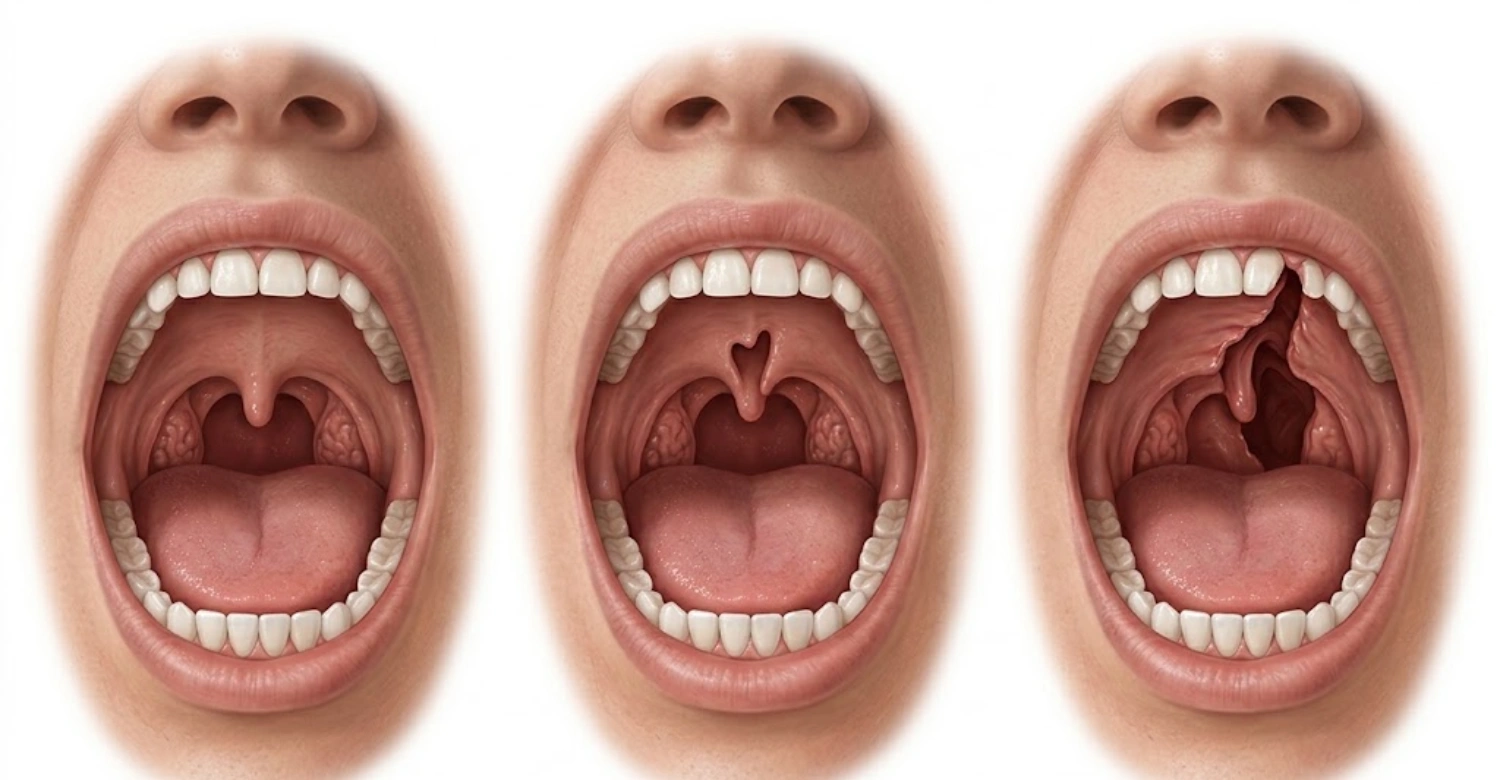
Note : All images used are for editorial and illustrative purposes only and may not originate from the original news provider or associated company.
The Role of Pediatric Dentists
Pediatric dental support often anchors care during early childhood years. Pediatric dentists focus on prevention, cavity management, enamel monitoring, and healthy development. They teach parents fitting brushing and fluoride routines from the start. They also track primary and permanent teeth as they develop. When orthodontic or surgical concerns emerge, they can coordinate outside referrals. Prevention matters most for children with hard-to-clean areas or enamel issues. Regular pediatric visits provide continuity as broader cleft treatment progresses.
The Role of Orthodontists
Dental Care for Cleft Lip and Palate relies on orthodontists to monitor tooth and jaw relationships. They assess crowding, spacing, eruption, crossbite, and other alignment concerns. Their work often coordinates with alveolar bone grafting and related procedures. Some patients need early intervention, while others wait for comprehensive treatment. Orthodontic planning also weighs missing teeth and future restorative options. Regular assessments help determine the right timing for each stage. Hygiene stays important since appliances raise plaque retention noticeably. Close communication with other specialists supports better coordinated treatment overall.
The Role of Oral and Maxillofacial Surgeons
Surgeons enter the picture when structural surgery around the jaw is needed. Their input often shapes decisions about alveolar bone grafting and related procedures. Their choices depend on development, bone anatomy, and prior surgery history. Dental imaging supplies information needed for careful surgical planning. Close communication between surgeons and orthodontists supports coordinated timing. Surgical care works best as part of a broader multidisciplinary plan rather than standing alone.
How Dental Imaging Supports Treatment Planning
Imaging helps evaluate developing teeth and surrounding structures when clinically appropriate. Standard dental X-rays can identify unerupted, missing, or displaced teeth. Three-dimensional imaging adds detail in selected complex cases only. CBCT is not automatic for every patient and depends on clinical need. Imaging findings support both orthodontic and surgical planning decisions. At Vitrin Clinic, digital tools assist clinicians when the case calls for them. Imaging should support clinical exams, never replace them outright. Radiation exposure always deserves careful consideration, especially in children.
Dr. Rifat Alsaman's Clinical Opinion
Dental Care for Cleft Lip and Palate should start with a patient's full dental history. Dr. Rifat Alsaman, Head of the Medical Team at Vitrin Clinic and cosmetic dentist, stresses individualized assessment above all else. Missing teeth, eruption problems, enamel changes, crowding, and bite differences all need different approaches. A useful plan addresses current needs while watching future development too. Diagnostic information should always sit alongside careful clinical findings. Prevention stays part of the plan even when other treatment is needed. Complex cases may benefit from close coordination between several specialists. Find out more about tight jaw
What We Notice Clinically
Long-term observation matters since dental development continues for many years. Findings shift as primary teeth get replaced by permanent ones. Missing teeth sometimes appear later, and eruption problems often emerge during mixed dentition. Prevention stays essential even alongside planned orthodontic treatment. Children can develop ordinary cavities and gum issues on top of cleft-related differences. Regular exams therefore serve both developmental and preventive purposes at once. At Vitrin Clinic, clinicians organize available information before discussing suitable options. Individual findings should guide every recommendation, not cleft classification alone.
Tooth Development Requires Long-Term Monitoring
A child's dental situation can look very different by adolescence. Permanent teeth may erupt late, shift position, or reveal problems over time. Regular exams let clinicians track these changes as they unfold. X-rays help when a developing tooth cannot be assessed clinically alone. Long-term monitoring also helps orthodontists judge when treatment becomes appropriate. Parents should expect dental care to run as an ongoing process. It rarely resolves through a single appointment or procedure alone.
Dental Problems Vary From Patient to Patient
Dental Care for Cleft Lip and Palate can look strikingly different between two similar cleft cases. One child may have a missing tooth, another several alignment issues. Some develop enamel defects, while others show fairly healthy tooth structure. Cleft type, location, genetics, hygiene, and prior treatment all shape outcomes. Because of this variation, recommendations should always follow individual exams. Parents should avoid comparing their child's care directly to another's. Regular monitoring supplies the information needed to keep adjusting care.
Preventive Dentistry Is Especially Important
Prevention deserves priority since some areas prove genuinely hard to clean. Fluoride toothpaste, brushing, healthy diet, and regular exams reduce preventable problems. Children with enamel defects or appliances may need extra preventive support. Dental professionals can flag individual cavity risks and suggest fitting measures. Prevention also helps protect teeth that may matter for later treatment. A consistent home routine stays essential even during frequent professional care.
Orthodontic Needs Can Change as the Child Grows
Orthodontic plans often shift as permanent teeth continue to erupt. A child may start with no clear orthodontic need at all. Later, crowding, delayed eruption, crossbite, or spacing can emerge instead. Growth itself can shift jaw relationships and overall treatment timing. Orthodontists therefore reassess patients periodically rather than relying on one early look. Changes to the broader cleft plan can also shift orthodontic decisions. Parents should expect recommendations to evolve as new information arrives.
Why Multidisciplinary Dental Care Matters
Several professionals often share responsibility since clefts affect teeth, gums, and jaws together. Pediatric dentists focus on prevention and everyday childhood oral health. Orthodontists track tooth position and bite development over time. Surgeons address structural concerns whenever surgery becomes necessary. Restorative dentists manage damaged, malformed, or missing teeth as needed. Clear communication helps this whole team coordinate treatment timing well. The exact team composition differs between patients and healthcare systems. A multidisciplinary approach helps decisions weigh both current and future needs. Get the details on tingling of the mouth
Tips for Patients and Parents
Consistent routines established early make ongoing care noticeably easier. Children should brush twice daily with fluoride toothpaste and get help when needed. Parents should watch areas around crowded teeth and orthodontic appliances closely. Regular appointments let professionals monitor cavities, eruption, enamel, and gum health. Orthodontic guidance deserves careful follow-through since timing affects treatment progress. Parents should also report unusual eruption, persistent pain, or swelling promptly. Keeping the dental team informed about cleft surgeries supports better coordination overall. Small daily habits genuinely shape long-term oral health outcomes.
Start Dental Care Early
Starting early matters since primary teeth also deserve protection. An early visit gives parents guidance on brushing, fluoride, and feeding habits. Dentists can also flag developmental concerns that need future watching. Establishing a dental home creates continuity as the child keeps growing. Early care rarely means extensive treatment right away though. It mostly focuses on prevention and careful observation instead. Parents should keep regular appointments matched to their child's individual needs.
Brush Twice a Day With Fluoride Toothpaste
Twice-daily brushing with fluoride toothpaste anchors everyday prevention. Fluoride strengthens enamel and lowers the overall risk of decay. Parents should supervise younger children and ensure hard spots get cleaned. A soft toothbrush reaches teeth comfortably without irritating sensitive gums. Kids with braces may need extra cleaning around brackets and wires. The dental team can recommend a fitting toothpaste amount by age. Consistent brushing remains one of the most protective daily habits available.
Pay Attention to Hard-to-Clean Areas
Plaque tends to gather where crowded or unusual teeth make cleaning tough. Parents should inspect teeth periodically and help with brushing when needed. Interdental cleaning becomes more useful as teeth sit closer together. A dentist or hygienist can demonstrate techniques for tricky spots. Persistent plaque buildup deserves mention during regular dental visits. Early changes often respond well to improved cleaning and support.
Schedule Regular Dental Visits
Regular professional monitoring supports healthy development throughout childhood. Visits identify cavities, enamel defects, delayed eruption, and early alignment problems. The right frequency depends on individual risk and current treatment needs. Children in orthodontic or surgical care may need coordinated scheduling. Regular visits also let dentists update brushing and dietary guidance. Parents should follow the schedule set by their child's dental team. Waiting for pain lets preventable problems progress further than needed.
Follow Orthodontic Recommendations
Orthodontic treatment may appear at several different developmental stages. Parents should follow instructions on appliance use, cleaning, and dietary limits. Missed appointments can make treatment planning noticeably more difficult. Good hygiene matters especially since braces raise plaque retention risk. Orthodontists may adjust recommendations as permanent teeth continue erupting. Parents should ask questions whenever an instruction feels unclear. Clear communication helps children stick with their treatment routine.
Monitor Tooth Eruption and Alignment
Watching how permanent teeth develop and erupt matters throughout childhood. Parents may notice gaps, unusual positions, or crowding as teeth change. These changes deserve discussion with the dentist rather than home management. Imaging may help when an eruption looks delayed or unusual. Orthodontists can track developing teeth and decide whether action is needed. Observation matters especially closely around the cleft region itself. Early information helps the dental team plan future treatment well.
Ask About Cavity Prevention
An individualized cavity-prevention plan works better than a generic one. Parents can ask about fluoride toothpaste, professional treatments, and cleaning techniques. Children with enamel defects or prior cavities may need extra support. Orthodontic appliances can raise plaque retention and require careful cleaning too. The dental team should assess individual risk rather than treat every child alike. Preventive planning protects teeth during important developmental stages ahead.
Keep the Dental Team Updated About Cleft Treatment
Care works best when dentists understand the child's full treatment history. Parents should share details about surgeries, bone grafting, and medications used. This information can shape both dental and orthodontic decisions directly. Communication between specialists also helps avoid conflicting recommendations. Organized records make future consultations noticeably more efficient. Parents should ask how different procedures may affect timing and tooth development. Everything you need to know about tinnitus and teeth
Dental Care for Cleft Lip and Palate at Vitrin Clinic
An individualized assessment forms the starting point at Vitrin Clinic. Evaluation may cover tooth development, missing or malformed teeth, alignment, and gum health. Digital diagnostic tools add detail when clinically appropriate for the case. Recommendations should reflect the patient's age, development, and existing cleft care. Vitrin Clinic favors personalized plans over identical procedures for every patient. Complex cases may need coordination with outside specialists for advanced management. The core goal stays appropriate care built on real clinical findings.
Personalized Dental Assessment
Understanding each patient's individual condition comes first at Vitrin Clinic. Assessment can cover tooth position, enamel, gums, bite, and restorative concerns. Prior dental and surgical history adds helpful context too. This information guides which diagnostic steps make sense for each case. Not every patient needs identical imaging or identical treatment. A personalized assessment separates urgent needs from longer-term monitoring items. This approach supports clearer conversations with patients and their families.
Digital Diagnostic Technology
Digital tools can add real value when clinically appropriate. Vitrin Clinic uses digital X-rays, CBCT, and 3D intraoral scanning selectively. These technologies offer detailed views of teeth, bone, and oral structures. CBCT should only be used when its benefit clearly justifies radiation exposure. Digital scans also help document tooth positions for treatment planning. The right technology depends entirely on the patient's clinical needs. Digital tools support clinical judgment rather than replace it.
Individualized Treatment Planning
Treatment planning follows directly from each patient's actual findings. Vitrin Clinic organizes clinical and digital information to weigh restorative and orthodontic needs. Plans may involve one procedure or several stages over time. Missing teeth, enamel defects, crowding, and bite issues each need different approaches. Prior cleft treatment history also shapes the plan considerably. A staged plan prioritizes urgent concerns while preserving future options. Recommendations get reviewed again as the patient's condition changes.
Preventive and Restorative Dental Care
Prevention and restoration often work together in a single plan. Preventive steps include exams, fluoride guidance, hygiene coaching, and cavity management. Restorative work addresses damaged, malformed, or heavily decayed teeth when needed. The chosen approach depends on tooth condition, age, and function. Vitrin Clinic evaluates restorative needs within a broader dental assessment. Preserving healthy natural teeth stays a priority whenever possible. Treatment should follow clinical necessity rather than cosmetic goals alone.
Dr. Rifat Alsaman's Clinical Perspective
Planning should follow the patient's actual dental development closely. Dr. Rifat Alsaman, Head of the Medical Team at Vitrin Clinic and cosmetic dentist, stresses detailed assessment before any treatment. Cleft-related differences can include missing teeth, abnormal eruption, and enamel changes. These findings often call for different treatment strategies entirely. Prevention stays part of the plan even alongside restorative work. Decisions should also weigh prior procedures and future dental development. Read more about tongue function
How Vitrin Clinic Supports Patients With Complex Dental Needs
Detailed assessment matters most for patients with multiple dental concerns. Vitrin Clinic supports complex evaluations through exams and selected digital tools. Available information helps clinicians understand tooth position and restorative needs. CBCT and digital X-rays enter the picture only when clinically justified. Three-dimensional scanning can assist with detailed digital treatment planning. Recommendations stay individualized and may need coordination with existing specialists. Complex cases benefit from clear communication about goals and expected stages.
Comprehensive Dental Evaluation
Evaluation starts by identifying the patient's current oral health needs. Vitrin Clinic reviews teeth, gums, bite, missing teeth, and restorative concerns. Medical and dental history adds useful context for planning. The evaluation may flag preventive needs before restorative or orthodontic work begins. Complex findings sometimes call for referral to outside specialists. A comprehensive assessment helps set realistic treatment priorities from the start. It also grounds later conversations with patients and their families.
CBCT and Digital X-Ray Assessment When Clinically Appropriate
Imaging becomes useful when clinical exams alone cannot answer key questions. Digital X-rays help evaluate developing teeth, roots, and dental structures. CBCT adds three-dimensional detail when clinically justified for the case. Vitrin Clinic uses these tools according to specific diagnostic needs. Imaging decisions weigh age, clinical need, and radiation exposure carefully. CBCT is not needed for every patient by any means. Appropriate imaging still adds real value for complex planning cases.
3D Intraoral Scanning and Digital Treatment Planning
3D intraoral scanning supports digital record-keeping when useful for a case. Vitrin Clinic's scanning technology creates detailed digital views of oral structures. Digital records assist treatment planning and clearer patient communication. They can help document tooth positions before restorative or orthodontic steps. Usefulness depends heavily on the treatment being considered at the time. Digital planning never replaces clinical exams or appropriate imaging. It simply adds another useful source of information.
Personalized Treatment and Follow-Up
Ongoing review matters since oral conditions keep changing over time. Vitrin Clinic builds recommendations around the patient's current dental findings. Follow-up lets clinicians track healing, progress, and shifting dental needs. Complex patients may need coordination with additional outside specialists. Plans can also shift as permanent teeth erupt or new needs emerge. Regular communication helps patients understand each treatment stage clearly. Follow-up should always match the treatment provided and individual circumstances.
Patient-Focused Dental Care
Care should weigh both clinical needs and the patient's overall experience. Vitrin Clinic aims for clear explanations of findings and available options. Patients and parents should understand why specific steps get recommended. Complex treatment often runs across several stages, so communication matters most. Questions about timing, maintenance, and cost deserve answers before treatment starts. A patient-focused approach supports informed decisions at every stage. Recommendations should always stay grounded in clinical findings and individual needs.
Can Adults With Cleft Lip and Palate Improve Their Dental Health?
Dental Care for Cleft Lip and Palate stays relevant well into adulthood. Adults may face cavities, gum disease, missing teeth, or old restorations needing review. Orthodontic treatment can still work in selected adult cases. Restorative procedures address damaged or missing teeth when appropriate. Implants may suit patients after bone volume and oral health review. Cosmetic procedures can follow, but healthy teeth and gums come first. Adults with prior cleft treatment should share their full history before complex planning begins.
Treating Cavities and Gum Problems
Routine prevention stays necessary even after childhood cleft treatment ends. Crowded teeth and hard-to-clean spots keep creating plaque challenges into adulthood. Dentists assess cavities, enamel, gum health, and existing restorations together. Treatment may involve fillings, cleaning, periodontal care, or other restorative steps. Adults should keep brushing twice daily and clean between teeth regularly. Regular exams catch problems before they grow more extensive. Individual treatment always depends on the current condition of teeth and gums.
Managing Missing or Malformed Teeth
Replacing or restoring missing and malformed teeth involves several possible options. Choices include orthodontic space management, bridges, removable prostheses, or implants. The right option depends on bone volume, tooth position, and gum health. Implant placement often requires detailed imaging before any treatment begins. Some patients need extra bone procedures before an implant becomes possible. Restorative planning also weighs neighboring teeth and long-term maintenance needs. A detailed exam always comes before choosing a replacement option.
Orthodontic Options for Adults
Adult orthodontic treatment can still work well in many cases. Adults may consider braces or selected clear-aligner approaches depending on complexity. Cleft-related jaw differences can make some cases harder than routine ones. Planning may require imaging and coordination with restorative or surgical treatment. Healthy gums and good hygiene matter before treatment even begins. The orthodontist should explain expected movement, limits, and retention needs clearly. Suitability depends on individual anatomy rather than age alone.
Restorative Dental Treatment
Restorative work addresses teeth that are damaged, malformed, or missing entirely. Depending on the situation, treatment can include fillings, crowns, or bridges. The dentist first evaluates tooth structure, gum health, bite, and function. Teeth near a cleft may need particular attention given their unusual shape. Restorative treatment should preserve healthy tooth structure whenever realistically possible. Vitrin Clinic evaluates restorative needs within a broader dental assessment. The final approach should always reflect clinical conditions and treatment goals.
Cosmetic Dental Considerations
Cosmetic concerns sometimes follow once function and prevention needs are met. Adults may want changes to tooth shape, color, spacing, or symmetry. Cosmetic treatment should weigh enamel condition, gum health, and bite together. Veneers, crowns, whitening, or other procedures may suit selected cases. Cosmetic work does not suit every tooth or every patient though. A full dental exam should precede any cosmetic recommendation. At Vitrin Clinic, cosmetic goals get discussed alongside functional findings.
Conclusion About Dental Care for Cleft Lip and Palate
Dental Care for Cleft Lip and Palate needs ongoing attention across every life stage. Children may face missing teeth, enamel defects, delayed eruption, and bite differences. Early visits create real chances for prevention and developmental monitoring. Orthodontic treatment may become necessary at different points depending on findings. Adults also benefit from preventive, restorative, orthodontic, and cosmetic dental care. A coordinated approach links dental treatment with surgical and orthodontic care. Vitrin Clinic offers individualized assessment and selected digital diagnostics when appropriate. The best treatment always depends on exam findings, development, and long-term goals.
At Vitrin Clinic
At Vitrin Clinic, we provide a wide range of dental treatments designed to meet different oral health and aesthetic needs. Our treatments include dental implants, crowns and veneers, orthodontics, teeth whitening, restorative procedures, and other specialized dental solutions. Each treatment is tailored to the patient’s individual needs following a thorough dental evaluation and personalized treatment planning.
Reference
FAQs
Dr. Rifat Alsaman has more than 5 years of clinical experience in dentistry and currently serves as the Head of the Medical Team at Vitrin Clinic. He is dedicated to providing exceptional patient care, overseeing treatment planning, and ensuring the highest clinical standards across the team. His expertise, attention to detail, and commitment to continuous professional development have helped countless patients achieve healthier, more confident smiles.


