General Dentistry
August 25, 2026
Can Rheumatoid Arthritis Affect Your Jaw and Teeth?
 Dr. Rifat Alsaman
Can rheumatoid arthritis affect your jaw and teeth? Yes, it can. Rheumatoid arthritis is an autoimmune condition. It's best known for attacking hand and knee joints. But it can also reach the jaw joint. It can influence oral health more broadly. Patients often notice jaw stiffness, clicking, or discomfort long before they connect it to their arthritis diagnosis. Understanding rheumatoid arthritis and jaw pain, rheumatoid arthritis and TMJ involvement, and rheumatoid arthritis and teeth problems helps patients recognize symptoms early. This guide explains how rheumatoid arthritis affects the mouth, jaw joint, and teeth. It also covers what steps can help protect oral health.
Can Rheumatoid Arthritis Affect Your Jaw and Teeth?
Can rheumatoid arthritis affect your jaw and teeth in a meaningful way? For many patients, yes. Rheumatoid arthritis is a systemic inflammatory disease. This means it doesn't stay confined to one joint. The temporomandibular joint connects the jawbone to the skull. It can become inflamed just like joints in the fingers or knees. This inflammation may cause stiffness, pain, and reduced jaw movement. Teeth themselves are not directly attacked by rheumatoid arthritis. But the surrounding gums, bone, and joint function can all be affected. That's why dental awareness matters for people managing this condition.
How Rheumatoid Arthritis Can Affect the Jaw
Can rheumatoid arthritis affect your jaw and teeth through the jaw joint itself? Yes. It can target the temporomandibular joint, the hinge that allows chewing and speaking. Inflammation in this joint can lead to swelling, tenderness, and a grinding or clicking sound during movement. Over time, untreated inflammation may reduce cartilage cushioning. This makes jaw motion feel stiff or restricted. Some patients describe morning jaw stiffness similar to the joint stiffness they feel in their hands. The jaw is used constantly for eating and talking. So even mild inflammation can noticeably affect daily comfort and quality of life.
Can Rheumatoid Arthritis Affect Your Teeth Directly?
Can rheumatoid arthritis affect your jaw and teeth at the tooth level? Not directly. It does not attack tooth enamel or dentin. But it can affect the tissues that support your teeth. Chronic inflammation is linked to a higher risk of gum disease. Gum disease weakens the bone and ligaments holding teeth in place. Some medications used to manage rheumatoid arthritis can also cause dry mouth. This reduces natural protection against decay. So the disease itself isn't attacking teeth directly. But its downstream effects on gums, saliva, and bone can still increase the risk of dental problems over time.
What Are the Rheumatoid Arthritis Jaw Symptoms?
Rheumatoid arthritis jaw symptoms vary from person to person. They often include pain, stiffness, and reduced range of motion. Some patients notice a clicking or popping sound when opening or closing the mouth. Others experience difficulty chewing tougher foods. Some feel a tightness around the ears. Morning stiffness that eases as the day progresses is common. It mirrors the pattern seen in other joints affected by rheumatoid arthritis. Recognizing these symptoms early allows for timely dental and medical evaluation before the joint becomes more restricted.
Common Rheumatoid Arthritis Jaw Symptoms
When people ask if rheumatoid arthritis affect your jaw and teeth, jaw symptoms are usually the first clue. Common symptoms include jaw pain when chewing, clicking or popping sounds, and stiffness that is worse after periods of rest. Some patients notice mild facial swelling near the jaw joint. Others notice a slight change in how their teeth meet when biting down. Fatigue while chewing tougher foods is also frequently reported. These symptoms can fluctuate with disease activity. They become more noticeable during flare-ups and ease during periods when rheumatoid arthritis is better controlled through medication and lifestyle management.
When Should Jaw Symptoms Be Checked by a Dentist?
Because rheumatoid arthritis can affect your jaw and teeth over time, jaw symptoms should be checked by a dentist if pain persists for more than a few days. The same goes if clicking sounds become frequent, or if chewing becomes noticeably difficult. Sudden changes in how the upper and lower teeth align when biting down also warrant an evaluation. Early assessment helps rule out other causes of jaw discomfort. It also allows the dental team to coordinate care with a rheumatologist if inflammation of the jaw joint is suspected. This can help prevent symptoms from worsening.
Can Rheumatoid Arthritis Cause Jaw Pain?
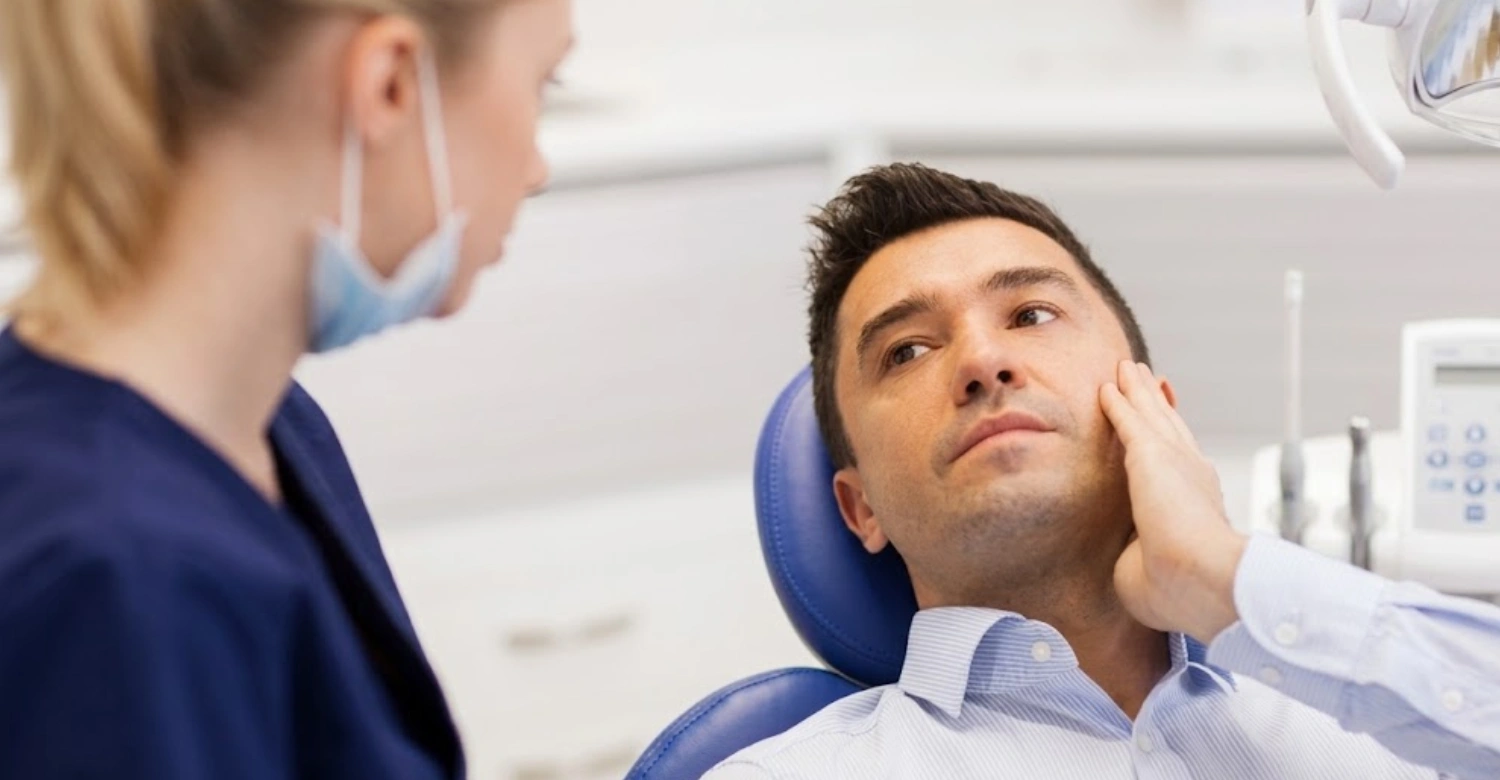
Can rheumatoid arthritis cause jaw pain? Yes. This is one of the more common ways the condition shows up in the mouth. The temporomandibular joint is a true synovial joint. So it is vulnerable to the same inflammatory process that affects the knees, wrists, and fingers in rheumatoid arthritis. Pain can range from mild discomfort during chewing to persistent aching that affects speaking and yawning. Understanding this connection helps patients avoid mistaking arthritis-related jaw pain for an unrelated dental issue. Persistent oral or facial pain can also overlap with symptoms described in our guide to toothache, which is why professional assessment matters.
How Rheumatoid Arthritis and Jaw Pain Are Connected
This is another way rheumatoid arthritis can affect your jaw and teeth: the immune system's attack on joint linings. In the temporomandibular joint, this attack can cause swelling of the synovial membrane. This leads to pain, warmth, and restricted movement. As inflammation continues over months or years, the cartilage that cushions the joint can wear down. This may cause deeper, more persistent pain. This process closely resembles how rheumatoid arthritis damages joints elsewhere in the body. It's just on a smaller and less commonly recognized scale.
How to Tell Rheumatoid Arthritis Jaw Pain From Other Causes
Understanding whether rheumatoid arthritis can affect your jaw and teeth versus another cause matters. Arthritis-related jaw pain often appears alongside other joint symptoms, such as swelling in the hands or knees. It also tends to be worse in the morning. In contrast, pain from teeth grinding or a dental infection is usually localized. It doesn't follow this pattern of fluctuating joint stiffness. A dentist can help distinguish between the two. They'll review your medical history, examine the joint, and sometimes recommend imaging to see whether inflammation or a purely dental issue is the underlying cause. Patients who grind or clench their teeth may also benefit from learning more about bruxism treatment options.
Rheumatoid Arthritis and TMJ: What Is the Connection?
Rheumatoid arthritis and TMJ involvement are closely linked. The temporomandibular joint is structured like other joints the disease commonly affects. Studies suggest a meaningful percentage of rheumatoid arthritis patients experience some degree of TMJ inflammation during their disease course. This connection is often underdiagnosed. Jaw symptoms can be mild or mistaken for stress-related teeth clenching. Recognizing rheumatoid arthritis and TMJ involvement as a genuine possibility helps patients seek the right combination of dental and rheumatology care.
How Rheumatoid Arthritis Affects the TMJ
This is one of the clearest ways rheumatoid arthritis can affect your jaw and teeth: inflammation of the TMJ's synovial lining, similar to what happens in larger joints. This can lead to swelling, pain, and in some cases erosion of the joint surfaces over time. The TMJ is a small, complex joint used constantly throughout the day. So even minor structural changes can become noticeable quickly. Patients may also experience changes in how their bite feels if the joint shape is gradually altered by long-term inflammation.
Rheumatoid Arthritis Jaw Joint Problems
The extent to which rheumatoid arthritis can affect your jaw and teeth ranges from mild stiffness to more significant joint erosion in longstanding, poorly controlled disease. Some patients develop an anterior open bite. This is where the back teeth touch but the front teeth don't meet properly, due to changes in joint structure. Reduced mouth opening can also make dental treatment and daily activities like yawning or eating more challenging. Monitoring these changes over time helps guide both dental management and broader rheumatoid arthritis treatment decisions.
How Dentists Assess the TMJ
Dentists assess the TMJ by observing jaw movement and listening for clicking or grinding sounds. They also gently palpate the joint for tenderness or swelling. They may ask patients to open and close their mouth several times to check range of motion and symmetry. Reviewing bite alignment and asking about morning stiffness helps build a fuller picture. This hands-on examination is usually the first step before deciding whether further imaging or a referral is needed.
When TMJ Imaging May Be Recommended
TMJ imaging may be recommended when pain persists or movement is significantly restricted. It's also used when a dentist suspects structural changes within the joint. Imaging can help confirm whether inflammation, cartilage wear, or bone changes are present. This guides more precise treatment planning. It is particularly useful for patients with a long history of rheumatoid arthritis. It allows the dental team to track how the joint may be changing over time and adjust care accordingly.
What Teeth Problems Can Be Associated With Rheumatoid Arthritis?
So can rheumatoid arthritis affect your jaw and teeth in the form of dental problems? Usually indirectly. It arises from inflammation's effects on gums, saliva, and bone rather than the teeth themselves. Patients may notice more frequent gum sensitivity, dry mouth, or a higher rate of cavities linked to reduced saliva flow. Some medications used to manage the condition can also affect oral tissues. Being aware of rheumatoid arthritis and teeth problems allows patients to take proactive steps with their dental team to reduce long-term risk. Understanding the difference between tooth decay and cavities can also help patients recognize problems earlier.
Rheumatoid Arthritis Effects on Teeth
When considering whether rheumatoid arthritis can affect your jaw and teeth, effects on teeth are largely mediated through the surrounding gum and bone tissue. Chronic inflammation can weaken the periodontal ligament, which anchors teeth in place. This can potentially lead to looseness over time if left unmanaged. Reduced saliva production, sometimes linked to overlapping conditions like Sjögren's syndrome, can also raise the risk of decay. Teeth structure itself remains largely unaffected. But the supportive environment around each tooth can become more vulnerable without consistent dental care. Enamel health can also be influenced by factors such as acid exposure and tooth enamel erosion.
Can Rheumatoid Arthritis Increase the Risk of Gum Disease?
Can rheumatoid arthritis increase the risk of gum disease? Research suggests a two-way relationship between the two conditions. Both involve chronic inflammation. Some studies indicate that gum disease bacteria may even influence rheumatoid arthritis activity. Patients with rheumatoid arthritis often report higher rates of gum inflammation, bleeding, and bone loss around teeth. This connection makes consistent periodontal care an important part of managing overall health for anyone living with this autoimmune condition. Patients who need professional gum care can learn more about periodontal treatment.
Rheumatoid Arthritis and Gum Disease
Rheumatoid arthritis and gum disease share overlapping inflammatory pathways. This may explain why patients with one condition often show a higher likelihood of the other. Reduced hand dexterity from arthritis can also make brushing and flossing physically harder. This contributes to plaque buildup. Some medications that suppress the immune system may additionally affect the body's ability to fight off gum infections. Regular dental visits become especially important for catching early gum changes before they progress. Patients can also review ways to prevent periodontal disease as part of their daily routine.
Tips for Patients
Use an electric toothbrush with a wide, easy-grip handle to reduce hand strain
Brush gently twice daily, focusing on the gumline where inflammation tends to build
Rinse with an alcohol-free mouthwash if dry mouth is a concern
Sip water throughout the day to support natural saliva flow
Choose floss picks or water flossers if traditional flossing is difficult. A water flosser may be easier for some patients to handle.
Schedule dental cleanings more frequently if gum sensitivity increases
Tell your dentist about any new jaw stiffness or clicking sounds
How Rheumatoid Arthritis Affects the Mouth and Oral Health
Can rheumatoid arthritis affect your jaw and teeth beyond the joint itself? Yes, its effects on the mouth go beyond the jaw joint. Dry mouth, gum sensitivity, and reduced ability to maintain oral hygiene due to hand involvement all play a role. Rheumatoid arthritis and oral health are linked closely. Many rheumatology teams now recommend regular dental check-ups as part of standard care. Recognizing these connections early allows patients to adjust their oral care routine before minor issues develop into larger dental concerns. For patients experiencing significant gum inflammation, periodontitis treatment may be considered after professional evaluation.
Dry Mouth and Oral Health
Dry mouth is common among rheumatoid arthritis patients. It's partly due to medication side effects and partly due to overlapping autoimmune conditions like Sjögren's syndrome. Saliva plays a protective role by washing away food particles and neutralizing acids that cause decay. When saliva flow decreases, the risk of cavities and gum irritation rises. Staying hydrated, using saliva substitutes when needed, and avoiding sugary snacks can help offset some of the effects of reduced saliva production. Patients with persistent dental damage may also need to discuss suitable tooth filling options with their dentist.
Difficulty Maintaining Oral Hygiene
One overlooked way rheumatoid arthritis can affect your jaw and teeth is through hygiene itself. Difficulty maintaining oral hygiene is a real challenge for many patients, especially when hand joints are affected. Gripping a standard toothbrush or manoeuvring floss can become painful during flare-ups. This can lead to inconsistent brushing and a higher buildup of plaque near the gumline. Recognizing this barrier is the first step toward finding practical adaptations. These make daily oral care manageable, even on days when joint pain is more severe.
Helpful Oral Hygiene Adaptations
Helpful adaptations include electric toothbrushes with built-in grips. Toothbrush handles wrapped in foam make holding easier. Water flossers require less fine motor control than string floss. Long-handled or angled brush designs can also reduce wrist strain. Some patients find it easier to brush shortly after taking pain medication, when hand mobility tends to be better. Small adjustments like these can make a meaningful difference in maintaining consistent oral hygiene over time. If periodontal problems have already developed, professional scaling and root planing may be recommended.
How Is Rheumatoid Arthritis-Related Jaw Pain Diagnosed?
Confirming that rheumatoid arthritis can affect your jaw and teeth in a given patient relies on clinical examination, patient history, and imaging when needed. Dentists look for patterns that align with joint inflammation rather than purely dental causes, such as morning stiffness or symptoms that mirror flare-ups elsewhere in the body. Coordinating with a patient's rheumatologist can also help confirm whether jaw symptoms are connected to overall disease activity. This ensures the diagnosis and subsequent treatment plan are as accurate as possible.
Dental and TMJ Examination
A dental and TMJ examination typically involves assessing jaw movement and checking for joint sounds. The dentist also gently examines muscles around the jaw for tenderness. They'll review bite alignment and ask about pain patterns, including whether symptoms are worse in the morning. This physical assessment, combined with a thorough medical history, often provides enough information to determine whether further imaging or referral to a specialist is the appropriate next step.
When Is Dental Imaging Recommended?
Imaging often helps confirm whether rheumatoid arthritis can affect your jaw and teeth in a specific case. It is recommended when symptoms persist, when there is visible asymmetry in jaw movement, or when a clinician needs a clearer picture of joint structure before planning treatment. Imaging helps confirm the extent of any inflammation or bone changes. It also rules out unrelated dental issues. It provides a useful baseline that can be compared against future scans to monitor how the joint changes over time with ongoing rheumatoid arthritis management.
Panoramic X-Ray
A panoramic X-ray provides a broad view of the jaw, teeth, and TMJ in a single image. This makes it a useful first step for identifying obvious structural changes. It can reveal signs of bone loss, joint space narrowing, or misalignment that might explain jaw symptoms. It doesn't capture fine detail the way advanced imaging does. But it's a quick, low-radiation way to guide whether further investigation is necessary.
CBCT or Other Advanced Imaging
CBCT or other advanced imaging offers a three-dimensional view of the jaw joint. This allows for a more precise assessment of bone and joint surface changes. This level of detail can be particularly useful for patients with longstanding rheumatoid arthritis, where subtle joint erosion might not be visible on standard X-rays. Advanced imaging helps the dental team plan treatment more accurately. It also helps track changes over time with greater confidence.
How Are Rheumatoid Arthritis and Jaw Problems Treated?
Because rheumatoid arthritis can affect your jaw and teeth in varying degrees, treatment is typically a combination of conservative dental care and coordination with the patient's rheumatology treatment plan. The goal is usually to reduce inflammation, protect joint function, and prevent further damage rather than pursue invasive procedures immediately. Treatment is tailored to symptom severity. It ranges from simple lifestyle adjustments to more involved dental interventions when jaw joint changes have progressed significantly over time. For patients requiring minimally invasive dental procedures, laser dentistry may be relevant depending on the specific dental condition.
Conservative TMJ Management
Conservative TMJ management often includes soft diets during flare-ups, warm compresses to ease muscle tension, and gentle jaw stretching exercises recommended by a dental professional. A custom nightguard may be suggested if clenching or grinding is contributing to discomfort. Avoiding excessive gum chewing and very hard foods can also reduce strain on an already inflamed joint. These non-invasive approaches are usually tried first before considering more advanced treatment options.
Dental Treatments for Associated Oral Problems
Where rheumatoid arthritis can affect your jaw and teeth through gum and tooth changes, dental treatments focus on managing gum disease, addressing dry mouth, and restoring any teeth affected by decay linked to reduced saliva. This may include deep cleanings, fluoride treatments, or restorative work depending on the extent of the issue. The dental team works closely with patients to build a routine that fits their hand mobility and daily comfort level. This ensures treatment is both effective and realistic to maintain.
When More Advanced Treatment May Be Needed
More advanced treatment may be needed when conservative measures don't relieve symptoms. It's also needed when significant joint erosion is affecting jaw function. In these cases, further evaluation alongside a rheumatologist becomes especially important to ensure systemic inflammation is being addressed alongside local dental care. Rarely, more involved joint-focused intervention may be discussed. This is generally reserved for cases where jaw function is significantly and persistently impaired.
What Can Patients Expect Before and After Treatment?
Patients often want to know how much rheumatoid arthritis can affect your jaw and teeth before and after care. Before treatment, they often experience jaw discomfort, restricted movement, or noticeable gum sensitivity that affects daily comfort. After a tailored dental and medical approach, many patients report reduced pain, improved chewing ability, and better gum health. Rheumatoid arthritis is a chronic condition. So ongoing management rather than a single fix is usually the realistic expectation. Consistent follow-up allows the dental team to adjust care as symptoms change over time.
Expected Improvements in Jaw Comfort
Expected improvements in jaw comfort often include reduced clicking, less morning stiffness, and an easier time chewing a wider range of foods. Patients who follow a consistent conservative management plan frequently notice gradual improvement over several weeks. Some fluctuation is normal, especially during disease flare-ups. But most patients find that jaw comfort improves meaningfully once inflammation is better controlled through combined dental and medical care.
Expected Improvements in Oral Health
Once treatment addresses how rheumatoid arthritis can affect your jaw and teeth, expected improvements in oral health include reduced gum bleeding, fewer new cavities, and a more comfortable daily brushing routine once adaptations are in place. Addressing dry mouth with saliva substitutes or hydration habits often leads to noticeably fresher breath and less irritation. Regular dental visits help maintain these improvements. They catch small issues early before they require more extensive treatment down the line. When teeth are significantly weakened, restorative options such as dental crowns may sometimes be considered.
Why Individual Results May Vary
Individual results may vary depending on how well rheumatoid arthritis itself is controlled, how early jaw and dental symptoms were addressed, and each patient's overall health. Genetics, medication response, and consistency with daily oral care all play a role. Rheumatoid arthritis fluctuates over time. So some patients experience steady improvement while others need ongoing adjustments to their treatment plan to maintain comfortable jaw function and healthy gums.
Can You Prevent Oral Problems Associated With Rheumatoid Arthritis?
Can you prevent oral problems associated with rheumatoid arthritis entirely? Not always, but many risks can be significantly reduced. Consistent oral hygiene, regular dental visits, and close communication between dental and rheumatology teams all contribute to better outcomes. The disease itself can't be prevented. But its impact on the jaw and mouth can often be minimized with early attention and a proactive, well-coordinated approach to care.
Maintaining Good Oral Hygiene
Because rheumatoid arthritis can affect your jaw and teeth gradually, maintaining good oral hygiene is one of the most effective ways to reduce the risks linked to rheumatoid arthritis. This means brushing twice daily, using adapted tools if hand mobility is limited, and staying consistent even during flare-ups when it feels harder. Small, sustainable habits tend to be more effective long-term than occasional intensive care. This matters especially for a chronic condition that requires ongoing attention. Patients concerned about gum recession can also review the different stages of receding gums.
Regular Dental Check-Ups
Regular dental check-ups allow small issues to be caught before they become significant problems. For rheumatoid arthritis patients, more frequent visits may be recommended to monitor gum health, jaw function, and any changes linked to medication or dry mouth. These visits also give the dental team an opportunity to adjust home care recommendations as symptoms or hand mobility change over time. Patients with persistent gum problems can also learn about gum disease treatment options.
Managing Early Signs of Gum and Tooth Problems
Managing early signs of gum and tooth problems means addressing bleeding gums, sensitivity, or minor decay as soon as they appear rather than waiting. Early intervention is generally simpler and less invasive than treating advanced issues later. Patients are encouraged to mention any new symptoms during dental visits, even if they seem minor. Early detection plays a significant role in preventing more serious complications. Patients should also understand that periodontal disease may require ongoing management rather than a single intervention.
What We Notice Clinically
Dr. Rifat Alsaman's clinical perspective emphasizes looking beyond the teeth themselves when a patient has a known autoimmune condition. Jaw stiffness, subtle bite changes, and gum sensitivity are treated as pieces of a larger picture rather than isolated complaints. This approach helps ensure that rheumatoid arthritis jaw symptoms are addressed early. Dental care is coordinated alongside the patient's broader medical management for more consistent, long-term results.
What a Dental Examination May Reveal
A dental examination may reveal joint tenderness, restricted jaw opening, or subtle bite changes that patients hadn't noticed themselves. Gum inflammation patterns can also hint at systemic involvement rather than purely local causes. These findings help build a clearer clinical picture. They guide whether further imaging, closer monitoring, or coordination with a rheumatologist is the most appropriate next step for that individual patient's care. If missing or severely damaged teeth are identified, the dentist may also discuss options such as dental implants when clinically appropriate.
Clinical Note
This clinical note is a reminder that rheumatoid arthritis can affect your jaw and teeth in ways that don't always present obviously. Patients may not think to mention jaw symptoms during a routine dental visit. Sharing your full medical history, including autoimmune conditions and current medications, helps your dental team provide more accurate, tailored care. Open communication between all parties involved in your treatment leads to better long-term outcomes.
Why Your Dentist Should Know About Your Rheumatoid Arthritis
Your dentist should know about your rheumatoid arthritis because it can influence treatment planning, medication interactions, and how your body responds to dental procedures. Certain immune-suppressing medications may affect healing time or infection risk. Knowing your full diagnosis allows the dental team to adjust their approach and schedule appropriate follow-ups. They can also watch more closely for symptoms like rheumatoid arthritis jaw joint problems that might otherwise go unnoticed.
The Importance of Reviewing Your Medications
Reviewing your medications with your dental team is important. Some rheumatoid arthritis treatments can affect saliva production, healing, or infection risk during dental procedures. Certain medications may also require timing adjustments around dental work. Keeping an updated list of what you're taking ensures your dentist can plan treatment safely. It also helps avoid any unexpected interactions between your dental care and ongoing rheumatoid arthritis management.
When Communication With Your Rheumatologist May Be Needed
Communication with your rheumatologist may be needed when jaw symptoms appear to be worsening, when planning more involved dental procedures, or when medication adjustments could affect oral healing. A coordinated approach between your dental and rheumatology teams ensures that treatment decisions account for your full health picture. This kind of communication is especially valuable for patients experiencing noticeable rheumatoid arthritis and TMJ symptoms alongside other joint flare-ups.
How Can Vitrin Clinic Support Patients With Rheumatoid Arthritis and Dental Concerns?
Because rheumatoid arthritis can affect your jaw and teeth differently in every patient, Vitrin Clinic supports these concerns through personalized assessment, modern diagnostic tools, and a dental team experienced in managing complex medical histories. Every treatment plan considers how rheumatoid arthritis may be affecting the jaw, gums, or teeth, rather than treating symptoms in isolation. This comprehensive approach helps patients feel confident that their dental care is being managed with their full health picture in mind.
Personalized Dental Assessment and Treatment Planning
Personalized dental assessment and treatment planning at Vitrin Clinic starts with a detailed medical history review, including any autoimmune conditions and current medications. From there, the dental team builds a care plan tailored to each patient's specific jaw symptoms, oral hygiene challenges, and comfort level. This individualized approach helps ensure that treatment addresses the real cause of discomfort. It doesn't apply a generic solution to a complex, patient-specific situation.
The Role of Modern Dental Technology
Modern dental technology plays an important role in accurately assessing rheumatoid arthritis-related jaw and dental concerns. Digital imaging and advanced scanning tools allow for a more precise look at joint structure and bone health than traditional methods alone. This level of detail helps guide treatment decisions with greater confidence. It ensures patients receive care that reflects the current, real condition of their jaw and teeth.
Dr. Rifat Alsaman and the Vitrin Clinic Dental Team
Dr. Rifat Alsaman and the Vitrin Clinic dental team bring experience in managing patients whose dental needs intersect with broader medical conditions like rheumatoid arthritis. This background allows for care that considers the whole patient, not just the immediate dental complaint. Patients benefit from a team that understands how systemic conditions like rheumatoid arthritis and oral health are connected. They plan treatment accordingly.
Book a Professional Dental Consultation
Booking a professional dental consultation at Vitrin Clinic is a straightforward first step for anyone noticing jaw discomfort or dental changes alongside a rheumatoid arthritis diagnosis. A thorough evaluation can help determine whether symptoms are connected and outline a realistic path forward. Early consultation often makes management simpler. It helps patients maintain comfort and protect their long-term oral health with a coordinated, informed approach.
References:
FAQs
Dr. Rifat Alsaman has more than 5 years of clinical experience in dentistry and currently serves as the Head of the Medical Team at Vitrin Clinic. He is dedicated to providing exceptional patient care, overseeing treatment planning, and ensuring the highest clinical standards across the team. His expertise, attention to detail, and commitment to continuous professional development have helped countless patients achieve healthier, more confident smiles.


.webp&w=3840&q=75)

