General Dentistry
October 1, 2026
Dehydration During Exercise and Tooth Erosion: How Are They Connected?
 Dr. Rifat Alsaman
Dehydration During Exercise and Tooth Erosion are closely connected. Sweating reduces fluid levels, which can lower saliva flow. Less saliva weakens the mouth's natural defense against acids. This guide explains how exercise, dry mouth, and sports drinks affect enamel. It also shows how Vitrin Clinic helps active patients protect and preserve their teeth.
What Is Tooth Erosion and How Does It Affect Your Teeth?
Tooth erosion is the gradual wearing away of enamel, the hard protective layer covering your teeth. Once enamel thins, teeth may become sensitive, discolored, or change shape. Understanding how erosion develops is the first step. It shows why hydration, saliva, and drinking habits matter so much for people who train regularly.
What Causes Tooth Erosion?
Tooth erosion happens when acids, not bacteria, gradually dissolve enamel. Acidic foods, fruit juices, sodas, and sports drinks are common sources. The risk grows with repeated exposure. Reduced saliva also plays a role. Less saliva means weaker protection against acid attacks, which is why fluid balance matters for active people.
Clinical Note
Erosion often develops slowly and may cause no symptoms at first. As a result, many people miss the early signs. Regular dental examinations are valuable for this reason. A dentist can detect subtle enamel changes, such as smoothing or thinning. These changes often appear long before sensitivity or visible damage.
Find out the causes and solutions for a Scalloped Tongue
How Are Dehydration During Exercise and Tooth Erosion Connected?
During exercise, the body loses water through sweat and heavier breathing. If fluids are not replaced, the mouth can quickly become drier. This section explains how fluid loss affects saliva and why saliva protects enamel. It also shares practical steps to keep your mouth comfortably hydrated.
Dehydration and Tooth Erosion
The link between dehydration and tooth erosion starts with saliva. Fluid lost through sweat can reduce saliva production. Saliva normally neutralizes acids and helps protect enamel. When the mouth becomes drier, acidity may linger longer. This leaves the enamel noticeably more vulnerable during and after training.
Dry Mouth and Tooth Erosion
Dry mouth and tooth erosion are closely related because reduced saliva flow weakens enamel protection. The Head of the Medical team at Vitrin Clinic, a cosmetic dentist, emphasizes hydration as the starting point. Drinking enough water during exercise helps maintain saliva and protect enamel.
Tips for the Patients
Drink water regularly before, during, and after exercise. Do not wait until you feel thirsty. Avoid letting your mouth stay dry for long periods, especially during intense sessions. If you notice persistent dry-mouth symptoms, mention them promptly to your dentist.
Compare options in Implant-Supported Dentures vs Traditional Dentures
How Does Exercise Affect Your Teeth?
Exercise is excellent for overall health, but certain training habits can influence oral health. Understanding these effects helps you keep the benefits of physical activity while reducing risks. The following sections explore saliva changes, mouth breathing, and beverage choices. They also explain why athletes may face specific dental challenges.
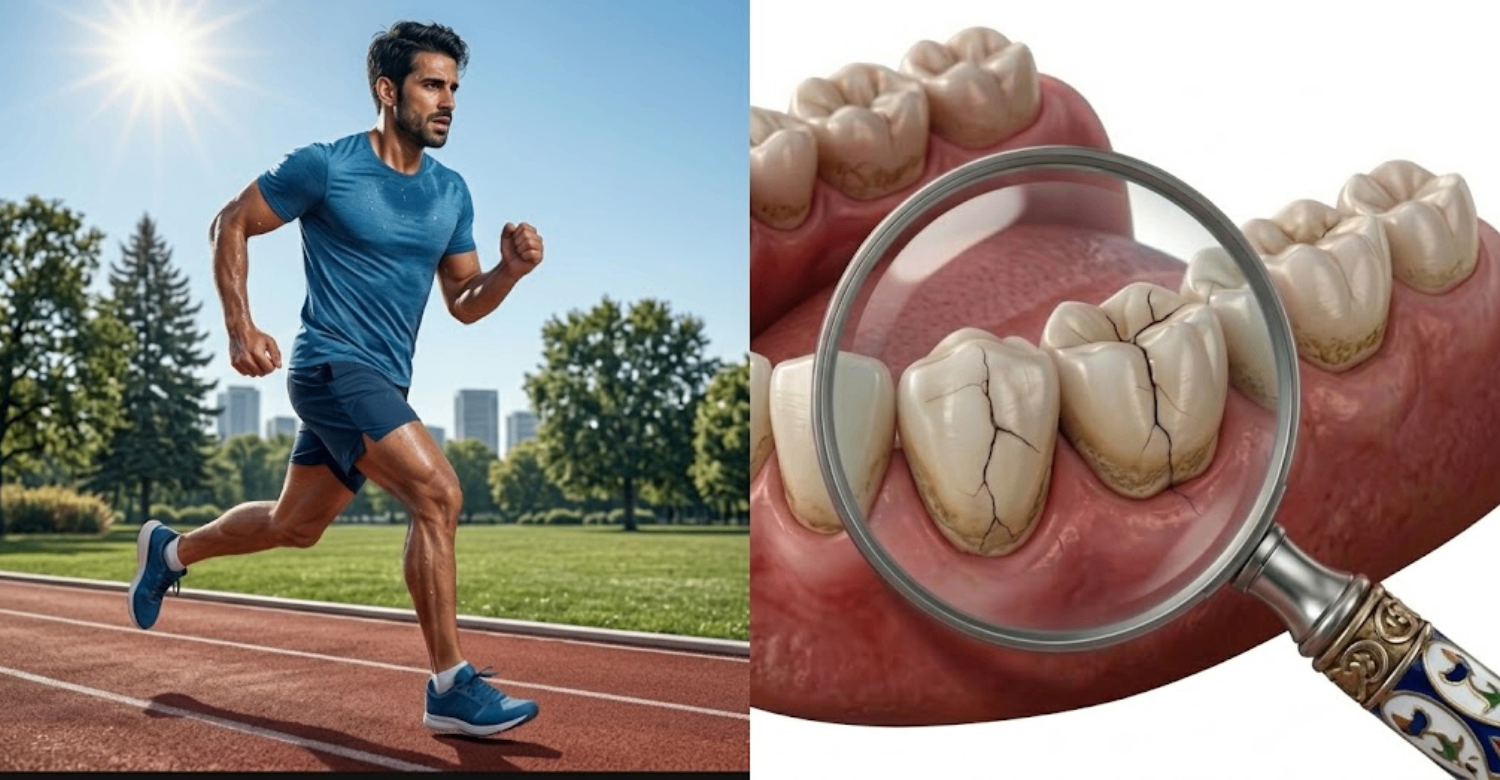
Note : All images used are for editorial and illustrative purposes only and may not originate from the original news provider or associated company.
Exercise and Tooth Erosion
Exercise and tooth erosion are not directly linked, because physical activity itself does not dissolve enamel. Instead, related factors raise the risk. These include dehydration, mouth breathing, dry mouth, and frequent acidic drinks. Seeing Dehydration During Exercise and Tooth Erosion as a combination of these habits helps active people manage risk.
Exercise Related Tooth Erosion
Exercise related tooth erosion becomes more likely when training is frequent or prolonged. Longer sessions increase exposure to contributing factors. Endurance athletes need repeated hydration, sometimes from acidic drinks. They also breathe through their mouths for long periods. This explains why athletes may face different oral-health challenges.
How Exercise Affects Your Teeth
How exercise affects your teeth depends on several factors. These include saliva changes, mouth dryness, acidic drinks, and oral hygiene habits. Healthy training routines support wellbeing. However, habits like constantly sipping sports drinks can harm enamel. Separating good exercise habits from risky ones is central to protecting your teeth.
Can Sports Drinks Increase the Risk of Tooth Erosion During Exercise?
Sports drinks are popular for replacing fluids and electrolytes during workouts. However, their composition matters for dental health. Many contain acids that can soften enamel, especially with repeated use. This section compares sports drinks with water. It also explains how frequency, acidity, and saliva flow influence the level of risk.
Sports Drinks and Tooth Erosion
Sports drinks and tooth erosion are linked because many sports drinks are acidic. When acidity combines with frequent consumption, enamel faces repeated attacks. Sipping throughout a workout keeps acid in contact with teeth for longer. The risks of Dehydration During Exercise and Tooth Erosion increase when acidic drinks regularly replace water.
Dehydration and Dental Erosion
Dehydration and dental erosion are connected through reduced saliva. Acidic sports drinks then add direct acid exposure. Together, they create a double challenge for enamel. Acidic beverages can replace lost fluids, but they do not offer the same enamel protection as water.
Clinical Note
Risk varies from person to person. It depends on exposure frequency, drink acidity, saliva flow, and individual oral health. Dental erosion is cumulative, so small daily exposures can add up. As a result, enamel damage may progress gradually over months or years.
Evaluate your choices in Tooth Extraction vs Dental Implant
How Can You Prevent Tooth Erosion During Exercise?
Prevention is the most effective way to protect enamel, because lost enamel cannot grow back. Simple habits before, during, and after workouts make a significant difference. Below, you will find practical guidance on how to prevent tooth erosion during exercise. These tips fit easily into any training routine.
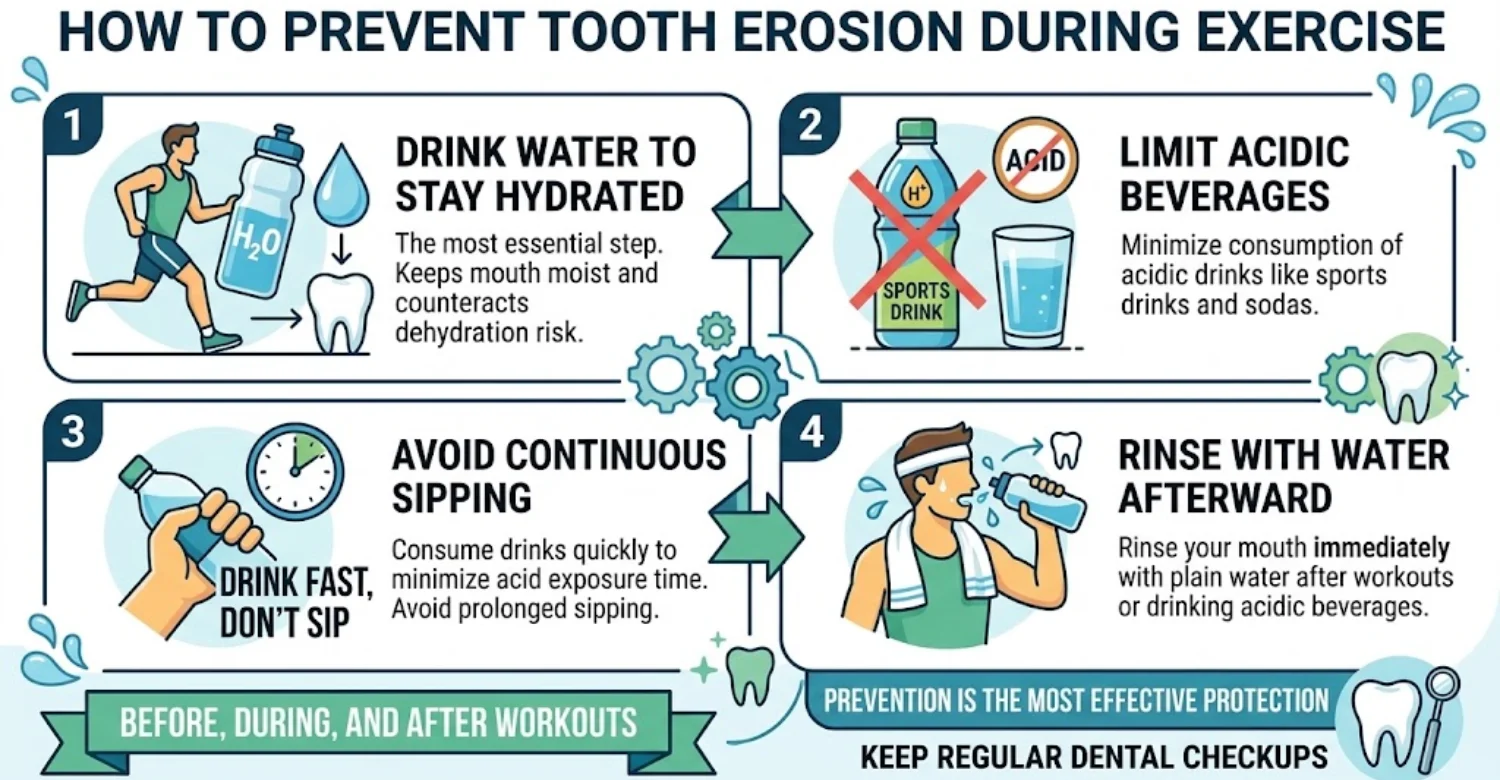
How to Prevent Tooth Erosion During Exercise
Prevention starts with drinking water to stay hydrated. Limit unnecessary acidic beverages and avoid sipping them continuously. Rinse with water after your workout. Avoid brushing immediately after significant acid exposure. Keep regular dental checkups as well. Together, these steps reduce the risk of Dehydration During Exercise and Tooth Erosion.
Tips for the Patients
Carry water to every workout. A reusable bottle encourages regular sips. Think about how often and how long you drink sports drinks. Brush consistently but gently, and avoid aggressive scrubbing. Small, consistent changes like these make protecting your enamel far easier.
What Is the Difference Between Dehydration and Other Causes of Dental Erosion?
Dental erosion often has more than one cause. Dehydration, diet, drinks, and daily habits frequently overlap. That is why it is important to understand each factor separately. This section compares dehydration with other contributors to enamel loss. It also explains why identifying the cause shapes effective treatment and prevention.
Dehydration and Oral Health
Dehydration and oral health are connected mainly through saliva, the mouth's protective fluid. Dehydration reduces this protection. However, acidic foods and beverages remain major direct contributors to erosion. Several factors can act at once. Low saliva can combine with dietary acids to accelerate enamel loss.
Exercise and Dental Erosion
Exercise and dental erosion interact through habits that compound other risk factors. Dehydration lowers saliva, and mouth breathing dries out teeth. Acidic drinks add further acid exposure. Frequent repetition makes these effects add up. Viewing training routines as a pattern of habits shows where changes help most.
Clinical Note
Identifying the underlying cause is essential when evaluating tooth erosion. Treatment should address both existing enamel damage and the habits behind it. Repairing teeth without changing contributing behaviors may allow erosion to continue. For active patients, this means reviewing hydration, beverage choices, and training routines.
Ready to transform your smile?
Talk to our team and get a personal FREE treatment plan.
Understand symptoms and treatment for Oral Herpes
What Are the Signs of Tooth Erosion in People Who Exercise Regularly?
Tooth erosion often develops quietly, so people who exercise regularly may not notice early changes. Learning the warning signs helps you seek care sooner. At that stage, protecting the remaining enamel is easier. The signs below are common indicators of erosion. Discuss them with a dentist if you notice any.
Common Signs of Dental Erosion
Common signs linked to Dehydration During Exercise and Tooth Erosion include increased tooth sensitivity. This is especially noticeable with cold or acidic foods and drinks. Enamel may look smooth or glossy. Teeth can also change shape, with flattened or shortened edges. A yellowish appearance may develop as the underlying dentin becomes more visible.
Can Tooth Erosion From Exercise and Dehydration Be Reversed?
Many people hope erosion can be undone, but the answer depends on how far it has progressed. Early mineral loss may be partly managed. However, permanently lost enamel cannot return. This section explains what can and cannot be reversed and the available treatment options. It also shows why professional assessment should guide every decision.
Can Lost Enamel Grow Back?
Natural enamel does not regenerate once it is permanently lost. However, early mineral loss may be strengthened through remineralization. This process helps restore minerals to weakened enamel. Because lost enamel cannot return, preventing further damage is vital. It is the best way to protect long-term dental health.
Treatment Options for Tooth Erosion
Treatment may include preventive dental care and, when appropriate, fluoride-based approaches. Sensitivity management can improve comfort. For more advanced structural damage, bonding or other restorative treatments may be recommended. Cosmetic or restorative options are always tailored to each patient's condition and needs.
Clinical Note
Treatment depends on the severity, location, and cause of enamel loss. No single solution suits everyone. A professional assessment should come before selecting any restorative treatment. This evaluation helps ensure that care repairs the damage. It also addresses the habits that caused it.
Recognize the early signs of Salivary Gland Cancer
How Does Vitrin Clinic Approach Dehydration During Exercise and Tooth Erosion?
At Vitrin Clinic, tooth erosion is treated as both a dental and lifestyle concern. Rather than focusing only on visible damage, the team looks at the full picture. This includes exercise routines, hydration, and drink choices. This approach protects enamel today and supports healthier long-term habits.
.jpg)
.jpg)
.jpg)
How Can Vitrin Clinic Help Patients With Tooth Erosion?
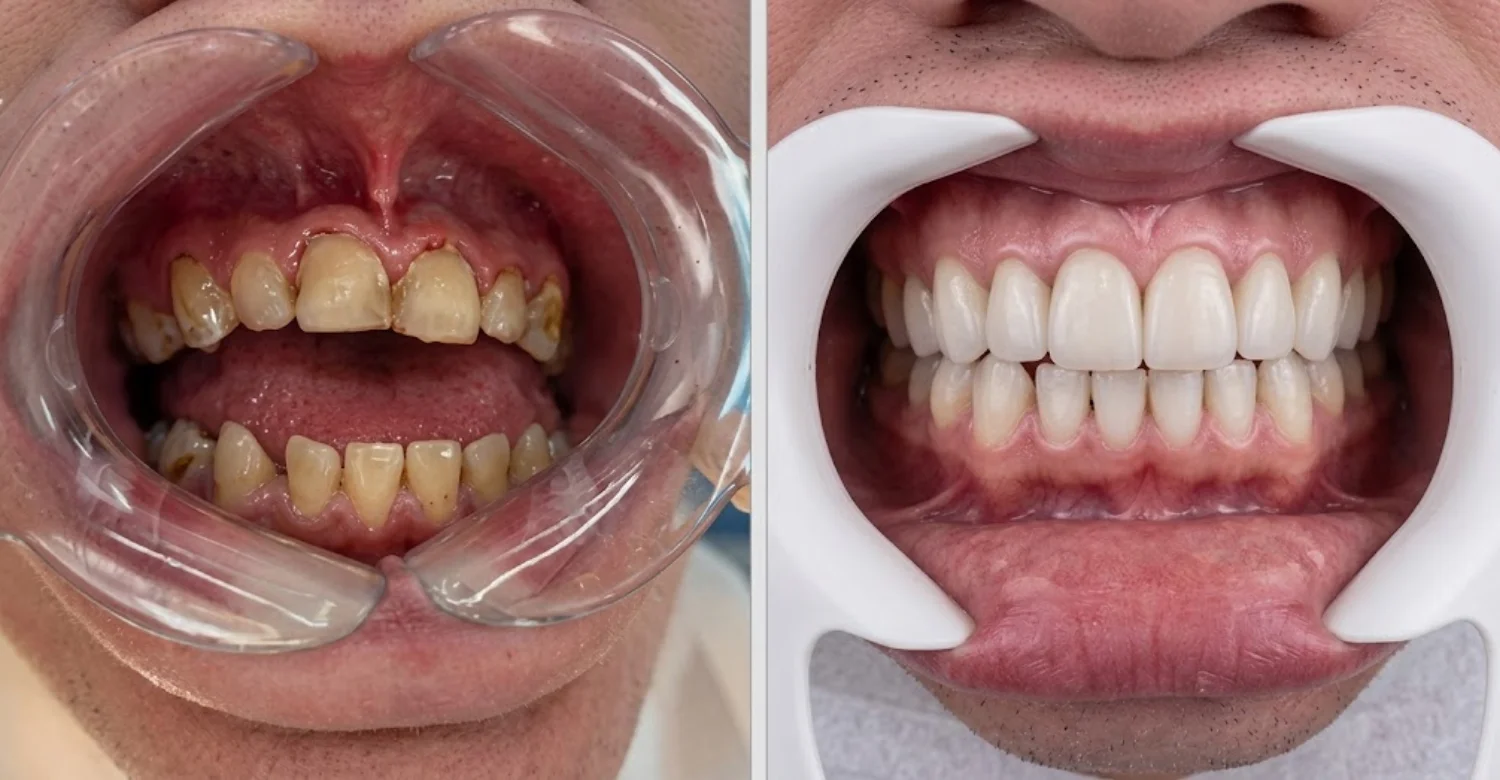
Vitrin Clinic evaluates signs of enamel erosion and sensitivity through an individualized dental assessment. The team considers each patient's symptoms, oral-health condition, lifestyle, and contributing factors. The focus is on identifying the cause first. Then, the team recommends dental care suited to each patient.
What We Notice Clinically
At Vitrin Clinic, we assess enamel condition and wear patterns. We carefully distinguish erosion from other types of tooth wear. The Head of the Medical team, a cosmetic dentist, highlights the value of early assessment. With Dehydration During Exercise and Tooth Erosion, early care helps patients protect their remaining enamel.
Tips for the Patients
Share your exercise and hydration habits openly with the Vitrin Clinic dental team. Mention how often you drink sports drinks during consultations. If you notice sensitivity, enamel thinning, or visible changes, seek an evaluation promptly. Early discussion supports more accurate, personalized care.
Explore the difference in Dental Implants vs Snap-In Dentures
Resource:
https://pubmed.ncbi.nlm.nih.gov/24917276/
FAQs
Dr. Rifat Alsaman has more than 5 years of clinical experience in dentistry and currently serves as the Head of the Medical Team at Vitrin Clinic. He is dedicated to providing exceptional patient care, overseeing treatment planning, and ensuring the highest clinical standards across the team. His expertise, attention to detail, and commitment to continuous professional development have helped countless patients achieve healthier, more confident smiles.


