General Dentistry
September 30, 2026
Scalloped Tongue: What Are The Causes and How Can I Fix It?
 Dr. Rifat Alsaman
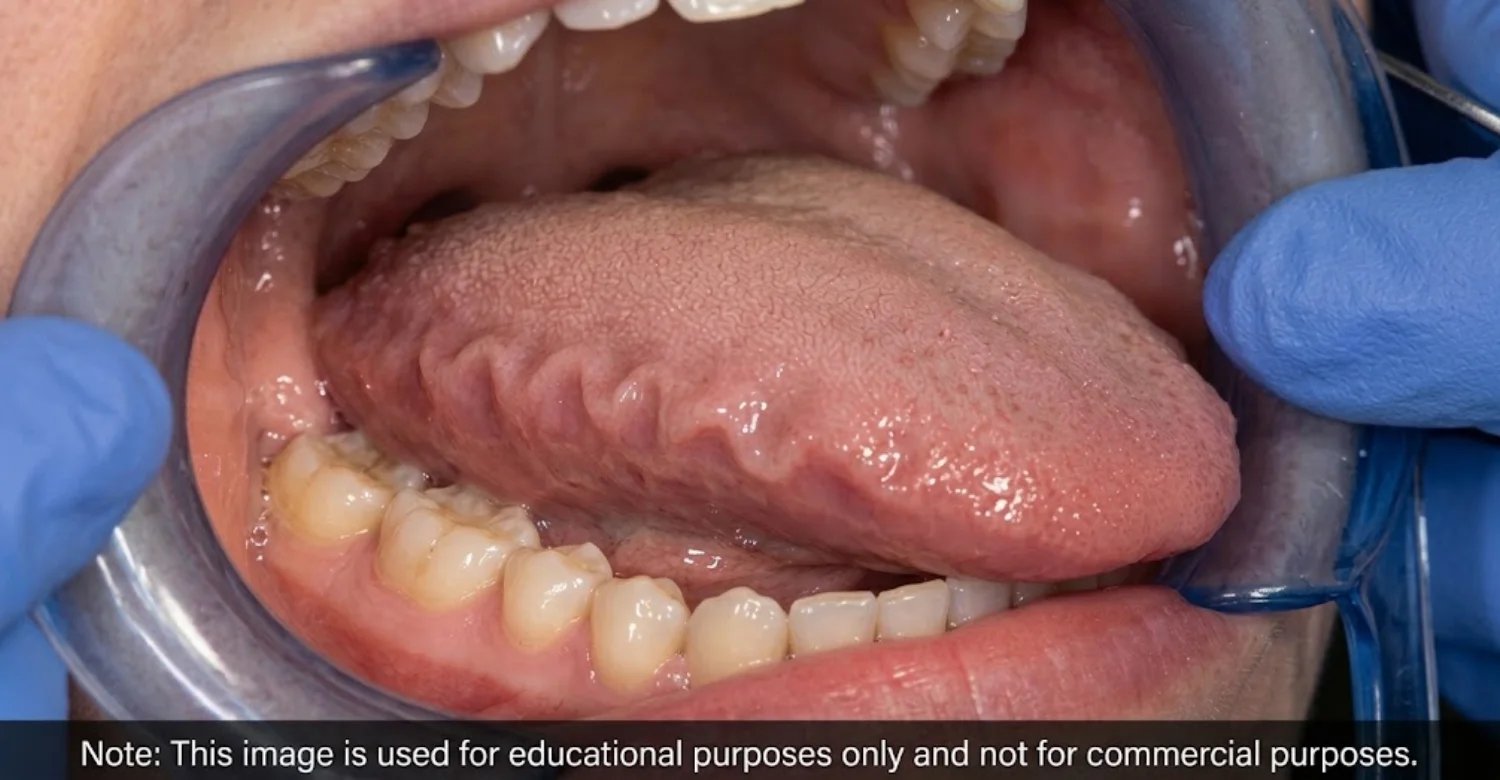
A scalloped tongue has wavy or indented edges, usually where the tongue presses against the teeth. Many people notice it by chance in the mirror. The ripples often look like small tooth prints along the sides. In many cases, the appearance is harmless. However, new or persistent changes may sometimes reflect tongue enlargement, oral habits, swelling, or an underlying medical issue. The appearance alone cannot tell you the cause, so context matters. In this guide, you will learn the main causes, related symptoms, and the links with sleep apnea and hypothyroidism. We also explain when to seek evaluation, which treatment options exist, and what you can safely do at home.
What Is a Scalloped Tongue?
A scalloped tongue is a tongue with wavy, rippled, or tooth-shaped marks along its sides. From your perspective, the edges may look like a pie crust or a gently curved border. These marks usually form because the tongue presses against the surrounding teeth. The appearance is different from other tongue conditions. A fissured tongue has grooves on the top surface. Geographic tongue shows smooth, map-like patches. Glossitis involves inflammation, redness, and often soreness across the tongue.
What Does It Look and Feel Like?
Most people notice wavy or rippled edges first. Tooth-shaped impressions often line the sides, matching the position of the nearby teeth. Some people feel that their tongue looks larger or crowded inside the mouth. The edges may feel mildly tender or irritated, especially after long periods of pressing. Yet many people have little or no discomfort at all. The marks can also look more visible in the morning. Changes during the day are worth noting for your dentist.
Is It a Disease?
No, scalloping is generally a sign rather than a disease. It describes how the tongue looks, not why it looks that way. The underlying reason matters far more than the ripples. A clinician will try to identify what is driving the change. Is the tongue enlarged? Is it swollen? Is it habitually pressed against the teeth? Or is another condition affecting the tissue? Answering these questions guides the next steps. The marks are therefore a starting point for assessment.
Compare options in Implant-Supported Dentures vs Traditional Dentures
What Causes Scalloped Tongue?
Scalloped tongue causes range from simple habits to medical conditions. Many people wonder why these marks appear when they first spot them. In most cases, the answer involves contact between the tongue and teeth. Something increases that contact, either by enlarging the tongue or by reducing space. Below, the causes are ordered from common, benign explanations to medical ones. The less common causes need professional evaluation. One person may also have more than one contributing factor.
Tongue Pressure Against the Teeth
Repeated pressure is one of the simplest explanations. When the tongue rests firmly against the teeth for long periods, it can take on their shape. This may happen during concentration, stress, or sleep. Some people push their tongue forward or sideways without noticing. Over time, visible impressions can form along the borders. These marks may be temporary or persistent. This is one of the most common explanations for the indentations. Importantly, it can occur without any serious underlying disorder.
Tongue Enlargement (Macroglossia)
Macroglossia means an enlarged tongue. When the tongue is larger than the space available, it naturally presses more on the teeth. This increased contact is a classic route to scalloped edges. Macroglossia is not a single condition. It has many possible causes, including genetic, hormonal, inflammatory, and systemic ones. Some people are born with a larger tongue. Others develop enlargement later in life. Persistent enlargement therefore warrants appropriate assessment rather than guesswork.
Teeth Crowding and Oral Anatomy
The shape of your mouth can influence how the tongue rests. Tooth position, arch shape, and jaw dimensions all affect the available space. A narrow dental arch may leave less room for a normal-sized tongue. Crowded or inward-tilted teeth can change where contact occurs. However, crowded teeth do not directly cause every case. Many people with crowding never develop scalloping. Anatomy is usually one factor among several. That is why a full oral examination is helpful.
Dehydration and Dry Mouth
Dehydration and dry mouth can change how the mouth feels. Reduced saliva may make the tongue feel sticky, sore, or more sensitive. Some people also notice changes in how their tongue looks or rests. Dry mouth has many sources, including certain medications, mouth breathing, and low fluid intake. Still, dehydration alone should not automatically be assumed to be the cause. If the marks persist after good hydration, other explanations deserve attention. A dentist can help sort through them.
Hypothyroidism
Hypothyroidism means the thyroid gland produces too little hormone. In some people, this leads to tissue changes that enlarge the tongue. An enlarged tongue then presses more against the teeth. This is why people often ask whether thyroid problems can affect the tongue. However, the tongue appearance by itself does not diagnose thyroid disease. Many people with scalloping have normal thyroid function. Blood tests and medical assessment are needed to confirm or rule out the condition.
Sleep-Related Breathing Problems
Tongue size and oral anatomy matter when clinicians assess snoring or obstructive sleep apnea. During sleep, the throat muscles relax. A prominent or enlarged tongue may then narrow the upper airway. This can contribute to snoring or breathing interruptions. Because the same enlarged tongue may also show indentations, the two findings sometimes appear together. Still, scalloped edges alone do not establish sleep apnea. Diagnosis requires a proper sleep evaluation, often with a monitored sleep study.
Less Common Medical Causes
Some conditions can cause tongue enlargement or swelling, though they are far less common. Depending on the clinical context, these may include:
Acromegaly, a hormone disorder affecting growth
Amyloidosis, where abnormal proteins build up in tissues
Certain infections
Masses or tumors
Other systemic conditions associated with macroglossia
These are rare explanations for tongue scalloping. They require medical assessment, not self-diagnosis. Accompanying symptoms usually guide clinicians toward them.
Tips for Patients
A few practical habits can make your appointment more useful:
Take a clear photo if your tongue changes noticeably over time.
Note whether the scalloping is present all day or more noticeable after sleep.
Avoid repeatedly pressing your tongue against your teeth to check the indentations.
Tell your dentist about snoring, daytime sleepiness, or breathing pauses during sleep.
Evaluate your choices in Tooth Extraction vs Dental ImplantMention any history of thyroid problems or recent changes in medication.
What Other Symptoms Can Occur With Tongue Scalloping?
The marks on your tongue rarely tell the whole story. Other symptoms can help you and your clinician decide whether evaluation is needed. Some symptoms stay inside the mouth, such as soreness or dryness. Others affect the whole body, such as tiredness or sleep problems. Looking at the full picture is more useful than focusing on the ripples alone. Tongue scalloping with no other symptoms is often less concerning than scalloping accompanied by broader changes.
Oral Symptoms I Might Notice
Inside the mouth, you might notice:
Tongue tenderness
Irritation along the tongue edges
Tooth impressions on the sides
Difficulty keeping the tongue comfortable
Changes in tongue size or appearance
Dry mouth
These symptoms may come and go. They are often worse after sleep or after long periods of clenching. Keeping a simple record helps. Note when symptoms start, how long they last, and whether anything seems to trigger them.
Symptoms That May Point to an Underlying Condition
Sometimes accompanying symptoms say more than the scalloping itself. Examples include:
Persistent fatigue
Unexplained weight changes
Facial or tongue swelling
Snoring
Waking with gasping or choking
Daytime sleepiness
Difficulty swallowing or speaking
None of these automatically indicates a specific diagnosis. Each has many possible explanations. However, noticing them alongside tongue changes is a good reason to speak with a healthcare professional.
Understand symptoms and treatment for Oral Herpes
How Is Tongue Scalloping Linked to Sleep Apnea?
When people search for scalloped tongue sleep apnea information, the direction of the relationship matters. An enlarged or prominent tongue can contribute to airway narrowing during sleep. The same tongue may also press on the teeth and develop scalloped edges. So both findings can share one anatomical root. However, sleep apnea itself does not necessarily cause the scalloping. Obstructive sleep apnea is linked to several anatomical factors, including a large tongue, enlarged tonsils, or a narrow upper airway.
Can Tongue Size Affect My Breathing During Sleep?
Yes, it can. When you fall asleep, the muscles in your mouth and throat relax. The tongue may then fall backward, especially when you sleep on your back. A larger tongue takes up more of the available airway space. This can partly block airflow, causing snoring or brief breathing pauses. Tongue position also matters, not just size. A thorough assessment considers both, along with jaw position and other throat structures.
When Should Snoring and Tongue Changes Be Evaluated?
Seek evaluation if you notice any of the following:
Loud habitual snoring
Witnessed breathing pauses
Gasping or choking during sleep
Significant daytime sleepiness
Morning headaches
Persistent changes in tongue size
These signs suggest your sleep quality may be affected. A doctor can decide whether a sleep study is needed. Your dentist can also share oral findings, such as tongue indentations, that support the overall picture.
Recognize the early signs of Salivary Gland Cancer
Can Hypothyroidism Cause Tongue Scalloping?
It can in some cases. The scalloped tongue hypothyroidism connection works through tongue enlargement. Low thyroid hormone may cause tissue changes that make the tongue larger. A larger tongue then presses more against the teeth, which can produce scalloped borders. However, the tongue appearance alone cannot confirm hypothyroidism. Many people with scalloped edges have normal thyroid levels. Diagnosis requires medical evaluation and, when indicated, blood testing. If you already have a thyroid diagnosis, mention it during your dental visit.
What Other Signs of Hypothyroidism Might I Notice?
Hypothyroidism often develops slowly. Symptoms may include:
Fatigue
Cold intolerance
Weight gain
Dry skin
Hair changes
Facial puffiness
These symptoms are common and have many possible causes. Stress, poor sleep, and other conditions can produce similar changes. For this reason, they should not be used for self-diagnosis. If several appear together, a doctor can decide whether thyroid testing is appropriate.
Explore the difference in Dental Implants vs Snap-In Dentures
Is Scalloped Tongue Dangerous?
In many cases, it is not dangerous by itself. The key question is why it is happening. A harmless habit and a medical condition can look similar on the surface. Persistent changes deserve professional assessment when they come with tongue enlargement, difficulty breathing, difficulty swallowing, significant pain, bleeding, or a new mass. Without such symptoms, the risk is usually low. Knowing which signs need urgent care helps you respond calmly and correctly.
When Should I Seek Prompt Medical Attention?
Seek emergency care immediately for airway-related symptoms:
Sudden tongue swelling
Difficulty breathing
Difficulty swallowing saliva
Rapidly increasing tongue size
These can signal a serious reaction that needs urgent treatment.
Arrange a prompt appointment for:
Severe pain
Persistent unexplained swelling
A new lump or ulcer that does not resolve
Do not wait for these to settle on their own.
What We Notice Clinically
A scalloped tongue is a clinical finding, not a diagnosis by itself. In practice, the tongue should be assessed in relation to the rest of the mouth. Dr. Rifat Alsaman, Head of the Medical Team and cosmetic dentist at Vitrin Clinic, notes that persistent tongue changes should be interpreted alongside the patient's symptoms, dental findings, and relevant medical history. Visible indentations are only one part of the assessment. The examination also considers tongue size, oral anatomy, tooth position, and bite.
Dr. Rifat Alsaman, Head of the Medical Team and cosmetic dentist at Vitrin Clinic, also explains that treatment should target the reason for tongue-tooth pressure, not the appearance alone. Some causes fall within dentistry. Others do not. Suspected hypothyroidism, sleep apnea, significant macroglossia, or other systemic causes may require assessment beyond the dental chair. Not every case needs dental treatment. Assessment also helps distinguish tongue scalloping from other tongue conditions.
Find out what causes and treats White Spots on Teeth
Does Scalloped Tongue Go Away?
The answer depends on the cause. If the scalloping results from temporary pressure, swelling, or dehydration, the appearance may improve. If it comes from an underlying condition that is treated, it may also fade. However, if the tongue remains enlarged or the anatomical cause persists, the scalloping may remain. Improvement depends on several factors:
The underlying cause
Whether tongue swelling is present
Your oral anatomy
Treatment of any associated medical condition
Ongoing tongue-tooth pressure
Identifying the cause is the key to realistic expectations. Your clinician can give a more personal estimate after assessment.
Scalloped Tongue Treatment: How Can I Fix It?
There is no single approach for everyone. If you want to know how to fix scalloped tongue marks, start with one principle. Treatment should target the cause, not just the indentations. Trying to remove the ripples directly rarely works. Instead, the goal is to reduce whatever makes the tongue press on the teeth. That could mean changing a habit, improving hydration, addressing oral factors, or treating a medical condition. Management moves from the least invasive options toward more specialized care. Each step depends on findings from the previous one.
Observation and Monitoring
Observation is appropriate when scalloping is mild, stable, and painless. It also suits cases without concerning symptoms such as swelling or breathing problems. Monitoring means checking the tongue occasionally, not daily. Photos taken every few weeks can show whether anything changes. Keep a note of related symptoms like dry mouth or snoring. If the appearance stays the same and you feel well, this approach is often enough. Report any new changes promptly.
Simple Self-Care Measures
Several low-risk steps are reasonable for most people:
Stay adequately hydrated throughout the day.
Maintain regular brushing and interdental cleaning.
Avoid unnecessary tongue irritation from sharp or very spicy foods.
Monitor changes in tongue size or symptoms.
Stop repeatedly pressing or biting your tongue against your teeth.
These measures support oral comfort. They will not fix every cause. However, they help you see whether the marks change once simple factors are addressed.
Treating Dry Mouth or Local Irritation
Dryness or irritation can make tongue discomfort worse. Supportive measures may help. Sipping water regularly keeps the mouth moist. Limiting alcohol, caffeine, and tobacco can reduce dryness. Saliva substitutes may be suggested in some cases. If a medication causes dry mouth, discuss it with the prescribing doctor rather than stopping it yourself. Smoothing a sharp tooth edge can also reduce local irritation. These steps improve comfort even if the scalloping remains.
Dental and Oral Assessment
When scalloping persists, a dental and oral assessment looks at several areas:
Teeth and bite
Tongue size
Oral space
Tongue positioning
Signs of trauma or irritation
Your dentist may also check for sharp tooth edges, worn restorations, or signs of clenching and grinding. This examination helps show whether the scalloping mainly reflects local factors. It may also reveal signs that point beyond the mouth. Depending on the findings, simple adjustments, further planning, or referral may be discussed. The aim is to understand the mouth as a whole, not just the tongue.
Medical Evaluation for Underlying Conditions
Medical evaluation becomes appropriate when tongue enlargement or systemic symptoms are present. Examples include ongoing fatigue, unexplained weight change, facial swelling, or sleep-related breathing problems. A doctor may order blood tests, including thyroid function tests. They may also recommend a sleep study or imaging in selected cases. Confirmed hypothyroidism is generally managed medically, not with dental treatment alone. Suspected sleep apnea usually needs a sleep specialist. As the underlying condition is managed, tongue changes may improve over time. Referral does not mean something serious is certain.
Treatment for Significant Tongue Enlargement
Management of significant macroglossia depends entirely on the underlying cause. In many cases, treating the causative condition is the first priority. Hormonal or systemic disorders are managed by the relevant medical specialists. In selected cases, specialized interventions may be considered. These can include surgery to reduce tongue size when it affects breathing, speech, or swallowing. Such decisions are made only after thorough evaluation. They are uncommon compared with simpler management approaches.
Clinical Note
Tongue indentations are rarely judged on their own. Dr. Rifat Alsaman, Head of the Medical Team and cosmetic dentist at Vitrin Clinic, notes that the pattern of change matters more than one mirror check. Marks that appear only after sleep may point toward nighttime pressure or clenching. Marks that stay all day, especially with a tongue that seems larger, may need closer attention. Photos taken over several weeks help the clinical team see this pattern clearly. Patients should also mention their medications, thyroid history, and any sleep complaints during the visit.
Learn about managing Amelogenesis Imperfecta
How Can I Prevent Tongue Scalloping From Getting Worse?
Prevention depends on the underlying cause. You cannot always prevent scalloping linked to anatomy or a medical condition. However, you can reduce the factors that make it worse. Protecting the tongue from repeated irritation helps. Good oral health supports comfort and healthy tissue. Paying attention to your general health helps catch related conditions early. Together, these steps give your tongue the best chance to stay stable or improve.
Protect Your Tongue From Repeated Irritation
Repeated trauma can make tongue edges sore and more noticeable. Try to avoid habitual tongue biting, pushing, or sucking against the teeth. Notice when you clench during stress, work, or driving. Relaxing the jaw, with lips closed and teeth slightly apart, can reduce pressure. If you grind at night, tell your dentist. A night guard may be discussed in suitable cases. Small daily changes can make a meaningful difference.
Maintain Good Oral Health
Brush twice daily with fluoride toothpaste. Clean between your teeth every day with floss or interdental brushes. Attend routine dental assessments so problems are found early. Have broken teeth, sharp edges, or rough fillings repaired promptly, as these can irritate the tongue repeatedly. Managing gum disease and dry mouth also supports comfort. A healthy mouth makes it easier to notice meaningful tongue changes and judge whether they need attention.
Pay Attention to Changes in Your Overall Health
Your tongue can reflect changes elsewhere in the body. Discuss persistent fatigue, swelling, weight changes, or sleep-related symptoms with an appropriate healthcare professional. Do not dismiss loud snoring or constant tiredness as normal. These may be worth investigating. Keep your doctor updated about new medications and existing conditions. Regular health check-ups help identify issues early. When general health is well managed, related oral changes may also become easier to control.
Discover when pocket reduction is needed in Osseous Surgery
Takeaway: What Should I Do About a Scalloped Tongue?
Scalloped edges are often related to tongue-tooth pressure. They may not indicate a serious problem. Still, a new or persistent scalloped tongue should be considered in context. Tongue enlargement, hypothyroidism, sleep-related breathing problems, and other conditions can sometimes be relevant. The practical next step is simple. If the appearance persists, changes, or occurs with other symptoms, arrange a professional evaluation. Avoid trying to diagnose the cause from the tongue's appearance alone.
How Can Vitrin Clinic Help You Evaluate a Scalloped Tongue?
At Vitrin Clinic, evaluation of a scalloped tongue begins with an individualized dental examination. The assessment can consider:
Tongue appearance and size
Teeth and bite
Oral space
Signs of irritation
Relevant dental history
Symptoms that may warrant further medical evaluation
Dr. Rifat Alsaman, Head of the Medical Team and cosmetic dentist at Vitrin Clinic, oversees individualized clinical planning. He can help determine whether the finding appears primarily oral or may need further medical evaluation.
.jpg)
.jpg)
.jpg)
Ready to transform your smile?
Talk to our team and get a FREE treatment plan.
References:
FAQs
Dr. Rifat Alsaman has more than 5 years of clinical experience in dentistry and currently serves as the Head of the Medical Team at Vitrin Clinic. He is dedicated to providing exceptional patient care, overseeing treatment planning, and ensuring the highest clinical standards across the team. His expertise, attention to detail, and commitment to continuous professional development have helped countless patients achieve healthier, more confident smiles.


