Dental Care Guide
August 13, 2026
Dental Care for Adults: How Can You Keep Your Teeth and Gums Healthy?
 Dr. Rifat Alsaman
Dental Care for Adults matters at every stage of life, not only when a toothache appears. Healthy teeth rarely announce problems early, so consistent daily habits and professional visits protect them long before pain begins. Daily hygiene, regular checkups, gum health, and early detection all work together to preserve natural teeth for decades. Many adults deal with sensitivity, bleeding gums, cavities, bad breath, enamel wear, or missing teeth at some point. This guide offers professional insight, not a substitute for an in-person dental exam. Vitrin Clinic's experienced dental team contributes clinical observations throughout this article to help readers understand what a complete adult routine actually involves. Not sure where to start? See what a proactive routine actually involves in preventive dentistry at Vitrin Clinic.
Dental Care for Adults: What Does a Complete Routine Include?
Oral Care for Adults means more than brushing twice daily. A complete routine combines daily oral hygiene, professional checkups, preventive treatment, and prompt management of problems as they arise. These four pillars work together rather than separately. Needs also shift with age, lifestyle, medication use, diet, smoking, stress, and any previous dental treatment. A twenty-five-year-old and a sixty-year-old may need different preventive strategies even with similar brushing habits. Understanding this bigger picture helps adults build routines that genuinely protect long-term oral health rather than simply reacting to problems once they appear. Needs also shift with age — see how care changes over a lifetime in dental care by life stage.
Daily Oral Hygiene Routine for Adults
A solid daily oral hygiene routine for adults starts with brushing twice a day using fluoride toothpaste. Choose a toothbrush suited to your gums and replace it every three months. Clean between teeth daily with floss or interdental brushes, since brushing alone misses nearly a third of tooth surfaces. Gently cleaning the tongue reduces bacteria and freshens breath. Mouthwash can support this routine when a dental professional recommends it, but it should never replace brushing or interdental cleaning. Together, these steps form the foundation of adult oral hygiene. Consistent Oral Care for Adults at home reduces plaque buildup and lowers the likelihood of needing more involved treatment later on. Not flossing correctly yet? Learn how in how to use dental floss.
How to Maintain Healthy Teeth and Gums Between Appointments
Knowing how to maintain healthy teeth and gums between appointments matters just as much as the appointments themselves. Limit frequent exposure to sugary foods and drinks, since constant snacking keeps enamel under acid attack. Drink water regularly to rinse away food debris and support saliva flow. Avoid using teeth as tools to open packages or bottles, which risks cracks and chips. Persistent dry mouth deserves attention, as it raises decay risk. Finally, do not delay treatment when symptoms appear; early action almost always means a simpler solution. These small habits are a genuine part of Dental Care for Adults, not extras layered on top of a checkup. Dealing with ongoing dryness? Get the full picture in dry mouth and periodontal disease.
What Are the Most Common Dental Problems in Adults?
Common dental problems in adults range from minor sensitivity to serious infection, and symptoms should never be dismissed as normal aging. Many conditions progress quietly, without obvious discomfort, until they reach a more advanced stage. Recognizing early warning signs, from mild sensitivity to subtle gum changes, allows for simpler and less invasive treatment. Understanding these common issues equips adults to act quickly when something feels different, protecting both function and appearance over the long term. Awareness of these issues is a core part of responsible Dental Care for Adults at any age. Curious what dentists actually check for during an exam? See what periodontal disease looks like.
Tooth Decay and Cavities
Tooth decay develops when bacteria, sugar, and acid wear away enamel over time. Common risk factors include frequent snacking, poor hygiene, dry mouth, and inadequate fluoride exposure. Early decay may show no symptoms at all, while advanced decay causes pain, visible holes, or dark spots. Left untreated, cavities can progress toward the tooth's inner pulp, leading to infection and more complex treatment. Routine checkups catch decay while it remains small, simple, and far less costly to manage than advanced disease. Consistent Dental Care for Adults keeps decay from advancing unnoticed between visits. Learn exactly how this process unfolds in the causes of tooth decay.
Gum Disease
Gum disease begins as gingivitis, a mild inflammation that can progress to periodontitis if ignored. Warning signs include bleeding while brushing, swelling, redness, gum recession, persistent bad breath, and loose teeth. What makes gum disease particularly risky is that it can advance with limited discomfort, so many adults are unaware until damage has already occurred. Regular dental checkups help identify these changes early, before bone and tissue loss become difficult to reverse through routine care alone. This is one reason gum health sits at the center of effective Oral Care for Adults. Don't ignore bleeding gums — see what they're really telling you in our full guide to gum bleeding.
Tooth Sensitivity
Tooth sensitivity often appears as a sharp reaction to cold, hot, sweet, or acidic foods and drinks. Possible causes include enamel wear, gum recession, decay, or exposed dentine following previous dental work. Occasional mild sensitivity is common, but sensitivity that persists, worsens, or affects daily eating deserves professional assessment. A dentist can pinpoint the underlying cause and recommend the right preventive or restorative approach rather than leaving adults guessing at home remedies. Persistent sensitivity is exactly the kind of symptom that good Dental Care for Adults addresses early. Already feeling discomfort when you eat or drink? Read why your teeth hurt when you eat.
Bad Breath
Persistent bad breath usually traces back to oral causes rather than diet alone. Bacteria on the tongue, gum disease, untreated decay, and dry mouth all contribute to lingering odor. Regular tongue cleaning, consistent gum care, and treating decay promptly all help control the problem at its source. When bad breath persists despite good hygiene, it should be evaluated professionally, since it can signal an underlying issue that home care alone cannot resolve. Addressing it promptly is a simple but meaningful part of everyday Dental Care for Adults. Curious what's really behind lingering odor? Explore what periodontal disease smells like.
Missing, Damaged, or Worn Teeth
Missing, damaged, or worn teeth affect far more than appearance. They can alter chewing efficiency, speech clarity, and bite alignment over time. A gap left unaddressed often allows neighboring teeth to shift, creating new problems beyond the original one. Delaying replacement or restoration frequently leads to additional complications, including uneven wear and further tooth loss. Addressing these issues promptly helps preserve both function and a natural, balanced smile. Restoring these teeth promptly remains a priority within thorough Dental Care for Adults. See your full range of replacement options in tooth extraction and what comes next.
What Preventive Dental Care for Adults Should Include?
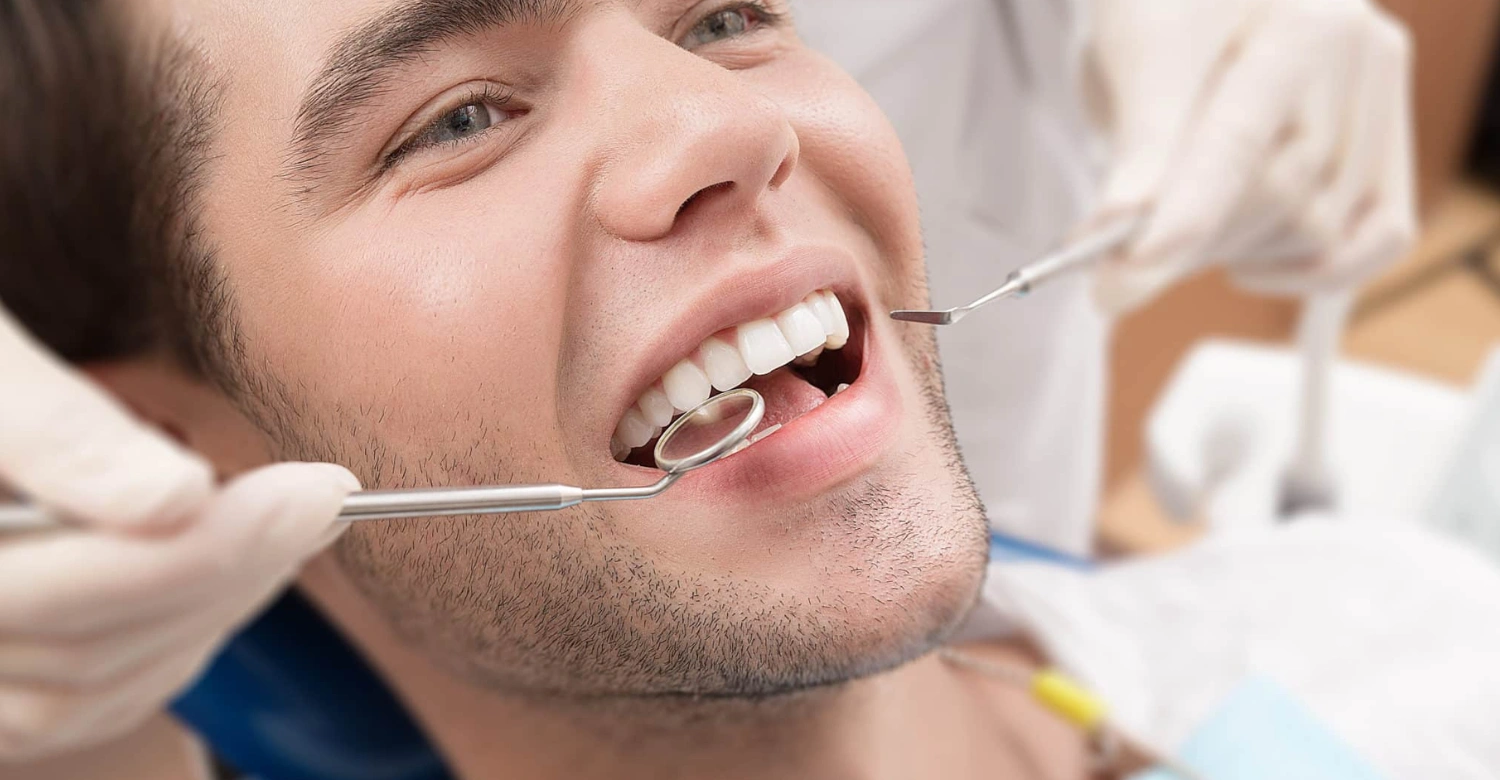
Preventive dental care for adults focuses on catching problems early, before they become complex or costly. Rather than waiting for pain, prevention relies on consistent monitoring, professional cleaning, and individualized recommendations based on personal risk factors. This proactive approach protects natural teeth for longer and reduces the need for extensive treatment later. A strong preventive plan combines home habits with professional support, tailored to each adult's specific oral health history and current condition. Preventive Oral Care for Adults ultimately costs less, in time and money, than treating advanced problems later. Get the complete philosophy behind this approach in preventive dentistry at Vitrin Clinic.
Routine Dental Checkups
Routine dental checkups involve a thorough assessment of teeth, gums, bite alignment, existing restorations, and soft tissues inside the mouth. This allows early identification of decay, gum changes, or wear before symptoms develop. Dental X-rays may be recommended based on individual risk factors rather than automatically at every single visit. Consistent checkups create a record of change over time, helping catch subtle shifts that might otherwise go unnoticed between one visit and the next. Regular checkups remain one of the most valuable parts of consistent Dental Care for Adults. Curious how dentists actually see beneath the surface? Explore CT scans for teeth and 3D imaging.
Professional Dental Cleaning
Professional dental cleaning removes plaque and tartar, also called calculus, that regular brushing cannot fully clear. Once plaque hardens into tartar, only professional tools can safely remove it from tooth surfaces and along the gumline. This differs entirely from cosmetic tooth whitening, which changes shade rather than removing buildup. Professional cleaning supports gum health directly, reducing inflammation risk and helping maintain the results of good daily oral hygiene between visits. Scheduling this cleaning regularly is a straightforward way to strengthen ongoing Dental Care for Adults. Get the full breakdown of this treatment in dental scaling.
Fluoride and Other Preventive Treatments
Additional fluoride treatment can benefit adults with higher cavity risk, weakened enamel, or a history of frequent decay. Preventive approaches are adjusted individually rather than applied the same way to every patient. Someone with dry mouth or ongoing orthodontic treatment may need extra protection compared to someone with straightforward oral health. Individualized recommendations, discussed during routine visits, ensure preventive care actually matches personal risk rather than following a generic formula. This individualized approach reflects what thoughtful Oral Care for Adults should look like in practice. Still choosing between fluoride and fluoride-free toothpaste? Compare your options in fluoridated vs. fluoride-free toothpaste.
Tips for Patients
Brush twice daily with fluoride toothpaste.
Clean between your teeth every day.
Do not ignore bleeding or swollen gums.
Limit frequent sugary snacks and drinks.
Drink plenty of water.
Do not use tobacco products.
Protect your teeth during contact sports.
Do not use teeth to open packages or objects.
Attend recommended routine dental checkups.
Seek professional advice when pain, sensitivity, swelling, or persistent bad breath develops.
What Treatments Are Available for Common Adult Dental Problems?
Treatment for adult dental problems depends entirely on the underlying diagnosis rather than a single universal solution. What works for decay differs completely from what works for gum disease or a worn restoration. A proper assessment identifies the specific issue first, then matches it to the most conservative effective option. This individualized approach protects healthy tooth structure while addressing the actual problem, rather than applying the same treatment regardless of the diagnosis. Matching treatment to diagnosis is what makes Dental Care for Adults effective rather than generic. See how your treatment plan gets mapped out digitally in Digital Smile Design.
Dental Fillings for Tooth Decay
A filling may be appropriate once decay has created a cavity but has not yet reached the inner pulp. Before treatment, the affected area is assessed and numbed for comfort. During treatment, decayed tissue is removed and the space is restored with filling material. Afterward, patients can typically return to normal eating within a short period. Preserving as much healthy tooth structure as possible remains the priority throughout this straightforward, common procedure. Not sure if you need a simple filling or something more? See cavity repair for the full breakdown.
Root Canal Treatment
Root canal treatment becomes necessary when decay or trauma reaches the dental pulp, causing infection or persistent pain. The main stages involve removing damaged pulp tissue, cleaning and shaping the inner canal, and sealing it to prevent reinfection. Afterward, the tooth is typically restored with a filling or crown to restore strength and function. Recovery is usually straightforward, and the treated tooth can often function normally for many years afterward. Catching pulp damage early through routine Dental Care for Adults can sometimes prevent the need for this step altogether. Curious what this procedure actually feels like? Read what needing a root canal feels like.
Gum Disease Treatment
Gum disease treatment typically begins with professional cleaning and a thorough periodontal evaluation. Non-surgical periodontal treatment, such as deep cleaning below the gumline, is often used when disease is caught at an earlier stage. More advanced periodontal disease may require additional intervention to control infection and support gum reattachment. Long-term maintenance through regular checkups afterward remains essential, since gum disease can return without consistent monitoring and continued daily oral hygiene. This maintenance phase is just as important to Dental Care for Adults as the initial treatment itself. Get the full clinical breakdown of this exact procedure in periodontal scaling and root planing.
Crowns and Other Restorative Treatments
A crown may be recommended when a tooth is too damaged or weakened for a filling alone to restore properly. Crowns cover and protect the remaining tooth structure while restoring shape, strength, and bite function. This approach helps severely compromised teeth continue functioning normally for years. Beyond restoring function, crowns can also improve appearance, particularly when addressing teeth affected by extensive decay, fracture, or previous large restorations.
Dental Implants and Tooth Replacement
Dental implants are one option among several for replacing missing teeth, alongside bridges and dentures. Choosing the right option depends on individual circumstances rather than preference alone. Before implant treatment, bone density, gum health, bite alignment, and overall oral condition all require careful assessment. This evaluation determines whether implants, a bridge, or a denture will provide the most stable, functional, and long-lasting replacement for the specific situation involved. Tooth replacement decisions remain one of the more significant choices within long-term Dental Care for Adults planning. Get a full breakdown of pricing and process in how much dental implants cost.
Cosmetic Dental Treatments
Cosmetic dental treatments include whitening, veneers, and cosmetic bonding, each suited to different concerns. Whitening addresses shade, veneers reshape and refine the visible tooth surface, and bonding repairs minor chips or gaps. Every cosmetic procedure should be preceded by a proper assessment of underlying oral health, since untreated decay or gum disease can compromise results. Realistic expectations matter too; preserving natural tooth structure remains a priority alongside achieving noticeable, natural-looking aesthetic improvement. Cosmetic goals work best when they build on a foundation of solid Dental Care for Adults.
Clinical Note
Vitrin Clinic's dental team emphasizes individualized diagnosis over generic recommendations. Waiting for symptoms to appear before seeking care often allows minor issues to become more complex than necessary. Every adult's oral condition differs based on history, habits, and risk factors, so treatment planning should reflect that individuality. Prevention paired with early, tailored intervention consistently produces better long-term outcomes than reactive treatment alone, which is why routine evaluation remains central to responsible Dental Care for Adults.
What Are the Benefits of Maintaining Good Adult Oral Hygiene?
Maintaining good adult oral hygiene delivers benefits that extend well beyond a clean mouth. Consistent care protects teeth, supports healthy gums, and contributes to a more confident smile over time. These benefits compound over years, meaning small daily habits create meaningful long-term differences. Understanding exactly what good hygiene protects helps motivate adults to stay consistent, even when no immediate problem is visible or bothersome in daily life. These compounding benefits are exactly why Dental Care for Adults deserves consistent daily attention.
Benefits for Teeth
Consistent oral hygiene lowers the risk of tooth decay by limiting harmful bacteria and acid exposure. It also supports earlier detection of dental problems during regular checkups, when treatment remains simpler. Over time, this consistency helps preserve natural teeth rather than requiring extensive restorative work later. Adults who maintain steady habits generally retain more of their original tooth structure well into later life compared with those who neglect routine care. This is one of the clearest returns on consistent Dental Care for Adults.
Benefits for Gums
Good hygiene habits reduce plaque and tartar accumulation along the gumline, directly lowering inflammation risk. Better control over gum inflammation helps prevent the gradual progression toward more serious periodontal disease. Regular attention also allows for earlier identification of periodontal problems, when treatment remains far less invasive. Healthy gums provide the stable foundation that teeth, restorations, and any future treatment ultimately depend on for long-term success.
Benefits for Your Smile
Better oral cleanliness naturally improves how a smile looks and feels day to day. It also creates more predictable outcomes when cosmetic treatment becomes part of someone's care plan. When underlying dental disease is properly managed first, cosmetic results tend to look more natural and last longer. A healthy foundation ultimately supports better aesthetics than cosmetic treatment applied over unresolved dental problems. This is why a smile-focused goal still belongs under the umbrella of complete Dental Care for Adults, not apart from it.
What Can Patients Expect Before and After Treatment?
Outcomes always depend on the specific condition being treated, so results vary from person to person. Many patients notice improved comfort, easier chewing, cleaner-feeling teeth, healthier gums, and better appearance where relevant. These improvements, however, depend on continued maintenance afterward. Without consistent daily oral hygiene and routine checkups, even well-executed treatment can gradually lose its benefit, which is why aftercare matters just as much as the treatment itself. Sustained results depend on ongoing commitment, not a single appointment alone.
How Can Adults Build an Effective Daily Oral Hygiene Routine?
Building an effective daily oral hygiene routine for adults means structuring habits around the whole day, not just bedtime. Morning, daytime, and evening habits each play a distinct role in protecting teeth and gums. Small, consistent choices throughout the day add up to meaningfully better outcomes than occasional intensive effort. This structure makes good hygiene easier to sustain long term, since it becomes part of a natural daily rhythm rather than an afterthought.
Morning Routine
Start the day by brushing thoroughly with fluoride toothpaste to clear away overnight bacteria buildup. Clean the tongue if it feels coated, since this reduces bacteria and improves breath. Interdental cleaning can also be included in the morning for adults who prefer splitting hygiene tasks across the day rather than concentrating everything at night. This routine sets a clean baseline before meals and daily activities begin.
During the Day
Drink water consistently throughout the day to support saliva flow and rinse away food particles. Avoid frequent sugary or acidic exposures, since repeated small snacks keep enamel under near-constant acid attack. After consuming acidic beverages like coffee or citrus juice, rinsing with water when appropriate helps neutralize acid before it affects enamel. These small daytime habits meaningfully reduce cumulative wear and decay risk over time.
Evening Routine
Brush thoroughly before bed, since saliva production slows overnight, reducing its natural protective effect. Clean between teeth in the evening to remove trapped debris before sleep. Whenever possible, avoid eating after this final brushing, allowing fluoride to work uninterrupted overnight. This closing routine matters just as much as the morning one, since it protects teeth during the many hours without eating or drinking.
When Should Adults See a Dentist?
Certain symptoms should prompt a dental visit rather than a wait-and-see approach. Because many dental problems progress quietly, recognizing these warning signs early makes treatment simpler and less invasive. Adults sometimes delay appointments assuming symptoms will resolve on their own, but professional assessment usually identifies the real cause faster and prevents further complications from developing in the meantime.
Book a Dental Appointment If You Notice:
Book an appointment if you experience toothache, bleeding or swollen gums, or persistent bad breath. Tooth sensitivity that does not improve, a broken or chipped tooth, or loose adult teeth also warrant attention. Gum recession, noticeable changes in the appearance of the mouth, or difficulty chewing are additional signs worth addressing. A dental restoration that feels loose or damaged should also be checked promptly rather than left unattended.
What We Notice Clinically
Dr. Rifat Alsaman, Head of the Medical Team at Vitrin Clinic and a cosmetic dentist, stresses that adult dental care should start before pain appears. Regular assessment catches early changes in tooth structure, gum health, bite, and restorations. He notes patients often focus on smile changes while gum problems need attention first.
Why Choose Vitrin Clinic for Adult Dental Care?
Vitrin Clinic approaches adult dental care through individualized treatment planning rather than one-size-fits-all recommendations. Preventive, restorative, periodontal, and cosmetic considerations are combined thoughtfully when a patient's situation calls for it. Modern dental technology supports accurate diagnosis and clear treatment planning wherever clinically appropriate. The clinical team prioritizes patient education, transparent communication, and realistic expectations throughout every stage of care. Treatment recommendations follow each patient's actual oral condition rather than cosmetic goals alone, ensuring appropriate, honest guidance. For anyone ready to address dental concerns properly, arranging a professional consultation is the clearest next step toward a personalized, individualized assessment and a lasting plan for healthier teeth and gums.
References:
FAQs
Dr. Rifat Alsaman has more than 5 years of clinical experience in dentistry and currently serves as the Head of the Medical Team at Vitrin Clinic. He is dedicated to providing exceptional patient care, overseeing treatment planning, and ensuring the highest clinical standards across the team. His expertise, attention to detail, and commitment to continuous professional development have helped countless patients achieve healthier, more confident smiles.


