
Gum contouring can create a more balanced gumline and improve smile proportions. However, every gum procedure involves potential risks and temporary side effects. Gum Contouring Risks and Side Effects can vary according to tissue thickness, treatment extent, oral health, and technique. Common short-term effects include tenderness, swelling, mild bleeding, and sensitivity. More significant problems are less common but can include infection, delayed healing, uneven tissue removal, or recession. Proper diagnosis can reduce avoidable complications. Vitrin Clinic recommends evaluating gum health before cosmetic treatment begins. Research also shows that periodontal tissue characteristics can influence surgical outcomes. Understanding Gum Contouring Risks and Side Effects in advance helps patients set realistic expectations for treatment and recovery.
What Is Gum Contouring?
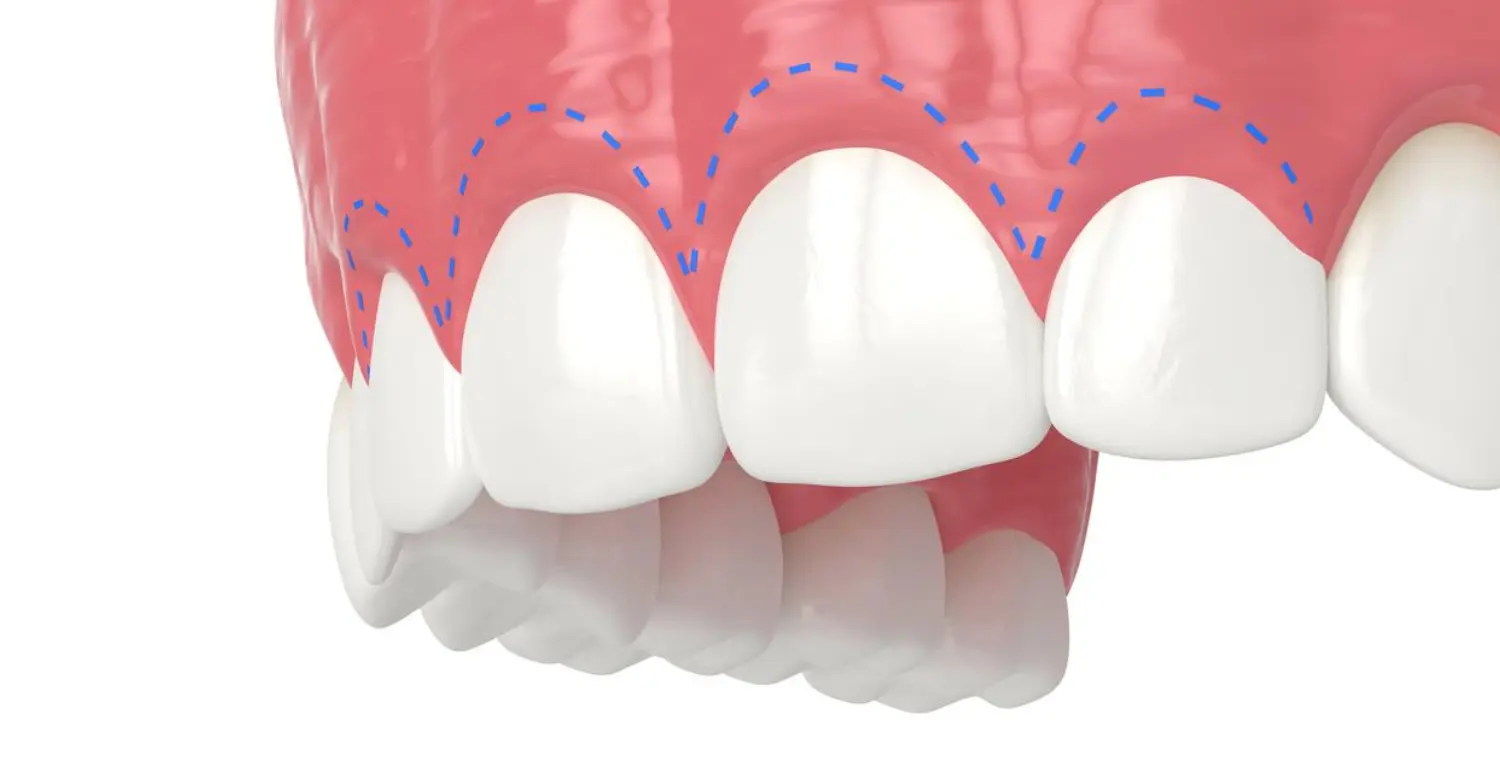
Gum contouring reshapes excess or uneven gum tissue around selected teeth. Dentists may remove small amounts of tissue to create a more proportional gumline. The procedure can address a gummy smile, uneven gum margins, or excessive gingival display. Treatment may involve a scalpel, laser, or another periodontal technique. The exact approach depends on the patient's anatomy and treatment goal. Gum contouring should not be viewed as purely cosmetic in every case. Some patients require periodontal assessment before reshaping begins. Vitrin Clinic evaluates the gumline, tooth proportions, and surrounding tissues during treatment planning. Conservative removal is generally preferred when sufficient aesthetic improvement can be achieved without unnecessary tissue reduction. Even at this planning stage, the clinical team keeps Gum Contouring Risks and Side Effects in mind so the treatment goal stays realistic.
How Does Gum Contouring Work?
Gum contouring begins with an examination of the gingival margins. The dentist determines where excess tissue exists and how much can be safely removed. Local anesthesia usually helps control discomfort during the procedure. The clinician then reshapes selected areas using the planned technique. Laser-assisted procedures may provide bleeding control during certain soft-tissue procedures. Evidence from gingivectomy research suggests laser techniques can reduce postoperative bleeding and pain in some situations. After reshaping, the tissues begin healing gradually. Vitrin Clinic focuses on preserving natural gum proportions during contouring. The final appearance may continue changing as swelling decreases and tissues stabilize. Technique selection at this stage directly influences the Gum Contouring Risks and Side Effects a patient may experience afterward.
Why Do People Choose Gum Contouring?
Patients commonly choose gum contouring to improve uneven or excessive gum display. Some people feel their teeth appear short because surrounding gum tissue covers more tooth structure. Others have asymmetrical gum margins that affect their smile. Gum contouring may also complement veneers, crowns, or other cosmetic dentistry. The procedure does not automatically improve every smile concern. Tooth shape, tooth position, lip movement, and gum health also influence smile aesthetics. Vitrin Clinic considers these factors before recommending treatment. A balanced gumline should complement the natural tooth proportions. Cosmetic goals should therefore be evaluated alongside periodontal health and long-term tissue stability, since weighing Gum Contouring Risks and Side Effects against expected benefits is part of an informed decision.
Who Is a Good Candidate for Gum Contouring?
A suitable candidate generally has healthy periodontal tissues and realistic cosmetic expectations. The gumline should have enough tissue to allow conservative reshaping. Active gum disease may need treatment before cosmetic contouring. Dentists may also evaluate bone levels, tooth position, existing restorations, and gum thickness. Patients with stable oral hygiene can usually support better postoperative healing. Smoking can complicate periodontal health and may increase recession risk. A recent meta-analysis identified smoking, plaque, and periodontitis among factors associated with gingival recession. Vitrin Clinic assesses these factors before creating an individualized treatment plan, because candidacy screening is one of the most effective ways to limit Gum Contouring Risks and Side Effects before treatment even begins.
When Gum Contouring May Not Be Recommended
Gum contouring may be postponed when active periodontal inflammation is present. Significant untreated gum disease can compromise tissue health and healing. Patients with inadequate oral hygiene may also need hygiene improvement first. Certain anatomical limitations can make aggressive tissue removal inappropriate. Thin gingival tissues require particularly careful planning. The clinician may recommend another treatment when the perceived problem originates from tooth position or bone structure. Gum contouring should not be used to compensate for every smile imbalance. Vitrin Clinic evaluates the underlying cause before recommending cosmetic gum reshaping. Delaying treatment can sometimes provide a safer and more predictable outcome, which is itself a strategy for managing Gum Contouring Risks and Side Effects.
What are the Gum Contouring Risks and Side Effects?
Gum Contouring Risks and Side Effects are possible temporary or longer-term problems after reshaping excess gum tissue. Common effects include mild pain, swelling, bleeding, sensitivity, and tenderness during healing. Less common complications include infection, uneven gum contours, gum recession, prolonged sensitivity, or delayed healing. The level of risk depends on the treatment technique, amount of tissue removed, oral health, and aftercare. Most patients experience manageable symptoms that improve as the gums heal. Following your dentist's instructions can reduce unnecessary complications and support predictable healing. If severe pain, persistent bleeding, worsening swelling, or signs of infection develop, contact your dentist promptly.
What Are the Risks of Gum Contouring?
The possible risks include temporary pain, swelling, tenderness, sensitivity, and minor bleeding. Less common problems can involve delayed healing, infection, uneven contours, or excessive tissue removal. Gum recession is another concern when tissue position or anatomy makes the procedure unsuitable. Gum Contouring Risks and Side Effects depend heavily on treatment extent and individual anatomy. Scientific literature on periodontal surgery emphasizes the importance of anatomical factors and treatment selection. There is no single complication rate that applies to every cosmetic contouring procedure. Vitrin Clinic therefore emphasizes individualized assessment rather than relying on generalized risk estimates.
Common Gum Contouring Side Effects
Most expected side effects are temporary and related to normal tissue healing. Patients may experience tenderness around the treated gumline. Mild swelling can also occur during the initial recovery period. Small amounts of bleeding may appear after the procedure. Some patients notice temporary tooth sensitivity when previously covered tooth surfaces become exposed. These effects usually improve progressively when healing proceeds normally. However, symptoms should gradually stabilize rather than continuously worsen. Vitrin Clinic provides individualized aftercare instructions based on the treated area. Patients should avoid manipulating healing tissues unnecessarily. Persistent symptoms should be discussed with the treating dentist, since ongoing communication is the best way to catch Gum Contouring Risks and Side Effects early.
Gum Contouring Pain and Swelling
Pain and swelling can occur because gum contouring intentionally creates a controlled soft-tissue wound. Discomfort is usually most noticeable during the early healing phase. Swelling can temporarily make the gumline look different from its final appearance. Patients should follow their dentist's medication instructions carefully. They should also avoid unnecessary pressure on the treated tissue. Pain that progressively worsens deserves professional assessment. Increasing swelling can also indicate inflammation or infection. Research comparing laser and conventional gingivectomy has reported lower pain and bleeding with diode laser techniques. Vitrin Clinic monitors recovery according to treatment extent and individual healing response, and pain that behaves unpredictably is one of the more noticeable Gum Contouring Risks and Side Effects to watch for.
Gum Contouring Sensitivity After Treatment
Sensitivity can occur when gum tissue is reshaped around previously protected tooth surfaces. Exposed areas may temporarily respond more strongly to cold or hot foods. The intensity depends on the amount of tissue changed and underlying tooth anatomy. Sensitivity does not necessarily indicate permanent damage. However, persistent or severe sensitivity requires dental evaluation. Patients should follow recommended brushing techniques during healing. A soft toothbrush can help reduce mechanical irritation. Vitrin Clinic may adjust aftercare recommendations according to the patient's symptoms. Research on periodontal surgery also shows that tissue characteristics can influence clinical outcomes, another reminder that Gum Contouring Risks and Side Effects are rarely identical from one patient to the next.
Minor Bleeding and Gum Tenderness
Minor bleeding can occur because gum contouring involves soft-tissue manipulation. Tenderness is also expected while the tissue begins repairing itself. Gentle oral hygiene can help maintain cleanliness without traumatizing the treated area. Patients should avoid repeatedly touching the surgical site. Heavy bleeding, persistent bleeding, or bleeding with increasing swelling requires dental assessment. Laser techniques may improve bleeding control during certain gingival procedures. However, technique selection should depend on the clinical situation. Vitrin Clinic provides recovery instructions designed around the extent of tissue reshaping.
How Long Do Gum Contouring Side Effects Last?
The duration varies according to treatment size, technique, tissue health, and individual healing. Mild tenderness and swelling generally improve as the initial healing phase progresses. Sensitivity can sometimes persist longer than superficial tenderness. The gumline may also continue changing visually as tissues mature. Patients should avoid judging the final result immediately after treatment. A dentist can assess whether healing follows the expected pattern. Vitrin Clinic schedules follow-up when clinically appropriate. Any symptom that becomes stronger instead of improving deserves professional review. There is no universal recovery timetable that applies equally to every patient, which is one more reason Gum Contouring Risks and Side Effects should be tracked on an individual basis.
Gum Contouring Complications: What Can Go Wrong?
Complications are less predictable than routine postoperative effects. Possible problems include infection, delayed tissue healing, excessive tissue removal, or uneven gum contours. Some complications may result from underlying periodontal disease or unfavorable anatomy. Others may relate to inadequate treatment planning or postoperative irritation. Gum Contouring Risks and Side Effects should therefore be discussed before treatment. Published periodontal literature describes uncommon surgical complications, although many reports involve more extensive periodontal plastic procedures. Vitrin Clinic emphasizes conservative planning to reduce unnecessary tissue trauma.
Gum Contouring Healing Problems
Healing problems may occur when tissues experience excessive irritation or when underlying inflammation remains untreated. Poor plaque control can interfere with periodontal health. Smoking can also negatively influence gingival conditions and is associated with recession. Patients should follow cleaning instructions without aggressively brushing the treated tissue. Persistent redness, worsening discomfort, or delayed tissue closure should be evaluated. Healing should show gradual improvement rather than progressive deterioration. Vitrin Clinic can reassess the treated area if recovery does not follow the expected pattern, since delayed healing is one of the more disruptive Gum Contouring Risks and Side Effects patients may encounter.
Gum Contouring Infection Risk
Infection is an uncommon but important postoperative concern. Warning signs may include increasing pain, swelling, pus, fever, or an unpleasant taste. Localized redness alone does not necessarily mean infection. The clinical pattern and progression are more important. Maintaining appropriate oral hygiene supports a healthy healing environment. Patients should not apply unapproved substances directly to the surgical site. Published reviews of periodontal plastic surgery have documented abscesses among unusual complications. Vitrin Clinic advises patients to contact their dental team when symptoms develop, since infection is among the more serious Gum Contouring Risks and Side Effects patients should be watching for.
Gum Contouring Recovery Complications
Recovery complications can include persistent discomfort, delayed tissue maturation, bleeding, infection, or unexpected gumline changes. The risk depends on the procedure and individual health factors. Patients should avoid assuming every postoperative symptom represents a complication. Early tenderness can be part of normal healing. The direction of change is often more informative than one isolated symptom. Worsening symptoms deserve professional assessment. Vitrin Clinic monitors recovery based on clinical findings rather than appearance alone. This approach helps distinguish expected healing from the genuine Gum Contouring Risks and Side Effects that require intervention.
Uneven Gumline or Over-Contouring
Uneven gum contours can occur when tissue removal does not produce the intended symmetry. Over-contouring can expose more tooth structure than clinically or aesthetically appropriate. Correction may sometimes require additional periodontal treatment. Preventing excessive removal is preferable to attempting correction later. Digital smile planning can help visualize intended proportions before treatment. However, clinical examination remains essential because visual planning cannot replace periodontal assessment. Vitrin Clinic prioritizes conservative tissue modification. The objective is a natural-looking gumline that complements tooth proportions.
When a Gum Contouring Complication Requires Treatment
A complication may require treatment when symptoms persist, worsen, or interfere with normal oral function. Increasing pain deserves particular attention. Significant swelling, pus, persistent bleeding, or fever also warrants professional evaluation. Uneven contours may require review if they remain after tissues stabilize. Severe sensitivity can also require assessment of exposed tooth surfaces. Patients should contact the treating dentist rather than attempting home treatment. Vitrin Clinic can determine whether symptoms represent expected healing or require intervention. Early assessment can prevent minor concerns from becoming more significant problems.
Clinical Note: Normal Healing vs Complications
Normal healing usually follows a gradual improvement pattern. Tenderness and mild swelling should progressively decrease. Complications often show persistent, worsening, or unusual symptoms. The timing of symptoms also matters during clinical assessment. A stable appearance does not automatically indicate complete tissue maturation. Conversely, temporary redness does not automatically indicate infection. Vitrin Clinic evaluates symptoms together with clinical examination findings. Research emphasizes that periodontal surgical outcomes vary according to technique and anatomy. Patients should therefore avoid comparing their recovery directly with another person's experience, since Gum Contouring Risks and Side Effects can present differently even in similar-looking cases.
Can Gum Contouring Cause Gum Recession?
Gum recession means the gum margin moves toward the tooth root. Gum Contouring Risks and Side Effects can include recession when excessive tissue is removed or when vulnerable anatomy exists. However, recession is not an inevitable consequence of appropriate contouring. Existing periodontal disease, smoking, plaque, thin tissues, and anatomical factors can increase recession susceptibility. A 2025 meta-analysis found strong associations between recession and several factors, including periodontitis, plaque, and smoking. Vitrin Clinic evaluates periodontal conditions before recommending tissue reshaping. Conservative treatment helps preserve appropriate tissue coverage.
Gum Contouring Gum Recession and Tissue Loss
Tissue loss after contouring can expose additional tooth structure. This may create an appearance of longer teeth or increase sensitivity. The clinical significance depends on how much tissue changes and where it occurs. Recession may be more concerning when roots become exposed. Thin gingival tissues can require careful treatment planning. Research on periodontal plastic surgery highlights the importance of local tissue characteristics. Vitrin Clinic considers tissue thickness and gum position before contouring. Removing unnecessary tissue should be avoided, since tissue loss is among the more lasting Gum Contouring Risks and Side Effects a patient can face.
Why Can Gum Recession Occur After Gum Contouring?
Recession may occur when tissue removal exceeds what the anatomy can safely tolerate. Pre-existing inflammation can also compromise tissue stability. Aggressive brushing may contribute to recession after healing. Smoking and plaque are additional recognized risk factors. The relationship is therefore multifactorial rather than attributable to contouring alone. A dentist should evaluate bone levels, gum thickness, tooth position, and periodontal health. Vitrin Clinic uses these factors when determining treatment suitability. Conservative reshaping can help preserve the natural periodontal architecture.
Factors That May Increase the Risk of Gum Recession
Several factors can increase recession susceptibility. These include thin gum tissue, periodontal disease, smoking, plaque accumulation, and traumatic brushing. Tooth position and local anatomy may also influence vulnerability. A recent meta-analysis found periodontitis strongly associated with recession. Plaque and smoking were also significant associations. These findings support careful periodontal assessment before cosmetic procedures. Vitrin Clinic considers modifiable and anatomical factors during treatment planning. Patients should understand that individual risk cannot be calculated from one factor alone, which is exactly why Gum Contouring Risks and Side Effects are assessed case by case rather than from a checklist.
Can Gum Contouring Damage Your Gums?
Appropriately planned contouring is designed to reshape tissue rather than unnecessarily damage it. However, excessive removal can compromise the amount of protective gum tissue. Thermal injury can also be a concern with poorly controlled laser use. Technique selection and clinical experience therefore matter. The treatment should preserve healthy periodontal structures whenever possible. Vitrin Clinic emphasizes conservative tissue management. Patients should ask how much tissue will be removed and why. A second opinion may be appropriate when the proposed alteration appears unusually aggressive.
Can Gum Recession After Gum Contouring Be Treated?
Treatment depends on the severity and cause of the recession. Mild cases may require monitoring and improved plaque control. Persistent sensitivity can sometimes be managed with desensitizing approaches. A more significant recession may require periodontal plastic surgery. Connective tissue grafting is one established approach for selected recession defects. Systematic reviews have shown periodontal plastic procedures can reduce recession in appropriately selected cases. Vitrin Clinic can recommend assessment when recession develops after cosmetic treatment. Treatment should address the underlying cause rather than only the visible appearance.
Gum Contouring Long-Term Effects
Long-term outcomes depend on the amount of tissue removed and the patient's periodontal health. Appropriate contouring can create a stable gumline after healing. However, natural periodontal changes can continue throughout life. Gum Contouring Risks and Side Effects should therefore be considered alongside long-term maintenance. Existing recession may progress independently of cosmetic treatment. A systematic review found that untreated recession defects can increase over time. Vitrin Clinic emphasizes maintaining periodontal health after cosmetic treatment. Long-term stability requires good oral hygiene and regular professional evaluation.
Does Gum Contouring Permanently Change the Gumline?
Yes, removing excess gum tissue creates a physical change to the gumline. The final appearance may become stable after healing and tissue maturation. However, natural periodontal changes can still occur later. Gum inflammation, recession, plaque accumulation, and other factors can alter the gum margin. The permanence of contouring therefore does not mean the gumline can never change again. Vitrin Clinic evaluates the expected tissue position before treatment. Conservative reshaping aims to create an appropriate long-term relationship between gums and teeth.
Possible Long-Term Gum Sensitivity
Long-term sensitivity is not expected for every patient. It may occur when reshaping exposes areas previously covered by gingival tissue. Root exposure can increase sensitivity to temperature and touch. The risk depends on individual tooth anatomy and tissue position. Persistent sensitivity should be assessed rather than ignored. Your dentist may determine whether exposed root surfaces, enamel characteristics, or another factor explains symptoms. Vitrin Clinic considers sensitivity during postoperative reviews. Appropriate management depends on the underlying cause, and long-term sensitivity remains one of the Gum Contouring Risks and Side Effects worth discussing before treatment.
Gumline Stability After Healing
A stable gumline depends on healthy periodontal tissues and good oral hygiene. The tissue may appear different during early healing than after maturation. Stable results require controlling inflammation and plaque. Smoking cessation can also support healthier periodontal conditions. Research identifies plaque, smoking, and periodontitis as significant recession-associated factors. Vitrin Clinic encourages continued dental maintenance after contouring. Long-term stability should be evaluated clinically rather than judged only from photographs.
Can Gum Tissue Grow Back After Contouring?
Removed gum tissue does not simply regenerate to its original volume. The healed tissue can remodel and change in appearance during recovery. Some postoperative swelling initially makes the gumline appear fuller. As healing progresses, the tissue generally becomes more defined. If too much tissue has been removed, spontaneous restoration should not be expected. Certain periodontal procedures can reconstruct lost tissue when clinically indicated. Vitrin Clinic assesses tissue deficiencies individually. Patients should not attempt to stimulate gum regrowth using unproven home remedies.
What Determines Long-Term Results?
Long-term results depend on treatment planning, tissue anatomy, periodontal health, oral hygiene, and patient behavior. The amount of tissue removed also matters. Smoking and plaque can negatively affect periodontal stability. Gingival thickness is another important clinical consideration. A meta-analysis evaluated 42 studies involving periodontal plastic surgery outcomes and tissue thickness. Vitrin Clinic uses individual anatomy rather than a standardized tissue-removal amount. Regular dental maintenance can also support stable results and reduce longer-term Gum Contouring Risks and Side Effects, as part of an ongoing periodontal maintenance routine.
Is Gum Contouring Safe?
Gum contouring can be safe when performed for an appropriate indication. Safety depends on diagnosis, periodontal health, technique, and conservative tissue removal. No surgical procedure is completely risk-free. Patients should understand potential temporary and longer-term effects before treatment. Gum Contouring Risks and Side Effects become more manageable when risk factors are identified beforehand. Research on gingival surgery supports individualized technique selection. Vitrin Clinic evaluates gum health and anatomy before recommending cosmetic contouring.
When Is Gum Contouring Considered Safe?
Treatment is generally considered safer when periodontal tissues are healthy. The patient should have good oral hygiene and realistic expectations. The dentist should understand the relationship between gum tissue, tooth position, and supporting structures. Treatment should remove only the tissue required for the planned result. Patients with active periodontal disease may require stabilization first. Vitrin Clinic evaluates these factors before proceeding. Safety also involves appropriate postoperative instructions and follow-up. Patients should disclose relevant medical and dental information before treatment.
How Dentist Experience Affects Gum Contouring Risks
Clinical experience can influence treatment planning and tissue management. Experienced clinicians can assess gum thickness, tooth proportions, and periodontal anatomy more accurately. They can also select appropriate instruments and techniques. However, experience alone cannot eliminate complications. Individual anatomy always affects surgical outcomes. Research shows periodontal surgical results vary across procedures and clinical conditions. Vitrin Clinic emphasizes detailed assessment before cosmetic gum reshaping. Patients should ask about the clinician's experience with periodontal and aesthetic gum procedures, since experience is one of the strongest levers for reducing Gum Contouring Risks and Side Effects.
Why Proper Treatment Planning Matters
Planning determines how much tissue should be modified and where. It also helps identify whether gum contouring actually addresses the patient's concern. Some gummy smiles involve tooth position, lip movement, or skeletal factors. Removing gum tissue alone may therefore provide an incomplete solution. Treatment planning should consider periodontal health and supporting anatomy. Vitrin Clinic uses individualized assessment before recommending treatment. Conservative planning can reduce unnecessary tissue removal. It also helps establish realistic expectations about the final appearance.
The Importance of Evaluating Gum and Bone Health
Healthy gums require appropriate supporting periodontal structures. Bone levels can influence the position and stability of gingival tissues. Existing periodontal disease can increase recession susceptibility. A recent meta-analysis identified periodontitis as a major factor associated with recession. The dentist may therefore evaluate periodontal probing, tissue thickness, inflammation, and supporting structures. Vitrin Clinic considers gum and bone health before cosmetic reshaping. Cosmetic treatment should not proceed without understanding relevant periodontal limitations.
Clinical Note: Why Conservative Treatment Matters
Conservative treatment aims to achieve the desired aesthetic change while preserving healthy tissue. Removing more tissue does not necessarily create a better smile. Excessive reduction can increase exposure and potentially affect sensitivity. It can also create an uneven or overly elongated tooth appearance. Vitrin Clinic favors measured tissue modification based on individual anatomy. Research consistently emphasizes the importance of anatomical characteristics in periodontal surgical outcomes. A conservative approach can therefore support both aesthetics and periodontal protection while limiting Gum Contouring Risks and Side Effects, in line with sound non-surgical periodontal principles.
How to Reduce Gum Contouring Side Effects
Patients can reduce avoidable problems by following professional aftercare instructions. Good oral hygiene should continue without aggressively traumatizing the treated tissue. Smoking should be avoided because it is associated with periodontal problems and recession. Patients should also avoid foods that irritate sensitive tissues during early healing. Prescribed medications should be used exactly as directed. Vitrin Clinic provides individualized recovery guidance according to treatment extent. Follow-up appointments can identify healing concerns before they become more serious. Good postoperative care cannot eliminate every complication, but it can support predictable recovery and lower avoidable Gum Contouring Risks and Side Effects, particularly with the help of appropriate medication use.
Follow Your Dentist's Aftercare Instructions
Aftercare instructions should be treated as part of the treatment itself. Patients should follow guidance about cleaning, eating, medications, and physical irritation. Recommendations can differ depending on the technique and treatment area. Avoiding unnecessary manipulation helps protect fragile healing tissues. Patients should not substitute internet advice for instructions from their treating dentist. Vitrin Clinic provides personalized guidance according to individual treatment needs. Contacting the clinic early is preferable when symptoms become unusual. Prompt assessment can clarify whether the recovery remains within expected limits.
Maintain Gentle Oral Hygiene
Oral hygiene remains important during gum healing. However, brushing directly over sensitive tissue may require temporary modification. Patients should follow the specific cleaning method recommended by their dentist. Plaque accumulation can contribute to periodontal inflammation. A recent meta-analysis identified dental plaque as significantly associated with gingival recession. Gentle cleaning therefore balances tissue protection with infection prevention. Vitrin Clinic can provide personalized instructions based on the treated areas.
Choose Appropriate Foods During Recovery
Soft foods may be easier to tolerate during early healing. Very hot, spicy, hard, or sharp foods can irritate sensitive tissue. Patients should follow their dentist's specific dietary recommendations. Chewing away from the treated area may reduce mechanical irritation. Adequate nutrition supports normal tissue repair. Patients should maintain hydration unless medically restricted. Vitrin Clinic can tailor dietary guidance according to the extent of contouring. Food choices should become progressively normal as comfort improves.
Avoid Irritating the Treated Gum Tissue
Patients should avoid repeatedly touching or pulling the healing tissue. Fingernails, aggressive brushing, and hard foods can create unnecessary mechanical irritation. Tobacco use should also be avoided. Smoking is associated with increased gingival recession risk in population-level evidence. Patients should avoid applying unapproved chemicals or home remedies to the treatment site. Vitrin Clinic recommends following evidence-based postoperative instructions. Protecting the tissue during early healing can support a smoother recovery.
Attend Follow-Up Appointments
Follow-up appointments allow the dentist to assess tissue healing and gumline symmetry. They can also identify inflammation, infection, or unexpected tissue changes. Not every patient requires the same follow-up schedule. Treatment extent and individual healing determine the appropriate timing. Vitrin Clinic may recommend follow-up when clinical monitoring is beneficial. Patients should attend even when symptoms appear mild if an appointment was specifically scheduled. Professional evaluation provides information that photographs cannot always reveal, which is one more reason to stay engaged with follow-up when discussing Gum Contouring Risks and Side Effects, especially around follow-up scheduling.
Tips for Patients: Supporting Healthy Recovery
Keep the treated area clean according to professional instructions. Choose comfortable foods that do not traumatize the gumline. Avoid smoking during recovery. Do not repeatedly inspect or touch the healing tissue. Take prescribed medications according to instructions. Contact the dental team when symptoms worsen rather than improve. Remember that swelling can temporarily change the appearance of the gumline. Vitrin Clinic encourages patients to focus on progressive healing rather than immediate appearance. Good recovery requires patience, gentle care, and appropriate clinical monitoring.
Signs of Infection After Gum Contouring
Infection requires professional assessment because symptoms can overlap with normal inflammation. Early healing may involve mild tenderness and localized redness. Infection becomes more concerning when symptoms progressively worsen. Increasing pain, swelling, pus, fever, or unusual discharge should not be ignored. Periodontal surgery literature has reported abscess formation among uncommon postoperative complications. Patients should avoid self-prescribing antibiotics. Vitrin Clinic recommends contacting the treating dental team when infection is suspected. The dentist can determine whether examination or treatment is necessary.
What Does Normal Healing Look Like?
Normal healing generally involves gradual improvement in tenderness and swelling. The treated tissue may initially appear red or different from the final gumline. Mild sensitivity can occur after reshaping. Symptoms should generally become less noticeable as recovery progresses. The final gum contour may require additional time to stabilize visually. Vitrin Clinic evaluates healing according to the treatment performed. Patients should not compare their recovery directly with someone else's experience. Individual healing rates can differ considerably.
Warning Signs of Infection
Warning signs include increasing pain, worsening swelling, pus, fever, or foul discharge. A persistent bad taste can also accompany infection. These symptoms are more concerning when they intensify rather than improve. Patients should contact their dentist promptly when these signs appear. Self-treatment with leftover antibiotics is not appropriate. Vitrin Clinic can determine whether clinical examination is required. Early assessment helps distinguish infection from routine postoperative inflammation.
Persistent or Increasing Pain and Swelling
Pain should generally become more manageable as healing progresses. Increasing pain can indicate an issue requiring professional assessment. Swelling that continues expanding is also concerning. A dentist may examine the tissue for infection, trauma, or another postoperative problem. Patients should follow medication instructions rather than exceeding recommended doses. Vitrin Clinic can reassess symptoms when recovery appears atypical. Persistent symptoms should never be dismissed solely because gum procedures are expected to cause discomfort.
Pus, Bad Taste, or Unusual Discharge
Pus is not considered a routine sign of uncomplicated healing. A persistent unpleasant taste can also indicate localized infection. Unusual discharge deserves professional evaluation. Patients should avoid squeezing or manipulating the area. The dentist may inspect the tissues and surrounding teeth to identify the cause. Published periodontal surgery reviews document abscess formation among reported complications. Vitrin Clinic recommends contacting the dental team rather than delaying assessment.
When to Contact a Dentist After Gum Contouring
Contact your dentist when pain becomes progressively stronger. Contact them when swelling increases rather than decreases. Pus, fever, persistent bleeding, or unusual discharge also warrant assessment. Significant sensitivity that does not improve should be discussed. Unexpected gumline changes may require review after initial healing. Vitrin Clinic can determine whether symptoms represent normal recovery or a complication. Prompt communication is especially important when symptoms affect eating or daily comfort.
What Factors Increase Gum Contouring Risks?
Risk depends on both treatment factors and patient factors. Poor oral hygiene can increase inflammation around healing tissues. Existing gum disease can compromise periodontal stability. Smoking is associated with recession and periodontal problems. Inadequate treatment planning can also result in excessive or uneven tissue removal. Individual gum thickness and tooth position influence the available treatment margin. Vitrin Clinic evaluates these factors before cosmetic reshaping. Understanding individual risks is more useful than relying on generalized complication percentages, though a general awareness of Gum Contouring Risks and Side Effects still helps patients ask better questions.
Poor Oral Hygiene
Poor oral hygiene can increase plaque accumulation around the gumline. Plaque is strongly associated with periodontal inflammation and recession. Healing tissues can be particularly sensitive to local irritation. Patients should follow gentle cleaning instructions during recovery. Improving oral hygiene before treatment may be appropriate when inflammation exists. Vitrin Clinic evaluates gum health before proceeding. Consistent maintenance remains important after healing.
Existing Gum Disease
Active periodontal disease can make cosmetic gum reshaping inappropriate until inflammation is controlled. Periodontitis affects the supporting tissues around teeth. It is also strongly associated with gingival recession in population studies. Treating periodontal disease first may create a healthier foundation for cosmetic treatment. Vitrin Clinic evaluates periodontal status before contouring. A cosmetic procedure should not replace necessary periodontal treatment.
Smoking and Tobacco Use
Smoking can negatively affect periodontal health and tissue stability. A recent meta-analysis found smoking significantly associated with gingival recession. Tobacco exposure can therefore be relevant when evaluating cosmetic gum procedures. Patients should discuss tobacco use openly with their dentist. Stopping smoking can support broader periodontal health. Vitrin Clinic can provide individualized advice before and after treatment.
Inadequate Treatment Planning
Poor planning can produce excessive tissue removal or an uneven gumline. It may also overlook periodontal disease or unfavorable anatomy. A cosmetic concern may sometimes originate from teeth or facial structures instead. Treating only the visible gumline can therefore produce an incomplete result. Vitrin Clinic emphasizes comprehensive assessment before treatment. Conservative planning helps align aesthetic goals with periodontal safety.
Removing Too Much Gum Tissue
Excessive tissue removal can expose more tooth structure than intended. This may contribute to sensitivity or an overly elongated tooth appearance. It can also reduce the protective soft-tissue margin. The appropriate amount varies by patient anatomy. Vitrin Clinic favors conservative tissue removal based on individual assessment. Patients should understand the planned tissue change before treatment begins.
Why Individual Gum Anatomy Matters
Gum thickness, tooth position, bone anatomy, and periodontal health differ between patients. These differences affect how much reshaping may be appropriate. Research on periodontal plastic surgery identifies tissue characteristics as important clinical variables. Therefore, a treatment amount that works for one patient may be unsuitable for another. Vitrin Clinic uses individualized planning rather than a universal contouring formula.
Gum Contouring vs Other Gumline Procedures
Different procedures address different periodontal or cosmetic concerns. Gingivectomy removes excess gingival tissue. Laser gum reshaping describes a technique using laser energy for selected soft-tissue procedures. Periodontal treatment addresses disease rather than simply changing cosmetic contours. Gum Contouring Risks and Side Effects depend partly on which procedure is actually performed. Evidence shows laser approaches may reduce pain and bleeding in some gingivectomy situations. However, laser treatment is not automatically appropriate for every patient. Vitrin Clinic selects procedures according to diagnosis and anatomy.
Gum Contouring vs Gingivectomy
Gingivectomy involves surgical removal of gingival tissue. It can be used for gingival enlargement or selected periodontal indications. Cosmetic gum contouring may overlap with gingivectomy techniques. The distinction often depends on the treatment purpose and clinical context. Both procedures can produce postoperative tenderness and bleeding. Technique and tissue extent influence recovery. Vitrin Clinic determines the appropriate approach after assessing the gumline. Patients should ask which specific procedure is planned and why.
Gum Contouring vs Laser Gum Reshaping
Laser gum reshaping uses laser energy to modify selected soft tissues. Laser procedures may offer bleeding-control advantages during certain gingival surgeries. A systematic review reported lower pain and bleeding with diode laser gingivectomy compared with conventional surgery in selected cases. However, evidence quality and treatment indications vary. Laser treatment should not be promoted as risk-free. Vitrin Clinic chooses technology based on the clinical situation rather than marketing claims.
Gum Contouring vs Periodontal Treatment
Periodontal treatment focuses on controlling gum disease and protecting supporting tissues. Gum contouring primarily changes gingival shape or removes excess tissue. Some patients may need periodontal treatment before considering cosmetic reshaping. Treating active disease is usually more important than cosmetic contouring. Vitrin Clinic assesses periodontal health before recommending elective gum procedures. A healthy foundation supports safer cosmetic planning.
Which Procedure Is Right for Different Gum Concerns?
The correct procedure depends on the underlying diagnosis. Excess gingival tissue may be suitable for contouring or gingivectomy. Active periodontal disease requires periodontal management. Gum recession may require a tissue-preserving or root-coverage approach. Tooth-related concerns may require restorative or orthodontic treatment instead. Vitrin Clinic evaluates the cause before selecting a procedure. The visible appearance alone does not determine the best treatment.
What We Notice Clinically
Clinical assessment often reveals differences that photographs cannot show. Gum thickness, inflammation, tooth position, and tissue symmetry influence treatment decisions. A balanced smile requires more than simply removing visible gum tissue. Conservative treatment can help preserve periodontal protection. Research involving periodontal plastic procedures demonstrates variability between techniques and patient anatomy. Vitrin Clinic considers these factors during clinical planning. The goal is a natural-looking result supported by healthy periodontal tissues.
Recognizing Expected Healing vs Complications
Expected healing usually demonstrates gradual improvement. Complications often show persistent or worsening symptoms. Clinical evaluation considers pain, swelling, bleeding, tissue color, and discharge. Appearance alone cannot establish whether infection exists. Patients should report symptoms that become more severe. Vitrin Clinic can assess whether healing remains within the expected range. Early evaluation is preferable when uncertainty exists.
Why Gum Thickness and Tissue Position Matter
Gum thickness affects the amount of tissue available around teeth. Tissue position also influences how much reshaping can occur safely. Thin periodontal tissues may provide less tolerance for aggressive modification. Research has examined soft-tissue thickness as a predictor of periodontal plastic surgery outcomes. These findings support individualized treatment planning. Vitrin Clinic evaluates tissue characteristics before contouring.
The Importance of Conservative Gum Contouring
Conservative contouring removes only the tissue necessary for the planned improvement. This approach can reduce unnecessary exposure of tooth surfaces. It may also preserve a more natural relationship between teeth and gums. Aggressive treatment can create aesthetic and periodontal concerns. Vitrin Clinic prioritizes controlled tissue modification. The desired result should be balanced rather than simply maximized.
Dr. Rifat Alsaman's Clinical Perspective
Dr. Rifat Alsaman, Head of the Medical Team at Vitrin Clinic, emphasizes conservative planning for aesthetic gum procedures. The clinical objective should remain proportional rather than excessive. Gum tissue should be assessed before deciding how much reshaping is appropriate. Individual anatomy can significantly influence the final result. Patients should understand both benefits and possible complications before treatment. A careful assessment can help identify cases requiring periodontal stabilization first. This clinical perspective supports natural-looking outcomes while respecting periodontal health.
When Should You Contact a Dentist After Gum Contouring?
Patients should contact their dentist when recovery appears different from the expected pattern. Increasing pain or swelling deserves attention. Persistent bleeding can also require assessment. Pus, fever, or unusual discharge should be evaluated promptly. Severe sensitivity may require investigation of exposed tooth surfaces. Gum Contouring Risks and Side Effects are easier to manage when complications are identified early. Vitrin Clinic encourages patients to communicate concerns rather than waiting for symptoms to resolve spontaneously.
Symptoms That Should Not Be Ignored
Symptoms requiring attention include worsening pain, increasing swelling, persistent bleeding, and pus. Fever can also indicate a systemic response requiring assessment. A persistent foul taste may accompany localized infection. Unexpected tissue loss should also be evaluated. Patients should not assume severe symptoms are normal simply because surgery was performed. Vitrin Clinic recommends professional assessment when recovery becomes unusual.
When Pain or Swelling Becomes Concerning
Pain becomes more concerning when it intensifies after initially improving. Swelling is also concerning when it continues expanding. Severe discomfort that interferes with eating may require examination. The treating dentist can determine whether infection, trauma, or another issue exists. Patients should not exceed prescribed medication doses. Vitrin Clinic can provide appropriate follow-up based on clinical findings.
What Your Dentist May Check During a Follow-Up
The dentist may examine gum color, tissue position, swelling, bleeding, and healing. They may also evaluate tooth sensitivity and periodontal health. If infection is suspected, the clinician may assess surrounding teeth and tissues. Follow-up can also confirm whether the gumline is developing as planned. Vitrin Clinic uses clinical findings to determine whether additional care is necessary. The exact evaluation depends on symptoms and treatment extent.
Symptoms Requiring Prompt Dental Assessment
Prompt assessment is appropriate for significant bleeding, severe swelling, pus, fever, or worsening pain. Persistent symptoms should also be reported. Sudden changes in gum position deserve evaluation. Difficulty eating because of severe pain may require professional care. Vitrin Clinic can determine whether urgent intervention is necessary. Patients should not delay care because they expect every postoperative symptom to resolve automatically.
Why Choose Vitrin Clinic for Gum Contouring?
Vitrin Clinic approaches gum contouring as a personalized dental procedure. The treatment plan considers gum health, tissue position, tooth proportions, and aesthetic goals. Conservative modification can help create balanced results. Patients receive guidance about healing and postoperative care. The clinic also emphasizes assessment before treatment rather than relying only on cosmetic photographs. Gum Contouring Risks and Side Effects should be discussed openly during consultation. Individual risk assessment can help patients make informed decisions.
Personalized Gumline Assessment and Treatment Planning
A personalized assessment identifies the actual cause of excessive or uneven gum display. The dentist can evaluate tissue proportions and periodontal health. Treatment planning can then determine whether contouring is appropriate. Some patients may benefit from another procedure instead. Vitrin Clinic develops treatment plans according to individual anatomy and cosmetic goals. This approach avoids applying one standard contouring strategy to every smile.
Focus on Natural-Looking and Balanced Results
Natural-looking gum contours should complement tooth shape and facial proportions. Excessive symmetry can sometimes look less natural than subtle variation. The goal is a balanced smile rather than maximum gum reduction. Vitrin Clinic focuses on proportional treatment planning. Conservative contouring can help preserve an appropriate relationship between gums and teeth.
Comprehensive Evaluation Before Treatment
A comprehensive evaluation can identify periodontal inflammation and anatomical limitations. The dentist may assess gum thickness, tissue position, tooth proportions, and supporting structures. Existing gum disease should be addressed before elective cosmetic treatment when necessary. Vitrin Clinic uses this assessment to determine treatment suitability. Patients can then understand expected benefits and potential limitations.
Gum Contouring Aftercare at Vitrin Clinic
Aftercare supports comfortable healing and helps identify unexpected problems. Vitrin Clinic provides personalized recovery guidance based on the treated areas. Patients receive instructions regarding oral hygiene, food choices, and tissue protection. Follow-up can be recommended when clinical monitoring is appropriate. The appearance of the gumline can change during healing. Patients should therefore avoid judging the final result too early. Good aftercare complements careful treatment planning.
Personalized Recovery Guidance
Recovery instructions should reflect the treatment performed and individual healing needs. Patients may receive guidance about cleaning and dietary choices. Medication recommendations should follow the treating clinician's instructions. Vitrin Clinic can adapt advice when symptoms or healing patterns differ. Patients should contact the clinic when recovery becomes unusual.
Monitoring Healing and Gumline Changes
Monitoring helps distinguish normal tissue maturation from unexpected changes. Early swelling can temporarily alter the apparent gumline. As tissues heal, the contour can become more defined. Persistent asymmetry may require reassessment after appropriate healing. Vitrin Clinic monitors recovery according to clinical circumstances. Follow-up decisions should be individualized rather than based solely on a fixed timetable.
When Follow-Up Care May Be Recommended
Follow-up may be recommended when treatment involves multiple teeth or extensive reshaping. It may also be useful when symptoms persist beyond the expected recovery pattern. Patients with periodontal risk factors may benefit from closer monitoring. Vitrin Clinic determines follow-up needs according to clinical findings. Patients should attend scheduled reviews even when recovery seems comfortable.
Reference
FAQs

Dr. Rifat Alsaman has more than 5 years of clinical experience in dentistry and currently serves as the Head of the Medical Team at Vitrin Clinic. He is dedicated to providing exceptional patient care, overseeing treatment planning, and ensuring the highest clinical standards across the team. His expertise, attention to detail, and commitment to continuous professional development have helped countless patients achieve healthier, more confident smiles.


