

Gum Contouring vs Veneers for a Gummy Smile is a comparison patients often consider before cosmetic treatment. Both approaches can improve smile aesthetics, but they address different concerns. Gum contouring changes the position and shape of the gumline. Veneers modify tooth shape, color, width, and apparent length. The appropriate option depends on why excessive gum shows during smiling. Some patients have excessive gingival tissue covering otherwise normal tooth crowns. Others have short-looking teeth, tooth wear, or unfavorable dental proportions. Some patients have multiple contributing factors requiring combined treatment. Research describes excessive gingival display as a multifactorial condition involving dental, gingival, muscular, and skeletal factors. A comprehensive assessment can therefore prevent unnecessary treatment. Vitrin Clinic evaluates smile proportions, gum health, tooth dimensions, and facial characteristics before recommending cosmetic treatment.
What Causes a Gummy Smile?
Selecting the right approach starts with understanding the reason behind excessive gingival display. A gummy smile can result from several anatomical and dental factors. Altered passive eruption may leave excessive gingival tissue covering the crowns. A hypermobile upper lip can expose more gingiva while smiling. Vertical maxillary excess can also increase gingival visibility. Tooth extrusion, short clinical crowns, and tooth wear can change smile proportions. Gingival enlargement may create additional visible tissue around the teeth. Some patients have several causes simultaneously. A 2026 study reported multiple etiologies in 44.3% of evaluated gummy smile cases. This statistic highlights why visual assessment alone may be insufficient. Vitrin Clinic considers these factors before choosing a treatment approach.
Common Causes of Excessive Gum Display
This comparison requires different considerations when excessive gum display has different causes. Altered passive eruption can make teeth look short because gum tissue covers more crown structure. Hyperactive upper-lip muscles can raise the lip substantially during smiling. Vertical maxillary excess can increase lower facial height and gingival exposure. Gingival enlargement can result from inflammation, medication, or other underlying factors. Tooth position can also influence how much gum appears. Tooth wear may reduce visible crown height and alter smile harmony. Research supports evaluating dental, periodontal, muscular, and skeletal factors together. This comprehensive approach helps clinicians avoid treating only the visible symptom. Correct diagnosis therefore remains more important than selecting the most popular cosmetic procedure.
How the Cause Determines the Right Treatment
Treatment should be decided according to the diagnosed cause. Gum reshaping can address excess gingival tissue covering otherwise appropriate tooth crowns. Veneers can improve tooth proportions when teeth appear short, worn, narrow, or irregular. Neither option directly corrects significant skeletal discrepancies. Restorative options also cannot reposition a hypermobile upper lip. Orthodontic treatment may help when tooth position contributes to excessive gingival exposure. Lip-focused procedures may be considered for selected muscular causes. More complex skeletal cases may require specialist assessment. Studies emphasize individualized treatment because excessive gingival display has several possible etiologies. The least invasive suitable treatment is generally preferred when it can achieve the desired aesthetic result.
What Is Gum Contouring for a Gummy Smile?
The distinction becomes clearer when the function of gum contouring is understood. Gum contouring reshapes excess gingival tissue around visible teeth. It can expose more anatomical crown structure and create a more balanced gumline. The procedure may also be called gingivectomy or aesthetic crown lengthening. The appropriate technique depends on gum thickness, bone position, and periodontal anatomy. Soft-tissue reshaping alone may work in selected cases. Other patients may require supporting bone modification for stable results. The objective is not simply to remove as much gum as possible. Natural gingival contours and biological dimensions must remain protected. Vitrin Clinic assesses periodontal anatomy before recommending gingival reshaping.
How Gum Contouring Works
This process involves different treatment mechanisms because gum contouring directly changes gingival architecture. The clinician first measures tooth dimensions and determines the desired gumline. Local anesthesia is typically used for surgical soft-tissue treatment. Excess tissue is then reshaped using suitable periodontal instruments or laser technology. If bone position limits crown exposure, additional crown-lengthening steps may be necessary. The gumline should follow natural proportions between adjacent teeth. Uneven tissue removal can create asymmetry or unnatural contours. Excessive removal may also compromise periodontal structures. Proper planning therefore matters as much as the procedure itself. Healing allows the tissues to mature around the newly established crown proportions. Patients should receive individualized postoperative instructions.
Laser Gum Contouring for Gummy Smile
Gummy smile management can involve laser treatment when suitable soft-tissue anatomy exists. Dental lasers can provide precise soft-tissue cutting and effective coagulation. Research reports potential benefits such as reduced bleeding and limited suturing. However, laser technology does not automatically make every case suitable for gum reshaping. The clinician must determine whether supporting bone also requires modification. Incorrect settings or technique can damage periodontal tissues. Patient selection remains more important than the equipment used. Laser treatment may be useful for carefully selected soft-tissue cases. It should therefore be considered a clinical tool rather than a universal solution. Vitrin Clinic assesses gum thickness, crown dimensions, and biological limits before recommending laser contouring.
Gum Contouring Recovery Time
Soft-tissue management also differs in recovery because gum contouring involves healing periodontal tissues. Minor soft-tissue reshaping usually has a relatively straightforward recovery period. Patients may experience temporary tenderness, swelling, or sensitivity. Gentle oral hygiene helps protect the treated tissues during healing. Hard or sharp foods may feel uncomfortable initially. Follow-up appointments allow the clinician to monitor tissue maturation. The final gumline can continue changing as inflammation decreases. Procedures involving bone modification usually require longer healing than simple gingivectomy. A 2026 clinical report used a three-month healing interval before restorative treatment. Individual recovery depends on the procedure, anatomy, and healing response. Patients should follow their clinician's instructions closely.
What We Notice Clinically
Cosmetic procedures should never be selected based only on how much gum appears. Clinically, excessive gingival display can have different underlying mechanisms. One patient may have altered passive eruption with normal lip movement. Another may have normal gingival anatomy but excessive upper-lip mobility. A third patient may have short-looking teeth caused by wear. Static photographs cannot always reveal dynamic lip behavior. Facial assessment can therefore provide important diagnostic information. Periodontal measurements can also show whether gingival tissue can safely be reshaped. Research indicates that multiple etiologies frequently occur together. This makes comprehensive examination especially important for predictable cosmetic treatment. Vitrin Clinic combines periodontal, dental, and facial assessments before developing an aesthetic plan.
Dr. Rifat Alsaman's Clinical Opinion
Dr. Rifat Alsaman views diagnosis as the foundation of successful gummy smile treatment. He emphasizes evaluating the gums, teeth, lips, and facial proportions together. Gum reshaping should not be performed simply because gingiva appears prominent. The clinician should determine whether excess tissue actually covers normal anatomical crowns. Periodontal health must also be stable before elective cosmetic treatment. Tooth proportions should be considered before deciding how much gum should be removed. Digital planning can help patients understand potential changes before treatment. The final objective should be a balanced smile rather than maximum gum reduction. This approach can reduce unnecessary treatment and support more predictable aesthetic outcomes at Vitrin Clinic.
What Are Veneers for Gummy Smile Correction?
The clinical path differs significantly when veneers are the preferred treatment. Veneers are thin restorations bonded to visible tooth surfaces. They can change tooth color, shape, width, length, and visual proportions. Veneers primarily address the white component of smile aesthetics. They may help when teeth appear short, worn, narrow, or irregular. However, veneers do not remove excessive gum tissue. They also cannot correct skeletal causes or excessive lip movement. Their effectiveness therefore depends on the reason behind the patient's concern. Conservative preparation can help preserve healthy tooth structure. Periodontal health should also be assessed before restorative treatment. Vitrin Clinic evaluates tooth structure and gingival conditions before recommending veneers.
How Veneers Change Smile Proportions
Restorative planning involves different aesthetic principles when veneers change tooth proportions. Veneers can increase apparent tooth length without changing the anatomical gumline. They can also modify width and shape to improve symmetry. Color changes can create a more uniform appearance across the anterior teeth. However, increasing tooth dimensions does not physically reduce gingival exposure. Excessive lengthening can create teeth that look disproportionate. Digital smile design can help evaluate tooth proportions before treatment. The final design should consider facial features, lip position, and gingival margins. Veneers work best when dental proportions contribute substantially to the aesthetic concern. Vitrin Clinic uses individualized planning to determine whether restorative changes provide meaningful benefits.
When Veneers May Help a Gummy Smile
Restorative care is particularly relevant when short-looking teeth accompany excessive gingival display. Veneers can improve tooth length, width, shape, color, and symmetry. They may be useful after periodontal treatment establishes an appropriate gumline. Patients with worn anterior teeth may also benefit from restorative enhancement. Veneers can improve the white aesthetic component while periodontal treatment addresses the pink component. Research describes staged approaches involving crown lengthening followed by restorative treatment. This sequence can help establish stable gingival architecture before definitive restorations. However, veneers should remain conservative and anatomically appropriate. They should not be used to disguise an untreated periodontal or skeletal problem. A detailed assessment helps identify their proper role.
When Veneers Cannot Correct Excessive Gum Display
A gummy smile cannot be solved with veneers when gingival tissue is the primary problem. Veneers do not physically reposition the gumline. They cannot correct vertical maxillary excess or excessive upper-lip mobility. Increasing tooth length too much can produce an unnatural appearance. Excessive restorative enlargement may also create unfavorable width-to-length proportions. Patients with significant gingival exposure may require periodontal, orthodontic, muscular, or surgical treatment. Research consistently recommends treatment based on the underlying etiology. Veneers should therefore be selected when they address a genuine dental component. They may complement other procedures but should not automatically replace them. Vitrin Clinic evaluates the complete smile before recommending restorative correction.
Clinical Note
Treatment selection should be viewed as a diagnosis-driven decision. Veneers are restorative treatments rather than direct gum-reduction procedures. They can improve tooth proportions when those proportions contribute to the aesthetic concern. Gum treatment may still be necessary when gingival tissue creates excessive display. Some patients benefit from staged periodontal and restorative procedures. Others may require only one targeted intervention. Clinical research describes multifactorial cases where coordinated treatment provides a more comprehensive outcome. Periodontal stability should be confirmed before definitive restorative treatment. Vitrin Clinic considers these factors when developing personalized cosmetic plans.
Gum Contouring vs Veneers for Gummy Smile: Key Differences
Evaluating these options involves comparing two treatments that modify different structures. Gum reshaping changes the position and contour of gingival tissue. Veneers change the visible appearance of natural teeth. Gum treatment therefore addresses the pink component of the smile. Veneers primarily address the white component. Neither procedure is universally superior for every patient. The underlying cause should determine which option provides the most appropriate correction. Some patients require periodontal treatment alone. Others may need restorative treatment or a combination approach. Research supports individualized management because excessive gingival display has multiple etiologies. Vitrin Clinic evaluates the entire smile before recommending a specific procedure.
Gum Reshaping vs Dental Veneers
Comparing periodontal reshaping with restorative dentistry highlights distinct clinical goals. Gum reshaping can expose more natural crown structure when excessive tissue covers the teeth. Veneers add a restorative layer over the visible tooth surface. They can change shape, color, width, and apparent length. Gum reshaping may preserve natural tooth surfaces when restoration is unnecessary. Veneers may require preparation depending on material and technique. Both procedures require careful planning to maintain natural proportions. The best option depends on whether the primary issue involves gums, teeth, or both. Vitrin Clinic evaluates these factors before recommending treatment.
Gum Contouring or Veneers: Which Is Better?
There is no single universally better answer. Gum contouring may be more appropriate when excess gingival tissue covers normal crowns. Veneers may help when short or poorly proportioned teeth contribute to the concern. If lip movement is responsible, another treatment may be necessary. If skeletal anatomy contributes significantly, more comprehensive assessment may be required. A 2026 study reported multiple contributing etiologies in 44.3% of cases. This statistic reinforces the importance of individualized diagnosis. Patients should therefore avoid selecting treatment based only on price or popularity. The appropriate procedure should directly address the underlying cause.
Best Treatment for a Gummy Smile
It should be considered alongside every other appropriate treatment option. Altered passive eruption may respond to aesthetic crown lengthening. Tooth proportions may benefit from veneers or orthodontic treatment. Hypermobile lips may require lip-focused management. Skeletal discrepancies can require specialist surgical assessment. Gingival enlargement may require periodontal treatment before aesthetic correction. Multifactorial cases may need several treatments in sequence. Research supports this cause-based approach because excessive gingival display is not one single condition. The best treatment is therefore the least invasive suitable option that addresses the diagnosis. Vitrin Clinic develops treatment plans around these individual findings.
Gummy Smile Treatment Options
Gum Contouring vs Veneers for a Gummy Smile is only one comparison within the wider range of gummy smile treatments. Options can include gingival reshaping, aesthetic crown lengthening, orthodontics, lip repositioning, and restorative dentistry. Selected patients may also be candidates for temporary muscle-relaxing treatments. More complex skeletal cases may require orthognathic evaluation. The appropriate option depends on anatomy, severity, expectations, and oral health. Research reviews describe excessive gingival display as a multifactorial aesthetic concern. This means the same treatment cannot provide identical results for every patient. Comprehensive diagnosis should therefore precede treatment selection. Conservative approaches should be preferred when they can achieve appropriate outcomes.
Gummy Smile Correction Without Braces
Cosmetic correction can sometimes be considered without orthodontic treatment. Gum reshaping may improve cases involving excessive gingival tissue. Veneers may improve tooth proportions when teeth appear short or worn. Lip repositioning can address selected cases involving excessive upper-lip movement. Laser gingival treatment may be suitable for certain soft-tissue cases. However, avoiding braces does not mean avoiding diagnosis. Significant tooth-position problems may still require orthodontic correction. Research supports selecting treatment according to the anatomical source of gingival display. Patients should therefore understand why a procedure is recommended before choosing a non-orthodontic option.
Other Treatments for Excessive Gum Display
These procedures should be compared with other available treatments when appropriate. Lip repositioning targets selected cases involving excessive upper-lip mobility. Botulinum toxin can temporarily reduce specific muscle activity in suitable patients. Orthodontic intrusion can address selected dentoalveolar causes. Orthognathic surgery may be considered for significant skeletal discrepancies. Each treatment has different indications, limitations, risks, and maintenance requirements. Research reviews show that treatment outcomes vary according to the underlying cause. No single procedure should therefore be marketed as the universal solution. Professional assessment helps determine which treatment is clinically justified.
How Treatment Choice Depends on the Cause
Selection should always follow a cause-based assessment. Periodontal causes may respond to gum reshaping or crown lengthening. Dental causes may benefit from restorative or orthodontic treatment. Muscular causes may require lip-focused interventions. Skeletal causes can require surgical or orthodontic assessment. Multifactorial cases may require staged combination treatment. A 2026 study found multiple etiologies in 44.3% of evaluated cases. This finding demonstrates why treatment cannot be selected from gum visibility alone. Vitrin Clinic considers the different anatomical contributors before developing an individualized treatment plan.
Gum Contouring vs Veneers: Pros and Cons
Gum Contouring vs Veneers for a Gummy Smile involves different benefits and limitations. Gum contouring can directly modify excessive gingival tissue. Veneers can improve tooth shape, color, width, and apparent length. Gum treatment may preserve natural tooth structure when restorative work is unnecessary. Veneers may provide broader cosmetic changes for patients with multiple dental concerns. Both procedures require appropriate patient selection. Gum treatment requires adequate periodontal anatomy and healing. Veneers require suitable tooth structure and long-term maintenance. Patients should compare biological considerations alongside aesthetic benefits. Vitrin Clinic discusses these factors during personalized treatment planning.
Advantages of Gum Contouring
Clinical evaluation may favor gum reshaping when excess tissue causes short-looking crowns. The procedure can directly improve gingival symmetry and crown visibility. It may also enhance the natural tooth proportions without adding restorative material. Laser techniques can provide precise soft-tissue management in selected cases. Research reports potential laser benefits involving coagulation and reduced suturing. However, technology does not replace correct diagnosis. The procedure remains dependent on gum thickness, bone position, and periodontal health. Properly selected patients can achieve meaningful aesthetic improvement through conservative gum reshaping.
Limitations of Gum Contouring
Analysis also highlights situations where gum reshaping may not be enough. Gum contouring cannot reposition the upper lip. It cannot correct major skeletal discrepancies. It may also be inappropriate when removing tissue would compromise periodontal health. Supporting bone may need modification for stable crown exposure. Healing can alter the final appearance during tissue maturation. Uneven treatment can produce asymmetrical gum margins. Excessive removal can expose roots or compromise periodontal structures. The procedure should therefore be planned according to biological limits. More aggressive treatment does not automatically produce a better smile.
Advantages of Dental Veneers
Restorative options may favor veneers when dental proportions contribute to the aesthetic concern. Veneers can address several cosmetic concerns during the same treatment plan. Patients with worn or irregular anterior teeth may benefit from restorative enhancement. Digital smile design can support communication about proposed tooth proportions. Conservative preparation can help preserve healthy enamel where clinically possible. However, veneers remain restorative treatment rather than direct gum correction. Their value depends on whether dental changes can meaningfully improve the patient's smile.
Limitations of Dental Veneers
Proper planning also requires understanding the limitations of restorative treatment. Veneers cannot remove excessive gingival tissue. They cannot correct excessive upper-lip mobility or significant skeletal discrepancies. Excessive tooth lengthening may produce unnatural proportions. Veneers may also require maintenance, repair, or replacement over time. Chipping, debonding, sensitivity, and marginal changes are possible complications. Patients with active periodontal disease may require treatment before veneers. Proper diagnosis helps prevent veneers from being used for problems they cannot physically correct. Long-term oral hygiene remains essential after restorative treatment.
Gummy Smile Before and After Treatment
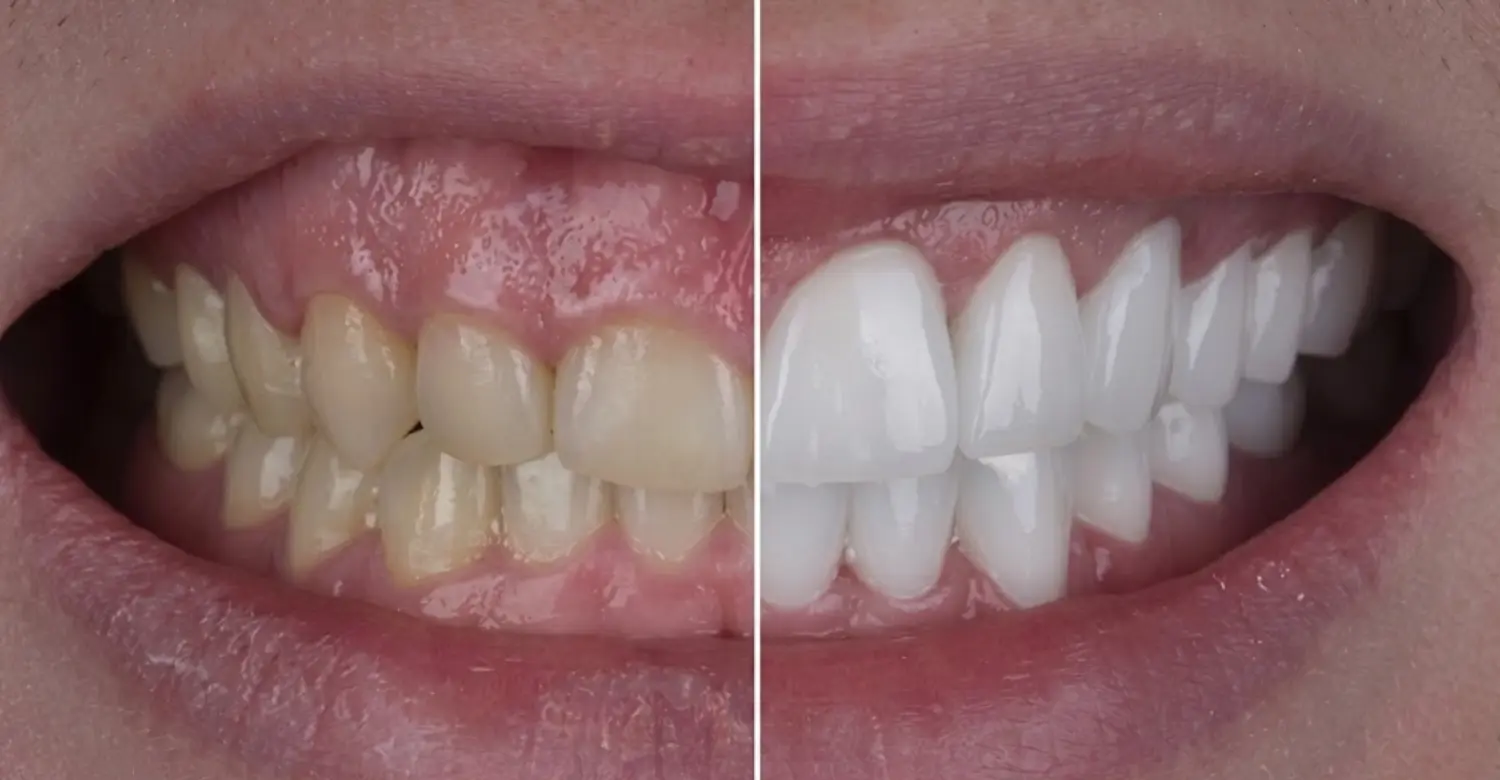
Treatment planning can produce different before-and-after changes because each procedure modifies a different component. Gum reshaping changes the gingival margin and visible crown exposure. Veneers change tooth appearance and proportions. Before-and-after photographs should therefore be interpreted carefully. Camera angle, lighting, lip position, and smile intensity can affect perceived results. Standardized photography provides more meaningful comparisons. Patients should focus on gum symmetry, tooth proportions, and facial harmony. A dramatic reduction in gum visibility does not automatically mean a better result. Natural proportions and healthy tissues should remain the primary objectives.
What to Look for in Before-and-After Results
Outcomes should be evaluated through natural proportions rather than dramatic visual changes. Look for balanced gingival margins across the anterior teeth. Check whether the central incisors maintain appropriate width-to-length proportions. Evaluate whether veneers look natural rather than excessively long. Gum contours should appear symmetrical without sharp irregularities. Photographs should use comparable angles and facial expressions. Healing can also change gingival appearance after treatment. Patients should avoid judging immediate postoperative photographs as final results. A successful outcome combines aesthetics, periodontal health, function, and patient satisfaction.
Why Gummy Smile Results Differ Between Patients
Procedures can produce different outcomes because patients have different anatomical causes. One patient may have altered passive eruption. Another may have excessive upper-lip mobility. A third may have tooth wear or unfavorable tooth proportions. Skeletal anatomy can also influence gingival exposure. Gum thickness determines how much tissue can safely be reshaped. Multiple causes may require more than one treatment. Research demonstrates that excessive gingival display frequently involves combined factors. Therefore, comparing two patients' results can create unrealistic expectations. Individual diagnosis should determine treatment selection and expected outcomes.
Gum Contouring and Veneers Cost Comparison
Gum Contouring vs Veneers for a Gummy Smile can involve significantly different treatment costs. Gum contouring costs depend on the number of teeth and surgical complexity. Bone modification can increase costs compared with simple soft-tissue reshaping. Laser treatment may also have different pricing structures. Veneer costs depend on material, laboratory quality, number of teeth, and preparation requirements. Combination treatment naturally involves costs from both periodontal and restorative procedures. Geographic location and clinician expertise can also influence pricing. Patients should compare complete treatment plans rather than isolated procedure prices. Vitrin Clinic provides individualized assessments before establishing the appropriate treatment pathway.
Factors Affecting Gum Contouring Cost
Financial planning involves different cost factors because gum procedures are periodontal treatments. The number of teeth requiring reshaping can affect the total price. Simple gingivectomy may differ from surgical crown lengthening involving bone. Laser-assisted treatment may have different costs depending on clinical technique. Diagnostic examination and imaging can also contribute to the treatment investment. Follow-up visits and postoperative care may form part of the complete plan. Patients should ask whether all required stages are included in quoted fees. Comparing only the initial procedure price can create misleading expectations.
Factors Affecting Veneers Cost
Veneer costs vary according to material, number of teeth, laboratory quality, and clinical complexity. Preparation requirements can also influence the final investment. Digital smile design may form part of comprehensive treatment planning. Temporary restorations may be required in some treatment protocols. Additional periodontal procedures can increase the total treatment cost. Patients should also consider future maintenance and possible replacement. A low initial price does not necessarily represent the best overall value. Quality, clinical expertise, material selection, and biological preservation all matter. Vitrin Clinic can provide individualized information after evaluating the patient's dental condition.
Gummy Smile Treatment Cost
Cosmetic care cannot have one universal price because treatment requirements vary. A simple gum procedure differs from surgical crown lengthening. Veneer treatment introduces restorative costs based on material and number of teeth. Combination treatment can involve several stages and professional disciplines. Diagnostic procedures and follow-up appointments may also influence total investment. Patients should receive an individualized treatment plan before comparing prices. The most affordable option may not address the actual cause. Correct diagnosis can help reduce unnecessary treatment and unexpected expenses.
How Is a Gummy Smile Correction Procedure Planned?
Treatment should be selected only after comprehensive planning. The clinician evaluates the smile, lips, teeth, gums, and facial proportions. Periodontal health must be assessed before elective cosmetic treatment. Photographs can document static and dynamic smile characteristics. Dental measurements help establish appropriate tooth and gingival proportions. Imaging may be useful when bone position or skeletal factors require assessment. Digital smile design can support communication about potential aesthetic changes. Research recommends comprehensive assessment because excessive gingival display may have multiple causes. Vitrin Clinic uses individualized planning to connect clinical findings with patient expectations.
Step 1: Smile and Facial Assessment
Evaluation begins with understanding how the smile interacts with facial proportions. The clinician assesses upper-lip length, movement, and smile height. Tooth display at rest can provide useful information. Gingival exposure during smiling is also measured. Facial photographs can document smile characteristics under standardized conditions. Dynamic assessment can reveal excessive lip movement that static images miss. Research identifies facial analysis as an important part of gummy smile diagnosis. This assessment helps distinguish dental, periodontal, muscular, and skeletal contributors. Patients can also explain which aspect of their smile concerns them most.
Step 2: Dental and Periodontal Examination
It requires careful dental and periodontal examination before treatment. The clinician evaluates tooth dimensions, gum thickness, periodontal health, and crown position. Existing restorations and tooth wear can affect treatment planning. Periodontal probing helps determine tissue relationships around the teeth. Imaging may provide additional information about bone levels when required. Active inflammation should be controlled before elective cosmetic treatment. Healthy tissues provide a better foundation for stable aesthetic outcomes. Research supports periodontal assessment when evaluating excessive gingival display. Vitrin Clinic incorporates gum health into comprehensive cosmetic treatment planning.
Step 3: Smile Design for Gummy Smile
Treatment can be planned using digital smile design principles. Digital tools can help assess tooth proportions and gingival symmetry. Patients may visualize potential changes before treatment begins. However, simulations are planning aids rather than guarantees. Final outcomes depend on biological tissues, healing, and individual anatomy. Tooth length must remain compatible with tooth width and facial proportions. Gingival margins should also follow a natural pattern. Digital planning can be particularly useful when gum reshaping and veneers are combined. Vitrin Clinic uses treatment planning to help align clinical requirements with aesthetic expectations.
Step 4: Choosing the Right Treatment
Options should be selected according to the diagnostic findings. Gum reshaping may suit patients with excessive gingival tissue. Veneers may suit patients with short, worn, or irregular teeth. Orthodontic treatment may be appropriate when tooth position contributes. Lip-focused treatment may be considered for excessive upper-lip movement. Skeletal discrepancies may require specialist surgical evaluation. Combination treatment can address multiple causes in carefully selected cases. Patients should understand benefits, risks, recovery, maintenance, and alternatives. Treatment should not be chosen simply because it is popular or inexpensive.
What We Notice Clinically
Restorative versus surgical decisions are ultimately clinical diagnosis questions. The amount of visible gum does not reveal its cause by itself. Clinicians must evaluate tooth position, gum architecture, lip dynamics, and facial proportions. Research continues to support multifactorial diagnostic models. This means two patients with similar smiles can require different treatments. Comprehensive examination can prevent unnecessary restorative or surgical procedures. It can also improve communication about realistic outcomes. Vitrin Clinic considers both biological health and aesthetic objectives during planning. The goal is a balanced result that remains natural and maintainable.
Can Gum Contouring and Veneers Be Combined?
Treatment can sometimes involve both procedures when gums and teeth contribute. Gum contouring modifies the gingival margin. Veneers modify tooth shape, color, and apparent proportions. Together, they can improve both pink and white smile aesthetics. Combination treatment is not automatically necessary. The diagnosis should determine whether both procedures provide meaningful benefits. Periodontal healing may need to occur before definitive veneers are fabricated. A 2026 clinical report described staged treatment involving periodontal and restorative procedures. This demonstrates the importance of treatment sequencing. Vitrin Clinic coordinates planning according to periodontal health and final aesthetic goals.
When Combination Treatment May Be Appropriate
Care plans may benefit patients with both excessive gingival tissue and short-looking teeth. Gum reshaping can establish a more appropriate gingival margin. Veneers can then refine tooth length, shape, color, or width. This approach addresses both major aesthetic components of the smile. Treatment may be staged to allow gingival tissues to mature first. Digital planning can help coordinate the final relationship between gums and teeth. Combination treatment should remain conservative and biologically appropriate. Not every patient requires both procedures. Diagnosis should determine whether combined treatment provides additional value.
How Combined Treatment Improves Smile Proportions
Integrated procedures can create a more balanced result when both pink and white proportions require correction. Gum treatment establishes the final gingival architecture. Veneers can then be designed around the stabilized gumline. This sequence may improve tooth length and gingival symmetry simultaneously. Digital planning can help predict the intended relationship between both components. Research describes combined approaches for multifactorial aesthetic cases. However, the objective should remain natural proportions rather than maximum tooth exposure. Conservative treatment generally supports better biological preservation. Patients should understand that combined treatment may require additional appointments and healing time.
Clinical Note
Combination treatment requires coordination between periodontal and restorative planning. Gum tissues should stabilize before definitive restoration margins are finalized. Otherwise, gingival changes could influence veneer aesthetics. Periodontal inflammation should also be controlled before restorative treatment. Patients should understand the full treatment sequence before starting. Healing intervals may extend the overall treatment timeline. Recent clinical literature demonstrates staged treatment involving periodontal correction before restorative procedures. Careful sequencing can improve predictability and protect periodontal health. Vitrin Clinic considers these factors during comprehensive smile planning.
Treatment Planning and Gum Health
Healthy gums provide the foundation for successful cosmetic dentistry. Inflammation can change gum contours and interfere with accurate aesthetic measurements. Periodontal disease should therefore be treated before elective cosmetic procedures. Professional cleaning and improved home care may be necessary. The clinician should assess gum thickness and supporting bone before reshaping. Veneer margins should also be positioned carefully to support periodontal health. Long-term maintenance remains essential after both procedures. Vitrin Clinic incorporates periodontal evaluation into comprehensive cosmetic planning. Patients receive treatment recommendations based on both aesthetic goals and biological requirements.
How to Choose Between Gum Contouring and Veneers
Decisions should be made after understanding which structure causes the aesthetic concern. Gum contouring directly modifies gingival tissue. Veneers modify tooth appearance and proportions. Some patients need only one procedure. Others benefit from combination treatment. Clinical examination can reveal information that photographs cannot show. Patient expectations should also influence the final decision. Treatment should balance aesthetics, function, tissue health, longevity, and maintenance. Research supports individualized management because gummy smile causes vary significantly. Vitrin Clinic uses comprehensive assessment to identify the most appropriate treatment pathway.
When to Choose Gum Contouring
Diagnostic findings may favor gum reshaping when excessive gingival tissue covers otherwise proportionate crowns. The procedure can increase visible clinical crown length. It may be particularly appropriate for altered passive eruption. Periodontal examination should confirm adequate biological dimensions. Bone position may determine whether simple contouring is sufficient. Patients should understand that gum treatment does not correct lip or skeletal causes. Appropriate patient selection can produce meaningful aesthetic improvement. Conservative tissue management should remain the priority.
When to Consider Veneers
Cosmetic assessment may favor veneers when tooth proportions contribute significantly to the concern. Veneers can change tooth shape, color, width, and apparent length. They may benefit patients with worn or irregular anterior teeth. However, they should not be used to conceal significant excessive gingival display. Tooth proportions must remain natural after treatment. Adequate tooth structure and periodontal health should also be considered. Patients should discuss materials, preparation, maintenance, and longevity. Vitrin Clinic assesses these factors before recommending restorative treatment.
When Both Treatments May Be Needed
Complex cases may require both treatments when gums and teeth contribute together. Gum reshaping can establish the desired gingival architecture. Veneers can then refine tooth proportions and appearance. This sequence may improve the relationship between visible gums and teeth. Multifactorial cases commonly require individualized treatment planning. A 2026 study found multiple etiologies in 44.3% of evaluated cases. This statistic supports careful diagnosis before selecting a single procedure. Combination treatment should be recommended only when each procedure provides a clear clinical benefit.
Tips for Patients
Start with a comprehensive dental and periodontal assessment. Ask what specifically causes your excessive gingival display. Discuss whether the recommended treatment changes gums, teeth, lips, or other structures. Request realistic information about healing and long-term maintenance. Ask whether periodontal treatment is needed before veneers. Review proposed tooth proportions before approving restorative treatment. Digital previews can support communication but cannot guarantee exact results. Compare complete treatment plans rather than isolated procedure prices. Choose a qualified dental team with experience in cosmetic and periodontal assessment. Most importantly, select treatment based on diagnosis rather than social-media trends.
Why Choose Vitrin Clinic for Gummy Smile Treatment?
Gum Contouring vs Veneers for a Gummy Smile requires personalized planning because every smile has different proportions. Vitrin Clinic focuses on comprehensive cosmetic dentistry and individualized smile assessment. The clinic evaluates gums, teeth, lips, and facial relationships before recommending treatment. This approach can help prevent unnecessary procedures. Digital planning can support communication about proposed aesthetic changes. Patients can discuss conservative and combination treatment options. The goal is a natural smile that remains healthy and maintainable. Clinical planning also considers recovery, aftercare, and long-term maintenance. Vitrin Clinic aims to connect aesthetic goals with appropriate biological treatment.
Personalized Gummy Smile Assessment at Vitrin Clinic
Gum Contouring vs Veneers for a Gummy Smile requires detailed assessment before treatment begins. Vitrin Clinic evaluates gingival exposure during smiling and the position of the gumline. Tooth dimensions and existing restorations are also examined. Periodontal health is assessed to identify inflammation or tissue limitations. Lip movement can reveal muscular contributors to excessive gingival display. Facial proportions provide additional information about smile harmony. Digital photographs can help document baseline conditions. Additional diagnostic procedures may be recommended for complex cases. The result is an individualized assessment rather than a standardized treatment recommendation.
Individualized Treatment Planning
Gum Contouring vs Veneers for a Gummy Smile should be planned around each patient's anatomy and expectations. Some patients may need only gum reshaping. Others may benefit from veneers or orthodontic treatment. Combination treatment can be considered when multiple contributors exist. The treatment sequence should account for tissue healing and restorative requirements. Patients should receive information about benefits, limitations, risks, recovery, and maintenance. Digital planning can help establish appropriate tooth and gum proportions. Vitrin Clinic develops personalized treatment plans based on clinical findings rather than fixed protocols.
Vitrin Clinic Approach to Gummy Smile Correction
Gum Contouring vs Veneers for a Gummy Smile is approached at Vitrin Clinic through diagnosis, planning, treatment, and maintenance. The objective is balance between teeth, gums, lips, and facial proportions. Treatment recommendations are tailored to each patient's findings. Periodontal health remains an important part of every cosmetic assessment. Restorative treatment is considered when it provides genuine aesthetic value. Combination treatment may be recommended for multifactorial cases. Patients can discuss conservative alternatives before treatment begins. This supports informed decisions and realistic expectations. Long-term maintenance is also included within the overall treatment discussion.
Digital Smile Design and Treatment Planning
Gum Contouring vs Veneers for a Gummy Smile can benefit from digital smile planning when multiple aesthetic variables exist. Digital tools can visualize possible changes to teeth and gingival margins. They can also support communication between clinicians and patients. However, simulations are not guarantees of final clinical results. Healing and biological anatomy can alter the final appearance. Tooth dimensions must remain compatible with facial proportions. Gingival margins should remain natural and symmetrical. Digital planning is therefore a communication and planning tool. Vitrin Clinic uses individualized planning to support aesthetic decision-making.
Clinical Expertise and Patient-Centered Care
Gum Contouring vs Veneers for a Gummy Smile requires clinical expertise because the visible concern can have different causes. Effective treatment combines periodontal awareness with restorative and aesthetic knowledge. Patient-centered care involves discussing alternatives and realistic outcomes. Patients should understand both the benefits and limitations of recommended procedures. Complex cases may require coordination between several dental specialties. Research supports multidisciplinary approaches when multiple factors contribute. Vitrin Clinic focuses on individualized treatment rather than applying the same solution to every patient. This approach can support safer and more predictable cosmetic outcomes.
Dr. Rifat Alsaman's Approach to Gummy Smile Treatment
Dr. Rifat Alsaman emphasizes comprehensive smile assessment before recommending cosmetic procedures. His approach considers gums, teeth, lips, and facial proportions together. He focuses on treating the cause rather than simply reducing visible gingiva. Periodontal health remains a central consideration throughout treatment. Veneers are recommended when tooth aesthetics require restorative correction. Gum contouring is considered when gingival anatomy supports predictable reshaping. Combination treatment may be appropriate when both components require improvement. Patients should understand the role of every proposed procedure before treatment. This approach supports conservative and patient-centered cosmetic dentistry.
Gummy Smile Treatment Aftercare
Gum Contouring vs Veneers for a Gummy Smile involves different aftercare requirements depending on the selected treatment. Gum procedures require protection of healing periodontal tissues. Veneers require attention to hygiene, bite forces, and restoration maintenance. Combination cases require instructions for both treatment components. Patients should follow the clinical team's specific recommendations. Regular dental examinations can help monitor gums and restorations. Good oral hygiene remains essential for long-term stability. Patients should also avoid habits that place excessive force on restorations. Vitrin Clinic provides aftercare guidance based on the procedures performed.
After Gum Contouring
Gum Contouring vs Veneers for a Gummy Smile involves different recovery priorities after gum reshaping. Patients should keep treated areas clean while minimizing irritation. Temporary swelling, sensitivity, or tenderness can occur. Soft foods may provide greater comfort during early healing. Brushing should follow the clinician's specific instructions. Follow-up visits help monitor tissue maturation and gingival symmetry. Patients should not judge the final result immediately after treatment. The gumline can change as inflammation resolves and tissues mature. Unusual bleeding, severe pain, or concerning symptoms should be reported promptly. Good periodontal maintenance supports long-term aesthetic stability.
After Dental Veneers
Gum Contouring vs Veneers for a Gummy Smile requires different aftercare when veneers are involved. Patients should maintain regular brushing and interdental cleaning. Hard objects should not be bitten because excessive forces can damage restorations. Changes in bite or sensitivity should be reported to the dental team. Regular examinations help monitor veneer margins and surrounding gum tissues. Professional hygiene can support periodontal health around restoration margins. Veneers may require maintenance, repair, or replacement over time. Proper care can help maximize restoration longevity. Vitrin Clinic provides individualized maintenance recommendations based on the selected material.
Long-Term Smile Maintenance
Gum Contouring vs Veneers for a Gummy Smile is not complete when the procedure ends. Long-term maintenance protects both natural tissues and cosmetic restorations. Daily brushing and interdental cleaning help control plaque. Regular professional examinations can identify problems early. Stable gum health is important after cosmetic treatment. Veneers may eventually require repair or replacement depending on several factors. Gingival contours can also change because of inflammation or other tissue changes. Healthy lifestyle and oral hygiene habits support long-term results. Maintenance should therefore be considered part of the treatment plan.
Final Verdict: Gum Contouring vs Veneers for a Gummy Smile
Gum Contouring vs Veneers for a Gummy Smile ultimately depends on the underlying cause of excessive gingival display. Gum contouring directly addresses suitable cases involving excessive gingival tissue. Veneers primarily address tooth shape, color, and proportions. Neither procedure corrects every possible cause of a gummy smile. Some patients require periodontal treatment, while others need restorative, orthodontic, or lip-focused procedures. Combination treatment can be appropriate when multiple factors contribute. Research emphasizes individualized treatment because gummy smile causes vary between patients. A professional examination is therefore more valuable than choosing treatment from photographs alone. Vitrin Clinic can assess the smile and develop a personalized treatment pathway based on clinical findings.


