General Dentistry
October 1, 2026
Swimming and Tooth Erosion: Can Swimming Cause Tooth Erosion?
 Dr. Rifat Alsaman
Swimming and tooth erosion are connected more often than many people realize. Can swimming cause tooth erosion? Yes, when pool water is poorly balanced and becomes too acidic, regular exposure can gradually soften and wear away enamel. Understanding this link helps swimmers protect their smiles while enjoying a healthy, active sport.
What Is the Connection Between Swimming and Tooth Erosion?
Tooth erosion is the gradual loss of enamel caused by acids, not bacteria. For swimmers, the main concern is repeated contact with acidic pool water. Over time, enamel becomes thinner, teeth feel more sensitive, and surfaces may look dull, glassy, or slightly discolored.
How Does Swimming Pool Water Affect Your Teeth?
Properly maintained pool water is usually safe for teeth. The connection between the swimming pool and tooth erosion appears when chemical levels drift and the water turns acidic. Understanding how swimming affects your teeth starts with pool chemistry, because chlorinated pool water and teeth interact every time water enters your mouth.
How Swimming Pool Water Can Contribute to Dental Erosion
Swimming pool water and dental erosion are linked when the water's pH falls below recommended levels. Acidic water dissolves minerals from the enamel surface, especially on the front teeth, which receive the most exposure. This is the main mechanism behind enamel wear in people who train regularly.
Does Chlorine Damage Teeth?
Does chlorine damage teeth directly? Chlorine itself is not the main problem. The risk comes when chlorine-based chemicals are poorly balanced, making the water acidic. In well-managed pools, chlorinated pool water and teeth coexist safely, but unmonitored pools can create conditions where enamel slowly begins to soften.
How Pool Water pH Levels Affect Enamel
Recommended pool pH generally falls between 7.2 and 7.8. Enamel starts dissolving when pH drops to roughly 5.5 or lower, so severely unbalanced pools pose a real risk. Regular pH testing by pool operators is one of the most important factors in protecting swimmers' enamel over time.
Can Frequent Swimming Increase the Risk of Tooth Erosion?
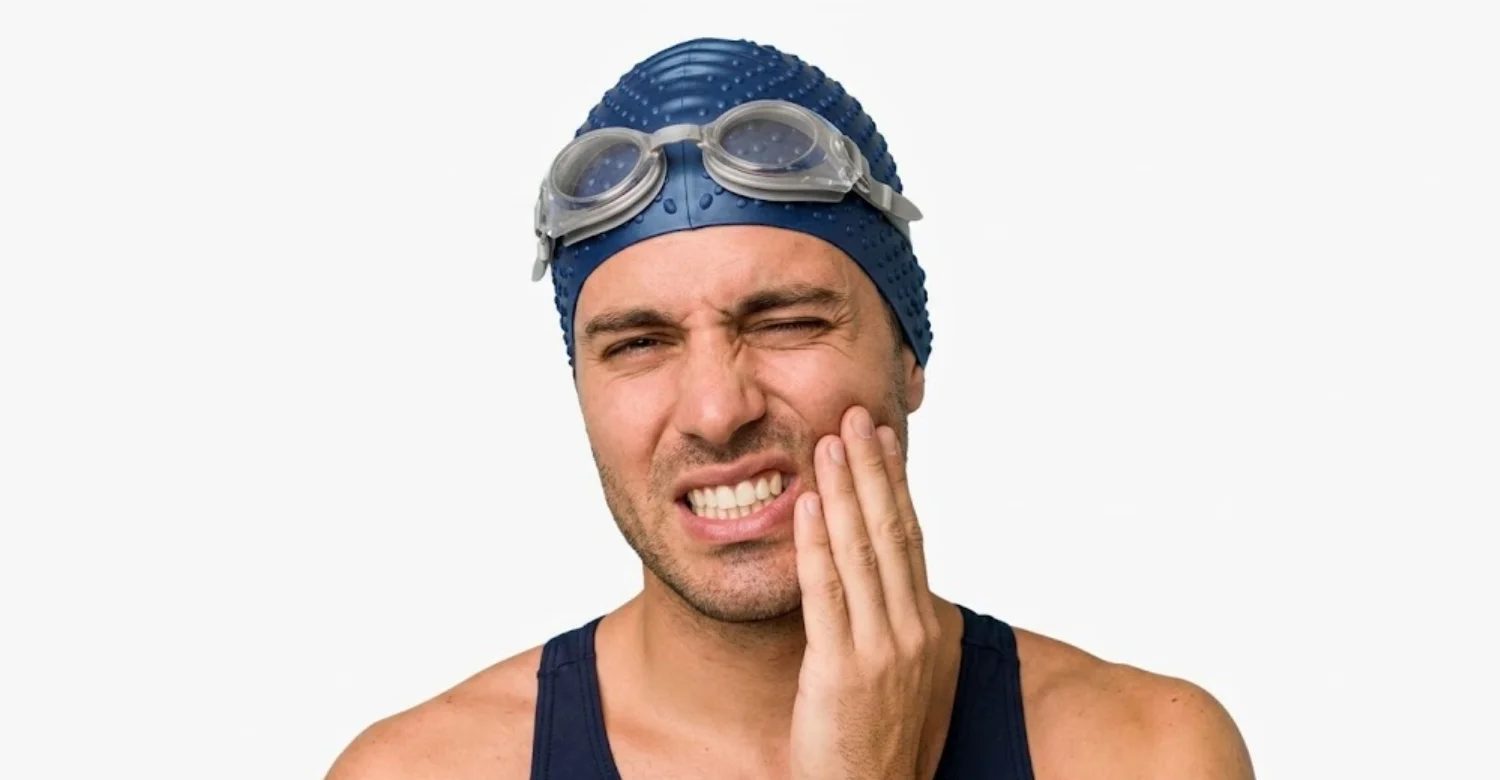
Yes. The more hours you spend in the water, the more contact your teeth have with it. Tooth erosion in swimmers is more commonly seen in competitive athletes and those training several times weekly. When it comes to enamel wear, cumulative exposure matters more than any single swim session.
Note : All images used are for editorial and illustrative purposes only and may not originate from the original news provider or associated company.
Compare options in Traditional Bridge vs Cantilever Bridge
What Causes Tooth Erosion in Swimmers?
Several factors work together to cause dental erosion in swimmers. Pool chemistry, the length of each session, how often you swim, and your hydration level all play a role. Understanding these causes of swimming and tooth erosion makes it easier to identify your personal risk and take practical preventive steps.
Chlorine and Tooth Erosion
The connection between chlorine and tooth erosion depends on how the pool is chlorinated and maintained. Some disinfection methods can lower pH if not carefully corrected. When that happens, the water becomes acidic enough to affect enamel, which is why chlorine is often discussed in relation to dental erosion.
Swimming Pool Water and Dental Erosion
Swimming pool water and dental erosion are most closely related in poorly monitored or private pools where testing is infrequent. Public pools are usually checked regularly, but levels can still fluctuate. Asking your pool facility about its pH maintenance is a simple, practical way to reduce your overall exposure.
Low Pool Water pH and Enamel Damage
Low pool water pH is the most direct cause of enamel damage in swimmers. Acidic water removes calcium and phosphate from the tooth surface faster than saliva can replace them. Over weeks or months, this imbalance produces the visible wear typical of acid erosion.
Long or Frequent Swimming Sessions
Long training sessions keep teeth bathed in pool water for extended periods, and swimmers often breathe through their mouths. Frequent sessions give enamel little time to recover between exposures. Competitive swimmers training daily face the greatest cumulative risk compared with occasional recreational swimmers who spend less time in the water.
Dehydration and Reduced Saliva During Swimming
Many swimmers don't notice they're losing fluids while in the water. Dehydration reduces saliva flow, and saliva is the mouth's natural defense, neutralizing acids and helping restore minerals to enamel. Reduced saliva makes teeth more vulnerable, adding another layer to the problem.
Find the differences in Root Canal vs Apicoectomy
What Are the Signs of Tooth Erosion in Swimmers?
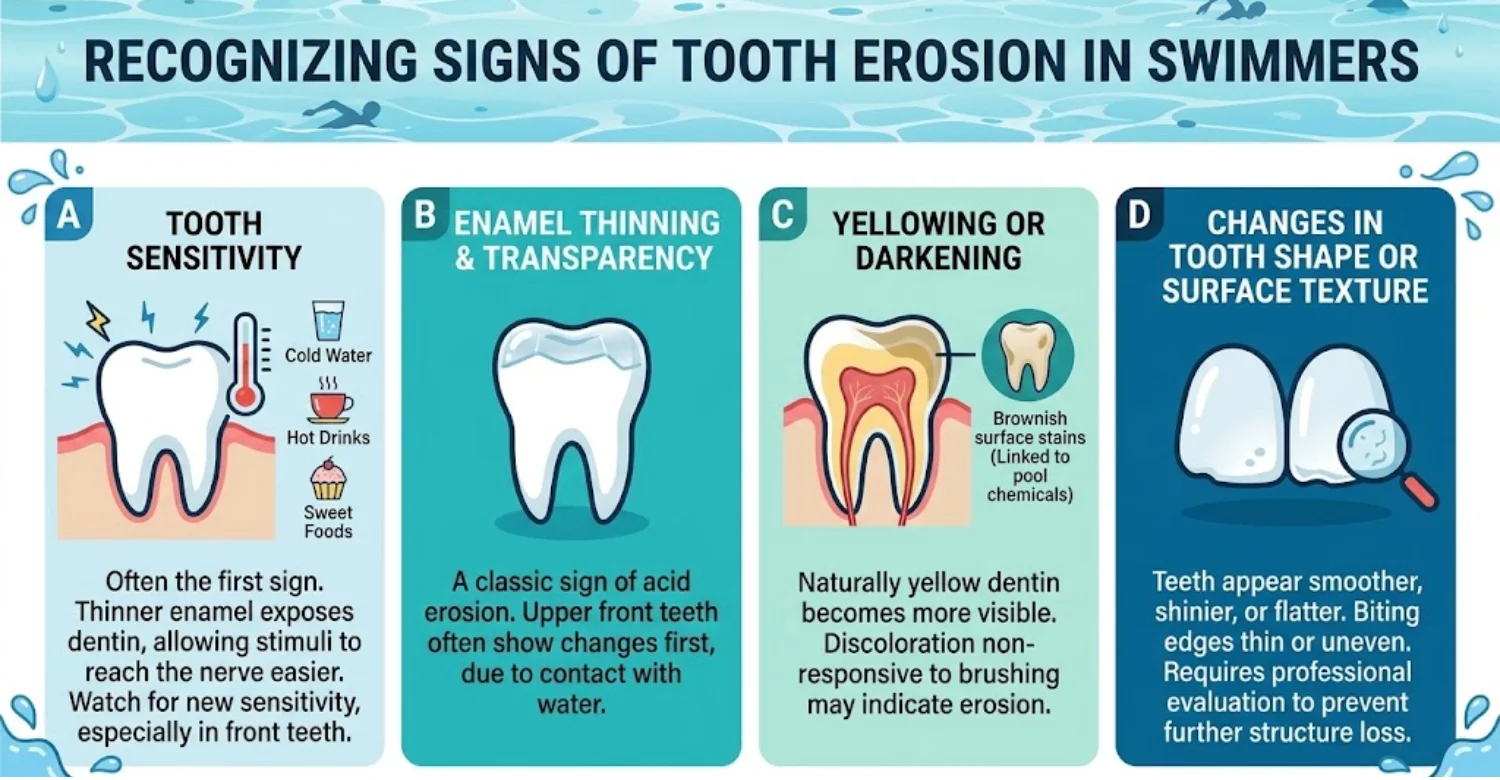
Early signs of tooth erosion in swimmers are often subtle and easy to overlook. Recognizing them early allows for simpler treatment and better outcomes. Watch for sensitivity, changes in tooth color, transparency along the edges, and altered surface texture, all of which may point to swimming and tooth erosion.
Tooth Sensitivity
Sensitivity to cold water, hot drinks, or sweet foods is often the first sign. As enamel thins, the underlying dentin becomes more exposed, allowing stimuli to reach the nerve more easily. Swimmers who notice new sensitivity, especially in the front teeth, should consider having their enamel checked.
Enamel Thinning and Transparency
Thinning enamel can make the biting edges of the front teeth appear translucent or glass-like. This transparency is a classic sign of acid erosion. In swimmers, these changes often appear first on the upper front teeth, which have the most direct contact with water.
Yellowing or Darkening of Teeth
As enamel wears away, the naturally yellow dentin underneath becomes more visible, making teeth appear darker or more yellow. Some swimmers also develop brownish surface stains linked to pool chemicals. Discoloration that doesn't respond to regular brushing may indicate enamel changes worth having professionally assessed.
Changes in Tooth Shape or Surface Texture
Eroded teeth may look smoother, shinier, or flatter than before. Edges can become thin, chipped, or uneven, and small dips may form on the surfaces. These structural changes indicate more advanced erosion and usually require professional evaluation to prevent further loss of tooth structure.
How Does Swimming Affect Your Teeth Compared With Other Sports?
Most sports affect teeth through impact injuries or sugary drinks. Swimming is different because it involves direct, repeated contact between teeth and treated water. Understanding how swimming affects your teeth compared with other sports explains why swimming and tooth erosion deserves specific attention in an athlete's oral care routine.
No other sport exposes teeth to treated water for hours at a time. Swimmers repeatedly open their mouths to breathe, allowing pool water to wash over the enamel. This unique exposure pattern is the key reason this issue is discussed as a distinct sports-related dental concern.
Sports Drinks, Dehydration, and Dental Erosion
Like other athletes, swimmers often use sports drinks, which are typically acidic and sugary. Combined with dehydration and reduced saliva, these drinks add to enamel stress. When acidic drinks and acidic pool water work together, the risk of dental erosion in swimmers increases significantly over time.
Why Frequent Swimmers May Need Additional Oral Care
Frequent swimmers face several erosion risks at once: pool water exposure, dehydration, and acidic sports drinks. Standard brushing alone may not be enough to protect enamel. Additional steps, such as rinsing, fluoride use, and regular checkups, help reduce the long-term impact of pool water on enamel.
See which suits you in Maryland Bridge vs Traditional Bridge
How Can You Prevent Tooth Erosion From Swimming?
Learning how to prevent tooth erosion from swimming doesn't require giving up the sport. Simple daily habits can significantly protect your enamel. The following strategies help reduce the risk of swimming and tooth erosion while allowing you to keep enjoying the physical and mental health benefits of swimming.
Rinse Your Mouth With Fresh Water After Swimming
Rinsing your mouth with fresh water immediately after swimming helps wash away residual pool water and supports a return to a neutral oral environment. Keep a bottle of plain water in your swim bag. This quick habit is one of the easiest ways to reduce enamel exposure.
Maintain Good Oral Hygiene
Brush twice daily with a soft-bristled toothbrush and clean between your teeth every day. Healthy gums and plaque-free surfaces make teeth more resilient. Good oral hygiene won't stop acid exposure alone, but it forms a strong foundation for managing enamel wear over time.
Avoid Brushing Immediately After Acid Exposure
Acid temporarily softens enamel, and brushing right away can wear down that softened surface. Wait around 30 to 60 minutes after swimming or drinking acidic beverages before brushing. During that time, rinse with water and let saliva begin restoring the enamel's natural mineral balance.
Stay Hydrated Before, During, and After Swimming
Drink water before, during, and after training to maintain healthy saliva flow. Saliva neutralizes acids and helps repair early enamel softening. Choosing plain water over sports drinks whenever possible offers double protection, supporting hydration while limiting extra acid exposure.
Use Fluoride Toothpaste to Support Enamel
Fluoride strengthens enamel and helps it resist acid attacks. Using a fluoride toothpaste daily supports remineralization of early enamel changes. Your dentist may also recommend a higher-strength fluoride product or fluoride mouth rinse if you are a frequent swimmer at higher risk of erosion.
Have Regular Dental Checkups
Regular dental checkups allow early detection of enamel changes before symptoms become noticeable. Your dentist can monitor erosion over time, compare changes, and adjust your prevention plan. For athletes concerned about enamel wear, routine visits every six months are a sensible protective habit.
Choose your treatment in Professional Teeth Whitening vs At-Home
Ready to transform your smile?
Talk to our team and get a personal FREE treatment plan.
Treatment Options for Swimming and Tooth Erosion
Treatment depends on how much enamel has been lost. Early changes can often be managed with preventive care, while advanced damage may require restorative work. Since lost enamel doesn't regrow, the goal of treatment is to protect what remains and restore function and appearance.
Fluoride Treatments for Early Enamel Changes
For early enamel changes, professional fluoride treatments can strengthen weakened areas and reduce sensitivity. These quick, painless applications help remineralize the enamel surface. Combined with improved daily habits, fluoride treatment is often enough to stabilize mild erosion and prevent further progression.
Dental Bonding for More Noticeable Enamel Loss
When enamel loss becomes more noticeable, dental bonding can help. A tooth-colored resin is applied to eroded areas, shaped, and hardened. Bonding covers exposed dentin, reduces sensitivity, and restores a natural appearance. It's a conservative, cost-effective option that preserves most of the natural tooth structure.
Veneers for Significant Cosmetic Damage
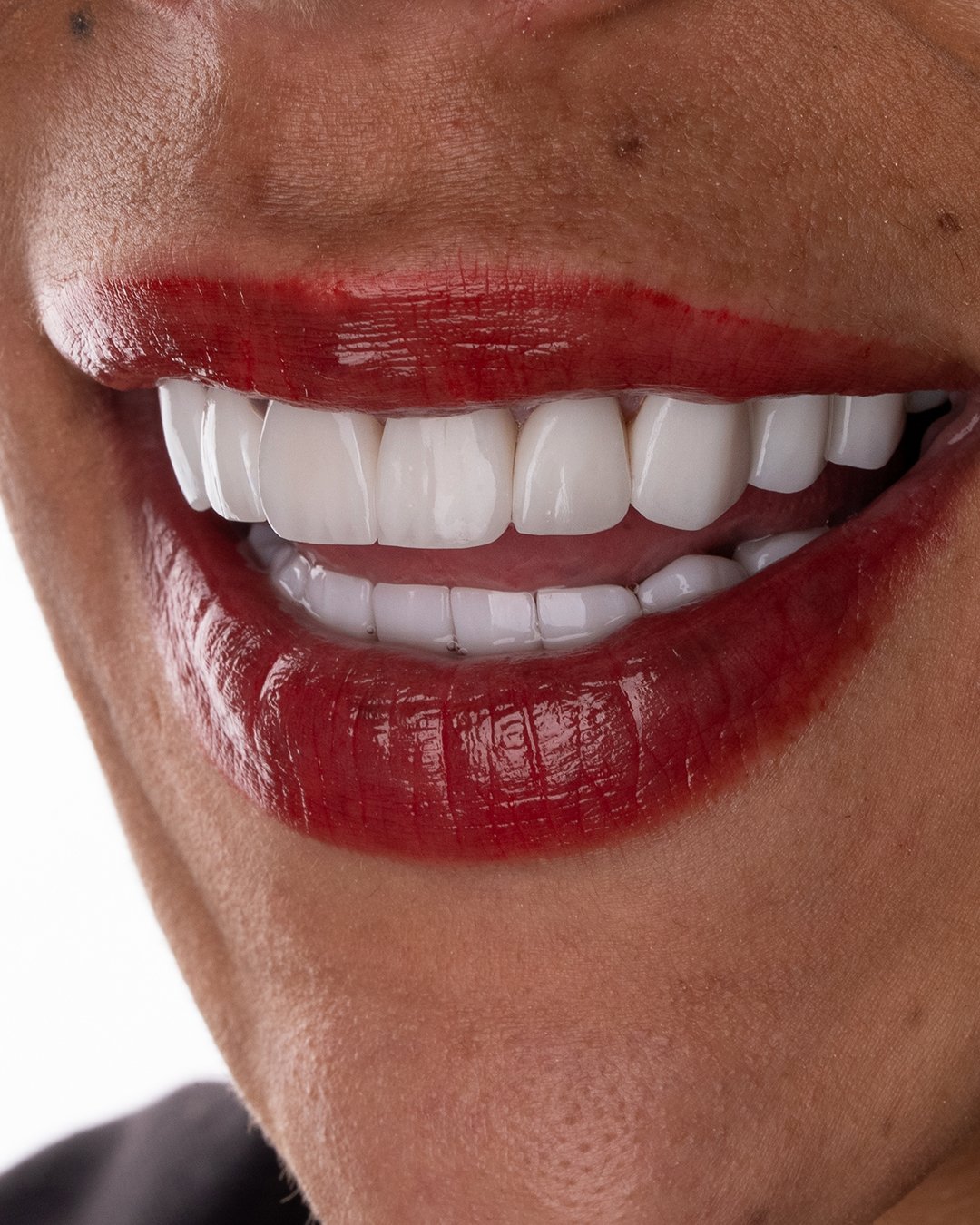
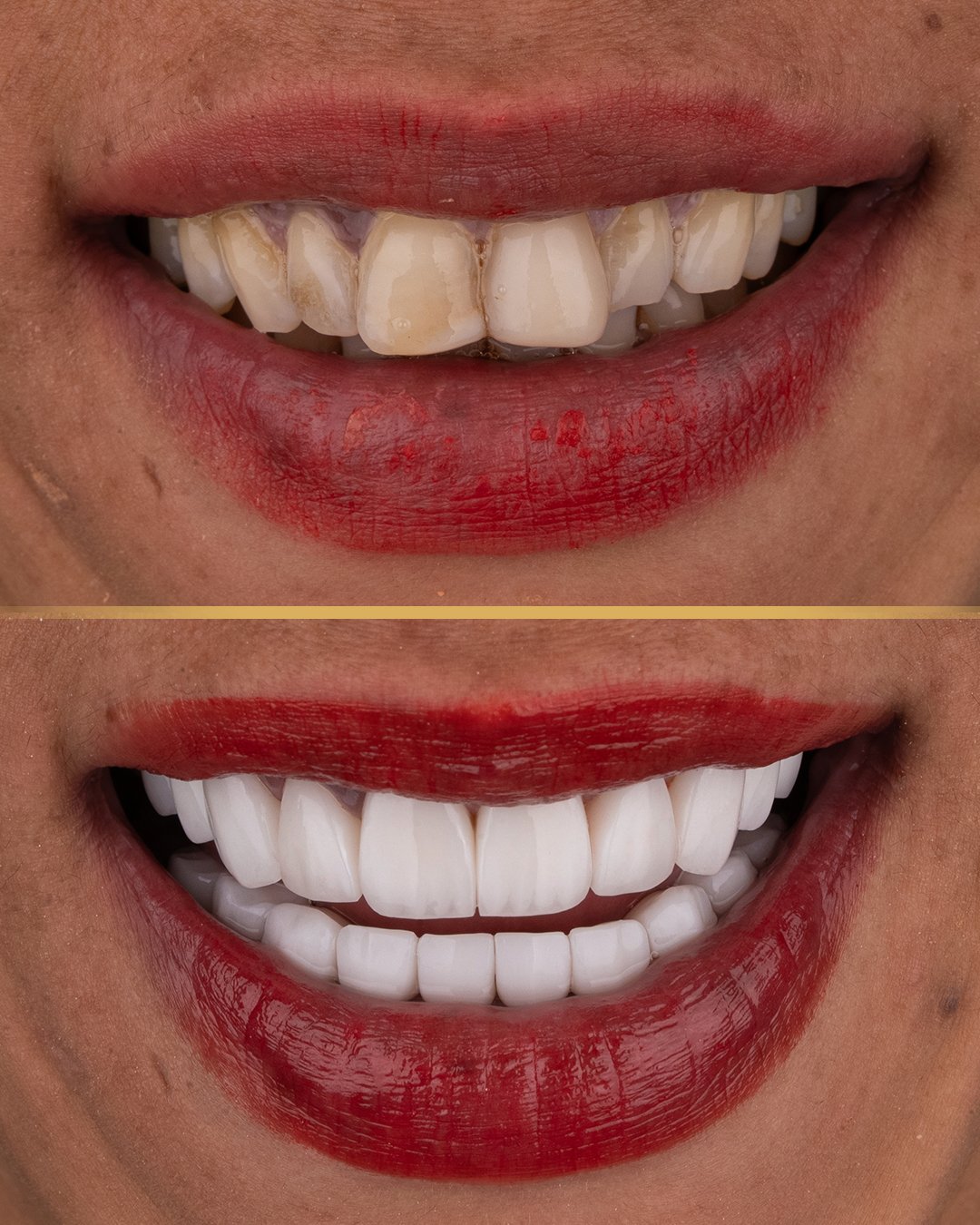
Veneers are thin, custom-made shells, usually porcelain, bonded to the front surfaces of teeth. They are suitable when erosion has caused significant cosmetic concerns such as discoloration, shortening, or uneven edges. Veneers restore appearance and protect the underlying tooth surfaces from further wear.
When More Advanced Restorative Treatment May Be Needed
Severe erosion may affect bite, tooth strength, or the inner layers of the tooth. In these cases, crowns or other restorative treatments may be needed to rebuild lost structure. Seeking care early usually reduces the need for extensive treatment later.
What Should Swimmers Know About Protecting Their Teeth?
Swimming offers excellent health benefits, and protecting your teeth shouldn't mean giving it up. Awareness is the first step. Knowing the risks, recognizing early signs, and following simple habits allow swimmers to enjoy the pool confidently while keeping swimming and tooth erosion under control.
Why Prevention Matters for Frequent Swimmers
Enamel cannot regenerate once it's lost, so prevention is far easier than repair. Frequent swimmers benefit most from protective habits started early. Small steps like rinsing, staying hydrated, and using fluoride can prevent years of gradual damage linked to regular exposure to pool water.
When to See a Dentist About Tooth Sensitivity
See a dentist if sensitivity lasts more than a few days, worsens over time, or occurs with visible enamel changes. Translucent edges, discoloration, or rough surfaces also warrant evaluation. Early assessment helps confirm whether pool water exposure is the cause and prevents further damage.
Read about Lipodystrophy and Dental Health
How Does Vitrin Clinic Help Patients With Tooth Erosion?
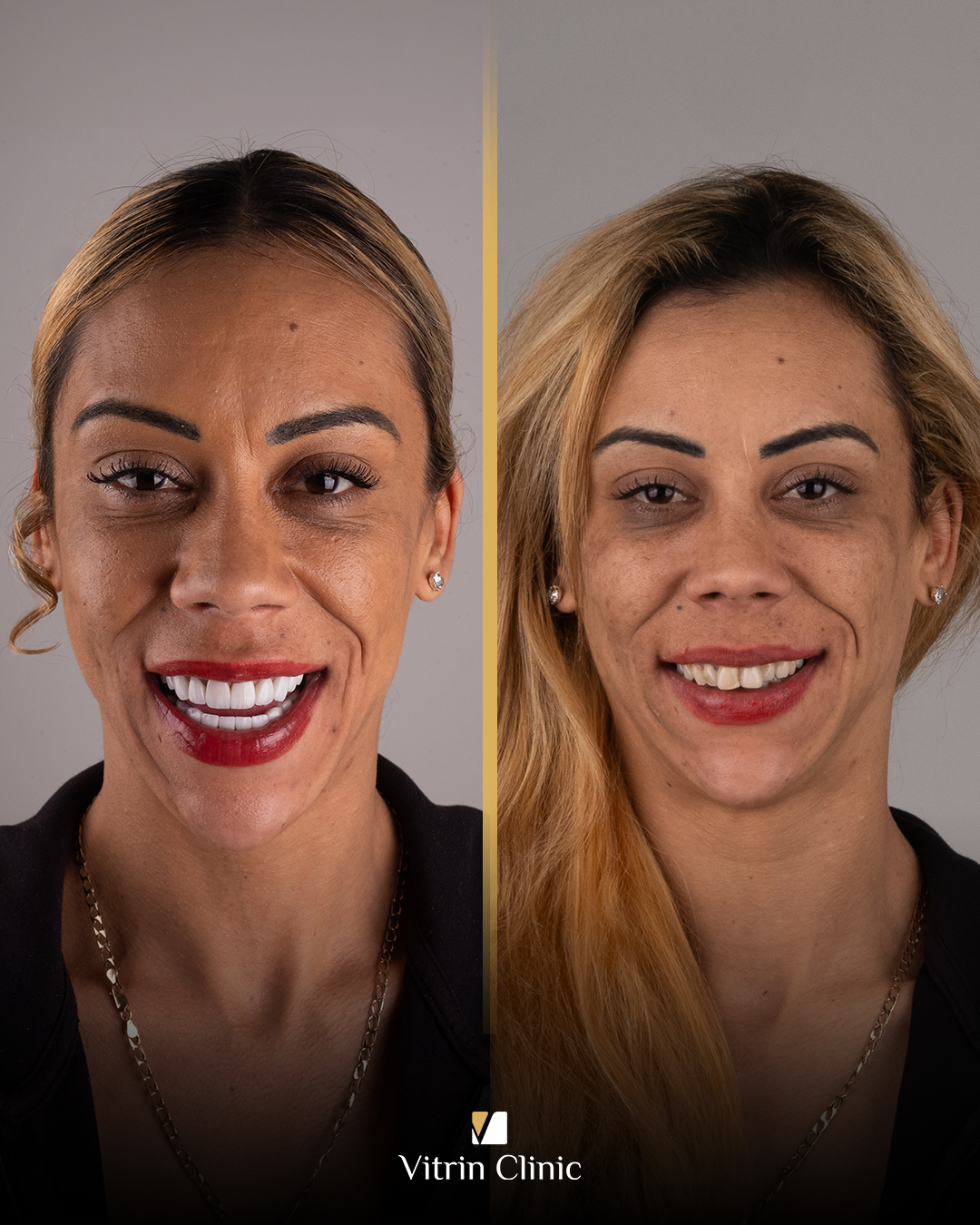
Vitrin Clinic provides comprehensive care for patients experiencing enamel loss, sensitivity, or cosmetic concerns. The team focuses on identifying the underlying cause, including swimming and tooth erosion, and creating a plan that combines prevention, protection, and restoration according to each patient's needs and lifestyle.
.jpg)
Dental Examination and Assessment of Enamel Damage
At Vitrin Clinic, every patient begins with a thorough dental examination. The dentist evaluates enamel thickness, surface texture, sensitivity, and wear patterns. Lifestyle factors, such as swimming frequency and diet, are discussed to understand whether pool exposure may be contributing to the changes observed.
Personalized Treatment Planning at Vitrin Clinic
No two patients experience erosion the same way. Vitrin Clinic creates personalized treatment plans based on the severity of enamel loss, the patient's habits, and their aesthetic goals. Plans may include preventive guidance, fluoride care, and restorative options, tailored for swimmers and active individuals alike.
Preventive and Cosmetic Solutions for Eroded Teeth
Vitrin Clinic offers solutions ranging from fluoride treatments and preventive advice to bonding and veneers. Whether the goal is reducing sensitivity or restoring a bright, even smile, patients receive treatment that addresses both appearance and long-term enamel health, especially for active swimmers.
What We Notice Clinically
Clinically, erosion in swimmers often appears on the outer surfaces of the upper front teeth, the areas most exposed to water. Patients frequently report cold sensitivity first. Many are unaware of the connection between their training routine and enamel changes until the pattern is explained to them.
How Dental Professionals Identify Dental Erosion in Swimmers
Dentists identify dental erosion in swimmers by examining the location and pattern of enamel wear, assessing sensitivity, and reviewing the patient's swimming habits. Photographs and comparisons over time help track progression. The combination of exposure history and wear pattern usually points clearly toward a diagnosis.
Distinguishing Swimming and Tooth Erosion From Other Causes
Erosion can also result from acid reflux, acidic diets, or frequent soft drinks. Reflux typically affects the inner surfaces of back teeth, while swimming-related erosion favors the outer front surfaces. Careful assessment helps tell these causes apart, ensuring the right prevention plan.
Dr. Rifat Alsaman's Clinical Opinion
Dr. Rifat Alsaman, Head of the Medical team at Vitrin Clinic and a cosmetics dentist, explains that swimmers with frequent exposure to poorly balanced pool water may benefit from regular enamel assessments, especially when sensitivity or visible enamel changes develop. Early evaluation allows for simpler, more conservative care.
Tips for the Patients
Rinse with fresh water after leaving the pool.
Drink water regularly to support saliva production.
Avoid brushing immediately after potential acid exposure.
Use fluoride toothpaste as recommended by your dentist.
Understand the symptoms of Malocclusion of the TeethSchedule dental examinations if you notice sensitivity or enamel changes.
Resource:
https://pmc.ncbi.nlm.nih.gov/articles/PMC3579418/
https://pubmed.ncbi.nlm.nih.gov/18538074/
https://apcz.umk.pl/QS/article/view/74259
FAQs
Dr. Rifat Alsaman has more than 5 years of clinical experience in dentistry and currently serves as the Head of the Medical Team at Vitrin Clinic. He is dedicated to providing exceptional patient care, overseeing treatment planning, and ensuring the highest clinical standards across the team. His expertise, attention to detail, and commitment to continuous professional development have helped countless patients achieve healthier, more confident smiles.


