General Dentistry
September 13, 2026
Teeth Feel Tight: Why Do My Teeth Feel Tight and When to See a Dentist?
 Dr. Rifat Alsaman
.webp&w=3840&q=75)
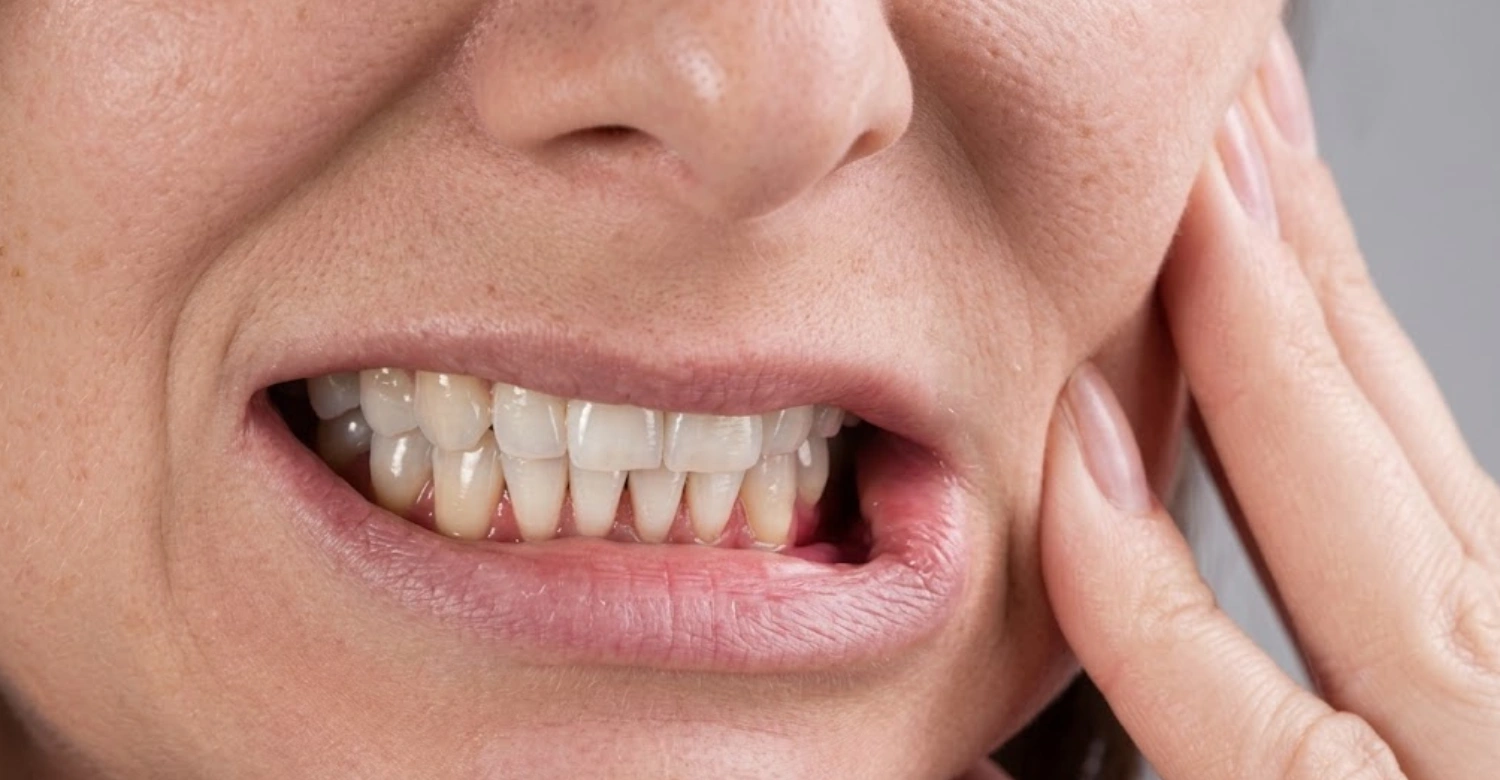
Teeth feel tight is one of the most common ways patients describe an unusual pressure sensation in their mouth. It can affect one tooth, several teeth, or a whole arch. Patients often describe this as their teeth feeling tight, their bottom teeth feeling tight, or their back teeth feeling tight, without knowing the cause.
This tightness is not always the same as tooth movement. It can come from the jaw muscles, gum tissue, a bite change, or a recent procedure. Sudden or lasting tightness should be checked in its full context. It is a symptom, not proof that teeth have shifted.
Teeth Feel Tight: Why Do My Teeth Feel Tight?
Teeth feel tight and are used differently by different patients. It can describe pressure, tenderness, sensitivity, or a crowded sensation between teeth. Some feel it in one tooth; others feel it across several teeth or a full arch. This feeling often connects to the periodontal ligament, the tissue that anchors each root and cushions biting force. When that ligament is irritated, teeth can feel tender without any visible change. Identifying whether the sensation affects the front, back, or bottom teeth helps guide the right examination.
Why Do My Teeth Feel Tight All of a Sudden?
Sudden tightness usually has a short-term cause. Clenching or a change in biting force can create pressure overnight. Gum irritation, recent dental work, or orthodontic movement can also make teeth feel tight without warning. Most cases settle within days. However, sudden tightness paired with swelling, severe pain, fever, or trouble opening the mouth needs prompt attention. These added symptoms suggest infection or inflammation rather than simple pressure, and should not be left unchecked.
My Teeth Feel Tight but They Do Not Look Different
Teeth feel tight sometimes with no visible change at all. The teeth may look completely normal in the mirror, yet still feel under pressure. This often reflects heightened awareness of normal tooth contact, especially during stress. Jaw clenching tightens the surrounding muscles, which can transfer tension to the teeth themselves. The absence of visible movement does not rule out a cause. It simply means the source is muscular, functional, or tissue-based rather than structural.
Learn more about West Nile virus and oral health
What Can Cause Teeth Feeling Tight?
Teeth feeling tight can come from several different sources, and not all of them involve the teeth directly. Muscle habits, gum health, orthodontic movement, restorations, and even sinus pressure can all create this sensation. The list below covers the most common contributors patients report. None of these should be self-diagnosed. A short exam can usually narrow down whether the cause is dental, periodontal, muscular, or referred from another part of the face.
Teeth Grinding and Jaw Clenching
Grinding and clenching are among the most frequent reasons for morning tenderness and pressure. Nighttime bruxism places repeated force on the teeth and jaw joint. This pressure can leave teeth feeling tender, tight, or "too close" upon waking. Many patients are unaware they grind until a partner notices the sound or a dentist spots wear patterns. Over time, this habit can affect tooth structure and jaw comfort, making a night guard or muscle-focused approach worth discussing.
Gum Inflammation and Swelling
Gum inflammation changes how teeth feel against each other. Gingivitis or early periodontal disease can cause swelling around the roots, which increases pressure at the gumline. Bleeding, redness, bad breath, and tenderness often accompany this tightness. Gum health should always be checked first, since this sensation can come just as easily from swelling as from an actual shift in position. Treating the swelling frequently resolves the sensation without any restorative or orthodontic work being necessary.
Orthodontic Tooth Movement
Tightness is common and expected during orthodontic treatment. Braces and aligners apply steady pressure to shift teeth gradually, which naturally causes tenderness for a few days after adjustment. This differs from sudden, unexplained tightness with no orthodontic cause. Mild soreness that fades within a week is normal. Sharp pain, swelling, or a tooth that suddenly feels loose should be reported to the treating dentist rather than assumed to be routine movement.
Changes in the Bite or Dental Restorations
A new crown, filling, or veneer that sits even slightly high can make teeth feel tight almost immediately. The affected tooth may hit first when biting down, creating pressure that spreads to nearby teeth. This is a common and fixable issue. If one tooth suddenly feels different after dental work, it should be checked promptly. A simple bite adjustment often resolves the sensation within a single visit.
Tooth Crowding and Position Changes
Genuine crowding can also create this tight sensation, particularly along the lower front teeth where space is limited. Gradual shifts in position sometimes occur with age, tissue changes, or after orthodontic retention lapses. However, sensation alone cannot confirm actual movement. Two teeth can feel pressed together without any real positional change. A clinical exam, sometimes supported by photos or models, is the only reliable way to confirm whether crowding has genuinely progressed.
Sinus Pressure and Referred Sensations
Sinus congestion can refer pressure to the upper back teeth, since their roots sit close to the sinus floor. This can make upper teeth feel pressured or achy during a cold or sinus infection. The sensation usually affects multiple upper teeth at once rather than a single tooth. Once the congestion clears, the tightness typically resolves on its own. Persistent one-sided pressure, though, should still be evaluated to rule out a dental cause.
Note: All images used are for editorial and illustrative purposes only and may not originate from the original news provider or associated company.
Discover more about impacted tooth
Where Do Your Teeth Feel Tight?
Where the tightness occurs often narrows down the likely cause. The lower arch, the front teeth, and the back teeth each have different pressure patterns and common triggers. Location matters because crowding, clenching, and inflammation do not affect every part of the mouth equally. The next sections break down what tightness in each area usually means, and when it warrants a closer look.
Bottom Teeth Feel Tight
Bottom teeth feel tight more often than upper teeth for several reasons. Crowding is common in the lower arch, and clenching tends to concentrate force there. Gum inflammation around lower incisors can also add pressure. Because the lower front teeth are close together and easy to feel with the tongue, patients often notice subtle changes here first. A dental check can confirm whether the cause is crowding, plaque buildup, or muscle-related tension.
Bottom Front Teeth Feel Tight
Bottom front teeth feel tight most often when crowding and tartar buildup combine. Tightly spaced lower incisors trap plaque more easily, and hardened tartar irritates the gumline. This inflammation adds pressure exactly where patients already feel crowding. A professional cleaning paired with a periodontal check often relieves the sensation quickly. If crowding is significant, an orthodontic consultation may be suggested afterward.
Back Teeth Feel Tight
Back teeth feel tight for different reasons than the front of the mouth. Molars absorb the heaviest biting forces, so clenching and grinding show up here first. Emerging or impacted wisdom teeth can also add pressure to neighboring molars. Swelling, difficulty opening the mouth, or pain when chewing alongside this tightness should prompt an exam soon, since these signs can point to infection or an eruption problem rather than simple pressure.
Tips for Patients
A few simple habits help patients track and manage tightness before their appointment.
Track When the Tightness Happens – Note whether it appears after meals, in the morning, or during stress, since timing often points to the cause.
Avoid Self-Adjusting Your Teeth – Do not push, bite unevenly, or try to reposition teeth at home; this can worsen the underlying issue.
Protect Your Oral Hygiene – Brushing, flossing, and regular cleanings reduce gum-related pressure and plaque buildup.
Pay Attention to Jaw Habits – Clenching or grinding, especially at night, is a leading contributor worth mentioning to a dentist.
Know When to Book an Examination – Persistent or worsening tightness deserves a professional look rather than a wait-and-see approach.
Why Does My Jaw Feel Tight After Wisdom Teeth Removal?
Why does my jaw feel tight after wisdom teeth removal is one of the most common post-extraction questions. Jaw tightness after this procedure is usually a normal part of healing rather than a sign of complication. Swelling, muscle stiffness, and reduced mouth opening are expected in the first few days. Ice packs, soft foods, and rest typically help the tightness ease gradually. Understanding what is normal versus what needs attention makes recovery less stressful.
Normal Jaw Tightness During Recovery
Jaw tightness after wisdom teeth removal comes from inflammation and muscle guarding around the surgical site. Opening the mouth fully may feel restricted for several days as swelling peaks. This tightness affects the jaw and surrounding muscles, not the remaining teeth, so it does not mean nearby teeth have shifted. Gentle stretching, cold compresses, and following post-op instructions usually help mobility return within a week or two.
Why Does My Face Feel Tight After Wisdom Teeth Removal?
Face feels tight after wisdom teeth removal mainly due to swelling in the soft tissue around the jaw and cheeks. This tightness typically peaks around day two or three, then gradually fades. Worsening swelling, fever, pus, severe pain, or difficulty swallowing or breathing are not part of normal healing. These signs call for urgent contact with the treating dentist or oral surgeon rather than waiting the tightness out at home.
Learn more about burning mouth syndrome
When Does Tightness Mean You Should See a Dentist?
Not every case of sudden tightness needs urgent care, but several signs do call for an examination. Persistent or worsening tightness, mobility, pain when biting, gum swelling, facial swelling, new sensitivity, or a bite that suddenly feels different are all reasons to book a visit. These symptoms suggest the cause needs professional evaluation rather than home management. Catching a problem early is usually simpler and less invasive to treat.
Symptoms That Need a Dental Examination
Persistent or worsening tightness
Tooth mobility or a noticeable change in position
Pain when biting
Gum swelling or bleeding
Facial swelling
New sensitivity or persistent discomfort
A sudden change in how the teeth meet
Any of these signs are reasons to have the tightness assessed, not just monitored indefinitely at home.
When Tightness May Need Urgent Attention
Rapid facial or oral swelling
Fever alongside dental symptoms
Difficulty swallowing or breathing
Severe, rapidly worsening pain
Significant difficulty opening the mouth
These combinations point toward infection or a surgical complication and should be treated as same-day concerns, not routine follow-ups.
How Is the Cause of Tight Teeth Diagnosed?
Diagnosing why teeth feel tight starts with understanding the patient's full symptom picture. A dentist reviews when the tightness began, what makes it better or worse, and whether other symptoms like swelling or bleeding are present. This is followed by a clinical exam of the teeth, gums, bite, and jaw muscles. Imaging is added only when clinically justified. The goal is to identify one clear source rather than guess between several possibilities.
Clinical Examination
A clinical exam checks the teeth, gums, bite alignment, and jaw muscles for signs pointing to the cause. The dentist looks for wear patterns from grinding, inflammation along the gumline, crowding, or a restoration sitting too high. Palpating the jaw muscles can reveal tension linked to clenching. This hands-on approach is often enough to explain the pressure before any imaging is considered.
X-Rays and 3D Imaging When Indicated
Dental X-rays help identify hidden issues like bone loss, impacted teeth, or root-level problems that are not visible during a visual exam. CBCT or 3D imaging may be used for more complex cases, particularly around wisdom teeth or implant planning. Imaging is not automatic. It is ordered based on symptoms and clinical findings, ensuring the right level of detail is used for each specific concern.
Bite and Occlusion Assessment
A bite assessment checks whether one or more teeth are receiving excessive contact during biting or clenching. This is closely tied to jaw discomfort, restoration height, and grinding habits. Articulating paper or digital bite analysis can pinpoint the exact contact point causing pressure. Correcting an uneven bite often resolves tightness that otherwise seems to have no clear source.
Discover more about oral allergy syndrome
How Is the Cause of Teeth Feeling Tight Treated?
Treatment for teeth feeling tight depends entirely on its underlying cause. Gum-related tightness responds to cleaning and better home care, while grinding-related tightness may call for a night guard. Restoration issues need a bite adjustment, and true crowding may require orthodontic treatment. Wisdom-tooth-related pressure has its own separate management path. Matching the treatment to the correct cause is what actually resolves the sensation.
Treatment for Gum-Related Tightness
When gum inflammation is the cause, a professional cleaning to remove plaque and tartar is the first step. Improved brushing and flossing at home helps prevent recurrence. If periodontal disease has progressed further, deeper cleaning or periodontal therapy may be needed. Most patients notice the tight sensation ease within days of reducing inflammation around the gumline.
Treatment for Grinding and Clenching
Managing grinding starts with identifying triggers such as stress or an uneven bite. A professionally designed night guard protects the teeth from repeated force during sleep. Addressing jaw-muscle tension, through relaxation techniques or muscle-focused therapy, can also help. Regular monitoring of tooth wear ensures grinding is not causing longer-term structural damage beyond the initial tightness.
Orthodontic Treatment for Crowding
When genuine crowding is confirmed, braces or clear aligners can gradually correct tooth position. Improvement happens over months, not days, so realistic expectations matter from the start. Orthodontic movement itself can cause temporary tightness during treatment, which is separate from the crowding it is correcting. A retention plan afterward helps prevent the same pressure from returning.
Adjusting a High Restoration
If a crown, filling, or veneer is sitting too high, the dentist checks the bite using articulating paper or digital scanning to find the exact contact point. A small adjustment to the restoration's surface usually resolves the pressure right away. This step should always follow a proper occlusal assessment rather than a guess at which tooth is involved.
Managing Wisdom-Tooth-Related Problems
Impacted or partially erupted wisdom teeth are assessed based on positioning, symptoms, and their effect on neighboring molars. Extraction is not the automatic answer for every patient. Some cases are monitored over time if there is no ongoing pressure or infection risk. Others require removal when pain, swelling, or crowding on nearby teeth continues.
Learn more about oral mucocele
What Should Teeth Feel Like After Treatment?
After treatment, teeth feel tight less often, though some short-term tenderness is normal depending on what was done. Orthodontic adjustments, restorative work, and gum treatment each carry a slightly different recovery pattern. Mild pressure right after a procedure is expected and typically fades within days. What matters most is a gradual trend toward comfort rather than an immediate, permanent fix.
Expected Changes
Mild tenderness or pressure is common right after an orthodontic adjustment and usually eases within a few days. Sensitivity can follow certain restorative procedures as tissues settle. This mild pressure is a normal part of healing after routine care. Gradual improvement, rather than instant relief, is the normal pattern as the mouth adapts to the change.
Before-and-After Expectations
What to expect afterward depends entirely on the original cause. Orthodontic movement improves gradually over the full treatment period. A high filling or crown should feel noticeably better once properly adjusted. Gum-related tightness improves as inflammation is controlled and hygiene stays consistent. No single timeline fits every case, and immediate full resolution should never be assumed or promised.
Explore more about tooth luxation
Clinical Note
Teeth feel tight is a symptom, not a diagnosis on its own. Before deciding on any treatment, a dentist needs to establish whether the sensation comes from the teeth themselves, the periodontal tissue, the bite, the jaw muscles, or a recent procedure. Sudden symptoms deserve closer attention when paired with swelling, pain, mobility, or a bite that has changed. Patients should never try to push, loosen, or reposition their own teeth while waiting for an appointment.
What We Notice Clinically
Dr. Rifat Alsaman, Head of the Medical Team at Vitrin Clinic and a cosmetic dentist, notes that the first step is identifying the source of the sensation rather than treating the feeling itself. Tooth position, gum condition, occlusion, existing restorations, and jaw-muscle activity can all shape how a patient perceives tightness. He emphasizes that cosmetic concerns should never override a functional assessment when a patient reports a new bite or pressure sensation, and that individualized examination should always come before recommending orthodontics or restorative treatment.
Discover more about fibroblast around mouth
How Can You Prevent Recurring Teeth Tightness?
Preventing teeth feel tight episodes from recurring comes down to consistent habits rather than one-time fixes.
Maintain regular dental examinations to catch changes early.
Control plaque and tartar buildup through consistent hygiene.
Follow orthodontic retention instructions closely after treatment ends.
Address bruxism and clenching with a night guard where needed.
Have new restorations checked promptly if the bite feels different afterward.
Follow professional instructions carefully after wisdom tooth removal or other procedures.
Together, these habits reduce the chance of tightness returning unexpectedly.
Why Choose Vitrin Clinic for a Professional Dental Assessment?
When teeth feel tight and the cause is unclear, an individualized examination matters more than a quick assumption. Vitrin Clinic offers comprehensive diagnostic and treatment-planning tools, including CBCT and 3D imaging along with intraoral scanning, when clinically indicated. This allows tooth, gum, bite, and jaw-related concerns to be properly distinguished rather than treated as one issue. Dr. Rifat Alsaman, Head of the Medical Team at Vitrin Clinic and a cosmetic dentist, brings this same detailed perspective to every assessment. Treatment recommendations follow the diagnosis rather than assuming a cosmetic or invasive option is automatically needed.
References:
FAQs
Dr. Rifat Alsaman has more than 5 years of clinical experience in dentistry and currently serves as the Head of the Medical Team at Vitrin Clinic. He is dedicated to providing exceptional patient care, overseeing treatment planning, and ensuring the highest clinical standards across the team. His expertise, attention to detail, and commitment to continuous professional development have helped countless patients achieve healthier, more confident smiles.


