General Dentistry
September 13, 2026
Thumb Sucking Teeth: Causes, Effects, and How to Stop ?
 Dr. Rifat Alsaman
Thumb sucking is a common childhood habit that can provide comfort, relaxation, and emotional reassurance. Thumb Sucking Teeth concerns usually develop when the habit continues frequently during dental development. The effects depend on the child's age, frequency, duration, and sucking intensity. Some children stop naturally before permanent dental changes develop. Others may continue the habit long enough to influence tooth position and jaw development. Prolonged sucking can contribute to increased overjet, anterior open bite, and posterior crossbite. The American Academy of Pediatric Dentistry recognizes these changes as possible consequences of persistent nonnutritive sucking habits. Early observation can therefore help parents identify whether professional guidance is appropriate. Parents should avoid punishment because anxiety can make the habit harder to overcome. Positive reinforcement and gradual behavioral strategies are generally more supportive. A dentist can monitor dental development and recommend intervention when necessary.
What Is Thumb Sucking and Why Does It Happen?
Thumb sucking is a repetitive behavior where a child places their thumb inside the mouth and sucks it. Thumb Sucking Teeth problems are mainly associated with persistent habits during active dental development. Babies may begin sucking before birth as part of normal developmental behavior. After birth, sucking can provide comfort and help babies regulate themselves. Hunger, tiredness, boredom, anxiety, and bedtime routines can also encourage the behavior. Most infants naturally reduce sucking behaviors as they develop alternative ways to self-soothe. The dental concern increases when frequent sucking continues as the jaws and permanent teeth develop. The American Academy of Pediatric Dentistry considers prolonged nonnutritive sucking an important factor in developing malocclusion. However, not every child develops significant dental changes. Dentists consider the habit's frequency, intensity, duration, and relationship with dental development. Understanding these factors helps parents respond calmly and appropriately.
Why Do Babies and Children Suck Their Thumbs?
Babies naturally have a strong sucking reflex that supports feeding and early development. Thumb Sucking Teeth concerns generally become more relevant when the behavior persists beyond infancy. Some babies discover their thumbs accidentally while exploring their hands and mouth. Sucking can then become a familiar source of comfort during tiredness or distress. Children may also use sucking to relax before sleeping or during unfamiliar situations. The behavior can become associated with particular routines, such as watching television or going to bed. Most children gradually develop other comforting behaviors as they mature. Parents should therefore avoid assuming that every child needs immediate intervention. The important factor is whether the habit continues frequently during dental development. Persistent pressure from the thumb can influence the position of developing teeth. Regular dental examinations can identify changes before they become more established.
When Do Babies Start Sucking Their Thumb?
Some babies begin sucking their thumbs before birth, while others discover the behavior during their first months. Dental concerns are uncommon during very early infancy because primary dental development remains limited. Ultrasound observations have documented fetal hand-to-mouth movements during pregnancy. After birth, babies may suck their fingers or thumbs as part of normal self-soothing behavior. Some infants begin sucking their thumbs around two or three months. Others may demonstrate the behavior earlier or later without indicating a developmental problem. At this stage, sucking is generally considered a normal infant behavior. Parents usually do not need to discourage occasional thumb sucking in young babies. The focus should instead remain on feeding, growth, comfort, and overall development. Dental concerns become more important when strong sucking persists as the child grows older. A pediatric dentist can provide individualized guidance when parents remain concerned.
Why Do Babies Suck Their Thumb?
Babies suck their thumbs because sucking is a natural reflex associated with feeding and self-soothing. This habit usually becomes relevant much later when the behavior remains frequent during dental development. Thumb sucking can help babies calm themselves when they feel tired, uncomfortable, or overstimulated. Some babies also suck their thumbs when falling asleep or waking during the night. The behavior can become comforting because the child controls when and how long it occurs. Occasional sucking during infancy usually does not indicate an underlying psychological problem. Parents should avoid removing the thumb forcefully because this can increase distress. Instead, they can observe when the behavior happens and identify possible triggers. As children mature, alternative soothing strategies can gradually replace frequent sucking. Dental monitoring becomes useful when the habit continues into later childhood. Individual assessment is especially important when visible changes in tooth position appear.
Is Thumb Sucking Hereditary?
There is no simple inheritance pattern that determines whether a child will develop thumb sucking. This kind of dental change is primarily related to the habit itself rather than genetic transmission of the behavior. Children can develop sucking habits for behavioral, developmental, and environmental reasons. Family patterns may influence some oral behaviors, but this does not mean thumb sucking is inherited directly. A child's temperament and self-soothing preferences may also influence repetitive habits. Dental characteristics can have genetic components, including jaw size and tooth alignment. These inherited features may affect how strongly a sucking habit influences dental development. Therefore, two children with similar habits can develop different dental outcomes. Parents should focus on the child's actual behavior rather than assuming genetic causation. A dentist can evaluate tooth position and jaw development independently of family history. This approach provides more useful information than treating thumb sucking as a hereditary condition.
Is Thumb Sucking a Sign of Autism?
Thumb sucking alone is not considered a reliable sign of autism or another developmental condition. These dental concerns can occur in children with or without developmental differences. Young children commonly use repetitive behaviors for comfort, regulation, or relaxation. Thumb sucking can therefore occur during typical childhood development without indicating a neurological disorder. Autism diagnosis requires a broader assessment of communication, social interaction, behavior, and developmental characteristics. A single habit cannot establish such a diagnosis. Parents should discuss developmental concerns with an appropriate pediatric professional when multiple signs are present. Dental professionals can address oral effects while referring to broader developmental concerns when appropriate. Persistent sucking should therefore be considered separately from autism unless other developmental concerns exist. Avoiding assumptions helps parents receive accurate information and appropriate professional support.
What Is the Difference Between Thumb and Finger Sucking?
Thumb sucking involves placing the thumb inside the mouth, while finger sucking involves one or more fingers. Thumb Sucking Teeth changes can occur with either habit when sucking persists during dental development. The dental effects depend more on pressure, positioning, frequency, and duration than the specific digit involved. A thumb can rest against the palate while applying pressure to the upper front teeth. Fingers can create similar pressure depending on how they are positioned inside the mouth. Some children switch between different fingers or combine finger sucking with other oral habits. Dentists therefore assess the entire sucking pattern rather than focusing only on the digit. Persistent pressure can influence tooth eruption and the developing bite. Early identification allows parents and dentists to monitor whether changes are developing. Treatment decisions should always consider the child's age and individual dental findings.
Discover more about ferroptosis in periodontitis
How Does Thumb Sucking Affect Teeth and Oral Development?
Thumb sucking can influence teeth and oral development, particularly when the habit continues beyond early childhood. The pressure from the thumb against the teeth and palate may contribute to changes such as an open bite, increased overjet, or narrowing of the upper dental arch. It can also affect how the upper and lower jaws develop and how the tongue rests and functions during swallowing.
The impact depends on factors such as how often, how strongly, and for how many years a child sucks their thumb. Occasional sucking in infancy is generally part of normal development, while persistent thumb sucking can increase the likelihood of dental and skeletal changes as permanent teeth begin to emerge.
Early guidance can help prevent these changes from becoming more difficult to correct. Parents should discuss persistent thumb sucking with a pediatric dentist, especially if they notice changes in tooth alignment, bite, or the shape of the palate.
Does Thumb Sucking Affect Your Teeth?
Yes, frequent and prolonged thumb sucking can influence tooth position and the developing bite. Thumb Sucking Teeth changes depend on pressure, frequency, duration, and the child's stage of dental development. A thumb positioned behind the upper front teeth can gradually influence their direction of eruption. This pressure may contribute to increased overjet or an anterior open bite. Some children may also develop changes involving the width of the upper dental arch. However, occasional sucking does not automatically cause significant dental problems. The American Academy of Pediatric Dentistry identifies prolonged nonnutritive sucking as a potential contributor to malocclusion. Children respond differently, so dental effects cannot be predicted from the habit alone. Regular dental examinations can help identify early changes in tooth position. Parents should discuss persistent habits with a pediatric dentist rather than relying on appearance alone.
What Happens to Teeth From Sucking a Thumb?
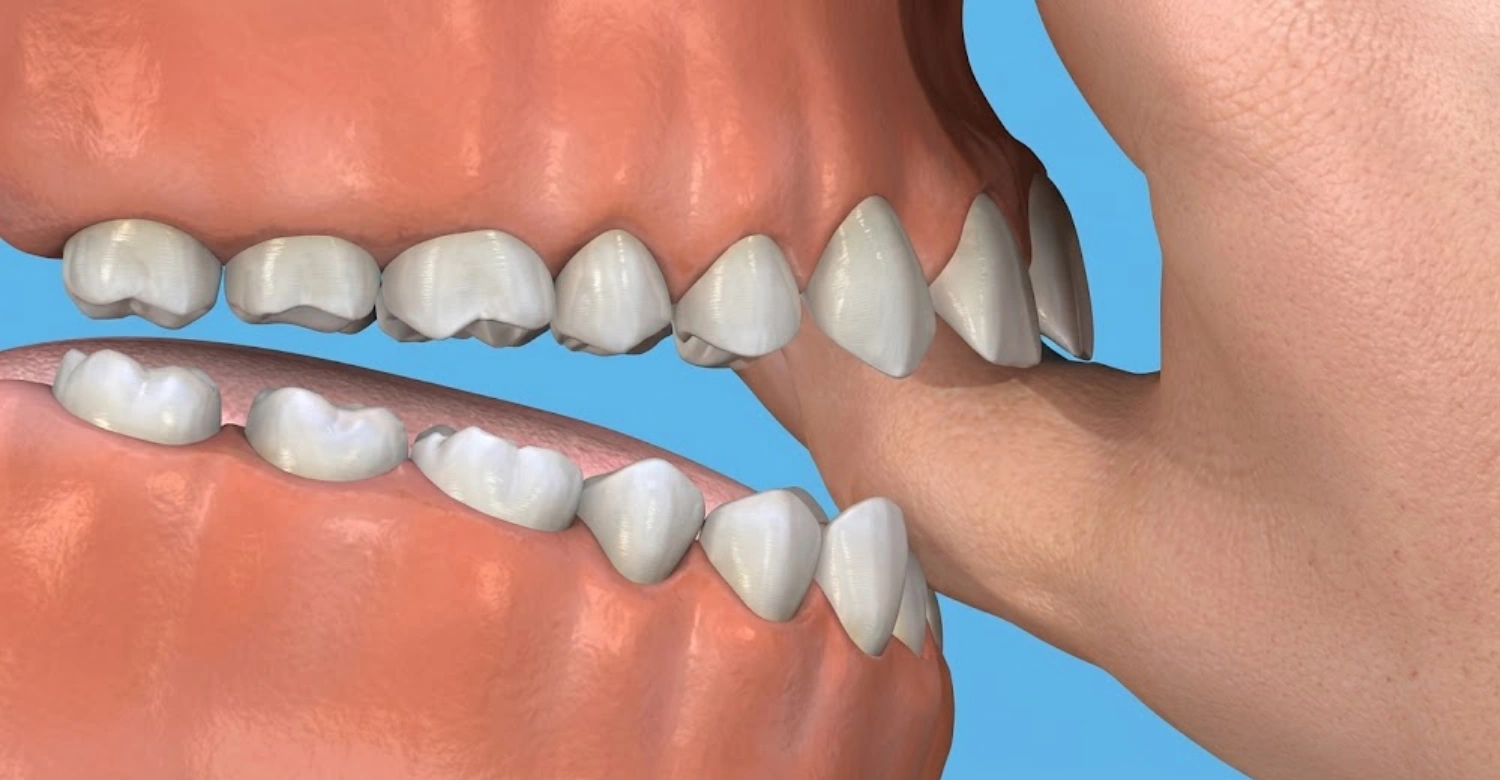
Repeated thumb pressure can affect the position of developing teeth and the surrounding oral structures. Thumb Sucking Teeth changes may become more noticeable when the habit continues frequently over several years. The thumb can rest against the upper front teeth while the child sucks repeatedly. This pressure may encourage the upper incisors to move forward or become more prominent. At the same time, lower incisors may develop altered positioning depending on thumb placement. Persistent sucking can also interfere with normal contact between the upper and lower front teeth. This can contribute to an anterior open bite in some children. The upper dental arch may also become narrower in certain cases. The severity depends on sucking intensity, frequency, duration, and individual anatomy. Early monitoring can help determine whether the changes are improving or becoming established.
Can Thumb Sucking Cause Buck Teeth?
Persistent thumb sucking can contribute to protruding upper front teeth, commonly described as buck teeth. These changes can occur when repeated thumb pressure influences the developing upper incisors. The thumb may rest behind the upper front teeth during repeated sucking movements. This position can encourage the incisors to move forward over time. The resulting appearance may involve increased horizontal distance between the upper and lower front teeth. However, genetics can also influence tooth prominence and jaw relationships. Therefore, protruding teeth should not automatically be attributed to thumb sucking. The duration and intensity of the habit are important when assessing possible causes. Children with persistent sucking habits should receive appropriate dental monitoring during development. If the habit stops early, some dental changes may improve naturally as growth continues.
Can Thumb Sucking Cause an Open Bite?
Yes, prolonged thumb sucking can contribute to an anterior open bite in developing children. These dental changes can include a visible space between the upper and lower front teeth. The thumb can physically prevent the front teeth from meeting during normal biting. Repeated pressure may also influence the eruption direction of these teeth. The resulting opening can vary considerably between children. Some mild open bites improve after the sucking habit stops. More established changes may require orthodontic assessment after the habit has ended. The American Academy of Pediatric Dentistry recognizes anterior open bite as one possible malocclusion associated with prolonged nonnutritive sucking. The child's age and stage of dental development influence the likelihood of spontaneous improvement. Professional monitoring helps determine whether observation or treatment is appropriate.
Can Thumb Sucking Affect the Roof of the Mouth?
Persistent sucking can influence the shape and width of the developing upper dental arch. These concerns can therefore involve both tooth position and the surrounding oral structures. A thumb can press upward against the palate during repeated sucking. The pressure may contribute to a narrower upper arch in some children. A narrower arch can sometimes occur alongside posterior crossbite. However, the degree of change varies according to individual anatomy and sucking behavior. The palate continues developing throughout childhood, making timing important. Stopping a persistent habit can reduce continued mechanical pressure on the developing structures. Some changes may improve naturally as growth progresses. Others may remain and require orthodontic evaluation. Dentists can examine the palate, dental arches, and bite during routine appointments.
Can Thumb Sucking Affect Jaw Development?
Prolonged sucking can influence the developing relationship between the teeth, dental arches, and jaws. Thumb Sucking Teeth changes may therefore occur alongside alterations in the child's developing bite. The effect is usually related to the mechanical forces created during repeated sucking. Persistent pressure can influence how the upper dental arch develops. It may also contribute to changes in the relationship between upper and lower teeth. However, thumb sucking does not automatically cause abnormal jaw growth. Genetics, facial growth patterns, breathing habits, and other factors also influence development. Dentists evaluate these factors when assessing a child's occlusion. Early identification is useful because growing children still have substantial developmental changes ahead. Stopping the habit can remove an ongoing mechanical influence on the developing oral structures. Professional monitoring determines whether additional treatment becomes necessary.
Clinical Note: When Does Thumb Sucking Become a Dental Concern?
Thumb sucking becomes more concerning when it remains frequent, intense, and persistent during later childhood. Thumb Sucking Teeth problems are more likely when the habit continues while permanent teeth begin developing and erupting. The American Academy of Pediatric Dentistry recommends evaluating persistent nonnutritive sucking habits beyond three years. The exact timing of intervention should still be individualized for each child. Dentists consider the child's age, dentition, bite, sucking intensity, and dental changes. Signs such as increased overjet, open bite, or posterior crossbite deserve professional assessment. Parents should not assume that every child requires an appliance or orthodontic treatment. Behavioral support may be sufficient for some children. Others may require additional intervention when the habit persists despite supportive strategies. Early dental monitoring provides an opportunity to observe changes before they become more established.
Learn more about sialadenitis
What Do Thumb Sucking Teeth Look Like?
Thumb sucking can cause noticeable changes in the appearance and alignment of the teeth, especially when the habit continues as permanent teeth begin to develop. Common signs may include upper front teeth that tilt outward, lower front teeth that tilt inward, an open bite where the front teeth do not meet, increased overjet, and a narrower upper dental arch. Some children may also develop changes in the shape of the palate or the way the upper and lower jaws come together.
The appearance varies depending on the child’s age, how frequently and forcefully they suck their thumb, and how long the habit has continued. Not every child will develop the same changes, and some mild dental changes may improve after the habit stops.
If parents notice changes in their child’s bite or tooth position, a pediatric dentist can evaluate the teeth and jaw development and determine whether monitoring or treatment is appropriate.
What Are the Signs of Thumb Sucking Teeth?
Several dental signs can indicate that prolonged thumb sucking is influencing oral development. The condition may appear more prominent when the upper front teeth move forward. Parents might notice a gap between the upper and lower front teeth during biting. The upper dental arch can also appear narrower in some children. Changes may become noticeable as permanent teeth begin replacing primary teeth. Some children develop increased overjet or altered relationships between the upper and lower teeth. Speech changes can occasionally accompany an open bite or altered tongue position. However, these signs can have causes unrelated to thumb sucking. A dentist should evaluate the child's complete bite before determining the underlying cause. Regular examinations allow dental changes to be monitored during growth. Early assessment can help determine whether stopping the habit may be sufficient.
What Do Buck Teeth From Thumb Sucking Look Like?
Protruding upper front teeth can appear more noticeable when the thumb habit continues during dental development. These teeth may show increased horizontal distance between the upper and lower incisors. The upper front teeth can appear angled forward rather than vertically aligned. Some children may also have an open space between their front teeth when biting. The overall appearance varies because jaw shape and inherited tooth position influence dental alignment. Thumb placement can also affect how strongly the front teeth respond to repeated pressure. Parents should avoid diagnosing dental changes based only on photographs or appearance. A dental examination can measure overjet and evaluate the surrounding bite. If the habit stops early, some changes may improve naturally during continued growth. Persistent changes may later require orthodontic assessment depending on severity.
Can Thumb Sucking Push Front Teeth Forward?
Repeated pressure from a thumb can influence the position of developing upper front teeth. Thumb Sucking Teeth can therefore include increased prominence of the upper incisors. The effect depends strongly on where the thumb rests during sucking. Pressure behind the upper incisors can encourage them to move forward over time. The lower front teeth can also be affected by pressure from the thumb or surrounding oral muscles. Not every child develops noticeable movement because individual dental structures respond differently. The American Academy of Pediatric Dentistry identifies increased overjet as a possible consequence of persistent nonnutritive sucking. The risk becomes more relevant when the behavior continues for extended periods. Stopping the habit can remove the ongoing mechanical force affecting tooth position. Dental monitoring helps determine whether natural improvement occurs after the habit ends.
What Happens to Teeth After Thumb Sucking?
After a child stops sucking their thumb, dental development may continue changing naturally. These teeth can sometimes improve as pressure on the developing teeth disappears. Mild tooth displacement may correct as normal eruption and growth continue. An anterior open bite can also improve after the habit stops in some children. However, established dental changes may not completely correct without orthodontic treatment. The likelihood of improvement depends on the child's age and severity of the dental changes. Primary and mixed dentition stages can provide opportunities for natural adaptation. Permanent dental relationships require closer assessment when significant malocclusion remains. Dentists may recommend observation before starting active orthodontic treatment. This approach avoids unnecessary intervention when spontaneous improvement remains possible. Regular examinations can document whether the bite is improving after the habit ends.
Dr. Rifat Alsaman’s Clinical Opinion on Thumb Sucking Teeth
Dr. Rifat Alsaman, Head of the Medical Team at Vitrin Clinic, emphasizes individualized dental assessment. Thumb Sucking Teeth should not be evaluated solely by looking at whether the front teeth appear prominent. The child's age, sucking pattern, dental stage, and bite should all be considered. Persistent habits can create mechanical forces that influence developing dental structures. However, not every child experiences the same degree of dental change. Early monitoring can help distinguish temporary changes from developing malocclusion. Parents should also avoid creating fear around a child's self-soothing behavior. Positive encouragement can support gradual habit reduction without unnecessary emotional pressure. When dental changes are already visible, professional assessment can clarify appropriate next steps. At Vitrin Clinic, dental evaluation can help identify alignment concerns and discuss suitable treatment pathways. Treatment should remain proportional to the child's individual clinical findings.
Discover what can cause loss of taste
What Are the Effects of Thumb Sucking on Babies and Children?
Thumb sucking can provide comfort during infancy, but prolonged habits may influence developing oral structures. Dental changes become more relevant as children move through primary and mixed dentition. Babies commonly use sucking as part of normal feeding and self-soothing behavior. Occasional infant thumb sucking generally does not indicate a dental disorder. Concerns increase when frequent sucking continues for several years. Persistent habits may influence tooth position, dental arch shape, and bite relationships. The American Academy of Pediatric Dentistry recognizes several malocclusions associated with prolonged nonnutritive sucking. These include increased overjet, anterior open bite, and posterior crossbite. Children respond differently because dental development varies between individuals. Parents should therefore focus on observation rather than assuming damage will occur. Professional dental monitoring can identify changes and guide appropriate intervention.
Is Thumb Sucking Bad for Babies?
Thumb sucking is usually a normal behavior during infancy and can provide comfort between feeding periods. These concerns are generally limited during the earliest stages of infancy. Babies often use sucking to calm themselves, particularly before sleeping or during stressful situations. Parents typically do not need to punish or forcibly stop occasional infant thumb sucking. The behavior often decreases naturally as babies develop other methods of self-regulation. Dental concerns become more relevant when strong sucking continues into later childhood. Parents should monitor the frequency and intensity rather than focusing on occasional behavior. Feeding difficulties, injuries, or other unusual symptoms may require separate professional evaluation. Routine pediatric dental care can provide reassurance about normal oral development. A dentist can also explain when intervention becomes appropriate. The goal is supportive guidance rather than creating unnecessary anxiety.
What Are the Consequences of Prolonged Thumb Sucking?
Persistent thumb sucking can influence the developing alignment of teeth and the relationship between dental arches. These changes may include increased overjet, anterior open bite, and posterior crossbite. The American Academy of Pediatric Dentistry identifies these changes among possible effects of prolonged nonnutritive sucking. The severity depends on sucking duration, frequency, intensity, and thumb position. Some children experience mild changes that improve after stopping the habit. Others may develop more established malocclusion requiring orthodontic assessment. Prolonged habits can also influence tongue positioning during swallowing and speech development. However, speech problems should not automatically be attributed to thumb sucking. Dental professionals should evaluate each child individually rather than predicting outcomes from the habit alone. Early intervention may reduce continued mechanical pressure on developing structures. Supportive behavioral strategies can help children discontinue the habit gradually.
Can Thumb Sucking Affect Speech?
Thumb sucking may sometimes influence speech when persistent oral changes alter tongue position or front-tooth relationships. These changes can include an anterior open bite that affects certain speech sounds. Sounds requiring contact or close positioning of the tongue and front teeth may become more difficult. However, thumb sucking is not the only possible cause of childhood speech differences. Developmental stage, hearing, tongue mobility, and other oral factors can also influence speech. Children with persistent speech concerns should receive assessment from an appropriate speech professional. A dentist can evaluate whether dental alignment may contribute to the problem. Stopping the sucking habit may remove one factor affecting oral function. Further improvement depends on the child's individual speech and dental development. Parents should avoid assuming that dental correction alone will resolve every speech concern.
Can Thumb Sucking Affect the Bite?
Persistent sucking can affect how upper and lower teeth meet during biting. Thumb Sucking Teeth changes may include increased overjet, anterior open bite, or posterior crossbite. The thumb can interfere mechanically with normal eruption and contact between the front teeth. Repeated pressure can also influence the developing shape of the upper dental arch. The extent of bite alteration differs considerably between children. Frequency and duration are important factors when assessing potential risk. The AAPD recognizes anterior open bite and posterior crossbite among possible consequences of prolonged sucking habits. Stopping the habit can allow some developing bite relationships to improve naturally. Established malocclusion may require orthodontic assessment depending on severity and persistence. Regular dental visits help track changes throughout childhood growth.
Can Thumb Sucking Affect Facial Development?
Persistent sucking can influence the relationship between developing teeth, dental arches, and surrounding oral muscles. Thumb Sucking Teeth changes may therefore occur alongside alterations in facial growth patterns. However, thumb sucking should not be described as causing all facial development problems. Facial growth is influenced by genetics, skeletal patterns, breathing, nutrition, and other developmental factors. The mechanical effects of persistent sucking mainly involve the developing dental arches and occlusion. Changes in tooth position can sometimes alter the appearance of the child's smile. More substantial skeletal effects require individualized clinical assessment rather than assumptions. Dentists can evaluate facial proportions alongside dental and jaw relationships. Early monitoring helps determine whether the habit is producing clinically meaningful changes. Parents should seek professional guidance when persistent sucking accompanies noticeable changes in facial or dental development.
Learn more about yellow tongue
When Should Kids Stop Sucking Their Thumb?
There is no single age that applies to every child, because sucking habits differ in frequency and intensity. Thumb Sucking Teeth concerns become increasingly important when the habit continues into later childhood. Many children naturally reduce sucking as they develop other comforting behaviors. The American Academy of Pediatric Dentistry recommends evaluation when nonnutritive sucking habits continue beyond three years. Earlier dental assessment can still be appropriate when visible changes appear. Persistent sucking during mixed dentition deserves particular attention because permanent teeth are developing and erupting. Parents should focus on gradual habit reduction rather than punishment or embarrassment. A dentist can assess the bite and determine whether intervention is necessary. The timing of intervention depends on dental development, habit intensity, and existing changes. Early guidance may help prevent prolonged mechanical pressure on developing structures.
When to Stop Thumb Sucking
Parents should generally encourage stopping before persistent sucking begins affecting developing teeth and bite relationships. These concerns become more relevant when the habit continues beyond early childhood. The AAPD recommends evaluating persistent nonnutritive sucking habits beyond three years. This recommendation does not mean every three-year-old requires immediate treatment. The child's dental development and sucking pattern should guide the decision. Some children may stop naturally with gentle encouragement and positive reinforcement. Others may need structured behavioral support when the habit remains frequent. Dental monitoring is especially useful when permanent teeth begin erupting. Parents should avoid sudden punishment because it may increase anxiety surrounding the habit. A pediatric dentist can identify early dental changes and explain appropriate options. The goal is to stop the habit while supporting healthy emotional and oral development.
When Should Kids Stop Sucking Their Thumb?
Children should gradually stop thumb sucking as they become older and develop alternative self-soothing strategies. These dental changes are more likely when persistent sucking continues during dental development. The ideal timing depends on the child's habit frequency, intensity, and stage of dentition. The AAPD identifies three years as an important age for professional evaluation of persistent nonnutritive sucking. Parents should not interpret this as a rigid deadline for every child. Children with visible bite changes may benefit from earlier assessment. A dentist can determine whether observation, behavioral guidance, or additional intervention is appropriate. Positive reinforcement often works better than criticism or punishment. Parents can also identify situations that trigger sucking, such as bedtime or boredom. Gradually replacing the habit with alternative routines can make stopping easier.
Is Thumb Sucking Normal for a 2-Month-Old Baby?
Yes, thumb sucking can be a normal behavior for a two-month-old baby. Dental concerns are generally minimal at this early developmental stage. Young babies have strong natural sucking reflexes that support feeding and self-soothing. Some infants discover their hands and begin bringing their fingers toward their mouths. Others may suck their thumbs during tiredness, hunger, or periods of stimulation. Parents usually do not need to discourage occasional sucking at this age. The focus should remain on healthy feeding, growth, sleep, and overall development. Forcefully removing the thumb can create unnecessary distress for a young infant. Dental concerns generally become more relevant when persistent sucking continues into later childhood. Parents who remain concerned can discuss the behavior during routine pediatric or dental appointments. Early reassurance can help families distinguish normal infant behavior from persistent habits.
Is Thumb Sucking Normal for a 3-Month-Old Baby?
Thumb sucking can also be completely normal for a three-month-old baby. Related concerns usually do not arise from occasional sucking during early infancy. Babies commonly explore their hands and mouths as part of normal sensory development. Sucking can provide comfort during tiredness, bedtime, or unfamiliar situations. Parents generally do not need to stop the behavior abruptly at this stage. Instead, they can observe whether sucking becomes constant or continues as the child grows. The habit becomes more clinically relevant when it persists into later childhood. Regular health and dental appointments provide opportunities to discuss persistent sucking behaviors. Parents should avoid using punishment or negative language around normal infant self-soothing. Gentle encouragement becomes more appropriate as the child develops alternative ways to relax. Individual guidance is useful when parents notice unusual oral development or other concerns.
When Does Thumb Sucking Need Professional Attention?
Professional attention becomes appropriate when sucking remains persistent, intense, or associated with visible dental changes. Thumb Sucking Teeth concerns may include increased overjet, open bite, or changes in the dental arch. Parents should consider an evaluation when the habit continues beyond early childhood. The AAPD specifically recommends evaluating persistent nonnutritive sucking beyond three years. Earlier assessment may be appropriate when significant bite changes appear before that age. A dentist can examine tooth position, jaw relationships, palate shape, and oral function. Professional assessment does not automatically mean orthodontic treatment is necessary. Some children improve after stopping the habit without additional intervention. Others may require behavioral support or orthodontic management depending on their dental development. Early evaluation provides information that helps families choose an appropriate and proportionate approach.
Clinical Note: Why Timing Matters for Dental Development
Timing matters because children's teeth and jaws continuously change throughout growth and development. Dental changes may become more established when persistent pressure continues during active dental development. Primary teeth begin developing before birth, while permanent teeth develop and erupt progressively throughout childhood. Persistent sucking can influence the position of teeth while these structures are developing. The AAPD identifies duration, frequency, and intensity as important factors when considering nonnutritive sucking habits. A habit that stops early may have a different outcome from one continuing into mixed dentition. This does not mean every persistent habit causes permanent damage. Dental monitoring helps identify whether changes are developing or naturally improving. Parents should therefore focus on timely assessment rather than fear-based intervention. Appropriate timing can prevent unnecessary treatment while addressing significant dental changes when needed.
Discover more about salivary gland stones
How to Stop Thumb Sucking
Stopping thumb sucking usually works best through patience, positive reinforcement, and understanding the child's triggers. These concerns can motivate families to reduce the habit without creating unnecessary pressure. Parents should first identify when the child sucks most frequently during the day. Bedtime, boredom, tiredness, and stressful situations are common situations requiring attention. Offering another comforting activity can help replace the sucking response. Praise should focus on successful periods without sucking rather than failures. Reward charts can provide motivation for older children who understand simple goals. Parents should avoid teasing, punishment, or repeatedly demanding that the child stop. Persistent habits may require professional guidance when home strategies are unsuccessful. A dentist can determine whether dental changes require additional management. Consistency across caregivers can make the process easier and more predictable.
How to Stop a Baby From Sucking Their Thumb
Young babies usually do not need aggressive intervention because thumb sucking can be a normal self-soothing behavior. Dental concerns are generally less important during early infancy than later childhood. Parents can gently redirect the baby toward other comforting activities when appropriate. Feeding, cuddling, rocking, or using age-appropriate soothing routines may provide alternatives. Parents should avoid physically restraining the baby's hand or repeatedly pulling the thumb away. Such actions can increase frustration without addressing the underlying need for comfort. As the baby grows, parents can observe whether sucking remains frequent or gradually decreases. Dental intervention is generally unnecessary for occasional infant sucking. Pediatric dental guidance becomes more useful if the habit persists into later childhood. Parents should focus on creating calm routines rather than treating normal infant behavior as a problem.
How to Stop Sucking a Thumb at Night
Nighttime sucking can be difficult because children often use the habit automatically while falling asleep. These concerns may increase when nighttime sucking continues for prolonged periods. Parents can create a predictable bedtime routine that provides alternative sources of comfort. A favorite age-appropriate comfort object may help replace the soothing function of thumb sucking. Gentle reminders can be used before bedtime without repeatedly interrupting the child's sleep. Older children may benefit from reward charts tracking successful nights without sucking. Parents should avoid frightening the child about dental damage or using shame-based methods. If the habit remains persistent, a dentist can discuss appropriate behavioral strategies. Dental appliances should not be considered automatically and require professional assessment. Consistent bedtime routines can gradually reduce reliance on thumb sucking. Progress may take time, especially when the habit has existed for several years.
How to Break the Thumb-Sucking Habit
Breaking the habit usually requires identifying triggers and replacing the behavior with healthier sources of comfort. Thumb Sucking Teeth concerns can provide motivation, but children should not be frightened into stopping. Parents can begin by tracking when and where sucking occurs most often. Common triggers include tiredness, boredom, anxiety, television viewing, and bedtime. Once triggers are identified, parents can introduce alternative activities during those situations. Positive reinforcement can encourage children to recognize successful periods without sucking. Older children may participate in setting realistic goals and choosing rewards. Caregivers should use the same approach so expectations remain consistent. If behavioral strategies fail, a dentist can assess whether additional support is appropriate. Professional treatment should be individualized rather than applied automatically. Patience is important because habit reversal can involve temporary setbacks.
How to Avoid Thumb Sucking Without Punishment
Positive reinforcement can help children reduce thumb sucking without creating fear or shame. These concerns should be explained using simple, age-appropriate language when children are old enough to understand. Parents can praise periods when the child successfully keeps their hands outside the mouth. Reward charts can make progress visible and provide motivation for older children. Gentle reminders can replace criticism when the child begins sucking unconsciously. Parents should identify emotional triggers and offer alternative comfort during difficult situations. Activities involving the hands can also reduce opportunities for automatic sucking. Punishment, teasing, or embarrassment can increase stress and make the behavior harder to change. The American Academy of Pediatric Dentistry supports positive approaches when managing childhood oral habits. If the habit persists despite supportive strategies, professional guidance may be useful. A dentist can help determine whether dental intervention is necessary.
How Parents Can Discourage Thumb Sucking
Parents can discourage the habit by creating supportive routines and identifying situations that trigger frequent sucking. These concerns can be discussed calmly without making the child feel embarrassed. Parents can praise periods when the child successfully avoids sucking their thumb. Gentle reminders can help when sucking happens automatically during television or bedtime. Providing activities that keep the child's hands occupied may also reduce unconscious sucking. Parents can introduce alternative comfort methods, including cuddling, reading, or relaxation routines. Older children can participate in setting achievable goals and selecting appropriate rewards. Consistency between parents and caregivers helps prevent confusing messages. Punishment, teasing, and threats should be avoided because they can increase stress. If the habit continues despite consistent support, dental guidance may be appropriate. A dentist can assess dental development and recommend further strategies when necessary.
What to Do About Persistent Thumb Sucking?
Persistent thumb sucking should be assessed according to the child's age, dental development, and habit intensity. Thumb Sucking Teeth changes can develop when frequent sucking continues during important stages of dental growth. Parents should first identify whether the child sucks during specific situations or throughout the day. Behavioral strategies can then focus on replacing the habit during those situations. Positive reinforcement is generally preferable to punishment or repeated criticism. A dental examination can determine whether tooth movement or bite changes are already present. The American Academy of Pediatric Dentistry recommends evaluating persistent nonnutritive sucking habits beyond three years. Some children may stop without professional treatment after receiving appropriate encouragement. Others may need behavioral support or dental appliances when the habit remains persistent. Treatment decisions should always be individualized according to clinical findings.
Dr. Rifat Alsaman’s Clinical Opinion on Stopping Thumb Sucking
Dr. Rifat Alsaman recommends approaching persistent sucking with patience, observation, and individualized dental assessment. These concerns should be addressed without creating unnecessary fear around normal childhood behaviors. The first step is understanding when and why the child relies on sucking. Parents can then introduce alternative comforting routines and positive reinforcement. Dental monitoring is particularly useful when the habit continues during mixed dentition. Visible changes in the bite may require closer assessment even when the child is otherwise healthy. Not every persistent habit requires an orthodontic appliance or immediate active treatment. The appropriate approach depends on the child's age, dental findings, and response to behavioral strategies. At Vitrin Clinic, individualized assessment can help families understand available management options. The priority should remain healthy oral development and a supportive experience for the child.
Learn more about salivary glands
Thumb Sucking Deterrents and Dental Appliances
Dental appliances can sometimes help children who continue sucking despite appropriate behavioral strategies. Thumb Sucking Teeth management should begin with understanding the habit before considering an appliance. A deterrent appliance works by reducing the comfort or mechanics associated with placing the thumb inside the mouth. These appliances are generally considered only after professional assessment. Dentists may recommend different designs depending on the child's dental development and specific habit. Appliances should not be viewed as punishment or used without appropriate supervision. The American Academy of Pediatric Dentistry supports individualized management based on the child's needs and developmental stage. Some children respond successfully to behavioral strategies alone. Others may require additional intervention when persistent sucking contributes to significant malocclusion. Parents should discuss benefits, limitations, and expected duration with their dentist. Regular follow-up helps ensure that treatment remains appropriate.
What Is a Thumb Sucking Guard?
A thumb sucking guard is a device designed to discourage a child from placing or maintaining the thumb inside the mouth. Management may sometimes include such devices when behavioral approaches have not worked. Guards can vary considerably in design, materials, and intended use. Some are worn on the hand, while others involve dental appliances placed inside the mouth. The appropriate option depends on the child's age and clinical circumstances. Parents should not select an appliance solely from online descriptions or advertisements. Professional assessment is important because poorly selected devices can create discomfort or interfere with normal oral function. Dentists can explain whether a guard is necessary or whether simpler strategies may work. The goal should be habit reduction rather than punishment. Any appliance should be used according to professional instructions and monitored regularly.
How Does a Thumb Sucking Appliance Work?
A thumb sucking appliance works by changing the physical experience of placing the thumb inside the mouth. Management may benefit when a child repeatedly returns to the habit despite behavioral support. Some dental appliances create a barrier that makes sucking less comfortable or less effective. Others interfere with the thumb's usual position behind the front teeth. The appliance does not directly treat every dental change caused by the habit. Instead, it helps interrupt the behavior that continues applying pressure to developing structures. Dentists decide whether an appliance is appropriate after examining the child's mouth and bite. Age, dentition, habit intensity, and cooperation all influence treatment decisions. Follow-up appointments are important for monitoring comfort and dental development. Parents should never modify or use dental appliances without professional guidance. Behavioral support should usually remain part of the overall strategy.
What Is a Thumb Sucking Device?
A thumb sucking device is a product designed to reduce or interrupt persistent thumb-sucking behavior. Related concerns may lead parents to consider devices when other strategies have been unsuccessful. Devices can include hand-based guards or professionally fitted dental appliances. Their mechanisms differ, but the general goal is to make habitual sucking less accessible or rewarding. Effectiveness can depend on the child's age, motivation, habit intensity, and consistent use. Parents should understand that devices are not automatically necessary for every child. A dentist should evaluate the child's oral development before recommending any intervention. Incorrectly fitted products can cause discomfort or interfere with normal oral function. Professional supervision is especially important when an intraoral appliance is considered. Combining behavioral encouragement with appropriate dental management can support better long-term results.
Note : All images used are for editorial and illustrative purposes only and may not originate from the original news provider or associated company.
What Is a Tongue Crib for Thumb Sucking?
A tongue crib is an orthodontic appliance that can help discourage certain oral habits and modify tongue positioning. Management may involve a tongue crib when persistent habits contribute to developing malocclusion. The appliance typically contains a barrier positioned behind the front teeth. This structure can interfere with the placement of the thumb or tongue during the habit. Tongue cribs are professionally fitted and require appropriate dental monitoring. They are not suitable for every child or every type of sucking behavior. Dentists consider the child's age, dentition, bite, and habit pattern before recommending one. The appliance does not simply straighten teeth by itself. Its primary purpose is helping eliminate an ongoing habit that may interfere with normal development. After the habit stops, the dentist can determine whether additional orthodontic treatment is necessary.
What Is a Palatal Crib for Thumb Sucking?
A palatal crib is an intraoral appliance positioned toward the palate behind the front teeth. Thumb Sucking Teeth management can sometimes involve this appliance when persistent sucking continues despite behavioral strategies. The crib creates a physical barrier that makes the usual sucking position more difficult. It can also discourage certain tongue-thrusting behaviors depending on its design. A dentist must evaluate the child's bite and dental development before recommending a palatal crib. Treatment should be monitored because children are still experiencing active oral growth. The appliance should never be interpreted as a punishment for the child. Its purpose is to interrupt a persistent behavior that may influence dental development. After successful habit elimination, the dentist can assess whether natural improvement occurs. Additional orthodontic treatment may be considered only when clinically necessary.
When Is an Orthodontic Appliance for Thumb Sucking Needed?
An orthodontic appliance may be considered when persistent sucking continues despite appropriate behavioral support. These changes can influence this decision when significant bite alterations are present. Dentists generally assess the child's age, habit intensity, dental development, and existing malocclusion. Appliances are not automatically required simply because a child sucks their thumb. Some children stop successfully through encouragement and behavioral strategies alone. An appliance may become more appropriate when the habit remains persistent and dental effects are developing. The type of appliance depends on the child's specific oral condition. Professional monitoring is necessary to ensure comfort and appropriate dental development. Parents should discuss expected benefits and limitations before treatment begins. The objective is to eliminate the habit while supporting healthy dental and oral development.
Are Thumb Sucking Gloves or Guards Effective?
Thumb-sucking gloves and guards may help some children by making thumb access more difficult. Management should still focus on the underlying habit rather than relying solely on a physical barrier. Effectiveness varies because children differ in motivation, habit intensity, and response to deterrents. Some children may quickly adapt to a glove or guard and continue the behavior differently. Others may benefit from the reminder and reduced access. Dental appliances are different from simple hand-based products because they can directly alter the mechanics inside the mouth. Parents should therefore avoid assuming that every commercial guard provides the same benefit. Behavioral encouragement remains important regardless of the device selected. Professional advice is recommended when dental changes are already visible. A dentist can determine whether observation, behavioral management, or an appliance is most appropriate.
Discover more about white tongue
Can Thumb Sucking Cause a Blister?
Yes, repeated thumb sucking can sometimes cause irritation, thickening, or a blister on the thumb. Dental concerns involve the mouth, while the skin can also experience repeated friction. Moisture and constant contact with the lips can soften the skin and increase irritation. Strong sucking may create pressure against one area of the thumb repeatedly. A small blister can therefore develop after frequent or vigorous sucking. Most minor irritation improves when the repeated friction decreases. Parents should avoid popping a blister because this can increase the risk of infection. Keeping the area clean and protected can support normal healing. Persistent pain, swelling, redness, or drainage deserves medical evaluation. Children with recurring skin problems may also benefit from reducing the underlying sucking habit. A dentist can help address the oral habit when necessary.
Why Does Thumb Sucking Cause a Blister?
A blister can develop when repeated sucking creates friction, pressure, and moisture against the thumb's skin. These dental concerns can occur simultaneously when the habit persists during dental development. The lips and tongue repeatedly contact the same area during sucking. Saliva can keep the thumb moist and make the skin more vulnerable to irritation. Stronger sucking can increase pressure against the same skin surface. Children who suck frequently may therefore develop thickened skin, tenderness, or small fluid-filled areas. The exact appearance depends on the intensity and duration of the habit. Most minor irritation improves after reducing the mechanical stress on the skin. Parents should avoid harsh chemicals or aggressive treatments on irritated skin. Medical advice is appropriate when symptoms become painful or show signs of infection. Reducing the habit can address both the skin irritation and potential oral effects.
What Should You Do About a Blister From Sucking Your Thumb?
A small blister should generally be protected and allowed to heal without intentional popping. Thumb Sucking Teeth concerns should be addressed separately through appropriate dental assessment. Parents can gently wash the area with mild soap and water. Keeping the skin clean helps reduce the risk of secondary infection. A simple protective covering can reduce additional friction when necessary. Children should avoid biting or peeling damaged skin from the affected area. If possible, reducing thumb sucking gives the skin time to recover. Increasing pain, warmth, swelling, pus, or spreading redness may indicate infection. Those symptoms should be assessed by an appropriate healthcare professional. Persistent blisters may indicate continued mechanical irritation from frequent sucking. Addressing the underlying habit can reduce the likelihood of repeated skin injury.
How Can You Protect Irritated Thumb Skin?
Irritated thumb skin can be protected by reducing friction and keeping the area clean and dry. Dental concerns may require separate attention when changes are developing. Parents can gently clean irritated skin and avoid unnecessary rubbing or scratching. A suitable protective dressing can reduce contact with clothing or other surfaces. Children should avoid deliberately breaking blisters because damaged skin can become infected. Moisturizing surrounding dry skin may help when irritation is caused by dryness rather than an open blister. Parents should follow healthcare guidance for significant wounds or persistent skin symptoms. Reducing frequent sucking can allow irritated areas to recover more effectively. If irritation repeatedly returns, parents should consider discussing the habit with a dentist. Behavioral strategies may help reduce sucking without causing additional stress. Persistent skin symptoms should receive appropriate medical evaluation.
Learn more about tongue bumps
Can Teeth Recover After Thumb Sucking Stops?
Dental changes can sometimes improve after a child stops the habit, particularly when changes are mild. Thumb Sucking Teeth may become less noticeable when continued pressure on developing teeth is removed. Younger children may experience greater natural improvement because their jaws and teeth continue developing. Anterior open bites can sometimes decrease after the sucking habit ends. Tooth position may also improve through normal eruption and growth. However, established malocclusion may not be completely corrected without orthodontic treatment. The outcome depends on the child's age, dental development, severity, and duration of the habit. Dentists may recommend observation before beginning active treatment. This allows natural development to be evaluated after the habit has stopped. Regular examinations can document whether alignment and bite relationships are improving. Orthodontic treatment becomes appropriate when significant changes remain or interfere with oral function.
Do Teeth Go Back to Normal After Thumb Sucking?
Some dental changes can improve naturally after persistent sucking stops, especially in younger children. These changes do not always require immediate orthodontic correction after the habit ends. The developing teeth may gradually adjust as normal eruption and jaw growth continue. Mild spacing or open bite changes can sometimes improve without active treatment. More severe tooth displacement may remain after the habit has stopped. The child's age is an important factor because younger dental structures are still developing. The duration and intensity of the previous habit also influence recovery. Dentists may monitor the bite for several months before recommending treatment. This observation period can help distinguish temporary changes from established malocclusion. Parents should avoid promising that every dental change will automatically disappear. Professional assessment provides a more accurate prognosis for each child.
Can an Open Bite Improve After Stopping Thumb Sucking?
Yes, an anterior open bite can sometimes improve after the sucking habit stops. These dental changes may become less pronounced when the mechanical pressure disappears. The likelihood of improvement depends on the child's age and severity of the open bite. Younger children often have greater potential for spontaneous dental adaptation during continued growth. The position of the tongue and other oral habits can also influence improvement. Continued tongue thrusting or another sucking habit may prevent the bite from closing naturally. Dentists can monitor the developing bite after the child stops sucking. Mild changes may only require observation and reassurance. More established open bites may require orthodontic treatment later. The timing of treatment should be based on individual dental development. Parents should therefore schedule follow-up examinations after successful habit cessation.
Do Buck Teeth From Thumb Sucking Correct Themselves?
Protruding front teeth may improve after the habit stops, but complete correction is not guaranteed. Thumb Sucking Teeth changes can vary depending on the severity and duration of the previous habit. Younger children may experience natural improvement as their teeth continue erupting. Removing the thumb also eliminates the repeated pressure that may have encouraged forward tooth movement. Mild increases in overjet can sometimes decrease during continued growth. More significant protrusion may remain after the habit has ended. Genetics and underlying jaw relationships can also influence the final position of the front teeth. Dentists can monitor changes instead of immediately recommending orthodontic treatment. If substantial protrusion persists, an orthodontic evaluation may become appropriate. Early assessment helps determine whether observation or active correction is the better approach.
When Is Orthodontic Treatment Needed After Thumb Sucking?
Orthodontic treatment may be considered when significant dental changes remain after the habit has stopped. Assessment should first involve a comprehensive dental examination. The dentist may assess overjet, overbite, crossbite, arch width, and tooth alignment. Treatment is not automatically necessary after every prolonged sucking habit. Some children experience sufficient natural improvement after stopping the behavior. Orthodontic intervention becomes more relevant when malocclusion persists or affects function and development. Treatment timing depends on the child's dental stage and specific orthodontic findings. Early assessment does not always mean immediate braces or appliances. Observation can be appropriate while the child's dentition continues developing. A specialist can determine whether treatment should begin immediately or later. Individualized planning helps prevent unnecessary or poorly timed orthodontic intervention.
Dr. Rifat Alsaman’s Clinical Opinion on Teeth After Thumb Sucking
Dr. Rifat Alsaman emphasizes that dental recovery should be assessed according to each child's developmental stage. These changes can improve naturally after the habit ends, especially when intervention occurs early. However, parents should not assume every bite change will disappear automatically. A dental examination can determine whether the teeth are continuing to adapt normally. The severity of overjet, open bite, or arch changes influences the expected outcome. Continued oral habits can also interfere with natural improvement after thumb sucking stops. At Vitrin Clinic, evaluation can help identify whether monitoring or orthodontic treatment is appropriate. Diagnostic findings should guide treatment rather than appearance alone. Children should receive age-appropriate explanations that reduce anxiety about dental care. The primary objective is supporting healthy development while avoiding unnecessary treatment. Follow-up appointments can document changes and guide future decisions.
Discover more about tongue tie
Adult Thumb Sucking: Causes and Dental Effects
Thumb sucking can continue into adulthood, although persistent adult habits are less common. Related problems can occur when repeated pressure continues affecting tooth position and bite relationships. Adults may use thumb sucking as a long-established comfort behavior or stress response. Some adults continue habits developed during childhood without realizing how frequently they occur. Persistent pressure can contribute to tooth movement, particularly when the habit is frequent and intense. Adults may also experience skin irritation or soreness on the thumb. Unlike infants, adults usually have fully developed permanent dentition. Therefore, established tooth movement may be less likely to correct naturally after stopping. Professional dental assessment can identify current alignment and bite changes. Behavioral support can help adults understand triggers and develop alternative coping strategies. Orthodontic treatment may be considered when significant dental changes remain.
Why Do Adults Suck Their Thumb?
Adult thumb sucking can represent a persistent childhood habit or a learned self-soothing behavior. These concerns may develop when the habit continues to apply pressure against permanent teeth. Some adults may suck their thumbs during stress, anxiety, fatigue, or periods of concentration. Others may perform the behavior unconsciously, particularly while sleeping or relaxing. Long-established habits can be difficult to recognize because they may occur automatically. Adults should avoid judging themselves because shame can make behavior change more difficult. Identifying triggers can help establish a practical plan for reducing the habit. Alternative relaxation strategies can provide different ways to manage repetitive urges. Dental assessment is useful when adults notice changes in tooth position or bite. Behavioral or psychological support may also be helpful when the habit feels difficult to control. Treatment should address both the behavior and any resulting dental concerns.
Is Thumb Sucking as an Adult Harmful to Teeth?
Persistent adult sucking can place repeated pressure on permanent teeth and surrounding oral structures. Thumb Sucking Teeth concerns can therefore remain relevant even after childhood dental development has finished. The effects depend on the intensity, frequency, duration, and exact position of the thumb. Repeated pressure can contribute to tooth movement or changes in the bite. Adults with existing orthodontic problems may notice additional alignment changes. Skin irritation or calluses can also develop on the thumb. Unlike young children, adults have less potential for spontaneous correction after significant tooth movement. A dental examination can determine whether the habit has affected permanent tooth alignment. Stopping the habit removes the ongoing mechanical pressure. Orthodontic treatment may be considered if significant alignment changes remain. Professional support can make habit reduction more manageable when the behavior is deeply established.
Can Adult Thumb Sucking Change the Bite?
Yes, persistent adult sucking can potentially influence tooth position and bite relationships. These changes may occur when repeated pressure is applied to permanent teeth. The effect depends on how the thumb contacts the teeth and palate during the habit. Frequent pressure can gradually influence the position of individual teeth. Changes may be more noticeable when the habit occurs for long periods every day. Adults may also experience changes alongside existing orthodontic conditions. A dentist can examine overjet, overbite, tooth alignment, and jaw relationships. Stopping the habit can prevent additional mechanical pressure from continuing. However, existing changes may not reverse without orthodontic treatment. Professional assessment is especially useful when adults notice new spacing or altered biting. Treatment should address the actual dental findings rather than the habit alone.
How to Stop Sucking Your Thumb as an Adult?
Adults can begin by identifying when the habit happens and what triggers the behavior. Concerns about dental effects can provide motivation, but sustainable change usually requires addressing the underlying routine. Common triggers may include stress, fatigue, boredom, concentration, or falling asleep. Keeping the hands occupied can reduce automatic thumb placement during certain activities. Relaxation techniques can provide alternative ways to manage stress-related urges. Some adults benefit from reminders that increase awareness without creating shame. Behavioral therapy may help when the habit feels compulsive or difficult to control independently. A dentist can assess whether existing dental changes require treatment. Physical deterrents should be selected carefully because unsuitable products can cause discomfort. Consistent practice is usually more effective than expecting immediate elimination of a long-established habit.
When Should Adults Seek Professional Help?
Adults should consider professional help when thumb sucking remains persistent or causes noticeable dental or skin problems. Concerns can include tooth movement, bite changes, or difficulty maintaining desired alignment. Dental assessment is especially useful when new spacing or changes in biting develop. A dentist can determine whether the habit is contributing to current orthodontic problems. Professional behavioral support may also help when stopping independently has repeatedly failed. Adults should seek medical evaluation for persistent skin wounds, infection, or severe irritation. Dental treatment may be recommended when established alignment changes remain after stopping the habit. Early intervention can prevent continued mechanical pressure from worsening existing changes. Professional guidance should remain supportive rather than judgmental. Addressing triggers can make long-term habit reduction easier and more sustainable. Learn more about swollen tongue
What We Notice Clinically
Dentists assess persistent sucking by examining the child's habit, dental development, bite, and surrounding oral structures. Thumb Sucking Teeth changes can provide useful clues about prolonged mechanical pressure. The examination usually includes the position of the front teeth and relationship between both arches. Dentists may also assess overjet, overbite, crossbite, and the shape of the palate. The child's thumb position during sucking can provide additional clinical information. Frequency and duration are also important when estimating potential dental effects. A habit occurring only occasionally may have different consequences than continuous nighttime sucking. Clinical assessment should therefore consider behavior alongside physical findings. At Vitrin Clinic, individualized evaluation can help identify existing alignment concerns. Parents can then receive guidance based on the child's specific developmental stage.
How Dentists Assess Thumb Sucking Teeth
Dentists begin by asking about the child's age, sucking frequency, duration, and typical situations. Thumb Sucking Teeth assessment also includes examination of the developing bite and dental arches. The dentist may ask whether sucking occurs mainly during sleep or throughout the day. Information about previous attempts to stop can also help identify effective strategies. During examination, the dentist evaluates tooth position and relationships between upper and lower teeth. Overjet, overbite, open bite, and crossbite may be documented. The palate and upper dental arch can also be examined for developmental changes. The dentist may observe the thumb itself for calluses, irritation, or repeated pressure areas. Additional diagnostic procedures are considered when clinically necessary. This structured assessment helps distinguish habit-related changes from naturally occurring dental characteristics.
What Dental Changes Can We Look For?
Several dental findings can indicate that persistent sucking is influencing oral development. Related changes may show increased overjet when upper front teeth become more prominent. An anterior open bite can appear when front teeth fail to meet during biting. Posterior crossbite may occur when the upper dental arch becomes narrower. Changes in tooth inclination can also provide information about repeated mechanical pressure. Dentists may compare current findings with previous examinations when records are available. The child's age remains important because some changes can improve naturally after the habit stops. Not every dental difference proves that thumb sucking caused the change. Genetics and other oral habits can influence tooth position as well. Clinical assessment therefore considers multiple factors before establishing a treatment plan.
How Thumb Position and Pressure Affect the Teeth
The thumb's position can determine which teeth receive the greatest mechanical pressure during sucking. These effects can therefore vary between children with apparently similar habits. A thumb placed behind the upper front teeth can apply pressure to those incisors. The lower teeth may experience pressure depending on the thumb's position and sucking pattern. Repeated force can influence tooth inclination while the dental structures are still developing. Stronger and more frequent sucking may create greater mechanical influence over time. However, individual anatomy determines how teeth respond to repeated pressure. Dentists may observe the child's natural sucking position during clinical assessment when appropriate. Understanding the mechanics helps explain why different children can develop different dental patterns. Removing the habit eliminates the ongoing pressure affecting developing structures.
Why Early Dental Monitoring Matters
Early monitoring allows dentists to identify developing dental changes before they become more established. Concerns can be easier to manage when persistent habits are recognized during development. Monitoring does not necessarily mean starting treatment immediately. Instead, dentists can document changes and determine whether the child is naturally improving. Regular examinations can identify emerging open bite, overjet, or crossbite changes. The AAPD recommends evaluating persistent nonnutritive sucking beyond three years. Earlier evaluation may be appropriate when noticeable dental changes already exist. Parents can also receive behavioral guidance during routine dental visits. This approach reduces unnecessary treatment while maintaining awareness of developing problems. Continued observation becomes particularly useful during mixed dentition. Timely professional guidance can support healthier oral development and informed treatment decisions.
Dr. Rifat Alsaman’s Clinical Perspective
Dr. Rifat Alsaman emphasizes evaluating the child rather than judging the habit based on appearance alone. Thumb Sucking Teeth changes should be considered alongside age, dentition, bite, and sucking intensity. A visible gap does not automatically mean that orthodontic treatment is required. Likewise, stopping the habit does not guarantee that every dental change will disappear. Clinical monitoring helps determine whether natural growth is correcting the developing bite. When treatment becomes necessary, the approach should match the child's individual dental needs. At Vitrin Clinic, assessment can help families understand available options and expected outcomes. Parents should receive clear explanations before any appliance or orthodontic intervention begins. Supportive communication can make dental care less stressful for children. The main goal is healthy oral development with the least unnecessary intervention.
Tips for Patients and Parents
Parents can support habit reduction by combining patience, consistency, and positive reinforcement. Related concerns should encourage informed action rather than fear or punishment. Children often need alternative ways to manage tiredness, boredom, or emotional discomfort. Identifying these triggers can make habit reduction more successful. Parents can introduce bedtime routines that provide comfort without relying on thumb sucking. Reward systems may motivate older children when goals remain realistic and age appropriate. Gentle reminders are generally preferable to criticism or embarrassment. Regular dental appointments can monitor developing teeth and provide professional guidance. Parents should also understand that occasional setbacks do not represent failure. Persistent habits may require additional support from a pediatric dentist or orthodontist. Early communication can help families choose an appropriate strategy before significant dental changes develop.
7 Practical Tips to Help Stop Thumb Sucking
Several practical strategies can help children gradually reduce persistent sucking without creating unnecessary stress. Concerns about the teeth can be discussed using simple language appropriate for the child's age. First, identify situations when sucking happens most frequently. Second, create alternative comfort routines for bedtime or stressful situations. Third, praise successful periods without sucking instead of criticizing setbacks. Fourth, use a simple reward chart for children who understand short-term goals. Fifth, keep the child's hands occupied during common trigger activities. Sixth, provide gentle reminders rather than repeated commands. Seventh, seek professional advice when the habit remains persistent or dental changes appear. These strategies work best when caregivers remain consistent. Children may need several weeks or longer to change an established behavior. Patience can help make the process more positive and sustainable.
How to Create a Positive Thumb-Sucking Routine
A positive routine begins by identifying predictable situations when the child usually starts sucking. Related concerns can be addressed gradually through structured alternatives to the habit. Parents can introduce calming activities before bedtime, such as reading or quiet conversation. A comfort object may provide reassurance without involving the child's mouth. During television time, children can use activities that keep their hands occupied. Parents should establish simple goals that the child can understand and achieve. Successful periods should receive praise rather than excessive attention toward unsuccessful attempts. Reward systems can provide motivation without making the child feel pressured. Consistency between caregivers is important because conflicting responses can confuse the child. If the routine does not reduce persistent sucking, professional dental advice can provide additional options.
How to Encourage a Child to Quit Thumb Sucking
Children usually respond better to encouragement when they understand the reason behind the change. Thumb Sucking Teeth concerns can be explained using simple descriptions of healthy teeth and growing jaws. Parents can ask the child when they feel most like sucking their thumb. This conversation can identify emotional or environmental triggers that need alternative solutions. Positive reinforcement can reward successful periods without focusing on mistakes. Parents can also involve children in selecting appropriate rewards for achievable goals. Gentle reminders should replace shouting, teasing, or punishment. Children should understand that occasional setbacks are normal during habit change. A dentist can reinforce the message by explaining oral development in child-friendly language. Professional evaluation becomes especially useful when the habit continues into later childhood. Supportive encouragement can make stopping feel achievable rather than frightening.
When Parents Should Seek Dental Advice
Parents should seek dental advice when persistent sucking continues beyond early childhood or visible changes appear. Thumb Sucking Teeth concerns can include increased overjet, open bite, crossbite, or altered tooth positioning. The AAPD recommends evaluation of persistent nonnutritive sucking habits beyond three years. Earlier assessment may still be appropriate when dental changes are already noticeable. Parents should also seek advice when behavioral strategies repeatedly fail. A dentist can determine whether observation, behavioral support, or additional treatment is appropriate. Professional assessment does not automatically mean that braces or appliances are necessary. Some children improve naturally after stopping the habit. Others may require orthodontic monitoring or treatment depending on their dental development. Regular dental examinations provide an opportunity to identify changes early. Parents can then make decisions based on clinical findings rather than assumptions.
Thumb Sucking Teeth Treatment at Vitrin Clinic
Treatment begins with understanding the child's habit and assessing the current condition of the developing teeth. Management should be individualized according to age, dental development, and existing bite changes. Vitrin Clinic can evaluate dental alignment and discuss appropriate management pathways. The assessment may include examination of the teeth, gums, palate, and developing bite. The dentist can also discuss how often and when the child sucks their thumb. Treatment is not automatically required when a child has a history of thumb sucking. Behavioral strategies may be sufficient when dental changes are limited or absent. Orthodontic intervention can be considered when persistent malocclusion remains clinically significant. Diagnostic findings should guide treatment decisions rather than the habit alone. Parents can receive information about expected outcomes, monitoring, and potential treatment options. This individualized approach supports appropriate dental care throughout development.
How Vitrin Clinic Evaluates Thumb Sucking Teeth
Vitrin Clinic can begin evaluation by reviewing the child's dental history and current sucking behavior. Assessment focuses on identifying whether persistent pressure has affected developing dental structures. The dental team can examine tooth alignment and relationships between the upper and lower arches. The palate and dental arch width may also be evaluated during examination. Parents can provide information about frequency, duration, and situations associated with the habit. The clinician may assess overjet, overbite, open bite, and crossbite when appropriate. Diagnostic imaging is considered according to clinical need rather than automatically. The child's age and stage of dentition influence interpretation of dental findings. This information helps determine whether observation or active treatment is appropriate. Families can then receive a personalized explanation of the recommended next steps.
What Diagnostic Tools May Be Used?
Diagnostic tools depend on the child's dental findings and the questions that need clarification. Evaluation may begin with a detailed clinical examination rather than extensive imaging. Dental photographs can document tooth alignment and changes during follow-up. Digital scans may help record dental arch relationships and tooth positions when orthodontic assessment is necessary. Radiographic imaging can be considered when deeper dental structures require evaluation. The need for imaging depends on age, symptoms, dental development, and clinical findings. Vitrin Clinic uses digital dental technologies as part of appropriate diagnostic workflows. However, no diagnostic tool should be used automatically without a clinical reason. The dentist determines which information is necessary before recommending additional tests. This approach supports accurate assessment while avoiding unnecessary procedures. Follow-up records can also help monitor changes after the habit stops.
What Treatment Options May Be Recommended?
Treatment depends on the child's age, dental development, sucking pattern, and existing oral changes. Thumb Sucking Teeth management may begin with behavioral strategies when the habit remains primarily behavioral. Positive reinforcement and habit awareness can help some children stop without appliances. A dentist may recommend monitoring when dental changes are mild and likely to improve naturally. Persistent habits with significant dental effects may require a professional deterrent appliance. Orthodontic treatment can be considered when established malocclusion remains after the habit has stopped. The timing depends on the child's stage of dental development and clinical findings. Vitrin Clinic can discuss available treatment pathways following an appropriate dental evaluation. Parents should understand that treatment does not follow one universal protocol. Individual assessment remains essential for selecting the safest and most appropriate approach.
Dr. Rifat Alsaman’s Clinical Opinion
Dr. Rifat Alsaman emphasizes that treatment should address the child's specific dental findings rather than the habit alone. Management should consider the child's development, behavior, and existing bite relationships. Some children need only encouragement and regular monitoring after stopping the habit. Others may benefit from additional dental or orthodontic intervention. The decision should follow a clinical examination rather than assumptions based on age alone. Parents should receive realistic information about natural improvement and potential treatment needs. At Vitrin Clinic, the dental team can discuss appropriate options according to individual findings. The priority is maintaining healthy development while avoiding unnecessary intervention. Children should also receive supportive explanations throughout the dental process. This approach can make treatment more comfortable and understandable for both children and parents.
Restoring Teeth After Thumb Sucking at Vitrin Clinic
Dental recovery after stopping a persistent habit depends on the child's age and existing bite changes. Related changes may improve naturally when continued pressure is removed during development. Some children may only need monitoring after the habit ends. Others may have persistent spacing, protrusion, open bite, or crossbite requiring orthodontic evaluation. At Vitrin Clinic, treatment planning can be based on the child's individual dental findings. The dental team can assess whether natural improvement is occurring over time. Digital records can also help document changes during follow-up appointments. Treatment should not begin simply because a child previously sucked their thumb. The severity and persistence of dental changes should guide clinical decisions. Parents can discuss expected outcomes and available options during a professional consultation. This approach supports conservative care when natural correction remains possible.
When Is Orthodontic Treatment Needed?
Orthodontic treatment may become necessary when dental changes remain after the child stops the habit. Concerns can include persistent open bite, increased overjet, crossbite, or significant tooth displacement. The decision depends on the severity and the child's stage of dental development. Some mild changes may improve naturally as the jaws and teeth continue growing. More established malocclusion may require active orthodontic correction. A dentist or orthodontist can determine whether treatment should begin immediately or later. Early evaluation does not necessarily mean immediate braces or appliances. Monitoring can sometimes provide valuable information before active treatment starts. Vitrin Clinic can assess dental alignment and discuss suitable treatment pathways when indicated. Parents should receive a clear explanation of treatment goals and expected timelines. Individualized planning helps avoid unnecessary or poorly timed orthodontic treatment.
Can Dental Alignment Improve After Stopping Thumb Sucking?
Dental alignment can improve after the habit stops, particularly when changes are mild and the child remains in active growth. Thumb Sucking Teeth changes may gradually decrease as normal eruption and jaw development continue. Removing the thumb eliminates the repeated pressure that influences developing teeth. Anterior open bite may improve naturally in some younger children. Increased overjet can also decrease depending on the original severity and dental development. However, not every alignment problem will be corrected without orthodontic treatment. Genetics and underlying jaw relationships can influence the final dental position. Dentists may monitor the bite before recommending active intervention. Follow-up examinations help determine whether spontaneous improvement is occurring. If significant malocclusion remains, orthodontic treatment can be considered. Parents should therefore allow appropriate monitoring rather than expecting immediate correction.
What Treatment Options Are Available for Persistent Dental Changes?
Treatment options depend on the specific dental changes remaining after the habit has stopped. Management may involve observation when natural improvement is still expected. Orthodontic appliances may be considered for persistent open bite, crossbite, or significant tooth displacement. Braces or other orthodontic systems can gradually reposition teeth when active correction becomes appropriate. Habit-control appliances may be considered when the child continues sucking despite behavioral strategies. Treatment timing depends on age, dentition, growth pattern, and severity of malocclusion. Vitrin Clinic can evaluate these factors before recommending a personalized treatment approach. Digital dental records may assist with documenting tooth position and monitoring progress. Parents should understand that treatment differs between children. No single appliance or orthodontic technique is appropriate for every case. Professional assessment remains essential before beginning corrective treatment.
Conclusion: Thumb Sucking Teeth and Healthy Oral Development
Thumb sucking is a common childhood behavior that often begins as a natural form of comfort and self-regulation. Thumb Sucking Teeth concerns mainly arise when frequent sucking persists during dental development. Prolonged habits can contribute to increased overjet, anterior open bite, and posterior crossbite. The American Academy of Pediatric Dentistry recommends evaluating persistent nonnutritive sucking beyond three years. However, individual assessment remains essential because children develop differently. Some dental changes may improve naturally after the habit stops. Other changes can persist and require orthodontic evaluation. Parents should focus on positive reinforcement rather than punishment or embarrassment. Regular dental visits can help monitor tooth position and develop bite relationships. Vitrin Clinic can provide individualized dental assessment when persistent habits or alignment changes require professional attention. Early guidance can support healthy oral development while avoiding unnecessary treatment.
Reference
FAQs
Dr. Rifat Alsaman has more than 5 years of clinical experience in dentistry and currently serves as the Head of the Medical Team at Vitrin Clinic. He is dedicated to providing exceptional patient care, overseeing treatment planning, and ensuring the highest clinical standards across the team. His expertise, attention to detail, and commitment to continuous professional development have helped countless patients achieve healthier, more confident smiles.


