Dental Tourism in Turkey
November 8, 2026
Is a Zirconia Dental Bridge Turkey the Right Choice for Missing Teeth?
 Dr. Rifat Alsaman

A zirconia dental bridge Turkey treatment can replace missing teeth with a fixed restoration. It uses carefully designed ceramic units supported by natural teeth or dental implants. Zirconia offers strength, tooth-coloured aesthetics, and different restorative designs. However, suitability depends on supporting tooth health, gum condition, bite forces, and the number of missing teeth. Understanding these factors helps patients compare treatment options before travelling to Istanbul.
Key Takeaways
Zirconia bridges replace missing teeth with fixed, natural-looking restorations.
Monolithic zirconia prioritises strength, while layered zirconia offers enhanced aesthetic detail.
Bridge suitability depends on supporting teeth, gum health, bite forces, and missing tooth position.
Treatment involves examination, digital scanning, laboratory fabrication, and final placement.
Three-unit zirconia bridges in Turkey typically cost 650–2,100.
Good oral hygiene and regular dental check-ups help maintain long-term bridge health.
A personalized treatment plan helps determine the most suitable bridge design and treatment requirements.
Ready to transform your smile?
Talk to our team and get a personal FREE treatment plan.
How Does Zirconia Dental Bridge Restore Missing Teeth?
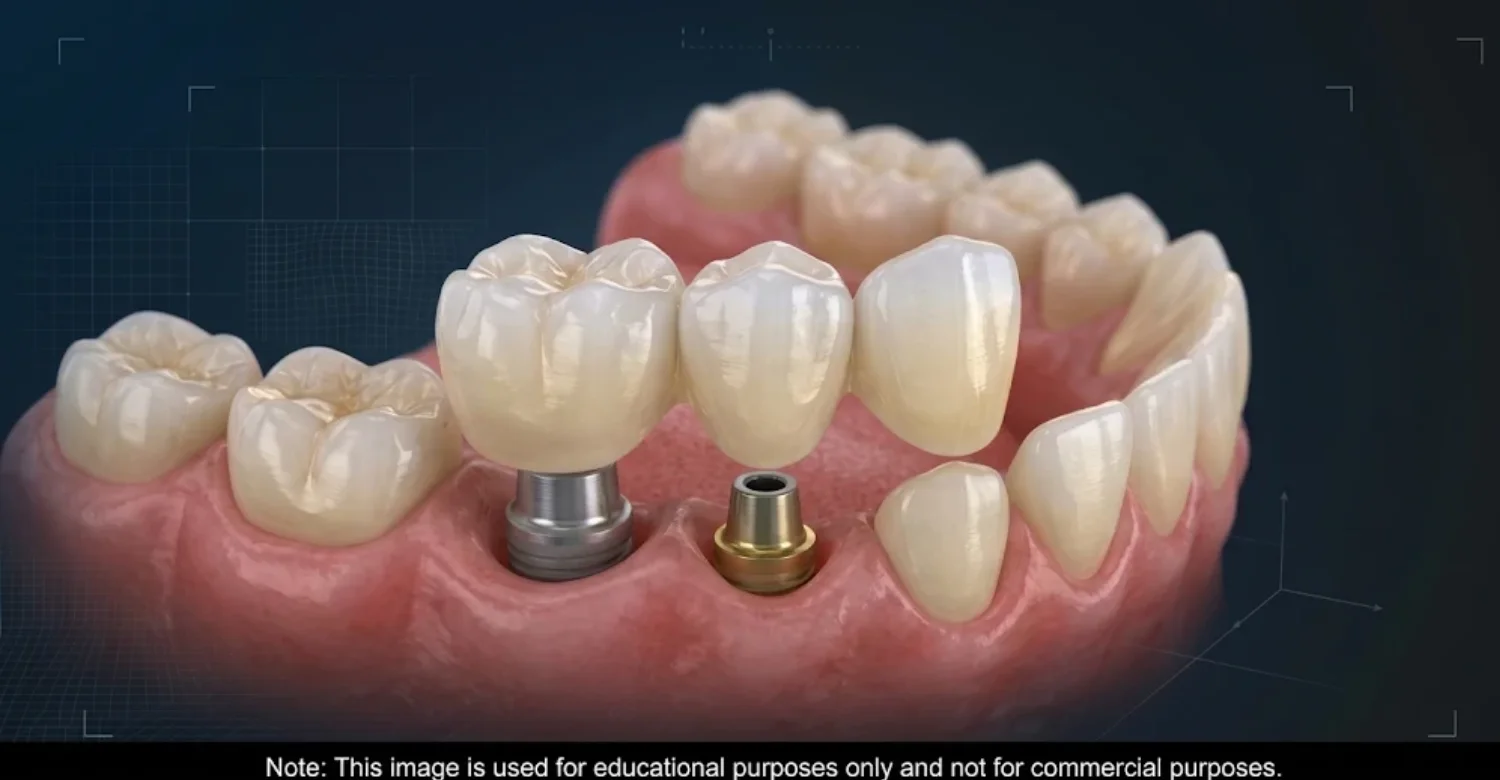
A zirconia dental bridge is a fixed ceramic restoration that replaces missing teeth using connected crowns and artificial teeth. The supporting crowns are called abutments, while the replacement tooth is known as a pontic. Together, they restore the appearance and function of the missing tooth. The design depends on the number of missing teeth and the available support.
How Does a Fixed Zirconia Bridge Work?
A fixed zirconia bridge fills a gap with an artificial tooth supported by crowns attached to prepared natural teeth or implant abutments. The pontic occupies the missing tooth's space, restoring the chewing surface and dental appearance. Its stability depends on accurate preparation, healthy supporting structures, and proper bite adjustment.
What Makes a 3-Unit Zirconia Dental Bridge Different?
A three-unit bridge replaces one missing tooth using three connected components:
Two Abutment Crowns: Cover the neighbouring supporting teeth.
One Pontic: Fills the missing tooth's space.
A zirconia dental bridge Turkey treatment may suit patients with strong supporting teeth and healthy gums. Replacing several missing teeth may require a different bridge design.
Monolithic vs Layered Zirconia: Which Design Suits Your Smile?
Monolithic Zirconia: Milled from one solid zirconia block without a separate ceramic layer. It offers structural strength.
Layered Zirconia: Features a zirconia framework covered with aesthetic ceramic, allowing additional translucency and characterisation. However, the outer ceramic layer may chip under excessive forces.
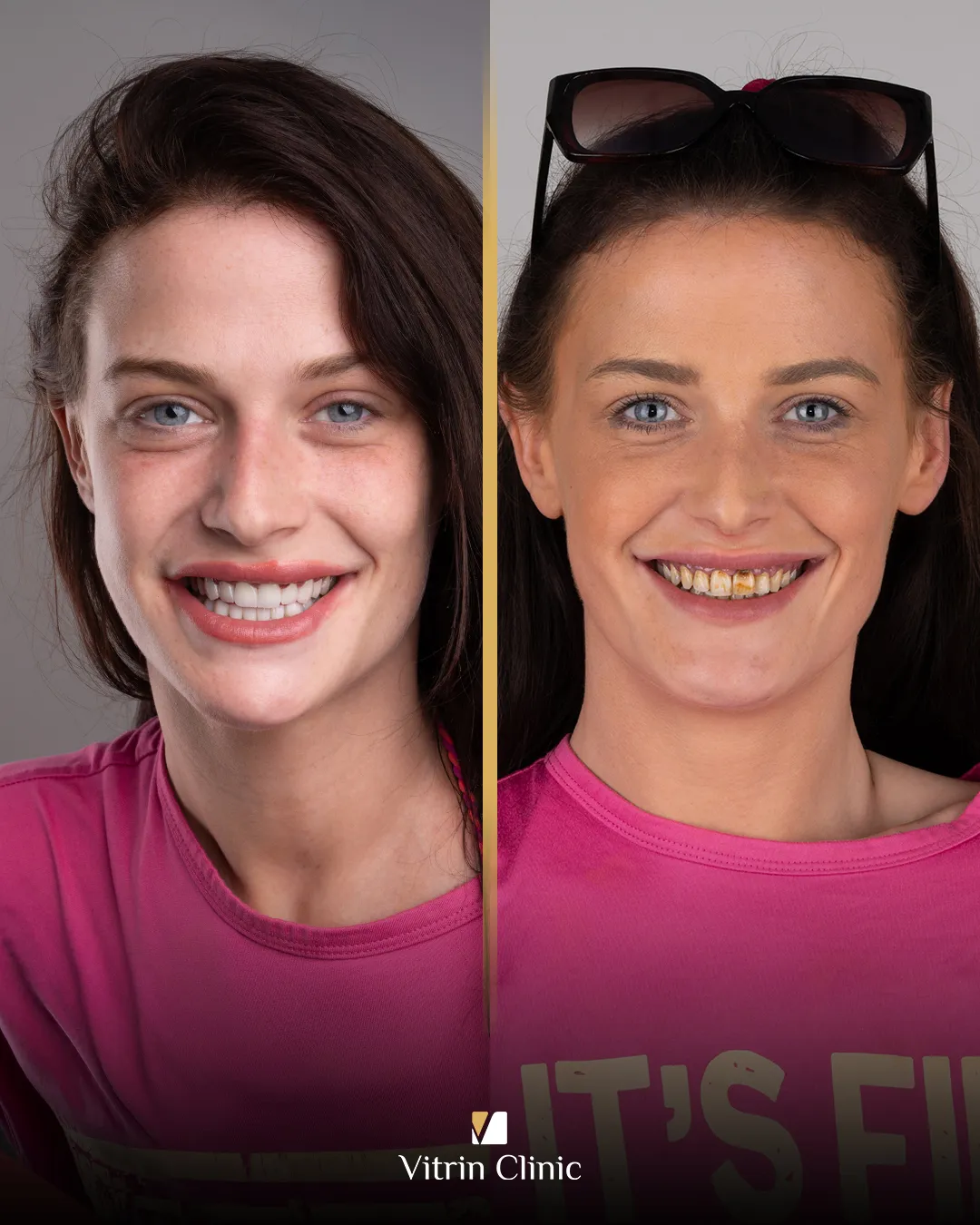
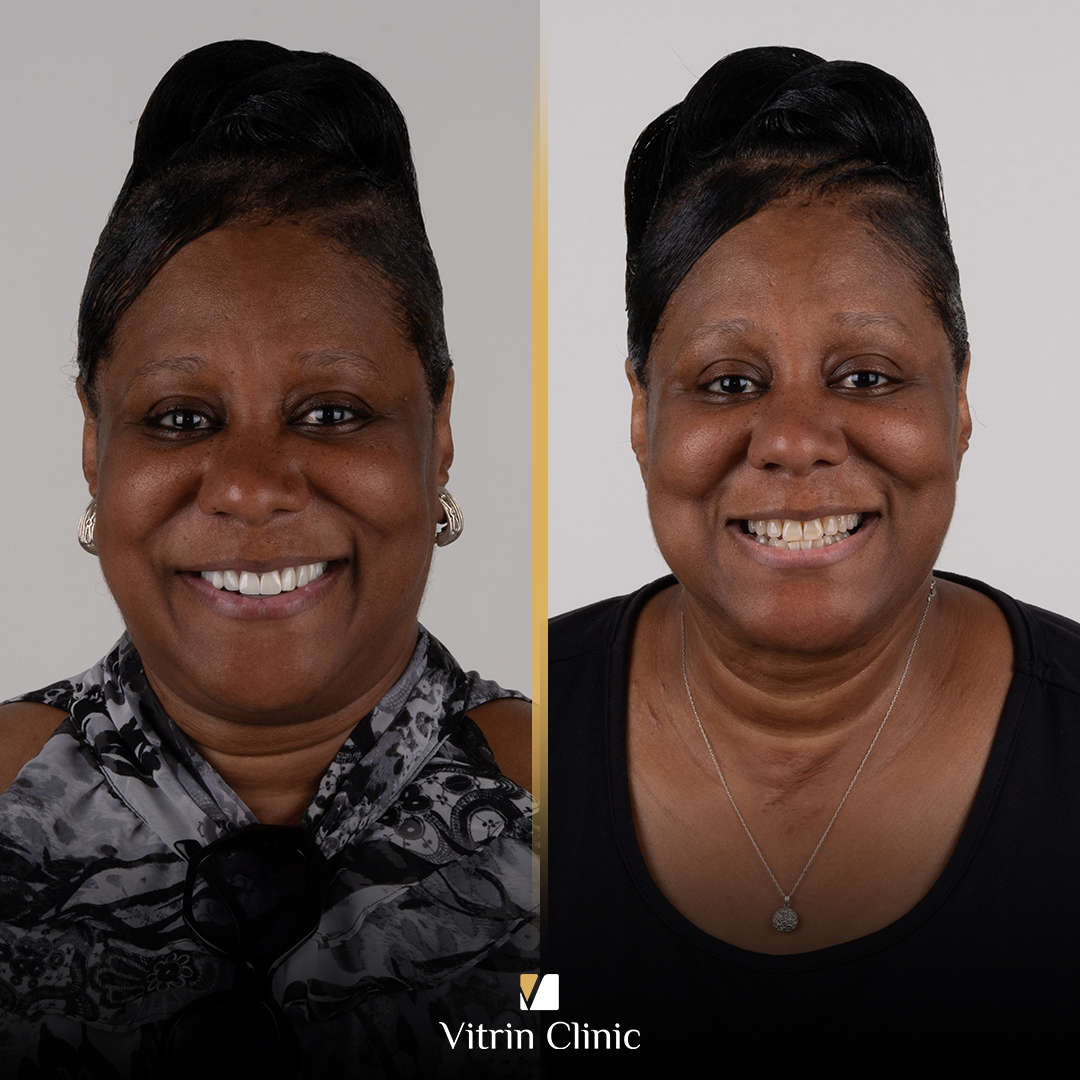
.jpg)
.jpg)
.jpg)
.jpg)
What Are the Different Types of Zirconia Dental Bridges?
Zirconia dental bridges come in different designs depending on how they are supported and manufactured. The main options include traditional tooth-supported, full zirconia, and implant-supported bridges. The right choice depends on missing teeth, supporting structures, and clinical findings.
Which Zirconia Bridge Design Is Right for You?
Traditional Zirconia Bridges: Use neighbouring natural teeth as supports. They may suit patients whose supporting teeth already need crowns, but preparation removes natural tooth structure.
Full Zirconia Bridges: Use zirconia throughout the main restoration without a metal framework. Their strength makes them suitable for selected cases, depending on tooth position and bite forces.
Implant-Supported Zirconia Bridges: Attach to dental implants rather than natural teeth. They avoid preparing neighbouring teeth but require suitable bone, healthy tissues, and appropriate surgical planning.
Monolithic vs Layered Zirconia: What Is the Difference?
Monolithic Zirconia | Layered Zirconia |
Made from one solid zirconia block | Zirconia framework covered with aesthetic ceramic |
Generally lower risk of veneering ceramic chipping | Allows greater surface characterisation |
Often selected for strength | May offer enhanced aesthetic detail |
Suitable for selected functional demands | Outer ceramic may chip or fracture |
Are Cantilever and Maryland Bridges Also Options?
Cantilever Bridges: Use one supporting tooth instead of two. Their suitability depends on bite forces and tooth position.
Maryland Bridges: Use bonded wings attached behind neighbouring teeth. They generally require less tooth preparation but have different retention and functional limitations.
These designs are not suitable for every missing-tooth situation. A clinical examination helps determine the most appropriate option.
Is Zirconia a Good Material for Dental Bridges?
Zirconia is a ceramic widely used in fixed dental restorations. Its strength makes it suitable for selected multi-unit bridges. However, long-term success also depends on bridge design, supporting teeth, laboratory quality, and oral hygiene.
What Makes Zirconia Strong, Durable, and Aesthetic?
Zirconia offers high fracture resistance compared with several other dental ceramics. Monolithic designs also reduce the risk of complications from separate veneering layers. Modern grades provide different translucency levels, allowing dentists to balance natural appearance with the strength required for each tooth position.
Is Zirconia Biocompatible with Gum Tissue?
Dental zirconia is generally considered biocompatible and contains no metal framework. However, healthy gums also depend on accurate margins, suitable contours, and effective plaque control. Poorly fitted restorations or inadequate cleaning can still irritate surrounding tissues.
What Are the Advantages and Disadvantages of Zirconia Bridges?
Advantages
Tooth-coloured appearance without a metal framework.
High strength for selected restorative cases.
Monolithic designs reduce veneering ceramic chipping.
Customisable shades and shapes.
Fixed restoration that requires no daily removal.
Disadvantages
Tooth-supported designs require preparation of supporting teeth.
Certain fractures can be difficult to repair.
Layered zirconia may experience ceramic chipping.
Poor hygiene can increase the risk of decay around supporting teeth.
Initial costs may exceed those of simpler restorative options.
Which Zirconia Grade Is Best for Your Bridge?
Zirconia grades vary in composition, strength, and translucency. Stronger options may suit posterior restorations, while more translucent grades can improve the appearance of visible teeth. Multilayer zirconia offers variations in shade within one restoration. The appropriate choice depends on bridge position, bite forces, aesthetic needs, and available space.
Who Is Suitable for Zirconia Dental Bridges?
Patients with missing teeth may be suitable for a fixed zirconia bridge after clinical evaluation. Dentists examine supporting teeth, gum health, bone support, and bite forces before recommending treatment. Choosing a zirconia dental bridge Turkey option should depend on these findings, not material preference alone.
Can Zirconia Bridges Replace Multiple Missing Teeth?
Yes, zirconia bridges can replace several missing teeth in selected cases. However, longer bridges place greater demands on their supporting teeth or implants. Dentists consider the gap length, support available, and bite forces before choosing this design.
What Factors Can Affect Bridge Suitability?
Several conditions may affect treatment planning:
Active gum disease or unstable periodontal support.
Extensive decay in supporting teeth.
Insufficient remaining tooth structure.
Uncontrolled teeth grinding or clenching.
Limited space for the restoration.
Poor oral hygiene or untreated dental infections.
Some conditions require treatment before bridge placement. Others may make an alternative restoration more appropriate.
When Is an Implant-Supported Bridge More Suitable?
An implant-supported bridge may be considered when neighbouring teeth are healthy and suitable for preservation. It avoids preparing them for supporting crowns. However, implant treatment requires adequate bone, suitable gum health, and appropriate surgical planning. Healing time and any additional procedures can also affect the treatment schedule.
Dental Bridge vs Implant: Which Option Should You Consider?
A conventional bridge uses neighbouring natural teeth for support, while an implant-supported bridge attaches to dental implants.
Conventional bridge: Avoids implant surgery but requires preparation of supporting teeth.
Implant-supported bridge: Avoids preparing neighbouring teeth but involves surgery and healing.
The most suitable option depends on oral health, anatomy, bite forces, treatment costs, and individual circumstances.
Ready to transform your smile?
Talk to our team and get a personal FREE treatment plan.
Zirconia Bridge vs Porcelain Bridge: Which Is Better?
Zirconia and porcelain bridges differ in composition, strength, and appearance. The right choice depends on the tooth position, bite forces, and aesthetic priorities. Neither material is ideal for every case. A zirconia dental bridge Turkey evaluation should consider these factors alongside available space and supporting structures.
How Do Zirconia and Porcelain Differ in Strength and Appearance?
Zirconia offers a strong ceramic option for fixed bridges. Porcelain covers several types of dental ceramics with different mechanical properties. Some porcelain materials provide excellent optical characteristics, while modern zirconia grades offer varying levels of translucency. The best choice balances appearance with functional demands.
Monolithic Zirconia vs Porcelain-Fused-to-Metal Bridges
Monolithic zirconia: Made entirely from zirconia, without a metal framework or separate porcelain layer. This reduces the risk of veneering ceramic chipping.
Porcelain-fused-to-metal (PFM): Combines a metal framework with an outer porcelain layer. It has established clinical use, but the porcelain may chip and metal margins can sometimes become visible.
Both options require accurate fitting, appropriate preparation, and regular maintenance.
Which Material Is Better for Front and Back Teeth?
Front teeth require careful shade matching and translucency for a natural appearance. Back teeth experience greater chewing forces, so strength becomes especially important. More translucent zirconia may suit visible areas, while stronger grades may be considered for selected posterior bridges. Final material selection depends on bite conditions, restoration design, and aesthetic requirements.
How Is a Zirconia Dental Bridge Procedure Performed in Turkey?
A zirconia bridge procedure typically involves examination, tooth preparation, digital scanning, laboratory fabrication, and final placement. The exact steps depend on the bridge design and individual clinical needs. For international patients, treatment dates should be arranged after suitability is confirmed.
What Happens During the Initial Examination?
The dentist examines the missing area, neighbouring teeth, gums, and bite. Digital dental X-rays may help assess tooth roots and supporting bone. Additional imaging is used when clinically necessary. These findings guide the treatment plan and identify any issues requiring attention before restoration.
How Are the Supporting Teeth Prepared?
For a conventional tooth-supported bridge, the dentist reshapes the supporting teeth. A controlled amount of enamel and dentine is removed to create space for the crowns. The preparation must provide suitable retention and support. Existing fillings and possible decay are also evaluated.
How Does Digital Scanning and Bridge Design Work?
An intraoral scanner captures digital impressions of the prepared teeth and surrounding structures. The dentist also records the bite relationship. Digital design software helps plan the bridge's shape, dimensions, and fit. Laboratory technicians use these records to manufacture the restoration.
Is a Temporary Bridge Needed During Fabrication?
A temporary bridge may protect prepared teeth while the final restoration is being made. It also helps maintain appearance and everyday function. Meanwhile, laboratory technicians manufacture the zirconia bridge using the selected material grade. Shade and shape requirements are considered during fabrication.
How Is the Final Bridge Fitted and Cemented?
The dentist checks the bridge's fit, margins, contact points, and bite before final placement. Minor adjustments may be needed to ensure comfortable contact. Once approved, the restoration is secured with suitable dental cement. The dentist then explains how to clean and maintain the bridge.
.jpg)
How Much Does a Zirconia Dental Bridge Cost in Turkey?
The cost of a three-unit zirconia bridge varies between countries and clinics. The following figures are indicative estimates, not guaranteed treatment quotes.
What Is the Average Cost of a 3-Unit Zirconia Bridge in the US, UK, and Turkey?
UK
Estimated Price: $1,500 – $3,500
Estimated price
Estimated price: $1,500 – $3,500
Private UK clinic standard rate
Domestic specialist treatment plan
Turkey
Estimated Price: $650 – $2,100
Estimated price
Estimated price: $650 – $2,100
Up to ~60–70% savings vs. US/UK
Full-service accredited clinic care
US
Estimated Price: 2,000–5,000
Estimated price
Estimated price: 2,000–5,000
US private clinic standard rate
Highest domestic private expense
What Factors Affect Zirconia Bridge Prices?
Several factors influence the final cost:
Number of bridge units.
Zirconia grade and restoration design.
Laboratory requirements and customisation.
Supporting tooth treatment or additional imaging.
Temporary restorations and follow-up care.
Implant surgery, if an implant-supported design is required.
Request an itemised estimate before treatment so you understand the expected costs and any potential additional procedures.
What Is Included in a Zirconia Dental Bridge Package in Turkey?
Treatment packages vary between clinics. Confirm whether the quoted price covers:
Initial consultation and clinical examination.
Necessary dental imaging.
Tooth preparation and temporary restorations.
Laboratory fabrication and final bridge placement.
Follow-up appointments.
Ask separately about accommodation, airport transfers, and other travel arrangements. A written estimate should clearly identify what is included and excluded.
How Long Does a Zirconia Dental Bridge Last?
A zirconia dental bridge Turkey restoration can last for many years, but its lifespan varies between patients. Supporting tooth health, bridge design, bite forces, and daily maintenance all influence long-term performance. No specific lifespan can be guaranteed.
What Factors Affect the Lifespan of a Zirconia Bridge?
Several factors influence durability:
Healthy gums and stable supporting teeth.
Accurate tooth preparation and restoration fit.
Consistent oral hygiene and professional maintenance.
Teeth grinding or clenching.
Bridge length and structural design.
Regular dental examinations.
Decay around supporting teeth or loss of retention can also compromise the restoration. Early evaluation may help identify problems before they worsen.
How Can You Maintain a Zirconia Dental Bridge?
Good daily hygiene helps protect supporting teeth and surrounding gums.
Brush twice daily with a soft toothbrush.
Clean beneath the artificial tooth using suitable interdental aids.
Follow your dentist's cleaning recommendations.
Attend regular dental examinations and professional cleanings.
Avoid biting hard objects or using teeth to open packaging.
What Signs Indicate a Zirconia Bridge Needs Attention?
Contact your dentist if you notice:
Persistent sensitivity around supporting teeth.
Bleeding or swollen gums.
Food frequently collects beneath the bridge.
Visible cracks or ceramic chips.
Persistent unpleasant taste or bad breath.
Changes in chewing comfort or bridge stability.
These signs do not automatically mean replacement is necessary. A clinical examination is needed to identify the cause and determine whether repair or replacement is appropriate.
What Problems Can Develop After Getting a Zirconia Bridge?
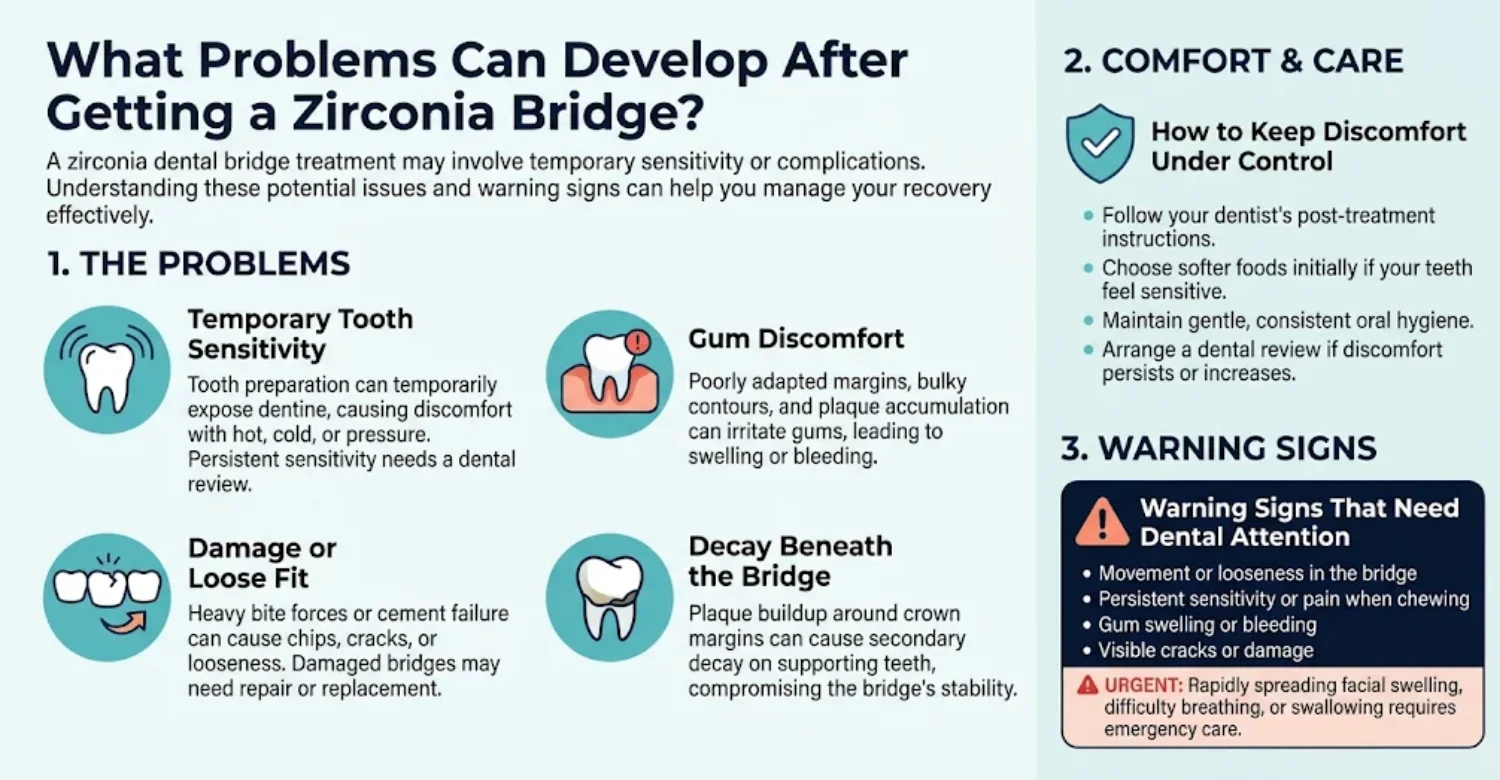
A zirconia dental bridge Turkey treatment may involve temporary sensitivity or restoration-related complications. These can result from tooth preparation, inaccurate fit, or excessive bite pressure. Careful planning and proper maintenance help reduce potential risks.
Why Might Your Teeth Feel Sensitive After Preparation?
Tooth preparation can temporarily expose sensitive dentine, causing discomfort with hot, cold, or pressure. Sensitivity that persists or worsens needs dental review to identify possible inflammation, cracks, or other problems.
What Can Cause Gum Discomfort Around a Zirconia Bridge?
Poorly adapted margins, bulky contours, and plaque accumulation may irritate surrounding gums. Professional adjustments and effective cleaning can help. Persistent bleeding or swelling should be examined by a dentist.
Can a Zirconia Bridge Crack or Lose Its Stability?
Yes. Heavy bite forces, trauma, or design problems may cause mechanical damage. Layered zirconia can develop surface chips, while cement failure may cause the bridge to loosen. Significant damage may require repair or replacement.
Can the Supporting Teeth Develop Decay Beneath the Bridge?
Yes. Plaque accumulation around crown margins can lead to secondary decay, particularly when cleaning is inadequate. This may compromise the supporting teeth and restoration stability. Regular dental examinations help detect early changes.
What Can Help Keep Discomfort Under Control?
Follow your dentist's post-treatment instructions.
Choose softer foods initially if your teeth feel sensitive.
Maintain gentle, consistent oral hygiene.
Arrange a dental review if discomfort persists or increases.
Which Warning Signs Mean Your Bridge Needs Attention?
Seek dental advice if you experience:
Movement or looseness in the bridge.
Persistent tooth sensitivity.
Gum swelling or bleeding.
Pain or discomfort during chewing.
Visible cracks or restoration damage.
Rapidly spreading facial swelling requires urgent medical attention. Difficulty breathing or swallowing requires emergency care.
.jpg)
.jpg)
What Should Dentists Consider When Planning Zirconia Bridges?
Successful bridge treatment involves more than choosing a restorative material. A zirconia dental bridge Turkey treatment requires careful evaluation of supporting teeth, gum health, bite forces, and restoration design. These findings help determine suitability and guide long-term maintenance.
Why Is Supporting Tooth Health Important?
Supporting teeth carry chewing forces throughout the restoration. Their roots, gum support, and remaining tooth structure must be evaluated. Untreated decay or unstable gum disease can compromise the bridge. Existing fillings and restorations may also influence preparation.
How Do Bite Forces and Bridge Design Affect Durability?
Bite forces determine how pressure travels through the bridge and its supporting structures. Grinding and clenching can increase mechanical stress, while longer bridges create additional structural demands. Dentists evaluate bite contacts, available space, and support before selecting a design.
Why Does Missing Tooth Position Influence Bridge Selection?
Front teeth have different aesthetic requirements from back teeth, which experience greater chewing forces. The number and position of missing teeth also affect restoration design. Supporting tooth condition and available bone further influence the available options. One design cannot suit every case.
Clinical Perspective: Dr. Rifat Alsaman on Zirconia Bridge Selection
Dr. Rifat Alsaman, Head of the Medical Team at Vitrin Clinic, emphasises individual evaluation when planning restorative treatment.
Material selection should follow clinical findings, not trends alone. Supporting tooth health, gum stability, bite pressure, and available tooth structure all influence the treatment decision.
What Should Be Checked Before Final Bridge Placement?
Before cementation, the dentist should evaluate:
Marginal fit around supporting teeth.
Contact with neighbouring teeth.
Bite balance during chewing.
Restoration contours and gum clearance.
Shade and surface appearance.
Patient comfort during fitting.
These checks help identify necessary adjustments before the bridge is permanently secured.
What Should You Know Before Choosing a Zirconia Dental Bridge in Turkey?
International patients should understand the treatment plan before travelling. A zirconia dental bridge Turkey treatment requires proper clinical evaluation, realistic scheduling, and clear aftercare arrangements. Comparing materials, costs, and clinic experience helps support an informed decision.
What Should You Ask About Zirconia Quality?
Which zirconia manufacturer and grade will be used?
Is the bridge monolithic or layered?
Can the clinic provide material documentation?
Which laboratory will fabricate the restoration?
Avoid choosing a bridge based on price alone.
Why Is a Written Treatment Plan Important?
Request a plan outlining the proposed bridge design, supporting teeth, and any additional procedures. Confirm estimated costs, temporary restorations, and follow-up arrangements. Ask how changes to the original plan will be handled if the clinical examination reveals new findings.
How Should You Maintain Oral Hygiene Around a Bridge?
Clean beneath the artificial tooth using specialised floss or interdental brushes.
Brush supporting crowns carefully twice daily.
Pay particular attention to the gumline.
Follow your dentist's recommended cleaning technique.
Attend regular professional examinations.
What Should International Patients Know Before Travelling?
Share available dental records and radiographs for preliminary review. However, remote evaluation cannot confirm final suitability. Allow enough time for examination, laboratory fabrication, and fitting. Discuss possible additional procedures and arrange follow-up support before returning home.
How Can You Compare Dental Clinics in Turkey?
Consider the clinician's restorative experience and treatment-planning process. Ask who designs and places the final bridge. Check whether the clinic provides material details, itemised estimates, and clear aftercare arrangements. Prioritise clinical planning and transparent communication over promotional photographs alone.
At Vitrin Clinic: Personalised Zirconia Dental Bridge Treatment in Istanbul
At Vitrin Clinic, we plan each zirconia bridge around the patient's oral health and restorative needs. We begin by identifying the cause of tooth loss and evaluating the supporting structures. Treatment recommendations follow clinical findings, not material preference alone.
How Do We Evaluate Supporting Teeth Before Bridge Treatment?
Our dental team examines the supporting teeth, gums, and surrounding tissues to identify decay, periodontal problems, or structural weaknesses. Digital dental X-rays may be used when clinically appropriate. These findings help determine whether a conventional bridge is suitable or additional treatment is needed.
How Does Digital Scanning Support Personalised Bridge Planning?
We use digital scanning to capture the prepared teeth and surrounding dental structures. These records support accurate restoration design and laboratory communication. Our dentists also consider tooth shape, available space, and bite relationships before confirming the treatment plan.
How Do We Select the Right Zirconia Material?
We consider the bridge position, shade requirements, and functional demands when selecting zirconia. Monolithic and layered designs offer different characteristics. Our dental team discusses the available options and their suitability, balancing aesthetic expectations with structural requirements.
.jpg)
.jpg)
.jpg)
How Vitrin Clinic Supports Your Treatment Journey
At Vitrin Clinic, we support international patients throughout their dental journey:
Initial Consultation and Treatment Coordination
Review dental photographs and available radiographs.
Identify areas requiring further examination.
Discuss preliminary treatment options.
Provide an initial estimate when possible.
Confirm final recommendations after an in-person evaluation.
Digital Diagnostics and Personalised Planning
Examine supporting teeth and gum health.
Use appropriate digital imaging when needed.
Record restoration details for laboratory communication.
Tailor treatment plans to individual clinical findings.
Discuss additional procedures when necessary.
Treatment Scheduling and International Patient Support
Coordinate appointments and treatment stages.
Explain expected timelines and laboratory requirements.
Help organise practical travel arrangements.
Allow flexibility for additional procedures or adjustments.
Aftercare Guidance and Follow-Up
Provide bridge cleaning and maintenance instructions.
Explain warning signs that require dental review.
Discuss follow-up arrangements before departure.
Share relevant treatment records for continued monitoring with your local dentist.
Ready to transform your smile?
Talk to our team and get a personal FREE treatment plan.
Conclusion: Choosing the Right Zirconia Dental Bridge Turkey for Missing Teeth
Choosing a zirconia bridge requires more than comparing materials or prices. Supporting tooth health, gum stability, bite forces, and restoration design all influence suitability. Monolithic and layered zirconia offer different characteristics. A thorough examination helps identify the appropriate approach. Patients considering treatment abroad should request an itemised plan and clear aftercare arrangements. Individual clinical assessment remains the foundation of responsible restorative dentistry.
Reference
FAQs
A three-unit zirconia bridge may cost approximately 650–2,100. The final price depends on zirconia grade, laboratory requirements, and clinical complexity.
Dr. Rifat Alsaman has more than 5 years of clinical experience in dentistry and currently serves as the Head of the Medical Team at Vitrin Clinic. He is dedicated to providing exceptional patient care, overseeing treatment planning, and ensuring the highest clinical standards across the team. His expertise, attention to detail, and commitment to continuous professional development have helped countless patients achieve healthier, more confident smiles.


