General Dentistry
September 9, 2026
Opioids and Dental Pain: What are the Risks, Alternatives, and Safe Pain Relief ?
 Dr. Rifat Alsaman
Opioids and Dental Pain are often discussed when patients experience severe discomfort after extraction, oral surgery, or other dental procedures. However, opioids are not usually the first choice for managing acute dental pain. Current dental guidelines recommend non-opioid options, particularly NSAIDs such as ibuprofen or naproxen, with or without acetaminophen when medically appropriate. These medications can effectively control many types of postoperative dental pain while avoiding several opioid-related risks. Opioids may still have a limited role when severe pain cannot be adequately controlled with appropriate alternatives. Potential concerns include sedation, nausea, respiratory depression, misuse, and dependence. Safe pain relief should also address the underlying dental problem rather than simply masking symptoms. A personalized dental assessment helps determine the safest treatment approach for each patient.
What Are Opioids and How Do They Relate to Dental Pain?
Opioids are prescription medicines that can reduce moderate to severe pain by acting on opioid receptors in the nervous system. Opioids and Dental Pain are connected because some dental procedures can cause short-term postoperative discomfort. However, opioids are not automatically required whenever dental pain occurs. Dental pain often involves inflammation, tissue injury, infection, or pressure around a tooth. Non-opioid medicines can therefore provide effective relief for many patients. Treatment should address the underlying dental problem rather than only suppressing symptoms. Dentists may consider medical history, procedure type, expected pain intensity, and other medications before recommending analgesics. The American Dental Association generally supports non-opioid medicines as the preferred option for many acute dental pain situations. Appropriate prescribing can help balance pain control with medication safety.
What Are Opioids Used for in Dentistry?
Dentists may prescribe opioids when pain is expected to be severe or when other appropriate treatments do not provide sufficient relief. This connection therefore requires individualized clinical judgment rather than routine prescribing. Opioids can reduce the perception of pain through effects on the central nervous system. They may occasionally be considered after extensive oral surgery or particularly painful procedures. However, dentists generally aim to use the lowest effective dose for the shortest appropriate duration. Common opioid-related effects include drowsiness, nausea, constipation, and dizziness. More serious concerns include respiratory depression, misuse, and dependence. Combining opioids with alcohol or certain sedating medicines can increase safety risks. Patients should follow the prescribed instructions carefully and never share opioid medication with another person.
When Are Opioids Considered for Dental Pain?
Opioids may be considered when anticipated acute dental pain is severe and non-opioid treatment is inadequate or unsuitable. This relationship should always be evaluated according to the individual patient's circumstances. Dentists may consider factors such as the extent of surgery, expected tissue trauma, previous analgesic response, and relevant medical history. A patient taking certain medications may also require additional precautions. Current dental pain guidance emphasizes non-opioid analgesics for many acute dental conditions. When an opioid is considered necessary, clinicians generally seek to minimize exposure while maintaining adequate pain control. Patients should never increase the prescribed dose independently. Persistent pain despite medication can indicate infection, dry socket, inadequate healing, or another underlying problem. A dental examination may therefore be more important than simply increasing analgesic strength.
Why Are Opioids Not Usually the First Choice for Dental Pain?
Opioids are not usually the first choice because many acute dental conditions respond well to non-opioid analgesics. Opioids and Dental Pain management often focuses on reducing inflammation while controlling the patient's discomfort. NSAIDs such as ibuprofen can target inflammatory mechanisms that contribute substantially to dental pain. Acetaminophen can also provide analgesic effects and may be used when appropriate. Evidence reviewed by dental organizations indicates that non-opioid medicines can provide effective pain relief after many dental procedures. Opioids also carry risks that include sedation, constipation, nausea, misuse, and respiratory depression. The risk-benefit balance therefore favors non-opioid options for many patients. Treatment of the underlying dental cause remains essential. Patients should discuss allergies, stomach problems, kidney disease, liver disease, pregnancy, and other relevant conditions before taking pain medication.
Read more about bacteria in the mouth
Are Opioids Effective for Dental Pain?
This link can involve effective pain reduction, but effectiveness does not automatically make opioids the best treatment. Opioids alter pain perception by acting on receptors within the central nervous system. However, dental pain frequently has a strong inflammatory component. Medicines targeting inflammation may therefore provide substantial relief for many patients. Research comparing analgesic approaches after dental procedures has found that combinations involving NSAIDs and acetaminophen can provide strong pain control. Opioids may still have a role for selected patients with severe acute pain. Their use should be individualized according to procedure severity and patient-specific risks. Dentists should also consider whether pain is expected to improve naturally as healing progresses. Increasing pain can indicate a complication requiring dental assessment rather than stronger medication.
How Do Opioids Relieve Dental Pain?
Opioids relieve pain primarily by binding to opioid receptors located throughout the nervous system. Opioids and Dental Pain are therefore related through the way these medicines modify pain signaling. Activation of opioid receptors can reduce the transmission and perception of painful signals. This effect can make severe acute pain feel less intense. However, opioids do not remove the dental cause producing the pain. For example, an infected tooth may continue to require dental treatment even when an opioid temporarily reduces discomfort. Opioids can also produce sedation and other unwanted effects. Their effects vary between individuals because metabolism, tolerance, other medications, and health conditions can influence response. Patients should therefore use only medication prescribed or specifically recommended for them. Severe or persistent dental pain requires evaluation of the underlying cause.
How Effective Are Opioids for Postoperative Dental Pain?
Opioids can reduce postoperative discomfort, particularly when pain is severe. However, Opioid-related dental pain research increasingly supports non-opioid approaches for many routine dental procedures. NSAIDs can reduce inflammation caused by tissue injury, while acetaminophen provides additional analgesic effects. Combining appropriate non-opioid medicines may sometimes provide greater benefit than using an opioid alone. Evidence from randomized clinical trials involving dental surgery has contributed to recommendations favoring NSAIDs, alone or with acetaminophen, for many patients. Opioids may remain appropriate when contraindications prevent non-opioid treatment or when pain remains inadequately controlled. Prescribing decisions should consider the procedure and patient's medical history. Patients should also understand that postoperative pain typically changes as healing progresses. Unexpectedly worsening pain should prompt contact with the dental team.
Ibuprofen vs Opioids for Dental Pain
Ibuprofen and opioids work through different mechanisms, making the comparison clinically important. Opioid-related dental pain management often favors ibuprofen when inflammation contributes substantially to postoperative discomfort. Ibuprofen is an NSAID that reduces prostaglandin production involved in inflammation and pain. Opioids primarily change how the nervous system perceives painful signals. Dental research has found NSAIDs can provide strong relief after procedures such as tooth extraction. Opioids may produce more adverse effects, including nausea, drowsiness, constipation, and respiratory depression. Ibuprofen is not appropriate for everyone because certain gastrointestinal, kidney, cardiovascular, bleeding, or medication-related factors can affect safety. A dentist or healthcare professional should determine whether an NSAID is suitable. Patients should also avoid exceeding recommended doses or combining medicines without professional guidance.
Why NSAIDs May Be Preferred for Inflammatory Dental Pain
NSAIDs may be preferred because inflammation is an important component of many dental pain conditions. Opioids and Dental Pain management can benefit from treatments that address the biological mechanism producing discomfort. NSAIDs reduce cyclooxygenase activity and decrease prostaglandin production. This action can reduce inflammation, swelling, and pain following dental procedures. Clinical evidence has shown that NSAIDs can provide effective acute dental pain relief. Their effectiveness may also reduce the need for opioid exposure in appropriate patients. However, NSAIDs have contraindications and potential adverse effects. Patients with certain stomach, kidney, cardiovascular, bleeding, or medication-related conditions may require alternatives. Professional assessment is especially important when patients take anticoagulants or multiple medications. The appropriate medicine depends on the individual's health profile and the specific dental procedure.
The Role of Acetaminophen for Tooth Pain
Acetaminophen can provide useful analgesic effects for many patients experiencing acute dental discomfort. Opioid-related dental pain treatment may include acetaminophen when an opioid is unnecessary or when additional non-opioid analgesia is appropriate. Acetaminophen does not work primarily as an anti-inflammatory medicine. Its principal benefit is reducing pain and fever through central mechanisms. Evidence suggests that combining acetaminophen with an NSAID can provide effective relief for many acute dental pain situations. This combination may reduce reliance on opioid medicines when clinically appropriate. However, acetaminophen can cause serious liver injury when excessive amounts are taken. Patients should check combination products because some prescription medicines already contain acetaminophen. People with liver disease or significant alcohol exposure should seek professional advice before using it.
Clinical Note: Choosing the Right Dental Pain Medication
Choosing medication requires consideration of the procedure, expected pain, medical history, allergies, and current medicines. Opioid-related dental pain decisions should focus on achieving adequate relief with the lowest reasonable risk. Dentists commonly consider NSAIDs when inflammation is expected to contribute significantly. Acetaminophen may provide another option or complement an NSAID when appropriate. Opioids may be reserved for selected situations involving severe pain or limited alternatives. Patients should provide their dentist with an accurate medication history. Conditions affecting the stomach, kidneys, liver, breathing, or bleeding risk can influence medication selection. Previous opioid exposure may also affect prescribing considerations. At Vitrin Clinic, individualized treatment planning can help align postoperative pain management with the procedure and patient needs. Any unexpected reaction, worsening pain, or concerning symptoms should be discussed promptly with the treating dental team.
Learn more about bacteria on teeth
Opioid Pain Relief After Tooth Extraction
After tooth extraction, discomfort is expected as the tissues begin healing. Opioids and Dental Pain management should usually emphasize appropriate non-opioid analgesics when medically suitable. Pain often reaches its highest level during the first day or two before gradually improving. The amount of discomfort depends on the extraction difficulty, tissue trauma, inflammation, and individual pain sensitivity. Simple extractions may cause relatively mild discomfort, while surgical extractions can produce greater soreness and swelling. Dentists may recommend an NSAID, acetaminophen, or an appropriate combination when there are no contraindications. Opioids may occasionally be considered for selected patients with severe pain. Patients should follow the exact medication instructions provided by their dental team. Persistent or worsening pain can indicate complications requiring examination rather than stronger medication.
What Is Normal Pain After a Tooth Extraction?
Normal extraction discomfort usually develops after the local anesthetic wears off. This overall issue should not automatically be assumed necessary because postoperative soreness is part of normal healing. Pain can be accompanied by mild swelling, tenderness, and sensitivity around the extraction site. Symptoms often improve progressively over several days. Surgical extractions, including difficult wisdom tooth removal, may produce more substantial discomfort. Following postoperative instructions can support healing and improve comfort. Patients should avoid disturbing the blood clot because clot loss can contribute to dry socket. Pain that suddenly becomes intense after initially improving deserves dental evaluation. A bad taste, unpleasant odor, or pain radiating toward the ear can also occur with dry socket. Vitrin Clinic recommends contacting the treating dental team when symptoms do not follow the expected healing pattern.
When Are Opioids Used After Tooth Extraction?
Opioids may sometimes be considered when extraction-related pain is severe and appropriate non-opioid treatment is insufficient. This topic after extraction should therefore be evaluated individually rather than treated with routine opioid prescriptions. The difficulty of the extraction, expected postoperative pain, medical history, and previous medication response can influence the decision. Current dental recommendations generally encourage non-opioid medicines as the initial approach for many acute dental procedures. If an opioid is prescribed, patients should use only the amount and duration directed by their clinician. They should not combine opioids with alcohol or unapproved sedating substances. Patients should also avoid driving if medication causes drowsiness or impaired alertness. Severe pain that persists despite prescribed treatment should be reported because an underlying complication may require treatment.
Opioid Use After Wisdom Tooth Extraction
Wisdom tooth removal can cause moderate postoperative pain because surgical extraction may involve significant tissue manipulation. Opioids and Dental Pain after wisdom tooth extraction should be managed according to the procedure and individual risk factors. Evidence supports NSAIDs, with or without acetaminophen, as effective options for many patients after third-molar surgery. Opioids may be considered when pain remains inadequately controlled or when non-opioid medicines are unsuitable. The treatment plan should also account for swelling, limited mouth opening, and difficulty eating. Patients should follow instructions regarding medication timing, oral hygiene, diet, and physical activity. Taking more medication than prescribed does not necessarily improve recovery. Unexpectedly severe pain, increasing swelling, fever, or difficulty swallowing requires prompt professional assessment. These symptoms may indicate infection or another postoperative complication.
How Long Can Postoperative Dental Pain Last?
Postoperative dental pain commonly decreases as the extraction site or surgical area heals. This clinical picture should therefore be considered within the expected recovery pattern rather than based solely on the first painful hours. Many patients experience the greatest discomfort during the initial postoperative period. Pain should generally trend downward rather than continuously intensify. Recovery time varies according to the procedure, tissue trauma, infection status, and individual healing response. Wisdom tooth surgery may require a longer recovery than a straightforward extraction. Dry sockets can cause significant pain several days after extraction. Infection may also produce worsening pain accompanied by swelling or systemic symptoms. Patients should contact their dentist when pain becomes progressively worse, returns strongly after improving, or does not respond to the recommended treatment plan.
Dr. Rifat Alsaman’s Opinion on Tooth Extraction Pain Relief
Dr. Rifat Alsaman emphasizes that postoperative comfort should begin with appropriate diagnosis and individualized treatment planning. Opioids and Dental Pain should not be approached as a simple choice between strong and weak medication. The procedure itself, inflammation, healing stage, and patient medical history can influence pain intensity. Non-opioid analgesics may provide effective relief for many routine extractions when medically appropriate. Opioids can introduce additional risks and should therefore be considered carefully. Patients should also understand that medication cannot correct complications such as infection or dry socket. At Vitrin Clinic, postoperative instructions can help patients recognize expected symptoms and warning signs. Prompt communication with the dental team allows complications to be assessed early. The goal is effective pain control while supporting safe recovery and minimizing unnecessary medication exposure.
Explore more on bacteriophage therapy for gum disease
Opioids After Dental Surgery
Dental surgery can produce temporary inflammation and tissue sensitivity. This balance following surgery should be managed through a structured plan based on expected pain and individual safety factors. Procedures involving bone removal or extensive soft-tissue manipulation can cause greater postoperative discomfort. However, pain intensity does not automatically determine whether an opioid is required. NSAIDs and acetaminophen can provide effective non-opioid analgesia for many patients. Local measures, appropriate oral hygiene, cold therapy, and dietary adjustments can also support comfort. Opioids may have a limited role for carefully selected patients. Dentists should provide clear instructions about dosing and medication duration. Patients should contact their dental team if pain becomes unexpectedly severe or symptoms suggest infection or another complication.
Which Dental Procedures May Cause Significant Pain?
Several dental procedures can produce substantial short-term postoperative discomfort. This broader question may arise after surgical extractions, complex wisdom tooth removal, periodontal surgery, bone grafting, or certain oral surgical procedures. Pain severity depends on the amount of tissue manipulation and the patient's individual response. Surgical procedures involving bone can cause greater inflammation than simple restorative treatments. Nevertheless, significant pain does not automatically require opioid medication. Evidence-based dental pain management frequently uses NSAIDs and acetaminophen when appropriate. Local anesthetic techniques can also reduce discomfort during and immediately after procedures. Patients should receive procedure-specific postoperative instructions before leaving the clinic. Understanding expected pain patterns can prevent unnecessary concern while helping patients identify symptoms requiring professional review.
How Is Pain Controlled After Dental Surgery?
Dental surgery pain is commonly managed through a combination of medication and supportive postoperative measures. Opioids and Dental Pain treatment should prioritize effective control while minimizing avoidable medication risks. NSAIDs can target inflammatory pain, while acetaminophen can provide additional analgesic effects. Some patients may benefit from both medicines when medically appropriate and correctly dosed. Local anesthetic techniques can provide important pain control during and immediately after treatment. Patients can also support recovery by following dietary, oral hygiene, and activity instructions. Cold applications may help reduce early swelling when recommended by the dental team. Opioids may be considered in selected cases where severe pain persists or non-opioid options are unsuitable. Every medication should be used according to professional instructions and individual safety considerations.
What Are the Risks of Prescription Opioids for Tooth Pain?
Prescription opioids can reduce severe acute pain, but they also carry clinically important risks. Opioid-related dental pain treatment should therefore balance expected benefit against potential harm. Short-term adverse effects can include nausea, constipation, dizziness, sleepiness, and impaired concentration. More serious opioid effects can include respiratory depression, particularly with excessive doses or dangerous combinations. Repeated exposure can also contribute to tolerance and physical dependence. Some patients may be vulnerable to misuse or opioid use disorder. Risk can increase when opioids are combined with alcohol, sedatives, or other central nervous system depressants. Patients should never use another person's prescription medication. Dentists should consider medical history, medication interactions, and individual risk factors before prescribing. Safe storage and appropriate disposal can reduce accidental exposure and unintended use.
Common Short-Term Side Effects
Short-term opioid side effects can affect patients even when medication is taken as prescribed. Opioid-related dental pain treatment may involve nausea, vomiting, constipation, dizziness, sleepiness, and reduced alertness. Some patients may experience confusion or difficulty concentrating. These effects can interfere with normal activities such as driving or operating machinery. Respiratory depression is a more serious concern and requires urgent attention. Risk can increase when opioids are combined with alcohol or sedating medications. Patients should follow prescribed dosing instructions and avoid taking additional doses without professional advice. Constipation can occur because opioids slow intestinal movement. Drinking appropriate fluids and following clinician recommendations may help manage mild symptoms. Any severe reaction, extreme sedation, breathing difficulty, or inability to remain awake requires urgent medical attention.
Tolerance and Dependence
Tolerance and dependence are different concepts that can occur with opioid exposure. Opioids and Dental Pain treatment should account for these risks even when medication is prescribed for acute discomfort. Tolerance means the body becomes less responsive to a medicine over time. Physical dependence means withdrawal symptoms can occur when regular opioid exposure is suddenly stopped. Dependence does not automatically mean addiction. Addiction involves compulsive use despite harmful consequences and includes behavioral changes. Short courses may reduce exposure compared with prolonged opioid therapy, although individual risk varies. Patients with previous opioid exposure may require additional consideration. Opioids should never be increased, extended, or stopped in a way that contradicts professional instructions. Dentists can help patients understand expected treatment duration and safer alternatives.
Clinical Note: Managing Severe Dental Pain Safely
Severe dental pain requires assessment of both symptoms and the underlying cause. This area of care should never replace diagnosis when pain is unusually intense or persistent. Severe discomfort may result from infection, abscess, traumatic injury, dry socket, or another dental condition. Analgesics can temporarily reduce symptoms but cannot eliminate an untreated infection or structural problem. Dentists may combine appropriate pain medication with definitive treatment of the source. Non-opioid medicines are often considered first when there are no contraindications. Opioids may have a limited role for selected patients with severe acute pain. Patients should seek prompt assessment when pain worsens despite treatment. Facial swelling, fever, difficulty swallowing, or breathing difficulty can indicate an urgent condition requiring immediate medical attention.
Discover more about bile acid malabsorption and dental health
What Are the Risks of Opioids for Dental Pain?
Understanding medication risks is an important part of responsible acute pain management. This clinical decision should be discussed alongside potential adverse effects, dependence, interactions, and safe storage. Opioids can cause sedation, nausea, constipation, dizziness, and impaired coordination. More serious complications can include respiratory depression and overdose. Risk may increase when opioids are combined with alcohol or other sedating substances. Repeated exposure can also contribute to tolerance and physical dependence. These risks do not mean opioids are never appropriate. They mean prescribing should be individualized and limited to situations where expected benefits outweigh potential harms. Many dental patients can achieve effective relief with non-opioid options. Treating the underlying dental condition is also essential for lasting improvement.
Can Opioids Cause Dependence After Dental Treatment?
Physical dependence can develop when the body adapts to repeated opioid exposure. Opioids and Dental Pain therefore require careful consideration even when treatment begins after a routine dental procedure. Dependence means stopping the medicine after continued exposure may produce withdrawal symptoms. The likelihood depends on factors such as duration, dose, frequency, and individual susceptibility. A short course for acute dental pain generally involves less exposure than prolonged opioid therapy. However, no medication should be considered completely risk-free. Patients with previous opioid exposure or other risk factors may require additional clinical consideration. Dentists can reduce unnecessary exposure by using non-opioid analgesics when appropriate and prescribing only the amount needed. Patients should never continue leftover medication simply because discomfort remains. Persistent pain should instead be evaluated for an underlying dental problem.
What Is the Difference Between Dependence and Addiction?
Dependence and addiction describe different medical concepts. Opioid-related dental pain discussions should distinguish physical dependence from opioid use disorder. Physical dependence involves physiological adaptation to repeated medication exposure. Withdrawal symptoms can occur if the medication is suddenly stopped after sufficient exposure. Addiction, clinically discussed as a substance use disorder, involves problematic patterns of use and impaired control. A person can become physically dependent without developing addiction. Conversely, addiction involves behavioral and psychological features beyond simple physical adaptation. Understanding this distinction helps patients avoid unnecessary fear while recognizing genuine medication risks. Dentists should consider individual history when prescribing controlled pain medicines. Patients who experience cravings, loss of control, escalating use, or continued use despite harm should seek professional medical support.
Dental Pain Relief and Opioid Risks
Effective pain relief requires balancing symptom control against medication-related risks. Opioids and Dental Pain should therefore be approached through individualized risk-benefit assessment. Dental pain often contains a substantial inflammatory component, making NSAIDs particularly useful when medically appropriate. Acetaminophen may provide additional analgesic benefits for suitable patients. Evidence from dental pain research supports non-opioid approaches for many acute postoperative situations. Opioids can still provide analgesia when severe pain cannot be adequately controlled through appropriate alternatives. However, sedation, constipation, impaired alertness, respiratory depression, and dependence remain important considerations. Patients should tell their dentist about all medications and relevant health conditions. They should also avoid sharing prescriptions or combining opioids with alcohol. Safe prescribing aims to achieve adequate comfort while minimizing unnecessary opioid exposure.
Why Should Unused Opioids Be Stored and Disposed of Safely?
Unused opioids should be handled carefully because leftover medication can create opportunities for accidental or unintended use. Opioid-related dental pain treatment may involve short prescriptions that leave medication after symptoms improve. Keeping unused tablets unsecured can expose children, visitors, or other household members. Sharing prescription opioids is unsafe because medication suitability depends on the individual. Proper disposal can reduce accidental ingestion and diversion. Patients should follow local pharmaceutical disposal recommendations or medication take-back programs when available. Some medicines may have specific disposal instructions provided by pharmacists or healthcare authorities. Opioids should remain in their original labeled packaging when stored. Keeping medication away from moisture and unauthorized access can further reduce risks. Patients should ask a pharmacist if they are uncertain about appropriate disposal procedures.
Dive deeper into bite strength
Can Dental Pain Be Managed Without Opioids?
Many acute dental pain conditions can be managed effectively without opioid medication. This situation should therefore include non-opioid approaches as an important part of treatment planning. NSAIDs can reduce inflammatory pain, while acetaminophen can provide analgesic effects through a different mechanism. Using appropriate non-opioid medicines can provide substantial relief for many dental procedures. Local anesthetic techniques may also improve comfort during treatment and immediately afterward. Supportive measures can include following dietary instructions, maintaining appropriate oral hygiene, and protecting the surgical area. Most importantly, treatment should address the source of pain. Infection, decay, trauma, or postoperative complications may require specific dental intervention. Vitrin Clinic can develop individualized treatment plans based on the procedure and patient's circumstances. Patients should always discuss medication suitability with their dental professional.
What Is Non-Opioid Dental Pain Management?
Non-opioid dental pain management uses medicines and clinical approaches that do not depend on opioid analgesics. Opioids and Dental Pain can often be addressed using NSAIDs, acetaminophen, local anesthetics, and definitive dental treatment. NSAIDs may be particularly helpful when inflammation contributes significantly to discomfort. Acetaminophen can provide analgesia and may complement an NSAID when appropriate. Local anesthetics can reduce pain during dental procedures and may support immediate postoperative comfort. Treating the underlying cause remains essential because analgesics only control symptoms. Patients may also benefit from cold applications and appropriate postoperative instructions after certain procedures. Medication choices must consider allergies, pregnancy, kidney function, liver health, gastrointestinal conditions, bleeding risk, and drug interactions. Professional guidance helps determine which combination is safest and most effective.
NSAIDs for Dental Pain
NSAIDs are commonly used for acute dental pain because inflammation frequently contributes to postoperative discomfort. Opioid-related dental pain management may therefore use NSAIDs as an important first-line option when medically appropriate. Medicines such as ibuprofen reduce prostaglandin production involved in inflammation and pain. Clinical evidence supports their effectiveness following several common dental procedures. NSAIDs may also reduce the need for opioid medication in suitable patients. However, they are not appropriate for everyone. Certain patients with gastrointestinal bleeding risks, kidney disease, cardiovascular conditions, allergies, or medication interactions may require alternatives. Aspirin and other medicines can also influence bleeding considerations. Patients should follow the recommended dose and avoid combining multiple NSAIDs without professional advice. A dentist or physician can help determine whether an NSAID is appropriate based on individual health factors.
Acetaminophen for Tooth Pain
Acetaminophen is an important non-opioid analgesic option for many patients with acute dental discomfort. Opioid-related dental pain treatment may incorporate acetaminophen when NSAIDs are unsuitable or when additional analgesia is appropriate. Unlike NSAIDs, acetaminophen does not primarily reduce peripheral inflammation. Its main clinical role is pain and fever reduction. Research suggests combining acetaminophen with an NSAID can provide effective acute dental pain relief for many patients. This approach may reduce reliance on opioid medication when appropriate. However, excessive acetaminophen intake can cause severe liver injury. Patients should carefully check combination products because some prescription medicines contain acetaminophen. People with liver disease or other relevant health concerns should seek professional guidance. Correct dosing is essential for maintaining an appropriate safety margin.
Opioid Alternatives for Tooth Pain
Several options may serve as alternatives to opioid medication for acute dental discomfort. Opioids and Dental Pain management can include NSAIDs, acetaminophen, local anesthetics, and definitive dental treatment. NSAIDs are particularly relevant when inflammation drives postoperative discomfort. Acetaminophen may provide additional analgesia or an alternative when NSAIDs are contraindicated. Local anesthetic techniques can reduce procedural pain and improve early postoperative comfort. Treating infection, removing damaged tissue, restoring a tooth, or addressing another underlying cause can provide more lasting relief. Supportive postoperative care can also improve comfort during recovery. The safest choice depends on the patient's health, medication history, procedure, and expected pain intensity. Patients should not substitute prescription medicines independently. A dental professional can recommend an appropriate non-opioid strategy after evaluating individual circumstances.
Treating the Underlying Cause of Dental Pain
Pain medication can reduce symptoms, but definitive treatment is often necessary to resolve the cause. This concern should therefore never replace diagnosis and appropriate dental intervention. Tooth decay can progress into pulp inflammation or infection if left untreated. Dental abscesses can cause severe pain, swelling, and systemic symptoms. Trauma may require restorative treatment or other intervention depending on the injury. Following extraction, complications such as dry socket can require specific management. Analgesics cannot eliminate bacteria, repair damaged structures, or restore normal tissue by themselves. A clinical examination helps identify whether the pain originates from the tooth, gums, jaw, or another structure. Vitrin Clinic emphasizes diagnosis before selecting treatment. Addressing the cause can reduce ongoing analgesic requirements and support a more predictable recovery.
Dr. Rifat Alsaman’s Opinion on Non-Opioid Pain Management
Dr. Rifat Alsaman considers pain control most effective when it is integrated with diagnosis and definitive dental treatment. This connection should not be reduced to selecting the strongest available painkiller. Many dental conditions involve inflammation, making non-opioid analgesics valuable when medically appropriate. The treatment plan should also consider the patient's medical history, procedure type, and expected recovery. Patients should understand which symptoms are normal and which require clinical reassessment. Persistent pain may indicate an untreated cause or postoperative complication. At Vitrin Clinic, individualized care can help patients receive appropriate treatment while avoiding unnecessary medication exposure. Clear postoperative instructions can also improve comfort and recovery. The goal is not simply to eliminate pain temporarily. The goal is to manage pain safely while resolving the dental condition responsible for it.
Read the full article on biting cheek while eating
Dental Pain Management Without Opioids
Non-opioid treatment can provide effective pain control for many patients after dental procedures. Opioids and Dental Pain management increasingly emphasizes evidence-based alternatives whenever they are medically suitable. NSAIDs can address inflammatory pain, while acetaminophen can provide additional analgesic effects. These medicines may sometimes be used together under appropriate professional guidance. Local anesthetic techniques can also reduce pain during treatment. Supportive measures can include appropriate oral hygiene, dietary modifications, rest, and postoperative instructions. The dental procedure itself remains central because treating the underlying cause can shorten the duration of pain. Patients should not assume that severe pain automatically requires opioids. Pain intensity, procedure type, healing stage, and individual health factors all influence treatment decisions. Professional assessment provides the safest path toward effective pain control.
Tooth Extraction Pain Relief Without Opioids
Many patients can achieve satisfactory extraction pain relief without opioid medication. This relationship after extraction can often be managed with NSAIDs, acetaminophen, or an appropriate combination. The choice depends on medical suitability and the expected intensity of postoperative discomfort. Simple extractions may require only limited analgesic support. Surgical extractions can produce greater inflammation and may require a more structured medication plan. Following instructions about protecting the extraction site is equally important. Patients should avoid actions that could disrupt the blood clot during early healing. Adequate hydration and suitable foods can also support recovery. Pain should generally improve rather than progressively worsen. Severe pain several days after extraction may indicate dry socket or another complication. Dental assessment is preferable to simply increasing pain medication.
Managing Postoperative Dental Pain
Postoperative dental pain management combines appropriate medication with careful aftercare. Opioids and Dental Pain decisions should consider the expected recovery pattern and individual medication risks. NSAIDs can help control inflammatory discomfort when appropriate. Acetaminophen can provide additional analgesic support for suitable patients. Local anesthetics may contribute to early pain control following certain procedures. Patients should follow instructions regarding food, oral hygiene, physical activity, and medication timing. Swelling can be common after surgical procedures and may improve gradually. Pain that becomes increasingly severe after initial improvement should not be ignored. Fever, facial swelling, pus, or difficulty swallowing can indicate infection or another urgent problem. Vitrin Clinic can provide postoperative guidance designed around the procedure performed. Clear communication helps patients distinguish expected healing from symptoms requiring reassessment.
Pain Control After Dental Procedures
Pain control after dental treatment should be planned before the procedure whenever significant discomfort is anticipated. Opioid-related dental pain management may involve several non-opioid and local approaches. Dentists can explain expected pain intensity and typical recovery time. NSAIDs may address inflammatory pain, while acetaminophen can provide additional analgesia when appropriate. Local anesthetic techniques can reduce procedural discomfort and immediate postoperative pain. Some patients may require additional treatment because of individual health factors or unusually painful procedures. Medication should never be selected solely according to perceived strength. Safety considerations include allergies, existing conditions, current medicines, and previous reactions. Patients should also understand exactly when to take each medication. Following postoperative instructions can support healing and reduce avoidable discomfort.
Medication-Based Pain Relief
Medication-based pain relief should be individualized according to procedure and patient characteristics. Opioid-related dental pain treatment can involve NSAIDs, acetaminophen, or carefully selected prescription analgesics. NSAIDs may be particularly useful when inflammation contributes to pain. Acetaminophen can provide analgesia through a different mechanism and may complement NSAID treatment. Opioids may be considered for selected patients when appropriate alternatives are insufficient or unsuitable. Every medication has potential adverse effects and contraindications. Patients should provide complete information about prescription medicines, over-the-counter products, and supplements. Correct dosing is essential because taking larger amounts does not necessarily produce safer or better pain control. Dentists should explain expected duration and warning symptoms. Patients should seek professional advice before making significant changes to a prescribed pain-management plan.
Local Measures and Aftercare
Local measures can complement medication and support recovery following dental procedures. Opioids and Dental Pain management should include appropriate aftercare because healing affects discomfort. Depending on the procedure, cold applications may help reduce early swelling. Patients should follow instructions about brushing, rinsing, eating, and protecting surgical sites. Excessive physical activity may be restricted temporarily after some procedures. Maintaining appropriate oral hygiene can help support healing while avoiding unnecessary irritation. Patients should not manipulate extraction sites or surgical wounds unless instructed. Adequate rest can also support recovery during the early postoperative period. If symptoms become progressively worse, patients should contact their dental team. Aftercare cannot replace treatment for infection or other complications. It works alongside appropriate clinical management and medication.
Clinical Note: Non-Opioid Dental Pain Management
Non-opioid pain management can be highly effective when the treatment strategy matches the biological source of discomfort. This link should therefore be evaluated alongside anti-inflammatory and local treatment options. NSAIDs can target inflammatory mechanisms that commonly contribute to acute dental pain. Acetaminophen can provide additional analgesic effects for appropriate patients. Local anesthetic techniques can reduce pain during procedures and immediately afterward. Definitive treatment remains essential when infection, decay, trauma, or another pathology causes the pain. Clinical decisions should account for kidney function, gastrointestinal risks, liver health, allergies, pregnancy, and medication interactions. Vitrin Clinic can use individualized assessment to support appropriate postoperative planning. Patients should understand their medication schedule and warning signs before leaving treatment. This approach supports effective pain relief while minimizing unnecessary exposure to higher-risk medicines.
Find out more about biting tongue while eating
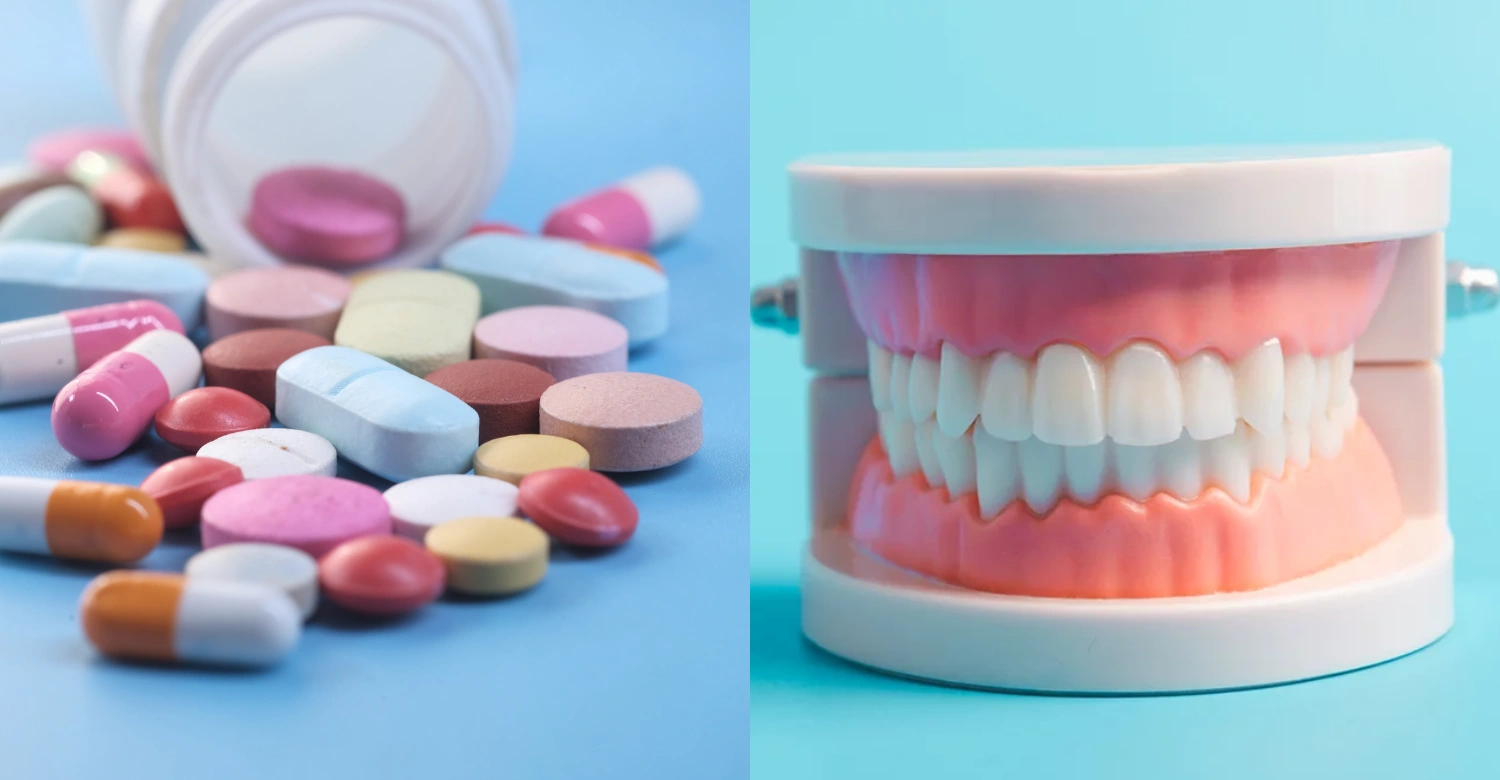
Note : All images used are for editorial and illustrative purposes only and may not originate from the original news provider or associated company.
When Is Severe Dental Pain an Emergency?
Severe dental pain is not always an emergency, but certain symptoms require urgent evaluation. This overall issue should never be used to mask warning signs that could indicate a serious dental infection. Sudden severe pain can result from advanced decay, pulp inflammation, an abscess, trauma, or postoperative complications. Pain accompanied by facial swelling, fever, difficulty swallowing, or breathing difficulty is more concerning. These symptoms can indicate infection spreading beyond the immediate tooth area. Patients should seek urgent dental or medical care when these warning signs occur. Taking additional pain medication without evaluation may temporarily reduce symptoms while the underlying condition progresses. Emergency assessment is particularly important when swelling affects the face, neck, or area around the eye. Prompt treatment can address the source and reduce the risk of complications.
What Causes Severe Tooth Pain?
Severe tooth pain can have several dental and non-dental causes. Opioids and Dental Pain may become relevant when discomfort is intense, but identifying the cause remains the priority. Deep tooth decay can expose or inflame the dental pulp. Pulpitis may produce spontaneous pain or sensitivity to temperature. A dental abscess can cause severe, persistent, or throbbing discomfort. Cracked teeth can also produce sharp pain during chewing or temperature exposure. Following extraction, dry socket can cause significant pain after the initial healing period. Gum infections and impacted wisdom teeth may create additional sources of discomfort. Sinus problems can occasionally produce pain that feels similar to tooth pain. A professional examination helps distinguish these conditions and determine appropriate treatment.
When Should You Contact a Dentist?
Patients should contact a dentist when dental pain persists, worsens, or interferes with normal activities. This topic should not become a substitute for professional assessment when symptoms continue. Pain lasting beyond the expected recovery period may indicate infection, inflammation, trauma, or another problem. Patients should also seek dental advice when pain repeatedly returns after medication wears off. Sensitivity that becomes increasingly intense can indicate changes within the tooth. Swelling around the gums or face should also prompt evaluation. A broken tooth, lost filling, or dental injury may require timely treatment. Severe pain following an extraction should be assessed if it worsens instead of improving. Vitrin Clinic can evaluate the underlying cause and develop an appropriate treatment plan based on clinical findings.
Can Severe Dental Pain Be a Sign of Infection?
Severe dental pain can sometimes indicate a bacterial infection involving the tooth or surrounding tissues. This clinical picture may temporarily reduce discomfort without treating the infection itself. Dental abscesses can develop when bacteria enter the pulp or surrounding tissues. Symptoms may include throbbing pain, swelling, tenderness, bad taste, fever, or difficulty opening the mouth. Infection can occasionally spread into surrounding facial or neck tissues. This makes prompt evaluation important when systemic or spreading symptoms appear. Antibiotics are not automatically required for every toothache because definitive dental treatment is often central to managing localized dental infection. A dentist can determine whether drainage, root canal treatment, extraction, or another intervention is appropriate. Patients should not rely on pain medication alone when infection is suspected.
Facial Swelling
Facial swelling associated with dental pain can indicate inflammation or infection requiring professional evaluation. Opioids and Dental Pain should never be used as the only response to significant swelling. A localized gum swelling may develop around an infected tooth or periodontal area. More extensive swelling can involve the cheek, jaw, or neck. Rapidly increasing swelling is particularly concerning because infection can spread through facial tissue spaces. Patients should seek urgent professional assessment when swelling is accompanied by fever or increasing pain. Swelling around the eye can also require immediate attention. Difficulty swallowing or breathing represents an emergency and requires immediate medical care. Pain medication may reduce discomfort temporarily, but it cannot eliminate an underlying abscess. Early treatment can help prevent progression and protect surrounding tissues.
Fever
Fever accompanying severe dental pain can suggest systemic involvement. This balance should not distract from evaluating possible infection when fever develops. Dental infections can sometimes cause systemic symptoms when inflammation extends beyond the local area. Fever may occur alongside facial swelling, chills, malaise, or increasing tenderness. These symptoms require professional assessment rather than simply increasing analgesic doses. The dentist may evaluate the tooth, gums, surrounding tissues, and lymph nodes. Treatment depends on the underlying diagnosis and may involve definitive dental intervention. Antibiotics may be considered in selected situations involving systemic involvement or spreading infection. They should not be taken without appropriate professional advice. Patients with severe symptoms should seek timely care, particularly when fever occurs with swelling or swallowing difficulties.
Difficulty Swallowing or Breathing
Difficulty swallowing or breathing with dental swelling is a medical emergency. Opioids and Dental Pain should never delay emergency treatment when airway-related symptoms appear. Significant infection can sometimes spread into tissues around the jaw, mouth, or neck. Swelling in these areas can compromise normal swallowing or breathing. Patients experiencing breathing difficulty should seek emergency medical assistance immediately. Difficulty swallowing saliva can also indicate significant swelling requiring urgent evaluation. Do not attempt to manage these symptoms at home with additional pain medication. Opioids can cause sedation and respiratory depression, making inappropriate use particularly concerning during a potential airway emergency. Emergency clinicians can assess the airway and infection severity. Rapid treatment may be necessary to prevent life-threatening complications.
Managing Severe Dental Pain Safely
Safe management begins by identifying why the pain is severe. This broader question should be considered only after evaluating the underlying dental condition and available treatment options. Dentists may recommend NSAIDs, acetaminophen, or other appropriate approaches depending on individual circumstances. Opioids may have a limited role when severe acute pain remains inadequately controlled. However, medication should not replace definitive treatment of infection, decay, trauma, or surgical complications. Patients should follow prescribed doses and avoid combining medications without professional guidance. Warning symptoms require urgent evaluation regardless of whether pain medication provides temporary relief. Vitrin Clinic can assess the source of dental pain and develop an individualized treatment plan. The safest strategy combines appropriate analgesia with treatment directed at the cause.
Get the details on chewing gum teeth
What We Notice Clinically About Opioids and Dental Pain
Clinical assessment often shows that pain intensity alone does not determine the appropriate analgesic. This area of care can vary significantly according to procedure type, inflammation, healing, and individual sensitivity. Two patients undergoing similar procedures may report different levels of discomfort. Some patients experience substantial pain that responds well to NSAIDs or acetaminophen. Others may have persistent pain because an underlying complication has developed. This distinction is clinically important because stronger medication does not necessarily solve the underlying problem. Dental teams should assess symptoms, timing, surgical findings, medical history, and response to treatment. Statistics from dental research increasingly support non-opioid approaches for many acute dental procedures. Individual assessment remains essential because medication contraindications and risk factors differ between patients.
Why Pain Severity Does Not Always Mean Opioids Are Necessary
Severe pain does not automatically indicate that an opioid is the most appropriate treatment. Opioids and Dental Pain depend on the biological source of discomfort and the patient's clinical circumstances. Inflammatory dental pain may respond particularly well to NSAIDs because they target prostaglandin-related inflammation. Acetaminophen can provide additional analgesic effects when appropriate. Some severe pain results from infection or postoperative complications requiring definitive treatment. Increasing opioid dosage in these situations may reduce symptoms without addressing the cause. Research involving dental surgery has demonstrated strong efficacy from non-opioid analgesic strategies. The clinical objective is adequate pain control with the lowest reasonable medication-related risk. Dentists should therefore evaluate both pain intensity and its underlying mechanism before selecting treatment.
Common Patterns in Patients With Postoperative Dental Pain
Postoperative dental pain commonly follows a predictable pattern of early discomfort followed by gradual improvement. This clinical decision becomes less relevant when symptoms follow expected healing and respond to appropriate non-opioid treatment. Pain can vary according to procedure complexity, tissue trauma, inflammation, and individual sensitivity. Surgical extractions often produce more swelling and discomfort than simple extractions. Wisdom tooth removal may also require several days of recovery. A concerning pattern occurs when pain initially improves and then becomes significantly worse. Dry sockets can produce severe pain several days after extraction. Infection may cause increasing swelling, fever, or persistent tenderness. Recognizing these patterns helps clinicians distinguish normal healing from complications. Patients should report unexpected changes rather than simply increasing analgesic doses.
Clinical Note: Identifying the Cause Before Treating the Pain
Clinical pain management begins with identifying the source of the patient's symptoms. This situation should therefore be considered only within a broader diagnostic process. Dentists may examine the tooth, gums, bite, surgical site, and surrounding tissues. Radiographs can help identify decay, infection, bone changes, or other structural problems when clinically indicated. The timing of pain can also provide valuable information. Pain immediately after surgery may reflect normal inflammation, while delayed worsening may suggest a complication. Treatment should target the underlying diagnosis whenever possible. Analgesics can provide symptom control during recovery but cannot replace definitive treatment. At Vitrin Clinic, comprehensive assessment can help distinguish routine postoperative discomfort from conditions requiring additional intervention. This approach supports safer and more effective pain management.
Dr. Rifat Alsaman’s Clinical Perspective
Dr. Rifat Alsaman emphasizes that effective pain management starts with understanding the patient's individual clinical situation. Opioids and Dental Pain should not be approached through medication strength alone. The procedure, tissue response, medical history, and expected healing trajectory can all influence treatment decisions. Non-opioid analgesics may provide excellent control for many patients when medically appropriate. Opioids can be reserved for selected circumstances where their benefits justify their risks. Persistent or worsening pain should prompt reassessment rather than automatic escalation of medication. Patients should also receive clear instructions regarding dosing, aftercare, and warning signs. At Vitrin Clinic, personalized planning supports a balanced approach to postoperative comfort. The priority is safe recovery while addressing the dental condition responsible for pain.
Everything you need to know about chewing on one side of mouth
Opioids and Dental Pain After Different Dental Procedures
Pain expectations can differ substantially between dental procedures because tissue trauma and inflammation are not identical. This concern should therefore be evaluated according to the specific procedure rather than treated universally. Simple restorative procedures may cause little postoperative discomfort. Surgical extractions, implant placement, and oral surgery can produce greater short-term soreness. Root canal treatment can also cause temporary tenderness, particularly when the surrounding tissues were inflamed before treatment. Evidence-based dental pain management generally emphasizes non-opioid analgesics when appropriate. NSAIDs can address inflammatory pain, while acetaminophen can provide additional analgesic effects. Opioids may be considered for selected patients when severe pain cannot be adequately managed otherwise. Patients should receive procedure-specific instructions before treatment. Unexpectedly worsening pain should always prompt professional reassessment.
Opioids After Tooth Extraction
Tooth extraction can produce temporary pain, swelling, and tenderness during the healing period. This connection after extraction should generally be managed with the least risky effective option. Evidence supports NSAIDs, with or without acetaminophen, for many patients following extraction. These medicines can address inflammatory and pain pathways without exposing patients to opioid-related risks. Opioids may occasionally be considered when pain is severe and alternative medicines are unsuitable or insufficient. The complexity of extraction can influence expected discomfort. Surgical extraction involving bone or extensive tissue manipulation may cause greater postoperative pain. Patients should protect the extraction site and follow their dentist's instructions carefully. Increasing pain several days after extraction may indicate dry socket or infection. Professional assessment is preferable to simply increasing opioid medication.
Opioid Use After Wisdom Tooth Removal
Wisdom tooth removal can produce significant short-term inflammation, particularly after surgical extraction. Opioids and Dental Pain following wisdom tooth removal should be approached through individualized postoperative planning. Clinical evidence supports NSAIDs as effective options for many patients after third-molar surgery. Acetaminophen can also provide useful analgesia and may be combined with an NSAID when medically appropriate. Opioids may be considered selectively when non-opioid approaches do not provide adequate relief. Patients should follow instructions concerning medication, oral hygiene, diet, activity, and wound protection. Swelling and jaw stiffness can occur during normal recovery. Severe pain that worsens after initially improving deserves dental assessment. Fever, significant swelling, or difficulty swallowing can indicate infection or another complication. Medication should never be increased independently because stronger dosing can increase adverse effects.
Opioids After Dental Implant Surgery
Dental implant placement may cause temporary pain and swelling because the procedure involves surgical manipulation of gum and bone tissue. This relationship after implant surgery should be considered alongside non-opioid approaches. NSAIDs may help control inflammation when medically appropriate. Acetaminophen can provide additional pain relief for suitable patients. Local anesthetic techniques can also improve comfort during the procedure and immediately afterward. Most postoperative discomfort should gradually improve as healing progresses. The implant site requires careful hygiene and protection according to the clinician's instructions. Excessive pain, increasing swelling, fever, or discharge may require evaluation for infection or another complication. Opioids are not automatically necessary simply because implant surgery is classified as a surgical procedure. A personalized plan can help control discomfort while limiting unnecessary medication exposure.
Opioids After Root Canal Treatment
Root canal treatment is designed to remove infected or inflamed pulp tissue and preserve the natural tooth. Opioids and Dental Pain after root canal treatment should be considered according to postoperative symptoms and individual risk factors. Mild tenderness can occur after treatment because tissues surrounding the tooth may remain inflamed. NSAIDs can be useful when inflammation contributes to postoperative discomfort. Acetaminophen may provide additional analgesia when appropriate. Severe or persistent pain can sometimes indicate occlusal problems, continuing infection, inflammation, or another complication. Opioids are generally not automatically required after routine root canal therapy. Patients should follow the treatment team's instructions and avoid chewing heavily on the treated tooth until advised. Increasing swelling or severe persistent pain requires professional reassessment. Treating the underlying dental condition remains more important than simply suppressing symptoms.
Pain Management After Oral Surgery
Oral surgery can involve varying levels of tissue trauma and postoperative discomfort. Opioid-related dental pain management should therefore reflect the procedure's expected pain intensity and the patient's individual safety profile. Non-opioid analgesics are often appropriate for many postoperative situations. NSAIDs can target inflammatory mechanisms, while acetaminophen can provide additional analgesia. Local anesthetic methods can support pain control around the procedure. Cold applications and appropriate dietary measures may help during early recovery. Opioids may be reserved for carefully selected patients experiencing severe acute pain. Patients should receive clear instructions about dosage, duration, and medication interactions. They should also understand warning symptoms that require reassessment. At Vitrin Clinic, procedure-specific postoperative planning can help patients understand what discomfort to expect and when additional care may be necessary.
Read more about chronic venous insufficiency and periodontal health
How Dentists Decide Whether to Prescribe Opioids
Dental prescribing decisions involve more than measuring pain intensity. This link requires consideration of procedure complexity, expected duration, medical history, current medications, and individual risk factors. Dentists first determine whether pain is expected after the procedure and how severe it may become. They then consider whether NSAIDs, acetaminophen, local anesthesia, or other measures can provide adequate control. Opioids may be considered when appropriate alternatives are ineffective or contraindicated. The goal is generally to use the smallest effective amount for the shortest appropriate duration. Patients should provide accurate information about medications and previous opioid exposure. This information can help identify interactions and safety concerns. Clear instructions can also reduce accidental overuse. Evidence-based prescribing aims to balance effective analgesia with responsible medication stewardship.
What Factors Influence Dental Pain Treatment Options?
Several factors can influence which pain-management approach is most appropriate. Opioids and Dental Pain decisions may depend on procedure type, expected inflammation, patient health, and previous medication response. A simple extraction may require a different approach from complex oral surgery. Medical conditions can also affect whether NSAIDs or acetaminophen are suitable. Kidney disease, gastrointestinal problems, liver disease, bleeding risks, allergies, and medication interactions may alter treatment choices. Pregnancy can also require specific professional guidance. Previous opioid exposure may influence how clinicians evaluate medication needs and risks. The patient's ability to follow dosing instructions is another practical consideration. Dentists should explain expected pain duration and appropriate medication use. Treatment should always be individualized rather than based solely on the procedure name.
How Dentists Assess Pain and Treatment Needs
Dentists assess pain by considering location, intensity, duration, triggers, and associated symptoms. Opioid-related dental pain assessment should also consider whether the reported discomfort matches the expected postoperative pattern. A dentist may examine teeth, gums, surgical sites, jaw movement, and surrounding tissues. Imaging can be used when clinical findings indicate a need for additional diagnostic information. The timing of pain provides important clues. Pain immediately following treatment may reflect normal inflammation, while delayed worsening may suggest a complication. Dentists also assess swelling, fever, drainage, sensitivity, and functional difficulties. Medication history helps determine which analgesics are safe. The objective is not simply to assign a pain score. The clinician must determine why the pain exists and which treatment can address it safely.
Why Patient History Matters
Patient history can significantly influence the safety and effectiveness of dental pain medication. Opioid-related dental pain decisions should include relevant medical conditions, allergies, medications, and previous analgesic experiences. A medicine that is appropriate for one patient may be unsuitable for another. Kidney disease can influence NSAID suitability, while liver conditions can affect acetaminophen safety. Respiratory conditions and sedating medications may require additional caution with opioids. Previous opioid exposure can also provide important information for clinical decision-making. Patients should provide complete and accurate medication information before receiving prescriptions. Dentists can then consider potential interactions and contraindications. Good communication helps reduce preventable medication-related complications. At Vitrin Clinic, individualized assessment supports treatment planning based on the patient's specific clinical circumstances.
Previous Opioid Use
Previous opioid use is an important consideration when evaluating medication options. Opioids and Dental Pain can require different management in patients who have previously received opioids regularly. Prior exposure may affect tolerance and response to opioid medicines. A patient's medication history can also reveal previous adverse reactions or difficulties with opioid treatment. Clinicians may need to coordinate with other healthcare professionals when opioid therapy is already part of ongoing treatment. Patients should never conceal previous opioid use because accurate information supports safer prescribing. Dentists can then consider non-opioid alternatives and other appropriate strategies. Previous opioid use does not automatically mean that future dental pain requires opioids. It simply provides clinically relevant information for individualized treatment. Open communication is essential when discussing controlled pain medicines.
Other Medications
Other medications can influence the safety of dental pain treatments. Opioid-related dental pain prescribing should account for possible interactions with prescription medicines, over-the-counter products, and supplements. Some medications can increase sedation when combined with opioids. Certain medicines can also affect bleeding, kidney function, blood pressure, or liver metabolism. Patients should provide a complete medication list before receiving analgesic recommendations. This information helps dentists identify combinations that may increase adverse effects. Alcohol should also be disclosed because it can interact dangerously with opioid medicines and other sedating substances. Patients should not assume that non-prescription products are automatically safe to combine. Pharmacists and clinicians can help evaluate potential interactions. Careful medication review supports effective pain control while reducing avoidable complications.
Individual Safety Considerations
Individual safety factors can substantially change the most appropriate dental pain strategy. This overall issue should be evaluated alongside allergies, chronic conditions, age-related factors, and current medications. Some patients cannot safely take NSAIDs because of gastrointestinal, kidney, bleeding, or cardiovascular concerns. Others may require caution with acetaminophen because of liver-related considerations. Opioids can create additional concerns involving sedation, respiratory function, and dependence. Pregnancy and breastfeeding also require professional medication guidance. The dentist should consider the expected severity and duration of pain before recommending treatment. Patients should ask questions when medication instructions are unclear. Self-adjusting doses can increase risks without necessarily improving pain control. Personalized assessment allows the treatment team to select the safest reasonable option.
Opioid Prescribing in Dentistry
Opioid prescribing in dentistry has increasingly emphasized responsible and limited use. Opioids and Dental Pain should be managed according to evidence, procedure-specific needs, and patient safety. The American Dental Association recommends non-opioid analgesics as the preferred initial approach for acute dental pain when appropriate. Opioids may have a role when non-opioid options are inadequate or contraindicated. Dentists should consider prescribing the lowest effective dose for the shortest necessary duration. Patient counseling should cover sedation, medication interactions, safe storage, and disposal. Dentists should also evaluate relevant medical and medication histories before prescribing. The purpose of opioid stewardship is not to deny necessary pain treatment. It is to reduce unnecessary exposure while maintaining effective analgesia. This approach supports safer dental care and responsible prescribing practices.
Learn more about daytime mouth guard for clenching teeth
Tips for Patients Managing Dental Pain
Safe dental pain management begins with understanding the treatment plan and following professional instructions carefully. This topic should always be approached with attention to medication safety and the underlying dental condition. Patients should take medicines only as directed and avoid combining products without professional advice. Non-opioid options may provide effective relief for many acute dental conditions. Patients should also monitor whether symptoms improve according to the expected recovery pattern. Increasing pain, swelling, fever, or other unusual symptoms may require reassessment. Prescription opioids should never be shared with family members or friends. Unused medication should be stored securely and disposed of according to local recommendations. At Vitrin Clinic, clear postoperative guidance can help patients understand medication use, recovery expectations, and warning signs requiring professional attention.
Follow Your Dentist’s Medication Instructions
Following medication instructions helps patients achieve appropriate pain control while reducing preventable risks. Opioids and Dental Pain require particular attention to prescribed dose, timing, and duration. Patients should never take more medication because pain feels stronger than expected. Increasing the dose independently can increase adverse effects without addressing the underlying cause. Patients should also avoid combining medicines unless their dentist or healthcare professional has confirmed that the combination is appropriate. Some combination products contain the same active ingredients, increasing the possibility of accidental overdose. Opioids can cause drowsiness and impaired alertness, so patients should follow safety instructions concerning driving. If medication causes unexpected symptoms, patients should contact a healthcare professional. Clear instructions help patients manage postoperative discomfort safely while allowing clinicians to identify complications early.
Ask About Non-Opioid Pain Relief
Patients should feel comfortable asking whether non-opioid options can manage their dental discomfort. Opioid-related dental pain treatment does not always require opioid medication, particularly when inflammation contributes significantly to pain. NSAIDs can target inflammatory pathways, while acetaminophen can provide analgesic effects through different mechanisms. Research involving acute dental pain supports non-opioid approaches for many common procedures. Patients should ask which option is appropriate based on their medical history. Conditions affecting the stomach, kidneys, liver, cardiovascular system, or bleeding risk can influence medication selection. A dentist can explain expected pain intensity and the rationale behind the recommended treatment. Asking about alternatives does not mean refusing appropriate medication. It supports informed decision-making and helps patients understand the safest available approach.
Never Take Someone Else’s Prescription Opioids
Patients should never use another person's prescription opioid for dental pain. Opioid-related dental pain treatment must be individualized because medication suitability depends on personal health and other medicines. A prescription intended for another person may have an inappropriate dose or formulation. It may also interact with medications the patient already takes. Opioids can cause serious sedation and respiratory depression in susceptible individuals. Sharing prescription medicines is also unsafe and can create legal and health consequences. Patients experiencing unexpected dental pain should contact a dentist rather than using leftover medication belonging to someone else. Even if a previous opioid prescription helped with similar symptoms, the current dental problem may have a different cause. Professional assessment helps determine whether medication is appropriate and whether definitive dental treatment is necessary.
Follow Postoperative Dental Care Instructions
Postoperative instructions can significantly influence healing and comfort after dental treatment. Opioids and Dental Pain management works best when medication is combined with appropriate aftercare. Patients should follow instructions concerning eating, brushing, rinsing, physical activity, and protection of surgical areas. After extraction, protecting the blood clot is particularly important during early healing. Patients should avoid unnecessary manipulation of the treatment site. Following dietary recommendations can also reduce irritation and support recovery. Medication should be taken according to the prescribed schedule rather than adjusted independently. Patients should monitor symptoms and contact the dental team when recovery does not follow the expected pattern. Vitrin Clinic can provide procedure-specific postoperative guidance designed around the patient's treatment. Good aftercare can support healing and reduce avoidable postoperative discomfort.
Do Not Ignore Persistent or Worsening Pain
Persistent or worsening dental pain should not automatically be treated with stronger medication. This clinical picture may temporarily reduce symptoms while an underlying problem continues developing. Pain that becomes worse after initially improving can indicate dry socket, infection, inflammation, or another complication. Persistent pain can also occur when the original dental problem has not been fully resolved. Patients should contact their dentist when symptoms do not follow the expected recovery pattern. Additional examination may identify a treatable cause. Increasing medication without professional guidance can increase adverse effects and delay appropriate treatment. Dentists can determine whether further dental intervention, medication adjustment, or monitoring is necessary. Early reassessment can help prevent complications from progressing. Pain intensity should therefore be considered alongside timing and associated symptoms.
Know When to Seek Emergency Dental Care
Certain symptoms require urgent dental or medical attention rather than routine pain management. This balance should never delay emergency assessment when serious warning signs occur. Facial or neck swelling can indicate a spreading dental infection. Fever may suggest systemic involvement, especially when combined with increasing pain or swelling. Difficulty swallowing or breathing is particularly concerning because significant swelling can compromise the airway. Patients with these symptoms should seek emergency care immediately. Severe trauma involving the jaw or face may also require urgent assessment. Medication should not be used to postpone evaluation of potentially serious conditions. Dentists can determine whether infection, trauma, or another complication is responsible. Prompt treatment can address the cause and reduce the risk of serious progression.
Explore more on dental care for cleft lip and palate
How Vitrin Clinic Approaches Dental Pain Management
Vitrin Clinic approaches dental pain management through diagnosis, individualized planning, appropriate treatment, and postoperative support. Opioids and Dental Pain are considered within the wider context of safe and effective dental care. Not every patient experiences the same level or type of discomfort after a procedure. Treatment plans can therefore be adapted according to procedure complexity and individual circumstances. Non-opioid pain-management strategies may be considered when medically appropriate. When prescription medication is necessary, clinicians can evaluate relevant health and medication factors. Treating the underlying dental problem remains a central part of reducing ongoing pain. Patients can also receive instructions concerning recovery and warning symptoms. The objective is to provide effective treatment while avoiding unnecessary medication exposure. This patient-centered approach supports comfort, safety, and predictable recovery.
Personalized Dental Assessment
Personalized assessment helps identify the cause and expected severity of dental pain. This broader question should be evaluated alongside clinical findings rather than through pain intensity alone. Dentists may examine teeth, gums, bite relationships, surgical sites, and surrounding structures. Imaging can provide additional information when clinically indicated. Medical history and medication use can also influence treatment choices. A patient with gastrointestinal or kidney concerns may require a different analgesic strategy from another patient. Previous medication reactions should also be considered. Understanding the procedure allows clinicians to anticipate common postoperative symptoms. Unexpected symptoms can then be distinguished from normal healing. At Vitrin Clinic, individualized assessment supports treatment planning that considers both the dental diagnosis and the patient's broader safety profile.
Choosing Appropriate Pain Control
Choosing appropriate pain control involves balancing expected effectiveness with individual safety. This area of care should not be managed according to the assumption that stronger medicines always provide better care. NSAIDs can be effective for inflammatory dental pain when appropriate. Acetaminophen can provide additional analgesic effects and may be combined with an NSAID under professional guidance. Opioids may be considered selectively when severe pain cannot be adequately controlled through suitable alternatives. Medication selection depends on procedure type, health conditions, allergies, interactions, and previous treatment history. Patients should receive clear instructions regarding dose and duration. The dental team can also explain which symptoms are expected during recovery. Appropriate pain control should provide sufficient comfort without unnecessary exposure to medication-related risks.
Treating the Cause of Dental Pain
Treating the underlying cause is essential because pain medication alone cannot resolve most dental diseases. Opioids and Dental Pain management should therefore accompany definitive treatment whenever necessary. Cavities may require restorative treatment, while infected pulp tissue may require root canal therapy. Advanced infection may require drainage or extraction depending on the clinical situation. Trauma can require restorative or surgical intervention. Postoperative complications may require specific treatment rather than additional analgesics. Identifying the cause allows the dental team to select the appropriate intervention. At Vitrin Clinic, diagnosis and treatment planning can be coordinated to address the source of discomfort. Effective treatment can reduce the need for prolonged analgesic use. Patients should report persistent symptoms rather than relying on medication alone.
Post-Treatment Follow-Up and Patient Support
Follow-up helps ensure that healing is progressing as expected after dental treatment. Opioid-related dental pain management does not end when medication is prescribed. Patients may need guidance about normal symptoms, medication use, oral hygiene, and activity restrictions. Follow-up can also identify complications such as infection, delayed healing, or persistent inflammation. Patients should contact the dental team when symptoms change unexpectedly. Clear communication can help distinguish normal postoperative discomfort from problems requiring intervention. At Vitrin Clinic, patient support can extend beyond the procedure through postoperative guidance and appropriate reassessment. The objective is to support healing while maintaining effective and safe pain control. Patients should keep their dental team informed about significant changes. Prompt communication can prevent minor concerns from becoming more complicated problems.
Why Choose Vitrin Clinic for Dental Treatment?
Choosing a dental clinic involves considering diagnosis, treatment planning, clinical expertise, technology, and postoperative support. Opioids and Dental Pain management should form part of a broader approach to safe dental treatment. Vitrin Clinic focuses on individualized treatment planning rather than applying the same strategy to every patient. Appropriate pain control can be incorporated into the overall treatment plan. Patients can receive guidance about expected recovery and medication safety. Comprehensive evaluation can also help identify problems that may otherwise cause persistent discomfort. Modern dental techniques may support precise treatment and predictable recovery. Follow-up provides another opportunity to assess healing and address concerns. Patients should always discuss medical conditions and medications before receiving treatment. A coordinated approach can help improve comfort while keeping patient safety central.
Comprehensive Diagnosis and Treatment Planning
Comprehensive diagnosis provides the foundation for effective dental treatment and pain management. This clinical decision should be considered only after the clinical situation has been appropriately assessed. Dentists may evaluate symptoms, dental structures, gum health, bite, and surrounding tissues. Digital imaging can be used when additional diagnostic information is necessary. Treatment planning then focuses on addressing the identified dental problem. The expected level of postoperative discomfort can also be discussed before treatment begins. This preparation helps patients understand what symptoms may occur during recovery. Medication recommendations can be adjusted according to medical history and contraindications. Vitrin Clinic can integrate diagnosis, treatment planning, and postoperative guidance within a coordinated patient experience. This approach supports informed decisions and appropriate pain management.
Patient-Centered Dental Care
Patient-centered dental care considers clinical needs alongside individual concerns and treatment expectations. This situation should be discussed openly when patients have concerns about pain medication. Dentists can explain why a particular analgesic strategy is recommended and whether alternatives are available. Patients should be encouraged to disclose medications, allergies, previous reactions, and relevant health conditions. Clear explanations can improve understanding of postoperative care. Pain expectations should also be discussed realistically because recovery differs between procedures and individuals. Vitrin Clinic can provide personalized guidance throughout the treatment process. The focus remains on treating the dental condition while supporting patient comfort. Informed communication allows patients to participate more confidently in treatment decisions. Safe pain management depends on both clinical expertise and effective patient communication.
Modern Dental Treatment and Pain Management
Modern dental treatment combines diagnostic technology, precise procedures, and evidence-based pain-management strategies. Opioids and Dental Pain can be addressed through multiple approaches rather than relying exclusively on opioid medication. Digital diagnostic tools can help clinicians assess dental structures and treatment needs. Modern anesthesia techniques can improve comfort during procedures. Appropriate postoperative analgesics can then support recovery. Non-opioid strategies are particularly important for many acute dental pain situations. Opioids may remain an option for selected patients when clinically justified. Treatment planning should always consider individual health factors. Vitrin Clinic can incorporate modern dental techniques with personalized postoperative instructions. The goal is effective treatment, predictable healing, and responsible pain management. Technology supports clinical decision-making but does not replace professional judgment.
Ongoing Support After Dental Procedures
Post-treatment support helps patients manage recovery and recognize symptoms that require reassessment. This concern should therefore be considered as part of the complete postoperative experience. Patients benefit from clear instructions about medication, oral hygiene, diet, activity, and expected symptoms. Follow-up can identify problems before they become more significant. Persistent pain, increasing swelling, fever, or unusual discharge should be reported promptly. Patients should not independently increase prescription medication when symptoms worsen. Vitrin Clinic can provide postoperative guidance based on the procedure performed and the patient's individual needs. Ongoing communication supports confidence during recovery. The purpose of follow-up is not only to manage discomfort. It also helps confirm that healing is progressing appropriately and that the underlying dental problem has been successfully addressed.
Key Takeaways About Opioids and Dental Pain
Effective dental pain management depends on the procedure, underlying diagnosis, expected recovery, and individual health factors. This connection should therefore be evaluated through a balanced risk-benefit approach. Many acute dental conditions can be managed effectively with non-opioid medicines when medically appropriate. NSAIDs can address inflammatory pain, while acetaminophen can provide additional analgesic effects. Opioids may have a role when severe pain remains inadequately controlled or alternatives are unsuitable. Treating the dental cause remains essential because medication alone cannot resolve infection, decay, trauma, or postoperative complications. Patients should follow dosing instructions carefully and avoid sharing prescription medicines. Persistent or worsening symptoms should prompt dental reassessment. Evidence-based prescribing aims to provide adequate relief while minimizing unnecessary opioid exposure.
Are Opioids Always Necessary for Dental Pain?
Opioids are not always necessary for dental pain because many common procedures respond well to non-opioid analgesics. Opioids and Dental Pain management should reflect the patient's specific clinical circumstances. NSAIDs can be particularly effective when inflammation contributes significantly to discomfort. Acetaminophen can provide additional analgesic effects when appropriate. Some patients may require different options because of medical contraindications or medication interactions. Opioids can be considered selectively when severe acute pain cannot be adequately controlled through suitable alternatives. The decision should account for procedure complexity, expected pain duration, medical history, and medication risks. Patients should not assume that stronger medication is automatically more effective. A dentist can explain which approach offers an appropriate balance between pain control and safety.
What Are the Main Alternatives to Opioids?
Important alternatives include NSAIDs, acetaminophen, local anesthetic techniques, and definitive treatment of the underlying dental condition. Opioid-related dental pain management often benefits from combining appropriate non-opioid strategies. NSAIDs can reduce inflammatory processes associated with many acute dental procedures. Acetaminophen can provide analgesia through a different mechanism. Some patients may benefit from both medicines when a healthcare professional confirms that combination is appropriate. Local anesthetics can reduce procedural discomfort and support early postoperative pain control. Treating infection, decay, trauma, or another dental cause can provide more lasting relief. Supportive measures can also contribute to recovery after surgery. Medication choices should account for allergies, kidney function, liver health, gastrointestinal risks, bleeding concerns, pregnancy, and drug interactions.
When Should Dental Pain Be Evaluated by a Dentist?
Dental pain should be evaluated when it persists, worsens, repeatedly returns, or interferes with normal activities. This relationship should not be used to delay assessment of unexplained or persistent symptoms. Severe tooth pain can result from pulp inflammation, infection, abscess, trauma, cracked teeth, or postoperative complications. Facial swelling and fever can increase concern for infection. Difficulty swallowing or breathing requires urgent medical assessment because swelling may affect the airway. Pain following extraction should generally improve as healing progresses. Increasing pain after initial improvement may indicate dry socket or another complication. A dentist can determine the underlying cause and provide definitive treatment. Early assessment can reduce unnecessary medication use and help prevent complications from progressing.
Conclusion About Opioids and Dental Pain
Safe dental pain management requires more than selecting a powerful analgesic. Opioids and Dental Pain should be evaluated according to the cause of discomfort, procedure type, patient history, and medication safety. Current evidence supports non-opioid approaches for many acute dental pain situations when medically appropriate. NSAIDs can provide strong relief for inflammatory dental pain, while acetaminophen can provide additional analgesic effects. Opioids may remain appropriate for selected patients experiencing severe acute pain when other options are unsuitable or insufficient. Treating the underlying dental condition remains essential for lasting improvement. Patients should follow medication instructions and avoid unsafe combinations. Persistent pain, facial swelling, fever, or airway-related symptoms require professional evaluation. Vitrin Clinic can support patients through diagnosis, individualized treatment planning, pain management, and postoperative follow-up.
Reference
FAQs
Dr. Rifat Alsaman has more than 5 years of clinical experience in dentistry and currently serves as the Head of the Medical Team at Vitrin Clinic. He is dedicated to providing exceptional patient care, overseeing treatment planning, and ensuring the highest clinical standards across the team. His expertise, attention to detail, and commitment to continuous professional development have helped countless patients achieve healthier, more confident smiles.


