Periodontics
September 30, 2026
Circulatory System Diseases and Periodontal Disease: What Is the Connection?
 Dr. Rifat Alsaman
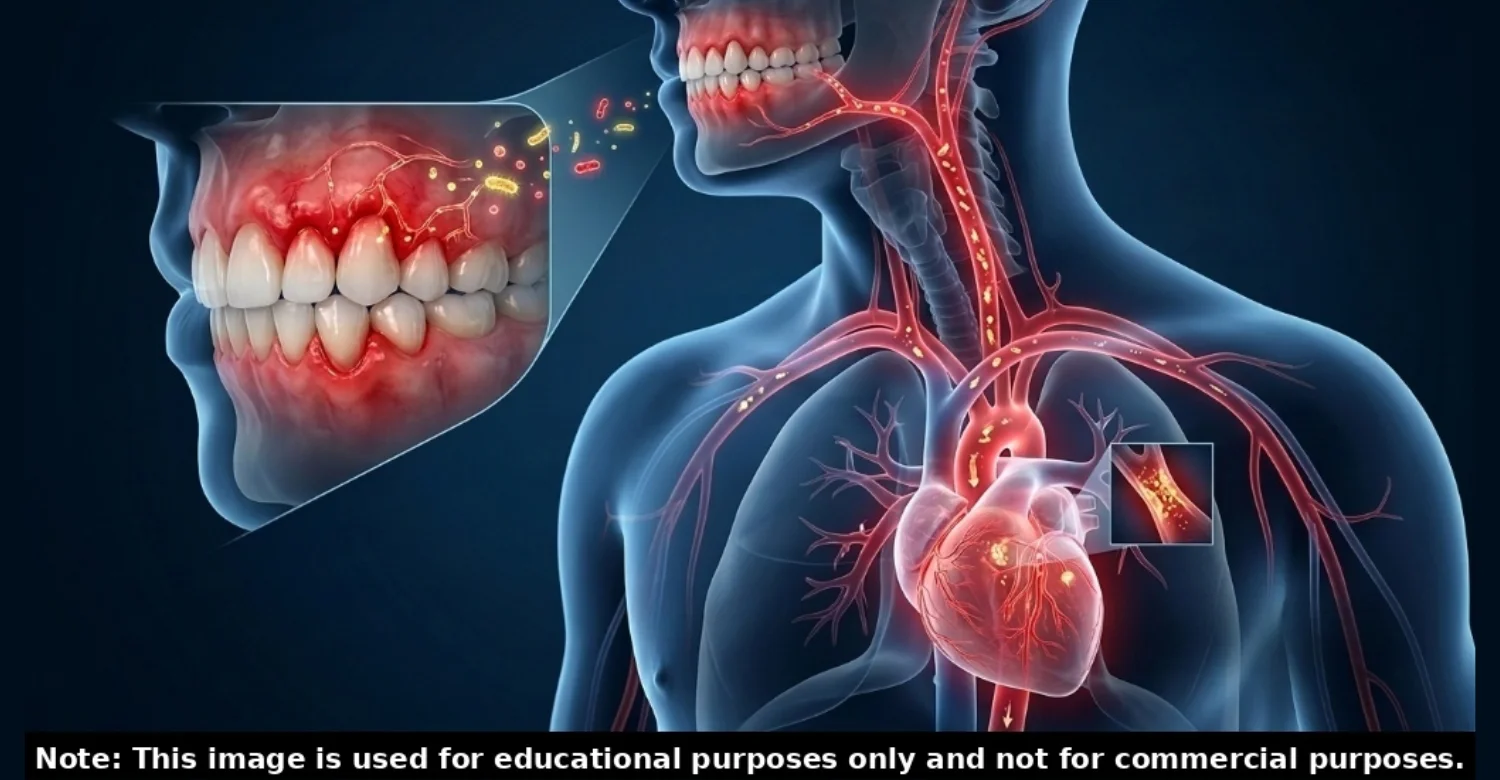
Circulatory system diseases and periodontal disease are two conditions that researchers increasingly study together. The mouth and the cardiovascular system share links through inflammation, blood vessels, and immune responses. Still, periodontal disease does not automatically cause heart problems. Having gum disease does not mean you will develop heart disease. The evidence remains an area of ongoing scientific investigation. Even so, patients with circulatory conditions should take gum health seriously. A periodontal assessment, good daily oral hygiene, and coordination with your medical team all matter. From a dentist's perspective, treatment should reflect your oral condition, medical history, medications, and cardiovascular risk factors. This guide explains the link between circulatory system diseases & periodontal disease in clear, practical terms.
Circulatory System Diseases and Periodontal Disease: How Are They Connected?
Circulatory system diseases & periodontal disease are connected mainly through shared biological pathways, not proven cause and effect. Inflammation is one of the key areas researchers investigate. Periodontal disease creates persistent inflammation in the tissues around the teeth. Bacteria may enter the bloodstream when gums are inflamed or injured. However, this does not mean oral bacteria directly cause cardiovascular disease in every patient. Smoking, diabetes, age, diet, and poor oral hygiene affect both conditions. For these reasons, cardiovascular patients may need more individualized dental planning.
Why Inflammation Matters in Both Conditions
Chronic periodontal inflammation develops when plaque bacteria stay along the gumline. The body responds by sending immune cells to fight them. Over time, this ongoing response can damage gum tissue and bone. Researchers study whether this local inflammation adds to the body's overall inflammatory burden. Systemic inflammation is relevant to cardiovascular health. Yet local gum inflammation is not the same as heart disease. Understanding circulatory system diseases and periodontal disease requires keeping that distinction clear. Treating periodontitis alone is not a proven way to prevent heart attacks.
Does Periodontal Disease Cause Cardiovascular Disease?
This is one of the most common patient questions. Current evidence supports an association between gum disease and cardiovascular disease. However, association is not causation. Two conditions can appear together because they share risk factors. For example, smokers and people with diabetes face higher risks of both. Studies on circulatory system diseases and periodontal disease have not established that gum disease independently causes heart problems. If you have cardiovascular concerns, follow your physician's recommendations. Dental care should work alongside that medical guidance, not replace it.
Note: All images used are for editorial and illustrative purposes only and may not originate from the original news provider or associated company.
Read more about Dentinogenesis Imperfecta and Tooth Loss
Circulatory System Diseases and Gum Disease: Which Conditions May Affect Oral Health?
Circulatory disease and oral health are closely related in daily clinical practice. Several conditions and their treatments can influence how the mouth heals and responds to care. Heart conditions, vascular problems, and circulation disorders each bring different considerations. Some patients take medications that affect bleeding or saliva. Others may need extra planning before invasive procedures. The sections below explain how specific circulatory system diseases & periodontal disease may interact. In every case, an individual assessment matters more than general assumptions.
Cardiovascular Disease and Periodontal Disease
Cardiovascular disease and periodontal disease often appear in the same patients, so disclosure is essential. Always tell your dentist about your heart or vascular diagnosis. Your dentist should review your medications and overall health before any invasive procedure. Some drugs affect bleeding, while others influence healing or saliva flow. Treatment decisions depend on your specific cardiovascular condition. A stable patient may need few changes. Others may need closer planning. This careful approach helps manage circulatory system diseases and periodontal disease safely.
Heart Disease and Gum Disease
Heart disease and gum disease can influence each other's management in practical ways. Existing heart disease may change how your dentist plans treatment. For example, appointment length, anesthesia choice, and bleeding control may need adjustment. Your dentist may ask about current medications and recent medical management. In some situations, contacting your physician is appropriate. This is common after recent cardiac events or procedures. Clear communication helps the dental team treat circulatory system diseases & periodontal disease without unnecessary risk.
Poor Circulation and Periodontal Disease
Poor circulation means blood flow to certain tissues is reduced or less efficient. Blood carries oxygen, nutrients, and immune cells to healing tissues. When flow is reduced, tissues may heal more slowly. However, poor circulation and periodontal disease do not share an automatic cause-and-effect link. Poor circulation does not automatically cause periodontitis. Plaque bacteria remain the primary trigger for gum disease. Patients with vascular problems may still benefit from careful periodontal monitoring. This helps detect changes early and support better healing.
Blood Vessel Disease and Gum Disease
Blood vessel disease refers to conditions that affect arteries or veins. These include narrowed arteries, weakened vessel walls, and poor vessel function. Blood vessel disease and gum disease share several risk factors, including smoking and diabetes. Controlling these established medical risks benefits both your body and your gums. Routine dental examinations help identify gum problems early. Rather than assuming a direct disease pathway, your dentist evaluates actual findings. This practical approach keeps care for circulatory system diseases and periodontal disease grounded in evidence.
Circulatory Disorders and Oral Health
Circulatory disorders and oral health are linked in different ways for different people. These disorders vary significantly in type and severity. Symptoms, medications, and healing capacity can differ greatly between patients. One person may take blood thinners. Another may have high blood pressure controlled by diet alone. Treatment requirements change accordingly. That is why individualized dental assessment is essential. Your dentist should consider your full health picture before recommending treatment for circulatory system diseases and periodontal disease.
Tips for Patients
Practice consistent daily oral hygiene to control plaque and reduce gum inflammation.
Brush your teeth gently twice a day and clean between your teeth regularly.
Schedule regular dental visits so early signs of periodontal disease can be identified and managed promptly.
Share your complete medical history with your dentist, including circulatory conditions, medications, and relevant treatments.
Follow your dentist’s recommendations for managing periodontitis and cardiovascular health alongside your medical care.
Maintain healthy lifestyle habits that support both oral and cardiovascular health.
Avoid delaying treatment when you notice persistent gum bleeding, swelling, pain, or other changes.
Keep communication clear between your dentist and physician when your medical condition may affect dental treatment.
Learn what to expect during Dental X-RaysRemember that these tips do not replace medical care; they are intended to complement your physician’s treatment plan.
How Can Circulatory Disease Affect the Mouth?
Circulatory disease can affect the mouth in several indirect ways. Medications may change saliva flow or bleeding tendency. Reduced circulation may slow tissue healing. Some patients notice gum changes after starting new treatments. However, not every oral symptom comes from a circulatory problem. Plaque, smoking, and diabetes often play larger roles. Understanding circulatory system diseases & periodontal disease helps patients recognize which changes need attention. The following sections describe common oral effects and explain why a dental evaluation is important.
Gum Inflammation and Bleeding
Inflamed gums bleed easily during brushing or flossing. Plaque bacteria irritate the tissue and make blood vessels more fragile. Occasional minor bleeding may follow aggressive brushing or a new flossing routine. Persistent bleeding is different. It often signals ongoing periodontal inflammation. Blood-thinning medication can increase bleeding, but it rarely explains everything. Frequent or unexplained bleeding deserves a dental evaluation. Your dentist can determine whether inflammation, medication, or another factor is responsible, and then recommend the right care.
Gum Recession and Periodontal Tissue Changes
Gum recession occurs when the gum line pulls back and exposes more of the tooth root. Periodontal disease can also destroy the bone and fibers that support teeth. These changes may cause sensitivity, longer-looking teeth, or loosening. However, recession has multiple possible causes. Aggressive brushing, genetics, tooth position, and past orthodontic treatment can all contribute. Not every periodontal change comes from circulation problems. A careful examination helps your dentist identify the real cause and plan appropriate treatment.
Slow Healing After Dental Treatment
Healing after dental treatment depends on several factors. Your medical history plays a major role. Smoking reduces blood flow and delays recovery. Diabetes can slow tissue repair and raise infection risk. Some medications affect bleeding or bone healing. Circulation also matters, because tissues need good blood supply to repair. For these reasons, dentists assess individual risk before surgical procedures. For patients with circulatory system diseases and periodontal disease, this planning helps set realistic recovery expectations.
Dry Mouth and Medication-Related Oral Problems
Some cardiovascular medications may contribute to dry mouth in certain patients. Diuretics and some blood pressure drugs are common examples. Saliva protects teeth and gums by washing away bacteria and neutralizing acids. When saliva decreases, the mouth may feel uncomfortable. Reduced saliva may also raise the risk of tooth decay. Sipping water regularly can help. Sugar-free gum or lozenges may stimulate saliva. Your dentist may also suggest saliva substitutes or fluoride products where appropriate.
Unlock the top Benefits of Dental Implants
Signs of Periodontal Disease Patients Should Not Ignore
Recognizing periodontal warning signs early can prevent more serious damage. Gum disease often develops quietly and without pain. Many people notice symptoms only after the condition has progressed. This is especially relevant for patients managing circulatory system diseases and periodontal disease, since medications may mask or change some signs. Knowing what to look for helps you act sooner. The signs below range from early changes to more advanced problems. Any persistent symptom deserves a professional dental evaluation.
Early Warning Signs
Early periodontal disease often starts with subtle changes. Watch for red or swollen gums instead of firm, pink tissue. Bleeding during brushing or flossing is another common signal. Persistent bad breath that does not improve with brushing may point to bacterial buildup. Tender gums can feel sore when eating or cleaning. You may also notice changes in gum texture, such as a shiny or puffy look. These signs often reflect gingivitis, which is usually reversible with timely care.
Signs of More Advanced Periodontal Disease
As periodontal disease progresses, symptoms become more noticeable. Gum recession may make teeth look longer. Swelling may persist even with better brushing. Teeth may feel loose or shift position. You might notice changes in the way your teeth fit together when biting. Pus around the gums signals active infection. Increasing gaps between teeth can appear as support weakens. Difficulty chewing may develop over time. These signs need prompt professional attention to limit further tissue and bone loss.
When Should a Cardiovascular Patient See a Dentist?
Cardiovascular patients should book a dental visit if they notice persistent gum bleeding or new gum swelling. Tooth mobility is another important reason. Pain or signs of infection need timely care. Recurrent periodontal problems suggest the current approach needs review. Contact your dentist if healing is slow after dental procedures. Also seek advice for any oral change that continues despite improved hygiene. Early visits help your dentist manage circulatory system diseases and periodontal disease before problems become complex.
Clinical Note
In the clinical view of Dr. Rifat Alsaman, Head of the Medical Team at Vitrin Clinic and a cosmetic dentist, periodontal disease should be evaluated on its own findings, even when a patient has a cardiovascular condition. Cardiovascular disease does not automatically mean a patient has gum disease. Likewise, periodontal disease is not proof of heart disease. Examination, not assumption, identifies the actual periodontal condition. Dental and medical teams may need to work together when medications affect planning. Patients should continue physician-directed cardiovascular care while addressing circulatory system diseases and periodontal disease.
Discover Can Invisalign Fix an Overbite
How Is Periodontal Disease Diagnosed in Patients With Circulatory Conditions?
Diagnosing periodontal disease in patients with circulatory conditions follows the same core principles as for other patients. However, the dentist gathers more medical detail before planning treatment. Diagnosis combines a thorough history, a clinical examination, and imaging when needed. Each step adds information about gum health and treatment safety. For circulatory system diseases and periodontal disease, accurate diagnosis prevents both overtreatment and missed problems. The sections below explain what each stage involves and why it matters for your care.
Medical and Dental History
Your dentist starts by reviewing your medical and dental history. This includes your cardiovascular diagnosis and any previous heart or vascular procedures. Your dentist will ask about current medications, especially blood thinners. Previous bleeding complications after dental work are important to mention. Smoking status and diabetes also affect gum health and healing. Finally, your dentist reviews any previous periodontal treatment. This complete picture helps identify risks and shape a safe, individualized treatment plan.
Clinical Periodontal Examination
The clinical periodontal examination looks closely at your gums and supporting structures. Your dentist checks gum color and swelling. A small probe measures pocket depths around each tooth. Bleeding during probing shows where inflammation is active. The dentist also records gum recession and tooth mobility. Plaque and calculus accumulation reveal how well home care is working. Together, these findings show whether you have gingivitis or periodontitis. They also indicate how severe the disease is and where treatment should focus.
Digital Imaging and Diagnostic Technology
Dental X-rays are used when clinically indicated to assess bone levels around the teeth. They reveal bone loss that cannot be seen during a visual exam. CBCT or 3D imaging may be used when a more detailed assessment is required. This is common before implant or complex surgical planning. Intraoral scanning may help record tooth and gum positions where appropriate. However, technology supports diagnosis rather than replacing clinical examination. Your dentist interprets images alongside hands-on findings.
Compare treatments for Dental Implants vs Crowns
What Treatments Are Available for Periodontal Disease?
Several treatments are available for periodontal disease, depending on its severity. Early gum inflammation often responds to professional cleaning and better home care. Established periodontitis usually needs deeper cleaning below the gumline. Some advanced cases may require additional procedures. For patients with circulatory system diseases and periodontal disease, treatment planning also considers medications and overall health. The goal is to control infection, reduce inflammation, and preserve supporting tissues. The following sections explain each treatment option.
Professional Dental Cleaning
Professional dental cleaning removes plaque and hardened calculus from tooth surfaces. Calculus, also called tartar, cannot be removed by brushing alone. Cleaning also polishes teeth to make plaque buildup harder. For people with healthy gums or mild gingivitis, regular cleaning helps maintain gum health. However, routine cleaning is different from periodontal treatment for established disease. When deep pockets or bone loss exist, cleaning above the gumline is not enough. More targeted periodontal therapy is then needed.
Scaling and Root Planing
Scaling and root planing is a deep cleaning treatment for periodontitis. Scaling removes plaque and calculus from below the gumline. Root planing smooths the root surfaces so gums can reattach more easily. Local anesthesia may be used for comfort. The treatment is often completed in stages. Its purpose is to reduce inflammation and control periodontal infection. After healing, many patients notice less bleeding and shallower pockets. Good home care remains essential to maintain these results.
Periodontal Maintenance
Periodontal maintenance is ongoing care for patients with a history of periodontitis. Once active disease is controlled, regular monitoring helps prevent relapse. During maintenance visits, the dental team measures pockets and checks for bleeding. They also remove new deposits in hard-to-reach areas. Recall intervals are individualized. Many patients attend every three to four months at first. Your dentist may adjust the schedule based on how stable your gums remain over time. This steady routine protects the results of earlier treatment.
Advanced Periodontal Treatment
Additional periodontal procedures may be considered when deep pockets persist after initial treatment. Options may include flap surgery to access deeper deposits. Regenerative procedures may help support tissue repair in selected cases. Soft tissue grafts may address certain types of recession. Treatment depends on disease severity and tissue condition. However, surgery is not necessary for every patient. Many people respond well to non-surgical care and maintenance. Your dentist will explain whether advanced treatment offers real benefit.
Coordinating Dental Care With Medical Care
Coordinating dental care with medical care is sometimes necessary. Your dentist may contact your physician after a recent heart attack or stroke. Communication may also help when you take complex medications. Blood thinners, for example, may affect bleeding during periodontal procedures. However, patients should never stop or change cardiovascular medication without medical advice. Your physician decides on medication changes. This teamwork allows safe care for circulatory system diseases and periodontal disease while protecting your heart health.
Can Treating Periodontal Disease Improve Cardiovascular Health?
This is a common and important patient question. Periodontal treatment clearly improves gum health and reduces local inflammation. Some studies have explored whether it also affects markers linked to cardiovascular disease and periodontitis. Results are interesting but not conclusive. Current evidence does not prove that gum treatment prevents heart attacks or strokes. Treating circulatory system diseases and periodontal disease involves two complementary areas of care. Periodontal treatment should never replace medication, exercise, diet, or medical monitoring prescribed by your physician.
Find your ideal smile with Snap-In Dentures vs Traditional Dentures
Before and After Periodontal Treatment: What Should Patients Expect?
Knowing what to expect can make periodontal treatment feel more manageable. Results depend on how advanced the disease is and how well you maintain your gums afterward. Treatment happens in stages, from assessment to active care and ongoing maintenance. Each stage brings its own changes. The sections below explain what patients usually experience before, during, and after treatment. This applies equally to patients managing circulatory system diseases and periodontal disease. Realistic expectations help you stay committed to long-term care.
Before Treatment
Before treatment, many patients notice bleeding or swollen gums. Plaque and calculus may have built up around the teeth, especially near the gumline. Periodontal pockets may be deeper than healthy levels. Healthy pockets usually measure only a few millimeters. In advanced cases, gum recession or tooth mobility may also be present. Some patients experience bad breath or tenderness. These findings help your dentist plan the right treatment and measure improvement later.
During Treatment
During treatment, care is based on your specific periodontal findings. Some patients need only one or two visits. Others require multiple appointments depending on disease severity. Your dentist may treat one section of the mouth at a time. Local anesthesia may be used for deeper periodontal procedures when appropriate. Your dental team will also review home care techniques. For patients with cardiovascular conditions, appointment planning may consider medication timing and comfort. Short breaks are always possible if needed.
After Treatment
After treatment, gum inflammation often reduces. Bleeding may decrease with effective plaque control. Gum tissues may become healthier and easier to maintain. Periodontal pockets may improve, depending on the initial condition. However, existing bone loss generally cannot simply be "regrown" through routine cleaning. Some gum recession may become more visible as swelling settles. Long-term maintenance remains important. Consistent home care and recall visits help protect results for people with circulatory system diseases and periodontal disease.
Check out the comparison of Pop-On Veneers vs Shiny Smile
What We Notice Clinically
Dr. Rifat Alsaman, Head of the Medical Team at Vitrin Clinic and a cosmetic dentist, views periodontal health as part of the patient's overall dental condition. He focuses on the whole picture rather than isolated symptoms. His approach stresses reviewing medical history before invasive treatment. A patient with cardiovascular disease may need more careful planning. However, that patient is not automatically excluded from dental care. Gum bleeding, swelling, or pockets should be investigated, not assumed to come from heart disease.
Dr. Rifat Alsaman on Individualized Treatment Planning
Dr. Rifat Alsaman, Head of the Medical Team at Vitrin Clinic and a cosmetic dentist, favors careful, individualized planning. His approach includes assessing gum health before major restorative or cosmetic treatment. He reviews relevant medical conditions and medications. When appropriate, active periodontal disease is treated before certain elective procedures. Diagnostic technology is used when it adds clinical value. Unnecessary treatment is avoided. Finally, patients receive realistic expectations for healing and long-term maintenance, which supports lasting results.
How Can Patients Reduce Their Risk of Periodontal Disease?
You can lower your risk of periodontal disease with consistent daily habits. Brush twice daily and clean between your teeth. Attend regular professional dental examinations. Treat gingivitis early before it progresses to periodontitis. Stop smoking, since it harms both gums and blood vessels. Eat a balanced diet rich in fruits and vegetables. Manage systemic conditions with the appropriate medical team. Avoid self-diagnosis based on online information. Seek professional assessment when gum symptoms persist beyond a week or two.
Learn what treatment you need in Root Canal vs Filling
When Should You Contact a Dentist Urgently?
Some oral symptoms need prompt attention. Contact a dentist urgently if you notice significant facial or gum swelling. Pus around a tooth or gum signals active infection. Severe dental pain or a loose tooth also needs quick care. Seek emergency help immediately for difficulty swallowing or breathing. Rapidly progressing infection, bleeding that will not stop, or fever with a dental infection are also urgent. Patients with cardiovascular conditions should also follow their physician's emergency guidance when relevant.
Vitrin Clinic's Approach to Periodontal and Comprehensive Dental Care
Vitrin Clinic in Istanbul focuses on individualized dental treatment for every patient and provides periodontal care for patients with gum-related concerns. Periodontal health is evaluated before restorative, implant, or cosmetic procedures when clinically indicated. Care begins with a comprehensive dental examination and periodontal assessment. Digital imaging, CBCT/3D imaging when indicated, and intraoral scanning support diagnosis and treatment planning. Each plan is individualized, with multidisciplinary coordination when necessary. The objective is to identify and address existing oral problems before elective care. Dr. Rifat Alsaman, Head of the Medical Team at Vitrin Clinic and a cosmetic dentist, leads this clinical approach.
Why Medical History Matters at Vitrin Clinic
At Vitrin Clinic, discussing your cardiovascular conditions and medications is a standard part of the consultation. This information helps the dental team plan treatment safely. Recommendations always depend on your individual oral and medical circumstances. Two patients with similar gum problems may need different approaches. The dental team can determine whether additional medical information is needed before treatment. Sometimes this means requesting input from your physician. This careful process supports safe care for circulatory system diseases and periodontal disease.
Start With an Individualized Dental Assessment
If you have periodontal concerns, an appropriate examination should come before choosing any treatment. A proper assessment identifies the true condition of your gums and supporting bone. It also considers your medical history and medications. Book a FREE Treatment Plan or FREE Consultation with Vitrin Clinic to begin. Please keep expectations realistic. Your treatment plan depends on clinical findings. Some patients may need further assessment or imaging before a final plan is confirmed.
.jpg)
.jpg)
.jpg)
Protecting Your Gum Health as Part of Your Overall Health
Circulatory system diseases and periodontal disease share important links through inflammation, risk factors, and overall health. However, research supports an association rather than proven causation. Recognizing periodontal symptoms early helps protect your gums and teeth. Patients with cardiovascular or circulatory conditions benefit from individualized dental assessment. Cooperation between dental and medical professionals is valuable when needed. Protecting your gums is part of caring for your overall health. Book a periodontal assessment or personalized treatment plan at Vitrin Clinic today.
Ready to transform your smile?
Talk to our team and get a personal treatment plan.
References:
FAQs
Dr. Rifat Alsaman has more than 5 years of clinical experience in dentistry and currently serves as the Head of the Medical Team at Vitrin Clinic. He is dedicated to providing exceptional patient care, overseeing treatment planning, and ensuring the highest clinical standards across the team. His expertise, attention to detail, and commitment to continuous professional development have helped countless patients achieve healthier, more confident smiles.


