General Dentistry
September 13, 2026
Electrolyte Drinks and Dental Health: Are They Safe for Your Teeth?
 Dr. Rifat Alsaman
.webp&w=3840&q=75)
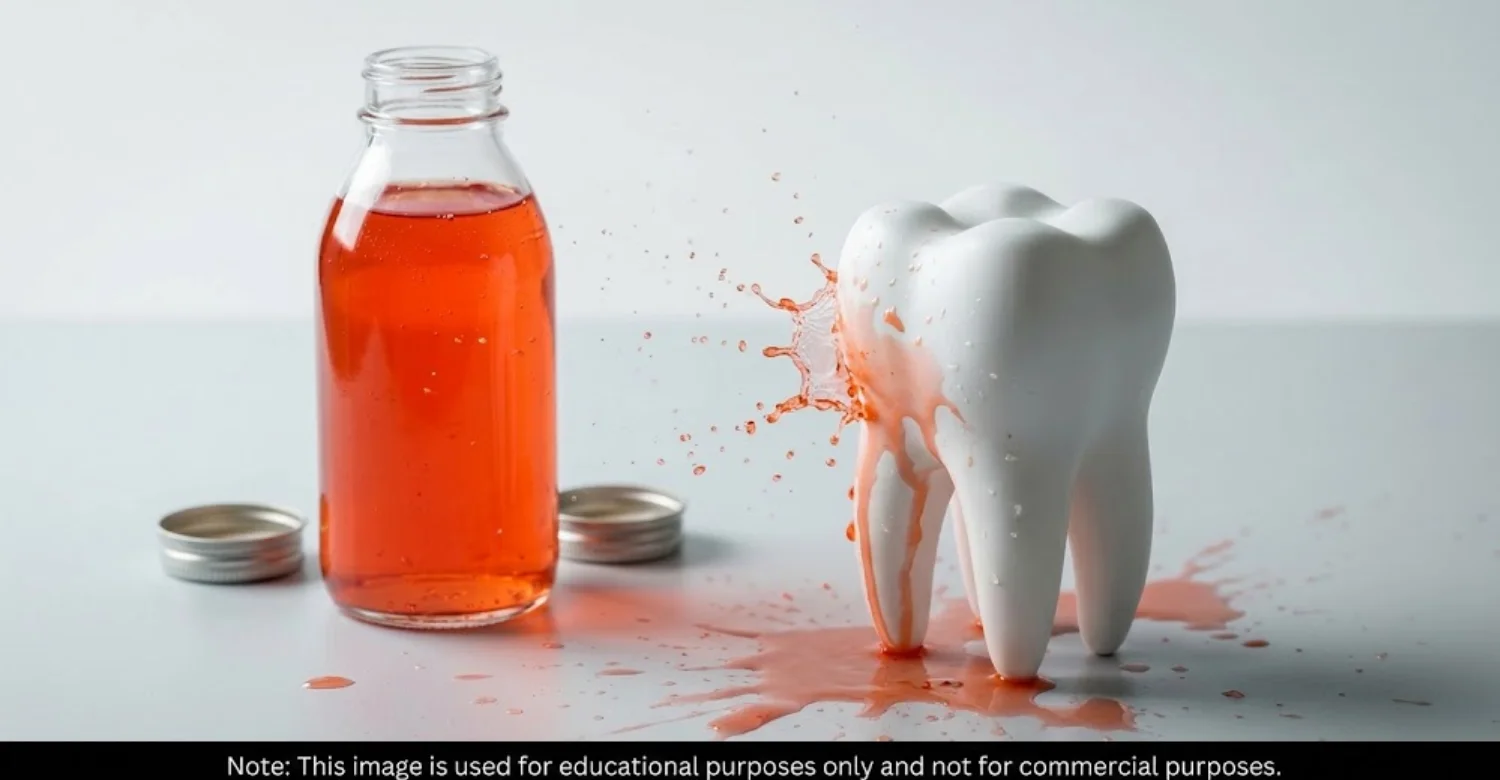
Electrolyte drinks and dental health are more connected than most people assume. These beverages are usually chosen for hydration, sports recovery, or illness, but their effect on teeth is rarely discussed. Two dental concerns matter most: acidity and sugar, whether added or naturally occurring. Not every electrolyte drink carries the same level of risk. A dentist looks at frequency, ingredients, drinking habits, and existing enamel condition before forming an opinion. This is a useful topic for anyone who sips these beverages daily. Used occasionally, they are rarely a problem. Used constantly, they may expose teeth to repeated acid or sugar challenges. This guide is practical, not alarmist. It is not meant to suggest that every electrolyte beverage should be avoided, but rather to explain how and when Electrolyte drinks & dental health becomes a genuine clinical concern worth understanding before habits are formed.
Electrolyte Drinks and Dental Health: How Do They Affect Your Teeth?
Electrolyte drinks & dental health begin interacting the moment a beverage touches enamel. How electrolyte drinks affect teeth depends on acidity, sugar, and contact time. An acidic environment can soften mineral structure, while sugar feeds bacteria that produce their own acid. Drinking quickly causes a short exposure; sipping slowly over hours extends it considerably. Saliva plays a protective role, neutralizing acid and helping minerals redeposit into enamel. However, dry mouth, existing enamel wear, frequent consumption, and poor oral hygiene can all reduce this natural defense, making electrolyte drinks acidity and teeth a genuinely relevant combination to monitor closely over time.
Why Acidity Matters for Enamel
Enamel does not react well to repeated acidic exposure. Electrolyte drinks acidity and teeth interact through a process where low-pH beverages gradually soften the mineral surface of enamel. Electrolyte drinks and enamel erosion is distinct from bacterial decay; erosion is a chemical process rather than an infection. Enamel that is already thin, worn, or previously restored tends to be more vulnerable to further acidic softening. This is why dental health assessments always start with a look at existing enamel conditions before anything else.
The Role of Sugar in Electrolyte Drinks
Added sugar changes the risk profile considerably. Sugar in electrolyte drinks and dental health outcomes are closely linked, especially with frequent consumption throughout the day. Oral bacteria metabolize fermentable sugars and release acids that contribute directly to Electrolyte drinks and cavities over time. A sugar-free formula may lower cavity risk, but it does not automatically remove erosion concerns if the drink remains acidic. This distinction matters when discussing sugar content with patients who assume sugar-free automatically means tooth-safe in every situation.
Electrolytes, Flavourings, and Other Ingredients
Citric acid and other flavouring acids are common in these products and deserve attention. The ingredient list often reveals more about the real picture than marketing claims ever will. Labels reading "sugar-free," "zero sugar," or "natural" do not guarantee a tooth-friendly formula. Some naturally flavoured drinks are just as acidic as sweetened versions. Reading beyond the front label is one of the simplest ways patients can protect enamel while still enjoying the hydration benefits these beverages are designed to provide.
Note: All images used are for editorial and illustrative purposes only and may not originate from the original news provider or associated company.
Read more about tongue function
Electrolyte Drinks and Tooth Decay: Can They Cause Cavities?
Frequent consumption is the main driver behind Electrolyte drinks and tooth decay concerns. Electrolyte drinks and cavities differ from pure acid erosion because bacteria are directly involved in the decay process. Frequency, quantity, oral hygiene, and overall diet all shape individual risk. Repeated sugar and acid exposure throughout the day is generally more concerning than occasional consumption after exercise. Athletes, people who train regularly, and patients using electrolyte drinks during illness may need tailored advice, since their consumption patterns can differ significantly from casual daily drinkers.
Electrolyte Drinks and Enamel Damage: What Happens Over Time?
Early enamel changes are often subtle and easy to miss. Electrolyte drinks and enamel damage can begin as mild sensitivity or a slightly smoother, thinner appearance along the edges of teeth. Because these changes progress slowly, patients frequently do not notice erosion until it becomes more advanced. Electrolyte drinks and dental erosion and electrolyte drinks and enamel damage often appear together clinically, since the underlying acidic exposure driving both processes tends to be the same repeated habit occurring over months or years of regular consumption.
Is Tooth Decay the Same as Dental Erosion?
Bacterial cavities and chemical erosion are not the same condition, even though both involve acid. Decay results from bacterial acid production on tooth surfaces, while Electrolyte drinks and dental erosion describes a direct chemical softening process without bacterial involvement. A patient can have significant erosion without a single cavity, or vice versa. Both conditions require professional assessment when sensitivity, discoloration, or shape changes persist, since these conditions cannot be properly evaluated through self-diagnosis alone.
Tips for Patients
Check the sugar and ingredient list before choosing an electrolyte beverage.
Avoid slowly sipping acidic drinks for hours.
Drink the beverage within a defined period rather than continuously.
Use a straw when practical.
Rinse with water afterward.
Do not brush immediately after an acidic drink.
Maintain twice-daily fluoride brushing.
Clean between the teeth every day.
Keep routine dental examinations.
Ask your dentist about fluoride treatment if you have enamel erosion or high caries risk.
If electrolyte drinks are medically or physically necessary, discuss the safest consumption pattern with your dentist rather than simply stopping them.
Which Electrolyte Drinks Are Better for Your Teeth?
Best electrolyte drinks for teeth are best identified through a dental-risk lens rather than one universal winning brand. Reading nutrition and ingredient labels carefully is the starting point for any comparison. Lower-sugar or sugar-free formulations are generally preferable where appropriate for the individual. Acidity, serving frequency, and whether a product is designed for prolonged sipping all matter just as much as sugar content. For most people, plain water remains the simplest, safest everyday hydration choice, with electrolyte drinks reserved for situations where they are genuinely useful.
What Should You Check on the Label?
Added sugar content should be the first thing reviewed. Acidity and specific acid-containing ingredients come next, since these directly affect Electrolyte drinks and enamel erosion risk over time. Serving size and intended frequency of use both matter for overall exposure. Finally, check whether the product is marketed for prolonged sipping during exercise or work, since this drinking pattern extends contact time with enamel and increases the practical relevance of these considerations for regular users of these products.
Are Sugar-Free Electrolyte Drinks Better for Teeth?
Sugar-free formulas can meaningfully reduce cavity risk by limiting fuel for decay-causing bacteria. However, sugar-free does not automatically mean non-acidic, and Electrolyte drinks acidity and teeth remain closely linked regardless of sugar content. Patients concerned about erosion should weigh both sugar and acidity together rather than focusing on one factor alone. A sugar-free but highly acidic drink can still contribute to Electrolyte drinks and dental erosion, so reading the full label remains essential before assuming a product is entirely tooth-safe.
Learn more about tongue thrust
How Electrolyte Drinks Affect Teeth Depending on How You Drink Them
How electrolyte drinks affect teeth depends heavily on drinking habits, which are one of the most modifiable risk factors available. Drinking quickly limits total contact time, while slowly sipping throughout the day extends acidic exposure considerably. Keeping an acidic beverage in prolonged contact with enamel raises the cumulative risk beyond what the drink's composition alone would suggest. Consuming electrolyte drinks briefly during exercise differs meaningfully from casually sipping the same beverage throughout an entire day, which is central to understanding how these habits affect enamel in practical, everyday terms.
Does Using a Straw Help?
Positioning a straw toward the back of the mouth can reduce direct contact between the beverage and front teeth. This simple habit is genuinely useful for people who drink electrolyte beverages frequently. However, a straw is not a complete solution, since it does not neutralize acidity or sugar content once liquid reaches the rest of the mouth. It remains one helpful tool among several, not a replacement for label awareness or moderate consumption habits overall.
Should You Rinse Your Mouth After an Electrolyte Drink?
Rinsing with plain water after an acidic beverage helps dilute residual acid and supports saliva's natural neutralizing process. Brushing immediately afterward is generally discouraged, since enamel is temporarily softened by acidic exposure and more vulnerable to abrasion. Waiting roughly thirty minutes before brushing allows enamel to reharden naturally. This small adjustment in timing is a simple, low-effort way to protect enamel while still supporting Electrolyte drinks and dental health for people who consume these beverages on a regular basis.
Explore more on tongue thrust open bite
What Are the Signs That Electrolyte Drinks May Be Affecting Your Teeth?
Several warning signs can indicate enamel changes worth monitoring. Tooth sensitivity to cold or sweet foods is often the earliest signal. Increased transparency or thinning at the edges of teeth may follow, along with subtle changes in tooth shape or surface texture. Yellowing can occur as thinning enamel exposes underlying dentin, and cavities or recurrent decay may appear in susceptible patients. These signs can have multiple causes and should not be automatically attributed to these beverages without a proper clinical evaluation confirming the underlying cause first.
When Should You See a Dentist?
Persistent sensitivity that does not resolve on its own is a clear reason to seek evaluation. Visible enamel changes, frequent cavities, or ongoing tooth pain also warrant attention. Dry mouth combined with frequent electrolyte drink consumption raises risk further and deserves discussion. If symptoms continue despite adjusting drinking habits, professional assessment becomes necessary. Addressing Electrolyte drinks and dental health early, before damage progresses, generally leads to simpler and less invasive treatment outcomes for most patients who seek care promptly.
Discover more about vitamin a deficiency and tooth development
Can You Prevent Electrolyte Drink-Related Enamel Erosion?
Prevention is about reducing exposure rather than eliminating every electrolyte beverage entirely. For patients who genuinely need electrolyte replacement, practical strategies make a meaningful difference. Drinking water between electrolyte beverages helps dilute acid and rinse the mouth naturally. Avoiding unnecessary sipping limits total contact time considerably. Choosing lower-sugar alternatives where suitable reduces one major risk factor. Maintaining fluoride toothpaste use and regular professional examinations rounds out a preventive approach that keeps this risk manageable without requiring patients to give up beverages they rely on.
Dive deeper into when to stop pacifier
What Dental Treatments May Be Needed If Electrolyte Drinks Have Damaged Your Teeth?
Treatment depends entirely on whether the underlying problem is erosion, decay, sensitivity, or structural damage. Prevention and behavior modification are generally emphasized before restorative intervention wherever appropriate. Not every case of enamel wear requires immediate treatment, but ongoing monitoring is important. Understanding the specific cause behind symptoms allows a dentist to recommend the least invasive option first. This individualized approach reflects how Electrolyte drinks and dental health should be managed clinically, matching treatment intensity to the actual severity of the damage present.
Fluoride and Preventive Treatment
Professional fluoride applications can support patients at elevated caries or sensitivity risk by strengthening remaining enamel. These treatments are typically part of an individualized preventive plan rather than a one-size-fits-all recommendation. Frequency and concentration depend on the patient's specific risk profile, drinking habits, and any existing enamel wear. For patients whose lifestyle includes regular electrolyte drink consumption, fluoride treatment can be a practical addition to broader efforts addressing Electrolyte drinks and dental health over the longer term.
Treatment for Tooth Decay
Fillings remain the standard treatment for localized cavities once decay has developed. However, addressing the underlying dietary pattern is just as important as the filling itself to prevent recurrence. Without changes to frequency or sugar exposure, new cavities can develop even after successful treatment. This is why conversations about Electrolyte drinks & dental health typically accompany any restorative work, ensuring the same habits that caused the original decay do not simply create new cavities shortly afterward.
Treatment for Significant Enamel Wear
When enamel wear becomes more significant, bonding or other restorative approaches may be considered to rebuild lost structure. Preserving as much healthy natural tooth structure as possible remains a priority throughout treatment planning. The extent of wear, the patient's bite, and overall oral health all influence which option is most appropriate. Addressing Electrolyte drinks and dental health at this stage often involves both restorative work and renewed attention to the drinking habits that contributed to the wear.
Cosmetic and Restorative Options for Advanced Damage
Veneers, crowns, or more comprehensive rehabilitation may become appropriate when damage is more advanced. Treatment choice depends on remaining tooth structure, bite alignment, overall oral health, and the extent of visible damage. Restoration can meaningfully improve both appearance and function, but it does not reverse the underlying causes of enamel loss. Realistic expectations matter here, since Electrolyte drinks and dental health habits must still be managed afterward to protect the longevity of any cosmetic or restorative work completed.
Explore more on teeth hurt when sick with flu
Electrolyte Drinks and Oral Health: Who Should Be More Careful?
Certain patient groups warrant closer attention regarding Electrolyte drinks and oral health. Patients with frequent cavities or existing enamel erosion fall into this category, as do those with tooth sensitivity or dry mouth. High consumption frequency and drinking several acidic beverages throughout the day both raise individual risk considerably. Patients with existing dental restorations who need long-term maintenance should also take particular care. Risk varies considerably between individuals, which is exactly why Electrolyte drinks & dental health cannot be reduced to one universal recommendation for every patient.
Clinical Note
The dental impact of electrolyte beverages depends on exposure pattern rather than simply the category of drink consumed. Patients should weigh acidity, sugar content, frequency, and their own individual caries and erosion risk together rather than in isolation. Sensitivity or enamel wear should always be clinically assessed before assuming a particular drink is responsible. Preventive advice should be individualized, especially for patients with dry mouth, reflux, enamel defects, frequent caries, or extensive restorative work, since Electrolyte drinks and dental health guidance rarely applies identically across every patient profile.
Learn more about daytime mouth guard for clenching teeth
What We Notice Clinically
Dr. Rifat Alsaman, Head of the Medical Team at Vitrin Clinic and cosmetic dentist, notes that repeated acidic exposure becomes particularly relevant when patients already have compromised enamel or extensive cosmetic restorations. Dr. Rifat Alsaman's opinion: from a cosmetic dentistry perspective, protecting natural enamel and maintaining a stable oral environment matter before considering aesthetic procedures. Patients should not assume veneers, crowns, or other restorations make them immune to poor dietary habits. Dr. Rifat Alsaman emphasizes that cosmetic treatment does not replace preventive care, and identifying the true cause behind sensitivity or wear directly shapes how Electrolyte drinks and dental health concerns are addressed in treatment planning.
Discover more about chewing gum teeth
Vitrin Clinic: Personalized Dental Assessment and Preventive Guidance
Vitrin Clinic offers a setting where dental concerns are assessed according to each patient's individual oral condition. Comprehensive examination always precedes any recommendation for restorative or cosmetic treatment. Modern diagnostic and treatment-planning technologies, including digital imaging, CBCT and 3D planning, and intraoral scanning, are used where clinically appropriate. Professional treatment planning guides decisions rather than appearance alone. Dr. Rifat Alsaman, Head of the Medical Team at Vitrin Clinic and cosmetic dentist, brings clinical expertise to every assessment. Patients noticing sensitivity, enamel changes, recurrent cavities, or concerns about their Electrolyte drinks & dental health habits are encouraged to seek a professional evaluation and discuss an individualized treatment plan.
Read more about thumb sucking teeth
References:
FAQs
Dr. Rifat Alsaman has more than 5 years of clinical experience in dentistry and currently serves as the Head of the Medical Team at Vitrin Clinic. He is dedicated to providing exceptional patient care, overseeing treatment planning, and ensuring the highest clinical standards across the team. His expertise, attention to detail, and commitment to continuous professional development have helped countless patients achieve healthier, more confident smiles.


