General Dentistry
October 12, 2026
Gingivitis Medicine: What Helps Inflamed Gums and How Is It Treated?
 Dr. Rifat Alsaman
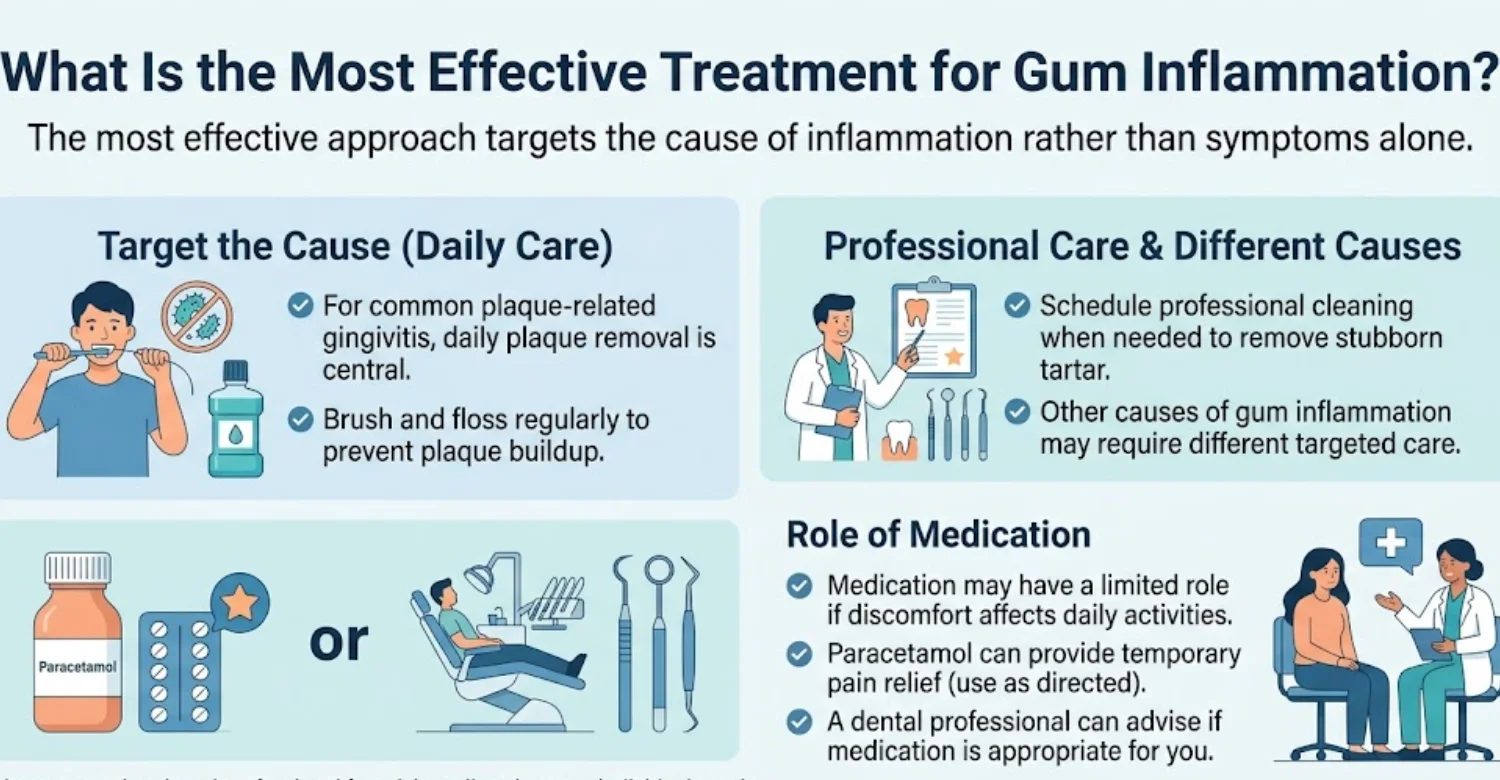
Gingivitis Medicine depends on the cause of gum inflammation, symptom severity, and the patient's oral health. Paracetamol may temporarily relieve gum discomfort, but it does not remove plaque or cure gingivitis. Effective care usually requires daily plaque removal and professional cleaning when needed. Persistent bleeding or swelling deserves dental assessment rather than relying on pain relief alone.
What Is Gingivitis, and Can Medicine Treat It?
Gingivitis is inflammation of the gums, usually caused by plaque accumulating around teeth. Early symptoms include redness, tenderness, swelling, and bleeding during brushing. The condition can often improve with consistent oral hygiene and professional care.
Gingivitis Medicine may relieve discomfort in selected circumstances, but medication alone generally cannot remove the cause. Paracetamol is a pain reliever, not a treatment that removes plaque or tartar. A dentist can determine whether cleaning, improved home care, or further treatment is necessary.
What Causes Gingivitis and Gum Inflammation?
Gingivitis most commonly develops when plaque remains around the teeth and gumline. Plaque contains bacteria that irritate gum tissue. If it hardens into tartar, brushing alone cannot remove it.
Other contributing factors include smoking, hormonal changes, diabetes, and some health conditions. Certain medicines can also affect oral health or gum tissue. A dental professional can assess these factors and recommend appropriate care.
What Are the Early Signs and Symptoms of Gingivitis?
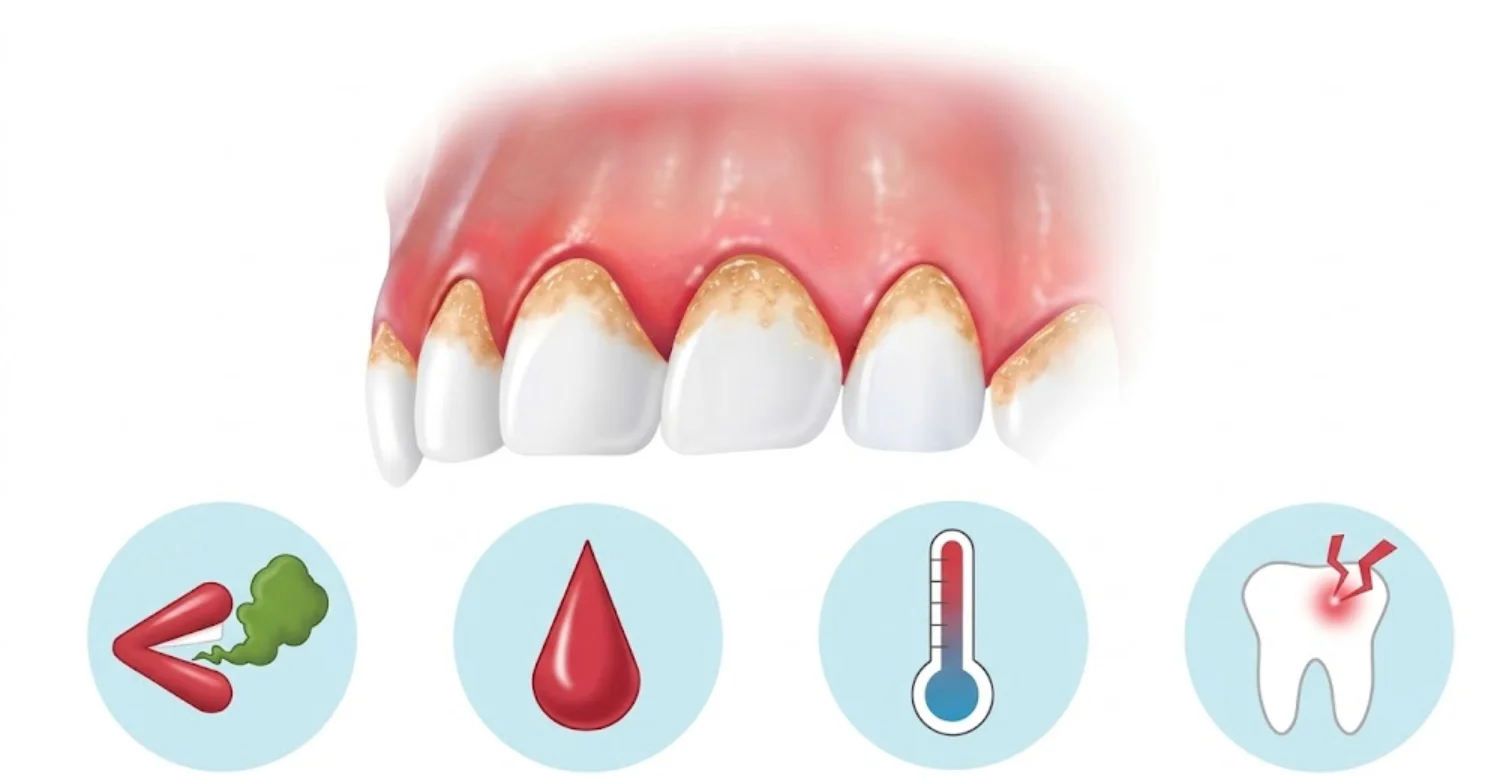
Early gingivitis commonly causes red, swollen, tender, or bleeding gums. Bleeding may occur during brushing, interdental cleaning, or eating firm foods. Persistent bad breath can also develop.
Pain may be mild or absent, so comfortable gums do not always indicate healthy gums. Gingivitis Medicine may be considered for discomfort, but bleeding should not simply be masked. Arrange a dental assessment if symptoms persist or recur.
Can Gingivitis Be Reversed With Proper Oral Hygiene?
Yes, early plaque-related gingivitis can often be reversed through effective daily oral hygiene. Brush twice daily and clean between teeth every day. A dental professional can remove tartar that home cleaning cannot dislodge.
Gingivitis Medicine does not reverse the condition by itself. Paracetamol may temporarily reduce pain, but improvement depends on controlling plaque and addressing contributing factors. If bleeding continues despite careful cleaning, arrange a dental examination.
Why Is Removing Plaque Essential for Treating Gingivitis?
Plaque removal is essential because plaque bacteria trigger the inflammation associated with gingivitis. Brushing cleans tooth surfaces, while interdental cleaning reaches spaces between teeth. These habits help prevent plaque accumulation.
Once plaque hardens into tartar, professional cleaning is needed. Gingivitis Medicine cannot dissolve tartar or reliably eliminate the source of inflammation. Regular cleaning and consistent home care work together to support healthier gums.
What Types of Gingivitis Medicine May Help Inflamed Gums?
The appropriate treatment depends on whether the problem is plaque-related inflammation, infection, irritation, or another condition. Paracetamol may temporarily relieve pain, but it does not treat gingivitis itself. Some professionally recommended oral-care products may help control plaque in selected cases.
Do not start medication intended for an infection without professional advice. A dentist should assess the cause and determine whether a specific product or procedure is appropriate.
When May Antimicrobial Mouth Rinses Be Appropriate?
A dentist may recommend an antimicrobial rinse when additional plaque control is appropriate. It should complement, not replace, brushing, interdental cleaning, or professional treatment. The choice and duration depend on the patient's needs and the product instructions.
Gingivitis Medicine taken for pain does not provide the same plaque-control action. Follow professional guidance, and stop using an oral-care product if significant irritation develops. Ask a dentist or pharmacist before combining products or using them alongside prescribed treatments.
When Might a Dentist Recommend Other Professional Treatments for Gum Inflammation?
A dentist may recommend professional cleaning when plaque or tartar contributes to inflammation. More extensive periodontal treatment may be needed if examination reveals deeper gum pockets or supporting-tissue damage. The treatment plan depends on the findings.
Paracetamol may help temporary discomfort after dental treatment when a clinician considers it suitable. It does not replace cleaning or treatment of the underlying condition. Follow the clinician's instructions and seek advice if pain worsens or fails to improve.
Can Medicine for Gingivitis Reduce Bleeding, Redness, and Swelling?
Symptom improvement depends on the cause and the treatment used. Paracetamol may relieve pain, but it does not directly remove plaque or resolve gum inflammation. Bleeding and swelling usually require effective plaque control and appropriate dental care.
Gingivitis Medicine should not be used to delay an examination when symptoms persist. If bleeding continues despite gentle, consistent cleaning, ask a dentist to assess the gums. Sudden or severe swelling needs prompt professional attention.
Why Is Gingivitis Medication Not Always Enough to Treat the Underlying Cause?
Medication cannot remove hardened tartar or correct every cause of gum inflammation. Plaque-related gingivitis usually requires effective brushing, interdental cleaning, and professional removal of tartar when present.
Paracetamol may reduce discomfort temporarily, but it does not cure gum disease. If an infection or another condition is suspected, the dentist must identify and treat its source. Do not rely on pain relief as proof that the problem has been resolved.
How Does Professional Dental Cleaning Help Treat Gingivitis?
Professional cleaning removes tartar and plaque deposits that are difficult to remove at home. The dentist or hygienist may also demonstrate effective brushing and interdental-cleaning techniques. Cleaning needs vary according to oral health findings.
Paracetamol may be considered for temporary discomfort if clinically appropriate. However, Gingivitis Medicine cannot replace professional removal of hardened deposits. Ask your dental team what level of cleaning is suitable and when follow-up is recommended.
When Is Additional Periodontal Treatment Necessary?
Additional periodontal treatment may be needed when inflammation persists or examination suggests periodontitis. Periodontitis affects tissues supporting the teeth and can cause deeper pockets, gum recession, bone loss, or loose teeth.
Gingivitis Medicine cannot repair damaged supporting tissues or remove deep deposits. A dentist may recommend specialist assessment, deep cleaning, or other treatment based on findings. Early evaluation helps clarify the condition and appropriate next steps.
How Can Brushing and Interdental Cleaning Support Gum Healing?
Brush twice daily with a soft-bristled toothbrush and fluoride toothpaste. Use gentle movements along the gumline without scrubbing aggressively. Clean between teeth daily using a suitable interdental method.
Gingivitis Medicine cannot replace these habits because plaque must be physically disrupted. If cleaning causes bleeding, continue gently unless a dentist advises otherwise. Seek advice about technique if discomfort or bleeding persists.
How Do Dentists Decide Which Treatment Is Appropriate?
Dentists consider symptoms, medical history, plaque and tartar levels, gum-pocket measurements, and signs of tissue damage. They may also ask about smoking, pregnancy, diabetes, and current medicines. These details help distinguish gingivitis from other conditions.
Paracetamol suitability also depends on personal health factors and other medicines. Gingivitis Medicine is not a one-size-fits-all solution. Treatment should match the clinical findings and the patient's individual needs.
Can Medicine for Swollen Gums Provide Relief at Home?
Home care may ease mild irritation while helping control plaque. Brush gently, clean between teeth, and avoid tobacco. Seek dental advice if swelling persists, increases, or accompanies significant pain.
Paracetamol may temporarily relieve discomfort for some people when suitable. Gingivitis Medicine should not be used as a substitute for diagnosis or professional treatment. Home measures cannot remove tartar or treat every cause of swollen gums.
Which Home Care Measures May Help Relieve Gum Discomfort?
Use a soft toothbrush, gentle brushing, and daily interdental cleaning. Drink water regularly and avoid foods that aggravate tender gums. Avoid picking at swollen areas or attempting to remove tartar yourself.
Gingivitis Medicine may provide temporary pain relief when appropriate, but it does not treat the cause. Arrange dental assessment if symptoms persist, recur, or worsen.
Can Warm Saltwater Rinsing Provide Temporary Relief?
A warm saltwater rinse may soothe some people’s minor oral irritation temporarily. It should not be swallowed, and it should not replace brushing or professional assessment. Avoid water that is hot enough to burn oral tissues.
Paracetamol may also provide temporary pain relief if suitable for the person. Neither approach removes tartar or treats the underlying cause of persistent gum inflammation. Seek dental advice if symptoms continue.
How Can Patients Reduce Gum Irritation While Brushing?
Choose a soft-bristled brush and use small, gentle movements along the gumline. Avoid pressing hard or scrubbing repeatedly over sore areas. Replace a worn toothbrush when its bristles become frayed.
Gingivitis Medicine will not correct brushing trauma or remove plaque by itself. If bleeding continues, ask a dental professional to check your technique and gum health. Do not stop all cleaning without professional advice.
Why Does Temporary Relief Not Always Mean Gingivitis Has Resolved?
Pain relief does not prove that inflammation or its cause has disappeared. Paracetamol can reduce pain while plaque and tartar remain present. Some gum conditions also cause few symptoms during early stages.
Gingivitis Medicine may help comfort, but ongoing bleeding or swelling needs assessment. Continue appropriate oral hygiene and follow the treatment plan recommended by your dentist.
What Are the Side Effects and Limitations of Gingivitis Medication?
Every medicine and oral-care product has specific instructions, risks, and limitations. Paracetamol can cause serious harm if too much is taken, particularly through liver damage. Correct use does not eliminate every risk.
Gingivitis Medicine should be selected according to the actual problem, not symptoms alone. Read the product leaflet and consult a pharmacist or clinician if unsure. Never combine products without checking their ingredients and instructions.
What Side Effects Can Occur With Products Used to Manage Gum Inflammation?
Side effects depend on the product and how it is used. Paracetamol is generally well tolerated when taken correctly, but overdose can cause severe liver injury. Rare serious reactions can also occur.
Gingivitis Medicine may refer to different products, so risks cannot be generalized across them. Follow the label and seek professional advice about any unexpected reaction.
Can Oral Care Products Cause Irritation or Allergic Reactions?
Yes, oral-care products can sometimes cause irritation or allergic reactions. Stop using a suspected product and seek advice if burning, rash, or swelling develops. Severe swelling of the mouth or throat, or difficulty breathing, requires emergency care.
Paracetamol can also rarely cause serious allergic reactions. Check the product information and ask a healthcare professional if you have experienced previous reactions.
Who Should Seek Professional Advice Before Using Gum Disease Medicine?
People with liver or kidney conditions, heavy alcohol use, pregnancy, or breastfeeding should seek individualized advice before using paracetamol. Children require age- and weight-appropriate guidance. Product formulations and instructions differ.
Check with a pharmacist or clinician if you take other medicines or combination products. Never assume a standard adult dose is suitable for everyone.
What Should Patients Do if Symptoms Worsen After Treatment?
Contact a dentist promptly if gum pain, swelling, bleeding, or discharge worsens. Increasing symptoms may indicate that the diagnosis or treatment needs reassessment. Do not simply increase medication doses.
If you suspect a paracetamol overdose, seek urgent medical advice immediately, even without symptoms. Difficulty breathing or swallowing, or rapidly spreading facial or neck swelling, requires emergency care.
What Factors Can Make Gingivitis More Difficult to Treat?
Gingivitis can be harder to control when plaque remains, tartar accumulates, or risk factors persist. Smoking, diabetes, hormonal changes, and certain health conditions may affect gum health. Individual circumstances influence the care required.
Gingivitis Medicine cannot remove these contributing factors or replace dental assessment. A dentist can help identify barriers to healing and suggest a realistic care plan.
How Can Poor Oral Hygiene Contribute to Persistent Gum Inflammation?
Inconsistent brushing and interdental cleaning allow plaque to remain near the gumline. Over time, plaque can harden into tartar and sustain inflammation. Tartar requires professional removal.
Gingivitis Medicine cannot replace regular plaque removal. Improve cleaning gradually and ask a dental professional for advice if bleeding or swelling persists.
How Can Smoking Affect Gum Health and Healing?
Smoking increases the risk of gum disease and can make treatment less successful. Tobacco use may also delay healing and mask some signs of inflammation. Quitting supports better oral health.
Pain relief alone cannot offset smoking-related risks. Tell your dentist about tobacco use so your care plan can address relevant risk factors.
Can Hormonal Changes, Diabetes, or Certain Health Conditions Affect Gum Health?
Yes, hormonal changes and diabetes can influence gum inflammation and periodontal health. Some medical conditions and medicines may also affect the gums. These factors do not mean gum disease is inevitable.
Inform your dentist about relevant diagnoses and treatments. Gingivitis Medicine should be considered alongside your overall health, rather than used without assessing contributing factors.
Why Can Persistent Gum Bleeding Require Further Assessment?
Persistent bleeding can indicate ongoing inflammation, tartar, brushing trauma, or another oral condition. A dental examination helps identify the cause. Bleeding that continues despite good cleaning should not be ignored.
Gingivitis Medicine may temporarily ease discomfort without resolving the reason for bleeding. Seek assessment, especially if bleeding occurs spontaneously or accompanies swelling, ulcers, or loose teeth.
How Is Gingivitis Diagnosed?
A dentist diagnoses gingivitis by examining the gums, teeth, plaque, and signs of bleeding. Medical history and risk factors also help guide the assessment. X-rays may be used when deeper disease or bone loss is suspected.
Gingivitis Medicine should not be chosen solely from symptoms or online advice. A proper assessment helps distinguish simple gum inflammation from conditions requiring different treatment.
What Happens During a Dental Examination for Inflamed Gums?
The dentist reviews your symptoms and medical history, then examines the gums and teeth. They may measure spaces around the teeth using a periodontal probe. These measurements help assess gum health and possible tissue damage.
Tell the dentist about pain, bleeding, swelling, tobacco use, and current medicines. The findings guide treatment decisions and whether further tests are needed.
How Do Dentists Assess Plaque, Tartar, and Gum Bleeding?
Dentists look for plaque, hardened tartar, redness, swelling, and bleeding. They may measure gum pockets and check for recession or loose teeth. These findings help determine the severity of the problem.
Gingivitis Medicine cannot replace this examination. Identifying deposits and tissue changes helps the dentist recommend suitable cleaning and follow-up.
How Can Dentists Distinguish Gingivitis From Periodontitis?
Gingivitis affects the gums without the supporting bone loss characteristic of periodontitis. Periodontitis can damage the tissues and bone supporting teeth. Gum-pocket measurements, clinical findings, and sometimes X-rays help distinguish them.
Gingivitis Medicine alone cannot treat established supporting-tissue damage. Early diagnosis helps clarify the appropriate treatment and monitoring plan.
When Might Dental X-Rays Be Needed?
Dental X-rays may be needed when the dentist suspects bone loss, deeper disease, or another dental problem. They are not automatically necessary for every case of gingivitis. The decision depends on symptoms and examination findings.
X-rays help assess structures that cannot be fully evaluated by looking at the gums alone. The dentist should explain why imaging is appropriate for your situation.
Note : All images used are for editorial and illustrative purposes only and may not originate from the original news provider or associated company.
What Is the Difference?
Gingivitis Medicine
Professional Dental Treatment
Paracetamol may temporarily reduce pain, while professional dental treatment addresses the underlying cause when necessary. Plaque-related gingivitis usually improves through effective daily cleaning and professional tartar removal. Medicines cannot remove hardened deposits.
Treatment choices depend on the diagnosis, symptoms, and medical history. A dentist can explain whether home care is sufficient or additional treatment is needed.
When May Home Care Be Sufficient for Mild Gum Inflammation?
Home care may be sufficient for mild plaque-related inflammation when no complicating condition is present. Brush twice daily and clean between teeth every day. Arrange dental care if symptoms persist or worsen.
Gingivitis Medicine is not always necessary for mild gingivitis. A dental professional can help determine whether home care alone is reasonable.
When Is Professional Dental Cleaning More Important Than Symptom Relief?
Professional cleaning is important when tartar has accumulated or inflammation persists despite home care. It removes hardened deposits that brushing cannot remove. Symptom relief alone does not address these deposits.
Paracetamol may reduce discomfort temporarily, but it cannot perform dental cleaning. Ask a dentist whether a routine cleaning or more extensive periodontal care is appropriate.
Why Can Hardened Plaque Require Professional Removal?
Hardened plaque, called tartar or calculus, attaches firmly to tooth surfaces. A toothbrush cannot reliably remove it. Dental professionals use suitable instruments to remove these deposits safely.
Gingivitis Medicine does not dissolve tartar. Professional removal, followed by daily plaque control, helps manage the cause of inflammation.
How Can Patients Combine Professional Care With Daily Oral Hygiene?
Follow your dentist's cleaning recommendations and maintain daily plaque control. Brush gently twice a day and clean between teeth. Attend follow-up visits according to your gum health and risk factors.
Paracetamol should only be used when appropriate and according to product instructions. It is not a substitute for the treatment plan or routine oral hygiene.
.jpg)
.jpg)
.jpg)
.jpg)
.jpg)
.jpg)
How Can Gingivitis Be Prevented From Returning?
Preventing recurrence means disrupting plaque daily and attending recommended dental checkups. Brush twice daily, clean between teeth, and avoid tobacco. Follow any individualized instructions provided by your dentist.
Gingivitis Medicine cannot prevent plaque from accumulating again. Consistent habits and timely professional care provide the foundation for maintaining healthier gums.
What Daily Oral Hygiene Habits Help Prevent Gum Inflammation?
Brush twice daily for about two minutes using fluoride toothpaste. Clean between teeth every day with a suitable interdental method. Replace a worn toothbrush and avoid aggressive scrubbing.
Gingivitis Medicine does not replace preventive habits. If you are unsure how to clean around crowded teeth or dental restorations, ask your dental professional for guidance.
How Often Should Patients Have Dental Checkups and Professional Cleanings?
The appropriate interval depends on gum health, tartar buildup, medical history, and individual risk. Some patients need more frequent visits than others. Follow your dentist's recommended schedule rather than assuming everyone needs the same interval.
Gingivitis Medicine cannot determine how often cleaning is needed. Regular assessments help identify changes before they become more serious.
How Can Diet and Tobacco Avoidance Support Healthy Gums?
A balanced diet supports general health, while limiting frequent sugary snacks helps reduce tooth-decay risk. Avoiding tobacco supports gum health and healing. Drink water regularly and maintain daily plaque removal.
These habits complement, but do not replace, dental treatment. Ask your dentist for advice tailored to your health and oral-care needs.
What Should Patients Do if Gum Bleeding Continues Despite Good Oral Hygiene?
Arrange a dental examination if bleeding continues despite gentle, consistent cleaning. The cause may include tartar, periodontitis, irritation, or another condition. Your dentist can check for these problems and recommend suitable care.
Do not rely on Gingivitis Medicine alone to stop persistent bleeding. Seek earlier assessment if bleeding is spontaneous, heavy, or accompanied by swelling or loose teeth.
When Should You See a Dentist for Gum Inflammation?
Arrange dental care for persistent bleeding, swollen gums, tenderness, or ongoing bad breath. These symptoms may indicate gum disease or another oral condition. Prompt assessment is especially important when symptoms worsen.
Gingivitis Medicine should not delay diagnosis. Severe swelling, pus, or loose teeth need urgent dental assessment. Breathing or swallowing difficulties require emergency medical care.
When Does Persistent Bleeding or Swelling Require Dental Assessment?
Bleeding or swelling that persists, recurs, or worsens should be assessed by a dentist. These symptoms can indicate plaque-related inflammation, tartar, or another condition. Earlier assessment is advisable if discomfort interferes with eating or cleaning.
Pain relief may mask symptoms without resolving their cause. Seek professional advice rather than repeatedly treating the same symptoms at home.
Which Symptoms May Suggest Advanced Gum Disease?
Possible warning signs include receding gums, persistent bad breath, pain while chewing, and loose teeth. Deep gum pockets or supporting-bone loss require professional assessment. These findings cannot be reliably diagnosed at home.
Gingivitis Medicine cannot reverse advanced periodontal damage. Arrange a dental appointment promptly if you notice these changes.
When Do Pus, Increasing Pain, or Loose Teeth Require Prompt Evaluation?
Pus, increasing pain, or loose teeth may indicate infection or significant periodontal damage. Arrange urgent dental assessment, particularly if symptoms develop quickly. Do not attempt to drain an area yourself.
Paracetamol may temporarily relieve pain if suitable, but it cannot drain an abscess or treat its cause. Seek emergency care if swelling spreads rapidly or affects breathing or swallowing.
When Do Facial Swelling or Difficulty Swallowing or Breathing Require Emergency Care?
Rapidly spreading facial or neck swelling requires urgent medical assessment. Difficulty breathing or swallowing is an emergency. Seek emergency services immediately rather than waiting for a routine dental appointment.
Do not rely on pain relief while these symptoms are present. Emergency assessment is needed to evaluate possible spreading infection or airway compromise.
Dental Treatment Costs
United States
United Kingdom
Turkey
Treatment | United States | UK (NHS England) | Turkey |
Exam and X-rays | About $203 average | $27.90* | $33–$39 |
Filling | 139–976 | $76.60* | $60–$90 |
Root canal | 984–1,337 | $76.60* | $60–$135 |
Extraction | 177–2,685 | $76.60* | From $30 |
Abscess treatment | Varies by procedure | Often within relevant NHS band | Requires individual quote |
US figures are published averages; Turkey figures are examples from a clinic price list. NHS England charges apply per course of treatment, not each procedure separately. Abscess treatment varies by severity, drainage needs, and the tooth involved. Prices exclude some possible extras and are not guaranteed quotes.
Vitrin Clinic Perspective
At the Vitrin Clinic, gum concerns should be assessed before treatment is selected. Bleeding and swelling can have different causes, and treatment depends on the clinical findings. Examination and digital dental X-rays may support diagnosis when appropriate.
Gingivitis Medicine may help with temporary discomfort, but it cannot replace plaque removal or necessary periodontal care. Treatment estimates should reflect the diagnosis, planned procedures, and likely follow-up. International patients should discuss appointment timing, aftercare, and how urgent concerns will be managed after returning home.
Why Should Treatment Begin With Identifying the Cause of Gum Inflammation?
Treatment should begin with identifying why the gums are inflamed. Plaque-related gingivitis, periodontitis, irritation, and other oral conditions may require different approaches. Treating discomfort alone may delay appropriate care.
A clinical assessment helps determine whether cleaning, improved home care, additional testing, or specialist treatment is appropriate. This reduces guesswork and supports individualized planning.
How Can a Clinical Gum Examination Guide Treatment Planning?
A gum examination assesses redness, swelling, bleeding, plaque, tartar, recession, and pocket depth. Medical history helps identify relevant risk factors. Digital X-rays may be recommended when bone loss or another dental problem is suspected.
The findings guide the type and timing of treatment. Not every patient requires imaging or extensive periodontal procedures. Recommendations should reflect clinical need.
When May Professional Cleaning or Periodontal Treatment Be Recommended?
Professional cleaning may be recommended when plaque or tartar contributes to inflammation. More extensive periodontal care may be necessary if deeper pockets or supporting-tissue damage are identified. The dentist should explain the reason for each proposed procedure.
Gingivitis Medicine alone cannot remove tartar or repair periodontal damage. Treatment plans should include practical home-care instructions and appropriate reassessment.
How Can Individualized Aftercare Help Patients Maintain Gum Health?
Individualized aftercare helps patients maintain cleaning habits and recognize symptoms that need review. Instructions may cover brushing technique, interdental cleaning, follow-up timing, and tobacco avoidance. Recommendations depend on diagnosis and treatment.
International patients should obtain a written treatment summary and understand whom to contact after travelling. Ask about expected follow-up and how complications would be assessed. No plan can guarantee a particular outcome.
Ready to transform your smile?
Talk to our team and get a personal FREE treatment plan.
Key Takeaways
Gingivitis is commonly caused by plaque buildup along the gumline. Early treatment can help reduce inflammation and prevent progression.
What Patients Should Know About Gingivitis Treatment
Gingivitis is commonly caused by plaque and can often improve with effective oral hygiene. Professional cleaning may be necessary to remove tartar. Persistent or worsening symptoms need dental assessment.
Gingivitis Medicine may help selected symptoms, but it does not remove plaque or tartar. The correct approach depends on the cause and individual health factors.
Why Symptom Relief and Plaque Control Both Matter
Symptom relief can improve comfort temporarily, while plaque control targets a common cause of gum inflammation. Paracetamol may relieve pain when suitable and correctly used. It does not cure gingivitis or treat a dental abscess.
Combine appropriate symptom management with daily cleaning and professional advice. Do not interpret reduced pain as proof that the condition has resolved.
When Professional Dental Care Is Necessary
Seek dental care for persistent bleeding, swelling, pus, increasing pain, or loose teeth. Rapidly spreading swelling requires urgent assessment. Difficulty breathing or swallowing requires emergency care.
Do not delay assessment because temporary relief has occurred. Early evaluation helps identify the cause and determine the next steps.
Medical Disclaimer
This article provides general educational information and does not replace personalized dental or medical advice. Medication suitability depends on the product, age, weight, medical history, pregnancy or breastfeeding status, and other medicines.
Follow the product label and ask a qualified healthcare professional if uncertain. If you take more paracetamol than directed, seek immediate professional advice, even if you feel well. For breathing or swallowing difficulties, seek emergency care.
Reference
FAQs
Dr. Rifat Alsaman has more than 5 years of clinical experience in dentistry and currently serves as the Head of the Medical Team at Vitrin Clinic. He is dedicated to providing exceptional patient care, overseeing treatment planning, and ensuring the highest clinical standards across the team. His expertise, attention to detail, and commitment to continuous professional development have helped countless patients achieve healthier, more confident smiles.


