Periodontics
August 23, 2026
Gum Contouring vs Crown Lengthening: Which Treatment Is Right for You?
 Dr. Rifat Alsaman
When patients search for Gum Contouring vs Crown Lengthening, they are usually trying to understand one thing. Why did a dentist recommend one procedure over the other for the same complaint? Often the concern is a "gummy smile" or a tooth that looks too short.
Gum contouring only reshapes soft tissue to improve aesthetics. Crown lengthening sometimes also involves removing a small amount of bone alongside the gum tissue. That extra step is one reason recovery time differs between the two treatments.
A gum display of 1–2mm when smiling is generally considered normal. Once it exceeds 3mm, crown lengthening is typically the recommended fix for a gummy smile, rather than gum contouring alone. Because many dentists and websites use the two terms interchangeably, online information on this topic can be confusing and even contradictory.
This guide breaks down the real differences in method, purpose, cost, recovery, and results. It also explains how Vitrin Clinic evaluates patients before recommending either treatment.
Gum Contouring vs Crown Lengthening: What Is the Difference?
The core difference comes down to what tissue is treated and why. Gum contouring is primarily cosmetic. Crown lengthening is often functionally necessary. It's used to prepare a tooth for a crown or filling when there isn't enough visible tooth structure above the gumline. One approach reshapes soft tissue only; the other may reshape both gum and supporting bone. Patients who want to understand gum conditions in more detail can also explore gum diseases and how they affect treatment planning.
What Is Gum Contouring?
Gum contouring, also called gum reshaping, is a cosmetic procedure. It trims and reshapes excess gum tissue to create a more even, proportionate gumline. It does not touch the underlying bone, which keeps the treatment conservative and largely aesthetic in nature. Patients interested in the financial side can also review the gum contouring cost guide.
How Does Gum Contouring Work?
A dentist marks the desired new gumline. Then a scalpel, laser, or radiosurgery unit removes the excess soft tissue along that line. Because only soft tissue is involved, the procedure is typically quick. It's done under local anesthesia and finished in a single visit with minimal downtime. Laser-based approaches are also discussed in Vitrin Clinic's guide to laser gum reshaping versus traditional gingivectomy.
Who Is a Good Candidate for Gum Contouring?
Good candidates have healthy gums and bone levels but an uneven or excessive gum display that affects the appearance of their smile. Patients whose gums cover too much of the tooth for cosmetic reasons only are usually steered toward this option. This applies when there is no restorative need. A detailed discussion of periodontal disease treatment can help explain why gum health should be stable before elective cosmetic procedures.
What Is Crown Lengthening?
Crown lengthening is a surgical procedure that exposes more of the natural tooth structure. It removes gum tissue and, when needed, a small amount of supporting bone. It's one of the two procedures compared throughout this guide, and it is often functional rather than purely cosmetic. For gummy smile cases specifically, patients can read more about crown lengthening for a gummy smile.
How Does Crown Lengthening Work?
Crown lengthening can be achieved through one of three surgical approaches: gingivectomy, extrusion, or apically repositioned flap surgery. The choice depends on how much bone removal is needed. A study of 60 patients undergoing crown lengthening compared gingivectomy against apically positioned flap surgery with ostectomy. Changes in gum and bone position were tracked at both 3 and 6 months.
Who Is a Good Candidate for Crown Lengthening?
Ideal candidates include patients whose teeth are too short for a crown or filling to be placed securely. Others include patients with a "gummy smile" caused by excess bone rather than soft tissue alone, and patients whose decay extends below the gumline. A systematic review compared survival rates of severely decayed teeth restored using two methods: surgical crown lengthening and deep margin elevation, a less invasive alternative. This underscores that crown lengthening is frequently a restorative necessity, not just an aesthetic choice.
Key Differences Between the Two Procedures
The clearest way to tell the treatments apart is by scope. Gum contouring adjusts only soft tissue, while crown lengthening may involve bone. Gum contouring is generally faster, less invasive, and purely cosmetic. Crown lengthening is more involved, sometimes medically necessary, and used to prepare teeth for restorations as much as to improve appearance. When a crown is eventually needed, understanding E.max versus zirconia crowns can help patients understand restorative options.
Gum Contouring vs Crown Lengthening for a Gummy Smile
A gummy smile is one of the most common reasons patients compare these two treatments. Both can visually lengthen the teeth by adjusting the gumline. The right choice depends on the cause. Excess gum tissue alone may be responsible, or underlying bone may also be contributing to the short appearance of the teeth. Vitrin Clinic also explains broader gummy smile causes and treatment options.
Gum Contouring for Gummy Smile
When a gummy smile is caused only by excess soft tissue, and the teeth themselves are a normal length underneath, gum contouring is usually sufficient. The dentist removes the extra gum tissue to reveal more of the existing tooth without touching bone. Before choosing treatment, patients can review gum contouring before and after results to understand the type of change expected.
Crown Lengthening for Gummy Smile
When excess bone sits close to the gumline and is the real reason teeth look short, crown lengthening becomes the more appropriate option. A gum display exceeding 3mm when smiling is typically the threshold at which this procedure, rather than gum contouring, is recommended.
Treatment Goals
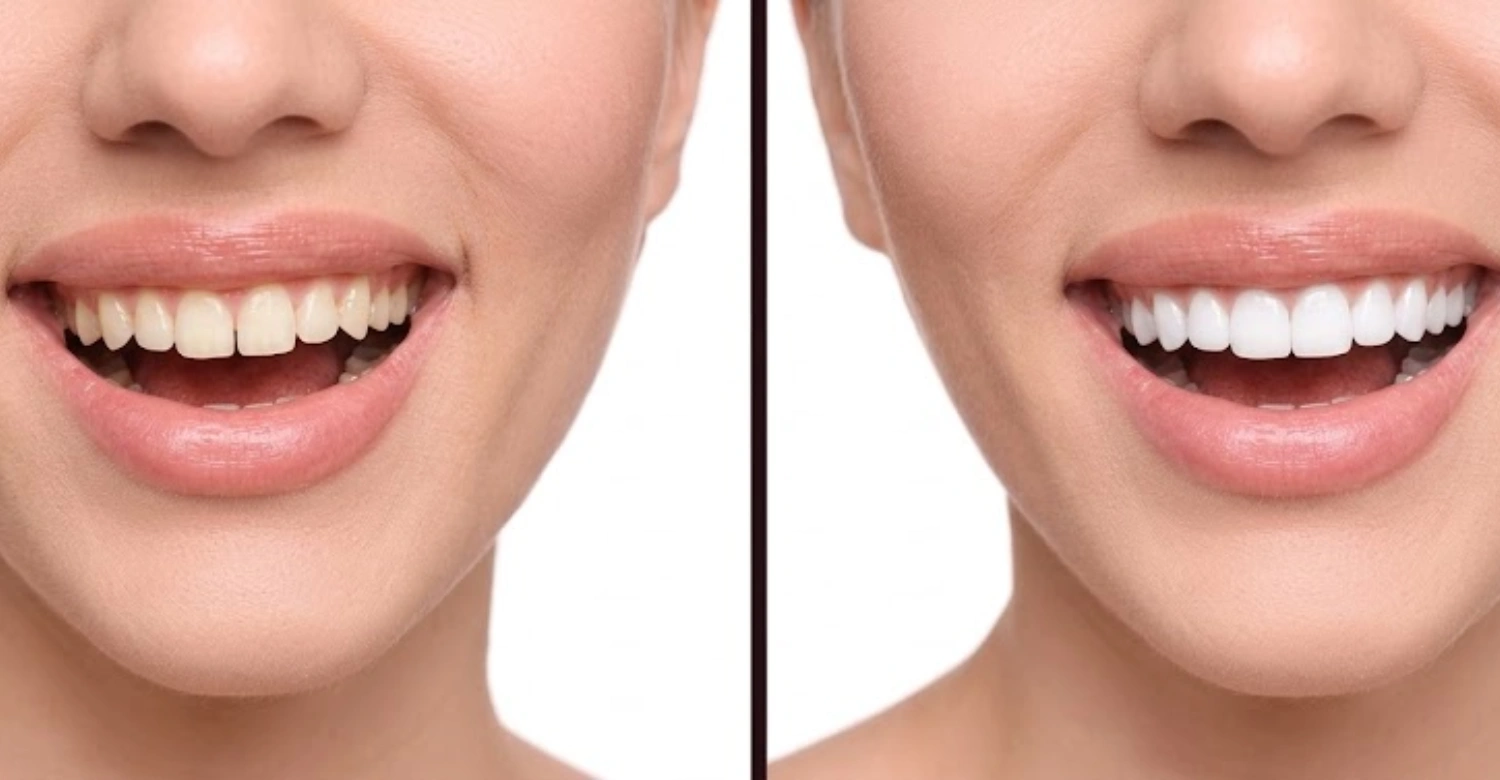
Treatment goals diverge in an important way. Gum contouring aims purely to improve the visual proportion of teeth and gums. Crown lengthening aims to create a stable, healthy foundation for a restoration. It can also correct a bone-related gummy smile that soft-tissue reshaping cannot fix on its own. If the final treatment requires full tooth coverage, the article on what a dental crown is and when you might need one provides additional context.
Recovery Time
Recovery time is one of the most practical differences patients ask about. Because gum contouring only reshapes soft tissue, healing is generally faster and more comfortable. Crown lengthening sometimes involves removing bone alongside the gum tissue. That means it needs more time for the tissue and bone to settle and stabilize. Patients considering gum reshaping can also review the gum contouring recovery timeline and aftercare guide.
Results
Results also differ depending on which side of the Gum Contouring vs Crown Lengthening decision applies to a given patient. Gum contouring produces a subtler cosmetic change limited to the visible gumline. Crown lengthening can produce a more dramatic and permanent change to how much tooth structure is visible. That's because it addresses both soft tissue and, when necessary, bone.
Which Is Less Invasive?
Of the two procedures, gum contouring is the less invasive option because it never involves bone removal. Crown lengthening is more invasive when ostectomy is required. That said, a systematic review found that more conservative alternatives are sometimes considered first. Deep margin elevation is one example, used before surgical crown lengthening for decayed teeth. Patients interested in laser-based approaches can also learn what laser dentistry involves.
Gum Contouring vs Crown Lengthening Before and After
Photos are one of the most requested ways patients evaluate these treatments. Visible outcomes vary between the two, and photos help set realistic expectations before committing to either option.
Gum Contouring Before and After
Gum contouring before and after images typically show a more even, symmetrical gumline with the same overall tooth length. No bone was removed; only the excess soft tissue was reshaped.
Crown Lengthening Before and After
Crown lengthening before and after images generally show noticeably longer-looking teeth. That's because both gum tissue and, in some cases, supporting bone were adjusted to expose more of the natural tooth structure underneath.
Which Treatment Do You Need?
The decision depends on whether the issue is purely cosmetic soft tissue excess, or involves bone and restorative needs. A dental evaluation is the only reliable way to determine which procedure applies to an individual case. This should include gum and bone measurements. A detailed evaluation is especially important because gum symmetry and smile design can depend on several anatomical factors.
Gum Contouring Cost vs Crown Lengthening Cost
Cost is frequently the deciding factor patients weigh, since the procedures differ in complexity, time, and whether bone work is involved.
What Affects Gum Contouring Cost?
Gum contouring cost is influenced by several factors: the number of teeth treated, whether a laser or traditional scalpel technique is used, and the amount of tissue being reshaped. The clinic's location and expertise also play a role. Patients can compare laser and surgical approaches in the dedicated gum contouring cost article.
What Affects Crown Lengthening Cost?
Crown lengthening cost depends on whether bone removal is required, how many teeth are involved, and the surgical technique chosen among gingivectomy, extrusion, or flap surgery. Cost also rises if the procedure is paired with a restoration like a crown. Patients considering the restoration afterward can read about dental crown procedure time.
Is Gum Contouring More Affordable Than Crown Lengthening?
Gum contouring is generally more affordable, because it is less invasive, faster to perform, and does not involve bone surgery. Crown lengthening's added surgical complexity typically raises its overall cost by comparison.
Does Dental Insurance Cover Crown Lengthening or Gum Contouring?
Insurance coverage varies by provider and policy. Crown lengthening is more likely to receive partial coverage when it is medically necessary for a restoration. Gum contouring, being cosmetic, is less frequently covered and is often paid for out of pocket. Patients can also learn more about the financial side of crowns through the dental crowns cost guide.
Gum Contouring for Gummy Smile vs Crown Lengthening for Gummy Smile
Choosing between the two for a gummy smile again comes back to the underlying cause: soft tissue excess versus a bone-related short tooth appearance.
When Is Gum Contouring Recommended for a Gummy Smile?
Gum contouring is recommended when the gum display is mild to moderate and the underlying bone is at a normal level. It suits patients who want a conservative cosmetic adjustment without surgery involving bone. Patients who are concerned about discomfort can read whether gum contouring is painful and what recovery may involve.
When Is Crown Lengthening Recommended for a Gummy Smile?
Crown lengthening is recommended when excess bone contributes to the gummy appearance, or when gum display exceeds roughly 3mm. It's also used when a tooth needs more structure exposed for a future restoration.
Can Gum Contouring and Crown Lengthening Be Combined?
Yes. In some cases, a dentist may combine elements of both procedures in a single treatment plan. Soft tissue can be reshaped across some teeth. Meanwhile, more involved crown lengthening is performed on teeth that also need bone-level correction or restorative preparation.
Tips for the Patients
Patients considering either treatment should discuss their smile goals, expected results, healing period, and long-term dental needs with a qualified dental professional before deciding. Vitrin Clinic can assess the gum-to-tooth relationship and develop an individualized treatment plan based on the patient's needs. Patients can also review laser gum reshaping healing times when comparing minimally invasive approaches.
Gum Contouring Near Me vs Crown Lengthening Dentist Near Me
Searching for gum contouring near me or a crown lengthening dentist near me is often the first step patients take once they understand the distinction and know which treatment fits their situation.
How Do I Find a Gum Contouring Dentist Near Me?
Look for a cosmetic or general dentist with specific experience in soft-tissue reshaping, laser gum contouring, or aesthetic dentistry. Ask to see prior case examples before booking a consultation.
How Do I Find a Crown Lengthening Dentist Near Me?
A crown lengthening dentist near me should ideally be a periodontist or a dentist with surgical training, since the procedure can involve bone. It requires precise measurement of the biologic width around each tooth.
What Should I Look for When Choosing a Dentist?
Look for clear before-and-after documentation, transparent pricing, and a thorough consultation process. A good dentist will explain why one treatment is being recommended over the other.
Can I Get Gum Contouring or Crown Lengthening in Turkey?
Yes, many clinics in Turkey, including Vitrin Clinic, offer both procedures as part of comprehensive smile design treatment plans. These are often combined with international patient support for travel and aftercare. Patients considering cosmetic restorations alongside gum treatment can also explore veneers in Turkey.
Gum Contouring vs Crown Lengthening at Vitrin Clinic
At Vitrin Clinic, the approach starts with a full evaluation of gum health, bone level, and smile proportions, rather than defaulting to one treatment for every gummy smile complaint.
How Does Vitrin Clinic Approach Gum Contouring?
Vitrin Clinic's team evaluates the gum-to-tooth ratio and reshapes only the soft tissue needed to achieve a natural, symmetrical gumline. Unnecessary bone-involving surgery is avoided when it is not required. Patients interested in long-term stability can also learn whether gum tissue grows back after contouring.
How Does Vitrin Clinic Approach Crown Lengthening?
When crown lengthening is indicated, Vitrin Clinic's team measures the biologic width and bone position carefully. They select the least invasive surgical technique that still achieves the needed exposure of tooth structure.
Why Choose Vitrin Clinic for Smile Enhancement?
Vitrin Clinic focuses on achieving natural-looking smile proportions rather than simply removing gum tissue. The team considers the relationship between the gums, teeth, lips, and overall facial appearance when evaluating cosmetic treatment options.
Vitrin Clinic provides personalized cosmetic dentistry consultations for patients considering gum contouring and crown lengthening. The treatment approach is based on the patient's dental anatomy, smile proportions, gum health, and desired aesthetic outcome. Together, these factors help determine which option is most appropriate. For patients considering veneers after periodontal correction, the guide to what veneers are and how they transform your smile explains the restorative side.
Tips for the Patients
Before treatment at Vitrin Clinic, patients should communicate their preferred smile appearance and ask about preparation, recovery, expected results, and aftercare. Understanding the differences between the two procedures can help patients make a more informed decision.
Clinical Note
Evidence specifically comparing these two procedures side by side is largely clinical and educational rather than large-scale population research. Genuine trials tend to compare surgical techniques against each other, rather than report broad prevalence data the way research on systemic diseases does. One example is a double-blind, randomized controlled trial from Cairo University, which compared deep margin elevation and surgical crown lengthening in root-canal-treated posterior teeth.
Reference
Choosing between gum contouring and crown lengthening depends on two things: the cause of excessive gum display, and the amount of tooth structure that needs to be exposed. As highlighted in the referenced review, accurate periodontal diagnosis matters. Careful evaluation of bone, gingiva, and biologic width is essential for predictable results. A personalized dental assessment is key to selecting the safest and most effective approach for a balanced smile.
https://pmc.ncbi.nlm.nih.gov/articles/PMC11614317/
FAQs
Dr. Rifat Alsaman has more than 5 years of clinical experience in dentistry and currently serves as the Head of the Medical Team at Vitrin Clinic. He is dedicated to providing exceptional patient care, overseeing treatment planning, and ensuring the highest clinical standards across the team. His expertise, attention to detail, and commitment to continuous professional development have helped countless patients achieve healthier, more confident smiles.


