

Laser Gum Reshaping vs Traditional Gingivectomy is a comparison many patients consider before cosmetic gum treatment. Both techniques can remove excessive gingival tissue and improve smile proportions. However, they use different methods for soft-tissue management. Laser treatment uses focused energy to cut and coagulate gingival tissue. Traditional gingivectomy removes tissue using conventional periodontal surgical instruments. Research suggests diode lasers can reduce bleeding and postoperative pain in selected gingivectomy cases. A systematic review included seven studies and found lower bleeding and pain with diode laser treatment. However, evidence quality was limited, and the studies focused on orthodontic gingival enlargement. Therefore, neither approach should automatically be considered superior. Diagnosis, periodontal anatomy, treatment goals, and clinician experience remain essential. A gummy smile can also involve lip movement, tooth dimensions, or skeletal factors.
What Is Laser Gum Reshaping?
Laser gum reshaping is a soft-tissue procedure that changes the contour or position of gingival tissue. A dental laser delivers controlled energy to remove selected tissue. The laser can also coagulate small blood vessels during treatment. This characteristic may create a clearer surgical field and reduce bleeding. Laser reshaping is commonly considered for uneven gumlines and selected gummy-smile cases. It can also remove excessive gingival tissue covering healthy tooth structure. However, treatment should begin with a periodontal and aesthetic assessment. The dentist needs to determine whether excess gingiva actually causes the visible concern. Bone position also matters when significant crown exposure is planned. If supporting bone lies too close to the intended margin, simple tissue removal may be insufficient. Modern clinical reviews emphasize diagnosis before selecting treatment. Laser Gum Reshaping vs Traditional Gingivectomy.
How Laser Gum Reshaping Works
Laser treatment uses a specific wavelength and energy setting for soft-tissue management. The clinician first determines the intended gingival contour. Local anesthesia may be used depending on tissue thickness and treatment extent. The laser tip then follows the planned margin while removing unwanted tissue. Thermal energy can simultaneously provide coagulation around small vessels. This can improve visibility during delicate anterior gum procedures. However, excessive energy can produce unwanted thermal effects. Proper laser training and tissue knowledge are therefore essential. The dentist must control the speed, energy, and movement of the laser. Treatment should remain conservative around periodontal attachment structures. A published clinical report describes laser-assisted gingivectomy as useful for excessive gingival display. It also emphasizes appropriate knowledge of laser-tissue interactions.
Laser Gum Contouring for Excess Gum Tissue
Laser gum contouring can reshape excessive tissue around visible teeth. The procedure may expose more natural crown structure when gingiva covers healthy enamel. It can also correct uneven gingival margins between neighboring teeth. The clinician should evaluate the cementoenamel junction before removing tissue. This landmark helps establish an anatomically appropriate gingival position. Tissue thickness can also affect the amount of safe reshaping. Thin periodontal tissues require particularly conservative planning. Excessive removal could increase recession or sensitivity risks. Digital photographs may help evaluate symmetry before treatment. Some practices also use digital scanning for treatment visualization. The final objective should be harmonious tooth-to-gum proportions. Removing the maximum amount of gingiva is not the goal. Vitrin Clinic can incorporate smile analysis and periodontal assessment when planning cosmetic gum contouring. Laser Gum Reshaping vs Traditional Gingivectomy.
Laser Gum Surgery for a Gummy Smile
Laser gum surgery can address selected gummy smiles caused primarily by excessive gingival tissue. Altered passive eruption is one important periodontal cause. Patients with this condition may have normal anatomical crowns hidden by excessive gingiva. Removing appropriate tissue can expose more crown structure. However, excessive gingival display has multiple possible causes. These include altered passive eruption, lip hypermobility, tooth dimensions, and vertical maxillary excess. A recent clinical study examined 86 gummy-smile patients and 516 teeth. Altered passive eruption affected 56.1% of those patients. Many affected patients also had hypermobile upper lips. These findings demonstrate why laser treatment should follow diagnosis. Gum surgery alone cannot correct every gummy smile.
Who May Benefit From Laser Gum Reshaping?
Patients with localized gingival excess may benefit from laser reshaping. Suitable cases can include uneven gum margins and selected gingival enlargements. Patients with short-looking crowns may also benefit when excess tissue covers normal enamel. Laser treatment may be useful when precise soft-tissue modification is required. Good periodontal health is important before elective cosmetic surgery. Active inflammation can make tissue assessment less predictable. Patients should also understand realistic treatment limitations. Laser reshaping cannot move teeth into new positions. It cannot change jaw dimensions or eliminate excessive lip movement. Patients with skeletal causes may require different treatment. A comprehensive examination helps determine whether soft-tissue treatment is appropriate. Vitrin Clinic can evaluate smile proportions before recommending a specific procedure.
When Laser Treatment May Not Be Appropriate
Laser treatment may not be appropriate when gingival excess is not the primary cause. Some gummy smiles result mainly from skeletal relationships. Others involve excessive upper-lip mobility during smiling. Orthodontic tooth position can also influence gingival display. Soft-tissue removal cannot correct these underlying factors. Laser treatment may also be unsuitable when bone lies too close to the planned margin. In those situations, crown lengthening with osseous modification may be necessary. Research describes crown lengthening involving gingivectomy, flap positioning, and bone recontouring for selected altered passive eruption cases. Patients with active periodontal inflammation may also need periodontal treatment first. The correct approach should follow anatomy rather than technology preference. Laser Gum Reshaping vs Traditional Gingivectomy.
What Is a Traditional Gingivectomy?
Traditional gingivectomy is a periodontal surgical procedure that removes excess gingival tissue. Conventional instruments can include scalpels and other periodontal surgical tools. The procedure can reshape enlarged or irregular gingival margins. It may also expose additional clinical crown structure in selected cosmetic cases. Traditional gingivectomy has a long history in periodontal treatment. It remains clinically useful despite modern laser technology. Conventional instruments provide direct tactile feedback during tissue removal. Bleeding requires appropriate control because conventional cutting does not simultaneously coagulate tissue. However, experienced clinicians can manage bleeding effectively. The final result depends on accurate diagnosis and careful surgical execution. A gingivectomy should preserve appropriate periodontal architecture. Vitrin Clinic can evaluate whether conventional treatment or laser-assisted treatment better matches individual anatomy.
How the Traditional Gingivectomy Procedure Works
Traditional gingivectomy begins with periodontal examination and treatment planning. The clinician identifies the desired final gingival margin. Local anesthesia is normally used to maintain patient comfort. Surgical instruments then remove the planned amount of gingival tissue. The remaining tissue is carefully shaped to create a smooth contour. Hemostasis is achieved through appropriate periodontal techniques. Depending on the case, periodontal dressing may be considered. The wound then undergoes normal biological healing. Patients may experience tenderness or sensitivity during early recovery. Complete healing requires longer than the first few days. A systematic review states that gingivectomy wounds commonly require approximately one to two months for complete healing. Individual healing varies according to treatment size and patient factors. Laser Gum Reshaping vs Traditional Gingivectomy.
Why a Gingivectomy Is Used to Remove Excess Gum Tissue
Gingivectomy can remove gingiva that covers otherwise healthy tooth structure. It may be used for gingival enlargement and selected cosmetic conditions. The procedure can also improve irregular or asymmetrical gum margins. Carefully planned tissue removal can improve tooth-to-gum proportions. However, the clinician must respect periodontal anatomy during surgery. Removing excessive tissue can create an unnatural appearance. It may also increase recession or sensitivity risks in susceptible patients. The relationship between bone and the gingival margin is particularly important. Some patients need crown lengthening rather than gingivectomy alone. Research on altered passive eruption supports differential diagnosis before periodontal surgery. Treatment should therefore address the cause of excessive gingival display.
Gingivectomy for Gummy Smile Correction
Traditional gingivectomy can improve a gummy smile when excessive gingival tissue is responsible. Removing selected tissue can expose more of the clinical crown. This can create improved tooth-to-gum proportions during smiling. However, the procedure is not appropriate for every gummy smile. The dentist must evaluate lip position, tooth dimensions, and supporting bone. Altered passive eruption may require more comprehensive crown-lengthening surgery. A published clinical study used gingivectomy, flap surgery, and osseous resection for altered passive eruption. The study reported a mean crown-height increase of 1.6 millimeters after one year. This illustrates the importance of distinguishing simple tissue removal from complete crown lengthening. The treatment should address the anatomical cause rather than visible gum alone.
When Traditional Gingivectomy May Be Recommended
Traditional gingivectomy may be recommended when conventional surgery provides appropriate access and control. It can be effective for substantial gingival enlargement and localized tissue excess. Experienced periodontal clinicians can create precise gingival contours using conventional instruments. The procedure may also be appropriate when the surgical plan extends beyond simple cosmetic contouring. Patient anatomy remains the primary consideration. Tissue thickness, periodontal attachment, and bone position should all be evaluated. Conventional surgery should not be considered outdated simply because lasers are available. Evidence supports both techniques when properly indicated. Patients should ask why a specific surgical method has been selected. They should also understand the expected healing period and aftercare requirements. Laser Gum Reshaping vs Traditional Gingivectomy.
What to Expect During the Procedure
Patients generally undergo a clinical assessment before gingivectomy. The dentist evaluates gum health and identifies the intended gingival contour. Local anesthesia helps prevent discomfort during tissue removal. The clinician then removes excess tissue with conventional instruments. The gumline is shaped to create appropriate symmetry and proportions. Bleeding is managed during the procedure using standard techniques. The treated area may appear red immediately afterward. Mild tenderness and sensitivity can occur during early healing. Patients receive instructions regarding food, cleaning, and protecting the surgical area. Follow-up allows the dentist to assess healing. The final appearance should not be judged immediately after surgery. Gingival tissues continue changing during the maturation phase.
Laser Gum Reshaping vs Traditional Gingivectomy: Key Differences
The key difference involves how the clinician removes and manages soft tissue. Laser treatment uses focused energy for cutting and coagulation. Traditional gingivectomy uses conventional surgical instruments. Laser treatment may provide better bleeding control during selected procedures. A systematic review found significantly lower bleeding and pain with diode laser gingivectomy. The review included seven studies involving orthodontic treatment-induced gingival enlargement. However, those results should not be generalized to every cosmetic procedure. Conventional surgery can also provide precise tissue removal. The final aesthetic outcome depends strongly on diagnosis and planning. Patients should compare treatment goals rather than simply compare instruments. The most appropriate approach is the technique matching their periodontal anatomy. Laser Gum Reshaping vs Traditional Gingivectomy.
Laser Gingivectomy vs Traditional Gingivectomy
Laser gingivectomy and conventional gingivectomy can accomplish similar tissue-removal objectives. Both procedures can remove excess gingiva and reshape visible gum margins. The main distinction is the tissue-management method. Lasers can cut and coagulate simultaneously under appropriate settings. Conventional instruments mechanically cut the gingival tissue. Clinical evidence indicates lower bleeding and pain with diode laser treatment in selected gingival enlargement cases. A controlled clinical trial also reported lower bleeding and pain with 940-nanometer diode laser treatment. The trial included 30 orthodontic patients receiving aesthetic gingivectomy. However, these findings represent specific clinical circumstances. They do not prove universal superiority.
Laser vs Traditional Gum Surgery
Laser and conventional surgery can both be used for soft-tissue procedures. The comparison becomes more complicated when treatment involves bone. Crown lengthening may require flap surgery and osseous recontouring. A laser cannot replace every conventional periodontal surgical instrument. Some laser systems can assist soft-tissue management during complex procedures. However, the treatment plan must address the supporting tissues. Patients should ask whether their procedure involves gingivectomy alone. They should also ask whether bone modification is anticipated. These distinctions influence recovery, complexity, and expected results. The appropriate surgical approach depends on anatomy and clinical objectives. Technology should support the treatment plan rather than determine it.
Precision and Gumline Contouring
Precise contouring is essential around the upper front teeth. Small asymmetries can become noticeable during smiling. Laser systems can provide controlled soft-tissue removal when correctly used. Conventional instruments can also produce precise contours in experienced hands. The final result depends on planning, anatomy, and surgical control. Dentists should evaluate gingival zeniths and tooth proportions before surgery. The cementoenamel junction provides an important anatomical reference. Digital photographs can help identify asymmetries. Digital scanning may also support treatment visualization. Research on surgical guides demonstrates their potential value for aesthetic crown-lengthening procedures. The objective should be natural symmetry rather than excessive tissue removal. Laser Gum Reshaping vs Traditional Gingivectomy.
Bleeding and Tissue Management
Bleeding control is a major potential advantage of surgical lasers. Laser energy can coagulate small vessels while cutting soft tissue. This may provide a clearer operative field. A systematic review found significantly lower intraoperative and postoperative bleeding with diode laser gingivectomy. A controlled trial also reported lower bleeding scores with diode laser treatment. However, bleeding depends on tissue inflammation and vascularity. Laser settings also influence coagulation effectiveness. Conventional gingivectomy can achieve reliable hemostasis through established surgical techniques. Patients should not assume traditional surgery causes uncontrolled bleeding. Medical history and medication use should also be reviewed before surgery.
Comfort During and After Treatment
Patient comfort can vary between laser and conventional gingivectomy. Some studies report less postoperative pain with diode laser treatment. The systematic review found significantly lower pain in the laser group. However, evidence was limited by the quality and scope of available studies. Pain also depends on the amount of tissue treated. Individual healing responses can differ considerably. Local anesthesia generally helps maintain comfort during either procedure. Patients may experience sensitivity after anesthesia wears off. Low-level laser therapy has separately been studied as an adjunct after gingivectomy. A meta-analysis found improved pain outcomes on postoperative days three and seven. That therapy differs from surgical laser cutting.
Laser Gum Reshaping Recovery Time vs Gingivectomy Recovery
Recovery depends on procedure extent rather than technology alone. Smaller soft-tissue procedures may produce fewer postoperative symptoms. Extensive surgery can require longer tissue maturation. Laser treatment may reduce early bleeding in selected cases. However, it does not eliminate biological wound healing. Gingivectomy wounds can require approximately one to two months for complete healing. Patients often feel better before the tissues become completely mature. Temporary redness can also occur during healing. Oral hygiene, tissue thickness, and treatment size influence recovery. Follow-up examinations help determine whether the gumline has stabilized. Patients should follow individualized postoperative instructions throughout recovery. Laser Gum Reshaping vs Traditional Gingivectomy.
Results and Long-Term Gumline Stability
Long-term stability depends on healthy periodontal tissues and appropriate treatment planning. Removing excessive gum does not guarantee permanent stability. The underlying cause of gingival excess must be addressed. Persistent inflammation can contribute to recurrent gingival enlargement. Altered passive eruption may require treatment that considers supporting bone. Clinical research shows that crown-lengthening procedures can achieve stable gingival margins when properly planned. One study reported minimal differences between immediate postoperative and one-year crown-height measurements. This finding came from a small group of six patients. Therefore, it should not be treated as a universal stability rate. Long-term maintenance remains important after cosmetic periodontal treatment.
Clinical Note
Clinical decisions should prioritize anatomy rather than equipment. Laser treatment can provide useful benefits for selected soft-tissue procedures. Conventional gingivectomy can also produce excellent results when properly planned. Current evidence supports lower bleeding and pain with diode lasers in selected cases. However, the evidence does not justify universal laser use. A patient requiring bone modification needs a different surgical plan. A patient with hypermobile lips may need lip-focused treatment. A patient with vertical maxillary excess may need orthodontic or surgical evaluation. Therefore, the best treatment depends on diagnosis. Vitrin Clinic can use this principle when developing individualized cosmetic gum treatment plans. Laser Gum Reshaping vs Traditional Gingivectomy.
Laser Gum Contouring Benefits
Laser gum contouring offers several potential clinical advantages. The most recognized benefit is improved coagulation during soft-tissue treatment. This can reduce bleeding and improve surgical visibility. Some studies also report reduced postoperative pain. A systematic review found lower bleeding and pain with diode laser gingivectomy. Laser procedures may also require less suturing in selected cases. However, these benefits depend on laser type, settings, and clinician experience. They should not be interpreted as guarantees. Laser treatment still requires careful periodontal planning. The clinician should preserve appropriate tissue dimensions and attachment. The objective is a balanced, healthy gumline. At Vitrin Clinic, laser technology can be considered when it matches the patient's clinical needs.
Greater Precision in Gumline Shaping
Precision is especially important when reshaping visible anterior gingiva. The clinician must establish the desired margin before removing tissue. Gingival zeniths should complement tooth morphology. Central incisors usually require careful symmetry. Lateral incisors and canines have different gingival relationships. Laser energy can allow controlled tissue removal under appropriate settings. Conventional instruments can also achieve excellent precision. Therefore, technology should not be considered the only source of accuracy. Digital planning can further improve visualization. Surgical guides have been investigated for aesthetic crown-lengthening procedures. The final contour should appear natural rather than mechanically uniform.
Reduced Bleeding During Treatment
Reduced bleeding is one of the strongest reported advantages of diode laser gingivectomy. Laser energy can coagulate vessels during tissue removal. A systematic review found lower intraoperative and postoperative bleeding in laser-treated patients. A controlled trial similarly found lower bleeding scores with 940-nanometer diode laser treatment. These findings can be clinically useful during delicate cosmetic procedures. Better visibility may help the dentist evaluate gingival contours more clearly. However, tissue inflammation can affect bleeding regardless of surgical technique. Proper periodontal preparation remains important. Laser treatment should therefore complement, rather than replace, periodontal diagnosis. Laser Gum Reshaping vs Traditional Gingivectomy.
Potentially Faster Initial Healing
Laser procedures may provide favorable early healing in some soft-tissue cases. Coagulation can reduce bleeding and potentially simplify wound management. However, complete healing remains a biological process. A systematic review of low-level laser therapy after gingivectomy found improved healing indices on days three and seven. That evidence concerns adjunctive low-level therapy rather than surgical laser cutting. Therefore, patients should not assume every laser procedure heals completely faster. Early symptom improvement is different from complete tissue maturation. Recovery should be monitored according to clinical findings. The dentist should determine when the tissues have adequately stabilized.
Improved Smile Proportions
Gum contouring can improve smile proportions when excessive gingiva hides healthy crowns. Increasing visible crown length can create a more balanced appearance. The clinician must avoid exposing excessive tooth structure. Tooth width and shape influence the ideal amount of gingival removal. Altered passive eruption can make normal anatomical crowns appear short. A 2024 study found shorter clinical crown lengths among teeth affected by altered passive eruption. The study examined 516 teeth from 86 gummy-smile patients. Such findings reinforce the importance of anatomical diagnosis. Gum reshaping works best when excess tissue is the primary issue. Laser Gum Reshaping vs Traditional Gingivectomy.
When Laser Gum Contouring May Offer an Advantage
Laser contouring may offer an advantage when limited soft-tissue reshaping is required. It can provide useful bleeding control during treatment. Some patients may also experience lower postoperative discomfort. However, the clinician should confirm that tissue removal is appropriate. Laser treatment cannot replace bone modification when bone position limits the desired margin. It also cannot correct skeletal causes of excessive gingival display. Therefore, laser treatment should be selected based on anatomy. Patients should ask about alternative surgical methods. They should also ask how the clinician determined the intended gumline. A personalized plan supports safer and more predictable results.
What We Notice Clinically
Clinicians should assess the complete dentogingival relationship before cosmetic gum surgery. Visible gingiva is only one part of the smile equation. Tooth dimensions, gum thickness, lip movement, and bone position also influence appearance. A gummy smile can have several simultaneous causes. Research supports differential diagnosis before selecting periodontal treatment. At Vitrin Clinic, this type of assessment can help determine whether gingival reshaping is appropriate. The treatment plan should consider both aesthetics and periodontal health. A technically successful procedure can still produce an unsatisfactory smile if the diagnosis is incomplete. Therefore, clinical planning should precede technology selection.
Evaluating Tooth-to-Gum Proportions
Tooth-to-gum proportions strongly influence smile aesthetics. A short-looking crown may have normal anatomy hidden beneath excessive gingiva. The dentist should measure clinical crown dimensions before surgery. Tooth width also influences perceived length. Gingival zeniths should be compared between neighboring teeth. Symmetry becomes particularly important in the anterior region. Photographs can document baseline proportions. Digital scanning may provide additional planning information. The clinician should also observe the patient's natural smile. This helps determine whether gingival display changes with lip movement. The final treatment should improve proportions without making teeth appear unnaturally long. Laser Gum Reshaping vs Traditional Gingivectomy.
Checking for Altered Passive Eruption
Altered passive eruption can cause excessive gingival coverage over anatomical crowns. It may produce a short clinical crown appearance. A 2024 study examined 86 gummy-smile patients using photographs, scans, and CBCT. The study found altered passive eruption in 56.1% of patients. Most affected patients also showed hypermobile upper lips. This demonstrates that multiple factors can coexist. Clinical evaluation should therefore identify the dominant contributors. The cementoenamel junction and bone crest relationship is particularly important. If the bone lies too close to the intended gingival margin, simple tissue removal may be insufficient. Crown lengthening may then be required.
Assessing Gum Thickness and Tissue Position
Gingival thickness influences surgical planning and postoperative appearance. Thin tissue may require conservative reshaping. Thick tissue can provide greater soft-tissue volume for contouring. The clinician should evaluate keratinized tissue and periodontal attachment. Bone thickness may also influence gingival architecture. The 2024 cross-sectional study found relationships between gingival and bone measurements. These findings support individualized assessment. The clinician should avoid removing tissue based only on visible gum height. Biological dimensions must remain protected. Vitrin Clinic can incorporate tissue assessment into treatment planning before cosmetic gum surgery. Laser Gum Reshaping vs Traditional Gingivectomy.
Determining Whether Bone Modification Is Needed
Bone position can determine whether gingivectomy alone is sufficient. If the bone crest lies too close to the desired gingival margin, additional surgery may be necessary. Crown lengthening can combine soft-tissue removal with osseous recontouring. Research involving altered passive eruption describes this combined approach. The objective is to establish appropriate periodontal dimensions. Removing only soft tissue may cause the margin to rebound when underlying anatomy remains unchanged. Patients should therefore ask whether bone levels have been evaluated. A periodontal examination can clarify whether simple contouring is appropriate. This distinction is central to predictable cosmetic treatment.
Traditional Gingivectomy Procedure: What Should Patients Expect?
Traditional gingivectomy involves planned removal of excess gingival tissue. Patients should expect an examination before the surgical procedure. The clinician evaluates gum health, tooth proportions, and periodontal dimensions. Local anesthesia is generally provided for comfort. The dentist then removes selected gingival tissue using conventional instruments. The remaining tissue is shaped into the planned contour. Bleeding is managed during treatment. The surgical site may appear red during early healing. Patients can experience mild discomfort or sensitivity afterward. Recovery instructions usually address food choices and oral hygiene. Complete tissue maturation takes longer than the first few recovery days. A systematic review reports that complete gingivectomy wound healing generally takes one to two months.
Preparation and Gumline Assessment
Preparation starts with a comprehensive periodontal evaluation. The dentist checks inflammation, tissue thickness, and periodontal attachment. The intended final gumline should be planned before surgery. Clinical photographs can document the initial smile. Digital tools may assist with aesthetic analysis. If altered passive eruption is suspected, bone position should be assessed. Active periodontal inflammation should be treated before elective cosmetic surgery. Patients should provide a complete medical and medication history. Smoking habits should also be discussed because they can affect healing. Good preparation reduces the risk of unnecessary tissue removal. It also helps patients understand the expected result. Laser Gum Reshaping vs Traditional Gingivectomy.
Removing Excess Gingival Tissue
The clinician removes only the amount of tissue required for the planned result. Conventional periodontal instruments allow direct mechanical tissue removal. The dentist follows the intended gingival contour carefully. Excessive removal should be avoided. Appropriate periodontal attachment must remain protected. Bleeding is managed using standard surgical methods. Multiple teeth may be treated when a harmonious smile line is required. Localized treatment may be sufficient for isolated irregularities. The amount of surgery depends on tissue excess and anatomical limitations. Patients should understand that removing more tissue does not always create a better smile.
Shaping and Finishing the Gumline
After tissue removal, the dentist refines the gingival margins. The gumline should appear smooth and proportionate. Gingival zeniths are assessed relative to tooth morphology. Interdental papillae should maintain appropriate shape. Abrupt or excessively flat contours should be avoided. The clinician may make small adjustments before completing treatment. Photographs can help evaluate symmetry. Digital planning can also provide a reference for the intended contour. The final objective is a natural periodontal architecture. Aesthetic gum surgery should not create an artificial-looking straight line. Tooth proportions and facial appearance should guide the final contour.
Gingivectomy Recovery and Healing
Recovery begins immediately after tissue removal. Mild tenderness can occur during the first several days. The treated tissue gradually develops new epithelium and connective tissue. Complete healing takes considerably longer than early symptom improvement. A systematic review reports complete gingivectomy healing may require one to two months. Healing varies according to tissue volume and individual biology. Oral hygiene can influence inflammation during recovery. Patients should follow professional cleaning instructions carefully. Follow-up appointments allow the clinician to evaluate tissue maturation. The final appearance may continue changing for several weeks. Patients should avoid judging the result immediately after surgery. Laser Gum Reshaping vs Traditional Gingivectomy.
What Is Normal During Recovery?
Mild tenderness is common following gingival surgery. Temporary redness can also occur around the treated tissue. Some patients experience mild swelling or sensitivity. The gumline may appear different from its eventual healed appearance. Minor bleeding shortly after treatment can occur. However, persistent heavy bleeding requires dental evaluation. Pain should generally improve rather than progressively worsen. Patients should avoid aggressive brushing over fresh surgical tissue. Food choices may need temporary modification. The dentist should provide individualized postoperative instructions. Normal healing should always be evaluated according to the extent of surgery.
Factors That Can Affect Healing Time
Healing depends on several patient and treatment factors. Larger surgical areas generally require more tissue remodeling. Poor plaque control can increase postoperative inflammation. Smoking may negatively affect periodontal healing. Existing gum inflammation can also compromise recovery. Medical conditions and medications may influence tissue response. Gingival thickness can affect the appearance of healing margins. Patient adherence to postoperative instructions is equally important. Follow-up appointments can identify problems early. Complete tissue maturation should not be confused with symptom improvement. Patients should discuss their expected recovery timeline before surgery. Laser Gum Reshaping vs Traditional Gingivectomy.
Laser Gum Reshaping Recovery Time
Recovery after laser treatment depends on procedure size and tissue characteristics. Smaller contouring procedures may produce relatively mild early symptoms. More extensive surgery can require longer healing. Laser coagulation may reduce bleeding during the procedure. However, it does not eliminate normal biological wound repair. Patients should follow individualized postoperative instructions. Soft foods may be recommended during early recovery. Oral hygiene should protect the treated tissues from unnecessary trauma. Gingival color and contour can change while healing progresses. The final appearance should be assessed after sufficient maturation. Vitrin Clinic can provide follow-up instructions based on the procedure performed.
What Happens Immediately After Laser Treatment?
Immediately after treatment, the gumline may look different from its final appearance. Mild redness or swelling can occur. Laser treatment often provides good bleeding control. A systematic review found lower bleeding with diode laser gingivectomy in selected patients. Some patients may experience limited postoperative discomfort. However, individual responses vary. The treated tissue can feel sensitive to temperature changes. The dentist may recommend a soft diet initially. Patients should avoid touching the surgical site. They should also follow specific cleaning instructions. Early appearance should not be mistaken for the final result.
How Long Does Laser Gum Reshaping Take to Heal?
Initial healing can begin within days, but complete maturation takes longer. The exact timeline depends on tissue removal and individual biology. Gingivectomy wounds generally require one to two months for complete healing. Laser treatment may reduce bleeding without eliminating tissue remodeling. Patients should distinguish early comfort from complete healing. The gumline can continue changing during the maturation period. Follow-up examinations help determine whether the margin has stabilized. Patients should not alter their treatment site without professional guidance. A dentist can determine when normal hygiene and dietary habits can resume fully. Laser Gum Reshaping vs Traditional Gingivectomy.
Eating and Oral Hygiene During Recovery
Patients should protect healing gingiva from mechanical irritation. Soft foods may reduce discomfort during early recovery. Hard or sharp foods can traumatize sensitive tissues. Very hot foods may also cause temporary discomfort. Oral hygiene remains important during healing. However, brushing directly over fresh surgical tissue may require modification. The treating dentist should provide specific cleaning instructions. Antimicrobial rinses may sometimes be recommended. Patients should avoid aggressive flossing around fresh surgical areas. Maintaining cleanliness reduces plaque accumulation and inflammation. Normal hygiene can gradually resume as the tissue heals.
When Can Patients Return to Normal Activities?
Many patients can resume routine activities quickly after limited soft-tissue contouring. The timing depends on treatment extent and individual comfort. More extensive periodontal surgery may require additional recovery time. Physical activity may need temporary modification after larger procedures. Work and social activities can often resume when discomfort is manageable. Mild redness may remain visible during early healing. Patients should avoid judging the final aesthetic outcome immediately. Gingival tissues continue remodeling after initial recovery. The clinician should confirm satisfactory healing during follow-up. Individual recommendations should always take priority over general timelines. Laser Gum Reshaping vs Traditional Gingivectomy.
Signs That Require a Dental Evaluation
Increasing pain should be evaluated rather than ignored. Persistent heavy bleeding also requires professional assessment. Significant swelling may indicate a postoperative complication. Pus or fever should receive prompt dental evaluation. Unexpected recession should also be discussed with the treating dentist. Severe sensitivity that persists can require further assessment. Patients should never attempt to reshape healing gum tissue themselves. Early professional evaluation can identify complications before they worsen. The treating clinician remains the most appropriate source for postoperative guidance. Patients should contact the clinic when symptoms differ substantially from expected recovery.
Gingivectomy vs Laser Gum Contouring: Which Is Better?
Neither technique is universally better for every patient. Laser treatment may provide advantages in bleeding control and early comfort. Conventional gingivectomy remains a reliable periodontal procedure. Evidence supporting laser advantages is strongest in selected clinical populations. A systematic review found lower bleeding and pain with diode laser gingivectomy for orthodontic gingival enlargement. However, the review included only seven studies. The evidence quality also had limitations. Therefore, patients should not select treatment solely because it uses a laser. Anatomy, periodontal health, treatment extent, and clinician experience remain more important. The appropriate technique should provide a healthy and stable gingival contour.
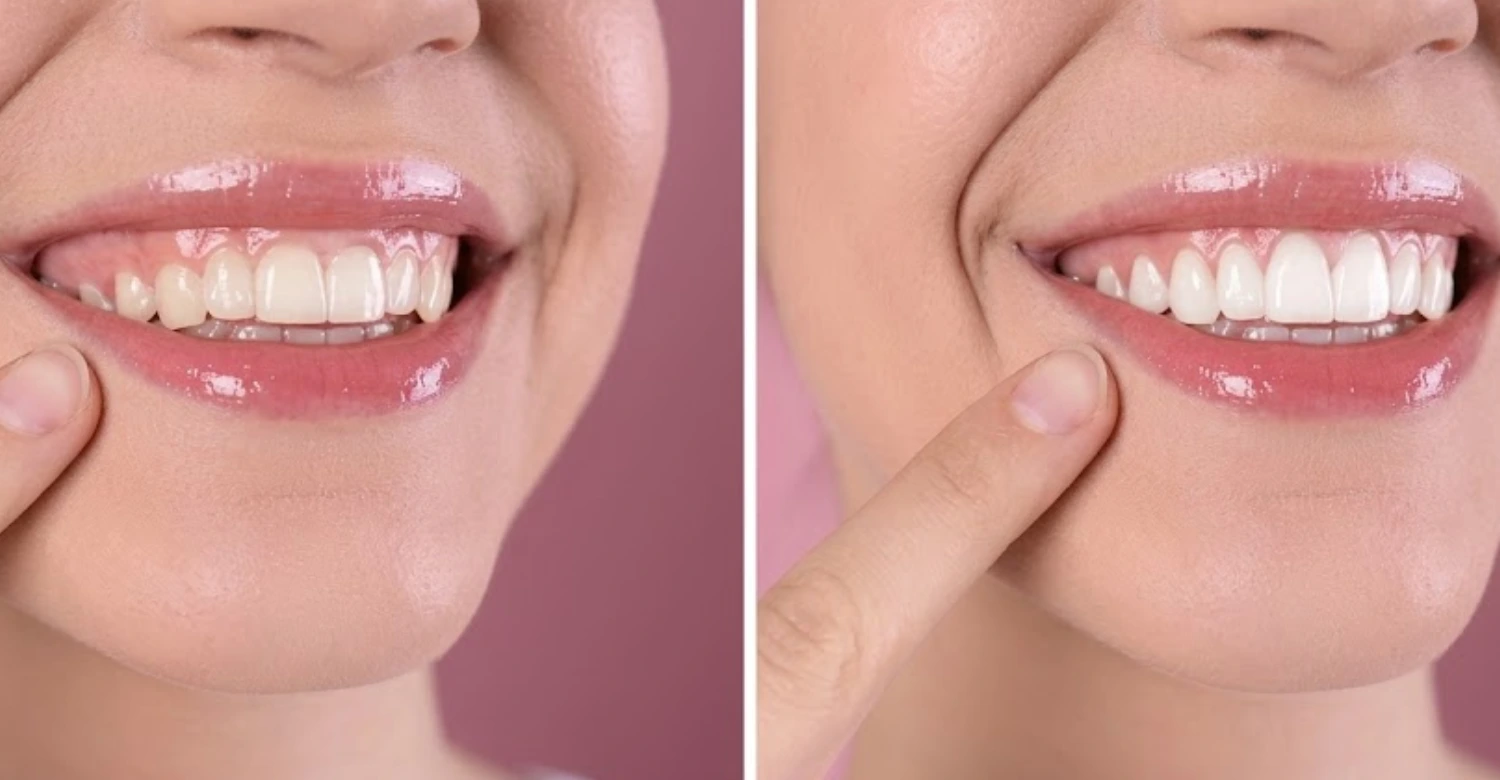
When Laser Gum Reshaping May Be Preferred
Laser treatment may be preferred when controlled soft-tissue modification is required. It can provide simultaneous cutting and coagulation. This may improve visibility during delicate cosmetic procedures. Some evidence suggests lower postoperative pain and bleeding with diode laser gingivectomy. Patients may also appreciate reduced use of conventional surgical instruments. However, appropriate laser training is essential. Energy settings should be selected according to tissue characteristics. Laser treatment should not be chosen simply because it sounds more advanced. Conventional surgery may provide equally appropriate results in some cases. The clinician should explain the reason for the selected technique. Laser Gum Reshaping vs Traditional Gingivectomy.
When Traditional Gingivectomy May Be More Appropriate
Traditional gingivectomy may be appropriate when conventional surgical access is sufficient. It remains a well-established technique for gingival tissue removal. Experienced clinicians can create precise margins with conventional instruments. Conventional surgery may also be suitable when treatment requires broader periodontal access. The technique can be highly predictable when properly planned. Patients should not assume that conventional treatment produces poor aesthetic results. Surgical outcome depends heavily on diagnosis and execution. The clinician should explain the expected benefits and limitations. Patients can also ask whether laser and conventional techniques would produce similar outcomes. This discussion supports informed treatment decisions.
Why the Cause of Excess Gum Tissue Matters
The underlying cause determines whether tissue removal can solve the aesthetic concern. Gingival enlargement may respond to appropriate contouring. Altered passive eruption may require aesthetic crown lengthening. Hypermobile lips can continue exposing gingiva after gum surgery. Vertical maxillary excess requires a different treatment pathway. Tooth position can also contribute to excessive display. Reviews describe gummy smiles as a multifactorial condition. Therefore, visible gingiva should not be treated without identifying its cause. A correct diagnosis improves treatment selection. It also helps prevent unnecessary tissue removal. Patients should ask what anatomical factor causes their gummy smile. Laser Gum Reshaping vs Traditional Gingivectomy.
Choosing Treatment Based on Gum and Tooth Anatomy
Gum thickness, bone position, tooth shape, and crown length influence treatment choice. The dentist should evaluate these factors before surgery. Thin periodontal tissue may require especially conservative treatment. Thick tissue may allow different contouring possibilities. The relationship between bone and the cementoenamel junction is particularly important. If bone lies too close to the planned margin, crown lengthening may be needed. The patient's smile line should also be evaluated. The goal is harmonious teeth, gingiva, and lips. Anatomy should therefore determine whether laser or conventional treatment is appropriate. Patients should request a personalized explanation before proceeding.
Clinical Note
The newest technology is not automatically the best treatment. Laser systems offer useful advantages for selected soft-tissue procedures. Conventional gingivectomy remains clinically valuable. Current evidence supports lower bleeding and pain with diode lasers in selected cases. However, evidence does not support universal laser superiority. A patient requiring osseous correction needs a different surgical plan. A patient with lip hypermobility may need lip-focused treatment. A patient with skeletal excess may need orthodontic or surgical assessment. At Vitrin Clinic, treatment planning can begin with anatomical diagnosis. The procedure can then be selected according to clinical requirements.
Best Treatment for Excess Gum Tissue: How Is It Chosen?
Treatment selection depends on the reason excess gingiva is visible. The dentist evaluates gingival display, tooth proportions, tissue thickness, and bone position. Periodontal health must also be considered. Some cases require simple soft-tissue contouring. Others need aesthetic crown lengthening with bone modification. Some patients need orthodontic or lip-related treatment. Current reviews emphasize individualized diagnosis for gummy-smile treatment. Patient expectations also influence the final treatment plan. The clinician should explain potential results and limitations. The goal should be a healthy, stable, natural-looking gumline. Technology should be selected after the diagnosis has been established. Laser Gum Reshaping vs Traditional Gingivectomy.
The Amount of Gingival Display
Gingival display provides useful information during gummy-smile assessment. Many dental publications use approximately four millimeters as a reference point. However, aesthetic preferences vary between individuals. A review notes that gingival display above four millimeters is often considered unattractive. This should not be interpreted as a strict treatment threshold. The dentist should assess smiling dynamics and facial proportions. Lip position can significantly change visible gingival tissue. Tooth length also affects perceived gingival display. Therefore, measurements should support diagnosis rather than dictate treatment. A personalized assessment produces more meaningful aesthetic planning.
Tooth Crown Length and Shape
Clinical crown length strongly affects smile appearance. Short-looking teeth may have excessive gingiva covering normal anatomical crowns. Tooth wear can also reduce visible crown height. The dentist should determine whether the anatomical crown is actually short. Tooth width influences the ideal visual length. Narrow teeth may require different gingival contours than wider teeth. The final margin should complement existing tooth morphology. Excessive crown exposure can create an unnatural appearance. Digital smile planning may help visualize proposed changes. Vitrin Clinic can incorporate tooth proportions into cosmetic gum treatment planning.
Periodontal and Gum Health
Healthy periodontal tissues are essential for elective cosmetic gum treatment. Inflamed gums can appear enlarged before treatment. Treating inflammation may reduce tissue volume naturally. The dentist should evaluate bleeding, plaque, periodontal pockets, and attachment levels. Active periodontal disease should generally be managed before cosmetic surgery. Good oral hygiene also supports postoperative healing. Long-term maintenance helps preserve the final gingival contour. Patients should understand that cosmetic treatment does not replace periodontal care. A healthy gumline should remain the primary biological objective. Treatment planning should therefore combine aesthetic and periodontal considerations. Laser Gum Reshaping vs Traditional Gingivectomy.
Gum Thickness and Tissue Architecture
Gingival thickness affects surgical planning and tissue response. Thin tissues may require more conservative contouring. Thick tissues can respond differently during healing. The clinician should assess keratinized tissue and periodontal attachment. Bone thickness can also influence gingival architecture. The 2024 gummy-smile study found significant relationships among several gingival and bone measurements. These findings support individualized periodontal assessment. Treatment should remove only clinically necessary tissue. The final contour should preserve natural architecture. Patients should ask how tissue thickness affects their treatment plan.
The Position of the Bone Relative to the Gumline
Supporting bone position can determine whether gingivectomy alone is appropriate. The desired gingival margin must maintain a healthy periodontal relationship. If the bone is too close, osseous modification may be necessary. Aesthetic crown lengthening can combine gingivectomy with bone recontouring. This approach can establish appropriate periodontal dimensions. Removing soft tissue without considering bone can lead to an unstable margin. Therefore, the clinician should assess supporting anatomy before surgery. This is particularly important for patients with altered passive eruption. Treatment should follow the biological requirements of the periodontal tissues. Laser Gum Reshaping vs Traditional Gingivectomy.
Patient Expectations and Smile Goals
Patients differ in their preferred amount of visible gingiva. Some want minimal gingival display. Others prefer a more natural amount of gum showing. Tooth length preferences also differ. The dentist should discuss these goals before treatment. Digital visualization can help patients understand potential changes. Patients should also understand anatomical limitations. Perfect symmetry cannot always be guaranteed. Treatment should not compromise periodontal health to satisfy cosmetic expectations. Vitrin Clinic can incorporate patient preferences into individualized smile planning. Clear communication helps create realistic and achievable treatment goals.
Can Laser Gum Reshaping Treat a Gummy Smile?
Laser gum reshaping can treat selected gummy smiles caused primarily by excessive gingival tissue. It may be particularly useful for appropriate altered passive eruption cases. However, gummy smiles have multiple causes. A review identifies altered passive eruption, lip mobility, tooth dimensions, and vertical maxillary excess among contributing factors. Recent research also identifies altered passive eruption and hypermobile upper lips as major soft-tissue causes. Therefore, treatment must be individualized. Laser contouring cannot reposition teeth or reduce skeletal height. It also cannot permanently control every form of lip hypermobility. When excess gum is the primary cause, soft-tissue treatment can improve crown exposure. The dentist should determine this before surgery.
Common Causes of a Gummy Smile
Gummy smiles can result from several anatomical factors. Altered passive eruption can leave gingiva covering the clinical crown. Hypermobile upper lips can expose additional gum during smiling. Vertical maxillary excess can increase gingival display. Short or worn teeth can also affect proportions. Gingival enlargement can increase tissue visibility. Multiple factors can coexist in one patient. A 2024 study found altered passive eruption in 56.1% of gummy-smile patients. Many patients also showed hypermobile upper lips. This demonstrates why diagnosis should examine both static and dynamic smile characteristics. Treatment should target the dominant cause. Laser Gum Reshaping vs Traditional Gingivectomy.
Laser Gum Reshaping for Excess Gingival Display
Laser treatment can remove excessive gingival tissue when soft tissue is the main cause. The clinician first establishes the desired gingival margins. Laser energy then removes selected tissue under controlled conditions. Coagulation can help maintain visibility during the procedure. A published report describes laser-assisted gingivectomy for excessive gingival display. The authors emphasize appropriate understanding of laser-tissue interactions. This is important because excessive energy can cause unwanted tissue damage. Patients should therefore choose qualified clinicians with appropriate laser experience. The procedure should remain conservative and anatomically guided. When correctly indicated, gum reshaping can improve crown exposure and smile proportions.
When Gum Reshaping Alone May Not Be Enough
Gum reshaping alone may not correct skeletal or muscular causes. Patients with hypermobile lips may continue showing significant gingiva after surgery. Vertical maxillary excess cannot be corrected by soft-tissue removal alone. Orthodontic tooth position can also influence smile appearance. Altered passive eruption may sometimes require osseous modification. Current reviews recommend treatment based on the specific cause. Some patients may require combined treatment. A personalized plan can identify whether multiple approaches are needed. Patients should avoid choosing surgery solely because it appears minimally invasive. The least invasive procedure is not always the most appropriate procedure. Laser Gum Reshaping vs Traditional Gingivectomy.
Crown Lengthening vs Gingival Contouring
Gingival contouring removes soft tissue to improve the visible crown. Crown lengthening can involve both gingival removal and bone modification. The distinction depends on periodontal anatomy. If adequate tissue dimensions remain after gingival removal, contouring may be sufficient. If bone lies too close to the intended margin, osseous correction may be necessary. Research on altered passive eruption frequently describes combined soft-tissue and bone procedures. Patients should ask which procedure is being recommended. They should also ask whether bone levels were evaluated. Understanding this distinction helps patients anticipate treatment complexity and recovery.
Orthodontic and Other Gummy Smile Treatments
Orthodontics may help when tooth position contributes to excessive gingival display. Lip repositioning can address selected hypermobile-lip cases. Botulinum toxin can temporarily reduce excessive upper-lip elevation. Orthognathic surgery may be considered for significant skeletal causes. Treatment choice depends on severity and etiology. A review describes aesthetic crown lengthening and lip repositioning as established approaches for selected soft-tissue causes. No single treatment works for every gummy smile. Patients may require multidisciplinary evaluation. The dentist should explain why a particular treatment is appropriate. This approach helps avoid unnecessary gum surgery.
Tips for Patients Considering Laser Gum Reshaping or Gingivectomy
Patients should begin with a comprehensive dental and periodontal examination. The clinician should identify the cause of excessive gingival display. Patients should ask whether the proposed procedure is gingivectomy or crown lengthening. They should also ask whether bone modification is necessary. Recovery expectations should be explained before surgery. Patients should receive specific instructions about cleaning and eating. They should avoid judging the final appearance during early healing. Gingival tissues can continue remodeling for several weeks. Long-term periodontal maintenance is also important. Cosmetic improvement should always be balanced with periodontal health. Vitrin Clinic can provide treatment planning based on individual gum and tooth anatomy. Laser Gum Reshaping vs Traditional Gingivectomy.
Have Your Gum and Tooth Anatomy Evaluated First
A detailed evaluation should precede cosmetic gum surgery. The dentist should assess tooth dimensions and gingival thickness. The cementoenamel junction should be considered when planning the final margin. Bone position may require additional evaluation. The clinician should observe the smile at rest and during natural smiling. Lip mobility can identify muscular contributions. Periodontal health should also be confirmed. These factors help determine whether soft-tissue removal is appropriate. Patients should ask the dentist to explain their anatomical findings. Understanding the diagnosis can make treatment decisions more transparent. It can also reduce the risk of unnecessary tissue removal.
Ask Which Technique Is Appropriate for Your Case
Patients should ask why laser treatment or conventional surgery is recommended. The dentist should explain the expected benefits and limitations. Patients can ask whether both methods could achieve similar results. The answer depends on anatomy and treatment extent. Laser treatment may provide improved bleeding control in selected cases. Conventional gingivectomy may offer equally suitable tissue removal in others. Patients should ask whether the treatment involves soft tissue alone. They should also ask whether bone modification is required. These questions help patients understand the actual procedure rather than its marketing description. Laser Gum Reshaping vs Traditional Gingivectomy.
Follow Post-Treatment Oral Hygiene Instructions
Good oral hygiene supports healthy gingival healing. Patients should follow professional instructions regarding brushing and flossing. The surgical site may require temporary cleaning modifications. Aggressive brushing can traumatize healing tissue. Plaque accumulation can increase inflammation and discomfort. Recommended rinses should be used exactly as instructed. Patients should not self-prescribe products for surgical wounds. Normal hygiene should gradually resume as tissues heal. The clinician should determine when regular cleaning can safely resume. Good postoperative hygiene supports both healing and long-term periodontal stability.
Protect the Treated Gum Tissue During Healing
Healing tissue should be protected from unnecessary mechanical irritation. Patients should avoid hard foods contacting the surgical area. Sharp foods can also traumatize sensitive tissue. Fingers and objects should never be used to manipulate the gumline. Smoking can impair periodontal healing and should be discussed with the clinician. Patients should avoid disturbing any periodontal dressing. Temporary changes in gum color are common during healing. The tissue may look different before maturation. Professional follow-up provides the most reliable assessment. Patients should contact their dentist if symptoms worsen unexpectedly.
Attend Your Follow-Up Appointment
Follow-up allows the clinician to evaluate tissue healing. The dentist can assess gingival position and symmetry. Early review can identify inflammation or unexpected tissue changes. The clinician can also reinforce oral hygiene instructions. Additional monitoring may be necessary after extensive cosmetic procedures. Gingival tissues continue remodeling after initial healing. The final appearance should therefore be judged after sufficient maturation. Patients should attend scheduled appointments even when healing seems uncomplicated. Follow-up is part of successful treatment. It helps ensure the gumline remains healthy and stable. Laser Gum Reshaping vs Traditional Gingivectomy.
Focus on Long-Term Gum Health, Not Just Cosmetic Results
Aesthetic gum surgery should preserve periodontal health. Patients should not judge success solely by visible tooth length. Healthy attachment and stable tissue are more important. Excessive tissue removal can create unnecessary risks. Regular dental examinations help maintain periodontal stability. Professional cleaning may be recommended according to individual risk. Effective daily plaque control remains important. Long-term maintenance can help preserve the cosmetic result. The ideal outcome balances aesthetics, function, and biological health. Vitrin Clinic can incorporate maintenance recommendations into individualized treatment planning.
Why Choose Vitrin Clinic for Laser Gum Reshaping?
Vitrin Clinic can approach cosmetic gum treatment through individualized periodontal and smile assessment. The focus should begin with understanding the patient's anatomy. Treatment planning can consider gingival display, tooth proportions, tissue thickness, and smile dynamics. Modern technology can support visualization and treatment planning. However, technology should complement clinical expertise. Patients can discuss whether laser contouring, conventional gingivectomy, or crown lengthening is appropriate. The expected recovery and aftercare should also be explained. Personalized treatment planning can help align cosmetic goals with periodontal requirements. The objective is a natural-looking smile supported by healthy gum tissues.
Personalized Smile and Gumline Assessment
A personalized assessment helps identify why excessive gum is visible. The clinician evaluates tooth length, tooth width, and gingival margins. Photographs can document baseline smile proportions. Periodontal measurements provide information about tissue health. Bone position may influence the proposed procedure. Dynamic smile analysis can reveal lip-related factors. This comprehensive approach prevents treatment based only on visible gum. Patients can understand why one technique may be preferred. Vitrin Clinic can use these findings to develop individualized treatment plans. The assessment should prioritize both aesthetic and biological considerations. Laser Gum Reshaping vs Traditional Gingivectomy.
Treatment Planning Based on Gum and Tooth Proportions
Treatment should consider the relationship between tooth dimensions and gingival margins. The dentist can determine whether excess tissue makes crowns appear short. Gingival zeniths can be evaluated for symmetry. The intended margin should complement tooth morphology. Digital planning can help visualize potential changes. Surgical guides have been studied for aesthetic crown-lengthening procedures. Research supports careful planning when gingival display is the primary concern. Vitrin Clinic can incorporate aesthetic analysis into treatment discussions. The final goal should be natural crown exposure rather than maximum tissue removal.
Modern Technology and Experienced Dental Team
Modern technology can improve treatment visualization and procedural control. Laser systems can provide useful soft-tissue cutting and coagulation. Digital scanning can support treatment planning and documentation. However, technology alone does not determine clinical success. Appropriate diagnosis remains essential. Patients should ask which laser system is being used. They should also ask why it suits their particular case. Vitrin Clinic can combine modern technology with individualized clinical assessment. The emphasis should remain on safe, predictable, and natural-looking results. Laser Gum Reshaping vs Traditional Gingivectomy.
Personalized Follow-Up and Aftercare
Aftercare is an essential component of cosmetic periodontal treatment. Patients should receive instructions appropriate to their procedure. Follow-up allows the clinician to monitor healing and gumline position. The dentist can address sensitivity, inflammation, or unexpected changes. Patients can also receive guidance about returning to normal hygiene. Vitrin Clinic can provide individualized follow-up according to treatment extent. Long-term periodontal maintenance can help preserve the final aesthetic result. Good aftercare supports both comfort and tissue health.
Vitrin Clinic Approach to Gummy Smile Treatment
Vitrin Clinic can begin gummy-smile treatment with diagnosis rather than procedure selection. Excessive gingival display may have several causes. These include gingival excess, altered passive eruption, lip hypermobility, tooth position, and skeletal factors. Periodontal assessment can identify whether gum tissue is the main contributor. Digital planning may help visualize tooth and gum proportions. Patients should understand whether their procedure involves soft tissue only. If bone modification is required, that should be explained clearly. The treatment plan should balance aesthetic goals with periodontal health. This approach supports natural and stable outcomes.
Diagnosing the Cause Before Choosing the Procedure
Diagnosis should determine whether gum surgery can address the patient's concern. The dentist evaluates gingival display and tooth proportions. Lip movement is assessed during dynamic smiling. Periodontal measurements can identify tissue thickness and attachment. Bone position may require additional diagnostic assessment. This information helps distinguish gingivectomy from crown lengthening. It can also identify cases requiring orthodontic or lip-focused treatment. Research strongly emphasizes differential diagnosis for gummy-smile management. A correct diagnosis reduces unnecessary treatment. It also helps patients understand why a specific procedure has been recommended. Laser Gum Reshaping vs Traditional Gingivectomy.
Combining Esthetic and Periodontal Considerations
Cosmetic treatment should not compromise periodontal health. The clinician should preserve appropriate tissue dimensions and attachment. Gingival symmetry must be balanced with biological requirements. Tooth exposure should remain natural. Periodontal inflammation should be controlled before elective surgery. Patients should also receive long-term maintenance recommendations. Vitrin Clinic can integrate aesthetic analysis with periodontal planning. This approach supports visual improvement and tissue health. The best cosmetic result is one that remains biologically stable.
Creating a Natural-Looking Gumline
A natural gumline contains subtle anatomical variations. Perfect mathematical symmetry is not always desirable. Gingival zeniths vary according to tooth morphology. Central incisors require careful attention to symmetry. Lateral incisors and canines have different gingival relationships. Interdental papillae should remain naturally shaped. Excessive tissue removal can make teeth appear unnaturally long. Digital planning may help estimate appropriate crown exposure. Vitrin Clinic can focus on creating a balanced gumline rather than simply reducing visible gingiva. The final result should complement the patient's natural smile. Laser Gum Reshaping vs Traditional Gingivectomy.
Patient-Focused Treatment Planning
Patients should participate in decisions about their smile. The clinician should explain alternative treatment options. Benefits, limitations, recovery, and potential risks should be discussed. Patients should understand that perfect symmetry cannot always be guaranteed. Different gummy-smile causes require different treatment strategies. Digital visualization can support patient communication. Vitrin Clinic can tailor treatment planning to individual preferences and anatomy. The final procedure should remain clinically appropriate. Patient preference should influence the plan without overriding periodontal safety.
Laser Gum Reshaping vs Traditional Gingivectomy Cost
Cost varies according to treatment complexity and clinical requirements. The number of treated teeth can influence the total fee. Laser equipment and clinician expertise may also affect pricing. Conventional gingivectomy can have a different fee structure. Crown lengthening may cost more because it can involve additional surgical steps. Diagnostic imaging and digital planning can also influence treatment costs. Patients should ask whether consultation and follow-up are included. They should also clarify whether bone modification could change the treatment plan. Price comparisons are meaningful only when treatment scope is equivalent. Vitrin Clinic patients can discuss the recommended procedure and included services before treatment. The lowest price should not automatically determine the clinical choice.
Factors That Influence Treatment Cost
Several factors influence the cost of cosmetic gum treatment. These include the number of teeth treated and surgical complexity. Simple soft-tissue contouring differs from full crown-lengthening surgery. Additional imaging can be required when bone position needs evaluation. Digital planning can also influence the treatment fee. Laser technology may involve different equipment costs than conventional surgery. Clinician experience can affect professional fees. Geographic location also influences overall pricing. Patients should request a complete treatment estimate before scheduling surgery. Comparing costs without comparing treatment scope can produce misleading conclusions. Laser Gum Reshaping vs Traditional Gingivectomy.
Why the Procedure Type Matters More Than the Technology
A laser is a surgical instrument rather than a diagnosis. The actual procedure determines treatment complexity. Gingivectomy removes gingival tissue. Crown lengthening may involve both gingival removal and bone modification. These procedures require different planning and surgical steps. Therefore, comparing laser prices with conventional prices alone can be misleading. Patients should first determine which procedure they actually need. The dentist should explain what tissue will be removed. The clinician should also explain why removal is necessary. This information makes cost comparisons more useful and transparent.
Final Takeaway
Laser Gum Reshaping vs Traditional Gingivectomy should be evaluated through diagnosis rather than technology preference. Both approaches can remove excessive gingival tissue and improve smile proportions. Laser treatment may offer advantages involving bleeding control and postoperative comfort. Research supports these benefits in selected clinical populations. Traditional gingivectomy remains a reliable periodontal technique. Neither approach is suitable for every gummy smile. Altered passive eruption, lip mobility, tooth position, and skeletal factors can change treatment requirements. Supporting bone position is especially important when substantial crown exposure is planned. Patients should therefore receive individualized periodontal assessment before choosing a procedure. Vitrin Clinic can approach treatment through gum health, tooth proportions, and smile aesthetics. The ideal result should be healthy, natural-looking, and stable over time.


