General Dentistry
October 11, 2026
Ibuprofen vs Paracetamol for Toothache: Which Is Better for Pain Relief?
 Dr. Rifat Alsaman
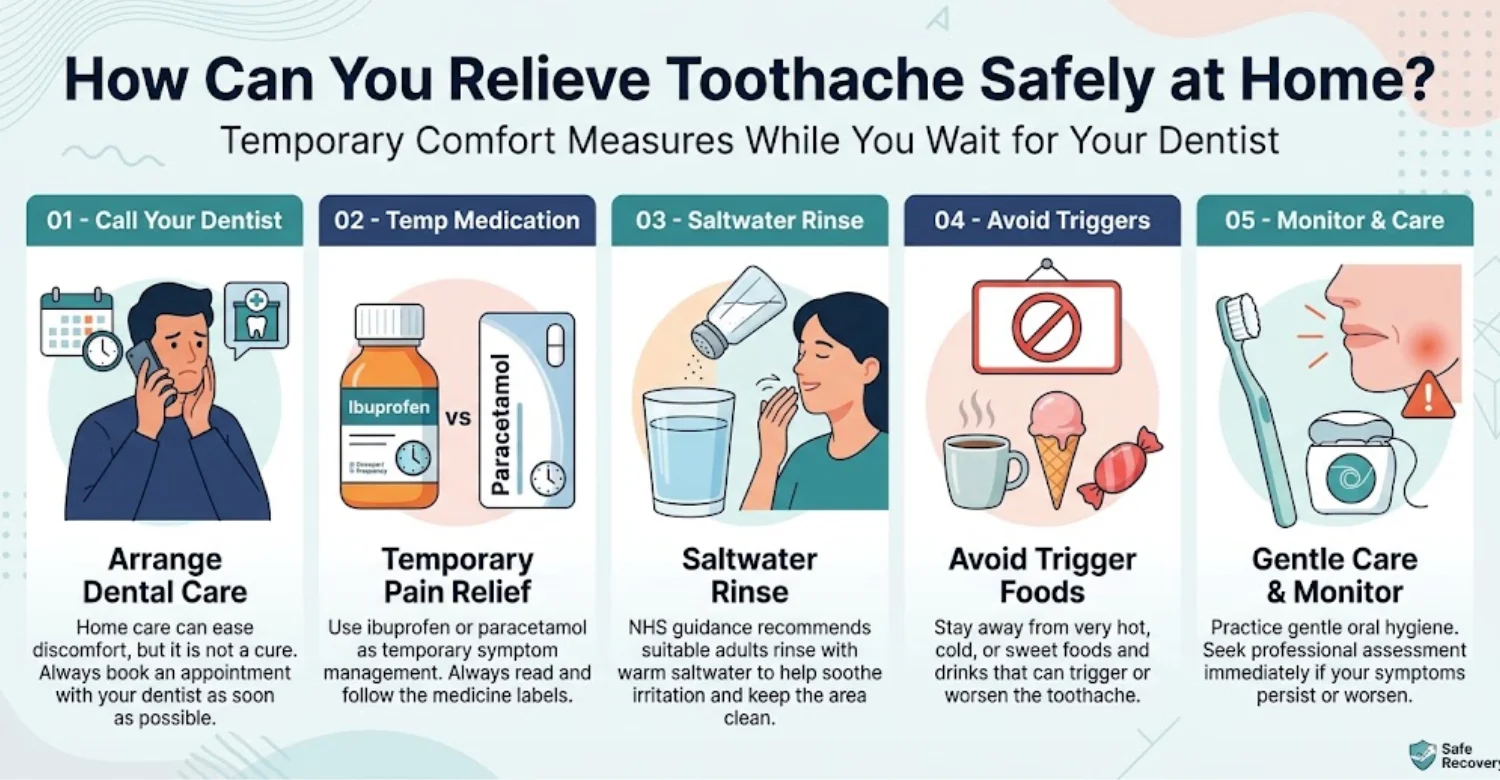
Ibuprofen vs Paracetamol for Toothache is a common search when a tooth hurts and dental care is not immediately available. The safest choice depends on the cause of pain, health history, pregnancy status, and other medicines. Paracetamol may temporarily reduce pain, but it cannot repair decay or treat an abscess. Dental pain that persists or worsens needs assessment, even when medicine helps.
What Is the Difference Between Paracetamol and Another Pain-Relief Option for Toothache?
The main difference is how each approach affects pain and inflammation. Paracetamol acts mainly on pain processing and can reduce fever. Another pain-relief option may target inflammation more directly, but it can carry different risks. Guidance for acute dental pain often prioritizes anti-inflammatory treatment when suitable; personal health factors can change that choice.
How Do They Work to Relieve Dental Pain?
For readers comparing their options when a tooth hurts, the key distinction is inflammation. Paracetamol helps reduce pain signals and fever, but it does not meaningfully reduce inflammation at the painful site. An anti-inflammatory approach may reduce inflammatory pain around injured tissues. Neither approach removes decay, repairs a crack, or drains an abscess. Pain relief should bridge the time until dental assessment, not replace it.
How Do Their Benefits and Limitations Compare?
Paracetamol can be useful when taken according to the label, but taking too much can seriously harm the liver. Anti-inflammatory medicines can help inflammatory dental pain, but may be unsuitable with certain stomach, kidney, heart, bleeding, or pregnancy-related risks. Choosing between these over-the-counter options does not have one universal answer. The better option depends on medical history, age, the product, and advice from a clinician or pharmacist.
Which Factors Determine the Most Appropriate Pain-Relief Option?
Selecting appropriate pain relief depends on age, relevant weight, health conditions, allergies, pregnancy, alcohol use, and other medicines. The pain’s cause and severity also matter. Always follow the product leaflet. Ask a pharmacist or clinician when instructions are unclear. Seek advice before treating children, older adults, or people with chronic conditions.
Which Is Better for Toothache?
There is no single best choice for every person. Clinical guidance often favors anti-inflammatory treatment for acute dental pain when safe. Paracetamol may be an option when that approach is unsuitable. Searching for the best over-the-counter painkiller should not replace an individualized safety check. Severe or persistent pain needs a dentist because medicine alone does not resolve the dental cause.
When Might an Anti-Inflammatory Approach Be More Effective?
An anti-inflammatory approach may help when tissue inflammation drives pain, including some dental injuries and post-treatment pain. It is not suitable for everyone. Stomach ulcers, bleeding risks, kidney or cardiovascular disease, allergies, and pregnancy can affect safety. A pharmacist or clinician can assess whether it is appropriate.
When Might Paracetamol Be More Appropriate?
Paracetamol may be considered when anti-inflammatory medicines are unsuitable or when a clinician recommends it for temporary pain relief. It still requires careful dosing. Liver disease, low body weight, heavy alcohol use, and other medicines containing paracetamol can increase risk. Individual safety matters as much as possible pain relief. Ask a pharmacist if you are unsure whether the product is appropriate.
Can Both Approaches Be Used Together for Tooth Pain?
Some adults may be advised to combine paracetamol with another pain-relief approach, but this is not appropriate for everyone. Do not combine medicines or use a combination product without checking ingredients, dosing intervals, and your health risks. Ask a pharmacist, dentist, or doctor first. The important point is not to improvise a combination or exceed label instructions. Never use a child’s dose based on adult guidance.
What Does Clinical Evidence Say About Dental Pain Relief?
Dental guidelines recommend non-opioid approaches as first-line options for many cases of acute dental pain. Anti-inflammatory medicines, alone or with paracetamol, are commonly recommended when medically appropriate. The recommendation is not a guarantee that one option suits every patient. Current clinical evidence should be interpreted alongside contraindications and clinical examination.
What Causes Toothache, and How Does the Cause Affect Pain Relief?
Toothache can arise from decay, pulp inflammation, infection, cracks, gum disease, wisdom teeth, or recent treatment. The search “Ibuprofen vs Paracetamol for Toothache” asks about symptoms, but pain intensity alone cannot identify the cause. A dental examination and appropriate imaging help determine whether a filling, root canal, drainage, extraction, or another treatment is needed.
Tooth Decay and Dental Cavities
A cavity may cause sensitivity to sweets, cold, heat, or chewing. Early decay may cause little pain, while deeper decay can irritate the inner tooth. A dentist may recommend a filling or another restoration based on the extent of damage.
Inflamed Dental Pulp and Tooth Nerve Pain
The dental pulp contains nerves and blood vessels inside the tooth. Deep decay, trauma, or a failing restoration can inflame this tissue, causing lingering or spontaneous pain. The phrase “Ibuprofen vs Paracetamol for Toothache” cannot distinguish reversible irritation from severe pulp inflammation. Examination and X-rays may help; treatment could involve a filling, root canal treatment, or extraction, depending on tooth condition.
Dental Abscesses and Tooth Infections
A dental abscess is a pocket of pus associated with infection. Symptoms can include throbbing pain, swelling, tenderness, fever, or a bad taste. With “Ibuprofen vs Paracetamol for Toothache,” remember that pain relief does not drain an abscess or remove its source. Prompt dental care is important. Spreading swelling, difficulty swallowing, or difficulty breathing requires urgent emergency assessment.
Cracked Teeth and Damaged Fillings
A crack or broken filling can expose sensitive inner layers and cause sharp pain while biting. Symptoms may come and go, making the damage hard to identify without examination. Avoid chewing on the affected side and arrange dental assessment.
Gum Disease and Wisdom Tooth Problems
Gum inflammation can cause tenderness, bleeding, swelling, or discomfort when chewing. A partially erupted wisdom tooth may trap food and bacteria beneath the gum, causing pain and sometimes infection. “Ibuprofen vs Paracetamol for Toothache” cannot identify whether the problem involves gum tissue, the tooth, or both. A dentist can assess cleaning needs, local treatment, or further care.
Pain After Dental Procedures
Tenderness can occur after fillings, root canal treatment, or an extraction. It should generally improve according to the dentist’s post-treatment instructions. For “Ibuprofen vs Paracetamol for Toothache” after a procedure, follow the clinician’s specific plan rather than adding medicines independently. Contact the dental team if pain worsens, swelling increases, bleeding continues, or symptoms exceed the expected recovery period.
What Are the Side Effects and Safety Risks?
Every pain-relief approach has possible harms, and suitability depends on personal circumstances. “Ibuprofen vs Paracetamol for Toothache” is not simply a comparison of strength. Paracetamol is usually well tolerated when used correctly, but overdose can cause severe liver injury. Anti-inflammatory medicines can have stomach, bleeding, kidney, cardiovascular, allergy, and pregnancy-related risks. Check the package instructions and consult a professional when unsure.
What Are the Potential Side Effects of Each Option?
Paracetamol rarely causes side effects at the recommended dose, but serious allergic reactions can occur. An overdose may damage the liver even before obvious symptoms appear. Anti-inflammatory medicines may irritate the stomach and raise bleeding or kidney risks in some people. In “Ibuprofen vs Paracetamol for Toothache,” consider the person's medical history rather than assuming over-the-counter means risk-free. Seek urgent help for breathing trouble or signs of a severe allergic reaction.
Who Should Avoid Anti-Inflammatory Pain Relief or Seek Medical Advice?
People with certain stomach, kidney, heart, bleeding, allergy, or pregnancy-related concerns should ask a clinician before using an anti-inflammatory medicine. The same caution applies to people taking prescribed treatments that may interact. Do not use someone else’s prescription or exceed the recommended amount.
People With Stomach Ulcers or Bleeding Problems
A history of stomach ulcers, gastrointestinal bleeding, clotting problems, or medicines that increase bleeding risk can affect safety. Ask a doctor or pharmacist before taking an anti-inflammatory product. For “Ibuprofen vs Paracetamol for Toothache,” a history of digestive bleeding is important information to share. Seek urgent assessment for vomiting blood, black stools, faintness, or severe abdominal pain.
People With Kidney or Cardiovascular Conditions
Some anti-inflammatory medicines can worsen kidney function, affect fluid balance, or increase cardiovascular risks in susceptible people. Anyone with kidney disease, heart disease, high blood pressure, or relevant prescribed treatment should seek individualized advice. The question has no safe universal answer for these conditions. Do not stop prescribed medicines without medical advice.
Pregnant Patients
Pregnancy changes the safety considerations for pain relief. Paracetamol is commonly used during pregnancy when needed, but follows professional advice and the product instructions. Anti-inflammatory medicines may be unsuitable at particular stages of pregnancy. In “Ibuprofen vs Paracetamol for Toothache,” pregnancy should prompt advice from a midwife, doctor, dentist, or pharmacist before taking medicine. Tell the dental team about the pregnancy before treatment. If breastfeeding, ask a clinician or pharmacist before taking medicine, especially combination products.
.jpg)
.jpg)
.jpg)
.jpg)
Who Should Use Paracetamol With Extra Caution?
Paracetamol requires extra care when a person has factors that increase the risk of overdose or liver injury. “Ibuprofen vs Paracetamol for Toothache” should always include the dose, formulation, and health history, not only symptom severity. Read the leaflet and ask a pharmacist or clinician if the recommended instructions are unclear.
People With Liver Conditions or Low Body Weight
People with liver disease or low body weight may need individualized advice before taking paracetamol. Some formulations and dosing instructions differ by age and weight. Do not assume a standard adult dose is suitable. Tell the pharmacist about your health conditions and follow their guidance closely.
People Who Drink Alcohol Heavily
Heavy alcohol consumption can increase concern about liver injury, particularly if paracetamol is taken incorrectly or repeatedly. Ask a healthcare professional before using it if you drink heavily or have alcohol dependence. Avoid exceeding the label dose and do not use medicine to delay assessment of severe pain.
People Taking Other Medicines Containing the Same Active Ingredient
Some cold, flu, and combination products already contain paracetamol. Taking them together can cause an accidental overdose. Check every label and ask a pharmacist when ingredients are unclear. Duplicate ingredients are a preventable safety risk. Do not exceed the recommended daily limit or take extra doses because pain continues.
What Should You Do if You Suspect a Painkiller Overdose?
Seek urgent medical advice immediately if you may have taken more paracetamol than directed, even if you feel well. Early symptoms may be mild or absent while liver injury develops. Do not wait for symptoms or attempt to manage a suspected overdose at home. Keep the packaging available and tell the clinician what was taken and when. In any “Ibuprofen vs Paracetamol for Toothache” situation, overdose concerns take priority over pain relief.
Can a Cold Compress Help Reduce Tooth Pain?
A cold compress wrapped in cloth may ease external swelling or discomfort for short periods. Apply it to the cheek rather than directly to the tooth or skin without a barrier. Stop if the cold worsens sensitivity. For “Ibuprofen vs Paracetamol for Toothache,” a compress is a supportive measure only. Rapidly increasing swelling or severe symptoms need professional assessment.
Can a Warm Saltwater Rinse Soothe Oral Discomfort?
A warm saltwater rinse may help clear debris and soothe some gum irritation. Mix salt into warm water, rinse gently, and spit it out. Do not swallow the rinse. Children who may swallow it should not use this method. Rinsing cannot drain a deep abscess or repair decay.
What Foods and Drinks Should You Avoid?
Choose soft foods and chew on the unaffected side. Avoid items that trigger pain, including very hot, very cold, or sugary foods and drinks. Drink water and maintain gentle brushing. Avoiding triggers may make symptoms easier to manage temporarily. Do not stop eating or drinking normally for prolonged periods because of tooth pain; seek care instead.
What Should You Avoid Applying Directly to a Painful Tooth?
Do not place crushed tablets, alcohol, household chemicals, or concentrated essential oils directly on a tooth or gum. These substances can irritate or burn oral tissues. Do not place heat on facial swelling unless a clinician directs you. Use only products intended for oral use and follow their instructions.
When Is Home Care Not Enough?
Home care is not enough when pain persists, worsens, wakes you repeatedly, or returns after temporary relief. Swelling, fever, pus, or a bad taste can signal infection. The key limit is that symptom control cannot treat the cause. Contact a dentist promptly, and seek emergency care for breathing or swallowing difficulty or rapidly spreading swelling.
What Dental Treatments Address the Cause of Toothache?
“Ibuprofen vs Paracetamol for Toothache” concerns temporary relief. Definitive treatment depends on the cause and may require a filling, root canal, drainage, gum care, or extraction. The dentist considers symptoms, examination findings, imaging when indicated, and whether the tooth can be restored.
How Are Cavities Treated?
A small cavity may be cleaned and restored with a filling. Larger damage may need a more extensive restoration or treatment of the pulp. Early assessment can help limit further damage and clarify suitable options.
When Is Root Canal Treatment Needed?
Root canal treatment may be recommended when the pulp is irreversibly inflamed or infected and the tooth can be saved. The dentist removes affected tissue, cleans the canal system, and seals it. The exact treatment varies with tooth anatomy and infection severity. Temporary pain relief does not replace treatment of diseased pulp.
How Is a Dental Abscess Treated?
A dentist treats an abscess by addressing its source, often through drainage, root canal treatment, or extraction. The choice depends on the tooth and the spread of infection. Prompt care is important, especially with fever, facial swelling, or worsening symptoms. Emergency assessment is essential if breathing or swallowing becomes difficult.
When Might Tooth Extraction Be Necessary?
Extraction may be necessary when a tooth is too damaged to restore or its infection cannot be managed predictably. The dentist explains alternatives, risks, and aftercare. Relief from medicine does not prove a tooth is healthy. The decision should follow examination and a discussion of clinical options.
Are Antibiotics Always Needed for Dental Infections?
No. Many localized dental infections need dental procedures to remove or drain the source, rather than medicine alone. A dentist decides whether additional infection treatment is needed based on symptoms and medical risk. Do not self-start leftover prescriptions. Seek urgent advice for spreading swelling, fever, feeling very unwell, or difficulty swallowing.
Note : All images used are for editorial and illustrative purposes only and may not originate from the original news provider or associated company.
When Should You See a Dentist for Toothache?
Arrange dental assessment for persistent, worsening, recurrent, or unexplained tooth pain. Contact a dentist promptly if pain affects sleep or eating, or if swelling or fever develops. Seek emergency medical help for difficulty breathing or swallowing, swelling spreading quickly, or swelling around the eye or neck.
When Does Persistent Tooth Pain Require Dental Assessment?
Pain lasting beyond a short period, returning repeatedly, or worsening despite temporary relief should be assessed. Pain after dental treatment also needs review if it increases or does not follow the expected recovery pattern. Tell the dentist when pain began, what triggers it, and which medicines you have taken.
Which Symptoms May Indicate a Dental Infection?
Possible warning signs include gum or facial swelling, pus, a bad taste, fever, tenderness, or difficulty opening the mouth. These symptoms are not enough to diagnose the cause, but they warrant prompt dental advice. Do not rely on a temporary decrease in pain to rule out infection. Seek quicker care if symptoms spread or you feel generally unwell.
When Is Toothache a Medical Emergency?
Toothache becomes an emergency when swelling or infection threatens breathing, swallowing, vision, or the airway. Rapidly spreading swelling or significant illness also requires urgent assessment. Call local emergency services or go to an emergency department if breathing or swallowing is difficult.
Facial or Jaw Swelling and Fever
Facial or jaw swelling with fever can indicate a spreading infection and needs urgent professional assessment. Contact an emergency dentist or urgent medical service, especially if swelling is increasing or opening the mouth is difficult.
Swelling Around the Eye or Neck
Swelling around the eye or neck needs urgent medical evaluation, particularly when it spreads or accompanies fever. These areas can signal serious complications. Do not wait for pain medicine to work before seeking help.
Difficulty Breathing or Swallowing
Difficulty breathing or swallowing is an emergency. Call local emergency services immediately and do not attempt to treat the problem at home. “Ibuprofen vs Paracetamol for Toothache” must not delay urgent help, even if pain seems manageable. Follow emergency clinicians’ instructions.
How Much Does Toothache Treatment Cost in the US, UK, and Turkey?
Costs vary by provider, tooth, and clinical complexity. The table gives indicative prices; the UK figures are NHS England charges, while private fees vary.
Treatment | United States | UK: NHS England | Turkey: indicative |
Exam and X-rays | 70–400 | $27.90 course | $2,480–$3,690 |
Filling | 50–450 | $76.60 course | $3,375–$5,300 |
Root canal | 300–2,000 | $76.60 course | $2,850–$7,645 |
Extraction | 75–650 | $76.60 course | $1,950–$5,000 |
Abscess treatment | Variable | Variable by care needed | Individual quote |
Published prices are estimates, not guaranteed quotes. UK NHS charges cover a course of treatment, not each individual procedure. Turkey figures reflect a published 2026 fee schedule; abscess care may involve several procedures. Tooth location, imaging, complexity, infection severity, specialist care, insurance, and follow-up affect final costs.
What Is the Average Cost of a Dental Examination and X-Rays?
An examination and X-ray may be priced separately in private clinics. In the United States, published estimates vary widely. NHS England bundles clinically needed X-rays into its examination band. Turkish fee schedules list examinations and imaging separately.
How Much Does a Dental Filling Cost?
Filling fees depend on the material, number of tooth surfaces, and size of the cavity. NHS England includes fillings within its Band 2 course charge. Turkish published 2026 prices range by filling size. “Ibuprofen vs Paracetamol for Toothache” may bring someone to seek help, but a filling quote follows examination and diagnosis.
How Much Does Root Canal Treatment Cost?
Root canal fees vary by tooth, number of canals, specialist involvement, and whether a final restoration is included. NHS England includes eligible root canal work within Band 2. Turkey’s published fee schedule varies by canal count; United States estimates are much broader.
How Much Does Tooth Extraction Cost?
Simple extraction generally costs less than surgery for an impacted or broken tooth. Complexity, imaging, sedation, and follow-up can add fees. NHS England includes many extractions in Band 2, while private prices differ. A clinician must first establish whether extraction is necessary.
What Factors Affect the Final Dental Treatment Cost?
The final quote depends on diagnosis, tooth location, procedure complexity, imaging, infection severity, specialist care, restoration, and follow-up. Ask for a written plan that separates included services from possible additional fees.
Treatment Complexity and Tooth Location
Molars may have more complex anatomy than front teeth. Surgical extraction, repeat treatment, or extensive damage can increase cost. A clinical examination establishes the likely treatment and whether specialist input is needed.
Diagnostic Imaging and Additional Procedures
A dentist may need focused X-rays or more detailed imaging if the findings require it. Imaging, drainage, specialist treatment, or a final restoration may be additional charges. Ask which images and procedures are clinically necessary and included in the written quote.
Private Dental Fees, Insurance, and Follow-Up Care
Private fees differ by clinic, region, insurance cover, and follow-up arrangements. NHS England uses set charges for eligible courses, while other UK nations have different systems. Confirm the full plan before treatment.
What Is the Vitrin Clinic's Perspective on Toothache and Pain Relief?
At Vitrin Clinic in Istanbul, the first priority is identifying why the tooth hurts before selecting treatment. “Ibuprofen vs Paracetamol for Toothache” describes temporary pain relief, but the correct dental plan depends on the diagnosis. An examination, appropriate imaging, cost estimates, and planned follow-up help patients understand options without promises.
Why Is Identifying the Cause of Toothache Important?
Identifying the cause helps distinguish decay, pulp inflammation, cracks, gum problems, and infection. These conditions need different treatment. Vitrin Clinic’s planning should therefore begin with the complaint, clinical findings, and a discussion of treatment options.
How Can Dental Examinations and Digital X-Rays Guide Diagnosis?
A dentist examines the tooth, gums, bite, and surrounding tissues. Digital dental X-rays may be used when appropriate to assess decay, roots, and supporting bone. Additional imaging is not necessary for every patient. “Ibuprofen vs Paracetamol for Toothache” should not dictate testing; findings should clarify the cause and guide proportionate treatment.
How Is a Personalized Dental Treatment Plan Developed?
A personalized plan follows the diagnosis, the tooth’s restorability, infection status, medical history, and patient preferences. Options may include a filling, root canal treatment, drainage, gum care, or extraction. The dental team should explain benefits, limitations, alternatives, expected visits, risks, and itemized estimated costs before proceeding.
What Should International Patients Know About Treatment and Follow-Up?
International patients should confirm appointment timing, required records, imaging, estimated fees, and how follow-up will be handled. Ask which costs are included and what happens if symptoms change after returning home. Vitrin Clinic can discuss individual treatment planning, but suitability and timing depend on clinical assessment.
Ready to transform your smile?
Talk to our team and get a personal FREE treatment plan.
Key Takeaways: Ibuprofen vs Paracetamol for Toothache
“Ibuprofen vs Paracetamol for Toothache” is a question about temporary pain relief, but there is no universally safest choice. Paracetamol can reduce pain when used correctly. Anti-inflammatory approaches may help dental inflammation but are not suitable for everyone. Persistent pain requires diagnosis and treatment of the cause.
Choosing Pain Relief Depends on Effectiveness and Individual Safety
The best choice depends on the cause of pain, age, pregnancy, medical conditions, other medicines, and product instructions. Ask a pharmacist, dentist, or doctor if you have health risks or are unsure how to use a product.
Temporary Pain Relief Does Not Replace Dental Treatment
Paracetamol may temporarily reduce pain but cannot remove decay, drain an abscess, repair a crack, or treat infection. “Ibuprofen vs Paracetamol for Toothache” cannot show that the tooth is healing. Arrange dental assessment if pain persists, worsens, or returns.
When to Seek Professional Dental Care
Seek dental care for persistent or worsening pain, swelling, fever, pus, or pain that disrupts sleep or eating. Call emergency services for breathing or swallowing difficulties or rapidly spreading swelling.
Medical Disclaimer
This article provides general information and does not diagnose conditions or replace advice from a dentist, doctor, or pharmacist. Medicine instructions vary by formulation, age, weight, health conditions, pregnancy status, and other medicines. Follow the product leaflet and seek individualized advice when needed. Suspected overdose requires immediate professional advice, even without symptoms. Emergency symptoms need urgent medical care.
Reference
FAQs
Dr. Rifat Alsaman has more than 5 years of clinical experience in dentistry and currently serves as the Head of the Medical Team at Vitrin Clinic. He is dedicated to providing exceptional patient care, overseeing treatment planning, and ensuring the highest clinical standards across the team. His expertise, attention to detail, and commitment to continuous professional development have helped countless patients achieve healthier, more confident smiles.


