General Dentistry
September 16, 2026
Tight Jaw: Why Does It Happen and What Can I Do About It?
 Dr. Rifat Alsaman
Tight jaw sensations can feel like stiffness, muscle tension, pressure, fatigue, tenderness, or difficulty moving the jaw normally. This tightness is a symptom, not a diagnosis. Several factors can contribute, including jaw clenching, teeth grinding (bruxism), stress-related jaw tension, and TMJ/TMD. Symptoms may range from temporary muscle tension to recurrent or restricted jaw movement. Understanding the underlying cause matters before choosing any treatment. This guide walks through symptoms, causes, self-care, professional assessment, treatment options, and prevention for a locked jaw, so you know what steps to take next.
Tight Jaw: What Does It Feel Like and How Does It Affect You?
A tight jaw describes tension or stiffness in the muscles and joints used for chewing, speaking, swallowing, and yawning. These muscles and the temporomandibular joints work constantly throughout the day. When tension builds, ordinary activities like eating or talking can become uncomfortable. Symptoms vary widely between patients; some notice mild stiffness after long conversations, while others feel constant pressure or fatigue. The intensity, timing, and triggers of a locked jaw differ from person to person, which is why identifying your own pattern is a useful first step.
Common Symptoms That Can Occur With Jaw Tightness
Jaw tightness rarely shows up alone. Common symptoms include stiffness when opening or closing your mouth, difficulty opening fully, and jaw fatigue while chewing. Some notice tenderness around the cheeks, temples, or jawline, along with clicking or popping near the jaw joint. Headaches and facial discomfort can accompany a tight jaw, along with tooth sensitivity or visible tooth wear. Jaw pain and ear pain sometimes occur together, and discomfort while yawning or chewing is common. Tracking which symptoms appear together helps clarify what might be causing the tightness.
What Is the Difference Between Jaw Tightness and a Locked Jaw?
Jaw tightness usually involves muscular stiffness, but the jaw still moves. A locked jaw is different: it involves restricted movement, where opening or closing the mouth becomes difficult or impossible. Locking can happen suddenly or build gradually. Repeated or persistent locked jaw episodes shouldn't be treated with forceful stretching, since this can worsen joint or muscle irritation. If your tight jaw progresses into recurring locking, or movement stays limited, professional evaluation is appropriate rather than continued self-management at home.
Note: All images used are for editorial and illustrative purposes only and may not originate from the original news provider or associated company. Everything you need to know about my back teeth keep biting my cheek
Jaw Tightness Causes: What Could Be Making Your Jaw Feel Tight?
Several conditions can contribute to jaw tightness causes, ranging from common and manageable to less common issues needing clinical assessment. Everyday habits like clenching and grinding are frequent contributors, while joint-related conditions such as TMJ/TMD are less common but still significant. Dental and bite-related factors can also play a role. Understanding where your tight jaw fits within this range helps determine whether self-care is appropriate or whether a dental evaluation is needed sooner rather than later.
Jaw Clenching and Stress-Related Jaw Tension
Jaw clenching means repeatedly holding the teeth together or tightening the jaw muscles, often without noticing. This can happen consciously or unconsciously, keeping muscles active for long stretches. Concentration and emotional stress often increase daytime clenching, which is why a tight jaw may feel worse during work, driving, or studying. Stress-related jaw tension is a real contributing factor, but it isn't necessarily the only cause. Recognizing when clenching happens is the first step toward reducing it.
Teeth Grinding (Bruxism)
Teeth grinding, or bruxism, involves repeated grinding or forceful contact between the teeth. It can happen while awake or during sleep, and each type has different triggers. Sleep-related bruxism often goes unnoticed until morning jaw stiffness, muscle fatigue, headaches, or visible tooth wear appear. Repeated grinding episodes can leave a locked jaw feeling sore well into the day. Identifying grinding patterns, including timing and severity, helps guide which treatment approach makes sense for your situation.
TMJ/TMD and Jaw Joint Problems
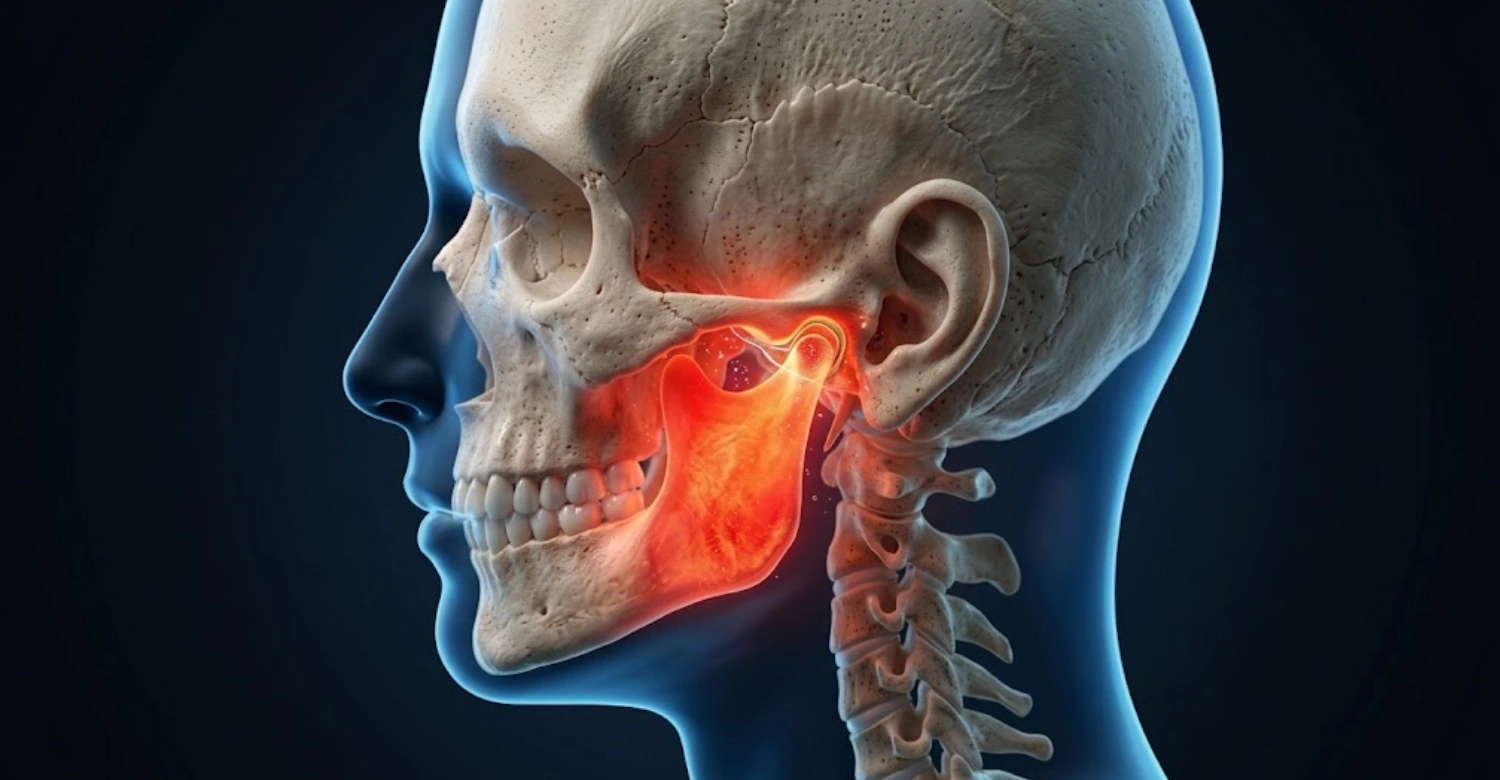
The temporomandibular joint connects your jawbone to your skull, just in front of each ear. TMJ/TMD refers to conditions affecting this joint and its surrounding muscles. These problems can cause stiffness, pain, clicking, tenderness, or restricted movement, contributing to an ongoing tight jaw. Clicking alone doesn't necessarily mean a serious disorder is present. What matters more is the combination of symptoms, pain, restricted opening, and tenderness together carry more clinical weight than any single sign.
Dental and Bite-Related Factors
Changes involving teeth, restorations, missing teeth, or altered chewing patterns can sometimes influence jaw function and contribute to tightness. A perceived bite problem shouldn't be assumed as the cause without clinical assessment, since several factors can produce similar sensations. Treatment decisions should follow examination findings rather than guesswork based on symptoms alone. If you suspect your bite is affecting your tight jaw, mention this specifically during your next dental visit for proper evaluation.
Less Common Causes That Need Professional Assessment
Beyond clenching, grinding, and joint issues, other contributors include trauma, infection, inflammatory conditions, and certain neurological or medical conditions. These causes are less typical, but they become important when symptoms are severe, unusual, or paired with other warning signs. A tight jaw that doesn't fit the usual pattern deserves closer attention. Looking beyond dental causes matters when the overall clinical picture suggests something outside the mouth is involved.
Tips for Patients
Check your jaw position: When you are not eating, notice whether your teeth are unnecessarily touching.
Avoid forceful stretching: Do not try to push a stiff or locked jaw open.
Track your symptoms: Record when tightness appears, how long it lasts, and what seems to trigger it.
Temporarily reduce strain: Softer foods may be easier to manage when chewing is uncomfortable.
Watch for grinding: Mention morning jaw fatigue or visible tooth wear during your dental consultation. Read more about neck and jaw pain
Bring your questions: At Vitrin Clinic, discuss your symptoms, clenching habits, previous dental treatment, and any mouthguard you currently use.
Why Can Jaw Tightness Occur With Ear Pain, Headaches, or Facial Discomfort?
The jaw joint sits close to the ear, and the chewing muscles extend toward the temples and face. This anatomical closeness explains why jaw pain and ear pain sometimes occur together. Referred pain means discomfort felt in one area can actually originate somewhere nearby, like the jaw affecting the ear. Muscle tension or TMJ/TMD may contribute to headaches or facial discomfort alongside a tight jaw. Still, ear pain doesn't automatically originate from the jaw; other causes are possible too.
When Jaw Symptoms and Ear Symptoms Appear Together
Discomfort that increases while chewing or yawning may suggest a jaw-related component to ear symptoms. Associated signs like clicking, stiffness, or tenderness near the jaw joint often appear alongside ear discomfort in these cases. However, hearing changes, ear discharge, significant swelling, fever, or persistent ear symptoms call for medical evaluation rather than assuming a tight jaw is responsible. Ruling out other causes ensures the right kind of care is sought. Learn more about neurological disease and oral health
How Can You Get Jaw Pain Relief at Home?
Before considering clinical intervention, several low-risk self-care measures may offer jaw pain relief for mild symptoms. Gentle jaw exercises, heat, rest, and temporary dietary adjustments are common starting points. These measures won't address every cause of a tight jaw, but they can ease discomfort while you monitor your symptoms. If tightness persists or worsens despite trying these steps, that's a signal to seek a professional assessment rather than continuing self-care indefinitely.
Jaw Exercises and Gentle Stretches
Controlled jaw exercises/stretches may help some people manage mild tension. Gentle opening and closing movements, done slowly, can ease stiffness without straining the joint. Practicing a relaxed jaw position lips together, teeth apart supports muscle rest throughout the day. Movements should stay controlled, never forceful. Stop immediately if an exercise increases pain, locking, or significant discomfort. Exercises aren't appropriate for every cause of a tight jaw, especially when locking or severe pain is present.
Heat, Rest, and Temporary Dietary Changes
A warm compress applied to the jaw may help some people with muscle-related tension. Softer foods are worth trying temporarily when chewing feels uncomfortable, along with reducing gum chewing and foods requiring prolonged or forceful chewing. Avoiding excessive mouth opening like wide yawns can reduce additional strain while symptoms are active. These adjustments give jaw muscles a chance to rest, which may ease a tight jaw without further intervention.
Reducing Daily Jaw Clenching
Keeping the jaw relaxed when you're not eating or speaking is a simple habit worth building. Daytime clenching often goes unnoticed until you start paying attention to it. Identifying situations that trigger clenching like stress, concentration, or driving can help reduce how often it happens. Stress-management strategies can support this process, though they won't resolve every case of tight jaw tension on their own. Small, consistent awareness often makes the biggest difference over time. Explore more on oral bacteria types
Can a Mouthguard Help With Jaw Pain?
A mouthguard for jaw pain is typically used to protect teeth when bruxism is present, cushioning against grinding forces during sleep. An appropriately assessed and fitted appliance is generally preferable to an unsuitable generic one bought without guidance. A mouthguard may help manage the consequences of grinding, but it doesn't necessarily remove the underlying trigger causing a tight jaw. Not everyone with jaw discomfort needs one; it depends on what's actually causing the tightness.
When a Mouthguard May Be Considered
A mouthguard may be considered when there's documented or suspected teeth grinding, significant tooth wear, or repeated nighttime clenching. It can also help when tooth protection is needed due to bruxism, or when jaw muscle fatigue is linked to parafunctional habits like clenching or grinding. These situations suggest a mouthguard could ease strain contributing to a tight jaw, though a dental assessment should confirm whether it's the right fit for your specific symptoms. Discover more about oral microbiome
When Should You Stop Home Treatment and Seek Professional Care?
Self-care has limits. There's a clear turning point where home management should give way to professional evaluation. Persistent tightness, worsening pain, or a tight jaw that keeps returning despite consistent self-care are signals worth taking seriously. Recognizing this shift early helps prevent minor tension from becoming a more complicated, harder-to-manage problem. The next sections outline specific warning signs and what to expect during a professional dental assessment.
Signs That Your Jaw Needs Professional Evaluation
Watch for these signs: persistent or worsening pain, recurrent jaw locking, difficulty opening or closing your mouth, and significant restriction in movement. Swelling, fever, or possible infection signs also warrant attention, as do symptoms following facial or jaw trauma. A sudden change in your bite, pain that makes eating difficult, or a tight jaw that repeatedly returns despite self-care all point toward the same conclusion: it's time for a professional evaluation.
What Happens During a Dental Assessment?
During an assessment, the dentist typically asks about the timing, duration, and triggers of your symptoms. They'll check how your jaw opens and closes, examine the chewing muscles and jaw joints, and look for tooth wear associated with bruxism. Bite alignment and dental history may also be considered. Imaging such as dental X-rays or CBCT is used only when clinically indicated. Treatment recommendations should follow these findings rather than the symptom of a locked jaw alone. Dive deeper into osteogenesis imperfecta dental treatment
Clinical Treatments for Jaw Tightness
Treatment for jaw tightness is typically presented progressively, starting with conservative options before considering more advanced interventions. The right approach depends on whether the main contributor appears muscular, joint-related, dental, or something else entirely. Not every tight jaw needs the same plan; some respond well to behavioral changes, while others require an oral appliance, medication, or further investigation. Matching treatment to the actual cause produces better outcomes than treating symptoms in isolation.
Conservative Treatment and Behavioral Changes
Conservative care is often considered first for many jaw-related complaints. This can include habit modification, jaw relaxation techniques, temporary dietary changes, and appropriate exercises tailored to the suspected cause. The right combination depends on whether tightness stems mainly from muscle overuse, joint irritation, or dental factors. Starting conservatively allows milder cases of tight jaw tension to improve without unnecessary intervention, while still monitoring for signs that a different approach may be needed.
Managing Bruxism and Jaw Muscle Overactivity
Managing bruxism often starts with reducing daytime clenching through awareness and habit changes. Protecting teeth becomes a priority when grinding is clinically confirmed, since repeated contact can wear enamel over time. An oral appliance may play a role once bruxism is identified as a contributing factor. Management usually involves more than simply placing a mouthguard addressing the underlying clenching or grinding pattern matters just as much for long-term relief from a tight jaw.
Medication and Other Medical Options
Medication may sometimes form part of managing jaw-related symptoms, depending on the individual's medical history, current symptoms, and suspected underlying cause. Dosing decisions and specific medication choices should always come from your care provider rather than self-directed use. In more complex cases, dental and medical professionals may need to work together, particularly when a tight jaw is linked to broader medical or neurological factors requiring coordinated care.
When More Advanced Treatment May Be Needed
Injections or surgical approaches generally require a specific clinical indication rather than general discomfort alone. Persistent symptoms may call for additional investigation before advanced treatment is even considered. Invasive treatment shouldn't be chosen simply because a tight jaw feels uncomfortable conservative options are typically exhausted first. Advanced treatment becomes appropriate only when assessment findings clearly support it, not as a default response to ongoing tension.
Clinical Note
Jaw tightness describes a symptom, not one specific disease. Occasional muscular tension differs meaningfully from persistent restriction or recurrent locking, and both can look similar to a patient. Considering several symptoms together rather than just one is important. Jaw pain, ear discomfort, tooth wear, clicking, and restricted opening all offer different clinical clues. Persistent, severe, or unexplained symptoms should be assessed rather than repeatedly self-treated at home. Read the full article on plaque and gum disease treatment
How Can You Prevent Jaw Tightness From Coming Back?
Preventing jaw tightness from returning starts with reducing everyday strain on the jaw muscles and joints. Small daily habits like limiting gum chewing or avoiding wide yawns add up over time. Managing clenching and grinding triggers, along with protecting your teeth through regular check-ups, rounds out a practical prevention approach. None of these steps guarantee the tightness never returns, but they lower the odds and help catch early signs of jaw tightness before it worsens.
1- Reduce Repetitive Jaw Strain
Limit unnecessary gum chewing, since repetitive motion adds strain over time. Avoid repeatedly opening your mouth very widely, and never force the jaw through painful or restricted movement. Give the jaw regular periods of relaxed movement throughout the day, rather than constant tension. These small adjustments reduce cumulative strain, which can otherwise contribute to recurring jaw tightness episodes over weeks or months.
2- Manage Clenching and Grinding Triggers
Pay attention to daytime jaw clenching, especially during stressful or focused moments. Notice whether stress or concentration increases tooth contact throughout your day. Bring up suspected nighttime grinding during your next dental examination, since it often goes unnoticed otherwise. Consider an appropriate oral appliance when clinically recommended, rather than choosing one without guidance. Managing these triggers consistently reduces the chance of jaw tension recurring.
3- Protect Your Teeth and Jaw Function
Maintain regular dental examinations to catch early signs before they progress. Monitor unusual tooth wear or sensitivity, which can signal ongoing grinding. Report recurring jaw pain or stiffness promptly rather than waiting for it to worsen. Discuss any changes in chewing, bite, or jaw movement with your dentist. Staying proactive protects both your teeth and long-term jaw function against repeated tightness. Find out more about preventive dental care
What We Notice Clinically
Dr. Rifat Alsaman, Head of the Medical Team and cosmetic dentist at Vitrin Clinic, considers the pattern of symptoms important when assessing jaw complaints. Timing, daytime clenching, nighttime grinding, tooth wear, jaw movement, and chewing discomfort all provide useful clinical clues. Two patients can report similar tightness while having very different underlying contributors. Identifying the likely cause before selecting any intervention remains central to Dr. Rifat Alsaman's approach to jaw tightness.
Why Identifying the Cause Matters Before Treatment
Treating muscle tension alone may not address ongoing clenching or bruxism happening underneath it. Identifying the actual source helps determine whether a patient may benefit from exercises, behavioral changes, an oral appliance, dental treatment, or medical evaluation. Individualized treatment planning consistently produces better results than a one-size-fits-all approach to jaw tightness, since the same symptom can stem from very different causes.
Vitrin Clinic: Assessing Jaw-Related Dental Concerns
Vitrin Clinic serves as the setting for evaluating dental and jaw-related concerns, assessing jaw movement, chewing muscles, teeth, bite, and signs of bruxism together rather than in isolation. Diagnostic imaging may be considered when clinically indicated, and treatment planning follows the clinical findings rather than assumptions. Dr. Rifat Alsaman, Head of the Medical Team and cosmetic dentist at Vitrin Clinic, is the clinical authority referenced throughout this guide. If your jaw tightness is persistent, recurrent, or unexplained, arranging a professional assessment at Vitrin Clinic is a practical next step. Get the details on process of swallowing
References:
FAQs
Dr. Rifat Alsaman has more than 5 years of clinical experience in dentistry and currently serves as the Head of the Medical Team at Vitrin Clinic. He is dedicated to providing exceptional patient care, overseeing treatment planning, and ensuring the highest clinical standards across the team. His expertise, attention to detail, and commitment to continuous professional development have helped countless patients achieve healthier, more confident smiles.


