General Dentistry
August 18, 2026
Can Rheumatoid Arthritis Cause Tooth Pain? Understanding Rheumatoid Arthritis Tooth Pain
 Dr. Rifat Alsaman
Many people living with rheumatoid arthritis notice more than joint stiffness. They also report aching teeth, sore gums, or a tight jaw. Rheumatoid arthritis tooth pain is a real concern for patients. Research increasingly shows a link between RA and oral health. Studies point to a connection between rheumatoid arthritis and gum disease, and between rheumatoid arthritis and periodontal disease. Some evidence ties inflammation to tooth loss and jaw discomfort. This guide explains what's known, what remains uncertain, and how Vitrin Clinic approaches dental care for RA patients.
What Is Rheumatoid Arthritis Tooth Pain?
Rheumatoid arthritis tooth pain describes discomfort in the teeth, gums, or jaw that appears alongside RA. It's often driven by shared inflammatory pathways, gum disease, or jaw-joint involvement, rather than the teeth themselves being directly attacked by the disease.
How Rheumatoid Arthritis Can Affect Your Teeth and Mouth
RA is a systemic inflammatory condition, so it can influence the mouth in indirect ways. These include inflamed gums, reduced saliva flow, difficulty brushing due to hand joint pain, and jaw-joint changes. Together, these factors can make oral problems more likely over time, even without RA attacking tooth structure directly.
Can Rheumatoid Arthritis Cause Tooth Pain?
The honest answer is nuanced. RA itself does not directly erode tooth enamel. But it raises the risk of periodontal disease, dry mouth, and TMJ dysfunction, all of which can produce pain that feels like it's coming from the teeth. So can rheumatoid arthritis cause tooth pain? Indirectly, yes, through these related pathways.
What Is the Connection Between Rheumatoid Arthritis and Teeth?
A 2013 systematic review of 19 studies found good evidence linking RA with periodontal disease. This included tooth loss, clinical attachment levels, and inflammatory blood markers, plus moderate evidence for other inflammatory markers. This supports the idea that RA and teeth share biological connections through chronic inflammation.
Rheumatoid Arthritis and Gum Disease
The relationship between rheumatoid arthritis and gum disease is one of the most studied aspects of RA-related oral health. Understanding it can help explain some cases of rheumatoid arthritis tooth pain.
Does Rheumatoid Arthritis Increase the Risk of Gum Disease?
A large meta-analysis known as the "Hand to Mouth" study covered more than 153,000 participants. It found a significantly increased risk of periodontitis in RA patients compared with healthy controls, along with greater probing depth, bleeding on probing, and attachment loss. This gap narrowed, though, when RA patients were compared with osteoarthritis patients instead.
Rheumatoid Arthritis and Periodontal Disease
RA and periodontal disease appear to share overlapping inflammatory mechanisms. Both conditions involve similar immune pathways. This overlap may explain why gum inflammation is so common in RA patients, and why it sometimes contributes to episodes of dental pain that patients mistake for cavities.
Signs of Gum Problems to Watch For
Watch for red, swollen, or bleeding gums, persistent bad breath, gum recession, or teeth that feel loose. These signs often point toward periodontal disease rather than tooth decay. Catching them early can reduce the chances of this discomfort developing into something more serious.
Clinical Note
At Vitrin Clinic, the dental team notes that patients with rheumatoid arthritis often benefit from more frequent gum evaluations. Early inflammation can be subtle and easy to overlook until it starts causing discomfort.
Can Rheumatoid Arthritis Cause Tooth Loss?
Beyond discomfort, one of the more serious long-term risks tied to RA is tooth loss. Research links this back to chronic gum inflammation and reduced bone support around the teeth, a process that often begins with untreated rheumatoid arthritis tooth pain.
How Rheumatoid Arthritis May Contribute to Tooth Loss
Persistent gum inflammation gradually breaks down the bone and ligament structures that hold teeth in place. Over years, this can loosen teeth and eventually lead to tooth loss. This is particularly true in patients whose periodontal disease goes untreated, or whose RA activity remains poorly controlled.
Rheumatoid Arthritis Tooth Loss and Periodontal Disease
The same 2013 systematic review that found associations between RA and periodontal disease specifically highlighted tooth loss as one of the clearer outcomes. It appeared alongside changes in clinical attachment levels and inflammatory blood markers. This reinforces that tooth loss in RA patients is closely tied to gum health rather than to enamel or nerve damage.
Tips for the Patients
Keep up with twice-yearly dental checkups. Report any looseness in your teeth immediately. Ask your rheumatologist and dentist to coordinate care, so that RA disease activity and gum health are both managed together.
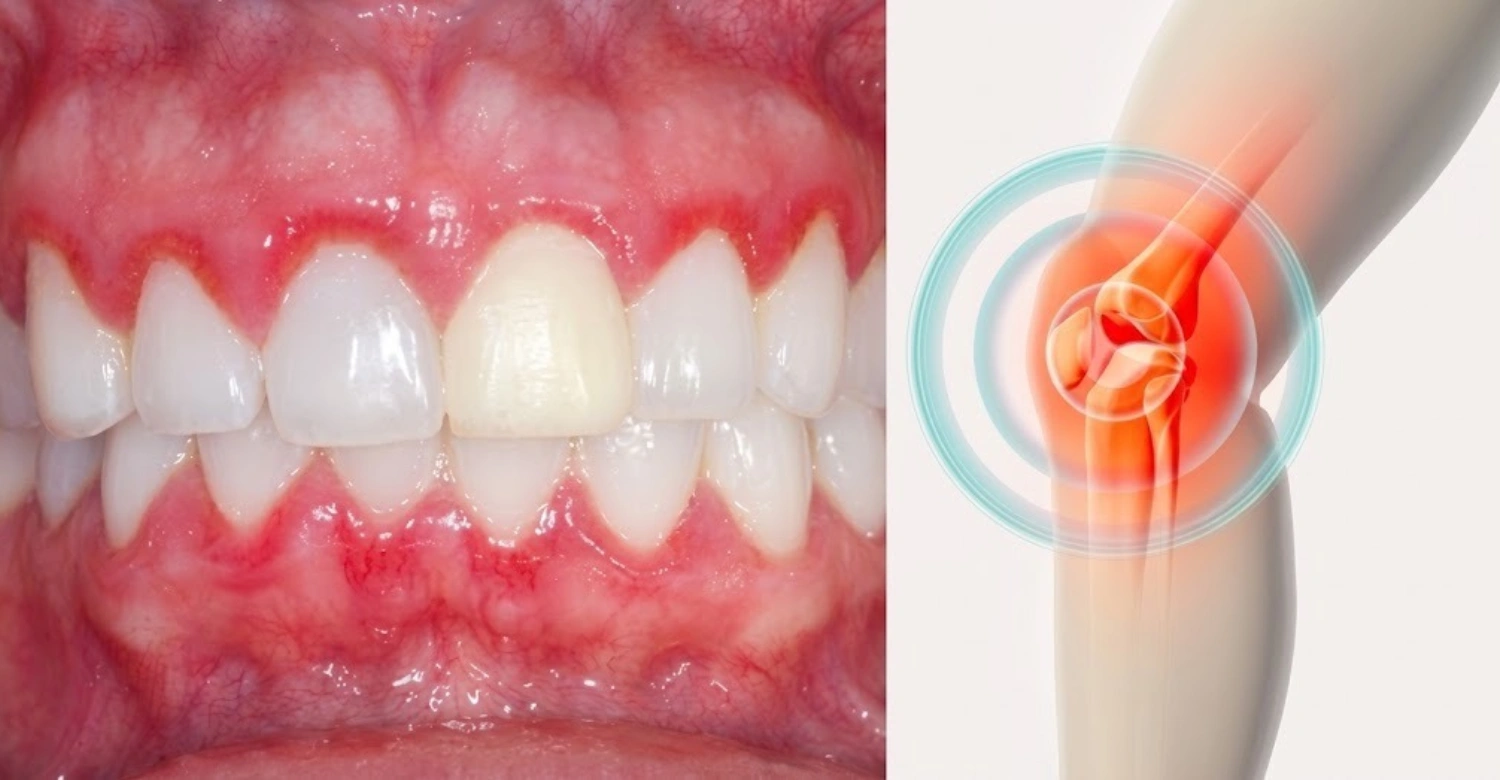
Rheumatoid Arthritis Dental Problems You Should Know
Beyond gum disease and tooth loss, there are several other rheumatoid arthritis dental problems patients and dentists should know about. Many of them contribute directly to tooth pain when left untreated.
Common Rheumatoid Arthritis Dental Problems
The most frequently reported issues include dry mouth, increased cavity risk, gum inflammation, jaw stiffness, and difficulty performing daily oral hygiene due to hand joint limitations. Recognizing these problems early can help prevent them from progressing into more painful complications.
Dry Mouth, Cavities, and Oral Inflammation
Some RA medications reduce saliva production, leading to dry mouth. Saliva helps wash away bacteria and neutralize acids, so reduced flow raises the risk of cavities and oral inflammation. Both can contribute to episodes of tooth pain if left unaddressed.
How Rheumatoid Arthritis Can Affect Daily Oral Hygiene
Joint pain and stiffness in the hands and fingers can make brushing and flossing physically difficult. This leads to plaque buildup over time. It's one of the less obvious ways dental problems develop, not from the disease directly, but from the practical challenges it creates.
Clinical Note
Vitrin Clinic recommends discussing hand mobility openly during dental visits. Adaptive tools like electric toothbrushes or modified grips can make a meaningful difference in preventing these problems from worsening.
Rheumatoid Arthritis Jaw Pain and TMJ Problems
Jaw discomfort is another common complaint. Rheumatoid arthritis jaw pain is frequently mistaken for a dental issue when it actually originates in the temporomandibular joint.
Can Rheumatoid Arthritis Cause Jaw Pain?
Yes. A cross-sectional study of 40 RA patients versus 40 healthy controls found temporomandibular disorder prevalence was significantly higher in RA patients, at 75%. Orofacial pain was reported in 82.5% of the RA group. This jaw-joint pain is often mistaken for a toothache.
Rheumatoid Arthritis TMJ: What Is the Connection?
Rheumatoid arthritis TMJ involvement is well recognized in the literature. Prevalence is estimated around 10% at disease onset, rising to 20–60% in long-standing disease. Pain, stiffness, and jaw dysfunction are common, though not always directly linked to periodontal or dental pathology. That's why TMJ-related discomfort is sometimes labeled as tooth pain, even when the teeth are healthy.
Symptoms of Rheumatoid Arthritis Affecting the Jaw
Common symptoms include clicking or popping sounds, limited jaw opening, morning stiffness in the jaw, and aching that can radiate toward the ear or teeth. This often makes jaw pain difficult to distinguish from a genuine toothache without a proper evaluation.
Tips for the Patients
If jaw stiffness or clicking accompanies your tooth discomfort, mention it to your dentist rather than assuming it's purely dental. Warm compresses, gentle jaw stretches, and avoiding hard foods can help manage mild TMJ symptoms between appointments.
Rheumatoid Arthritis Tooth Extraction: When Is It Necessary?
When teeth are severely damaged by decay or periodontal breakdown, extraction may become necessary. This is especially true in cases where ongoing rheumatoid arthritis tooth pain signals a tooth that can no longer be saved.
When Does a Tooth Need to Be Extracted?
Extraction is generally considered when a tooth is too loose, infected, or structurally compromised to be saved through restorative treatment. In RA patients, advanced periodontal disease is a common reason extraction becomes the safest option for overall oral health.
Is Tooth Extraction Safe for Patients With Rheumatoid Arthritis?
Tooth extraction is generally safe for RA patients when properly planned. Dentists need to consider medications like blood thinners or immunosuppressants, since these can affect bleeding and healing. With the right precautions, most RA patients tolerate extractions well.
What Should Your Dentist Know Before Tooth Extraction?
Before any extraction, your dentist should know your full medication list and current disease activity level. They should also know about any joint limitations affecting how long you can comfortably keep your mouth open during the procedure.
Clinical Note
Vitrin Clinic coordinates closely with each patient's rheumatologist before scheduling extractions. This ensures medication timing and healing expectations are clearly understood, so the procedure goes smoothly and safely.
Rheumatoid Arthritis Dental Treatment: What Are Your Options?
Fortunately, several dental treatment options exist to manage rheumatoid arthritis tooth pain, protect remaining teeth, and support long-term oral health.
How Is Rheumatoid Arthritis Tooth Pain Treated?
Treatment depends on the underlying cause. Pain linked to gum disease is treated with periodontal therapy. Pain from TMJ involvement may respond to jaw exercises, night guards, or anti-inflammatory approaches coordinated with your rheumatologist.
Dental Treatment for Cavities and Damaged Teeth
Standard fillings, crowns, or root canal therapy remain appropriate for cavities in RA patients. These treatments can resolve decay-related pain quickly. The main adjustment is often scheduling shorter appointments and accommodating joint discomfort during longer procedures.
Treatment for Gum Disease and Periodontal Problems
A meta-analysis found that non-surgical periodontal treatment in patients with both RA and periodontitis was associated with a significant reduction in RA disease activity. This supports a bidirectional relationship between gum health and RA control, reinforcing periodontal therapy as a core part of dental care for these patients.
Dental Restorations and Tooth Replacement
For patients who have experienced tooth loss, options like bridges, dentures, or implants can restore function and appearance. The right choice depends on bone density, medication history, and overall treatment goals.
Tips for the Patients
Ask your dental team to explain each treatment option in terms of both short-term relief and long-term stability. This helps you choose an approach that fits your health status and lifestyle.
How to Manage Rheumatoid Arthritis and Teeth Problems
Managing rheumatoid arthritis and teeth problems together requires a proactive, coordinated approach between your rheumatologist and dentist.
Maintain a Consistent Oral Hygiene Routine
A consistent routine is the single best defense against tooth pain. Brushing twice daily and cleaning between teeth daily remain the foundation of prevention. Using adaptive tools when hand joints are stiff can make this routine more sustainable.
Schedule Regular Dental Checkups
Routine visits allow early detection of gum inflammation or decay before it progresses. Patients managing RA and teeth concerns together benefit from checkups every six months, or more often if periodontal disease is present.
Treat Gum Disease Early
Addressing gum inflammation as soon as it appears can prevent progression toward tooth loss. Early periodontal therapy is one of the most effective ways to protect long-term oral health in RA patients.
Tell Your Dentist About Your Rheumatoid Arthritis Medications
Certain RA medications affect healing, bleeding, or saliva production. Your dentist needs a full medication list to plan treatment safely, and to better understand the source of any tooth pain you're experiencing.
Clinical Note
Vitrin Clinic encourages patients to bring a current medication list to every appointment. This small step allows the team to tailor treatment recommendations more precisely.
Rheumatoid Arthritis and Gum Disease: Prevention Tips
Prevention remains the most effective strategy for reducing the impact of rheumatoid arthritis and gum disease on long-term oral health.
Brush Your Teeth Twice Daily
Gentle, thorough brushing removes plaque before it can trigger inflammation. Soft-bristled or electric brushes are often easier to manage for patients with hand joint stiffness related to RA.
Clean Between Your Teeth Every Day
Flossing or interdental brushes reach areas a toothbrush can't. This reduces the bacterial buildup that drives gum disease. Water flossers can be a helpful alternative for patients with limited hand dexterity.
Monitor Bleeding or Swollen Gums
Bleeding gums are an early warning sign, not something to ignore. Persistent bleeding should prompt a dental visit, since it often signals the early stages of periodontal disease tied to RA.
Seek Dental Care When Tooth Pain Persists
If rheumatoid arthritis tooth pain lasts more than a few days, don't wait for your next scheduled checkup. Persistent pain deserves prompt evaluation to rule out infection or advancing gum disease.
Tips for the Patients
Pair your dental hygiene routine with good RA disease control. The two go hand in hand. Managing inflammation systemically can reduce the burden of gum disease over time.
Rheumatoid Arthritis Tooth Pain vs. Other Causes of Toothache
Not every ache in the mouth of an RA patient is rheumatoid arthritis tooth pain. Distinguishing the source matters for proper treatment.
How Can You Tell What Is Causing Your Tooth Pain?
Location, timing, and triggers all offer clues. Pain isolated to one tooth that worsens with hot or cold usually points to decay. Widespread jaw aching or morning stiffness leans toward TMJ involvement instead.
Tooth Decay vs. Rheumatoid Arthritis-Related Pain
Tooth decay typically causes sharp, localized pain triggered by chewing or temperature. Pain connected to RA tends to be more diffuse. It's often accompanied by gum tenderness or jaw stiffness rather than a single problem tooth.
Gum Disease vs. Rheumatoid Arthritis-Related Symptoms
Gum disease pain usually comes with visible redness, swelling, or bleeding. Broader RA-related oral symptoms may include dry mouth or fatigue-related hygiene lapses that indirectly worsen gum health over time.
TMJ Pain vs. Dental Pain
TMJ pain often includes clicking, jaw locking, or stiffness that's worse in the morning. Dental pain, on the other hand, is usually more constant and localized to a specific tooth. Correctly identifying the source prevents unnecessary dental work.
When Should You See a Dentist for Rheumatoid Arthritis Tooth Pain?
Knowing when to seek professional care can prevent minor issues from becoming major complications.
Persistent or Severe Tooth Pain
Pain that lasts more than two to three days, or that disrupts sleep and eating, warrants prompt evaluation rather than waiting it out at home.
Swollen or Bleeding Gums
Ongoing gum swelling or bleeding, even without pain, should be checked promptly. It can indicate active periodontal disease that needs treatment.
Loose Teeth
Any sense of tooth mobility should be evaluated quickly. It can signal advancing bone loss and a higher risk of eventual tooth loss.
Jaw Pain or Difficulty Opening the Mouth
Limited jaw movement, clicking, or stiffness that interferes with eating or speaking should be assessed. It may point to TMJ involvement rather than a dental problem.
Signs of Dental Infection
Facial swelling, fever, or a bad taste in the mouth may indicate infection. These signs require urgent dental attention rather than routine scheduling.
Rheumatoid Arthritis Dental Care at Vitrin Clinic
Vitrin Clinic offers dedicated dental care for patients managing rheumatoid arthritis tooth pain and related oral health concerns. Treatment plans are built around each patient's medical history.
Personalized Dental Assessment
Every patient begins with a thorough review of RA history, current medications, and specific oral symptoms. This allows the Vitrin Clinic team to identify whether pain stems from decay, gum disease, or jaw involvement.
Comprehensive Oral Health Evaluation
Vitrin Clinic's evaluation covers gum health, tooth stability, jaw function, and saliva flow. This gives a full picture of how RA may be affecting oral health, rather than treating symptoms in isolation.
Treatment Planning Based on Your Dental Needs
Treatment plans at Vitrin Clinic are tailored to the individual. They balance periodontal therapy, restorative work, and jaw management according to what's actually driving each patient's discomfort.
Restorative and Cosmetic Dental Solutions
For patients dealing with tooth loss or damage, Vitrin Clinic provides restorative and cosmetic options. These range from fillings and crowns to bridges and implants, designed to restore comfort and confidence.
What We Notice Clinically
Dr. Rifat Alsaman, Head of the Medical Team at Vitrin Clinic and a cosmetics dentist, highlights the importance of evaluating the underlying cause of dental pain before choosing treatment. A personalized approach helps patients address tooth, gum, jaw, and cosmetic concerns while protecting long-term oral health.
Tips for the Patients
If you're managing RA and experiencing dental discomfort, bring your full medical history to your Vitrin Clinic appointment. This helps the team build a treatment plan around your specific needs.
Resource:
Rheumatoid arthritis tooth pain should not be viewed separately from overall oral health. Research published in the linked study found that periodontitis and greater tooth loss were associated with a higher risk of RA, while regular brushing and dental scaling were linked to lower risk. Maintaining good oral hygiene and seeking timely dental care may help protect oral health and support overall well-being in people with rheumatoid arthritis.
https://pmc.ncbi.nlm.nih.gov/articles/PMC9960411/
https://pmc.ncbi.nlm.nih.gov/articles/PMC7648699/
https://pmc.ncbi.nlm.nih.gov/articles/PMC4539505/
FAQs
Dr. Rifat Alsaman has more than 5 years of clinical experience in dentistry and currently serves as the Head of the Medical Team at Vitrin Clinic. He is dedicated to providing exceptional patient care, overseeing treatment planning, and ensuring the highest clinical standards across the team. His expertise, attention to detail, and commitment to continuous professional development have helped countless patients achieve healthier, more confident smiles.


.webp&w=3840&q=75)

