General Dentistry
October 1, 2026
Tongue Cancer: What Does it Look Like and What Are Its Early Signs?
 Dr. Rifat Alsaman
Tongue cancer is a type of oral cancer that can develop on different parts of the tongue. You may notice a sore that does not heal. Perhaps a lump persists, or a patch looks unusually red or white. Eating or speaking may also feel uncomfortable. Many tongue changes are not cancerous. Still, persistent or unusual changes deserve professional assessment, because early recognition can allow investigation to begin sooner. This guide covers symptoms, early warning signs, causes, HPV, diagnosis, staging, treatment, and when to seek help.
Tongue Cancer Symptoms: What Changes Might You Notice?
Tongue cancer symptoms can vary depending on the location, size, and stage of the lesion. You might notice something on your tongue that feels different from an ordinary bite or mouth ulcer. It may last longer than expected. It may feel firm, rough, or tender. Some people notice changes only while eating, brushing, or talking. Others feel nothing at first. This variability is why persistence matters more than any single sensation. The sections below explain what to watch for and how these changes may appear.
Early Signs of Tongue Cancer You Should Not Ignore
The early signs of tongue cancer that may warrant professional evaluation include:
A sore or ulcer that does not heal
A persistent lump or thickened area
An unusual red or white patch
Unexplained bleeding
Persistent tongue pain or tenderness
Difficulty moving the tongue
Pain or difficulty when swallowing
Numbness or altered sensation
None of these signs is specific to cancer. Infections, injuries, and other conditions can cause them too. What matters most is persistence. A change lasting beyond two to three weeks deserves a check.
What Does Tongue Cancer Look Like?
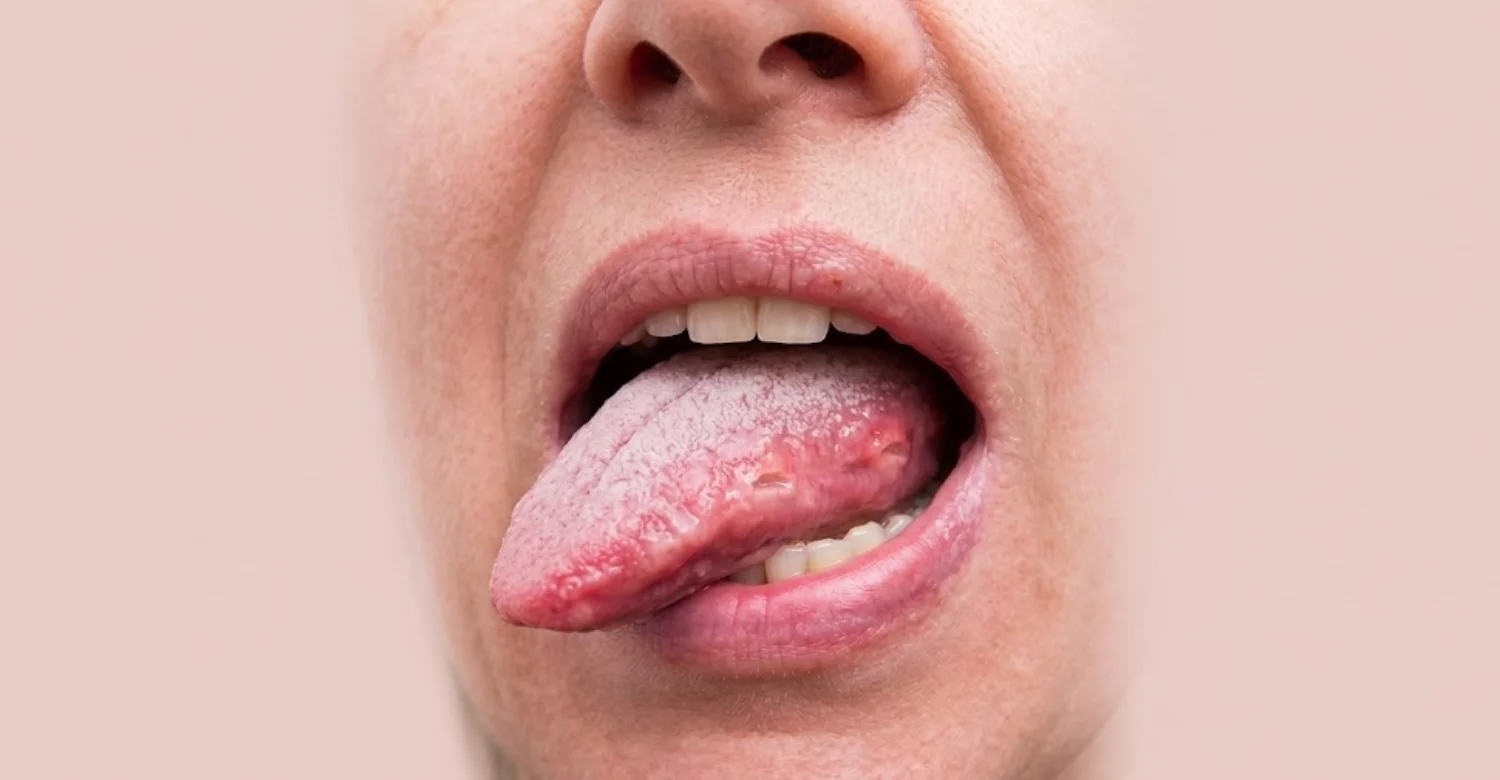
Many readers ask, what does tongue cancer look like? It may appear as an ulcer with raised or firm edges. It may also look like a lump, a thickened area, a red patch, or a white patch. Sometimes several of these changes appear together. Some lesions look surprisingly minor, especially early on. Others closely resemble harmless conditions. Appearance alone cannot confirm or rule out cancer. Only a professional examination, often followed by a biopsy, can clarify what a lesion really is.
Tongue Cancer Pictures and Early Signs: What Can They Tell You?
Searching for tongue cancer pictures early signs is understandable when you feel worried. Photographs can help you understand the visual changes clinicians look for. They may make you more aware of ulcers, patches, or lumps worth mentioning. However, pictures have clear limits. Similar-looking lesions can have very different causes, from minor trauma to fungal infection. Lighting, angle, and image quality also distort appearance. A photo cannot replace a hands-on examination, which also assesses texture, firmness, and surrounding tissues.
Evaluate your choices in Implant Supported Bridge vs Traditional Bridge
Tongue Cancer Causes: What Could Increase Your Risk?
Tongue cancer causes are rarely simple. In most cases, cancer develops through several interacting risk factors rather than one clear trigger. Repeated damage to cells in the oral tissues can gradually lead to abnormal changes. Some factors, like tobacco and alcohol, are modifiable. Others, such as age, are not. Having a risk factor does not mean you will develop cancer. Likewise, having none does not guarantee protection. Understanding these factors helps you make informed choices about your oral health.
Tobacco and Smoking
Tobacco is one of the strongest known risk factors for oral cancer. Smoking cigarettes, cigars, or pipes exposes the mouth to many cancer-causing chemicals. These substances can damage the DNA in cells lining the tongue and mouth. Smokeless tobacco, such as chewing tobacco and snuff, carries risks too. Betel quid and areca nut, used in some regions, are also linked to oral cancer. Risk generally rises with duration and amount of use. Stopping can reduce risk over time.
Alcohol Use
Heavy alcohol use is another well-established risk factor for oral cancer. Alcohol can irritate oral tissues. It may also make cells more vulnerable to other harmful substances. The risk appears particularly high when heavy drinking is combined with tobacco. Together, the two can multiply each other's effects rather than simply adding up. Risk generally increases with the amount consumed over time. Reducing intake is one practical way to lower exposure. Your doctor can provide personalized guidance if needed.
HPV and Tongue Cancer
HPV and tongue cancer need careful explanation. Human papillomavirus, especially HPV-16, is strongly linked to cancers of the oropharynx. The oropharynx includes the base of the tongue and the tonsils. Cancers of the oral tongue, the front two-thirds, are much less commonly linked to HPV. Most people with HPV never develop cancer, because the immune system usually clears the infection. HPV is therefore one possible factor for certain cancers. It is not an automatic cause.
Age and Other Risk Factors
Oral cancers are more common in older adults, particularly after age 40. However, younger people can also be affected, sometimes without obvious risk factors. Other factors may include a weakened immune system, poor oral hygiene, and previous head-and-neck cancer. Certain long-standing oral conditions, such as leukoplakia or oral lichen planus, may need monitoring. Diet may also play a role. No risk profile guarantees safety. Persistent changes deserve attention regardless of your personal risk.
Check out the differences in Root Canal vs Crown
Other Symptoms That May Appear With Tongue Cancer
Symptoms often appear together rather than alone. Recognizing patterns can help you describe your concerns clearly. You may notice:
Persistent tongue pain with an ulcer
Bleeding with a visible lesion
Difficulty chewing or swallowing
Changes in speech
Reduced tongue movement
Neck swelling or a lump
Persistent numbness
These symptoms can also occur with infections, trauma, dental problems, or other non-cancerous conditions. Still, a combination of persistent changes deserves prompt professional assessment. A clinician can help identify the most likely cause.
When Should You See a Doctor or Dentist?
Self-monitoring is useful for a short time, but it has limits. If a tongue change persists or remains unexplained, it deserves professional evaluation. Repeated self-treatment with mouthwashes, gels, or home remedies may delay answers. A dentist or doctor can examine the area properly. They can then decide whether further tests are needed. Many people feel reassured after an examination. If something needs attention, earlier assessment allows investigation to begin sooner.
Red Flags That Need Prompt Assessment
Seek prompt assessment if you notice:
A mouth or tongue sore that does not heal
Unexplained bleeding
A growing lump or thickened area
Persistent pain
Difficulty swallowing or speaking
Unexplained numbness
A persistent red or white patch
A new neck lump
A common guideline is to get checked if a sore lasts longer than about three weeks. Do not wait if symptoms worsen quickly. These signs do not confirm cancer, but they justify an examination.
Why Waiting for the Symptom to Disappear May Not Be Helpful
It is tempting to blame a sore on biting, a sharp tooth, or a dental appliance. Sometimes that explanation is correct. Irritation-related sores usually improve once the cause is removed. However, persistent changes should not automatically be assumed to be harmless. Waiting for a symptom to disappear can delay useful answers. If a sore continues, grows, or changes, professional assessment is the safer choice. An examination can identify the cause and guide the next step.
Read about managing a sharp fragment in your gum with Bone Spicule
Tips for Patients
Small practical steps can help you act sensibly:
Check a persistent change: If a tongue sore or patch does not settle, arrange a professional assessment rather than repeatedly treating it yourself.
Track changes: Note when the lesion started, whether it is growing, and whether pain or bleeding has changed.
Avoid irritation: If a sharp tooth, appliance, or biting habit seems to irritate the area, mention it during your appointment.
Do not self-diagnose from pictures: Online images can show possibilities but cannot establish a diagnosis.
Bring your questions: Ask whether the change needs monitoring, testing, or referral.
How Is Tongue Cancer Diagnosed?
Diagnosis requires a clinical assessment and, when indicated, further testing. No single symptom or photograph can establish a tongue cancer diagnosis. The process usually begins with a conversation about your symptoms, habits, and medical history. A clinician then examines your mouth and neck. If a lesion looks suspicious, a biopsy is typically arranged. Imaging may follow to understand the extent of disease. Each step builds a clearer picture for the medical team.
Oral and Head-and-Neck Examination
A clinician will usually inspect the tongue from all angles, including its sides and underside. They also examine the floor of the mouth, cheeks, gums, palate, and throat. Gloved fingers may be used to feel the lesion's texture and firmness. The neck is checked for swollen or firm lymph nodes. In some cases, a specialist uses a small camera or mirror to view the base of the tongue. This examination guides decisions about further testing.
Biopsy
A biopsy involves removing a small tissue sample so it can be examined under a microscope. It is usually performed under local anesthesia. The sample goes to a pathologist, who looks for abnormal or cancerous cells. Biopsy is generally what confirms whether suspicious tissue is cancerous. It can also identify other conditions, such as infection or precancerous change. Results guide every next step. This makes biopsy central to an accurate diagnosis.
Imaging and Additional Tests
Imaging may be used when clinically appropriate to understand the extent of disease. Possible investigations may include:
CT
MRI
PET/CT in selected situations
Additional head-and-neck evaluation
MRI is often helpful for assessing soft tissues like the tongue. CT can show bone and lymph nodes clearly. PET/CT may help in selected cases, such as checking for spread. Not every person needs every test. The medical team chooses investigations based on individual findings.
Where on the Tongue Can Cancer Develop?
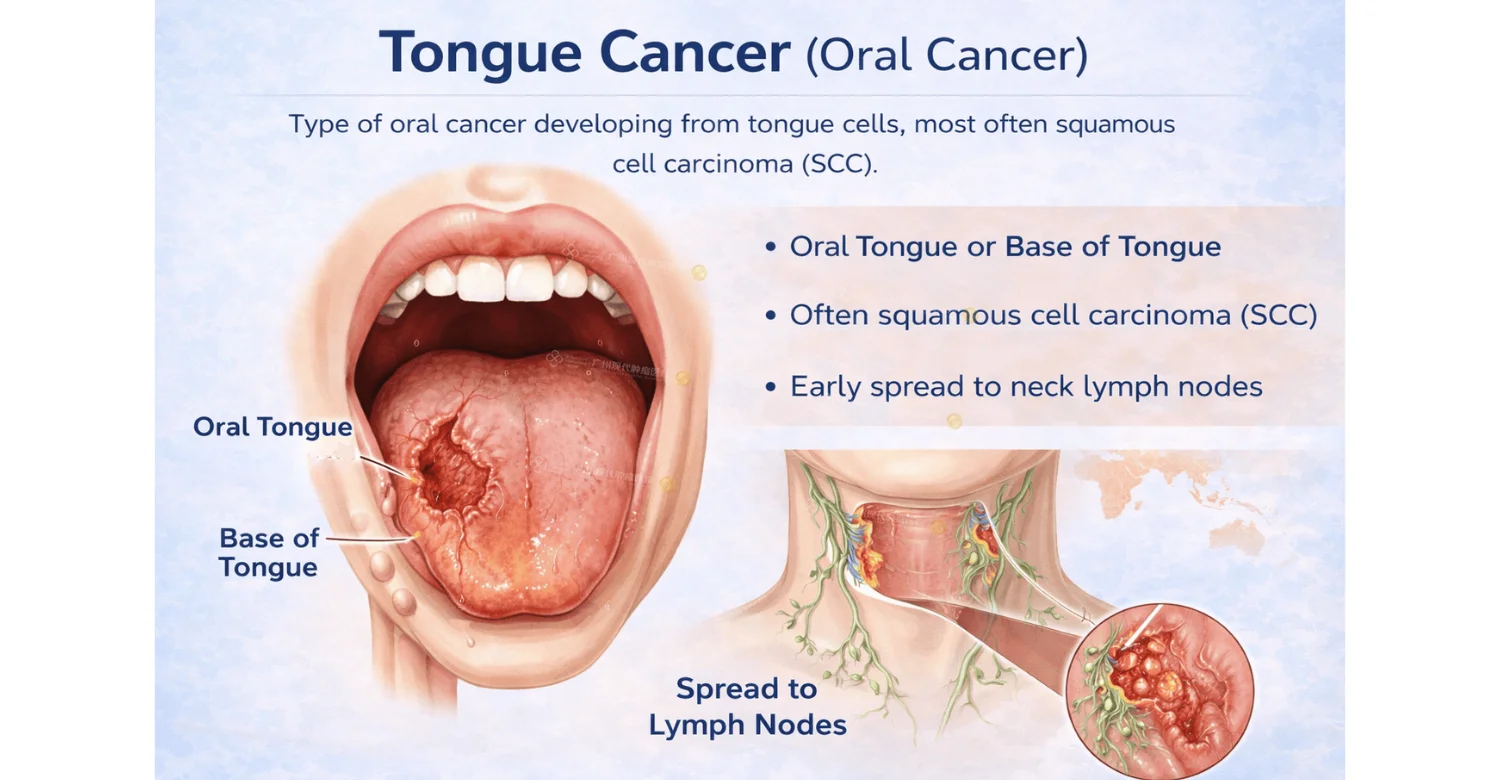
Suspicious lesions can develop on several parts of the tongue. Doctors often divide it into two main regions. The front two-thirds, called the oral tongue, sits inside the mouth and is easy to see. The back third, called the base of the tongue, sits further toward the throat. Changes in each region may produce different sensations. Knowing these areas explains why some lesions are noticed early. Others stay hidden until they cause swallowing or throat symptoms.
Cancer on the Front or Side of the Tongue
The sides of the tongue are among the most common locations for oral cancers. This area constantly touches the teeth during eating, speaking, and swallowing. As a result, a lesion here often becomes noticeable quickly. You may feel a rough spot rubbing against a tooth. Brushing might cause stinging or bleeding. Spicy or acidic foods may hurt. Lesions on the front or tip are also easy to see in a mirror. This visibility can encourage earlier attention.
Cancer Toward the Base of the Tongue
Changes near the base of the tongue can be much harder to see yourself. This region lies behind the visible part of the mouth, close to the throat. Instead of a visible sore, you might notice swallowing problems. Some people describe throat discomfort or a feeling that something is stuck. One-sided ear pain can occasionally occur. A neck lump is sometimes the first noticeable sign. Persistent throat symptoms therefore deserve assessment, even when nothing looks wrong.
Find out what causes it when All My Teeth Hurt Suddenly
Tongue Cancer Staging: What Does the Stage Mean?
Tongue cancer staging is the process used to describe how extensive the cancer is. Doctors commonly use the TNM system. It looks at the tumor, nearby lymph nodes, and distant spread. The results are combined into an overall stage, usually from I to IV. Lower stages generally describe smaller, more localized disease. Higher stages indicate more extensive involvement. Staging draws on examination, biopsy, imaging, and sometimes surgery. It gives the medical team a shared language.
What Doctors Consider During Staging
Staging considers several key factors:
Tumor size and local extent
Involvement of nearby tissues
Lymph node involvement
Spread to distant parts of the body
For cancers of the oral cavity, depth of invasion is also important. It measures how deeply the tumor has grown into tissue. Lymph node findings can include the number, size, and features of affected nodes. Pathology reports after surgery may refine the stage further. Together, these details describe the disease precisely.
Why Staging Matters for Treatment Planning
Staging helps the treating medical team choose an appropriate treatment approach. It shows whether surgery alone may be suitable or whether additional treatment should be considered. It also supports communication between specialists and matches patients with relevant clinical guidelines. However, a stage does not determine an individual outcome on its own. General health, tumor features, and treatment response also matter. Questions about your personal outlook are best discussed directly with your treating team.
Learn why you might see Saliva Blood When Spitting
Tongue Cancer Treatment: What Options Might Be Considered?
Tongue cancer treatment is individualized care. It depends on the cancer's location, size, stage, pathology, and overall clinical circumstances. Your general health and personal preferences also shape the plan. Treatment decisions belong to the appropriate cancer and head-and-neck medical team. They may recommend one approach or a combination. Goals typically include removing or controlling the disease. The team also aims to protect speech, swallowing, and quality of life. The main options are explained below.
Surgery
Surgery is often a central treatment, particularly for cancers of the oral tongue. It may involve removing the cancerous tissue along with a margin of healthy tissue. When necessary, nearby affected structures may also be removed. Surgeons may also remove lymph nodes from the neck, a procedure called neck dissection. If a large area is removed, reconstruction using tissue from elsewhere may help restore function. Speech and swallowing therapy often support recovery afterward.
Radiation Therapy
Radiation therapy uses high-energy beams to destroy cancer cells or stop them from growing. It may be used as part of treatment depending on the clinical situation. Sometimes it follows surgery to reduce the chance of the cancer returning. In other cases, it may be a main treatment, especially for some base-of-tongue cancers. Treatment is usually given in daily sessions over several weeks. Side effects can include mouth soreness, dry mouth, and taste changes.
Chemotherapy and Systemic Treatments
Medication-based treatments may be considered in selected cases. Chemotherapy is sometimes given alongside radiation to make it more effective. This combination is called chemoradiation. Targeted therapies act on specific features of cancer cells. Immunotherapy helps the immune system recognize and attack cancer. It is sometimes used for advanced or recurrent disease. These treatments may be combined with surgery or radiation. The medical team decides whether they are appropriate based on stage and individual factors.
Multidisciplinary Cancer Care
Head-and-neck cancer care often involves several specialties working together. A team may include surgeons, radiation oncologists, medical oncologists, pathologists, and radiologists. Speech and swallowing therapists, dietitians, nurses, and dental professionals often contribute too. This teamwork helps the plan address both the disease and its effects on daily life. Specialists review findings together and agree on recommendations. For patients, coordinated care means fewer gaps and more consistent support. It also provides one shared plan rather than conflicting advice.
Dental Care During and After Tongue Cancer Treatment
Dental care does not treat cancer, but it plays an important supporting role. Treatments for head-and-neck cancer can affect the mouth in many ways. Healthy teeth and gums can make treatment more comfortable and reduce some complications. Dental professionals can work alongside the medical team before, during, and after treatment. Their focus is protecting oral tissues and managing side effects. Always follow your treating team's guidance first.
Why Your Oral Health May Need Extra Attention
Cancer treatment can affect the mouth, saliva, teeth, gums, and swallowing. Radiation may reduce saliva production, causing dry mouth. Less saliva increases the risk of tooth decay and infection. Mouth sores, called mucositis, can make eating and brushing painful. Some people develop jaw stiffness or taste changes. These effects can make normal oral hygiene harder to maintain. Extra attention to oral health helps reduce complications and supports comfort throughout treatment and recovery.
Dental Assessment Before Certain Cancer Treatments
A dental evaluation may be recommended before certain cancer treatments, particularly radiation to the head and neck. Radiation can affect jawbone health and its ability to heal. Extracting a damaged tooth after radiation may carry a risk of osteoradionecrosis, a serious bone complication. Addressing infected or broken teeth beforehand can reduce this risk. The dental team may also recommend fluoride products and custom trays. Timing should be coordinated with the medical team to avoid treatment delays.
Maintaining Oral Hygiene During Recovery
During recovery, gentle oral care is important. Use a soft toothbrush and brush carefully, especially around sore areas. Your team may suggest fluoride toothpaste or a gentle, alcohol-free rinse. Strong mouthwashes containing alcohol may sting and dry tissues further. Staying hydrated, when suitable, can ease dry mouth. Sipping water frequently may help. Avoid very spicy, acidic, or rough foods if your mouth feels sensitive. Always follow your treating medical team's specific instructions.
Understand the potential effects of Prion Diseases and Oral Health
What We Notice Clinically
Dr. Rifat Alsaman, Head of the Medical Team and cosmetic dentist at Vitrin Clinic, emphasizes that an unusual tongue lesion should not be judged by appearance alone. From a dental perspective, the key question is simple. Is the change persistent, unexplained, or different from the patient's normal oral tissues? Dr. Rifat Alsaman, Head of the Medical Team and cosmetic dentist at Vitrin Clinic, also stresses appropriate referral when a finding appears concerning. Repeatedly treating it as routine irritation is not enough.
What a Dental Professional Can and Cannot Determine
A dental professional is often the first to notice a suspicious oral change. Dentists examine the tongue, gums, cheeks, and floor of the mouth during routine visits. They can identify lesions, remove sources of irritation, and recommend follow-up. They can also help coordinate referral to the appropriate specialist. However, visual examination alone cannot confirm cancer. A biopsy assessed by a pathologist is needed for diagnosis. Specialist medical evaluation then guides staging and treatment when indicated.
Can You Treat or Monitor a Tongue Lesion at Home?
When you notice a tongue sore, it is natural to wait or try home remedies. Simple irritation may improve once its trigger is removed. A sore caused by biting or a sharp tooth often heals within one to two weeks. However, a persistent or unexplained lesion should not be managed indefinitely at home. Home care can ease discomfort but cannot diagnose the cause. If a lesion lingers or changes, professional assessment should replace waiting.
Low-Risk Steps While Waiting for an Assessment
While waiting for your appointment, you can take sensible steps:
Avoid deliberately irritating the area.
Maintain gentle oral hygiene.
Avoid repeatedly touching or scraping the lesion.
Note when the change first appeared.
Photographing a lesion privately may help you compare changes over time. Use similar lighting and angles for each photo. However, photos should not replace examination. Bring your notes and images to your appointment. They can help the clinician understand how the lesion has developed.
Prevention and Risk Reduction
Not every case of tongue cancer can be prevented. Some people develop oral cancer without any known risk factors. However, several behaviors may reduce known risks. Avoiding tobacco, limiting alcohol, and attending regular dental checkups are among the most practical steps. HPV vaccination may also help reduce the risk of HPV-related oropharyngeal cancers. A balanced diet rich in fruit and vegetables supports general health. These choices cannot guarantee protection, but they lower overall exposure.
Reduce Tobacco Exposure
Avoiding all tobacco products is one of the most effective ways to reduce oral cancer risk. This includes cigarettes, cigars, pipes, chewing tobacco, and other smokeless forms. If you currently use tobacco, stopping can lower your risk over time. Quitting is often difficult, so support can help. Options may include counseling, nicotine replacement therapy, or prescribed medications. Your doctor, pharmacist, or local quit service can help you choose a suitable approach.
Moderate Alcohol Exposure
Alcohol is a modifiable risk factor for oral cancer. Lower intake generally means lower exposure. Reducing how much and how often you drink can be a practical step. This is especially relevant if you also use tobacco, as the combination raises risk further. Individual risk depends on many factors. General advice therefore cannot predict your personal outcome. If you have concerns, your doctor can discuss safe limits and support options suited to your health.
Keep Up With Regular Oral Examinations
Routine dental examinations offer more than cleaning and cavity checks. Dentists also look at the soft tissues of the mouth, including areas you cannot easily see. This includes the sides and underside of the tongue, the floor of the mouth, and the throat area. Regular checkups make it easier to notice new or changing lesions. Your dentist can compare findings over time. This continuity helps identify unusual oral changes you might otherwise miss.
Clinical Note
Not every ulcer, lump, red patch, or white patch is cancer. Many oral changes come from trauma, infection, or inflammation. Still, persistent oral changes should be evaluated. Early identification of suspicious lesions may allow appropriate investigation sooner. Dr. Rifat Alsaman, Head of the Medical Team and cosmetic dentist at Vitrin Clinic, emphasizes careful clinical assessment rather than assuming a diagnosis from photographs or symptoms alone. Calm, timely evaluation is the safest path for any unexplained change.
Vitrin Clinic and Oral Health Support
Vitrin Clinic focuses on dental and oral-health support. Dr. Rifat Alsaman, Head of the Medical Team and cosmetic dentist at Vitrin Clinic, and the dental team can assess oral health findings and discuss dental concerns. They can help determine whether a persistent oral change needs further professional evaluation. Suspected or confirmed cancer requires appropriate medical diagnosis and cancer treatment. Dental care can instead support oral health before, during, or after medically directed treatment when appropriate.
.jpg)
.jpg)
.jpg)
Takeaway: When a Tongue Change Deserves Professional Attention
Many tongue changes are caused by conditions other than tongue cancer. Bites, ulcers, infections, and irritation are far more common. However, persistent or unexplained changes should not be ignored. Arrange a professional assessment if a lesion does not improve, changes over time, bleeds, or becomes painful. The same applies if other concerning symptoms appear. Dr. Rifat Alsaman, Head of the Medical Team and cosmetic dentist at Vitrin Clinic, highlights careful oral assessment and appropriate referral over self-diagnosis.
Ready to transform your smile?
Talk to our team and get a FREE treatment plan.
References:
FAQs
Dr. Rifat Alsaman has more than 5 years of clinical experience in dentistry and currently serves as the Head of the Medical Team at Vitrin Clinic. He is dedicated to providing exceptional patient care, overseeing treatment planning, and ensuring the highest clinical standards across the team. His expertise, attention to detail, and commitment to continuous professional development have helped countless patients achieve healthier, more confident smiles.


