.webp&w=3840&q=75)
Seeing Saliva Blood can feel alarming, especially when the source is unclear. The blood may come from the gums, tongue, cheeks, throat, or nose. The amount and timing often give useful clues about where it starts. Common causes include gingivitis, periodontitis, brushing trauma, ulcers, infections, and irritated tissues. Serious conditions can also cause oral bleeding, but they are far less common. At Vitrin Clinic, unexplained Saliva Blood is assessed by examining the teeth, gums, and surrounding oral tissues. This article covers causes, symptoms, diagnosis, treatment, prevention, warning signs, and typical costs. It also explains when persistent symptoms deserve a dental or medical evaluation.
What Does Saliva Blood Mean?
Saliva is normally clear or slightly cloudy because it is mostly water. Small amounts of blood can turn it pink, red, brown, or rust-coloured. Saliva Blood usually means nearby tissue is bleeding, not that saliva production has changed. Bleeding gums are the most frequent source inside the mouth. Plaque-related inflammation makes gum tissue swollen and fragile. Other sources include ulcers, trauma, infections, nosebleeds, and throat irritation. The colour alone cannot identify the cause, but timing often can. Bleeding during brushing or flossing points strongly toward the gums.
Is Saliva Blood Always a Sign of a Serious Problem?
No, Saliva Blood does not automatically mean a serious disease. Minor gum inflammation, brushing trauma, or a small cut can cause visible bleeding. Gingivitis commonly produces red, swollen gums that bleed during cleaning. However, repeated bleeding should not simply be assumed harmless. It may reflect periodontal disease, infection, medication effects, or another condition. Oral cancer can cause bleeding, but bleeding alone cannot diagnose it. Seek urgent care when bleeding is heavy, uncontrolled, or linked with breathing problems.
Where Can the Saliva Blood Come From?
Several structures connected to the mouth can release blood into your spit. The gums are a common source because they contain many small blood vessels. The tongue, cheeks, and lips can bleed after biting or ulcer formation. The throat and nose can also drain blood backward into the mouth. Sometimes the original spot stops bleeding before you notice anything. That makes the location hard to find without a careful examination.
Gums and periodontal tissues
Gums bleed more easily when inflammation makes the tissue fragile. Plaque at the gumline is the main driver of this inflammation. Gingivitis causes redness, swelling, tenderness, and bleeding during oral hygiene. Deeper periodontal disease can destroy the tissues that support the teeth. Many people feel little pain, so bleeding may be the first sign. A periodontal examination checks bleeding, recession, and pocket depth around each tooth.
Tongue, cheeks, lips, and other oral tissues
The tongue and cheek lining can bleed after minor physical trauma. Common triggers include accidental biting, sharp teeth, braces, and rough appliances. Hot foods can burn the tissue and leave painful raw areas. Mouth ulcers may form on the tongue, cheeks, lips, gums, or mouth floor. Repeated rubbing can stop an irritated area from healing. A dentist can check whether a tooth or filling keeps hitting the same spot.
Throat and upper airway
Blood can sometimes enter the mouth from the throat. Inflamed throat tissue may bleed during coughing, swallowing, or repeated throat clearing. A nosebleed can also drain backward and reach the throat. This can make the mouth look like the original bleeding site. Persistent sore throat, swallowing difficulty, or voice changes deserve medical assessment. A doctor may need to examine the throat directly.
Salivary glands and nearby tissues
Salivary glands produce saliva, but they rarely cause visible bleeding. Tissue near a salivary duct can occasionally bleed after trauma or irritation. Gland problems often cause swelling or pain, especially around meals. A blocked duct may create localised discomfort under the tongue or jaw. A dentist can inspect the floor of the mouth and duct openings. Persistent swelling may need imaging or specialist review.
What Does Bloody Saliva Look Like?
The appearance depends on the amount and age of the blood. A tiny amount may create a pale pink spit. A larger amount can show bright red streaks or drops. Older blood often looks darker, brownish, or rust-coloured. Foam can make a small bleed look larger than it really is. Colour cannot reliably tell gum bleeding from throat bleeding. Photos taken over several days can help your clinician understand the pattern.
Compare procedure steps in Simple vs Surgical Tooth Extraction
What Causes Saliva Blood?
The causes of Saliva Blood range from common gum inflammation to rarer conditions. Plaque buildup can inflame gums and make them bleed during cleaning. Periodontitis causes deeper, persistent inflammation around the teeth. Other causes include ulcers, bites, dental procedures, infections, and dry mouth. Blood-thinning medicines can make irritated tissue bleed more. Nose or throat bleeding may also appear in the mouth. A targeted examination links the symptom to its true source.
Bleeding Gums and Gingivitis
Gingivitis is a common reason for blood when spitting after brushing. It starts when plaque stays around the teeth and irritates the gums. The gums then become red, swollen, tender, and quick to bleed. The condition is usually reversible with good plaque control and professional care. CDC data from 2009 to 2014 is useful here. About four in ten US adults aged thirty and older had some periodontitis. Regular dental checks help separate simple gingivitis from deeper disease.
Periodontitis and More Advanced Gum Disease
Periodontitis is a deeper disease of the tissues that support the teeth. It can cause pocket formation, attachment loss, and bone loss. Bleeding may appear with recession, sensitivity, painful chewing, or loose teeth. Brushing alone cannot reverse established periodontitis. Professional periodontal treatment can slow it and keep it under control. The CDC describes periodontitis as a leading cause of tooth loss. Treatment choice depends on clinical findings, not on how much you bleed.
Saliva Blood After Brushing or Flossing
Saliva Blood after brushing usually points toward irritated gum tissue. Plaque-related gingivitis makes gums bleed when bristles touch them. Poor technique can add mechanical trauma and worsen the bleeding. Gentler cleaning should never mean stopping oral hygiene completely. Plaque left on inflamed gums keeps the inflammation going. Persistent bleeding despite better technique deserves a dental assessment. Sudden heavy bleeding needs more urgent attention.
Mouth Ulcers and Oral Irritation
Mouth ulcers expose delicate tissue and can bleed a little. Common triggers include cheek biting, sharp teeth, braces, burns, and loose appliances. Canker sores often have pale centres with a red border. Most simple ulcers heal within about ten to fourteen days. Persistent or recurring ulcers need assessment to rule out other causes. Removing the source of irritation often speeds healing.
Cuts, Bites, Trauma, or Dental Procedures
Small cuts can release blood that spreads quickly through the mouth. Accidental bites usually affect the cheeks, tongue, and lips. Sharp teeth and broken fillings can injure the same area repeatedly. Dental procedures may leave gums temporarily sore or bleeding. NHS guidance advises urgent dental care for heavy bleeding after an extraction. Trauma during sleep can be hard to notice, so a dental check helps.
Tooth or Gum Infections
Dental infections can cause inflammation, swelling, pain, and sometimes bleeding. An abscess may cause drainage, a bad taste, or strong tooth pain. Some infections cause few symptoms in the early stages. A dentist inspects the tooth, gums, bite, and surrounding tissue. X-rays can reveal hidden infection around the roots. Antibiotics alone rarely fix the dental source. Severe swelling or breathing difficulty is an emergency.
Dry Mouth and Irritated Oral Tissues
Dry mouth makes oral tissues uncomfortable and easier to injure. Less saliva means more friction during eating, speaking, and swallowing. Dryness also raises the risk of tooth decay. Cracked lips and dry mucosa can bleed after minor contact. Some medicines cause dry mouth, so discuss this with your doctor. Never stop a prescribed medicine without medical advice. Sipping water regularly can improve comfort.
Nose or Throat Bleeding That Mixes With Saliva
A nosebleed can make blood seem to come from the mouth. Blood may flow backward through the nose into the throat. This is more likely during sleep or when lying down. Dry air, nose picking, forceful blowing, or injury can trigger nosebleeds. A basic dental exam may not see the true source. Tell your clinician about recent nosebleeds, coughing, or hoarseness.
Medications and Conditions That Can Increase Bleeding
Some medicines make bleeding easier or longer-lasting. Blood thinners are an important example when oral bleeding is unexplained. Certain medical conditions can also affect normal clotting. Vitamin deficiencies and bleeding disorders may contribute in some cases. Still, local gum inflammation remains the more common explanation. Share a full medication list with your dentist. Never stop anticoagulants without guidance from your doctor.
Less Common Causes of Saliva With Blood
Rarer causes include significant oral lesions, bleeding disorders, and some cancers. Their likelihood depends on age, symptoms, risk factors, and examination findings. Concern rises when bleeding comes with persistent tissue changes. Warning signs include lasting ulcers, red or white patches, lumps, and numbness. These signs can also have harmless causes. A biopsy or specialist referral may be needed for suspicious lesions.
Explore how liver health influences gum disease in Cirrhosis and Periodontics
Why Is There Blood in My Saliva After Brushing My Teeth?
This pattern of Saliva Blood is most often linked to inflamed gums. Plaque at the gumline triggers gingivitis and bleeding on contact. Brushing too hard can also injure sensitive gums. The brush should clean the gumline without heavy pressure. Stopping brushing lets plaque stay and worsens the problem. Gentle technique and daily interdental cleaning usually help. Bleeding that continues may signal periodontal disease and needs assessment.
Can Brushing Too Hard Cause Bleeding?
Yes, brushing too hard can irritate gum tissue and cause bleeding. The risk rises with heavy pressure and stiff bristles. Already inflamed gums are even more vulnerable. A soft-bristled brush and lighter pressure reduce this trauma. Still, pressure does not explain every bleeding episode. Persistent bleeding despite gentle care suggests underlying gum inflammation. Your dentist can demonstrate the right pressure and angle.
Is Bleeding While Brushing a Sign of Gingivitis?
Bleeding while brushing is a recognised sign of gingivitis. Other signs include redness, swelling, and tenderness at the gumline. Bleeding alone does not show how advanced the problem is. Periodontitis can also bleed, especially around deeper pockets. The CDC calls gingivitis the mildest form of gum disease. It is usually preventable and reversible with proper care.
When Is Blood After Brushing a Reason to See a Dentist?
Book a dental visit when bleeding keeps returning or has no clear cause. Frequent bleeding may reflect gingivitis, periodontitis, infection, or another local problem. It should never become a normal part of your routine. Tartar needs professional removal because brushing cannot remove it. Seek care sooner if bleeding happens without touching the gums. Pain, swelling, loose teeth, or lasting sores also need prompt assessment.
Find out how thick saliva impacts recovery in Salivary Viscosity and Root Canal Retreatment Healing
What Other Symptoms Can Occur With Bloody Saliva?
Accompanying symptoms often tell more than the blood itself. Gum bleeding may come with redness, swelling, tenderness, or bad breath. Ulcers usually cause localised pain and sensitivity. Advanced gum disease can cause loose or sensitive teeth. Throat problems may bring hoarseness or swallowing difficulty. Note when each symptom appears and share this with your clinician.
Bleeding Gums, Redness, or Swelling
Bleeding with red or swollen gums strongly suggests local gum inflammation. Plaque buildup is the main cause of this pattern. Inflamed gums often feel tender during brushing or flossing. Persistent swelling may point to deeper periodontal involvement. Recession can make teeth look longer over time. A professional exam measures pocket depths and finds the affected areas. Do not ignore recurring bleeding just because it does not hurt.
Mouth Pain, Sores, or Mouth Ulcers
Blood with pain or a sore usually reflects local tissue injury. Common triggers include bites, burns, rough fillings, braces, and dentures. Most simple ulcers heal within one to three weeks. NHS guidance advises assessment for ulcers lasting more than three weeks. NIDCR uses a shorter two-week threshold for persistent symptoms. Either way, a clinician should review any sore that does not heal.
Bad Breath or a Persistent Bad Taste
Persistent bad breath often accompanies gum disease. Blood, infection, or trapped debris can leave a bad or metallic taste. A dental infection may also create an unpleasant taste. This symptom means more when gum inflammation is visible. Professional cleaning helps when plaque or tartar is the cause. A bad taste without obvious gum disease may need wider assessment.
Tooth Sensitivity or Loose Teeth
Bleeding with sensitive teeth may point to recession or periodontal involvement. Loose teeth are more concerning because they can signal lost bone support. Trauma or orthodontic movement can also affect tooth stability. Your dentist can check mobility and bone levels with exams and X-rays. Early periodontal treatment can protect the support that remains. Do not delay care when bleeding and looseness occur together.
Sore Throat, Hoarseness, or Difficulty Swallowing
Throat symptoms suggest a source beyond the gums and teeth. Persistent sore throat and swallowing problems have many possible causes. Oropharyngeal cancer can also cause these symptoms, though this is less common. Hoarseness often comes from infection or strain but should be checked if lasting. A doctor may examine the throat, neck, and lymph nodes. Sudden breathing difficulty needs emergency help.
Persistent Mouth Lesions or Unexplained Bleeding
A lesion that does not heal normally deserves evaluation. Concerning findings include lasting ulcers, red or white patches, lumps, or numbness. These findings do not automatically mean cancer. Many inflammatory and benign conditions look similar. Your dentist may photograph, measure, or monitor the area. A biopsy may be needed when the appearance remains unclear. Avoid irritating the spot while you wait for assessment.
Learn about the causes and solutions for Habitual Jaw Clenching and Tooth Wear
Can Oral Cancer Cause Saliva Blood?
Oral cancer can cause Saliva Blood, but bleeding alone does not diagnose it. NIDCR lists oral pain or bleeding among symptoms needing attention. Other signs include lasting sores, white or red patches, lumps, and numbness. Tobacco and heavy alcohol use raise the level of concern. Oral cancers occur most often in people over forty. Early evaluation is wise when warning signs do not resolve.
What Oral Cancer Symptoms Should Be Checked?
Several persistent changes in the mouth deserve professional review. These include non-healing ulcers, red or white patches, lumps, and thickened areas. Unexplained numbness also needs attention. Difficulty chewing, swallowing, speaking, or moving the tongue can be important. Neck lumps and unexplained weight loss add further context. Most single symptoms still have non-cancerous causes. Your dentist can perform an oral cancer screening during a routine visit.
When Can Oral Bleeding Become a Warning Sign?
Bleeding becomes more concerning when it is unexplained, persistent, or recurrent. Concern also rises when it appears with a sore that will not heal. Red or white patches, lumps, and numbness add important context. Swallowing difficulty or weight loss also matters. A warning sign is not the same as a diagnosis. A dentist can decide whether specialist referral is needed.
How Is Oral Cancer Different From Common Causes of Bloody Saliva?
Common gum bleeding occurs around inflamed gumlines. Oral cancer more often causes persistent tissue changes, though presentations vary. Gingivitis relates to plaque and improves with proper cleaning and treatment. Traumatic ulcers usually match a bite or a sharp dental edge. Suspicious lesions often fail to follow the normal healing pattern. Blood colour or amount cannot separate these conditions. Examination, and sometimes biopsy, is needed.
Persistent mouth ulcers
A mouth ulcer that does not heal normally deserves an examination. Many common ulcers resolve within one to three weeks. NHS guidance suggests assessment after three weeks, while NIDCR uses two weeks. These are general guides rather than strict diagnostic rules. An ulcer that grows, hardens, or keeps bleeding needs particular attention. A sharp tooth or appliance can cause repeated traumatic ulcers. Fixing that irritation often allows the area to heal.
Red or white patches
Red or white patches in the mouth have several possible causes. Some come from irritation, inflammation, or infection. Persistent patches are also recognised warning signs of oral cancer. A patch cannot be diagnosed from a photograph alone. Your dentist will inspect the area and look for local irritants. Tobacco use raises concern because it is an established risk factor. Lasting patches may need specialist review or biopsy.
Lumps or thickened areas
A new lump or thickened area in the mouth should be examined. Possible causes include irritation, a cyst, infection, or another benign process. Mouth cancer can also present as a lump or firm tissue. A neck lump is relevant when assessing mouth or throat symptoms. Growth over time is an important detail to report. Do not squeeze or puncture an unexplained lump.
Persistent pain or numbness
Ongoing pain or numbness in the mouth should not be ignored. Numbness may follow trauma, dental problems, or nerve-related conditions. NIDCR lists persistent pain and numbness among symptoms that need evaluation. Numbness alone does not establish cancer. A dental exam should check nearby teeth, gums, and fillings. Imaging may follow depending on the findings. Sudden neurological changes need prompt medical care.
Unexplained oral bleeding
Oral bleeding matters more when no local cause is visible. The clinician considers gum disease, trauma, medications, infection, and other possibilities. Some oral cancers can also cause persistent bleeding. Still, common dental causes remain far more frequent. A careful history often reveals brushing, biting, or medication triggers. Blood tests may be considered if a systemic problem is suspected.
Can Throat Cancer Cause Bloody Saliva?
Throat cancers can cause bleeding, but blood when spitting cannot diagnose them. Oropharyngeal cancer may cause lasting sore throat, swallowing difficulty, or neck lumps. Many harmless conditions cause the same symptoms. Throat blood can mix into the mouth during coughing or swallowing. A dentist can first rule out oral causes. An ear, nose, and throat specialist may then assess deeper structures.
Which Throat Symptoms Should Not Be Ignored?
A sore throat that does not improve deserves attention. Difficulty swallowing also needs assessment, especially when it is worsening. Persistent hoarseness or voice changes should be checked. Neck lumps, ear pain, and unexplained weight loss add important context. These symptoms usually have non-cancerous explanations. Their duration and combination matter more than any single sign.
How Can Throat-Related Bleeding Mix With Saliva?
Blood from the throat can enter the mouth during swallowing or coughing. Once mixed, the original source becomes hard to identify. A small amount may show only as pink streaks. Repeated throat clearing can further irritate inflamed tissue. Nasal blood can also drain into the throat first. Tell your clinician about coughing, nosebleeds, or voice changes. A direct throat exam may be needed if dental findings are normal.
Why Does Bloody Saliva Alone Not Diagnose Throat Cancer?
Blood in the mouth is a non-specific symptom with many causes. Gum inflammation can produce exactly the same appearance. Trauma, ulcers, infections, and nosebleeds can do the same. No colour of spit can confirm where the bleeding started. Diagnosis needs a proper clinical exam and, when necessary, further tests. This approach avoids both needless alarm and false reassurance.
When Should a Dentist or Doctor Evaluate Persistent Throat Symptoms?
Throat symptoms that do not resolve should be evaluated. This includes a long-lasting sore throat, hoarseness, swallowing trouble, or a neck lump. A dentist can check visible oral causes first. A doctor or ENT specialist can investigate deeper areas. Breathing difficulty or coughing up significant blood needs urgent care. Mention smoking, alcohol use, and symptom duration to your clinician.
Understand the connection between Circulatory System Diseases and Periodontal Disease
What We Notice Clinically
Clinically, patients often notice Saliva Blood before they can locate the source. Saliva spreads small amounts of blood across many surfaces in the mouth. Gum bleeding is often discovered during brushing or flossing. Many patients focus on colour rather than timing. Timing is usually the stronger clue to the source. At Vitrin Clinic, assessment is built around symptoms and visible findings. The aim is to find the cause before choosing treatment.
Why Patients Often Cannot Tell Where the Blood Is Coming From
Saliva mixes material from every part of the mouth. A small gum bleed can spread over the tongue and cheeks within seconds. Blood from the nose or throat looks very similar. The bleeding point may stop before the examination begins. Patients may only know that blood appeared when spitting. That detail still helps when combined with timing and other symptoms.
Common Pattern: Blood Appears During Brushing or Flossing
Bleeding during oral hygiene usually points to inflamed gums. It often appears at the same sites each time. These sites may match plaque traps, tartar, crowding, or periodontal pockets. Brushing too hard can add mechanical trauma. Changing pressure should not replace an assessment of persistent bleeding. Professional cleaning may be needed when tartar blocks proper home care.
Clinical Distinction Between Gum Bleeding and Bleeding From Deeper Tissues
Gum bleeding usually has a clear link with the gumline. It tends to appear during brushing, flossing, or periodontal probing. Throat bleeding is more often linked with coughing or swallowing. Nasal bleeding may come with mucus or a feeling of drainage. An oral lesion usually bleeds from one distinct spot. Telling these apart needs a proper history and examination.
Why Recurrent Bleeding Should Not Simply Be Dismissed as “Sensitive Gums”
“Sensitive gums” describes a feeling but does not identify a cause. Repeated bleeding may reflect plaque-induced inflammation or periodontal disease. It may also reflect trauma, infection, or medication effects. Periodontitis can progress quietly with little discomfort. A dental exam shows whether the gums are truly healthy. Repeated self-treatment can delay a useful diagnosis.
Clinical Note
Dr Rifat Alsaman is Head of the Medical Team at Vitrin Clinic and a cosmetic dentist. He stresses finding the source before choosing any treatment. Bleeding should be read alongside gum health, tooth condition, and soft-tissue findings. A streak of blood never reveals its origin by itself. Digital imaging may support diagnosis when clinical findings call for it. Gum disease may need management before any restorative or cosmetic work.
Learn how to prevent enamel loss from Sports Drinks and Dental Erosion
How Is Saliva Blood Diagnosed?
Diagnosing Saliva Blood starts with a detailed history and clinical exam. The dentist asks when bleeding started and what triggers it. Questions cover brushing, recent procedures, ulcers, trauma, medications, and nosebleeds. The gums, teeth, fillings, and soft tissues are then examined. Dental X-rays are added only when they can answer a clinical question. Medical referral may follow when findings extend beyond dentistry.
What Happens During a Dental Examination?
The exam begins with your symptoms and medical history. Your dentist asks about timing, frequency, triggers, and any related symptoms. Medicines that affect bleeding are also reviewed. The gums are checked for inflammation, bleeding, recession, and pocket depth. Teeth are checked for decay, infection, cracks, and faulty fillings. The tongue, cheeks, lips, palate, and visible throat are inspected too.
How Dentists Check the Gums and Oral Tissues
Dentists inspect the mouth under good light in a set order. They look for redness, swelling, ulcers, patches, bleeding points, and trauma. Each tooth's gum area is assessed individually. Periodontal probing measures the spaces around the teeth. The tongue and cheeks are checked for lesions or bite marks. All findings are interpreted together before any recommendation.
Gum inflammation and bleeding assessment
Gum assessment looks for swelling, redness, tenderness, recession, and bleeding. Healthy periodontal pockets are usually about one to three millimetres deep. Deeper pockets may indicate periodontal disease. Localised bleeding suggests a specific plaque trap or traumatic factor. Widespread bleeding suggests broader inflammation. These measurements also create a baseline for future monitoring.
Plaque and tartar assessment
Plaque is a sticky bacterial film that forms on teeth daily. Left in place, it hardens into tartar, also called calculus. Ordinary brushing cannot remove tartar. Crowded teeth, appliances, and filling edges create hard-to-clean areas. These spots often develop localised gum inflammation. The assessment explains why bleeding continues despite brushing.
Examination for ulcers, lesions, or trauma
The dentist checks soft tissues for ulcers, patches, lumps, swelling, and injury. A sharp tooth may hit the same area again and again. Braces, dentures, or rough fillings can also cause irritation. The location and appearance of any lesion are recorded. Healing over time gives important diagnostic information. Photos can help track changes between visits.
Teeth and restoration assessment
Teeth are checked for decay, fractures, infection, and structural problems. Fillings are checked for rough edges, poor fit, and plaque traps. A damaged filling can keep irritating nearby soft tissue. Crowns, bridges, dentures, and braces can also cause local trauma. X-rays may help assess deeper structures around the roots. Treating the dental source often stops this type of bleeding.
When Are Dental X-Rays Needed?
X-rays are used when they can answer a relevant clinical question. They can reveal tooth infection, bone loss, or hidden dental disease. They are not needed for every episode of oral bleeding. ADA guidance supports choosing X-rays based on individual needs. A periapical image shows one tooth and its surrounding bone. Bitewings show selected tooth surfaces, while panoramic images give a wider view.
When Might CBCT or Other Imaging Be Considered?
CBCT gives three-dimensional images and is not routine for gum bleeding. It may help when standard X-rays cannot answer an important question. Examples include complex anatomy or specific treatment planning. The 2026 ADA and AAOMR recommendations stress patient-specific selection. Every scan should have a clear purpose that could change management. Unneeded imaging adds radiation without real benefit.
When Is Referral to a Doctor or Specialist Appropriate?
Referral is appropriate when findings go beyond routine dental causes. Persistent throat symptoms may need an ENT specialist. Unexplained bleeding elsewhere in the body needs medical assessment. Suspicious oral lesions may need oral medicine or oral surgery review. Your dentist may also coordinate with your doctor about blood-thinning medicines. A referral does not mean a serious diagnosis has been made.
What Information Should You Tell Your Dentist or Doctor?
Say when the bleeding started and how often it happens. Explain whether it occurs during brushing, eating, coughing, or on its own. Mention recent dental work, injuries, ulcers, or new appliances. Bring a full medication list, including anything that affects clotting. Report nosebleeds, easy bruising, or bleeding elsewhere. Also mention swelling, pain, numbness, hoarseness, or swallowing problems.
Understand the role of Gutta Percha Solvents in Root Canal Retreatment
How Is Saliva Blood Treated?
Saliva Blood is treated by addressing the reason the tissue bleeds. There is no single treatment for every cause. Gingivitis needs better plaque control and professional cleaning when required. Periodontitis needs periodontal care matched to its severity. Traumatic ulcers improve once the source of irritation is removed. Infections need treatment of the affected tooth or tissue. Suspicious lesions may need specialist evaluation.
Treatment Depends on the Underlying Cause
The right treatment always follows the diagnosis. Gingivitis needs a different approach than bleeding from trauma. Periodontal disease may need care beyond a routine cleaning. A dental infection may need restorative, endodontic, or surgical treatment. Medication-related bleeding may need input from your doctor. Simply suppressing the bleeding rarely solves the real problem.
Treatment for Gingivitis and Bleeding Gums
Gingivitis treatment focuses on removing plaque and calming inflammation. Daily brushing and interdental cleaning are the foundation. Professional cleaning removes any tartar that has formed. Your dentist can also point out areas your technique misses. Bleeding usually improves as inflammation settles. If it continues, deeper periodontal disease should be ruled out.
Treatment for Periodontal Disease
Periodontal treatment depends on severity and how much tissue is involved. Professional cleaning removes deposits that home brushing cannot reach. More advanced cases may need deeper periodontal therapy. The CDC notes periodontitis cannot be reversed, but it can be controlled. Regular maintenance visits help monitor disease activity. Stopping smoking also supports healing and long-term results.
Treatment for Mouth Ulcers or Local Irritation
Treatment starts by finding what keeps irritating the tissue. Sharp teeth, rough fillings, dentures, and braces are common culprits. Smoothing or adjusting the source often allows healing. Avoiding very hot, spicy, or acidic foods reduces discomfort. Topical products may ease symptoms in some cases. An ulcer that still does not heal needs further evaluation.
Treatment for Dental Infection or Other Oral Causes
Infection treatment targets the affected tooth or supporting tissue. Options include drainage, fillings, root canal treatment, or extraction. The right choice depends on clinical and X-ray findings. Gum infections may need periodontal treatment instead. Antibiotics help in selected cases but rarely work alone. Severe facial or neck swelling needs urgent medical attention.
When Treatment Requires a Medical or Specialist Evaluation
Some causes of oral bleeding lie outside routine dentistry. Persistent lesions may need oral medicine or surgical review. Throat symptoms may need an ENT assessment. Clotting problems may need blood tests and a medication review. Cancer evaluation may involve imaging, biopsy, or other specialised tests. Prompt referral matters more when symptoms persist or worsen.
Discover when pocket reduction is needed in Osseous Surgery
Relief and Medical Tips for Saliva Blood
Simple home care can ease Saliva Blood while you wait for an appointment. Keep brushing gently, because plaque sustains gum inflammation. Use a soft toothbrush and light pressure. Continue interdental cleaning unless your clinician advises otherwise. Avoid smoking and foods that sting sore areas. Do not stop prescribed medicines without advice. Home care eases symptoms but cannot diagnose persistent bleeding.
What Can You Do at Home While Waiting for an Appointment?
Keep your oral hygiene gentle and consistent. Clean between teeth carefully to limit plaque buildup. Drink water regularly if dryness adds to discomfort. Do not pick at ulcers or unexplained lesions. Note when bleeding occurs and what seems to trigger it. Seek urgent care for uncontrolled bleeding, major swelling, or breathing difficulty.
How Should You Brush Bleeding Gums?
Brush thoroughly but gently. A soft-bristled brush reduces unnecessary trauma. Angle the brush toward the gumline and use small, controlled movements. Avoid hard scrubbing. Do not stop brushing just because minor bleeding appears. Your dentist can show the best technique for your gums. A powered toothbrush may suit some patients well.
Should You Stop Flossing if Your Gums Bleed?
Bleeding does not mean you should stop cleaning between your teeth. Plaque between teeth is a major cause of gum bleeding. Clean gently and never force floss through tight contacts. Interdental brushes or water flossers may suit some spaces better. Ask your dentist which tool fits your mouth. Bleeding that persists with good technique may signal gum disease.
What Foods and Habits May Irritate Bleeding Oral Tissues?
Very hot, spicy, acidic, or salty foods can sting mouth ulcers. Hard, crunchy foods may scrape damaged tissue. Alcohol and tobacco worsen irritation and raise disease risk. A dry mouth makes these irritants feel worse. Softer foods and regular water can help while tissue heals. Diet changes support comfort but are not a cure.
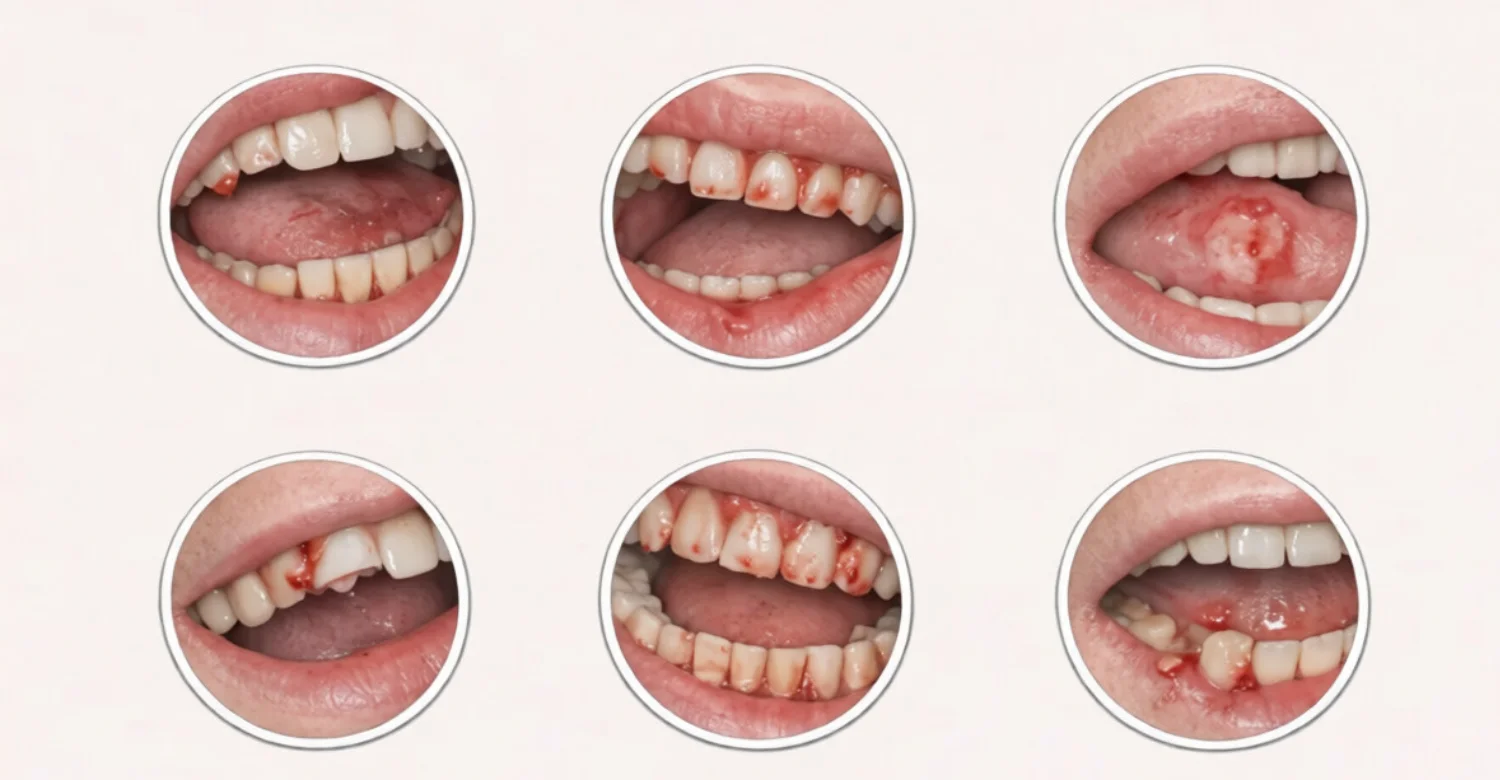
Note : All images used are for editorial and illustrative purposes only and may not originate from the original news provider or associated company.
What Should You Avoid Until the Cause Is Identified?
Avoid aggressive brushing around bleeding areas. Do not scrape ulcers or suspicious patches. Avoid tobacco, which raises oral disease risk. Do not change prescribed medicines on your own. Avoid taking extra products to stop bleeding without advice. Do not assume recurring bleeding is normal, and do not delay care if it worsens.
What Information Should You Track Before Your Appointment?
Record the date and time of each bleeding episode. Note whether it follows brushing, flossing, eating, coughing, or sleep. Write down which side or area seems involved. List any ulcers, swelling, pain, bad taste, or loose teeth. Keep an updated list of medicines and supplements. Photos can help when bleeding comes and goes.
Side Effects and Possible Complications
The effects of ongoing Saliva Blood depend on the underlying cause. Untreated gum inflammation can progress to periodontal disease. Advanced gum disease damages the tissues that hold teeth in place. Repeated irritation can stop ulcers from healing. Persistent infection may cause pain, swelling, and tissue damage. Some people brush less out of fear, which worsens plaque. Delayed diagnosis is often the biggest complication.
What Can Happen if Gum Bleeding Is Left Untreated?
Untreated gingivitis can progress to periodontitis in some people. Periodontitis destroys supporting tissue and bone around the teeth. Teeth may become sensitive or loose over time. Chewing can become painful, and teeth may eventually be lost. Not everyone with bleeding gums develops advanced disease. Early treatment greatly lowers the risk of progression.
Can Repeated Oral Bleeding Affect Daily Oral Hygiene?
Bleeding can make people afraid to brush or floss. Skipping cleaning lets plaque build up on inflamed gums. That keeps the bleeding going and can make it worse. Gentler but correct cleaning is usually the better answer. Your dentist can show how to clean painful areas safely. A clear diagnosis often removes the fear and improves consistency.
When Can Persistent Bleeding Indicate a Condition Requiring Further Investigation?
Further tests matter when bleeding is persistent or unexplained. Warning signs include non-healing ulcers, patches, lumps, numbness, or swallowing difficulty. Bleeding elsewhere in the body also needs medical review. Medication effects should be considered with anticoagulants. Imaging or biopsy may be used when findings warrant them. Each test should answer a specific clinical question.
Learn about managing Amelogenesis Imperfecta
When Should You See a Dentist for Saliva Blood?
See a dentist when Saliva Blood keeps coming back. A single episode after a minor injury often settles on its own. Recurring bleeding without a clear reason needs evaluation. Bleeding gums may signal gingivitis or periodontal disease. Lasting sores need examination even if they do not hurt. Uncontrolled bleeding or serious swelling needs urgent care.
When Occasional Blood May Need Routine Dental Assessment
Occasional minor bleeding may follow hard brushing or a small bite. One episode rarely means significant disease. Repeated episodes, however, can reveal ongoing gum inflammation. A routine check is sensible when bleeding keeps recurring. Professional cleaning helps when tartar is part of the cause. A routine visit is especially useful if check-ups have been delayed.
When Recurrent or Unexplained Blood Requires Evaluation
Recurring bleeding without a clear trigger should be assessed. Spontaneous bleeding is different from bleeding caused by brushing. Discuss your medications and any bleeding elsewhere in the body. Lasting ulcers, patches, lumps, or numbness make evaluation more urgent. Targeted imaging may be used when indicated. Diagnosis should rest on examination, not appearance alone.
When to Seek Prompt Medical or Dental Care
Seek prompt care when bleeding is heavy or hard to control. NHS guidance advises emergency care for mouth bleeding that will not stop. Severe swelling of the mouth, throat, or neck is also an emergency. Severe tooth pain with swelling may need urgent dental treatment. Lasting ulcers, lumps, or swallowing problems should not wait long. When in doubt, contact a dental or medical service quickly.
Persistent or unexplained oral bleeding
Bleeding without an obvious local cause needs a professional assessment. The exam should cover gums, teeth, soft tissues, and medication effects. A dentist may find gingivitis, periodontitis, infection, or local trauma. If no dental cause appears, medical referral may follow. Record how long and how often the bleeding occurs. Never stop prescribed anticoagulants without medical guidance.
A mouth ulcer that does not heal
Most ordinary mouth ulcers heal within a limited period. Larger or repeatedly injured ulcers can take longer. NHS guidance advises assessment for ulcers lasting more than three weeks. A non-healing ulcer should not automatically be labelled cancer. Trauma, infection, and inflammatory conditions remain possible causes. A dentist can decide between monitoring and biopsy.
A persistent red or white patch
Lasting red or white patches warrant an oral examination. They may come from trauma, inflammation, infection, or other conditions. They can also be linked with oral cancer. The clinician examines texture, location, duration, and surrounding tissue. Tobacco use increases concern. A biopsy may be advised when findings justify it.
A lump in the mouth, throat, or neck
A new or lasting lump should be examined by a professional. Causes range from trauma and cysts to infection and other conditions. Head and neck cancers can also present as lumps. Growth over time is a key detail to mention. Pain does not reliably separate harmless from serious causes. Medical or ENT referral may be needed for deeper lumps.
Difficulty swallowing or speaking
Ongoing trouble swallowing or speaking needs professional assessment. Causes include infection, irritation, nerve conditions, or structural problems. Head and neck cancers may also affect swallowing or speech. A dental exam may find an oral cause first. An ENT or medical review may be needed for deeper causes. Difficulty breathing always needs urgent attention.
Persistent hoarseness or throat symptoms
Hoarseness has many possible causes. Infection, voice strain, reflux, and irritation are the most common. Lasting hoarseness can also occur with laryngeal or oropharyngeal cancer. Evaluation matters more when symptoms remain or worsen. A doctor may examine the throat and voice box directly. Mention tobacco and alcohol use during the visit.
Loose teeth with significant gum symptoms
Loose teeth with bleeding gums may signal lost periodontal support. Periodontitis can destroy the bone and tissue around teeth. Trauma and other dental conditions can also cause mobility. A dentist can measure mobility and pocket depth. X-rays may show bone levels when clinically needed. Early periodontal care may help save remaining support.
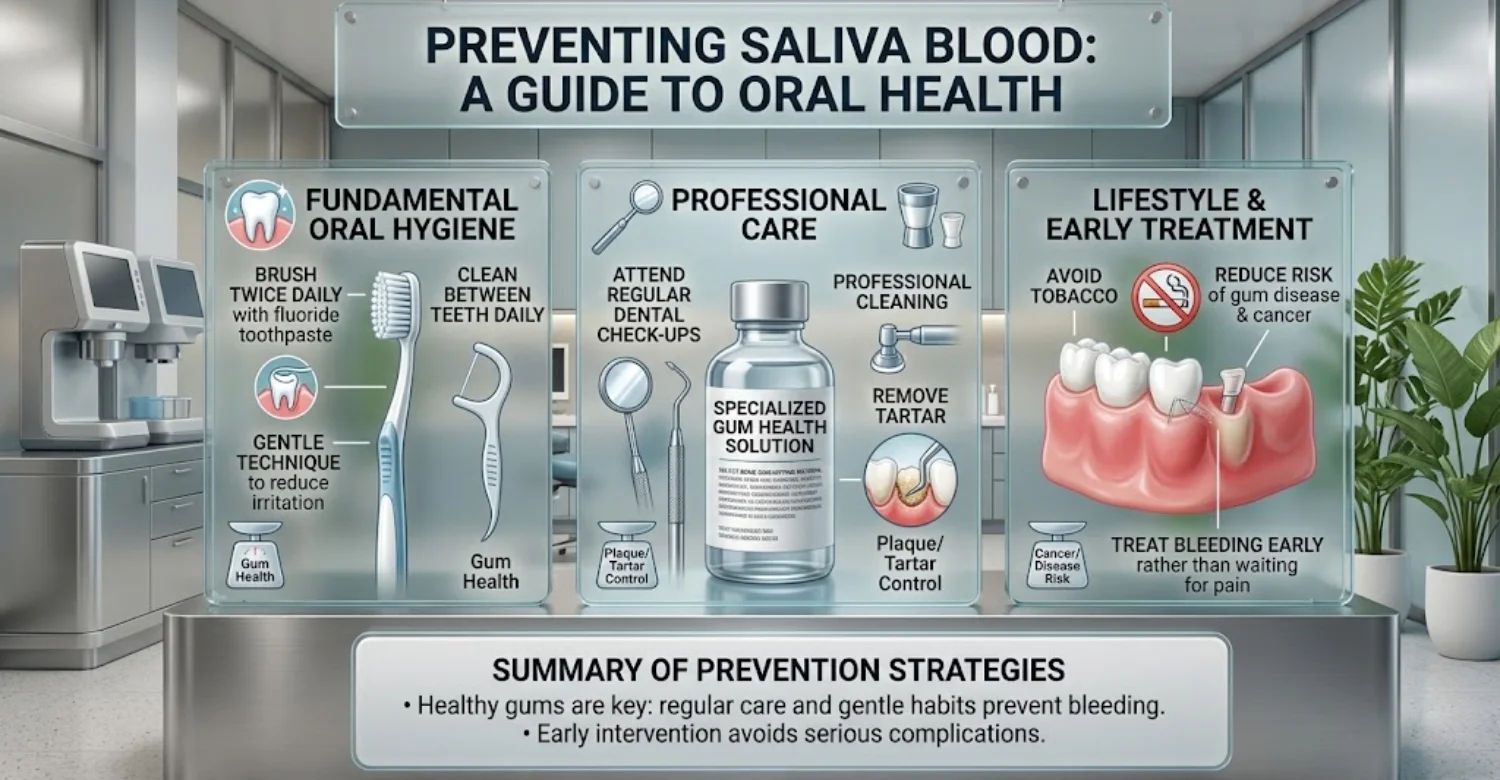
Maintain Daily Oral Hygiene
Daily oral hygiene keeps plaque under control around the teeth and gums. Brush twice a day without excessive pressure. Use floss, interdental brushes, or another suitable tool between teeth. Replace worn toothbrushes or brush heads regularly. Do not stop cleaning because mild bleeding occurs. Instead, discuss persistent bleeding with your dentist.
Manage Plaque and Tartar
Plaque forms on the teeth continuously throughout the day. Regular brushing and interdental cleaning remove most of it. Once plaque hardens into tartar, only professional cleaning can remove it. Tartar makes home cleaning harder and keeps gums inflamed. Cleaning frequency depends on your individual oral health. People with periodontal disease often need a structured maintenance schedule.
Attend Regular Dental Examinations
Regular check-ups find problems before they become extensive. Gum disease can become significant before obvious symptoms appear. An exam covers gums, teeth, fillings, and soft tissues. X-rays are added only when clinically appropriate. A routine visit can also include oral cancer screening. Early findings often allow simpler, less costly treatment.
Avoid Tobacco and Other Oral Irritants
Tobacco is a major risk factor for periodontal disease. It also increases oral cancer risk and slows healing after treatment. Heavy alcohol use adds to oral cancer risk as well. Very hot foods and repeated friction can also irritate tissue. Fix poorly fitting dental appliances promptly. Tell your dentist about any tobacco use during examinations.
Address Bleeding Gums Early
Bleeding gums deserve attention, not acceptance as normal. Gingivitis is often reversible with the right care. Early treatment reveals plaque, tartar, and technique problems. Persistent bleeding may uncover periodontal disease needing more treatment. Keep up your home care while waiting for an appointment. Early assessment leads to faster, more targeted treatment.
What Does Treatment for Saliva Blood Cost in the US, UK, and Turkey?
The cost of treating Saliva Blood depends mainly on the underlying cause. A simple examination usually costs less than periodontal, endodontic, or surgical treatment. The US, UK, and Turkey use different dental pricing systems. Therefore, their published figures are not directly equivalent. One US benchmark reports $203 for an exam with cleaning and X-rays. In England, NHS Band 1 costs $27.90 from April 2026. Turkey uses annual professional reference fees rather than one universal private-clinic price. Always request an itemised treatment plan before starting treatment.
Average Dental Evaluation Cost Comparison
Country | Evaluation / Dental Charge | What the Figure Represents | Important Note |
United States | $203 average | Routine exam including cleaning and X-rays | Reported national average; actual prices vary by location and provider. |
United Kingdom – England | $27.90 | NHS Band 1 course of treatment | Includes examination, diagnosis, necessary X-rays, and preventive care. |
Turkey | 1,650 $ | 2026 TDB reference fee for a dentist examination | Reference tariff figure, not a universal private-clinic price. |
Turkey – Specialist | 2,035 $ | 2026 TDB reference fee for specialist examination | Actual private fees can differ. |
The table shows why a simple country-to-country price comparison can be misleading. The services included within each figure are different. Insurance, NHS eligibility, clinic type, and diagnostic requirements can change the final amount.
Average Dental Evaluation Cost in the United States
US dental prices vary widely by location and service. One national consumer benchmark reports $203 for an exam with cleaning and X-rays. The same source reports a range of approximately $50 to $350. This is not an examination-only price because cleaning and X-rays are included. Specialist visits may cost more than routine dental appointments. Insurance can also significantly change the amount paid by the patient.
US Dental Service | Average / Reported Cost |
Routine exam, cleaning, and X-rays | $203 |
Reported range | 50–350 |
Deep cleaning, scaling and root planing | $242 per quadrant |
Gingival abscess treatment | $604 |
Periodontal abscess treatment | $776 |
Periapical abscess treatment | $1,048 |
The US figures come from CareCredit’s published consumer cost data. They are based on research conducted across the United States during 2023–2024. They should therefore be treated as planning benchmarks rather than guaranteed prices.
Average Dental Evaluation Cost in the United Kingdom
NHS charges differ substantially from private dental fees. The figures below apply specifically to England. From April 2026, NHS Band 1 costs $27.90. Band 1 includes examination, diagnosis, necessary X-rays, and preventive care.
Urgent NHS dental care also costs $27.90 in England. Private dental practices set their own prices.
NHS Dental Band in England | From 1 April 2026 | Main Coverage |
Band 1 | $27.90 | Examination, diagnosis, necessary X-rays, prevention |
Band 2 | $76.60 | Band 1 plus fillings, root canal treatment, extractions |
Band 3 | $332.10 | Bands 1 and 2 plus crowns, dentures, bridges |
Unscheduled Care | $27.90 | Necessary urgent dental care |
These are NHS patient charges rather than average private-practice prices. Sco$and, Wales, and Northern Ireland operate different systems. Patients should therefore confirm the applicable regional pricing before comparing costs.
Average Dental Evaluation Cost in Turkey
Turkey publishes annual dental reference fees through the Turkish Dental Association. The 2026 reference figures can provide useful planning benchmarks. However, private clinics may charge different amounts. The final price depends on the clinic, dentist, diagnostic requirements, and treatment complexity.
Turkish Dental Service | 2026 Reference Fee |
Dentist examination | 1,650 $ |
Specialist examination | 2,035 $ |
Periapical or bitewing X-ray | 830 $ |
Panoramic X-ray | 2,040 $ |
One-jaw tomography | 4,400 $ |
Two-jaw tomography | 5,940 $ |
These figures should be presented as reference fees, not guaranteed private-clinic prices. A patient requiring only an examination will not necessarily need every imaging service. The actual diagnostic pathway should follow clinical findings.
What Can Increase the Total Cost?
The final cost depends on the diagnosis and required treatment. Simple gum inflammation may require an examination and professional cleaning. Periodontitis can require deeper treatment across several appointments. Infection may require restorative, endodontic, or surgical care. Suspicious lesions may require specialist referral, imaging, or biopsy. Travel and accommodation can also affect international treatment costs.
Cost Factor | Possible Effect on Total Cost |
Dental examination | Initial diagnostic cost |
Dental X-rays | Additional imaging cost |
CBCT or tomography | Higher diagnostic cost |
Professional cleaning | Additional preventive or periodontal cost |
Periodontal treatment | Higher cost for deeper disease |
Root canal treatment | Additional treatment cost |
Extraction or oral surgery | Additional procedural cost |
Oral lesion evaluation | Possible specialist and diagnostic fees |
Biopsy or laboratory testing | Additional diagnostic expense |
Specialist referral | Additional consultation cost |
Travel and accommodation | Additional international-patient expense |
The extent of treatment matters more than the symptom itself. A diagnosis should therefore come before comparing complete treatment prices.
Dental X-rays or CBCT
Imaging can add separate charges to a dental evaluation. The type of scan depends on the clinical question. Routine bleeding does not automatically require CBCT imaging. Standard X-rays may provide sufficient information in many dental situations. CBCT is generally considered when three-dimensional information is clinically useful.
Imaging Type | Turkey 2026 Reference Fee |
Periapical or bitewing X-ray | 830 $ |
Panoramic X-ray | 2,040 $ |
One-jaw tomography | 4,400 $ |
Two-jaw tomography | 5,940 $ |
The American Dental Association recommends selecting dental radiographs according to individual clinical needs. Ask whether imaging is included in a quoted treatment package.
Professional cleaning or periodontal treatment
Professional cleaning adds cost beyond the examination itself. Routine cleaning differs from treatment for established periodontal disease. Scaling may be sufficient for some patients with gingivitis. Periodontitis can require deeper treatment around affected teeth.
Periodontal Service | US Consumer Benchmark |
Deep cleaning, scaling and root planing | $242 per quadrant |
Full-mouth periodontal surgery | $7,889 |
These figures come from CareCredit’s published procedural cost data. The actual price depends on disease severity and the number of affected areas. Treatment planning should follow a periodontal examination.
Treatment of infection or oral lesions
Infections usually require more than the initial diagnostic visit. Costs depend on whether the source involves a tooth, gum, or another tissue. Root canal treatment, extraction, or periodontal care may be required. Persistent oral lesions may need monitoring, specialist assessment, or biopsy.
Possible Treatment | Typical Cost Consideration |
Dental infection assessment | Examination plus possible imaging |
Root canal treatment | Additional treatment fee |
Tooth extraction | Additional procedural fee |
Periodontal infection | Periodontal treatment fee |
Persistent oral lesion | Possible specialist evaluation |
Biopsy | Procedure plus laboratory analysis |
The final price cannot be determined accurately before diagnosis. A written estimate should explain which services are included.
Specialist referral or additional diagnostic testing
Some unexplained cases require care beyond general dentistry. An oral medicine specialist may assess persistent mucosal lesions. An ENT specialist may evaluate persistent throat symptoms. Medical testing may be needed when a bleeding disorder is suspected.
Additional Service | Why It May Be Needed |
Oral medicine consultation | Persistent or unexplained oral lesions |
ENT consultation | Persistent throat or voice symptoms |
Blood testing | Possible systemic bleeding concerns |
Biopsy | Tissue diagnosis for selected lesions |
Laboratory analysis | Examination of biopsy material |
Additional imaging | Further assessment of selected findings |
A referral does not mean that a serious disease has been diagnosed. It means another specialist may be needed to investigate the symptoms properly.
Why There Is No Single Fixed Price for Saliva Blood Treatment
Saliva Blood is a symptom rather than one specific dental treatment. The price therefore depends entirely on the underlying diagnosis. Gingivitis may require cleaning and oral-hygiene instruction. Periodontitis may require structured periodontal treatment. Trauma may only require correction of a sharp tooth or restoration. An infection may require restorative or root canal treatment. A persistent lesion may require specialist assessment or biopsy.
Possible Cause | Possible Treatment | Cost Level |
Gingivitis | Cleaning and hygiene management | Lower |
Periodontitis | Periodontal therapy | Moderate to higher |
Trauma | Remove or repair the source | Variable |
Mouth ulcer | Irritation control and monitoring | Usually lower |
Dental infection | Endodontic, restorative, or surgical care | Variable |
Persistent lesion | Specialist assessment or biopsy | Variable |
Throat-related cause | Medical or ENT assessment | Variable |
A fixed treatment price would therefore be misleading before examination. The most useful comparison is the diagnostic and treatment pathway rather than the symptom alone. Patients should request an itemised estimate after the underlying cause is identified.
At Vitrin Clinic: Evaluating the Source of Saliva Blood
At Vitrin Clinic, evaluating Saliva Blood begins with a full oral assessment. The team reviews your teeth, gums, bite, and other oral structures. Symptoms are considered together with clinical findings. The exam covers periodontal, dental, and soft-tissue causes. Digital diagnostic tools support decisions when appropriate. Treatment is planned only after the source is identified.
Oral and Gum Examination
The first assessment focuses on the mouth and gums. The dentist checks gum colour, swelling, tenderness, bleeding, and recession. Periodontal measurements may reveal deeper pockets. Teeth are examined for decay, infection, and structural problems. The tongue, cheeks, lips, and palate are also inspected. These findings guide whether further testing is needed.
Assessment of Teeth, Gums, and Oral Tissues
A complete assessment looks at hard and soft tissues together. Gum inflammation explains many cases of bleeding during brushing. A damaged filling can cause repeated local trauma. An infected tooth may cause swelling, drainage, or a bad taste. Persistent patches or lumps may need further investigation. This approach avoids treating the symptom while missing the source.
Digital X-Rays When Clinically Appropriate
Digital X-rays show what a clinical exam cannot see directly. They help assess roots, bone support, infections, and hidden problems. They are chosen according to clinical need, not by routine. A simple bleeding complaint does not automatically require X-rays. Different views answer different clinical questions. You can always ask why a particular image is recommended.
CBCT When Additional Three-Dimensional Assessment Is Indicated
CBCT provides three-dimensional images of teeth and jaw structures. It helps when standard X-rays cannot answer a specific question. The 2026 ADA and AAOMR recommendations support individualised CBCT use. It should never be ordered only because bleeding is present. The benefit must justify the added radiation. Imaging supports, but never replaces, clinical assessment.
Personalized Diagnosis Before Selecting Treatment
No single treatment fits every case of oral bleeding. The same symptom can come from very different conditions. One patient may have gingivitis, while another has an infection. Persistent lesions need their own diagnostic pathway. Findings decide which procedures are truly justified. A personalized approach reduces unnecessary treatment and cost.
Treating the Underlying Dental Cause Rather Than the Symptom Alone
Bleeding is a symptom, not a diagnosis. Treatment must address why the tissue bleeds. Gingivitis needs plaque and inflammation control. Periodontitis needs periodontal therapy. Trauma needs the irritating source corrected. Infection needs the affected structure treated. This principle prevents temporary fixes from replacing a real diagnosis.
How Vitrin Clinic Supports Your Treatment Journey
Vitrin Clinic's patient pathway begins with a consultation. The team reviews your dental history and current symptoms. Diagnostic assessment may include digital scans and X-rays when appropriate. Treatment options are then planned around the findings. International patients receive help coordinating their visit. Aftercare support continues once treatment is complete.
Initial Consultation and Symptom Review
The first consultation is a chance to describe your bleeding pattern. Explain when blood appears and what activities trigger it. Your dental history and medicines are also reviewed. Vitrin Clinic offers a free online consultation as a first step. An online discussion cannot replace a physical examination, however. It helps plan the right next diagnostic step.
Digital Diagnostic Assessment
Digital diagnostics support detailed clinical planning. Depending on the case, this may include digital X-rays or scans. Vitrin Clinic uses digital scanning and panoramic imaging within its workflow. Three-dimensional imaging is reserved for selected cases. Every scan should have a clear clinical reason. This keeps testing relevant and radiation low.
Individualized Treatment Planning
Your treatment plan follows the identified cause of bleeding. Gingivitis may need hygiene treatment and professional cleaning. Periodontal disease may need specialised management. Infection may need restorative or root canal treatment. The plan should explain the diagnosis, appointments, and expected costs. You should have time to ask questions before treatment begins.
Coordinating Periodontal, Restorative, or Other Dental Care When Needed
Some patients need more than one type of dental treatment. Gum inflammation may need control before restorative work begins. An infected tooth may need root canal treatment before a crown. Periodontal disease can affect how long restorations last. The order of treatment therefore matters. Vitrin Clinic coordinates several dental specialties under one plan.
Follow-Up and Monitoring After Treatment
Follow-up confirms that bleeding and related symptoms are improving. Gum treatment may need repeat periodontal measurements. A healing ulcer can be checked once the irritant is removed. Follow-up visits are also a chance to refine home care. Report any returning or worsening symptoms promptly. Ongoing monitoring protects long-term oral health.
Internal Links to Relevant Vitrin Clinic Treatments and Educational Articles
Internal links should connect this article with relevant treatment pages. Useful targets include Periodontics for gum conditions and Dental Check Up for diagnosis. Endodontics suits sections about tooth infection and root canals. Use descriptive anchor text rather than generic phrases like “click here.” Each link should answer the reader's next likely question.
Periodontics and gum-health treatment
A periodontics page is highly relevant when bleeding comes from the gums. Gingivitis and periodontitis are different stages of gum disease. The page can explain assessment, cleaning, and maintenance. Place the link where gum disease is discussed naturally. The anchor should clearly name periodontal or gum-health treatment. The link should not imply a diagnosis before examination.
Dental check-up and diagnostic assessment
A dental check-up page supports readers looking for an evaluation. It can explain examination, imaging, cleaning, and preventive care. Place this link near the diagnostic sections. Descriptive anchor text helps both readers and search engines. The page should also note that X-rays are not always necessary.
Related oral-health articles
Related articles can cover bleeding gums, ulcers, dry mouth, and gum disease. They should answer questions that naturally follow this topic. These links add educational context but never replace diagnosis. Use concise anchor text that matches each destination page. Avoid linking to unrelated cosmetic treatments.
Ready to transform your smile?
Talk to our team and get a personal FREE treatment plan.
Key Takeaways
Saliva Blood has many possible causes, most of them minor. Gum inflammation is the most common dental explanation. Periodontitis should be considered when bleeding comes with recession or loose teeth. Trauma, ulcers, infections, dry mouth, and nosebleeds can also contribute. Persistent lesions and throat symptoms need professional assessment. The best treatment depends on finding the true cause.
The Most Common Causes of Saliva Blood
The most common dental cause is inflamed gum tissue. Plaque-related gingivitis makes gums bleed during brushing and flossing. Periodontitis adds deeper damage around the teeth. Ulcers and minor trauma create small local bleeding points. Infections, dry mouth, nosebleeds, and some medicines can also contribute. The source should be confirmed before treatment starts.
What Bloody Saliva Can Tell You About Your Oral Health
Blood when spitting is a useful signal that tissues need attention. Frequent gum bleeding suggests active gingival inflammation. Bleeding with loose teeth suggests deeper periodontal involvement. A single ulcer often points to trauma or irritation. Persistent tissue changes deserve a higher level of attention. An exam turns the symptom into clear, useful information.
When Relief and Home Care May Be Appropriate
Gentle home care helps while minor irritation heals. Soft brushing removes plaque without extra trauma. Daily interdental cleaning reduces plaque between teeth. Water, softer foods, and avoiding tobacco support comfort. Many minor ulcers heal without special treatment. Home care should never replace assessment of recurring bleeding.
When Professional Diagnosis Is Needed
A professional diagnosis is needed when bleeding recurs or has no clear cause. A dentist can examine the gums, teeth, fillings, and soft tissues. Periodontal probing can reveal deeper pockets. X-rays are chosen when they add useful information. Persistent lesions or throat symptoms may need specialist review. Treatment then follows the confirmed findings.
Warning Signs That Should Not Be Ignored
Ulcers that do not heal need a professional assessment. Lasting red or white patches also need evaluation. Lumps, numbness, unexplained bleeding, or swallowing problems deserve attention. Persistent hoarseness may need a medical review. These signs do not automatically mean cancer. Heavy, uncontrolled bleeding always needs urgent care.
Why Treatment Should Address the Underlying Cause
Bleeding stops for good only when its source is treated. Plaque-related inflammation needs effective periodontal care. Infection needs the infected tooth or tissue treated. Trauma needs the irritating factor corrected. Medication-related bleeding may need medical coordination. Treating only the visible blood leaves the real problem in place.
.jpg)
.jpg)
.jpg)
.jpg)
.jpg)
At Vitrin Clinic
At Vitrin Clinic, Saliva Blood is treated by first identifying its dental source. Assessment covers the teeth, gums, soft tissues, and bite. When gum inflammation or periodontal disease is identified, appropriate periodontic treatment may be recommended. This can include professional cleaning and periodontal care based on the condition of the gums. Digital X-rays and three-dimensional imaging are used when clinically appropriate. International patients can arrange consultation and treatment coordination. Aftercare support continues following treatment. Oral health is assessed before any cosmetic dental planning begins. The treatment plan is individualized according to the clinical findings. This approach focuses on treating the underlying dental cause rather than the bleeding symptom alone.
Reference
FAQs

Dr. Rifat Alsaman has more than 5 years of clinical experience in dentistry and currently serves as the Head of the Medical Team at Vitrin Clinic. He is dedicated to providing exceptional patient care, overseeing treatment planning, and ensuring the highest clinical standards across the team. His expertise, attention to detail, and commitment to continuous professional development have helped countless patients achieve healthier, more confident smiles.


