General Dentistry
August 20, 2026
Tooth Infection and Pancreatitis: Is There a Connection?
 Dr. Rifat Alsaman
When a toothache turns into swelling, fever, or a throbbing abscess, it is natural to wonder how far the infection can spread. Some patients search for a link between tooth infection and pancreatitis, especially after reading about oral bacteria affecting organs beyond the mouth. The short answer is that a tooth infection is not an established, direct cause of pancreatitis. The research is more nuanced than that. Severe or chronic oral infections can contribute to systemic inflammation. Long-term periodontal disease has also been linked to a higher pancreatic cancer risk over time. Only about 10% of all acute pancreatitis cases are attributed to infectious microorganisms overall, and no dedicated figure ties dental infection specifically to acute pancreatitis. This article looks honestly at the current evidence, separating proven causes from possible associations.
Can a Tooth Infection Cause Pancreatitis?
In short, no, not as a proven, direct cause. A tooth infection is a localized bacterial problem. Pancreatitis is driven mainly by gallstones, alcohol, and medications. Tooth infection and pancreatitis are only linked through long-term, chronic associations, not through an acute infection triggering sudden pancreatic inflammation.
What Is a Tooth Infection?
A tooth infection develops when bacteria invade the inner pulp of a tooth or the surrounding gum tissue. This often happens through untreated cavities, cracked teeth, or gum disease. It can appear as a dental abscess, a painful pocket of pus around the tooth root, or a spreading infection around the gums. Left untreated, bacteria multiply and inflammation intensifies, which is the starting point for most questions about this possible connection.
What Is Pancreatitis?
Pancreatitis is inflammation of the pancreas, the organ responsible for digestive enzymes and blood sugar regulation. Acute pancreatitis appears suddenly, often with severe abdominal pain. Chronic pancreatitis develops gradually and causes lasting damage. Common causes include gallstones, heavy alcohol use, high triglycerides, certain medications, and genetic factors. Infection is a rare cause, which is exactly why this question deserves a careful, evidence-based answer.
Is There a Direct Link Between Tooth Infection and Pancreatitis?
There is currently no confirmed cause-and-effect relationship proving that tooth infection and pancreatitis are directly connected in the short term. What exists is a longer-term association. A large Swedish registry study of over 5.8 million people found root canal infections linked to a 58% higher pancreatic cancer risk in adults under 50. The same study found periodontitis linked to a 20–56% higher risk in that same age group. Association is not proof of causation, and more research is needed before dental infection can be called a direct trigger.
Clinical Note
Patients with a severe dental infection should never assume it will resolve on its own. Untreated infections can worsen, spread to surrounding tissue, and in rare cases contribute to serious systemic illness. Prompt dental care remains the safest course of action, regardless of any theoretical connection.
Can a Dental Infection Cause Pancreatic Inflammation?
A dental infection can trigger local and, in severe cases, systemic inflammation. Current evidence does not confirm it as a routine or direct cause of pancreatic inflammation. Whether tooth infection and pancreatitis are meaningfully connected remains an open research question rather than a settled clinical fact.
How Dental Infections Affect the Body
A dental infection begins as local inflammation around the tooth or gum, but the body's immune response can extend beyond the mouth. Bacteria and inflammatory markers may enter the bloodstream temporarily, particularly during dental procedures or with untreated abscesses. This is part of why oral and pancreatic health continue to be studied together, even though a direct trigger has not been confirmed.
Can Oral Bacteria Reach Other Parts of the Body?
Yes. Bacteremia, meaning bacteria entering the bloodstream, is well-documented after dental work or with active infection. This bacterial presence is typically transient and cleared by a healthy immune system. Its presence alone does not mean pancreatitis, or any other organ inflammation, will follow. That is an important nuance in this broader conversation.
Tooth Infection and Pancreatic Inflammation: What Does Research Suggest?
Research on this topic remains largely theoretical for acute cases. A 2023 study found dysbiosis in oral bacteria among acute pancreatitis patients: more harmful species like Prevotella, and fewer beneficial ones like Streptococcus. The authors described this as an association, not proof of causation. Confirming any direct mechanism needs further controlled research.
Tips for the Patients
Do not ignore facial swelling, pus, fever, or worsening tooth pain, since these signal a spreading infection. Seek prompt dental evaluation rather than waiting. Avoid self-treating an abscess with leftover antibiotics, since incomplete treatment can allow the infection to persist or worsen. If you are experiencing persistent swelling or pain, understanding tooth abscess symptoms and related complications can also help you recognize when professional care is needed.
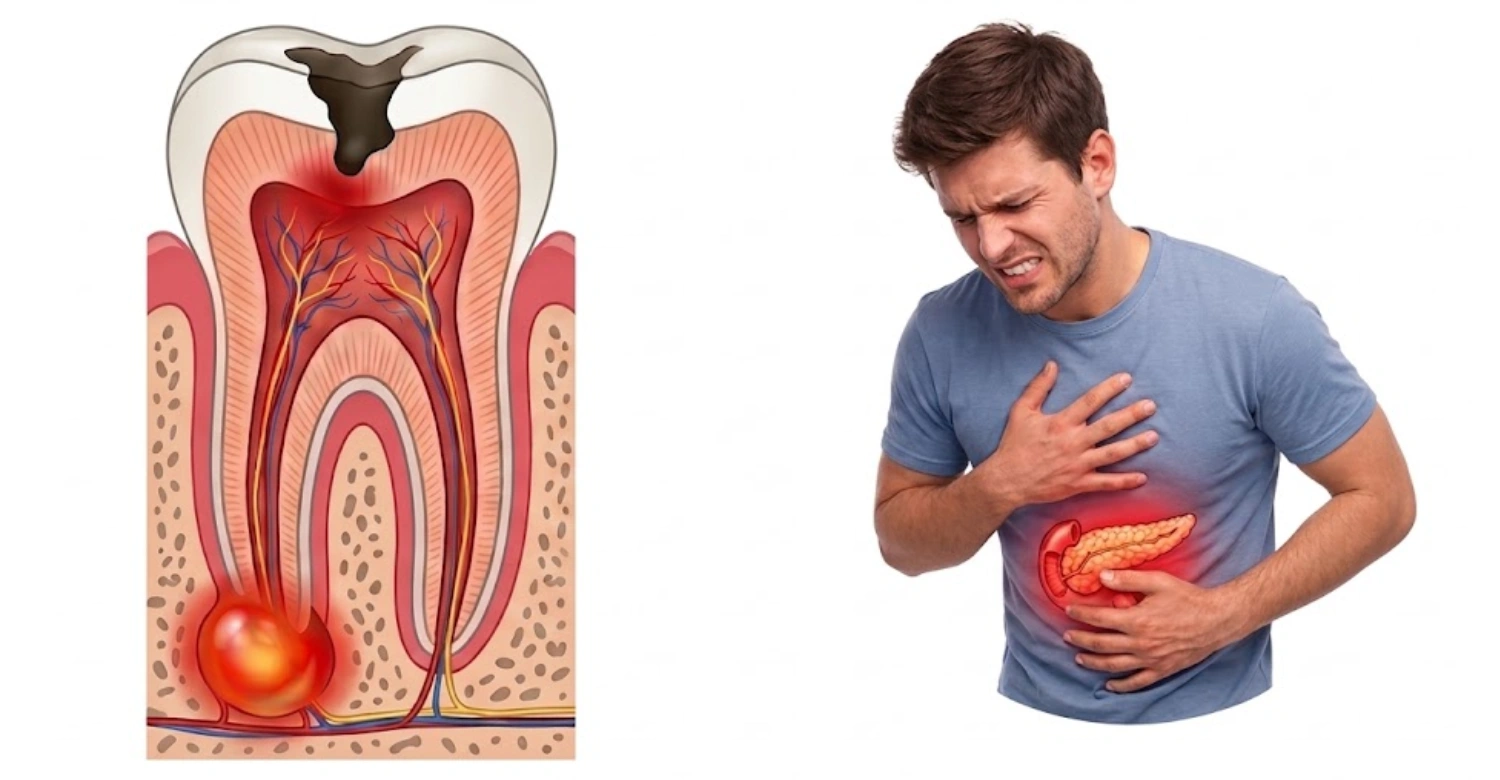
Oral Infection and Pancreatitis: Understanding the Possible Connection
Oral infection and pancreatitis are connected mainly through chronic inflammation and shifts in the oral microbiome over time, not through a single acute infection episode. Long-term oral disease appears to raise pancreatic cancer risk more consistently than it appears to trigger sudden pancreatitis.
How Oral Inflammation Can Affect Overall Health
Chronic oral inflammation keeps the immune system in a persistent state of activation. Over years, this inflammatory burden, combined with oral bacteria entering the bloodstream, has been studied as a contributor to broader systemic health issues. These range from cardiovascular disease to certain pancreatic conditions, keeping the topic relevant to preventive care. Understanding gum medicine and the treatment of gum conditions can therefore be an important part of maintaining long-term oral health.
Is Gum Disease Linked to Pancreatitis?
Periodontal disease has been studied more than acute tooth infection as it relates to the pancreas. A meta-analysis found periodontitis associated with a 74% increased pancreatic cancer risk, and total tooth loss with a 54% increased risk. Certain oral bacteria, such as Porphyromonas gingivalis, have separately been linked to a 59% higher pancreatic cancer risk. These remain epidemiological associations, not confirmed causal proof. Patients concerned about chronic gum inflammation can learn more about periodontics and gum disease treatment.
Poor Oral Health and Pancreatic Health
Maintaining oral hygiene matters for more than a healthy smile. An NYU Langone study found a group of 24–27 oral bacterial and fungal species collectively linked to more than a 3.5-fold increased pancreatic cancer risk. This is why poor oral health and pancreatic disease are frequently discussed together in prevention guidance, even though a direct acute cause has not been proven.
Can Bacteria From Teeth Cause Pancreatitis?
Not typically on their own. Bacteria can enter the bloodstream from an infected tooth, but this exposure is usually brief. It is cleared by the immune system, without the multiple additional factors that actually drive pancreatitis.
How Bacteria From an Infected Tooth Can Spread
An infected tooth can allow bacteria to spread locally into the jaw, gums, and surrounding soft tissue. In more severe or prolonged cases, bacteria may enter the bloodstream. A weakened immune system, diabetes, or delayed treatment can increase the severity and reach of the infection. Problems such as swollen gums around a back tooth can have several possible causes and should be properly evaluated rather than assumed to be a pancreatic problem.
Does Bacterial Spread Automatically Cause Pancreatitis?
No. Bacterial translocation into the bloodstream after dental procedures is well-documented, but it is described as transient. There is no strong evidence it causes pancreatitis in a healthy person. Pancreatitis is multifactorial: gallstones, alcohol use, medications, and genetics are the established drivers, not an isolated tooth problem.
When Can a Tooth Infection Become a Serious Health Problem?
A tooth infection becomes a serious concern when it causes spreading facial swelling, fever, difficulty swallowing, or difficulty breathing. These signs indicate the infection is no longer contained and may involve systemic spread, requiring urgent evaluation rather than routine dental scheduling. A persistent abscess may sometimes require endodontic surgery when conventional treatment is not sufficient.
Clinical Note
Any sign that a dental infection is spreading toward the neck, throat, or eye area calls for urgent professional assessment. These symptoms should never be monitored at home. Same-day dental or emergency medical evaluation is appropriate.
Gum Disease and Pancreatitis: Is There an Association?
Yes, an association exists, particularly with long-term pancreatic cancer risk. Research on gum disease and pancreatitis points to a statistical link tied to chronic periodontal disease, not to a single flare-up of gum inflammation directly causing an episode of pancreatitis.
What Is Gum Disease?
Gum disease starts as gingivitis, a reversible inflammation of the gums. It can progress to periodontitis, a deeper infection that damages the bone and tissue supporting the teeth. Left untreated, periodontitis can lead to tooth mobility and eventual tooth loss. It is this chronic stage that most research on this topic actually examines. Patients can learn more about periodontal pockets and their causes, which are important clinical signs of advancing gum disease.
Gum Disease and Systemic Inflammation
Periodontitis keeps inflammatory markers elevated throughout the body, not just in the mouth. This ongoing inflammatory load is one reason researchers continue studying gum disease alongside other chronic conditions influenced by systemic inflammation, including cardiovascular and metabolic disease.
Gum Disease vs. Pancreatitis: Cause or Association?
Current evidence shows an association between long-term gum disease and elevated pancreatic cancer risk, not proof that gum disease causes pancreatitis. Association means the two occur together statistically more often than chance. True causation would require controlled clinical evidence that more research may eventually provide.
Tips for the Patients
Brush twice daily and clean between the teeth every day. Schedule professional dental examinations at regular intervals. Address bleeding gums or persistent bad breath promptly, since these are often the earliest signs of gum disease. Persistent bleeding should be investigated using a proper gum bleeding evaluation rather than ignored.
Dental Infection Complications You Should Know
Left untreated, a dental infection can escalate well beyond the tooth itself. Complications span from abscesses and bone involvement to, in rare severe cases, wider systemic illness. That is reason enough to treat every infection promptly, regardless of any theoretical tooth infection and pancreatitis concern. Patients experiencing an ulcer or swelling should also understand the difference between a mouth ulcer and a dental abscess.
What Happens If a Tooth Infection Is Left Untreated?
An untreated tooth infection can progress from a small dental abscess to bone infection. It can spread into surrounding tissues, and in rare cases lead to severe systemic infection. Complications range from localized pain to serious, spreading illness requiring hospital-level care. Severe decay can also become an infection source, as explained in this guide to rotten teeth and their complications.
Can an Untreated Dental Infection Affect Your Overall Health?
Yes, in more advanced cases. Persistent infection keeps the immune system engaged and can allow bacteria to travel beyond the mouth. Early treatment is always preferable, since complications become harder and more costly to manage the longer an infection is left alone.
When Is a Dental Infection an Emergency?
A dental infection becomes an emergency with rapidly increasing swelling, fever, difficulty breathing or swallowing, or swelling extending toward the neck or eye. These symptoms suggest the infection has moved beyond the tooth and need immediate medical attention.
Clinical Note
Emergency symptoms should never wait for a routine dental appointment. Immediate medical or emergency dental attention is necessary when swelling, fever, or breathing difficulty appear alongside a tooth infection.
Tooth Infection and Pancreatitis Risk Factors: What Else Should You Consider?
Before assuming a tooth is behind pancreatic symptoms, it helps to look at the full risk picture. These risk factors sit alongside far more common causes like gallstones, alcohol use, and medications, which should be ruled out first.
Common Causes of Pancreatitis
The most common recognized causes of pancreatitis are gallstones and heavy alcohol use, followed by certain medications, high triglyceride levels, genetic factors, and other medical conditions. Infection of any kind, including dental infection, accounts for only a small proportion of documented cases. That keeps this connection in the category of rare rather than common causes.
Why It Is Important to Identify the Actual Cause
A dental infection should not automatically be blamed for pancreatic symptoms. Proper medical evaluation, including imaging and lab work, is necessary to identify the true cause of pancreatitis. Chasing the wrong explanation delays appropriate care.
Tooth Infection Symptoms vs. Pancreatitis Symptoms
Tooth infection symptoms include toothache, gum swelling, facial swelling, dental sensitivity, pus or bad taste, and fever. Pancreatitis symptoms include upper abdominal pain, pain radiating toward the back, nausea and vomiting, fever, and abdominal tenderness. Recognizing which symptoms belong to which condition helps guide the right care quickly. When severe tooth pain is caused by internal infection, endodontic treatment may be required to remove the source of infection.
What Should You Do If You Have a Tooth Infection and Symptoms of Pancreatitis?
Treat the two problems separately and promptly. Get the tooth infection evaluated by a dentist, and get abdominal symptoms evaluated by a doctor. Do not wait to see if tooth infection and pancreatitis explain one another before seeking care for either.
Step 1: Get the Dental Infection Evaluated
Start with a dental examination and imaging when necessary to identify whether an abscess or deeper infection is present. Confirming the extent of the dental issue is the first step, even when abdominal symptoms are also present. If the infection has reached the pulp, knowing which dentist performs root canal treatment can help patients understand the appropriate referral.
Step 2: Do Not Ignore Abdominal Symptoms
Severe or persistent upper abdominal pain should always be medically evaluated on its own. Do not assume abdominal symptoms are being caused by the dental problem. A proper medical work-up is the only way to confirm the actual cause.
Step 3: Follow the Recommended Treatment
Follow dental treatment according to the diagnosis given, and follow medical treatment separately if pancreatitis is suspected or confirmed. Even when the two conditions occur together, they typically require two distinct treatment plans from two different professionals. Notably, a documented case report described a patient who developed acute pancreatitis after taking amoxicillin/clavulanic acid prescribed before a dental procedure. In that case, the medication itself was the cause, not the infection directly. When root canal treatment is recommended, understanding how long a root canal takes can help patients plan their treatment appropriately.
Tips for the Patients
Do not delay treatment for a swollen or infected tooth. Do not take antibiotics without professional guidance. Seek urgent medical care for severe abdominal pain, repeated vomiting, breathing problems, or rapidly spreading facial swelling.
How to Protect Your Oral and Pancreatic Health
Good daily habits protect both systems, even without a proven direct link between them. Consistent oral hygiene, regular dental visits, and awareness of whole-body symptoms all support long-term health, whatever future research on tooth infection and pancreatitis eventually confirms.
Maintain Good Oral Hygiene
Brush twice daily, floss or clean between teeth daily, and use fluoride toothpaste. These simple habits reduce the bacterial load in the mouth. They also lower the risk of infections that could otherwise progress unchecked. Patients with gum problems may benefit from professional scaling and root planing when clinically indicated.
Have Regular Dental Checkups
Regular dental checkups allow early detection of cavities and gum disease, professional cleaning when needed, and early management of dental infections before they become more serious complications. A comprehensive dental consultation and treatment-planning visit can help identify problems before they progress.
Pay Attention to Whole-Body Symptoms
Dental symptoms and abdominal symptoms can have entirely different causes. Recognizing this distinction, and seeing the appropriate healthcare professional for each, is more useful than trying to connect every symptom to a single explanation.
Clinical Note
Good oral health is an important part of overall health. Still, oral hygiene should not be presented, or relied upon, as a guaranteed way to prevent pancreatitis.
How Vitrin Clinic Approaches Dental Infections and Overall Oral Health
Vitrin Clinic focuses on identifying and treating the true source of a dental infection rather than speculating about distant organs. This evidence-based approach keeps care focused on what is proven, while still taking patient concerns about tooth infection and pancreatitis seriously.
Comprehensive Dental Evaluation at Vitrin Clinic
At Vitrin Clinic, evaluation of tooth pain and infection includes assessment of the gums and surrounding tissues, appropriate dental imaging when clinically indicated, and identification of the actual source of infection before any treatment plan is recommended.
Treating Dental Problems Before They Become More Serious
Addressing infections promptly is a priority at Vitrin Clinic. Treatment planning is individualized to each patient's specific dental condition, so a manageable issue does not progress into a more serious complication. If a severely infected tooth cannot be preserved, options such as extraction may need to be considered, followed by appropriate tooth replacement. The clinic's guide to tooth loss and tooth replacement explains the broader consequences of losing a natural tooth.
Vitrin Clinic and Preventive Oral Health
Preventive oral health at Vitrin Clinic includes professional dental examinations, oral hygiene guidance, periodontal evaluation, and restorative and preventive dental care. All of it is aimed at catching problems early rather than reacting to emergencies.
What We Notice Clinically
Dr. Rifat Alsaman, Head of the Medical Team at Vitrin Clinic and a cosmetic dentist, emphasizes treating active dental infections promptly and evaluating the underlying dental cause. He cautions against assuming that an oral infection is responsible for a pancreatic condition. This measured approach reflects the current evidence: real, but not yet proven as a direct, acute trigger.
Clinical Note
Dental treatment can address the oral source of infection, but suspected pancreatitis requires its own medical evaluation. The two should never be treated as one single problem.
Resource
Tooth infections and pancreatitis are not proven to have a direct cause-and-effect relationship, but research suggests that changes in oral bacteria may be associated with pancreatic diseases, including chronic pancreatitis. A study published in Gut found significant variations in salivary microbiota among patients with pancreatic disease, highlighting a potential connection between oral and pancreatic health. Maintaining good oral hygiene and treating dental infections promptly may support overall health.
https://pmc.ncbi.nlm.nih.gov/articles/PMC3705763/
https://pubmed.ncbi.nlm.nih.gov/32938554/
https://pubmed.ncbi.nlm.nih.gov/8899796/
FAQs
Dr. Rifat Alsaman has more than 5 years of clinical experience in dentistry and currently serves as the Head of the Medical Team at Vitrin Clinic. He is dedicated to providing exceptional patient care, overseeing treatment planning, and ensuring the highest clinical standards across the team. His expertise, attention to detail, and commitment to continuous professional development have helped countless patients achieve healthier, more confident smiles.


