General Dentistry
September 23, 2026
Big Teeth: What Causes Them and Can They Be Treated?
 Dr. Rifat Alsaman
Big Teeth can make a smile feel unbalanced and draw attention you never asked for. Do your teeth look noticeably larger than the teeth around them? You may wonder whether they are simply naturally large or whether something is affecting their size or appearance. Dentists use the term macrodontia for unusually large teeth. However, teeth can also look too big because of neighboring tooth size, jaw proportions, tooth position, or smile alignment. The right approach depends on the cause, tooth structure, bite, and overall oral health. Treatment can range from observation and orthodontics to tooth recontouring or extraction in selected cases. Not every case needs treatment. Cosmetic changes should always follow a proper dental assessment.
Big Teeth: What Does It Mean When Your Teeth Look Too Large?
Big Teeth is a simple way of describing teeth that seem larger than expected. The dental term for genuinely oversized teeth is macrodontia. Yet a large-looking tooth is not always an enlarged tooth. Sometimes the tooth itself is truly bigger. In other cases, surrounding teeth are smaller, so a normal tooth stands out. Tooth position can also make a tooth look prominent. Jaw or facial proportions may create the same effect. That is why appearance alone cannot confirm macrodontia. Some people notice one large tooth, while others have several affected teeth.
What Can Big Teeth Look or Feel Like?
Many patients describe similar observations:
One front tooth looks noticeably larger than the other.
Several teeth appear unusually wide or long.
You feel that your teeth dominate your smile.
Your teeth seem crowded because they take up more space.
Your bite does not feel even.
You find certain teeth difficult to clean around.
You feel self-conscious when smiling or taking photographs.
Big Teeth may be mainly an appearance concern. However, alignment, crowding, or bite problems can sometimes occur alongside them.
Explore West Nile virus and oral health
What Causes Big Teeth or Macrodontia?
Understanding big teeth causes helps you avoid treatment that targets the wrong problem. The causes of macrodontia range from simple genetics to rarer developmental conditions. In many cases, the tooth is not truly oversized at all. Instead, position or proportion creates the impression. Below, we move from the most common and straightforward explanations toward less common or more complex ones. A dental examination is the only reliable way to confirm which factor applies to you. Often, more than one factor is involved at the same time.
Genetics and Natural Tooth Development
Tooth size is partly shaped by genetics. Some people simply develop larger teeth without any underlying dental disease. Family patterns can be relevant, so a parent or sibling may have a similar smile. Isolated large teeth can also appear even when every other tooth is normal. This natural variation is common and usually harmless. Importantly, naturally large teeth do not automatically require treatment. If they are healthy, functional, and easy to clean, many people choose to keep them exactly as they are.
True Macrodontia
True macrodontia is an uncommon condition in which one or more teeth are genuinely larger than expected. It develops when tooth formation produces excess size during growth. The result is a visibly enlarged tooth with wider or longer dimensions. This differs from teeth that merely look large because neighboring teeth are small. True generalized macrodontia, affecting most teeth, is rare. It should be confirmed through professional assessment rather than diagnosed from appearance alone. Measurements and imaging help separate true enlargement from visual impressions.
Relative Macrodontia: When Teeth Only Look Too Big
Relative macrodontia describes normally sized teeth that look oversized. This often happens when the jaw is smaller than average. It can also happen when surrounding teeth are narrow or short. Dentists look at two key relationships: tooth-to-jaw proportions and tooth-to-tooth proportions. A tooth may measure normally yet still dominate a small arch. This distinction matters before cosmetic treatment. Reducing a normal tooth will not fix a jaw or proportion issue. It may simply remove healthy enamel without solving the concern.
Abnormal Tooth Development or Associated Conditions
Occasionally, unusual tooth development is associated with broader developmental or genetic conditions. These situations are much less common. Tooth size alone does not suggest a serious condition, so there is no need for alarm. However, when several teeth are unusually enlarged, a dentist may consider the wider picture. They may ask about medical history, growth, and family patterns. This helps rule out related factors. In most people, larger teeth remain an isolated dental feature rather than a sign of illness.
Enlarged Teeth Caused by Appearance or Position
Not all enlarged teeth are physically bigger. Tooth angulation, crowding, rotation, or eruption position can make a tooth look larger. A tooth that tilts forward catches more light and appears wider. A rotated tooth may show more surface than usual. Neighboring teeth and gum proportions also influence perceived size. For example, excess gum coverage can make teeth look short and wide. Correcting alignment may change the appearance without physically reducing the tooth. This is why the position is checked early.
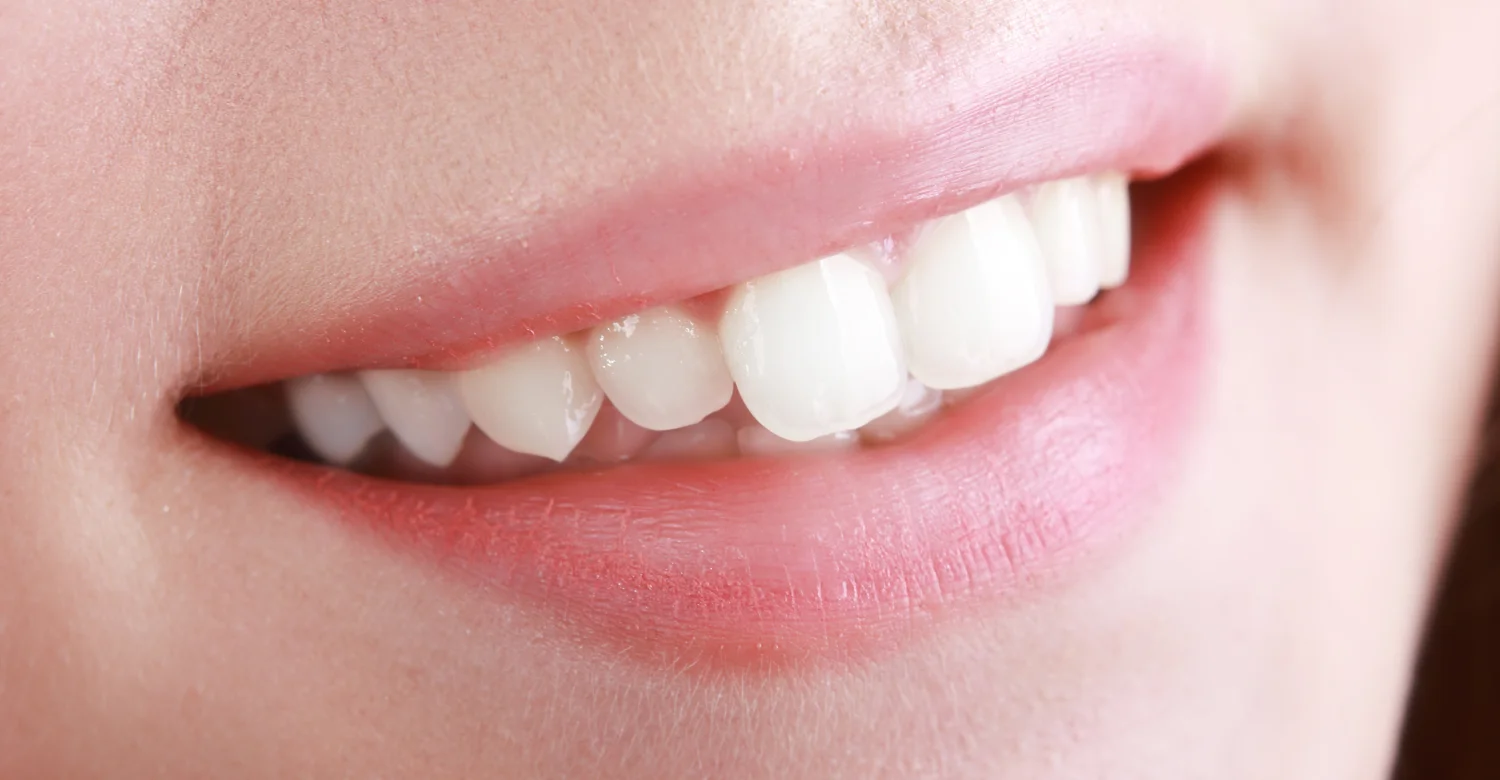
Note: All images used are for editorial and illustrative purposes only and may not originate from the original news provider or associated company.
Learn what you need to know about an impacted tooth
What Other Problems Can Happen With Big Teeth?
Large teeth are often a cosmetic concern first. Still, some people notice practical problems too. Larger teeth take up more room in the arch. This can affect how teeth line up, how easily you clean them, and how your bite feels. These problems do not occur in everyone. Many people with large teeth have healthy, comfortable mouths. The sections below explain the most common related issues, so you can recognize which ones might apply to you.
Crowding and Difficulty Cleaning
Larger teeth may occupy more space than the jaw can comfortably provide. As a result, teeth can overlap or twist slightly. These overlapping areas are harder to reach with a toothbrush or floss. Plaque can then build up in tight corners. Large teeth do not automatically cause decay or gum disease. However, cleaning challenges can raise the risk if hygiene is not adapted. Interdental brushes and regular professional cleanings often help manage these harder-to-reach areas.
Bite and Jaw Concerns
Tooth size and position influence how upper and lower teeth meet. When some teeth are larger, the bite may not come together evenly. You might notice that certain teeth touch first. Some people find it difficult to settle into a comfortable bite. Others feel extra pressure on specific teeth. These signs do not always indicate a problem. Bite concerns need individual assessment, because tooth size, jaw shape, and alignment interact differently in each person.
Appearance and Smile Proportions
For many people, the main concern is that one or more teeth look disproportionate. Smile balance depends on several factors. These include tooth width, tooth length, symmetry, gum display, and neighboring tooth proportions. A tooth may look large simply because a nearby tooth is small. Cosmetic assessment should consider the whole smile. Reducing a tooth just because it looks large can create new imbalances. A careful plan looks at every tooth that shapes your smile.
Tips for Patients
A little preparation makes your assessment more useful:
Take note of the exact concern: Is one tooth large, or does your whole smile look disproportionate?
Do not file your teeth yourself: Even small DIY changes could permanently damage enamel.
Bring older photos if the appearance has changed: They may help explain when the difference became noticeable.
Ask whether the issue is tooth size or tooth position: This can prevent unnecessary treatment.
At Vitrin Clinic, ask whether your bite, tooth proportions, and available space should be assessed together before choosing treatment.
Discover more about burning mouth syndrome
How Are Big Teeth Diagnosed?
Diagnosis involves much more than looking in a mirror or at a photograph. Photos can distort size, especially close-up phone images. A dentist needs to examine the teeth directly. They also need to understand how the teeth relate to the bite, gums, and jaw. The goal is to find out whether the tooth is truly enlarged or only appears that way. This answer shapes every treatment decision that follows. Diagnosis usually combines examination, imaging, and measurement.
Dental Examination
A dental examination is always the first step. Your dentist will check:
Tooth size and shape.
Tooth position.
Neighboring teeth.
Bite.
Gum proportions.
Available space.
Overall oral health.
Together, these findings show whether size, position, or proportion is the main issue. Your dentist will also ask what bothers you most about your smile. Your concern matters as much as the clinical findings.
Dental Imaging and Digital Assessment
Dental X-rays can show root length, tooth development, and bone support. They help confirm whether a tooth is genuinely enlarged. Digital scans or 3D imaging may be used when clinically indicated. These tools help assess tooth position, roots, and jaw relationships. They also support accurate treatment planning. However, not every patient needs advanced imaging. Many cases can be assessed with a standard examination and routine X-rays. Your dentist will choose imaging based on your specific situation.
Measuring Tooth and Jaw Proportions
Dentists may compare tooth dimensions with surrounding structures. They measure width and length and compare them with neighboring teeth. They may also assess the available space in the jaw. This helps distinguish true macrodontia from relative macrodontia. The difference is important. A genuinely large tooth may need a different approach than a normal tooth in a small arch. These measurements connect directly to treatment planning. They help ensure the chosen option addresses the real source of disproportion.
Clinical Note
Not every case of Big Teeth requires treatment. Treatment may be unnecessary when teeth are healthy, functional, easy to clean, and proportionate enough for the person's preferences. Treatment may be considered when there is:
Significant aesthetic disproportion.
Crowding or alignment problems.
Functional bite concerns.
Difficulty maintaining oral hygiene.
A tooth shape that interferes with the intended restorative or orthodontic plan.
Dr. Rifat Alsaman, Head of the Medical Team at Vitrin Clinic and cosmetic dentist, explains that the decision should balance appearance, function, tooth structure, and long-term dental health.
Explore oral allergy syndrome and its symptoms
Can I Make Big Teeth Look Smaller at Home?
There is no safe home method for making Big Teeth physically smaller. Filing, sanding, cutting, or using abrasive products can permanently damage enamel. Enamel does not grow back once it is removed. DIY reshaping can also cause sensitivity, cracks, and uneven edges. Instead, focus on safe temporary steps:
Maintain careful oral hygiene.
Avoid attempting DIY tooth reshaping.
Take photographs from different angles if appearance is the main concern.
Note when the tooth looks most prominent.
These notes help your dentist understand your concern. Professional assessment is needed before considering tooth recontouring or other treatment.
Find out what causes an oral mucocele
Big Teeth Treatment: What Are My Options?
Big Teeth treatment depends on the cause. There is no single solution that suits everyone. Macrodontia treatment for a genuinely enlarged tooth may differ from treatment for a normal tooth that only looks large because of its position. Some people need no treatment at all. Others benefit from orthodontics, tooth recontouring, or restorative work. In selected cases, tooth extraction may form part of a wider plan. The options below explain when each approach may be considered.
Monitoring and No Treatment
Monitoring is appropriate when teeth are healthy and the concern is minor. If there is no functional or oral-health problem, observation can be a reasonable choice. Many people with naturally large teeth live comfortably without any intervention. Regular dental reviews allow your dentist to watch for crowding, bite changes, or cleaning difficulties. If a problem develops later, treatment can be discussed at that point. Choosing no treatment is a valid decision, not a missed opportunity.
Orthodontics for Big Teeth and Crowding
Orthodontics can reposition teeth and improve available space in the arch. It does not physically make a tooth smaller. However, alignment changes can make teeth appear more proportionate. For example, straightening a tilted or rotated tooth can reduce how much of it shows. Correcting crowding can also improve how teeth sit together. Braces or clear aligners may be used, depending on the case. Your orthodontic plan will depend on your bite, tooth size, and jaw space.
Palate Expander and Jaw Development Considerations
A palate expander is a device that gradually widens the upper jaw. It creates more room for teeth in a narrow arch. Expansion is mainly relevant for selected patients with specific jaw-width or arch-development concerns. It is not a standard treatment for large teeth. Age, growth stage, bite, and skeletal anatomy all influence whether expansion is appropriate. It tends to work best in younger patients who are still growing. Adults may need different approaches.
Tooth Recontouring
Tooth recontouring means carefully reshaping a small amount of tooth structure. It may be considered when a tooth is slightly disproportionate. Possible benefits include:
Improved tooth proportions.
Better symmetry.
Minor shape correction.
However, enamel thickness and tooth anatomy limit how much can safely be removed. Too much reduction may expose sensitive layers underneath. A cosmetic dentist will assess enamel depth before recommending this option. Recontouring suits minor corrections rather than significant size differences.
Cosmetic Restorative Options When Shape Is the Main Concern
In selected cases, restorative approaches may help change the visual proportions of the smile. For example, adding material to smaller neighboring teeth can balance a larger tooth. The right choice depends on tooth health and how much structural change is needed. Veneers or crowns are not the default solution for naturally large, healthy teeth. They often require removing healthy enamel. A careful assessment should weigh the benefits against the loss of natural structure before any restorative plan is chosen.
Teeth Removal or Tooth Extraction
Tooth extraction is not a routine treatment for large teeth. However, teeth removal may enter an orthodontic plan in specific situations. This usually involves severe crowding or significant space limitations. Removing one tooth can create room to align the rest. Removing a healthy tooth purely because it looks large requires careful consideration. Once a natural tooth is gone, it cannot be brought back. Extraction decisions depend on the complete bite and the overall treatment plan.
Learn about tooth luxation and dental trauma
What Can I Expect Before and After Big Teeth Treatment?
Knowing what happens before and after treatment helps you prepare. Every plan starts with a careful assessment. Afterward, your experience depends on the chosen approach. Recontouring, orthodontics, and more extensive treatment each have different timelines and recovery needs. Results also vary between individuals. Keeping expectations realistic helps you feel confident about your decision. Follow-up visits remain important throughout. The sections below outline what typically happens at each stage, from the first examination to long-term maintenance.
Before Treatment
Before treatment begins, your dentist gathers the information needed for a safe plan. This usually includes:
Dental examination.
Assessment of tooth proportions.
Bite and alignment evaluation.
Imaging when indicated.
Discussion of your aesthetic concern.
Treatment alternatives and limitations.
This stage helps you understand what can realistically change. It also gives you time to ask questions and weigh your options without pressure.
After Tooth Recontouring
Changes after tooth recontouring are often subtle. The focus is on improving proportion rather than creating a dramatic difference. Some people notice mild, temporary sensitivity, depending on the procedure and the tooth involved. This usually settles as the tooth adjusts. The amount of reshaping depends on the tooth's anatomy and enamel thickness. Your dentist may polish the tooth to leave a smooth finish. Regular brushing and check-ups help keep the reshaped tooth healthy.
After Orthodontic Treatment
Orthodontic changes happen gradually. Tooth position and smile alignment shift over months rather than weeks. Treatment takes time, and patience is part of the process. Once active treatment ends, retention is essential. Retainers help hold teeth in their new position and prevent relapse. The final appearance depends on your starting point, tooth size, and jaw space. No specific visual outcome can be promised. Your dentist will review progress regularly and adjust the plan when needed.
After More Extensive Treatment
Recovery and maintenance depend on the procedure performed. Restorative work may need a short adjustment period as you get used to new shapes. Extraction as part of an orthodontic plan requires healing time before alignment continues. Follow-up visits are important at every stage. Good oral hygiene protects treated and untreated teeth alike. Expectations should stay realistic, since each mouth heals and responds differently. Your dentist will explain the aftercare steps specific to your treatment.
Discover the role of fibroblasts around the mouth
When Should I See a Dentist About Big Teeth?
Big Teeth are often harmless, but some signs deserve professional attention. Consider an assessment if:
One tooth suddenly appears different in size or shape.
A tooth is interfering with your bite.
You cannot clean properly between crowded teeth.
You have persistent sensitivity or pain.
Your teeth are becoming increasingly difficult to align or maintain.
A large tooth is associated with swelling or other oral changes.
The concern is affecting your confidence and you want to understand your options.
Sudden changes, pain, swelling, trauma, or other new symptoms should not be treated as a cosmetic issue. They need prompt examination.
How Can I Prevent Problems Associated With Big Teeth?
Genetic tooth size cannot necessarily be prevented. However, you can reduce the risk of secondary problems linked to Big Teeth. Helpful habits include:
Consistent brushing.
Cleaning between teeth.
Regular dental examinations.
Early orthodontic assessment when crowding develops.
Avoiding DIY tooth filing.
Addressing bite concerns before they become more difficult to manage.
Prevention focuses on protecting healthy teeth and identifying alignment or hygiene problems early. Small habits practiced consistently make the biggest difference over time.
Explore angular stomatitis and cheilosis
What We Notice Clinically
The most important clinical question is not simply "Are the teeth big?" It is "Why do they look big, and what is creating the disproportion?" Dr. Rifat Alsaman, Head of the Medical Team at Vitrin Clinic and cosmetic dentist, emphasizes that treatment should begin by identifying whether the issue is tooth size, tooth position, surrounding tooth proportions, jaw dimensions, or a combination. Reducing a tooth without checking its structure and bite may not address the underlying concern. Cosmetic decisions should preserve healthy tooth structure whenever possible. Each case needs individualized assessment rather than a one-treatment-fits-all approach.
How Vitrin Clinic Approaches Big Teeth Assessment
Digital scans and 3D imaging are used when clinically indicated. Treatment planning may involve orthodontic, cosmetic, restorative, or other dental considerations, depending on the diagnosis. Dr. Rifat Alsaman, Head of the Medical Team at Vitrin Clinic and cosmetic dentist, explains that the goal is not simply to make a tooth smaller. It is to find what is creating the disproportion and choose an appropriate approach.
Find out more about dental trauma and possible complications
Takeaway: Understanding Big Teeth Before Choosing Treatment
Big Teeth can result from true macrodontia, relative proportions, tooth position, crowding, or jaw relationships. Treatment depends on the underlying cause. Options range from monitoring and orthodontics to carefully selected tooth recontouring or tooth extraction in specific cases. Many people need no treatment at all. If large teeth affect your function, oral hygiene, or confidence, a professional assessment can clarify your options. The realistic next step is simple: understand the cause first, then decide whether treatment is appropriate.
References:
FAQs
Dr. Rifat Alsaman has more than 5 years of clinical experience in dentistry and currently serves as the Head of the Medical Team at Vitrin Clinic. He is dedicated to providing exceptional patient care, overseeing treatment planning, and ensuring the highest clinical standards across the team. His expertise, attention to detail, and commitment to continuous professional development have helped countless patients achieve healthier, more confident smiles.


.webp&w=3840&q=75)


