
This is a question many patients ask when dealing with ongoing tooth pain, gum swelling, or dental infection. Poor oral health does not automatically cause brain disease, but severe or untreated oral infections can affect the wider body. Oral inflammation, infection, and bacteria interact with blood vessels and general health in ways researchers continue to study. There is an important difference between an association and a proven direct cause. Persistent tooth pain, gum inflammation, swelling, or dental infection should never be ignored. This guidance reflects current dental evidence and clinical understanding. Urgent dental symptoms always require professional assessment rather than self-treatment at home.
Can Bad Teeth Cause Brain Problems?
Serious dental infections can sometimes spread beyond the tooth and surrounding tissue, but this is uncommon. Location and severity matter greatly. There is a real difference between common dental problems, chronic gum inflammation, a localized tooth infection, and a severe infection with systemic complications. Most cavities and routine gum problems do not directly cause brain problems. Can bad teeth cause brain problems in every case? No, only rare, advanced infections carry this risk, and dental infection becomes medically concerning only once it spreads beyond the tooth.
How an untreated dental infection can spread
Untreated tooth decay can progress into the inner pulp, leading to infection and eventually a dental abscess. Left unmanaged, infection can spread into surrounding facial and neck tissues, causing swelling and pain. In severe cases, bacteria can enter the bloodstream, allowing infection to travel beyond its original site. Rare but serious complications include infection reaching tissues near the brain. This progression explains why dental infection and brain problems are sometimes discussed together, and why the question can bad teeth cause brain problems keeps arising in advanced, neglected cases.
Can a tooth infection reach the brain?
Yes, though this is rare and medically unusual. In advanced, untreated cases, spreading infection can occasionally lead to serious complications such as a brain abscess. Understanding can tooth infection affects the brain matters most for patients with severe, worsening symptoms. Warning signs requiring urgent medical attention include severe or rapidly worsening headache, facial swelling, fever, confusion, neurological changes, difficulty speaking, vision changes, and difficulty swallowing or breathing. Anyone experiencing these symptoms alongside dental pain should seek emergency care immediately, not wait for a routine appointment.
When a dental infection becomes an emergency
Rapidly increasing swelling, fever, difficulty breathing or swallowing, and neurological symptoms should never be managed at home. These signs suggest infection may be spreading beyond the mouth and require urgent evaluation. Waiting to see if symptoms improve can allow infection to progress further, increasing risk. Patients experiencing these warning signs should go to emergency care or an urgent dental clinic immediately. Early intervention reduces the risk of complications and supports faster recovery. This is one of the clearest examples of dental symptoms overlapping with a medical emergency.
Can bad teeth affect the brain?
Can bad teeth affect the brain? The broader relationship between oral health and brain health is an active area of research. Inflammation is one possible biological pathway connecting the two. Researchers are investigating associations between periodontal disease and neurological conditions, though findings remain preliminary. It would be inaccurate to claim gum disease or tooth decay directly causes dementia, stroke, or other neurological diseases. Still, can bad teeth cause brain problems remains a fair question to ask, and maintaining oral health is considered part of general preventive healthcare.
Poor dental health and brain health
Poor dental health and brain health may be connected through chronic inflammation. Long-term oral inflammation can add to the body's overall inflammatory burden, which some research links to broader health concerns. Controlling periodontal disease is important for this reason. Oral health is particularly significant for older adults and people managing existing systemic health conditions, where the combined effects of inflammation may carry more weight. Can bad teeth cause brain problems through this pathway alone remains unproven, but reducing inflammation supports general health.
Bad teeth and brain health
Bad teeth and brain health is a broad topic, because "bad teeth" can describe very different problems. Tooth decay, gum disease, dental abscesses, missing teeth, and poor oral hygiene are not the same condition. Each carries a different level of risk. A single cavity is very different from an advanced, untreated abscess. Understanding these distinctions helps clarify why concerns about bad teeth and brain health should be assessed individually rather than treated as one uniform risk for every patient.
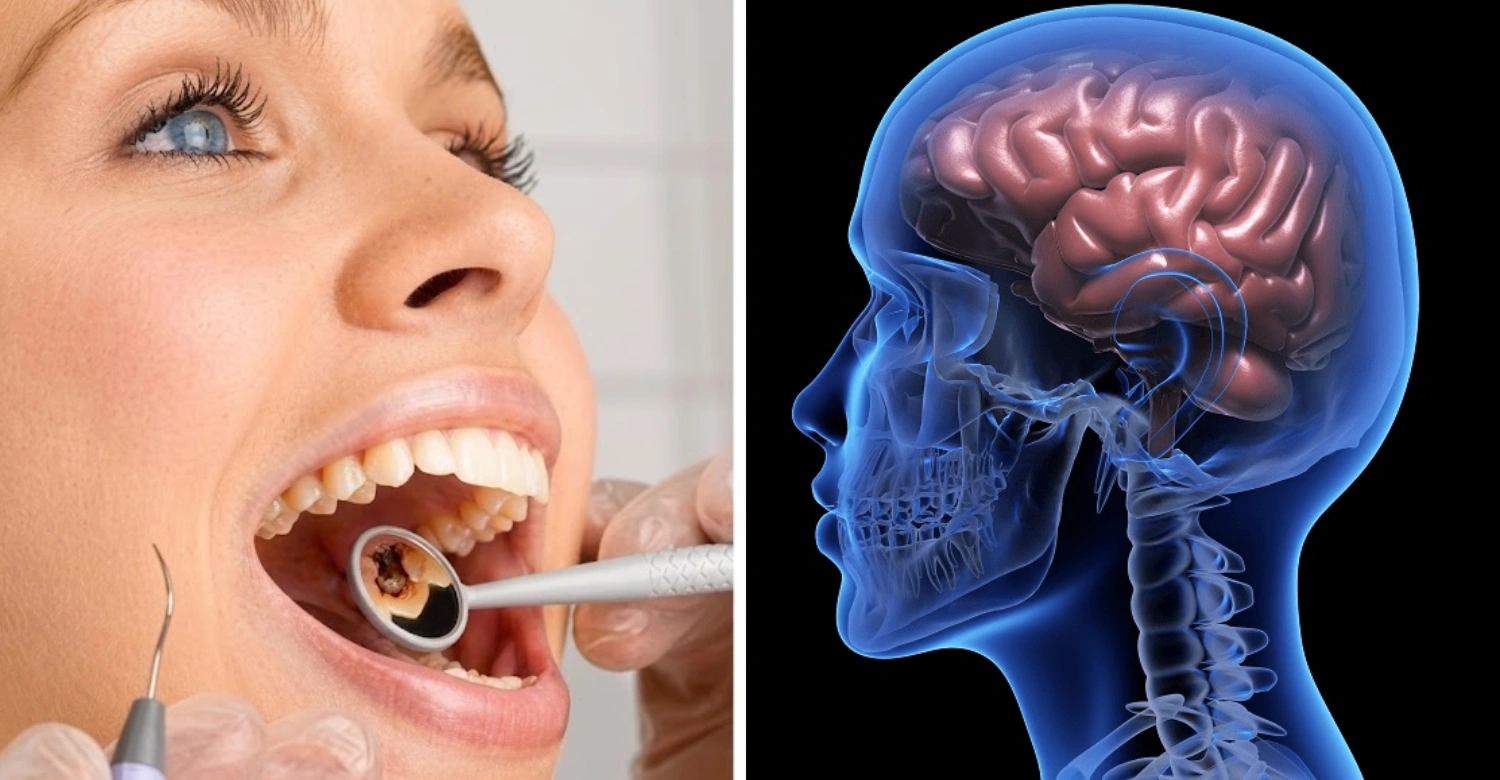
Oral Health and Brain Health: What Does the Evidence Suggest?
Oral health and brain health continues to be studied by researchers worldwide. Current evidence shows associations rather than confirmed direct causes. Scientists are examining how chronic oral inflammation, bacteria, and infection might relate to cognitive and neurological outcomes over time. Can bad teeth cause brain problems based on this evidence? Not in the way sensational headlines sometimes suggest. The relationship is complex, involves many contributing factors, and requires further long-term research before firm conclusions about causation can be drawn.
Gum disease and brain health
Gum disease and brain health is one of the most actively researched areas in this field. Some studies explore possible associations between periodontal inflammation and cognitive or neurological outcomes, without proving direct causation. Suggested mechanisms include chronic inflammation and bacterial spread, though these remain under investigation. Treating periodontal disease remains important regardless of uncertain neurological outcomes, since it protects teeth, gums, and overall oral function. Patients should not wait for definitive proof before addressing active gum disease.
Oral bacteria and brain health
Oral bacteria and brain health is an emerging research focus. Bacteria naturally found in dental plaque and periodontal disease can, in some cases, enter the bloodstream. Once there, bacteria and inflammatory molecules may affect parts of the body beyond the mouth. Scientists continue investigating how this process might relate to neurological health, though findings are still developing. This is different from claiming that ordinary bad teeth directly harm brain function, which current evidence does not support.
Poor oral health and cognitive function
Poor oral health and cognitive function has been examined in several observational studies. Some research links poor oral health with cognitive decline in older adults, though this does not prove a direct cause. Possible contributing factors include chronic inflammation, untreated infection, poor nutrition from difficulty chewing, and challenges maintaining oral hygiene. Can bad teeth cause brain problems on their own? Current evidence does not support that poor oral health alone is responsible for cognitive decline.
Can Tooth Infection Affect the Brain?
Can tooth infection affect the brain? There is an important difference between a routine tooth infection and one that spreads beyond its original site. An untreated dental abscess always requires professional treatment, since infection left in place can worsen over time. Possible complications when infection spreads include facial swelling, systemic illness, and, in rare cases, involvement near the brain. Brain involvement remains rare, but it can be serious, which is why early treatment matters so much.
Dental infection and brain problems
Dental infection and brain problems are more likely to be discussed together when diagnosis and treatment are delayed. Early diagnosis remains essential. Dentists assess swelling, pain, infection severity, tooth vitality, and the condition of surrounding tissues during examination. Imaging such as dental X-rays or CBCT scans may be considered when infection extent is unclear. This structured assessment helps determine whether bad teeth cause brain problems is even a realistic concern, or whether treatment can remain routine.
Tooth infection and neurological problems
Tooth infection and neurological problems are not typically linked to an ordinary cavity. Neurological symptoms are not expected signs of routine dental decay. However, certain warning signs should prompt urgent assessment, including confusion, vision changes, or difficulty speaking alongside dental pain. It's important to note that neurological symptoms may have many possible causes unrelated to dental disease. Patients should not automatically assume their teeth are responsible without proper medical evaluation from a qualified professional.
Clinical Note
There is a clear difference between a possible biological association and a proven cause-and-effect relationship. Current evidence does not support telling patients that ordinary bad teeth directly cause brain disease. Severe untreated dental infections can, in rare circumstances, lead to serious systemic complications. Patients experiencing neurological symptoms should receive appropriate medical assessment rather than assuming their teeth are responsible. The question, can bad teeth cause brain problems deserves a careful, evidence-based answer, not an alarming one.
What Dental Problems Should You Never Ignore?
Certain dental problems should never be ignored, because delayed treatment increases risk. These include persistent pain, swelling, bleeding gums, and loose teeth. Left untreated, minor issues can progress into more serious infections. Recognizing early warning signs allows for simpler, more effective treatment. Can bad teeth cause brain problems in most everyday cases? No, but ignoring symptoms raises the chance of complications. The sections below outline specific symptoms patients should never dismiss or manage without professional dental care.
Persistent tooth pain
Persistent tooth pain can result from decay, pulp inflammation, infection, or a cracked tooth. Pain that lasts more than a day or two, or that worsens over time, needs professional assessment. Ignoring ongoing pain allows underlying problems to progress, sometimes leading to infection or abscess formation. Early evaluation helps identify the exact cause and prevents more complex treatment later. Patients should never assume tooth pain will resolve on its own without an examination and appropriate diagnosis.
Swollen gums or face
Mild gum irritation is common and often manageable with better oral hygiene. Significant swelling of the gums or face is different and should be treated as a warning sign. Rapidly increasing facial swelling, particularly alongside pain or fever, suggests active infection that needs urgent attention. This distinction matters because swelling that spreads quickly can indicate infection moving into deeper tissues. Patients noticing sudden or worsening swelling should seek dental or medical care without delay.
Dental abscess
A dental abscess typically causes throbbing pain, swelling, sensitivity to temperature, and sometimes a visible bump on the gum. Fever and a general feeling of being unwell may also occur. Draining or treating the source of infection is essential, since an abscess will not resolve on its own. Delaying treatment allows infection to persist and potentially spread. Prompt professional care addresses both the immediate discomfort and the underlying cause of the abscess.
Bleeding or receding gums
Bleeding or receding gums often indicate underlying periodontal disease. While occasional bleeding during brushing may seem minor, persistent bleeding signals active gum inflammation. Receding gums can expose tooth roots and increase sensitivity over time. Periodontal evaluation helps determine the extent of gum disease and the appropriate treatment approach. Addressing bleeding gums early can prevent progression to more advanced periodontal disease, which is harder to manage and can affect long-term tooth stability.
Loose teeth
Loose teeth are often a sign of advanced gum disease affecting the supporting bone and tissue. As periodontal disease progresses, the structures holding teeth in place can weaken. Early treatment may help slow or prevent further progression, potentially preserving natural teeth longer. Ignoring looseness allows the underlying disease to advance, increasing the risk of eventual tooth loss. Professional periodontal assessment is essential whenever a tooth feels unstable or shifts unexpectedly.
What Treatments Are Available for Dental Infections and Poor Oral Health?
Treatment depends on the specific dental problem and its severity. Options range from simple restorative care to more involved procedures addressing infection or advanced gum disease. Can bad teeth cause brain problems if left completely untreated over many years? In rare, severe cases, yes — which is why timely treatment matters. The sections below outline common treatments, from fillings and root canals to periodontal therapy and tooth replacement, each tailored to the patient's individual dental condition.
Treatment for tooth decay
Tooth decay is commonly treated with dental fillings, which restore the tooth's structure after removing decayed tissue. Restorative treatment aims to preserve as much natural tooth as possible. When decay is more extensive and reaches deeper layers of the tooth, root canal treatment may become necessary to save the tooth. Early treatment of decay is generally simpler and less invasive than addressing advanced damage, which is one reason regular check-ups matter for prevention.
Root canal treatment
Root canal treatment may be recommended when infection or inflammation reaches the inner pulp of a tooth. The goal is to remove infected or inflamed tissue while preserving the natural tooth structure whenever possible. This procedure addresses the source of pain and infection directly. Without treatment, pulp infection can progress to an abscess. Root canal treatment allows many teeth to remain functional long-term, avoiding the need for extraction in most cases.
Treatment for dental abscess
Treatment for a dental abscess focuses on eliminating the source of infection rather than only managing symptoms. Depending on the case, this may involve drainage, root canal treatment, or extraction. Antibiotics may be used when clinically indicated, particularly if infection has spread. However, antibiotics are not a substitute for definitive dental treatment in most localized infections. Addressing the underlying cause remains essential for full recovery and to prevent recurrence.
Periodontal treatment
Periodontal treatment typically begins with professional cleaning to remove plaque and tartar buildup. Scaling and root planing may be recommended for deeper gum disease, cleaning below the gumline. Ongoing periodontal monitoring and maintenance help track gum health over time. This combined approach addresses both active disease and long-term prevention. Consistent periodontal care reduces inflammation, supports gum stability, and helps protect the surrounding bone that holds teeth securely in place.
Tooth replacement
When teeth cannot be saved, tooth replacement options include dental implants, bridges, or dentures. The right choice depends on bone condition, overall oral health, and the patient's individual needs and preferences. Dental implants often provide a stable, long-term solution when bone quality allows. Bridges and dentures may suit patients seeking alternative approaches. A thorough assessment helps determine which replacement option offers the best combination of function, comfort, and appearance for each case.
What Can Patients Expect Before and After Treatment?
Patients can expect a structured process before and after treatment for dental infection or poor oral health. Before treatment, this includes examination, medical history review, and diagnostic imaging. After treatment, patients are monitored for healing, recurrence, and restored function. Can bad teeth cause brain problems is a question best addressed through this careful, staged process rather than assumption. Clear communication at each stage helps patients feel confident in their treatment plan.
Before treatment
Before treatment, patients undergo a thorough dental examination alongside a review of their medical and dental history. Appropriate diagnostic imaging, such as X-rays, helps assess the extent of infection or damage. The dentist evaluates infection severity and periodontal condition to understand the full picture. Individual treatment planning follows, tailored to each patient's specific findings and needs. This preparation stage ensures treatment decisions are based on accurate, complete diagnostic information.
After treatment
After treatment, most patients notice a reduction in pain and swelling once infection is successfully addressed. Follow-up appointments may be scheduled to monitor healing and confirm treatment success. Continued oral hygiene at home supports long-term results. Dentists monitor for any signs of recurrence during follow-up visits. When treatment is successful, normal dental function is restored, allowing patients to eat, speak, and maintain oral hygiene comfortably again.
Tips for Patients
Brush twice daily with fluoride toothpaste and clean between teeth every day. Never ignore persistent tooth pain, and arrange care promptly for bleeding or swollen gums. Avoid delaying treatment for a dental abscess. Attend routine dental examinations and follow prescribed treatment instructions carefully. Never use leftover antibiotics without professional advice. Seek urgent medical attention for severe swelling, breathing difficulty, confusion, or neurological symptoms. Maintain a balanced diet, limit frequent sugar exposure, and replace failing restorations when recommended.
How Can You Protect Both Oral Health and Overall Health?
Protecting oral health and brain health, alongside overall wellbeing, starts with consistent daily habits. Preventive care reduces the risk of infection progressing to more serious complications. Regular dental visits allow problems to be identified while still manageable. Can bad teeth cause brain problems less often when prevention is prioritized? Generally, yes, since fewer untreated infections mean fewer opportunities for complications to develop. The following sections outline practical steps for protecting both dental and general health long-term.
Prevent gum disease
Preventing gum disease relies on consistent plaque control through daily brushing and interdental cleaning. Professional periodontal care, including regular cleanings, removes buildup that home care cannot fully address. Early signs of gum disease, such as mild bleeding, respond well to improved hygiene and professional treatment. Left unaddressed, gum disease can progress and become harder to manage. Consistent prevention remains the most effective way to protect gum health over time.
Prevent tooth decay
Preventing tooth decay involves several combined strategies. Fluoride strengthens enamel and helps resist acid damage. A balanced diet with limited sugar reduces the fuel available for decay-causing bacteria. Regular examinations allow dentists to catch decay early, often before symptoms appear. Early restorative treatment addresses small areas of decay before they progress into larger, more complex problems. Together, these habits significantly reduce the likelihood of developing extensive tooth decay over time.
Treat dental infections early
Treating dental infections early prevents more complicated diseases from developing. Infections addressed promptly are generally simpler to manage and less likely to spread beyond the tooth. Delayed treatment allows infection to progress, sometimes requiring more invasive procedures later. Early intervention also reduces discomfort and shortens recovery time for patients. Prioritizing early treatment is one of the most effective ways to avoid complications associated with untreated dental infection.
Maintain regular dental check-ups
Regular dental check-ups allow preventive examinations to identify problems before they become severe. Dentists can detect early decay, gum inflammation, or other concerns during routine visits, often before patients notice symptoms themselves. This proactive approach supports long-term oral health and reduces the likelihood of emergency treatment. Consistent check-ups also provide an opportunity to reinforce good oral hygiene habits and catch early signs of disease before they progress further.
When Should You See a Dentist or Doctor Immediately?
Certain symptoms require immediate attention from a dentist or doctor. These include severe facial or jaw swelling, fever associated with dental swelling, difficulty swallowing or breathing, and rapidly spreading infection. Severe headache with dental infection, confusion, unusual behaviour, new neurological symptoms, vision or speech changes, or loss of consciousness or seizure are all emergency signs. Dental emergencies and neurological emergencies can overlap, so patients asking can bad teeth cause brain problems during an acute episode should seek urgent medical assessment without delay.
What We Notice Clinically
Dr. Rifat Alsaman, Head of the Medical Team at Vitrin Clinic and a cosmetic dentist, brings a clinical perspective to this topic. Dr. Rifat Alsaman emphasizes that persistent dental pain should never be ignored. Gum bleeding and swelling can indicate active periodontal inflammation requiring attention. A dental abscess always requires professional evaluation. Severe infection becomes more difficult to manage when treatment is delayed. Good oral hygiene and routine dental examinations help identify problems before they become advanced.
Vitrin Clinic: Professional Dental Care and Personalized Treatment
Vitrin Clinic provides comprehensive dental assessment before recommending any treatment, ensuring decisions are based on accurate diagnosis rather than assumption. Areas of expertise include dental examination and diagnosis, digital diagnostic technology, digital treatment planning, restorative dentistry, cosmetic dentistry, dental implants, and gum health assessment. Dr. Rifat Alsaman, Head of the Medical Team at Vitrin Clinic and a cosmetic dentist, is involved in professional treatment planning. Vitrin Clinic emphasizes personalized treatment rather than applying the same procedure to every patient, so any question about can bad teeth cause brain problems is answered individually.
Book a Professional Dental Assessment
If you are concerned about your oral health or have symptoms that are not going away, speak with the Vitrin Clinic team to discuss your dental condition and the most appropriate next step. Treatment recommendations at Vitrin Clinic are based on each patient's dental condition, diagnostic findings, and long-term oral health goals. Persistent pain, swelling, gum problems, or concerns about untreated dental disease deserve professional attention rather than being left unaddressed.
References:
FAQs

Dr. Rifat Alsaman has more than 5 years of clinical experience in dentistry and currently serves as the Head of the Medical Team at Vitrin Clinic. He is dedicated to providing exceptional patient care, overseeing treatment planning, and ensuring the highest clinical standards across the team. His expertise, attention to detail, and commitment to continuous professional development have helped countless patients achieve healthier, more confident smiles.


.webp&w=3840&q=75)

