General Dentistry
October 5, 2026
Oral Virome in Health and Disease: What Does It Mean for Oral Health?
 Dr. Rifat Alsaman
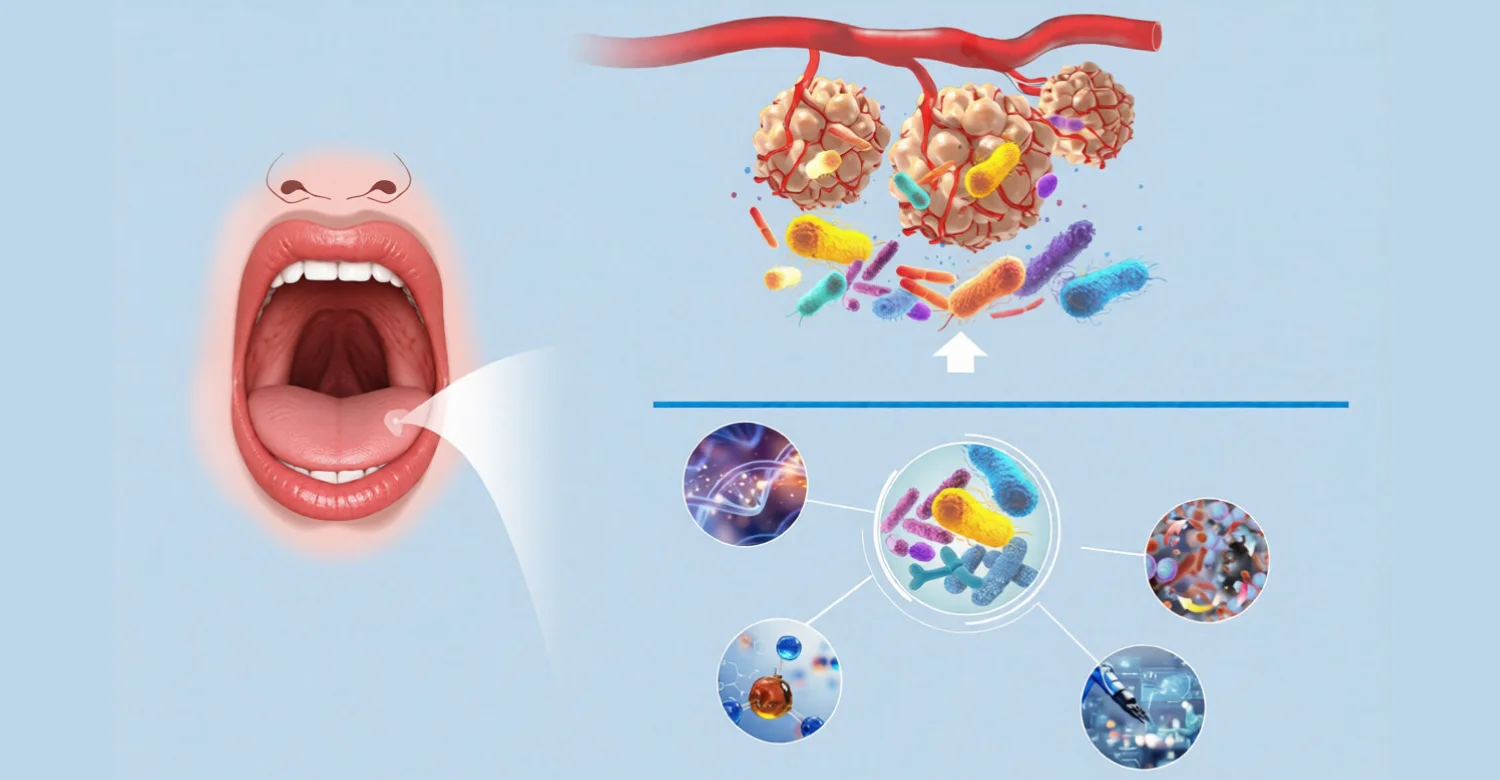
The mouth contains a complex ecosystem of bacteria, fungi, archaea, and viruses. Many of these viruses live there without producing obvious symptoms or disease. This viral community is often called the oral virome. Most identified viral particles are bacteriophages, which infect bacteria rather than human cells. Other viruses can infect human cells, including members of the herpesvirus and papillomavirus families. Their presence does not automatically indicate active disease. Research on the oral virome in health and disease now explores how viral communities interact with oral bacteria. Scientists also study inflammation, biofilms, immunity, and periodontal disease. A 2026 review describes the oral viral community as complex and largely phage-dominated. Vitrin Clinic approaches oral concerns through clinical assessment rather than virome findings alone.
What Is the Oral Virome?
The oral virome is the collection of viruses and viral genetic material present within oral environments. These environments include saliva, dental plaque, mucosal surfaces, and periodontal sites. It includes viruses that infect humans and bacteriophages that infect bacteria. Some viral sequences may represent inactive, integrated, or previously uncharacterized viral material. Researchers increasingly use sequencing to describe these communities. However, detecting viral genetic material does not automatically establish disease activity. A person may carry viruses while remaining clinically healthy. Viral abundance can also vary between oral locations and individuals. Understanding the oral virome in health and disease therefore requires an ecological view. It describes a living community rather than a simple infection list. Recent reviews emphasize that much of the healthy human virome remains incompletely characterized. Vitrin Clinic focuses on symptoms, examination findings, and established diagnostic methods.
Oral Virome vs Oral Microbiome: What Is the Difference?
The oral microbiome refers to oral microorganisms and their collective genetic material. This includes bacteria, fungi, archaea, and viruses. The oral virome specifically focuses on the viral portion. Therefore, the virome is one component of the broader microbial ecosystem. This distinction matters because viruses can influence bacteria without directly infecting human tissues. Bacteriophages are particularly important because they can alter bacterial survival and community structure. Microbiome studies often analyze bacterial composition. Virome studies examine viral genomes, viral particles, or virus-host relationships. These ecosystems are interconnected rather than isolated. Changes in bacteria can affect available viral hosts. Viral activity can then reshape bacterial communities in return. Recent reviews describe oral phages as a major component of the oral viral ecosystem. At Vitrin Clinic, microbiome concepts are considered supporting information, not standalone diagnoses.
What Types of Viruses Are Found in the Mouth?
The mouth can contain bacteriophages and viruses capable of infecting human cells. These two groups behave very differently. Commonly reported human-associated viral families include Herpesviridae, Papillomaviridae, Anelloviridae, and Redondoviridae. Herpes simplex viruses can cause oral lesions. Epstein-Barr virus and cytomegalovirus can also be detected in oral environments. Papillomaviruses include many types with different biological behaviors. Detection alone cannot determine whether a specific virus is causing symptoms. Bacteriophages represent another major category, and they target bacteria rather than human cells. Viral composition differs across people and oral niches. Saliva may contain a different viral profile than subgingival plaque. Researchers still consider the functions of many oral eukaryotic viruses uncertain. Vitrin Clinic evaluates clinical findings before attributing an oral complaint to any viral organism.
What Are Oral Bacteriophages?
Bacteriophages are viruses that infect bacteria. They are among the most abundant biological entities in natural environments. In the mouth, they interact with bacterial populations in saliva, plaque, and periodontal pockets. Their effects may include bacterial killing, genome modification, or changes in community structure. Phages can follow lytic or lysogenic lifestyles. Lytic phages can destroy susceptible bacterial cells. Temperate phages can integrate genetic material into bacterial genomes. These interactions may influence oral biofilms and microbial competition. Phages sit at the centre of research on the oral virome in health and disease. However, they should not be confused with viruses that directly infect human tissues. Reviews describe phages as a principal component of the oral viral community. Vitrin Clinic explains this distinction when patients encounter phage-related terminology during microbiome discussions.
How Bacteriophages Infect Oral Bacteria
A bacteriophage first recognizes specific receptors on a bacterial surface. The phage then attaches to the susceptible bacterial cell. Depending on its biology, the phage may inject genetic material and begin replication. Lytic phages eventually produce new particles and rupture the bacterial cell. Temperate phages can instead establish a lysogenic relationship. Their genetic material may persist within the bacterial genome across many generations. This process creates an important ecological connection between viruses and bacteria. Changing phage populations can alter bacterial competition and abundance. Phage specificity is both an advantage and a limitation. A phage may strongly affect one bacterial strain while leaving others largely unchanged. Research therefore examines phage-host matching carefully. Vitrin Clinic does not use phage detection as proof of disease.
Why the Oral Phageome Is Considered a Major Part of the Virome
The oral phageome describes bacteriophages living within the oral ecosystem. It is considered a major virome component because many oral viral sequences are phage-related. Phages interact directly with the bacterial populations that form oral biofilms. These interactions may influence bacterial abundance, competition, and functional traits. Researchers have identified phage communities within saliva and plaque. Different oral niches can contain distinct phage profiles. Reviews of the oral virome in health and disease describe differences between healthier and diseased periodontal sites. However, the functional significance of these differences remains incompletely defined. A 2026 systematic review identified 17 qualifying studies involving 623 patients. Those results demonstrate active research rather than a completed clinical model.
How the Oral Virome Changes Over Time
The oral viral community is dynamic rather than permanently fixed. Viral composition can change with age, environment, bacterial communities, and host conditions. Changes in dentition, such as tooth eruption or tooth loss, create new microbial habitats. Dietary patterns and oral hygiene can also reshape the broader oral ecosystem. Medication exposure, smoking, stress, and immune factors may contribute additional variation. Viral communities can also differ among oral locations. Saliva, tongue surfaces, plaque, and periodontal pockets do not necessarily share identical ecosystems. This variability makes a single definition of a “normal” viral profile difficult. Current reviews emphasize that healthy virome baselines remain incompletely established. Vitrin Clinic therefore interprets oral findings within the patient’s clinical context.
Learn all about how teeth whitening works
Oral Virome and Oral Health: Can Viruses Be Beneficial?
The oral viral community is not automatically harmful. Some viruses coexist with their hosts without producing recognized clinical disease. Bacteriophages may influence bacterial competition and microbial balance. This can indirectly affect the wider oral environment. Human-associated viruses may also persist without causing symptoms. Their biological roles can differ between individuals and circumstances. Studies of the oral virome in health and disease describe the healthy virome as an ecosystem. They no longer treat it as a simple collection of pathogens. However, beneficial effects should not be overstated. Evidence for many specific mechanisms remains incomplete. Recent reviews emphasize both potential health benefits and major knowledge gaps. A healthy mouth depends on saliva, epithelial barriers, bacterial communities, immunity, and hygiene. At Vitrin Clinic, a detected virus is interpreted alongside clinical findings.
The Role of Viruses in Oral Health
Viruses can influence oral health through several mechanisms. Some interact directly with human cells, while others primarily affect bacteria. Bacteriophages may regulate bacterial numbers or alter bacterial traits. They can therefore participate in microbial competition and ecological turnover. Human viruses can sometimes coexist with tissues without causing obvious symptoms. Other viruses can produce recognizable clinical conditions, such as painful ulcers. The same viral family may behave differently depending on host immunity and viral activity. This complexity means viral presence alone cannot define oral health status. Researchers now study viral communities in relation to microbial homeostasis and host responses. Vitrin Clinic focuses on the actual oral condition rather than assuming a detected viral sequence is harmful.
How the Oral Virome May Help Maintain Bacterial Balance
Phages may influence bacterial communities by selectively infecting susceptible bacterial hosts. This can change competitive relationships within a biofilm. Selective pressure may reduce certain bacterial populations. Other bacteria may then expand into newly available ecological niches. Temperate phages can also contribute to genetic changes in bacterial hosts. Those changes may influence bacterial adaptation and survival. However, the effect is not always beneficial. Phage-mediated changes could support bacterial persistence in certain situations. Work on the oral virome in health and disease therefore explores both protective and harmful roles. Oral phage research describes major differences between viral communities across oral niches. The clinical importance of each interaction remains an active research question. Vitrin Clinic treats established dental disease first rather than attempting to manipulate phage populations routinely.
Oral Viruses and the Microbiome: A Two-Way Relationship
Viruses and bacteria interact continuously within the oral environment. Each community can influence the other. Bacterial populations determine which phages have available hosts. Phages can then alter bacterial abundance or genetic characteristics. Human tissues also influence both groups through saliva, immune responses, nutrients, and physical barriers. This creates a three-way relationship between viruses, bacteria, and the host. Smoking, medications, poor hygiene, or inflammation can shift these relationships. Researchers therefore increasingly examine microbial networks instead of isolated organisms. Modern virome research focuses on interactions rather than simple lists of detected viruses. Vitrin Clinic uses this ecological perspective for patient education. Treatment decisions, however, continue to rely on clinical diagnosis.
Oral Microbiome Viral Interactions and Microbial Homeostasis
Microbial homeostasis describes a relatively stable ecological balance within the oral environment. Viral interactions can influence that balance by changing bacterial survival and competition. Phages are especially relevant to this mechanism. The host also contributes through saliva, immune surveillance, epithelial defenses, and mechanical cleaning. When environmental pressures change, microbial communities can become less stable. This instability may contribute to dysbiosis. However, dysbiosis is not synonymous with a single viral abnormality. It usually involves multiple interacting biological changes. A 2026 review describes the oral phageome as an important potential modulator of microbial homeostasis. This idea is central to current thinking on the oral virome in health and disease. Vitrin Clinic considers these mechanisms scientifically interesting but does not use them as routine diagnostic endpoints.
Read a complete guide on how to care for your dentures
How Do Viruses Interact With the Oral Microbiome?
The relationship is strongest through bacteriophages and their bacterial hosts. Phages can influence which bacteria remain abundant within biofilms. Human viruses add another layer through interactions with epithelial cells and immune responses. The resulting network is highly localized. Viral behavior in saliva can differ from viral behavior in periodontal pockets. This explains why oral virome studies can produce different results between sampling sites. Sampling choices therefore shape every conclusion drawn from this research. Oral phage communities are reported as distinct across saliva and supragingival or subgingival environments. Vitrin Clinic therefore avoids treating one saliva result as a complete picture of oral health.
Oral Virome and Bacterial Balance
The oral environment contains many competing bacterial species. Phages can selectively infect particular hosts within this community. Selective bacterial pressure may alter relative abundance. Those changes can influence nutrient availability and ecological competition. The resulting effects can be helpful, neutral, or potentially harmful. A single phage does not automatically determine the overall bacterial community. Multiple phages and bacterial strains interact simultaneously. Researchers studying the oral virome in health and disease therefore use metagenomic and ecological approaches. Current literature supports substantial phage-bacteria interaction but limited certainty about clinical consequences. Vitrin Clinic focuses on measurable disease features, such as inflammation, caries, infection, or periodontal destruction.
How Bacteriophages Influence Oral Bacterial Communities
Phages can influence bacterial abundance through host-specific infection. Their activity may also create selective pressure favoring resistant bacterial populations. Some phages can carry genes that influence bacterial traits. This possibility makes viral ecology relevant to bacterial adaptation. Biofilm structure can also change when important bacterial hosts are reduced. However, laboratory findings do not always predict clinical outcomes. Oral biofilms contain many bacterial species operating simultaneously. Reviews identify phage activity as an important determinant of oral bacterial ecology. This remains a developing research area rather than a standard dental diagnostic pathway. Vitrin Clinic uses evidence-based dental treatment rather than experimental phage manipulation.
Viral Effects on Biofilms and Dental Plaque
Dental plaque is a structured microbial biofilm. Viruses can influence it indirectly by changing bacterial populations. Phage activity may reduce specific bacterial hosts. This can alter biofilm composition and community interactions. Some studies also investigate whether viral particles can change biofilm formation itself. Biofilms are difficult to reproduce perfectly in laboratory models. Oral conditions constantly change due to saliva, chewing, food, and host defenses. Experimental studies support phage effects on oral biofilms, but clinical evidence remains less mature. This distinction is important when evaluating claims about viral plaque control. Plaque studies remain an early chapter of the oral virome in health and disease. Vitrin Clinic prioritizes proven plaque-management methods, including professional and home oral hygiene.
How Viral–Bacterial Interactions May Influence Inflammation
Inflammation depends on interactions between microbial communities and host immune responses. Viral activity could influence inflammation indirectly through bacterial shifts. Human viruses may also interact with immune cells or tissues. Periodontal disease involves complex microbial and inflammatory mechanisms. No single viral organism explains most cases. Researchers continue studying whether certain viral communities amplify existing bacterial dysbiosis. This question is a key theme within the oral virome in health and disease. Current evidence supports associations between viral changes and periodontal disease, but causal mechanisms remain uncertain. Inflammation must therefore be assessed clinically. Vitrin Clinic evaluates periodontal tissues, probing findings, symptoms, and appropriate imaging before planning treatment.
Symbiosis, Dysbiosis, and the Oral Environment
Symbiosis describes a stable relationship between organisms within an ecosystem. Dysbiosis refers to ecological disruption or imbalance. Oral dysbiosis can involve changes in bacterial composition, metabolism, host response, or microbial interactions. The viral community may participate in these shifts. However, the virome is one component within a larger system. Smoking, diet, hygiene, medications, and saliva can all modify the ecosystem. Reviews describe oral microbial communities as dynamic and environmentally influenced. A dysbiotic microbiome does not provide a standalone diagnosis. Vitrin Clinic focuses on identifying the actual disease process responsible for symptoms.
Oral Virome and Disease: What Does Current Evidence Show?
Research has identified associations between viral communities and several oral diseases. Periodontal disease has received particular attention in studies of the oral virome in health and disease. Viral and bacterial interactions occur continuously within inflamed periodontal pockets. Some human viruses have also been detected in diseased tissues. However, detection does not establish that a virus caused the condition. Recent systematic reviews show altered phage profiles in periodontitis, while mechanisms remain under investigation. This is an important distinction for patients reading microbiome research. Vitrin Clinic interprets emerging evidence cautiously and prioritizes established clinical diagnosis.
Oral Virome and Periodontal Disease
Periodontal disease develops through interactions between plaque biofilms and host inflammatory responses. Viral communities may influence this process through bacteria and immune pathways. Studies have reported altered phage abundance in periodontal disease. Some research also identifies human-associated viruses within diseased periodontal sites. Yet the evidence remains heterogeneous. Different studies use different samples, sequencing methods, and definitions. A 2026 systematic review included 17 studies and 623 patients. This provides useful evidence of an association, not definitive proof of causation. Vitrin Clinic evaluates gum inflammation and periodontal damage through established clinical methods.
Oral Virome in Periodontitis
Periodontitis is a chronic inflammatory disease involving plaque biofilms and supporting periodontal tissues. Evidence on the oral virome in health and disease suggests the phageome differs in periodontitis. One systematic review found higher abundance or activity of certain lytic phages in periodontitis studies. Temperate phages appeared more prevalent in some healthier environments. These findings may eventually help explain microbial instability. However, researchers still need functional studies showing how individual phages alter disease progression. Current evidence remains stronger for association than treatment-level clinical certainty. Vitrin Clinic does not diagnose periodontitis from viral sequencing.
How Viral–Bacterial Interactions May Contribute to Periodontal Dysbiosis
Periodontal dysbiosis involves ecological changes within subgingival microbial communities. Phages can influence bacterial abundance through targeted infection. This may affect relationships among organisms associated with inflammation. Some phage effects could weaken specific bacterial groups. Other changes might be selected for resistant populations. Human viruses could also affect immune signaling under particular conditions. The overall result depends on host factors, bacterial composition, phage diversity, and environmental conditions. Recent evidence supports a biologically plausible role, but clinical mechanisms remain incompletely proven. Patients should not interpret viral findings as proof of treatment failure. Vitrin Clinic treats periodontal inflammation according to established periodontal principles.
Which Viruses Have Been Studied in Periodontal Disease?
Research has examined herpesviruses, papillomaviruses, redondoviruses, and bacteriophages. Epstein-Barr virus and cytomegalovirus have received particular attention in periodontal literature. Earlier studies found herpesviral DNA in some periodontal samples. Yet evidence about causative significance has been inconsistent. A systematic review of apical lesions found controversial associations for Epstein-Barr virus and cytomegalovirus transcripts. Recent work on the oral virome in health and disease studies whole viral communities instead. The field has shifted toward metagenomic and community-level analysis. Vitrin Clinic considers viral findings within the broader dental and periodontal assessment.
Can Viruses Make Periodontal Disease More Severe?
Current evidence does not justify saying that viruses universally make periodontitis more severe. Some studies identify viral changes in advanced or inflamed periodontal sites. Those findings may reflect disease-related environmental changes. Alternatively, certain viral-bacterial interactions could contribute to inflammation. The direction of cause and effect remains difficult to determine. Reviews consistently identify important associations while highlighting incomplete mechanistic evidence. Disease severity should therefore be assessed using periodontal measures. These include pocket depth, attachment changes, bleeding, recession, mobility, and bone loss. Vitrin Clinic uses clinical findings instead of viral abundance to determine periodontal severity.
What Does the Evidence Actually Prove?
Current evidence proves that oral viruses exist and interact with oral microbes. It also shows that viral communities can differ between health and disease. Evidence does not yet prove that one virome signature independently causes most oral diseases. Clinical research remains limited for many proposed viral mechanisms. An honest summary of the oral virome in health and disease separates known facts from hypotheses. Recent systematic reviews repeatedly call for more functional and clinical research. This distinction protects patients from exaggerated microbiome claims. Vitrin Clinic uses emerging science as context rather than replacing conventional dental diagnosis.
Association vs Causation in Oral Virome Research
An association means two findings occur together more often than expected. Causation means one factor contributes directly to producing another outcome. A virus found in diseased tissue may be a contributor, passenger, or marker. Inflammation can itself change the local environment. That altered environment may favor certain viruses. Therefore, detecting a higher viral abundance does not prove it initiated disease. Earlier herpesvirus studies show how positive detection can coexist with uncertain clinical causation. Longitudinal studies are especially important for resolving temporal relationships. Vitrin Clinic explains these distinctions when patients review research-based testing.
Why More Longitudinal and Functional Studies Are Needed
Longitudinal studies follow patients over time. They can help determine whether viral changes precede disease or follow it. Functional studies go further by testing what viral organisms actually do. Researchers can investigate phage-host interactions, inflammatory signaling, and biofilm behavior experimentally. Clinical trials are also needed before virome-based approaches become routine treatments. Both study types will shape the next chapter of the oral virome in health and disease. Recent reviews specifically recommend deeper mechanistic and therapeutic research. Without these studies, researchers cannot confidently separate cause, consequence, and coincidence. Vitrin Clinic supports evidence-based care while recognizing that oral virome research is evolving.
Recognize the early signs of dental problems
Oral Viral Infections
Normal Oral Virome
The presence of viruses in the mouth does not equal infection. A normal virome can include viral genetic material without causing symptoms. Active infection usually involves biological activity, tissue involvement, or recognizable clinical manifestations. Some viruses remain latent after initial exposure. Others can replicate without obvious symptoms. Clinicians therefore consider symptoms, examination, medical history, and appropriate laboratory testing. Human virome research increasingly recognizes extensive asymptomatic viral carriage. This understanding prevents unnecessary fear around viral detection. Vitrin Clinic distinguishes between ecological viral presence and clinically meaningful oral infection.
What Is the Difference Between a Normal Oral Virome and an Oral Viral Infection?
A normal oral virome describes viruses naturally detected within the oral ecosystem. An active infection occurs when a virus replicates or produces recognizable biological effects. Some viruses can remain latent within host tissues for long periods. A sequencing test may detect viral genetic material without proving active replication. Clinical diagnosis therefore depends on more than a positive molecular result. Symptoms, lesion appearance, immune status, and exposure history may change interpretation. This difference is fundamental to understanding the oral virome in health and disease. Human virome studies show that asymptomatic viral carriage is common across body sites. Vitrin Clinic considers the complete clinical picture before recommending treatment.
When Does a Virus Become a Clinical Problem?
A virus becomes clinically important when it causes tissue damage, symptoms, infection, complications, or meaningful risk. For example, some herpes simplex infections produce painful oral lesions. Other viral infections may cause systemic symptoms or specific mucosal findings. Risk also depends on immune function and the patient’s overall medical context. A detected viral sequence without symptoms may require no treatment. Viral detection and clinical disease are separate concepts in modern virome research. Vitrin Clinic assesses lesion appearance, duration, severity, and recurrence before making recommendations.
Common Oral Viral Infections and Their Dental Manifestations
Several viruses can produce recognizable oral manifestations. Herpes simplex virus can cause oral ulcers or grouped blisters. Some human papillomavirus types can produce specific mucosal lesions. Other viral illnesses can produce diffuse oral inflammation, ulcers, or throat symptoms. The appearance of a lesion alone does not always identify its cause. Some nonviral conditions can look similar to viral lesions. The mouth can carry human viruses silently, while specific infections cause distinct clinical disease. Vitrin Clinic uses clinical examination and targeted testing when indicated.
Oral Viral Infections and Dental Health
Viral infections can affect eating, brushing, hydration, and comfort. Painful oral lesions may temporarily reduce oral hygiene. Fever or systemic illness can also affect hydration and nutrition. Some viral conditions involve the gums or mucosal tissues directly. These effects may complicate existing dental problems, such as gingivitis. The best response depends on the specific virus and clinical presentation. NIDCR notes that oral conditions can produce pain, swelling, sores, or difficulty eating. Vitrin Clinic can evaluate dental concerns that occur alongside viral symptoms.
Can an Oral Virus Affect the Gums, Tongue, or Oral Tissues?
Yes, some viruses can affect oral soft tissues directly. Herpes simplex can produce painful lesions involving the lips, gums, and oral mucosa. Certain papillomaviruses can cause localized epithelial growths. Other viral conditions can produce ulceration or inflammation. However, many gum and tongue problems have bacterial, traumatic, inflammatory, or systemic causes. Viral causes represent only one part of the differential diagnosis for oral lesions. Vitrin Clinic evaluates the affected tissue and symptom pattern before assigning a cause.
Understand the causes and treatment for trench mouth
Does an Unbalanced Oral Virome Cause Symptoms?
There is no single symptom pattern that reliably identifies a virome imbalance. Changes in viral communities may occur without noticeable signs. Symptoms usually arise from a specific infection, inflammation, dental disease, periodontal disease, trauma, or another condition. This is why patients should not self-diagnose based on microbiome articles. Popular writing on the oral virome in health and disease can easily overstate symptom links. Current virome research focuses on ecological changes rather than a symptom-based definition. Vitrin Clinic recommends clinical assessment when oral changes persist or worsen.
Why the Oral Virome Itself Usually Has No Specific Symptoms
A virome is a microbial community, not a single disease. Some viruses may exist without causing tissue injury. Bacteriophages mainly target bacteria rather than human cells. Therefore, the mere presence of viral material rarely produces a recognizable symptom. When patients notice pain or lesions, another biological event usually explains the complaint. That event might be active viral replication, periodontal inflammation, caries, trauma, or another condition. Vitrin Clinic considers the clinical problem first rather than labeling symptoms as a virome imbalance.
Symptoms That May Indicate an Underlying Oral Infection or Disease
Several symptoms should prompt professional assessment. These include persistent sores, unexplained bleeding, gum swelling, unusual lesions, severe pain, fever, or facial swelling. Bad breath may accompany gum disease. Dry mouth can increase oral discomfort and infection risk. NIDCR lists swollen or bleeding gums, loose teeth, and chewing pain among gum disease symptoms. Persistent bad breath appears on the same list. Dry mouth can increase the risk of tooth decay and oral infections. Vitrin Clinic evaluates persistent symptoms rather than assuming they reflect viral imbalance.
Mouth Sores, Ulcers, Blisters, or Unusual Lesions
Mouth sores can result from viral infections, trauma, immune reactions, medications, nutritional issues, or other diseases. Grouped blisters can suggest herpes simplex. Other ulcers may have very different causes. Duration matters when evaluating oral lesions. Persistent or recurrent lesions deserve professional examination. NIDCR identifies mouth sores among possible findings associated with persistent dry mouth. Patients should avoid picking, rupturing, or repeatedly irritating a lesion. Vitrin Clinic can examine unusual oral lesions and decide whether targeted testing or referral is appropriate.
Swollen, Bleeding, or Painful Gums
Swollen or bleeding gums commonly indicate gingival inflammation. Periodontitis can also involve deeper periodontal tissue destruction. Viral factors may be investigated in research, but routine diagnosis remains clinical. NIDCR identifies redness, swelling, tenderness, bleeding, recession, and loose teeth as important gum disease findings. Persistent bad breath is another warning sign. Healthy periodontal pockets are typically around 1–3 millimeters deep. Persistent bleeding should not be attributed to a virome without examination. Vitrin Clinic assesses periodontal tissues before determining the appropriate treatment pathway.
Persistent Bad Breath or Taste Changes
Bad breath can have many causes. Plaque, gum disease, dry mouth, tongue coating, food debris, and oral infection can contribute. Taste changes may also occur with dry mouth or certain infections. Viral imbalance is not the default explanation. NIDCR lists persistent bad breath among symptoms associated with periodontal disease. Persistent symptoms deserve dental evaluation. Vitrin Clinic considers gum health, tongue surfaces, salivary function, and dental infection when investigating these concerns.
Oral Pain, Fever, or Swelling
Pain combined with fever or facial swelling can indicate an acute infection. Dental abscesses may produce pain, swelling, and fever when infection advances. Some viral illnesses can also produce fever and oral lesions. These combinations should not be managed as a presumed virome imbalance. Facial swelling can accompany advanced dental infection and requires timely assessment. Vitrin Clinic recommends prompt dental evaluation when pain becomes severe or swelling develops.
When Symptoms Need Professional Evaluation
Professional evaluation is appropriate when symptoms persist, worsen, recur, or interfere with eating. Urgent care may be needed for severe swelling, breathing difficulty, swallowing difficulty, or high fever. Persistent lesions also require attention, especially when they fail to heal. Clinical assessment helps distinguish viral conditions from bacterial infections, periodontal disease, trauma, or other causes. Vitrin Clinic evaluates symptoms through a structured dental examination.
What Can Disrupt the Oral Virome?
The oral viral ecosystem can be influenced by changes within the wider oral environment. Plaque, smoking, dry mouth, diet, medications, inflammation, and host factors may alter microbial communities. The effect is usually indirect rather than predictable. A single lifestyle factor does not determine an individual’s viral profile. Researchers of the oral virome in health and disease treat these factors as ecological pressures. Oral microbiome composition is shaped by genetics, diet, hygiene, stress, medications, and environmental exposure. Vitrin Clinic focuses on modifiable oral risk factors when developing preventive recommendations.
Oral Hygiene and Biofilm Accumulation
Plaque is a structured microbial biofilm containing many organisms. Inadequate plaque control can increase bacterial inflammation and periodontal risk. Because phages depend on bacterial hosts, bacterial community changes can also influence the phageome. This creates an indirect connection between oral hygiene and viral ecology. Daily plaque control is therefore relevant to the oral virome in health and disease. NIDCR recommends cleaning between teeth daily and maintaining regular dental visits. Vitrin Clinic emphasizes consistent brushing, interdental cleaning, and professional care.
Smoking and Tobacco Exposure
Smoking affects oral tissues, immune responses, saliva, and periodontal health. It is strongly associated with increased gum disease risk. Changes in the bacterial ecosystem may also influence phage-host relationships. However, smoking does not produce one predictable viral signature. Its exact role in the oral virome in health and disease is still being studied. NIDCR identifies smoking as a factor that increases gum disease risk. Avoiding tobacco supports overall oral health regardless of virome status. Vitrin Clinic includes tobacco exposure within the broader oral risk assessment.
Diet and Sugar Intake
Diet influences oral bacteria through nutrient availability and acidity. Frequent sugar exposure supports acid-producing bacteria associated with dental caries. Those bacterial changes can alter the ecosystem in which phages exist. The relationship remains ecological rather than directly diagnostic. Diet is one of many inputs shaping the oral virome in health and disease. NIDCR explains that repeated sugar and starch exposure supports acid production that damages enamel. Vitrin Clinic encourages balanced dietary habits and practical plaque-control measures.
Saliva Flow and Dry Mouth
Saliva is essential for oral protection. It helps wash away food particles and provides minerals supporting tooth structure. Persistent dry mouth increases the risk of tooth decay and oral infections. Reduced saliva also changes the physical and chemical environment for microbes. That environment may influence bacterial and viral communities. NIDCR notes that many medications can cause reduced saliva production. Vitrin Clinic considers salivary symptoms when assessing persistent oral discomfort.
Medications and Antimicrobial Exposure
Some medications reduce saliva production. Others directly affect microbial communities. Antibiotics can alter bacterial populations, which may indirectly affect bacteriophages. Antimicrobial mouthrinses can also change the local microbial environment. These changes do not automatically indicate a harmful virome. NIDCR reports that hundreds of medications may contribute to dry mouth. Vitrin Clinic encourages patients to provide an accurate medication history during consultation.
Immune Status and Other Host Factors
The immune system helps control viral activity and tissue inflammation. Changes in immune function can alter how the body responds to specific viruses. Age and underlying conditions may also influence the oral environment. Genetic and environmental factors shape oral microbial composition throughout life. Host factors therefore form an essential part of the oral virome in health and disease. Oral microbiome research shows meaningful environmental effects across different individuals. Vitrin Clinic evaluates relevant medical history while keeping dental diagnosis within appropriate clinical scope.
Lifestyle and Environmental Factors
Stress, smoking, diet, oral hygiene, medication use, and environmental exposures can alter the broader oral ecosystem. Sleep patterns and hydration can also influence oral conditions. However, lifestyle changes do not guarantee a specific virome change. Reviews describe the oral microbial ecosystem as dynamic across the lifespan. Vitrin Clinic focuses preventive advice on evidence-based behaviors rather than unproven “virome cleansing” programs.
Learn about causes and symptoms of oral stomatitis
Can the Oral Virome Affect Dental Caries and Other Oral Diseases?
Research is investigating whether viral interactions contribute to caries, periodontal disease, and other inflammatory conditions. The strongest current evidence concerns microbial ecology and periodontal research. Dental caries remain primarily associated with bacterial acid production and repeated dietary exposure. Viral effects may be indirect through bacterial communities. Caries remain a less developed area within the oral virome in health and disease. Current research does not support replacing conventional caries diagnosis with virome testing. Vitrin Clinic continues to use established dental examination methods.
Oral Virome and Dental Caries
Dental caries are driven by a complex microbial ecosystem. Bacteria metabolize dietary carbohydrates and produce acids that demineralize enamel. Phages could potentially influence bacterial populations involved in plaque metabolism. However, this does not mean viruses independently cause cavities. Current clinical diagnosis still relies on examination and appropriate imaging. NIDCR states that repeated acid exposure can progressively weaken enamel and create cavities. Vitrin Clinic focuses on caries detection, risk factors, preventive care, and restoration when needed.
Viral Interactions Within Dental Plaque
Dental plaque contains multiple organisms living within structured biofilms. Bacteriophages can infect bacterial hosts inside this environment. Their activity may change bacterial competition or abundance. Yet laboratory biofilms cannot fully reproduce the complexity of the human mouth. Reviews identify phage activity as biologically relevant to dental biofilms. Future studies may reveal whether targeted phage strategies can influence disease-associated biofilms. Vitrin Clinic continues to rely on established plaque-control measures.
Oral Virome and Other Oral Inflammatory Conditions
Inflammatory oral diseases involve microbial, immune, and tissue interactions. Viral communities are being studied in periodontitis and other conditions. Some human viruses may influence host immunity. Bacteriophages may change bacterial communities associated with inflammation. Associations are strongest where researchers have investigated complex microbial communities. Vitrin Clinic assesses inflammation directly rather than inferring it from sequencing alone.
What Remains Uncertain About the Virome and Oral Disease
Major uncertainties remain around causation, timing, and individual variation. Researchers still need standardized sampling methods and better reference databases. Many viral sequences cannot yet be assigned confidently to known organisms. Some detected sequences also lack confirmed biological functions. These gaps define the current limits of the oral virome in health and disease. The literature repeatedly identifies incomplete characterization as a major challenge. These limitations make overconfident clinical predictions inappropriate. Vitrin Clinic uses established diagnostic evidence while monitoring developments in oral virome science.
Find out how to quit smoking with nicotine gum
How Is the Oral Virome Studied and Diagnosed?
Virome research commonly uses saliva, plaque, oral swabs, or tissue samples. Researchers may isolate viral particles or sequence nucleic acids directly. Metagenomics allows broad detection of viral sequences without culturing each virus. However, research testing differs from routine dental diagnostics. Current literature emphasizes improved sequencing and functional interpretation as research priorities. Vitrin Clinic relies on standard clinical assessment for dental diagnosis.
Is There a Routine Oral Virome Test?
There is no universally accepted routine dental test that profiles every patient’s oral virome. Research laboratories can analyze viral genetic material. Commercial microbiome services may offer broader microbial testing, but clinical interpretation varies. A positive result does not necessarily establish disease. The absence of standardized healthy virome references remains a major research limitation. Vitrin Clinic does not present research sequencing as a substitute for dental diagnosis.
How Researchers Analyze the Oral Virome
Researchers first collect oral material under controlled sampling conditions. They may isolate viral particles before sequencing. Metagenomic approaches then identify viral genetic signatures. Bioinformatic tools compare sequences with reference databases. Researchers can examine diversity, abundance, viral families, and predicted host relationships. Functional validation is often needed to confirm biological effects. Metagenomics has expanded access to viruses that were previously difficult to characterize. Vitrin Clinic views sequencing as specialized research information rather than a routine dental test.
Saliva and Oral Swab Samples
Saliva is convenient for sampling because it contains material from multiple oral locations. Swabs can target more localized surfaces. Plaque or periodontal samples may provide additional information for disease-specific research. Sample choice affects what viral communities are detected. Different oral niches can contain distinct phage communities. A saliva sample therefore cannot necessarily represent every periodontal site. Vitrin Clinic chooses diagnostic samples according to the suspected clinical problem.
Viral Metagenomic Sequencing
Viral metagenomic sequencing studies the genetic material present in a sample. It can identify known viruses and reveal previously unclassified viral sequences. However, database limitations can restrict accurate identification. Sequencing also does not automatically establish whether a detected virus is active. Virome science increasingly uses metagenomics to characterize complex viral communities. Vitrin Clinic emphasizes clinical interpretation rather than treating sequence detection as a diagnosis.
Phageome and Microbiome Analysis
Phageome analysis focuses on bacteriophages. Microbiome analysis evaluates wider microbial communities. Combining both approaches can reveal relationships between phages and bacteria. Researchers may compare healthy and diseased periodontal sites. Current systematic review findings suggest altered phage communities in periodontitis. These methods remain primarily research-oriented. Vitrin Clinic uses established periodontal diagnostics for patient management.
Can Virome Sequencing Diagnose Periodontitis?
Virome sequencing alone should not be treated as a clinical diagnosis for periodontitis. Periodontal diagnosis requires examination of gum tissues, pocket depths, attachment changes, bleeding, and supporting structures. Imaging may provide information about bone loss and other findings. Sequencing can provide research insights into microbial ecology. Such data help scientists map the oral virome in health and disease. Current reviews describe altered phage patterns without a definitive diagnostic virome signature. Vitrin Clinic bases treatment decisions on clinical findings and appropriate diagnostics.
How Dentists Diagnose the Oral Diseases Associated With Virome Changes
Dentists begin with history and clinical examination. They assess teeth, gums, mucosa, tongue, salivary function, symptoms, and oral hygiene. Imaging is selected when it can answer a clinical question. Laboratory testing may be considered when a specific infection or unusual lesion requires further evaluation. ADA guidance emphasizes clinical examination before dental radiographic imaging. Vitrin Clinic follows a personalized assessment pathway before recommending treatment.
Oral and Periodontal Examination
A periodontal examination evaluates gum color, swelling, bleeding, recession, and pocket depths. Tooth mobility and bite relationships may also be assessed. NIDCR describes probing around teeth as part of gum disease diagnosis. Clinical examination helps distinguish gingivitis from deeper periodontal disease. It also identifies dental plaque, calculus, caries, and other oral findings. Vitrin Clinic uses these findings to establish an individualized treatment plan.
Dental X-Rays When Clinically Indicated
Dental radiographs can reveal findings not visible during a routine examination. They can help evaluate bone levels, caries, roots, and hidden dental disease. The ADA recommends selecting radiographs according to patient-specific clinical needs. The ADA’s 2026 recommendations emphasize individualized imaging decisions. Vitrin Clinic uses dental imaging when it supports diagnosis and treatment planning.
CBCT and Advanced Imaging When Clinically Appropriate
CBCT produces three-dimensional images of oral and maxillofacial structures. It can be useful for selected surgical, implant, endodontic, and complex diagnostic questions. It should not be performed simply because advanced imaging exists. ADA guidance emphasizes that imaging should have a clear clinical benefit. Vitrin Clinic uses CBCT selectively when clinically appropriate.
Microbiological Testing When Indicated
Microbiological tests may be considered for selected oral infections or unusual clinical situations. The exact test depends on the suspected organism and clinical presentation. Routine microbiological testing is not necessary for every dental patient. Microbial testing is most useful when the result can meaningfully influence diagnosis or treatment. Vitrin Clinic considers additional testing only when clinical findings justify it.

Treating the Oral Condition Rather Than Simply Targeting the Virome
A detected viral change does not automatically require antiviral treatment. The clinical problem may instead be caries, gingivitis, periodontitis, traumatic injury, or another condition. Treating the underlying disease can improve the oral environment more effectively. Current virome literature supports ecological significance but does not justify universal virome-targeted treatment. Vitrin Clinic therefore prioritizes the patient’s actual diagnosis and treatment goals.
Treatment of Oral Viral Infections
Treatment varies according to the virus and severity. Some oral viral infections mainly require hydration, pain control, and local care. Certain herpesvirus infections may benefit from antiviral medicines when clinically appropriate. Treatment timing can influence effectiveness for selected infections. Persistent or unusual lesions may need laboratory confirmation. Vitrin Clinic recommends professional evaluation rather than self-prescribing antiviral medication.
Periodontal Treatment for Gum Disease and Periodontitis
Periodontal treatment focuses on controlling plaque-associated inflammation and reducing periodontal infection. Depending on severity, management may include professional debridement, improved home care, and maintenance. Selected surgical procedures may be needed in advanced cases. NIDCR describes periodontal probing and dental examination as key parts of diagnosis. Treatment is individualized according to disease severity. Conventional periodontal care remains the established clinical approach despite ongoing virome research. Vitrin Clinic develops periodontal treatment plans around clinical findings and patient needs.
Can Bacteriophages Treat Periodontitis?
Bacteriophages are being investigated as a possible adjunctive therapy. Their specificity could allow targeted activity against selected periodontal bacteria. However, much of the evidence remains laboratory-based or early-stage. A 2025 systematic review found effective bacterial control in vitro but called for clinical studies. This distinction is critical for responsible patient education. Vitrin Clinic does not present experimental phage therapy as established routine periodontal treatment.
How Phage Therapy Could Target Specific Bacteria
A therapeutic phage can recognize receptors on a susceptible bacterial host. It can then replicate inside that bacterial cell and potentially lyse it. This specificity may reduce some off-target microbial effects compared with broad antimicrobials. However, bacterial resistance can develop. The therapy also depends on matching the phage to the target strain. Phage specificity is a central reason for renewed research interest. Vitrin Clinic explains that experimental precision does not equal clinical readiness.
Why Phage Therapy Is Still an Emerging Approach
Dental biofilms contain many bacterial species arranged within protective structures. A single phage may not reach or infect every clinically relevant organism. Delivery into periodontal pockets may also present technical challenges. Safety and treatment consistency require additional clinical evidence. Reviews continue to describe phage therapy as promising but investigational. Vitrin Clinic follows established treatment standards while monitoring advances in periodontal science.
What Current Studies Show About Its Limitations
Studies differ in bacterial targets, phages, laboratory models, and outcome measures. Many experiments examine isolated bacteria or simplified biofilms. Human periodontal pockets are substantially more complex. Resistance, delivery, immune interactions, and dosing also require investigation. Systematic reviews consistently recommend more multispecies and clinical studies. These limitations prevent confident recommendations for routine use. Vitrin Clinic avoids promoting unproven therapies as standard care.
Understand the function and treatments for a frenum in the mouth
Relief and Medical Tips for Oral Symptoms
Mild oral symptoms may improve with supportive care when no serious condition is present. Hydration, gentle oral hygiene, appropriate nutrition, and avoiding irritants can reduce discomfort. Home care should not delay evaluation for severe or persistent symptoms. NIDCR recommends maintaining oral hygiene and supporting hydration in dry mouths. Vitrin Clinic encourages symptom relief alongside appropriate dental evaluation.
Safe Ways to Relieve Mild Oral Discomfort
Drink water regularly and avoid foods that worsen irritation. Use gentle brushing with a soft toothbrush. Saline rinsing may provide short-term comfort for some minor conditions. Avoid applying harsh chemicals directly to oral tissues. Pain medicine should follow label directions and personal medical advice. Vitrin Clinic recommends professional assessment when pain persists or repeatedly returns.
Oral Hygiene Measures That Support Oral Health
Brush teeth regularly with fluoride toothpaste. Clean between teeth each day. Maintain routine professional dental visits. NIDCR specifically recommends daily interdental cleaning and regular dental checkups. These actions help manage bacterial plaque and periodontal inflammation. They also maintain a stable oral environment in which many microbes coexist. Preventive plaque control remains fundamental despite the growth of microbiome research. Vitrin Clinic incorporates hygiene guidance into personalized dental plans.
What to Avoid When Oral Tissues Are Irritated
Avoid tobacco exposure and alcohol-based irritants when tissues are sensitive. Do not repeatedly touch, scrape, or rupture oral lesions. Avoid extreme temperatures if tissues are painful. Do not use antibiotics or antiviral medicines without proper indication. NIDCR advises avoiding tobacco and alcohol for people experiencing dry mouth. Vitrin Clinic recommends protecting irritated tissues while identifying the underlying cause.
When Home Relief Is Not Enough
Home care is not enough when symptoms persist, worsen, or interfere with eating. Professional assessment is particularly important with fever, facial swelling, severe pain, or persistent lesions. Dental infections can progress if untreated. NIDCR identifies facial swelling and fever as possible signs of advanced dental infection. Vitrin Clinic recommends timely clinical assessment rather than prolonged self-treatment.
Side Effects and Risks of Oral Virome-Related Treatments
Treatment risks depend on the actual therapy rather than the virome itself. Antivirals can have drug-specific adverse effects. Antimicrobials can alter broader microbial communities. Experimental phage products may have unresolved questions around dosing, targeting, and resistance. Current literature still describes phage therapy as an emerging clinical approach. Vitrin Clinic recommends discussing risks and expected benefits before treatment.
Side Effects of Treatments for Specific Oral Viral Infections
Antiviral medicines can produce medication-specific side effects. The risk depends on the drug, dose, duration, and patient factors. Not every oral viral infection requires medication. Correct diagnosis helps avoid unnecessary exposure to treatment risks. Vitrin Clinic considers symptoms and clinical findings before treatment recommendations.
Potential Risks of Unproven Microbiome or Virome Therapies
Unproven therapies may lack established dosing, safety, and long-term evidence. Microbiome manipulation could also produce unintended ecological changes. Research findings do not automatically establish a safe consumer treatment. Recent reviews repeatedly highlight evidence gaps around therapeutic phage applications. Patients should ask who developed the treatment and what clinical evidence supports it. Vitrin Clinic favors validated treatment pathways.
Why Antibiotics and Antimicrobials Should Not Be Used Without Indication
Antibiotics target bacteria rather than viruses. Unnecessary use may expose patients to side effects and contribute to antimicrobial resistance. Broad antimicrobial treatment can also alter beneficial microbial communities. Phage research partly reflects interest in targeted bacterial control amid antibiotic resistance concerns. Vitrin Clinic recommends antibiotics only when clinically indicated.
What Patients Should Discuss Before Trying Emerging Therapies
Patients should ask what condition the therapy treats. They should also ask whether human clinical evidence exists. Other important questions include safety data, expected benefits, duration, and alternatives. Early-stage phage research should not be presented as established dental care. Vitrin Clinic encourages informed discussions based on diagnosis and realistic expectations.
Note : All images used are for editorial and illustrative purposes only and may not originate from the original news provider or associated company.
What We Notice Clinically
Patients often encounter virome terminology online before understanding what the findings mean. The most common misconception is that every detected virus is dangerous. Another common misunderstanding involves bacteriophages, which target bacteria. Clinical assessment remains essential because many oral symptoms have nonviral causes. Vitrin Clinic emphasizes evidence, context, and individualized evaluation.
Common Patient Misconceptions About Viruses in the Mouth
A common misconception is that a detected virus means an active infection. Another is that all viruses damage oral tissues. A third misconception is that microbiome testing automatically identifies the correct treatment. These assumptions are not supported by current evidence. Human virome studies consistently document asymptomatic viral carriage. Vitrin Clinic encourages patients to ask what the test actually measures.
Why Finding a Virus Does Not Automatically Mean Disease
Molecular tests detect genetic material. They may not establish replication, tissue injury, or clinical significance. Some viruses can persist without symptoms. This is why interpretation depends on timing, sample type, symptoms, and clinical findings. Vitrin Clinic uses this framework when explaining microbiological results.
Why Bacteriophages Should Not Be Confused With Harmful Human Viruses
Bacteriophages infect bacteria. They are fundamentally different from viruses that directly infect human tissues. Their presence is expected within microbial ecosystems. Some phages may influence bacterial populations through infection and genetic interactions. Reviews describe bacteriophages as a major component of the oral virome. Vitrin Clinic explains this distinction clearly when discussing viral terminology.
Why Periodontal Disease Requires Clinical Assessment Beyond Microbiome Testing
Periodontitis involves inflammation and damage to supporting periodontal tissues. Clinicians evaluate bleeding, pocket depth, attachment, recession, tooth mobility, and bone loss. A sequencing profile does not directly measure these clinical outcomes. NIDCR describes periodontal probing and tooth examination as essential diagnostic components. Vitrin Clinic combines clinical assessment with appropriate imaging when necessary.
Clinical Note
The oral viral ecosystem is scientifically important. Yet patient care still begins with the actual oral condition. A microbiome finding can be interesting without changing treatment. Recent reviews recommend further mechanistic research before broad clinical application. Vitrin Clinic therefore balances emerging science with established dental standards.
Dr. Rifat Alsaman, on Interpreting Oral Microbiome and Virome Findings
Clinical perspective: Viral or microbiome findings should be interpreted within the patient’s complete oral assessment. A laboratory result should not replace examination of teeth, gums, oral tissues, or supporting structures. Symptoms, medical history, clinical photographs, and imaging can provide essential context. Digital X-rays, CBCT, or 3D scanning may be considered when clinically appropriate. ADA recommendations emphasize individualized imaging decisions based on clinical need. At Vitrin Clinic, treatment planning focuses on identifying the likely dental problem before selecting treatment. This approach helps prevent unnecessary interventions based on isolated laboratory results.
Read about the oral symptoms of leprosy and oral health
What Are the Warning Signs That Need Prompt Dental or Medical Care?
Certain oral symptoms should never be dismissed as a simple microbiome imbalance. Rapidly worsening swelling, severe pain, fever, breathing difficulty, or swallowing problems can indicate serious infection. Persistent lesions may also need professional investigation. No discussion of the oral virome in health and disease should delay urgent care. Dental infections can produce facial swelling and fever when infection progresses. Vitrin Clinic encourages prompt evaluation when warning signs appear.
Persistent or Rapidly Worsening Oral Lesions
A lesion that grows quickly deserves professional attention. Persistent ulcers also require examination, especially when they repeatedly return. The cause may be viral, inflammatory, traumatic, infectious, or another condition. Photographs taken over several days can help the clinician track changes. Vitrin Clinic evaluates unusual lesions rather than assuming a viral origin.
Significant Facial or Oral Swelling
Facial swelling can indicate an advancing dental infection. It may require urgent treatment to control the infection and protect nearby structures. Swelling that spreads toward the eye or neck is especially concerning. NIDCR lists facial swelling among symptoms associated with advanced tooth infection. Vitrin Clinic recommends urgent dental assessment for significant swelling.
Difficulty Breathing, Swallowing, or Opening the Mouth
These symptoms can indicate a serious infection or expanding inflammation. Difficulty breathing is an emergency warning sign. Patients should seek emergency medical care immediately in that situation. Difficulty swallowing or severe limitation in mouth opening also requires prompt evaluation. Vitrin Clinic recommends immediate professional care rather than home treatment.
Persistent Bleeding, Severe Pain, or Fever
Persistent bleeding can have periodontal or other causes. Severe pain and fever may indicate infection. Bleeding that does not stop with gentle pressure needs same-day attention. Advanced dental infection can produce pain, facial swelling, and fever. Vitrin Clinic evaluates the source before recommending treatment.
Oral Changes That Do Not Heal or Keep Returning
Repeated or nonhealing changes should be professionally assessed. The cause may be viral, inflammatory, mechanical, infectious, or another condition. A lesion lasting longer than two weeks generally warrants examination. Vitrin Clinic evaluates duration, location, appearance, recurrence, and associated symptoms.
How Can You Support a Healthy Oral Microbiome and Virome?
You cannot reliably “clean out” the oral virome. A better goal is maintaining a healthy oral environment. This includes plaque control, saliva support, tobacco avoidance, preventive dentistry, and early treatment. Practical prevention is the most useful lesson from the oral virome in health and disease. Oral health is shaped by environmental and behavioral factors across life. Vitrin Clinic focuses on sustainable oral health habits rather than viral elimination.
Maintain Consistent Oral Hygiene
Brush with fluoride toothpaste and clean between teeth daily. These practices help control plaque and support periodontal health. NIDCR recommends daily interdental cleaning and routine dental visits. Consistent hygiene also supports a more stable oral microbial environment. Vitrin Clinic provides personalized hygiene advice according to oral findings.
Manage Dental Plaque and Gum Inflammation
Plaque accumulation promotes gum inflammation. Early control can help prevent progression toward deeper periodontal disease. Professional cleaning may be recommended depending on individual needs. NIDCR identifies gum inflammation, bleeding, and deeper periodontal pockets as clinically important findings. Vitrin Clinic designs treatment around the patient’s actual periodontal condition.
Support Healthy Saliva Flow and Hydration
Hydration supports normal oral function. Saliva helps clean the mouth, support swallowing, and protect teeth. Persistent dry mouth can increase caries and infection risk. Patients with ongoing dryness should discuss potential medication or medical causes with a professional. Vitrin Clinic considers dry mouth symptoms during oral assessment.
Avoid Tobacco and Reduce Harmful Exposures
Tobacco use increases gum disease risk. Avoiding tobacco supports periodontal health and reduces harmful oral exposures. Alcohol can also worsen dry mouth symptoms. NIDCR recommends avoiding tobacco and alcohol in dry mouth management. Vitrin Clinic incorporates lifestyle factors into preventive dental discussions.
Attend Regular Dental Checkups
Regular dental visits help detect oral disease early. Examination can identify plaque-related inflammation, cavities, gum problems, and other oral changes. NIDCR recommends routine dental checkups as part of oral hygiene. Vitrin Clinic uses routine assessments to identify problems before they become more complex.
Treat Oral Disease Early
Early treatment can prevent disease progression. Untreated caries can progress into pain or infection. Untreated periodontal inflammation can damage supporting tissues. Prompt care also reduces uncertainty around unexplained symptoms. Vitrin Clinic prioritizes identifying the underlying condition before selecting treatment.
.jpg)
.jpg)
.jpg)
.jpg)
.jpg)
Average Cost of Oral Virome Evaluation and Dental Care in the US, UK, and Turkey
There is no universally standardized price for an oral virome assessment. Research sequencing may involve specialist laboratories, advanced bioinformatics, and nonroutine testing. Routine dental care has more established pricing. Oral virome research has not yet produced a standard billable dental test.
Average Dental Examination and Diagnostic Costs by Country
Country | Service | Indicative Cost | Important Note |
US | Dental exam, cleaning, and X-rays | Around $203 | CareCredit study reference |
US | Bitewing X-rays | 52–120 | CareCredit 2025 reference |
US | CBCT scan | Around $466 | Reported U.S. average |
UK – NHS England | Band 1 | $27.90 | Examination and clinically needed X-rays |
UK – NHS England | Band 2 | $76.60 | NHS treatment band |
UK – NHS England | Band 3 | $332.10 | NHS treatment band |
Turkey | Dental checkup | From about $ 6,108 | Third-party listing; not a national average |
Dental costs vary according to location, provider, equipment, treatment complexity, and whether care is provided privately or through a public healthcare system. These figures are planning references rather than fixed treatment quotes.
Is There a Standard Price for Oral Virome Testing?
There is no widely standardized consumer price for comprehensive oral virome sequencing. Research protocols differ in sampling, laboratory techniques, sequencing, and interpretation. Patients should confirm exactly what organisms and markers are being tested. Vitrin Clinic does not treat virome testing as a universal dental procedure.
What Can Increase the Total Cost?
Cost Factor | How It May Affect Pricing |
Specialist consultation | Additional expertise may be required for complex cases |
Dental X-rays | Adds diagnostic cost when imaging is clinically necessary |
CBCT scanning | Usually costs more than basic dental X-rays |
Microbiological testing | Price depends on the organism and laboratory method |
Virome sequencing | Research-grade sequencing can involve laboratory, bioinformatics, and interpretation costs |
Complex dental treatment | Multiple procedures can increase the overall treatment cost |
Travel and accommodation | May add expenses for international patients |
Why Oral Virome Sequencing Should Not Be Presented as a Standard Dental Treatment Cost
Routine dentistry is based on established clinical procedures, while virome sequencing remains primarily research-oriented for many oral applications. Presenting research sequencing as a standard dental treatment could create unrealistic expectations. Vitrin Clinic separates established dental treatment costs from specialized research testing.
Cost Comparison: US vs UK vs Turkey
Country | Indicative Reference | Pricing Context |
US | Around $203 | Exam, cleaning, and X-rays |
UK NHS England | $27.90–$332.10 | Depends on treatment band |
Turkey | From about $6,108 | Third-party dental checkup listing |
U.S. and Turkey prices can vary considerably between providers, while NHS England charges follow treatment bands. All figures should be considered indicative planning references, not guaranteed quotes.
Tips for Patients
Patients can make microbiome discussions more useful by asking practical questions. Focus on symptoms, diagnosis, available evidence, and treatment options. Avoid assuming that an advanced test automatically provides a better diagnosis. Reading about the oral virome in health and disease is useful when it leads to better questions. Vitrin Clinic encourages patients to understand what each examination or test is designed to answer.
What to Tell Your Dentist About Oral Symptoms
Tell your dentist when symptoms started. Describe changes in pain, swelling, bleeding, taste, sores, or sensitivity. Mention recurrence and possible triggers. Provide a complete medication list and relevant dental history. Vitrin Clinic uses this information to support individualized assessment.
What Questions to Ask About Microbiome or Virome Testing
Ask what the test detects. Ask whether the result is clinically validated. Ask whether a positive result changes treatment. Also ask whether standard dental testing would provide the needed information. These questions apply to any test promoted around the oral virome in health and disease. A research finding should change clinical decisions only when evidence supports that use. Vitrin Clinic emphasizes useful diagnostics rather than testing for its own sake.
How to Prepare for a Dental or Periodontal Evaluation
Bring a medication list and previous dental records when available. Tell the clinician about recurring symptoms. Do not stop prescribed medication without medical advice. Describe smoking and oral hygiene habits honestly. Vitrin Clinic uses these details to create a more personalized treatment plan.
What Not to Assume From an Oral Microbiome Test
Do not assume every detected organism is dangerous. Do not assume a higher abundance proves causation. Do not assume sequencing can diagnose periodontitis by itself. Do not assume one sample represents the entire mouth. Current knowledge of the oral virome in health and disease supports each of these cautions. Vitrin Clinic interprets laboratory findings within clinical context.
When Research-Based Testing May Differ From Routine Dental Care
Research testing may use specialized sampling and sequencing. Results can contain many unknown or poorly characterized viral sequences. Routine dentistry instead focuses on clinically actionable findings. The oral virome in health and disease remains largely a research framework today. The gap between research characterization and clinical application remains significant. Vitrin Clinic uses established dental diagnostics while recognizing the potential of future research.
See the risks of ignoring tooth sensitivity and progressive tooth wear
Oral Virome Assessment and Personalized Dental Care at Vitrin Clinic
Personalized dental care begins with understanding the patient’s specific oral condition. Vitrin Clinic assesses the teeth, gums, oral tissues, and relevant supporting structures. Advanced technology can support diagnosis when clinically indicated. Questions about the oral virome in health and disease may be discussed as part of patient education. The priority remains accurate diagnosis and appropriate treatment planning.
Individualized Assessment of Teeth, Gums, and Oral Tissues
Vitrin Clinic uses individualized clinical evaluation to assess oral health. The assessment may include teeth, gums, oral tissues, chewing structures, and relevant symptoms. A patient’s concerns can involve more than one dental problem. The clinician therefore considers the complete oral picture.
Identifying the Underlying Dental or Periodontal Problem Before Treatment
A visible symptom can have several possible causes. Bleeding may result from gingival inflammation or deeper periodontal disease. Pain may arise from caries, infection, trauma, or other causes. Vitrin Clinic prioritizes identifying the likely cause before selecting treatment.
Digital X-Rays, CBCT, and 3D Scanning When Clinically Appropriate
Digital diagnostics can provide detailed information for selected clinical situations. Dental X-rays can reveal changes hidden from direct examination. CBCT can support three-dimensional assessment when clinically justified. Vitrin Clinic uses digital imaging according to individual diagnostic needs. This approach aligns with current ADA guidance favoring clinically justified imaging.
Personalized Treatment Planning Based on Clinical Findings
Treatment plans should reflect disease severity, patient priorities, available options, and expected outcomes. A laboratory result should not automatically dictate treatment. Vitrin Clinic integrates clinical findings and appropriate diagnostics into personalized planning.
When Oral Microbiome or Virome Questions Require Referral or Additional Investigation
Some unusual or persistent conditions may require additional testing. Referral can be appropriate when laboratory expertise or specialist assessment is needed. Specialists in the oral virome in health and disease usually work in academic or laboratory settings. Vitrin Clinic can use clinical findings to determine when further investigation may be useful.
How Vitrin Clinic Supports Your Treatment Journey
International dental care requires coordination beyond the clinical appointment. Vitrin Clinic supports patients through consultation, diagnostics, treatment planning, coordination, and aftercare. Digital workflows can help organize information before treatment. The goal is to make the treatment journey clearer and more structured.
Coordinating the Initial Dental Consultation
The initial consultation helps identify the patient’s main concerns. Clinical history and available records can support early planning. Vitrin Clinic coordinates the consultation and next diagnostic steps.
Supporting Digital Diagnostic Assessment and Treatment Planning
Digital tools can assist with visualization and planning. Imaging may be used when clinically appropriate. Vitrin Clinic integrates digital information with professional clinical assessment.
Coordinating Treatment for International Patients
International patients often require coordinated appointments and logistics. Vitrin Clinic supports consultation scheduling, transport, accommodation coordination, and treatment communication. This support can help patients organize their dental journey more efficiently.
Personalized Follow-Up and Aftercare
Follow-up helps evaluate healing and treatment progress. Aftercare instructions depend on the procedure performed. Vitrin Clinic coordinates appropriate follow-up for international patients.
Helping Patients Understand Their Diagnosis, Options, and Next Steps
Good communication helps patients make informed decisions. Vitrin Clinic explains treatment findings, available options, and appropriate next steps. The focus is understanding rather than promising outcomes unsupported by evidence.
Ready to transform your smile?
Talk to our team and get a personal FREE treatment plan.
Key Takeaways About Oral Virome in Health and Disease
The oral viral ecosystem is an important part of oral biology. It includes many bacteriophages and human-associated viruses. Current research on the oral virome in health and disease links viral communities with microbial balance. Some oral diseases also show altered viral patterns. However, association does not automatically prove causation.
The Oral Virome Is a Normal and Diverse Part of the Oral Ecosystem
Many viruses can exist in the mouth without causing disease. Bacteriophages are particularly abundant within microbial communities. This diversity is a normal feature of the oral virome in health and disease. Reviews describe the oral virome as complex and predominantly phage-associated.
Bacteriophages Can Influence Oral Bacterial Communities and Microbial Balance
Phages infect bacteria and can modify microbial competition. Their effects may influence biofilm composition. This is one reason the oral phageome has become a major research topic.
Oral Virome Changes Are Associated With Some Oral Diseases, but Association Does Not Always Mean Causation
Periodontal research shows altered viral communities in some disease states. Yet researchers still need stronger causal evidence. Current reviews emphasize mechanistic and longitudinal research needs.
Standard Dental Diagnosis Still Relies on Clinical Assessment and Appropriate Diagnostic Tests
Clinical examination remains fundamental. Radiographs and CBCT are used when clinically justified. The ADA recommends patient-specific imaging decisions. Vitrin Clinic applies this individualized approach.
Emerging Virome and Phage-Based Therapies Require Further Clinical Evidence
Phage therapy is promising but remains experimental in many dental applications. Clinical safety and effectiveness require further research. Recent reviews recommend more multispecies and human studies.
Persistent, Severe, or Unusual Oral Symptoms Should Be Professionally Evaluated
Oral pain, swelling, fever, persistent lesions, or bleeding can have important causes. Professional assessment helps determine the correct diagnosis. Vitrin Clinic recommends timely evaluation for concerning symptoms.
At Vitrin Clinic
At Vitrin Clinic, our treatment is based on an individualized dental assessment. Depending on your needs, our dentists may use digital X-rays, CBCT, or 3D scanning to guide diagnosis and treatment planning. The recommended treatment may include preventive, restorative, gum, root canal, implant, or cosmetic dental procedures. International patients can also receive support with appointments, transport, accommodation, and follow-up care.
Reference
FAQs
Dr. Rifat Alsaman has more than 5 years of clinical experience in dentistry and currently serves as the Head of the Medical Team at Vitrin Clinic. He is dedicated to providing exceptional patient care, overseeing treatment planning, and ensuring the highest clinical standards across the team. His expertise, attention to detail, and commitment to continuous professional development have helped countless patients achieve healthier, more confident smiles.


