General Dentistry
August 23, 2026
Motor Neurone Disease and Oral Health: How Does Motor Neurone Disease Affect Oral Health?
 Dr. Rifat Alsaman
Motor neurone disease can affect movement, speech, swallowing, saliva control, and daily self-care. These changes can make maintaining oral hygiene increasingly difficult. Motor Neurone Disease and Oral Health are closely connected because weakened muscles can interfere with brushing, chewing, swallowing, and clearing food debris. A 2022 cross-sectional survey found that 71.9% of respondents had not received oral-health advice from their MND treatment team. Additionally, 40.4% wanted professional help with oral hygiene.
Oral care should therefore become part of comprehensive MND management rather than an afterthought raised only once pain develops. Preventive dental visits can help identify decay, gingivitis, periodontal disease, irritation, and dry-mouth complications early. Caregivers can also support daily hygiene when physical limitations progress, guided by the dental team. The goal of any serious conversation about this topic is comfort, prevention, function, and quality of life. This guide looks in detail at how these two areas interact at every stage of the condition, and at what patients, families, and dental teams can do together to keep the mouth healthy and comfortable.
What Is Motor Neurone Disease and How Does It Affect Oral Health?
Motor neurone disease is a progressive neurological condition affecting motor neurons. The mouth contains several muscle groups needed for speaking, chewing, swallowing, and maintaining lip closure. Oral-health challenges may therefore arise from both neurological symptoms and reduced ability to perform daily hygiene. Research also highlights significant barriers to oral care.
Understanding Motor Neurone Disease and Oral Health
MND does not simply create a dental problem. Hand weakness can make brushing difficult. Facial weakness can affect lip closure. These changes may allow plaque and debris to accumulate more easily. This relationship matters because oral problems can create additional discomfort during eating. Painful gums, cavities, or mouth sores may reduce willingness to eat or drink. A dental professional should therefore consider physical function when developing an oral-care plan.
How Motor Neurone Disease Affects Oral Health
Neurological muscle weakness can influence almost every stage of oral care. Bulbar symptoms are especially relevant because they can directly affect oral and swallowing functions. The consequences vary considerably between patients. Dental care should therefore be individualized. Early intervention can reduce avoidable dental problems.
Reduced Muscle Control and Oral Function
Reduced muscle control can affect chewing, tongue movement, lip closure, and swallowing, one of the clearest links between the condition and the mouth. These functions normally work together automatically during eating and oral hygiene. When muscle coordination declines, food may remain around the teeth, cheeks, palate, or tongue. Tongue weakness can reduce the ability to reposition food effectively. These changes can increase oral discomfort and complicate routine dental examinations. Dentists should consider functional limitations before recommending oral-care products. Caregivers may need instruction from dental professionals or occupational therapists.
Difficulty Maintaining Oral Hygiene
Hand and arm weakness can make ordinary toothbrushing increasingly demanding. Patients may struggle to grip a toothbrush or squeeze toothpaste. Flossing can become particularly difficult because it requires precise finger movements. The ALS Association recommends soft-bristled toothbrushes and fluoride toothpaste twice daily. Caregiver assistance should be introduced when independent hygiene becomes unreliable. A personalized routine can reduce fatigue and improve consistency.
Changes in Saliva and Mouth Moisture
Saliva problems can occur in different forms, and they sit at the center of daily comfort for many families. Some patients experience pooling or drooling, while others report dry-mouth symptoms. Excess saliva does not necessarily mean increased saliva production. Dry mouth can also occur. Both situations can affect oral comfort and dental care. Breathing equipment can further contribute to mouth dryness. Patients experiencing persistent dryness can also learn more about dry mouth and periodontal disease.
What Are the Main Oral Health Challenges in MND Patients?
Patients may experience several overlapping oral-health challenges. Physical limitations can make prevention harder. A survey involving 259 MND patients found that 19.8% were dissatisfied with their own or caregiver-provided oral care. These findings emphasize the importance of discussing oral care early.
Motor Neurone Disease Oral Health Problems
A closer look shows common problems that may develop from a combination of muscle weakness, swallowing difficulties, saliva changes, and reduced hygiene, often reinforcing one another. Plaque can accumulate when brushing becomes ineffective. Gingival inflammation can follow persistent plaque accumulation. Dry mouth can increase the risk of tooth decay. Bad breath may occur when bacteria, food debris, or secretions remain in the mouth. Regular dental assessments help distinguish these causes.
Motor Neurone Disease and Dry Mouth
Dry mouth can complicate eating, speaking, swallowing, and oral hygiene. Xerostomia may result from reduced fluid intake, medications, breathing equipment, or changes in saliva management. Dryness reduces saliva's protective effects. Patients should discuss persistent dryness with their healthcare team. Dental professionals can recommend appropriate fluoride protection and saliva-management strategies. Understanding how dry mouth affects oral health can also help patients recognize related dental risks.
Why Dry Mouth Can Develop in MND Patients
Dry mouth can have several causes in people with MND. Reduced drinking may occur because swallowing becomes difficult. Patients may also breathe through the mouth. Medications may further alter saliva production or mouth moisture. Dry mouth should therefore be assessed rather than assumed to have one cause. Persistent symptoms deserve attention because prolonged dryness can increase susceptibility to dental disease.
How Dry Mouth Affects Teeth and Gums
Saliva helps protect teeth by buffering acids and supporting oral clearance. Reduced saliva can therefore increase the risk of dental complications. Patients with dry mouth may develop more plaque retention and experience greater sensitivity. Gum tissues may also become uncomfortable or irritated. Fluoride protection becomes particularly important when caries risk increases.
MND Impact on Teeth and Gums
The effects on teeth and gums are usually indirect. Patients may also find dental appointments physically demanding. A recent clinical review notes that food debris can remain in the mouth because of dysphagia, which may promote periodontal problems when oral hygiene is inadequate. Preventive dentistry is therefore especially valuable.
Tooth Decay and Cavities
Cavities are a frequent concern for patients and caregivers. They develop when acids produced by oral bacteria damage tooth structure. MND does not directly create dental caries. However, several MND-related factors can increase risk. Difficulty swallowing may also influence dietary choices, since softer foods or nutritional products can sometimes contain fermentable carbohydrates. Regular fluoride exposure helps strengthen enamel. Patients can learn more about the difference between these conditions in this guide to tooth decay vs cavity.
Gum Disease and Plaque Build-Up
Plaque is a major cause of gingival inflammation. When plaque remains undisturbed, gums can become red, swollen, or prone to bleeding. MND-related weakness can make plaque removal difficult, so caregiver assistance may become necessary. The dental team can identify areas where brushing is ineffective. Periodontal monitoring is particularly important when oral hygiene becomes inconsistent. Patients with ongoing gum concerns may benefit from professional periodontics treatment.
Mouth Sores and Oral Irritation
Mouth irritation can have multiple causes. Dry tissues, trauma, dentures, biting, infection, or nutritional factors may contribute. Limited oral movement can make accidental cheek or tongue trauma more likely. Persistent sores should not automatically be attributed to MND. Gentle oral hygiene remains important even when tissues are sensitive.
How Does MND Affect Swallowing and Oral Health?
Swallowing requires coordinated movement of the tongue, palate, pharynx, and respiratory system. Oropharyngeal dysphagia is highly prevalent in MND. Swallowing difficulties can affect food clearance and saliva management, and can also increase choking and aspiration risks. Oral care must therefore consider swallowing safety. Dental professionals should communicate with speech and swallowing specialists when necessary.
MND and Difficulty Swallowing
Difficulty swallowing is called dysphagia. It can affect liquids, solids, saliva, or multiple consistencies. Patients may cough while eating or drinking, experience prolonged meals, food sticking, repeated swallowing, or changes in voice. Swallowing problems can increase oral residue, which provides nutrients for oral bacteria and can therefore contribute to plaque and malodor when cleaning is inadequate. Swallowing symptoms should be assessed by appropriate healthcare professionals.
How MND Affects Swallowing and Oral Health
Swallowing weakness creates important connections between oral care and respiratory safety. The ALS Association emphasizes careful management of swallowing and oral secretions, noting that saliva pooling can contribute to choking and aspiration concerns. Dental professionals should minimize unnecessary water accumulation during treatment. Patients should never change swallowing strategies without professional guidance.
Reduced Tongue and Facial Muscle Control
Tongue movement is essential for moving food and clearing oral surfaces. Facial muscles help maintain lip closure and control oral contents. Weakness can make these actions less efficient. Patients may also struggle to spit after brushing, which can make conventional rinsing less suitable. Caregivers can inspect the mouth gently after meals, avoiding movements that cause discomfort or fatigue. Gentle tongue cleaning may also support oral hygiene when it is safe for the patient.
Difficulty Managing Saliva
Saliva may accumulate when swallowing becomes inefficient, creating drooling, coughing, choking, or discomfort. The ALS Association explains that apparent excessive salivation often reflects reduced swallowing rather than overproduction. NICE recommends assessing saliva volume and viscosity alongside swallowing, respiratory function, diet, posture, and oral care. Dental professionals should understand the patient's saliva-management plan before treatment, which can make appointments safer and more comfortable.
Food and Plaque Retention
Food retention can occur when tongue and cheek movements become weaker. Patients may not notice remaining food immediately. Food can become trapped between teeth or along the gumline, increasing bacterial load around vulnerable areas. Caregivers can perform gentle mouth checks after meals. Patients with swallowing impairment should avoid aggressive rinsing, since the safest approach depends on individual swallowing function.
Clinical Note: Swallowing Difficulties and Dental Care
Dental treatment should be adapted when swallowing is impaired. The dental team should understand whether the patient can tolerate water spray, and some procedures may require modified techniques. Appointments should avoid unnecessary fatigue, and shorter sessions may be preferable when endurance is limited. Communication with the patient's medical team can clarify current swallowing recommendations, which is especially important when aspiration risk is significant. Oral care is therefore not merely cosmetic.
What Dental Problems Are Associated With Motor Neurone Disease?
Dental complications vary between individuals. The underlying neurological condition does not directly cause every dental disease. Regular preventive care can identify changes before they become painful. Dental teams should assess both oral tissues and functional abilities, reflecting current disease progression in every treatment plan.
Dental Problems Associated With Motor Neurone Disease
Patients may develop oral problems because maintaining conventional hygiene becomes difficult. Arm weakness is especially relevant for independent brushing. Bulbar symptoms can add problems involving chewing, swallowing, saliva, and food clearance. Caregiver education is another important component. Prevention should begin before severe functional limitations appear.
Tooth Decay
Decay risk is worth tracking over time. It can become more likely when plaque remains on teeth. Dry mouth may further reduce natural protection. Frequent sugary snacks or drinks can increase acid exposure, though nutritional needs should still take priority when dietary changes are medically necessary. Fluoride toothpaste should generally remain part of daily care.
Gingivitis and Periodontal Disease
Gum health is closely tied to Motor Neurone Disease and Oral Health across the disease course. Gingivitis develops when plaque irritates the gums. Persistent inflammation can progress to periodontal disease. Reduced brushing effectiveness can increase plaque levels. Professional periodontal assessments should monitor bleeding, pocketing, recession, and tooth mobility. A broader explanation of gum diseases and their stages can help patients understand these changes.
Dry Mouth-Related Problems
Dry mouth can cause burning, stickiness, difficulty speaking, and increased caries risk. It is one of the more underappreciated aspects of Motor Neurone Disease and Oral Health in everyday practice. Patients may also find dentures less comfortable, and oral tissues can become more susceptible to friction. Fluoride protection and appropriate hydration can support oral health.
Plaque and Calculus Build-Up
Plaque control is a daily, practical part of Motor Neurone Disease and Oral Health. It can accumulate quickly when daily cleaning becomes incomplete. Calculus then provides a rough surface that retains additional plaque. Professional dental cleaning can remove deposits that brushing cannot eliminate. A simple routine performed consistently is usually more useful than an overly complicated routine.
Bad Breath and Oral Malodor
Malodor is a smaller but noticeable part of Motor Neurone Disease and Oral Health. It may result from plaque, tongue coating, food debris, periodontal disease, or dry mouth. Swallowing difficulties can increase retained secretions. Tongue cleaning may help when it can be performed safely. Persistent malodor should prompt dental assessment, since it can sometimes indicate untreated periodontal disease or another oral condition. Patients can also explore professional guidance about gum medicine and oral health.
What Is the Best Oral Hygiene Routine for MND Patients?
An effective routine should be simple, safe, and sustainable. The ALS Association recommends brushing twice daily using fluoride toothpaste and a soft-bristled toothbrush. Interdental cleaning can remove plaque that brushing misses, but the method should match the patient's physical abilities.
Best Oral Hygiene Routine for MND Patients
A good routine is the backbone of Motor Neurone Disease and Oral Health at home. It generally includes brushing twice daily. Fluoride toothpaste should be used unless a dental professional recommends otherwise. Interdental cleaning should be performed regularly when safe and feasible. Patients with swallowing difficulties may need to avoid large volumes of rinse water; toothpaste residue can often be managed according to professional guidance. Caregivers should assist when independent brushing becomes unreliable, keeping the patient's preferences and abilities central.
Choosing the Right Toothbrush
Tool selection matters for Motor Neurone Disease and Oral Health because the wrong brush can undo good intentions. A soft-bristled toothbrush can reduce trauma to teeth and gums. A smaller head may improve access when mouth opening is restricted. An enlarged handle can help patients with weak grip. Toothbrush selection should focus on control rather than appearance.
Using an Electric Toothbrush
An electric toothbrush may reduce the hand movements required for effective brushing. Caregivers can assist by guiding the brush when necessary.
Cleaning Between the Teeth
Interdental cleaning removes plaque from areas toothbrush bristles cannot reach. Floss holders can reduce the finger movements required. The appropriate size should be selected professionally, since forcing an interdental brush can injure the gums.
Using Fluoride Toothpaste
Fluoride use is one of the simplest, most effective parts of Motor Neurone Disease and Oral Health. It helps strengthen enamel and reduce the risk of dental caries. It is particularly valuable when dry mouth or plaque retention increases risk. The toothpaste should be appropriate for the patient's age and dental needs, and higher-fluoride products may be prescribed for selected high-risk patients. Patients with swallowing difficulties should follow individualized instructions and should not intentionally swallow toothpaste.
Cleaning the Tongue
The tongue can retain bacteria, food debris, and thick secretions. Aggressive scraping may cause discomfort or trigger gagging, and patients with swallowing problems require particular care. A soft toothbrush may be sufficient for gentle cleaning. More information is available in this guide to the benefits of tongue cleaning.
Tips for Patients: Making Daily Oral Hygiene Easier
Break oral care into manageable steps when fatigue is significant. Keep toothbrushes, toothpaste, and adaptive aids within easy reach. Use a mirror when visual feedback helps with positioning, and choose a consistent time when energy levels are usually better. The goal is reliable cleaning rather than a complicated routine.
What Does Dental Care for Motor Neurone Disease Patients Involve?
Dental care should emphasize prevention, comfort, safety, and individualized planning. Routine examinations can identify dental disease before symptoms become severe. The dental team should understand the patient's neurological symptoms, since information about swallowing, breathing, mobility, communication, and medications can affect treatment planning. A recent review emphasizes the importance of integrating dental professionals into multidisciplinary MND care.
Dental Care for Motor Neurone Disease Patients
Dental care may include examinations, professional cleaning, fluoride treatment, periodontal monitoring, restorative treatment, and preventive education. The frequency of appointments should reflect oral-health risk and functional changes. Dental professionals should also document important functional limitations, helping future appointments remain consistent.
Regular Dental Examinations
Regular checkups anchor Motor Neurone Disease and Oral Health in ongoing, preventive care. They allow early detection of cavities, gum disease, oral lesions, and denture problems. The ideal interval depends on individual risk. The ALS Association advises regular dental checkups and emphasizes discussing physical accommodations with the dental office. Examinations should include soft tissues and periodontal structures, and dentists should also assess oral hygiene effectiveness.
Professional Dental Cleaning
Professional cleaning fills an important gap in Motor Neurone Disease and Oral Health that home care alone cannot close. It can remove calculus and plaque that home brushing cannot manage. Patients with reduced hand function may accumulate deposits despite their best efforts. The cleaning approach should consider swallowing and breathing limitations; excessive water spray may be unsuitable for some patients.
Fluoride and Cavity Prevention
Fluoride is a central component of cavity prevention. Dietary counseling should account for nutritional needs and swallowing limitations.
Periodontal Monitoring
Monitoring the gums is a quieter but essential part of Motor Neurone Disease and Oral Health. It helps identify inflammation before it becomes advanced. Dentists can assess bleeding, pocket depths, recession, mobility, and plaque. Caregivers should know that persistent gum bleeding deserves professional attention. Persistent bleeding can also be explored through this guide to why gums may bleed.
Clinical Note: Adapting Dental Appointments for MND Patients
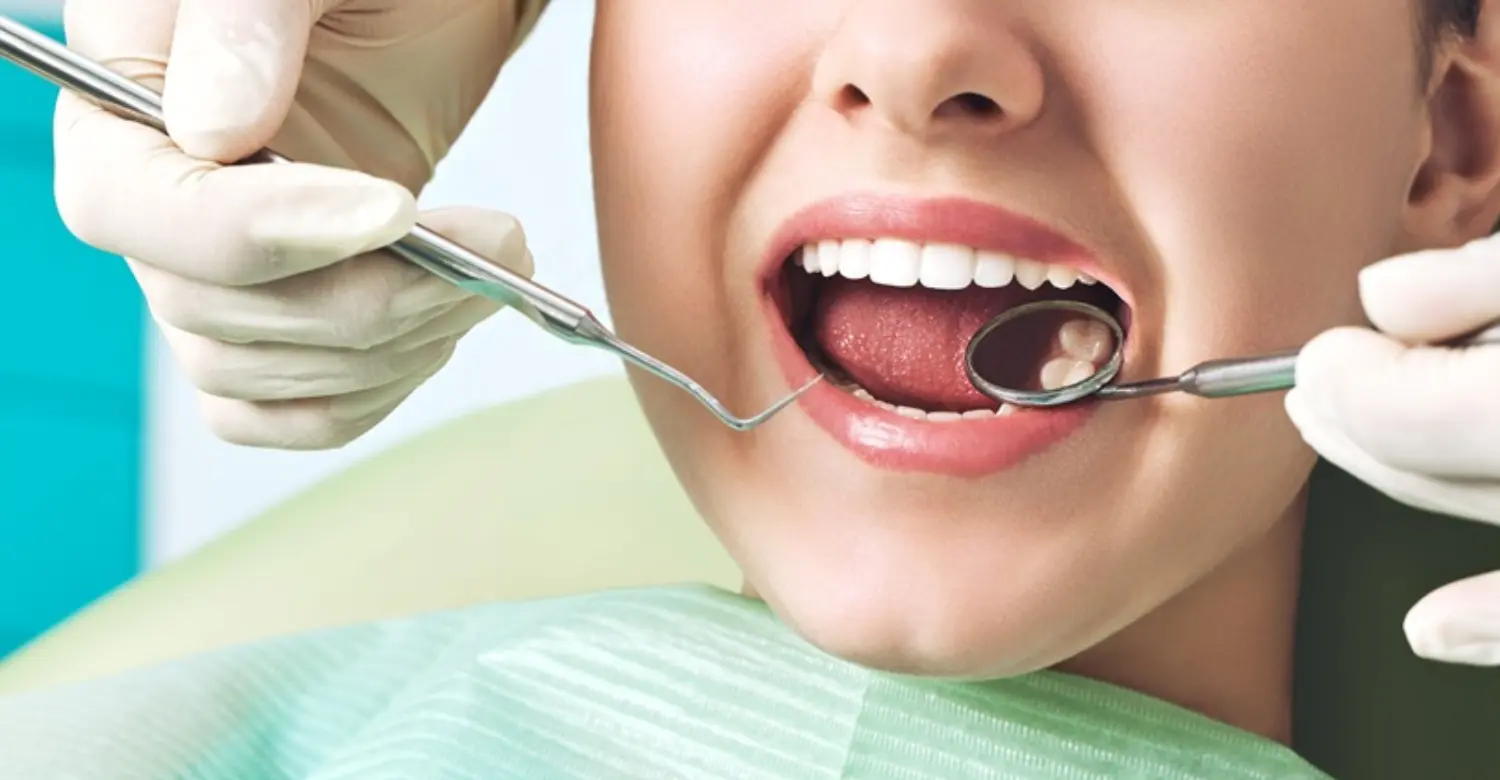
Dental appointments may need significant modification as MND progresses. Some patients may be more comfortable remaining in their wheelchair. The ALS Association specifically recommends discussing physical accommodations and swallowing impairments with dental offices.
What Should Patients Know About Dental Treatment for Motor Neurone Disease?
Dental treatment can be provided to many people with MND. Communication with the wider healthcare team may be necessary, particularly when swallowing or breathing function is significantly impaired. Preventive treatment is often valuable because complex procedures may become harder later.
Dental Treatment for Motor Neurone Disease
Treatment should be individualized according to disease stage and oral needs. The dentist should consider mouth opening, swallowing, breathing, mobility, communication, and fatigue.
Individualized Treatment Planning
Individualized planning is what makes Motor Neurone Disease and Oral Health workable in real clinics. Every patient should receive a treatment plan based on current functional abilities. The plan may prioritize prevention when treatment tolerance is limited. The patient and caregiver should understand the proposed treatment, and alternative approaches can be discussed when conventional procedures are difficult. Treatment decisions should never be based solely on diagnosis; functional status and patient preferences are equally important.
Patient Positioning and Comfort
Comfort and positioning are practical, often overlooked aspects of Motor Neurone Disease and Oral Health. Positioning can affect breathing, swallowing, and secretion management. Some patients may not tolerate a fully reclined dental chair. The dental team should determine the safest position with the patient, and wheelchair-based care may sometimes be preferable. NICE recommends considering posture and positioning when assessing saliva problems in MND.
Managing Saliva and Oral Secretions
Saliva management can be challenging during dental procedures. High-volume suction can help maintain a clearer field, and the team should explain suction procedures beforehand. NICE recommends considering swallowing, posture, oral care, and suction when managing saliva problems.
Communication During Dental Treatment
Speech difficulties can make traditional communication challenging. A simple hand signal, communication board, or digital device may help. Caregivers may assist when the patient requests support, though patient autonomy should remain central throughout treatment.
Dr. Rifat Alsaman's Opinion on Dental Treatment for MND Patients
From a clinical perspective, MND patients benefit from proactive dental planning rather than waiting for emergencies. Dr. The dental team should assess oral hygiene, swallowing concerns, saliva control, and appointment tolerance before treatment. Prevention can reduce the likelihood of painful dental emergencies and the need for lengthy procedures. At Vitrin Clinic, individualized planning can help organize preventive and restorative dental care around each patient's needs.
How Can You Prevent Dental Problems in MND Patients?
Prevention becomes increasingly important when daily oral hygiene becomes physically demanding. The strongest preventive strategy combines home care, professional dental monitoring, fluoride protection, dietary awareness, and caregiver support. Patients should receive practical instructions rather than complicated routines. The 2026 scoping review identified caregiver involvement and adaptive oral aids as important facilitators of oral care.
Preventing Dental Problems in MND Patients
Preventive care should begin early and continue throughout disease progression. Brushing twice daily helps control plaque. Professional examinations can detect problems before they become painful.
Maintaining Daily Oral Hygiene
Consistent plaque removal remains one of the most important preventive measures. Patients should brush twice daily using fluoride toothpaste. Interdental cleaning should be adapted to the patient's abilities.
Limiting Sugary Foods and Drinks
Frequent sugar exposure increases the risk of tooth decay. Patients should not make major nutritional changes without medical guidance.
Protecting Teeth From Dry Mouth
Dry mouth requires both symptom management and dental prevention. Fluoride toothpaste should remain central to caries prevention. Saliva substitutes or moisturizing products may provide comfort for selected patients, and persistent dryness should be discussed with the healthcare and dental teams.
Attending Regular Dental Checkups
Dental appointments allow early detection of problems and provide opportunities to adjust oral-care strategies. Visit frequency should reflect disease progression and oral-health risk.
Treating Gum Problems Early
Bleeding or swollen gums should not be ignored. Professional cleaning may be needed when home care becomes difficult, and caregivers can support daily plaque control between appointments. Understanding what periodontal disease looks like can help patients and caregivers recognize concerning changes.
How Can Caregivers Support Oral Hygiene for MND Patients?
Caregivers can become essential partners in daily oral care as physical function declines. Their role should support independence rather than unnecessarily replacing the patient's abilities. Dental professionals can demonstrate safe brushing and interdental techniques. Occupational therapists may also recommend adaptive equipment. The 2022 survey found that 40.4% of respondents wanted help with oral hygiene from dental professionals.
Helping With Daily Toothbrushing
Caregivers should first determine what the patient can still perform independently. They may prepare toothpaste, stabilize the toothbrush, or guide movement. Full assistance may become necessary as weakness progresses. Brushing should remain gentle and thorough, and the patient should be given enough time to communicate. Privacy and dignity should also be respected.
Supporting Interdental Cleaning
Floss holders and interdental brushes may simplify cleaning. The appropriate method depends on the patient's dexterity and gum condition. Caregivers should receive demonstrations from dental professionals, since incorrect technique can traumatize the gums.
Recognizing Early Signs of Dental Problems
Caregivers can monitor bleeding gums, swelling, tooth sensitivity, bad breath, mouth sores, and changes in chewing. New difficulty eating may sometimes reflect oral pain rather than swallowing progression. Loose teeth and persistent mouth sores should receive prompt dental assessment. Early reporting can prevent minor problems from becoming emergencies. Patients experiencing persistent gum discomfort can also review common causes of gum pain.
Helping Patients Attend Dental Appointments
Caregivers can communicate practical needs before appointments, including wheelchair access, transfer requirements, communication methods, and swallowing concerns. Medication lists should be updated before treatment. Caregivers can also help schedule appointments during periods when the patient has more energy. Good preparation can significantly improve appointment comfort.
How Can You Manage Dry Mouth in Motor Neurone Disease?
Dry mouth management should begin by identifying possible causes. Reduced fluid intake, medications, mouth breathing, and respiratory equipment may contribute. A dental examination can identify signs of reduced saliva, and medical review may identify medications or other contributing factors. Management should always consider swallowing safety, since strategies that require chewing or increased fluid intake may not suit every patient.
Managing Dry Mouth in Motor Neurone Disease
Management may involve hydration, saliva substitutes, fluoride protection, humidification, and medication review. Patients should discuss persistent symptoms with their healthcare team. Oral hygiene becomes particularly important when saliva protection decreases. Gentle oral moisturizers may improve comfort; products should be selected according to individual needs.
Why Saliva Matters for Oral Health
Saliva lubricates oral tissues and assists swallowing. It also contributes to oral clearance and buffering. Reduced saliva can increase discomfort and carry susceptibility. Saliva changes may therefore influence both oral health and eating. The ALS Association describes saliva as important for lubrication, mouth cleaning, and swallowing.
Hydration and Dry Mouth Management
Adequate hydration may support comfort when swallowing is safe. However, patients with dysphagia may require specific fluid recommendations. Patients should follow guidance from their swallowing specialist. Small, appropriate amounts may be easier for some individuals, and thickened liquids may be recommended for selected patients. Hydration strategies should never override swallowing safety.
Saliva-Stimulating Strategies
Sugar-free products may stimulate saliva in suitable patients. However, chewing can be unsafe when swallowing or jaw control is impaired. Patients should consult their dental or swallowing professional before using chewing gum. Other options include saliva substitutes or moisturizing products. The most suitable strategy depends on whether the patient has true dryness or saliva pooling.
Fluoride Protection for Dry Mouth
Fluoride becomes especially important when saliva protection is reduced. A dentist may recommend high-fluoride toothpaste or additional professional fluoride treatments for selected patients. Patients should use fluoride products according to professional instructions. Regular examinations can identify early caries before substantial tooth structure is lost.
Clinical Note: Preventing Dry Mouth-Related Dental Problems
Dry mouth should be treated as a dental risk factor rather than simply an uncomfortable symptom. The dental team should assess caries risk, plaque, gingival health, and mucosal condition. Fluoride prevention should be combined with effective plaque control. Patients using respiratory equipment may need additional moisturizing strategies. A personalized preventive plan can reduce complications while preserving comfort.
What We Notice Clinically: Motor Neurone Disease and Oral Health
Clinical management often reveals recurring patterns related to oral hygiene and muscle function. These patterns are not universal, and clinicians working in this area of Motor Neurone Disease and Oral Health quickly learn to expect variation. MND varies substantially between individuals. Common findings may include plaque accumulation, gingival inflammation, thick secretions, dry tissues, and difficulty controlling saliva. Early dental involvement can help identify these issues before they become advanced, which is one of the clearer lessons from clinical experience with Motor Neurone Disease and Oral Health.
Common Oral Health Patterns in MND Patients
Patients may present with oral changes that reflect reduced self-care ability. Some require caregiver assistance with brushing, while others remain independent but use adaptive equipment. The dental team should distinguish disease-related symptoms from preventable oral disease. Regular monitoring makes this distinction easier.
Plaque Accumulation
Plaque can increase when brushing becomes difficult. Areas around molars and gumlines may be especially challenging. Caregiver-assisted brushing can improve plaque removal, and professional cleaning can remove calculus that prevents effective brushing.
Gingival Inflammation
Gingival inflammation may reflect inadequate plaque control. Bleeding during brushing can discourage patients from cleaning further, though gentle but thorough hygiene should continue. Professional periodontal assessment can determine the severity of inflammation.
Dry or Irritated Oral Tissues
Dry tissues may appear red, sensitive, or uncomfortable. Patients may report burning or sticky sensations. Dentists should identify possible causes and recommend appropriate moisturizing strategies.
Difficulty Controlling Oral Secretions
Saliva pooling can occur when swallowing becomes impaired, producing drooling without increased saliva production. Posture, suction, swallowing management, and medical treatment may all be relevant.
Dr. Rifat Alsaman's Clinical Opinion
Dr. Rifat Alsaman considers prevention particularly important when progressive weakness makes routine dental care increasingly difficult. The dental team should identify functional barriers early. Caregivers should receive practical oral-hygiene instructions before assistance becomes urgently necessary. Dental visits should prioritize comfort, communication, airway awareness, and prevention. A structured plan can reduce emergency dental treatment and unnecessary patient fatigue.
How Can Dental Professionals Make Dental Visits Easier for MND Patients?
Dental professionals can improve access by modifying appointments around individual limitations. The patient's physical abilities should be discussed before treatment. Accessibility, communication, positioning, fatigue, and swallowing should all be considered. A multidisciplinary approach may be necessary for patients with advanced symptoms.
Individualized Appointment Planning
Appointments should be scheduled according to energy levels when possible. Patients may benefit from shorter visits with clear treatment priorities. Medical history should be reviewed before each major treatment.
Shorter and More Comfortable Dental Sessions
Long procedures can increase fatigue and discomfort. Breaking treatment into smaller appointments may improve tolerance. The dental team should provide rest breaks when required.
Positioning and Accessibility Considerations
Wheelchair access should be confirmed before appointments. Patients may require assistance with transfers or prefer treatment in their own wheelchair. Positioning should support breathing and secretion management.
Communication Between the Patient and Dental Team
Communication should be planned before treatment begins. Patients with speech difficulties may use communication boards or electronic devices. The dental team should agree on a stop signal.
Vitrin Clinic: Personalized Dental Care for Patients With Complex Oral Health Needs
Vitrin Clinic can approach complex dental needs through individualized treatment planning and preventive care. Patients with neurological conditions may require more than conventional dental treatment. Their care can involve detailed assessment of oral hygiene, dental disease, functional limitations, and treatment tolerance. A patient-centered approach can help coordinate preventive and restorative priorities.
A Preventive Approach to Motor Neurone Disease and Oral Health
Prevention should remain central throughout treatment, and it is the guiding principle behind Vitrin Clinic's approach to Motor Neurone Disease and Oral Health. Regular examinations can identify plaque, gingivitis, cavities, periodontal disease, and oral irritation. Home-care instructions can be adjusted as physical abilities change, and caregiver participation can also be incorporated when appropriate.
Personalized Dental Treatment Planning
Treatment planning should reflect the patient's current functional status. Complex treatment may be divided into manageable stages. Preventive priorities should be established before elective procedures.
Preventive Oral Health Monitoring
Monitoring should include teeth, gums, oral tissues, saliva, plaque, and hygiene effectiveness. Risk assessment can help determine appointment frequency.
Patient-Centered Treatment
Patient preferences should influence treatment decisions. Communication needs should be respected throughout the appointment, and caregivers can participate when authorized by the patient.
Comfortable Dental Care
Comfort should remain a priority. Positioning, appointment length, suction, communication, and rest breaks can all be adapted.
Why Choose Vitrin Clinic for Personalized Dental Care?
Choosing a dental clinic for complex care requires attention to communication, prevention, accessibility, and individualized planning. Vitrin Clinic emphasizes personalized treatment planning rather than applying one routine to every patient.
Comprehensive Oral Health Assessment
A comprehensive assessment can identify dental and periodontal risks. It can also reveal functional barriers affecting daily oral hygiene.
Modern Dental Technology
Modern dental technology can support diagnosis and treatment planning. Digital tools may help improve visualization and documentation. Technology should complement clinical judgment rather than replace patient-centered assessment of Motor Neurone Disease and Oral Health. For selected procedures, laser dentistry may also provide a minimally invasive treatment option.
Individualized Treatment Plans
Each patient can receive a treatment plan based on current needs. Preventive and restorative priorities can be organized according to tolerance and urgency.
Focus on Long-Term Oral Health
Long-term prevention is particularly important when disease progression can change oral-care abilities. Regular monitoring allows the treatment plan to evolve.
Final Thoughts on Motor Neurone Disease and Oral Health
Oral health deserves consistent attention throughout MND management. Muscle weakness, swallowing difficulties, saliva changes, and reduced dexterity can make conventional hygiene harder. Research shows substantial unmet need in this area. The 2026 scoping review found limited integration of dental professionals into multidisciplinary MND care. Preventive dentistry can reduce avoidable pain and treatment complexity, and it remains one of the most effective tools available for managing Motor Neurone Disease and Oral Health over the long term.
Protecting Oral Health Through Prevention and Personalized Care
The most effective approach combines daily hygiene, fluoride protection, professional monitoring, caregiver support, and individualized treatment. Patients should receive practical advice before oral problems become severe. Care plans should change as physical function changes.
When Should MND Patients See a Dentist?
Patients should maintain regular dental examinations based on individual risk. They should seek earlier assessment for tooth pain, swelling, bleeding gums, persistent sores, broken teeth, or worsening bad breath. New difficulty eating may also warrant dental assessment. Urgent symptoms should not automatically be attributed to MND.
Reference
Dr. Rifat Alsaman has more than 5 years of clinical experience in dentistry and currently serves as the Head of the Medical Team at Vitrin Clinic. He is dedicated to providing exceptional patient care, overseeing treatment planning, and ensuring the highest clinical standards across the team. His expertise, attention to detail, and commitment to continuous professional development have helped countless patients achieve healthier, more confident smiles.


.webp&w=3840&q=75)

