

Are energy drinks bad for your teeth? Many patients ask this after noticing sensitivity or discoloration. Energy drinks combine two ingredients dentists watch closely: high sugar content and strong acidity. Frequent exposure to both can contribute to enamel erosion, tooth decay, cavities, and sensitivity. The real risk depends on frequency, quantity, ingredients, and daily oral hygiene habits. This guide offers professional dental guidance rather than a blanket warning. It also previews practical ways patients can reduce these effects while still protecting their teeth from long-term damage. The goal is a clear answer, not a vague worry.
Are Energy Drinks Bad for Your Teeth?
Are energy drinks bad for your dental health? Yes, in certain patterns of use. Sugar feeds oral bacteria, while acids directly soften enamel with every sip. Occasional consumption carries far less risk than sipping slowly throughout the day. Extended contact time means longer acid exposure for your enamel. This is part of how energy drinks affect teeth over time. Interestingly, brushing immediately after an acidic drink can do more harm than good. Enamel is temporarily softened and needs time to recover before brushing.
Why Are Energy Drinks Particularly Concerning Oral Health?
Many energy drinks combine high sugar levels with a low, acidic pH. This pairing raises the question, are energy drinks bad for your teeth in ways soft drinks are not? Long sipping sessions extend acid exposure across the day. The combination of sugar and acidity compounds dental risk rather than acting separately. Together, these factors explain why dentists highlight energy drinks and enamel erosion alongside decay risk. Both are distinct but overlapping concerns worth discussing at routine checkups.
How Energy Drinks Affect Teeth Differently From Occasional Soft Drinks
Frequency and duration of exposure matter more than the drink type itself. Carbonation and acidity both play a role in how energy drinks affect teeth. Sugary formulations feed decay-causing bacteria, while sugar-free versions still carry acidity. This is why sugar-free does not automatically mean tooth-friendly. Acidic drinks and tooth enamel remain closely linked regardless of sugar content. Patients should evaluate the full ingredient list rather than sugar levels alone.
How Energy Drinks Affect Your Teeth and Enamel
Are energy drinks bad for your teeth at the enamel level specifically? Dental erosion is the chemical loss of enamel from acid exposure over time. Common acids in these beverages gradually soften the tooth surface. Weakened enamel becomes more vulnerable to sensitivity, staining, and physical wear. Unlike other tissues, enamel cannot regenerate once it is permanently lost. This is why prevention matters far more than treatment after the fact.
Energy Drinks and Enamel Erosion
Energy drinks and enamel erosion are closely connected through repeated acid contact. Each sip briefly lowers the pH around your teeth, softening the outer enamel layer. Saliva gradually neutralizes this acidity, but frequent sipping does not allow enough recovery time. Over months and years, this cycle thins enamel permanently. Because enamel loss cannot reverse itself, addressing consumption habits early offers far more protection than restorative treatment later. This is why dentists emphasize prevention over correction.
Acidic Drinks and Tooth Enamel
Acidic drinks and tooth enamel interact through a straightforward chemical process: acid softens the mineral structure of enamel on contact. Repeated acid attacks throughout the day, rather than one single drink, cause the most damage. Slowly sipping an energy drink across an afternoon can be more harmful than finishing it quickly with a meal. This is a key reason energy drinks are bad for your teeth, depending heavily on drinking pattern rather than the drink alone.
Can Energy Drinks Cause Tooth Sensitivity?
Energy drinks cause tooth sensitivity when enamel erosion exposes the more sensitive layers underneath. Patients often notice discomfort with cold, hot, sweet, or acidic foods. Mild, occasional sensitivity may simply reflect recent exposure. Persistent or worsening sensitivity, however, should prompt a dental examination rather than home remedies. Sensitivity can also signal other conditions. A proper evaluation helps identify the true underlying cause before it progresses further.
Energy Drinks and Tooth Decay: What Is the Connection?
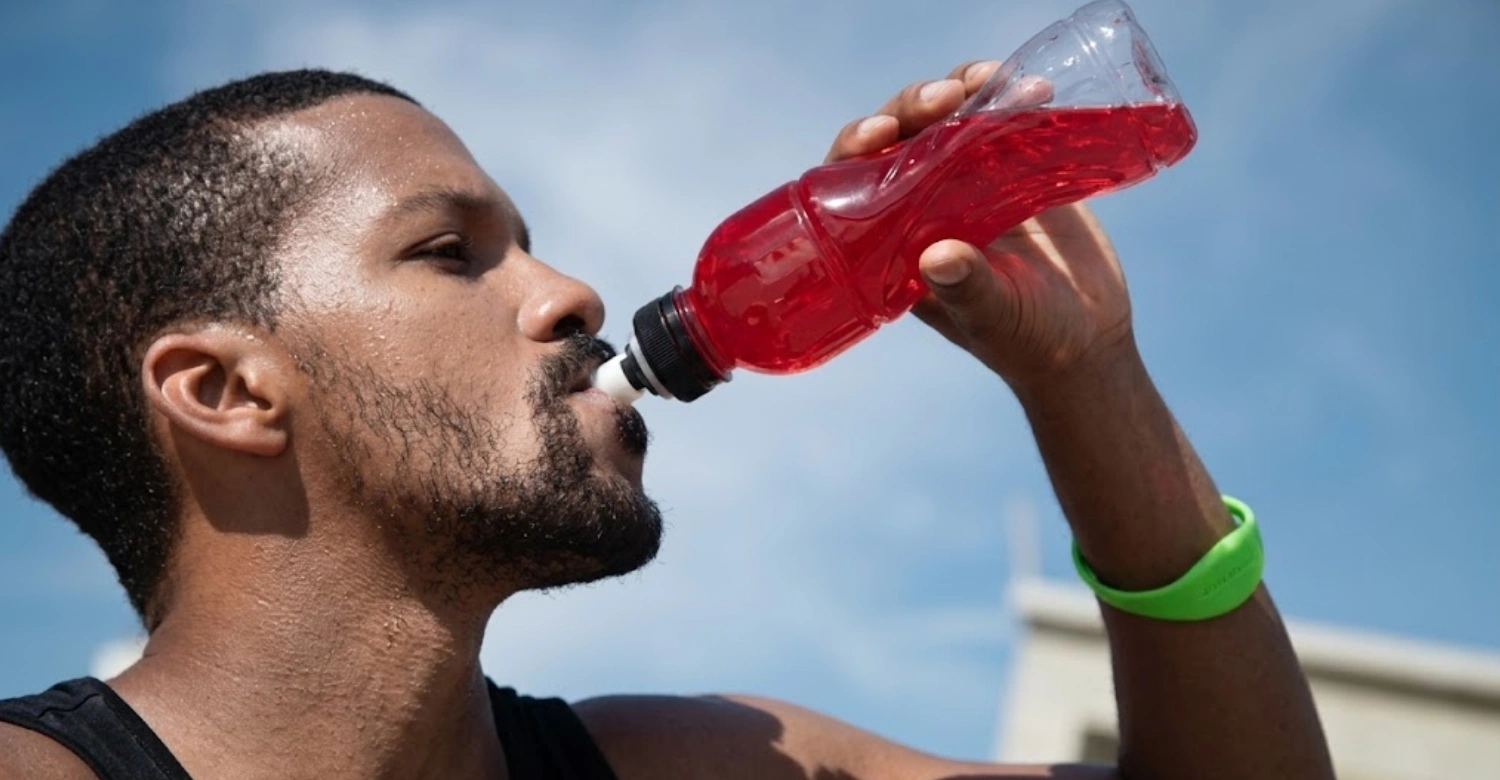
Energy drinks and tooth decay are linked through the sugars many formulations contain. Oral bacteria metabolize fermentable sugars and release acids as a byproduct. This demineralizes enamel from the outside in. Frequency of sugar exposure matters more than the total amount consumed in one sitting. Sipping a sugary energy drink for hours gives bacteria repeated opportunities to produce acid. Pattern of consumption outweighs quantity alone when patients ask are energy drinks bad for your teeth.
Sugar in Energy Drinks and Teeth
Sugar in energy drinks and teeth interact through the same bacterial process seen with other sugary beverages. Bacteria in plaque convert sugar into acid within minutes of exposure. Repeated sugar intake throughout the day means repeated acid attacks on enamel. A single sugary drink with a meal is far less damaging than the same drink sipped continuously. Reducing frequency, not just total sugar, meaningfully lowers decay risk over time and supports overall enamel health.
Energy Drinks and Cavities
Energy drinks and cavities become more likely with repeated sugar and acid exposure over time. Certain areas, including the grooves of back teeth and spaces between teeth, are particularly vulnerable to plaque buildup. Poor brushing and flossing habits compound this risk considerably. Combining frequent energy drink consumption with inconsistent oral hygiene creates conditions where decay can progress quickly. Symptoms often stay unnoticeable until a routine check-up.
Can Sugar-Free Energy Drinks Prevent Tooth Damage?
Sugar-free formulations reduce cavity risk since bacteria have less fuel to convert into acid. However, they do not eliminate the question of whether are energy drinks bad for your teeth overall. Acidity in sugar-free versions can still contribute meaningfully to enamel erosion. Patients should check full ingredient labels rather than assuming zero sugar equals harmless to teeth. Acidic additives remain a separate concern worth discussing with a dentist.
Tips for Patients
- Limit how frequently you consume energy drinks
- Avoid keeping the drink in your mouth or sipping for hours
- Choose water as your primary everyday beverage
- Avoid brushing immediately after acidic drinks
- Rinse with water after consumption
- Maintain consistent fluoride toothpaste use
- Clean between your teeth daily
- Do not ignore persistent tooth sensitivity
- Attend regular dental examinations
- Ask about personalized preventive strategies if you regularly consume acidic beverages
Can Energy Drinks Damage Your Gums?
Are energy drinks bad for your teeth and gums alike? Gum health is closely tied to plaque control rather than any single beverage. Energy drinks do not directly cause every case of gum disease on their own. However, high-sugar habits can indirectly contribute through increased plaque accumulation along the gumline, which can also contribute to bad breath. Brushing carefully at the gumline and cleaning between teeth daily remain the most effective ways to protect gum tissue from irritation and inflammation over time.
Energy Drinks and Gum Health
Energy drinks and gum health connect through the relationship between plaque, sugar, and inflammation. Plaque that is not removed regularly can irritate gum tissue over time. Sugary residue left along the gumline feeds the same bacteria responsible for gum inflammation. Consistent brushing along the gumline, combined with daily interdental cleaning, significantly reduces this risk regardless of how frequently energy drinks are consumed throughout a normal week or busy schedule.
Signs Your Energy Drink Habit May Be Affecting Your Oral Health
Recognizing early warning signs allows patients to address habits before more significant damage develops.
- Increased tooth sensitivity
- Tooth discoloration
- Rough or translucent-looking enamel
- Frequent cavities
- Bad breath
- Bleeding or inflamed gums
- Dental pain
Clinical Note
Visible enamel changes should always be professionally assessed rather than self-diagnosed at home. Enamel erosion, tooth decay, abrasion, and attrition each have different causes and require different treatments. Sensitivity does not always mean enamel erosion either; cavities, cracks, and exposed roots can cause similar symptoms. A comprehensive dental examination is recommended when symptoms persist. Early intervention consistently prevents enamel loss or decay from becoming more extensive and costly to treat later on.
How to Protect Your Teeth From Energy Drinks
Patients who want to protect teeth from energy drinks can rely on a handful of consistent habits. Are energy drinks bad for your teeth if you follow preventive steps carefully? The risk drops substantially with the right routine. Reducing frequency, rinsing with water, timing your brushing correctly, and maintaining fluoride-based hygiene all work together. None of these steps require giving up energy drinks entirely for most patients with otherwise healthy teeth and consistent hygiene habits.
Reduce Frequency Rather Than Sipping Throughout the Day
Prolonged exposure increases the total number of acid attacks your enamel experiences daily. Sipping a single energy drink across several hours multiplies contact time significantly compared to drinking it quickly. Consuming the beverage over a shorter period, ideally alongside a meal, allows saliva to neutralize acidity sooner. This single habit change is one of the most effective ways to protect teeth from energy drinks without altering your overall diet or routine significantly.
Use a Straw When Appropriate
Positioning a straw toward the back of the mouth may reduce direct contact between the drink and your front teeth. This small adjustment can lower localized acid exposure in certain areas. However, a straw does not eliminate the overall dental risks associated with sugar and acidity. It works best as one part of a broader routine rather than a standalone solution to how energy drinks affect teeth on their own.
Rinse With Water Afterwards
Drinking or rinsing with plain water immediately after an energy drink helps clear residual acids and sugars from the mouth. This simple step dilutes acidity and reduces the time bacteria have to act on remaining sugar. It takes only a few seconds but meaningfully supports enamel recovery. Many patients find this the easiest habit to maintain consistently, even when other lifestyle changes feel more difficult to sustain long term.
Wait Before Brushing
Brushing immediately after an acidic drink can be undesirable, since enamel is temporarily softened. Allowing saliva and time to help neutralize the acidic environment first protects enamel from additional mechanical wear. Waiting roughly thirty minutes before brushing is a widely recommended approach. This timing detail is one of the most overlooked answers to how to genuinely protect teeth from energy drinks and similar acidic beverages consumed regularly throughout the week.
Maintain Fluoride-Based Oral Hygiene
Fluoride remains one of the most reliable tools for strengthening enamel weakened by frequent acid exposure.
- Twice-daily brushing with fluoride toothpaste
- Daily interdental cleaning
- Regular dental check-ups
- Professional fluoride treatment when clinically appropriate
What Dental Treatment Is Available If Energy Drinks Have Damaged Your Teeth?
Treatment always depends on the type and severity of damage present. Are energy drinks bad for your teeth to the point of needing restorative work? For some patients, yes, particularly with years of frequent exposure. Options range from preventive fluoride care to more involved restorative treatment. A thorough evaluation determines which approach suits each patient, since enamel erosion, decay, and wear often require distinctly different treatment strategies and timelines to resolve properly.
Fluoride Treatment and Preventive Care
Fluoride treatment is appropriate for patients showing early enamel weakening or increased caries risk. Fluoride supports remineralization of early enamel changes before they progress into more significant, irreversible damage. This option works best when caught early through regular dental visits. Combined with reduced acid exposure at home, professional fluoride application can meaningfully slow or even halt early-stage energy drinks damaging teeth patterns before restorative work becomes necessary at all.
Dental Bonding
Dental bonding may be considered for certain areas of enamel loss, tooth wear, or related cosmetic concerns. Suitability depends heavily on the amount and location of tooth structure that has been lost. Bonding can restore shape and appearance in more limited cases of damage. For more extensive wear, additional restorative options are typically discussed alongside bonding as part of a broader, individualized treatment plan.
Treatment for Tooth Decay and Cavities
Fillings are generally appropriate for cavities identified at an early or moderate stage of decay. Deeper decay that has reached inner tooth structures may require more extensive treatment beyond a standard filling. Addressing energy drinks and tooth decay early, through routine checkups, typically means simpler and less costly treatment overall. Delayed treatment allows decay to spread further, increasing both complexity and cost significantly over time.
Treatment for Significant Enamel Wear
More advanced tooth wear may require restorative treatment beyond simple bonding or fillings alone. Possible options include bonding, veneers, crowns, or other restorations depending on the specific clinical situation. Restorative treatment should never replace correcting the underlying dietary or oral-hygiene habits that caused the wear. Without habit changes, even well-placed restorations remain vulnerable to the same acid and sugar exposure that caused the original damage in the first place.
What Can Patients Expect Before and After Treatment?
Understanding what to expect helps patients feel more prepared for any recommended treatment. Are energy drinks bad for your dental health in ways that show up clearly during examination? Often, yes, through visible wear patterns or sensitivity testing. A structured process, from initial assessment through aftercare, ensures treatment addresses both visible damage and the habits contributing to it. This avoids offering only a quick, temporary fix.
Before Treatment
Every treatment plan begins with a thorough, individualized evaluation of current oral health.
- Comprehensive dental examination
- Assessment of enamel condition
- Evaluation for cavities, cracks, sensitivity, and gum problems
- Review of dietary and oral-hygiene habits
- Photographs and diagnostic imaging when clinically indicated
After Treatment
Recovery expectations vary depending on the type and extent of treatment received.
- Improved tooth structure and function where restoration was required
- Possible reduction in sensitivity depending on the underlying cause
- Improved appearance where cosmetic restoration was appropriate
- Continued preventive care remains essential going forward
Why Prevention Matters After Treatment
Restorations do not make teeth immune to further acid or sugar exposure going forward. Patients should maintain healthier beverage and oral-hygiene habits specifically to protect their treatment results long term. Without these changes, energy drinks damage teeth again over time, even after successful restorative work. Prevention remains just as important after treatment as it was beforehand, since new damage can develop around existing restorations if habits do not change.
How Can You Reduce the Dental Risks of Energy Drinks?
Are energy drinks bad for your teeth if you never adjust your habits? The risk certainly compounds over years of unchanged behavior. Reducing frequency and prolonged exposure remains the single most effective change available. Encouraging water as your primary beverage, maintaining fluoride use, and attending professional check-ups round out an effective preventive routine. Occasional consumption is genuinely different from frequent daily exposure, so patients noticing symptoms should seek professional assessment promptly rather than waiting.
What We Notice Clinically
Dr. Rifat Alsaman, Head of the Medical Team and a cosmetic dentist at Vitrin Clinic, notes that concern usually relates to frequency of exposure rather than occasional consumption alone. Dr. Rifat Alsaman regularly observes enamel wear, sensitivity, caries, and existing restorations affected by long-term dietary habits. According to Dr. Rifat Alsaman, identifying the underlying cause matters more than treating only the visible dental problem, since the same habit can present very differently between individual patients over time.
Clinical Takeaway
Patients are encouraged to discuss persistent sensitivity, enamel changes, or recurring cavities with a dentist promptly. Personalized assessment matters because the same beverage habit may affect patients differently depending on saliva flow, oral hygiene, diet, and existing dental conditions. Are energy drinks bad for your dental health in your specific case? Only a professional evaluation can answer that question accurately, rather than general guidance applied uniformly to every patient regardless of their individual history.
How Vitrin Clinic Can Help Protect and Restore Your Smile
Vitrin Clinic offers personalized dental assessment for patients concerned about the effects of energy drinks on their teeth. A comprehensive evaluation covers enamel condition, cavities, tooth sensitivity, gum health, and existing restorations. Treatment planning is tailored to each patient's specific dental condition and goals. Where clinically indicated, appropriate cosmetic and restorative options are discussed alongside preventive advice. Patients experiencing sensitivity, recurring cavities, or visible enamel changes are encouraged to arrange a professional consultation for a thorough, individualized assessment.


.webp&w=3840&q=75)

