

Gum contouring can improve gumline symmetry while creating a more balanced smile appearance. Understanding the Gum Contouring Recovery Timeline and Aftercare helps patients prepare for temporary tenderness, swelling, and visual changes. Most uncomplicated cases improve progressively during the first several days. However, complete gumline stabilization can require several weeks. Your dentist should provide instructions based on treatment extent and individual healing factors. At Vitrin Clinic, this guidance is tailored to the treated area and patient's clinical needs.
What Is Gum Contouring and Why Does Recovery Matter?
Gum contouring reshapes excess gum tissue around selected teeth. The procedure can improve uneven gumlines and excessive gingival display. Recovery matters because newly treated tissue needs protection during early healing. Poor aftercare may increase irritation, bleeding, or delayed tissue recovery. Good hygiene also helps maintain a healthy oral environment during healing. Clinical outcomes depend on treatment planning, tissue condition, and patient cooperation all part of a well-managed recovery and aftercare plan.
What Happens During Gum Contouring?
The dentist first evaluates gum position, tooth proportions, and periodontal health. Excess tissue is then carefully removed or reshaped according to the treatment plan. The clinician aims to create a balanced and biologically appropriate gumline. Treatment may involve laser technology or conventional periodontal instruments. The technique depends on clinical requirements rather than cosmetic preference alone, and it directly shapes what a patient can expect during recovery afterward.
How Excess Gum Tissue Is Reshaped
The clinician marks the intended gumline before removing selected tissue. Careful tissue removal helps establish consistent contours around individual teeth. The dentist must preserve appropriate periodontal structures during reshaping. The final contour should support both aesthetics and periodontal health. Excessive tissue removal can create unwanted sensitivity or periodontal complications.
Laser vs. Traditional Gum Contouring
Laser techniques use concentrated energy to remove selected soft tissue. Some lasers can simultaneously coagulate small blood vessels during treatment. Traditional techniques use conventional periodontal surgical instruments for tissue removal. Research suggests laser procedures may reduce bleeding in selected clinical situations. However, faster healing is not guaranteed for every patient or procedure.
What Factors Affect Gum Contouring Recovery?
Healing varies because each patient has different biological and treatment characteristics. Treatment size remains one of the most important considerations in this process. Oral hygiene, smoking, nutrition, systemic health, and tissue condition can also influence healing. Following professional instructions generally supports a smoother recovery process.
Treatment Extent
Small contouring procedures often involve limited postoperative tissue disruption. Larger treatment areas may produce more tenderness and temporary swelling. Treating several teeth can therefore require more attention during early recovery. Your dentist can estimate recovery expectations after examining the treatment area.
Individual Healing Response
People heal at different rates because biological responses vary considerably. Age, tissue quality, medications, and general health can influence recovery. Previous periodontal problems may also affect treatment planning and healing expectations. Therefore, published timelines should be considered general guidance rather than guarantees.
Oral Hygiene and Lifestyle
Gentle oral hygiene helps reduce bacterial accumulation around healing tissues. Smoking can interfere with normal tissue healing and increase periodontal risks. Alcohol may irritate recently treated oral tissues in some situations. Patients should follow their dentist's specific instructions regarding hygiene and lifestyle.
Gum Contouring Recovery Time: How Long Does Healing Take?
Recovery usually progresses through several recognizable stages, and understanding this sequence helps patients know what to expect. Initial tenderness often occurs during the first few days. Soft tissues commonly appear calmer during the first week. The gumline may continue stabilizing during the following weeks. Final assessment should consider tissue health rather than appearance alone.
Gum Contouring Recovery Timeline and Aftercare: Stage-by-Stage
The timeline below provides a general framework for uncomplicated cases. Individual recovery may be shorter or longer depending on clinical circumstances. Your dentist remains the best source for personalized recovery expectations.
First 24 Hours After Gum Contouring
Mild tenderness can develop after the local anesthetic wears off. Some patients notice slight bleeding or sensitivity around treated areas. Cold compresses may help reduce temporary facial swelling when recommended. Avoid disturbing the treated gum tissue with fingers or aggressive brushing. Follow prescribed medications or rinsing instructions exactly as directed this is the first checkpoint of the early recovery process.
Days 2–3: Early Healing Stage
Tenderness may remain noticeable during the second and third days. Swelling can become more apparent before gradually improving. Patients should continue gentle oral hygiene according to professional instructions. Soft foods can reduce mechanical irritation around sensitive gum tissue. Sudden worsening symptoms should receive professional assessment.
Days 4–7: Gum Reshaping Healing Process
Many patients notice improved comfort during this period. Redness and swelling may gradually decrease as tissue healing progresses. The gumline can still appear different from its eventual appearance. Avoid judging the final cosmetic result during early healing. Continue protecting the treated tissue from unnecessary mechanical irritation.
Weeks 2–4: Gum Contouring Healing Stages
Soft tissues usually become more stable during the second through fourth weeks. Sensitivity often decreases as epithelial healing progresses. The gumline may appear increasingly natural during this period. Your dentist may evaluate healing during a scheduled follow-up appointment. Persistent symptoms should not be ignored simply because several weeks have passed.
After 1 Month: Gumline Stabilization
Many uncomplicated cases show substantial stabilization after approximately one month. However, deeper tissue remodeling can continue beyond the initial healing period. Final appearance should be evaluated after sufficient tissue maturation. Your clinician can determine whether the gumline has stabilized appropriately. Follow-up assessment is particularly valuable after extensive contouring procedures, marking the final stage of this healing journey.
Clinical Note: Why Recovery Timelines Differ
Clinical recovery cannot be predicted using one universal schedule. Treatment extent, tissue manipulation, hygiene, and individual biology all influence healing. Studies of periodontal soft-tissue procedures demonstrate variation between patients and techniques. Therefore, recovery information should guide expectations rather than replace clinical evaluation. At Vitrin Clinic, recovery progress can be reviewed according to individual treatment circumstances.
What to Expect After Gum Contouring
Patients commonly experience temporary tenderness, sensitivity, redness, or swelling. These effects usually become less noticeable as healing progresses. Early gum appearance can also differ from the final stabilized result. Knowing expected changes can prevent unnecessary concern during a normal recovery experience.
Gum Contouring Pain and Swelling
Discomfort is usually associated with soft-tissue manipulation during treatment. Pain intensity varies according to treatment extent and individual sensitivity. Swelling can occur around recently treated gum tissues. It often decreases as the inflammatory response settles. Persistent or increasing discomfort requires professional assessment.
Changes in Gum Appearance During Healing
Healing tissue can look redder than mature gum tissue. Temporary swelling may also make the gumline appear uneven. Some areas may appear lighter or darker during tissue maturation. These changes do not necessarily indicate an unsuccessful cosmetic outcome. Final evaluation should occur after adequate healing time.
What Is Normal During Recovery?
Normal recovery generally involves gradual improvement rather than progressive deterioration, which is the hallmark of a healthy healing process. Mild symptoms should become less noticeable over time. Temporary sensitivity can occur around recently reshaped teeth. The treated tissue may also feel different during early healing. Your dentist should assess symptoms that become stronger instead of improving.
Mild Tenderness and Sensitivity
Mild tenderness is common after soft-tissue manipulation. Sensitivity may occur when eating, brushing, or drinking certain beverages. Symptoms generally become less noticeable as healing progresses. Avoiding unnecessary pressure can improve comfort during early recovery.
Temporary Redness and Swelling
Healing tissues can appear red or mildly swollen during the initial period. This reflects the body's response to tissue injury and repair. The appearance should gradually become calmer as healing progresses. Rapidly increasing swelling requires professional evaluation.
Temporary Changes in Gum Color
Healing gums can temporarily display color changes. Newly healing tissue may not resemble surrounding mature tissue immediately. Color generally becomes more consistent as tissue maturation continues. Persistent unusual discoloration should be evaluated by a dental professional.
What Symptoms Require Dental Attention?
Patients should contact their dental provider when symptoms worsen unexpectedly, since deviations from the expected recovery path can signal a problem. Professional evaluation is particularly important for significant bleeding or swelling. Persistent severe pain may indicate a complication requiring assessment. Early intervention can help identify problems before they become more extensive.
Persistent or Worsening Pain
Pain that progressively increases requires professional assessment. Severe discomfort may have causes unrelated to routine healing. Do not repeatedly increase medication without professional guidance. Your dentist can determine whether additional treatment is necessary.
Significant Bleeding or Swelling
Small amounts of bleeding can occur immediately after soft-tissue procedures. Heavy or persistent bleeding is different and deserves prompt evaluation. Rapidly increasing swelling also requires professional assessment. Follow your clinic's emergency instructions if these symptoms occur.
Possible Signs of Infection
Possible infection signs include worsening pain, swelling, discharge, or systemic symptoms. Fever or significant malaise should receive appropriate medical attention. Patients should not self-diagnose oral infections based solely on appearance. Professional examination is necessary when infection is suspected.
Gum Contouring Recovery Timeline and Aftercare: Instructions for Faster Healing
Aftercare aims to protect healing tissue while maintaining appropriate oral cleanliness. Instructions should always be personalized by the treating dental professional. Patients should avoid unnecessary trauma during the early healing period. Following instructions consistently can support predictable tissue recovery.
Gum Contouring Post-Treatment Care
Protecting the treated area is particularly important during the first several days. Patients should follow prescribed rinsing and medication instructions carefully. Avoid touching healing tissue unnecessarily with fingers or objects. Maintain oral hygiene using the method recommended by your dentist.
Oral Hygiene After Gum Contouring
Oral hygiene remains important because plaque can irritate healing tissues. However, aggressive brushing can traumatize recently treated areas. Use the toothbrush and technique recommended by your dental professional. Do not independently modify prescribed antiseptic rinses or medications. Professional instructions should take priority over generic online recommendations.
Protecting the Treated Gum Tissue
Avoid activities that repeatedly rub or traumatize the healing gumline. Hard foods can mechanically irritate sensitive tissues during early recovery. Avoid pulling the lip repeatedly to inspect the treated area. Frequent touching can disturb fragile healing tissue.
How to Speed Up Gum Contouring Recovery
There is no guaranteed method for dramatically accelerating biological healing. However, supportive habits can help create favorable conditions throughout the Gum Contouring Recovery Timeline and Aftercare. Following professional instructions is usually more important than using additional products. Adequate nutrition and appropriate oral hygiene can support normal tissue repair.
Habits That Support Healing
Follow your dentist's instructions consistently throughout the recovery period. Choose comfortable foods that minimize mechanical irritation. Maintain recommended oral hygiene without aggressively disturbing treated tissue. Attend scheduled follow-up appointments when advised. Avoid smoking because tobacco exposure can impair periodontal healing.
Habits That Can Delay Recovery
Smoking can negatively affect blood flow and periodontal tissue healing. Poor oral hygiene can increase plaque accumulation around healing tissues. Aggressive brushing may mechanically traumatize recently treated areas. Ignoring persistent symptoms can delay diagnosis of potential complications. Unapproved home remedies may also irritate sensitive tissues.
Tips for Patients
A simple recovery routine can make aftercare easier to follow. Patients should prepare suitable foods before treatment when possible. Keeping prescribed medications available can also reduce unnecessary disruption. Written instructions can help patients remember important postoperative recommendations.
First 24-Hour Aftercare Checklist
- Follow all instructions provided by your dental team.
- Avoid unnecessary touching of the treated gumline.
- Choose soft, comfortable foods as recommended.
- Use prescribed medication exactly as directed.
- Monitor unusual bleeding, swelling, or worsening pain.
- Contact your clinic if symptoms develop.
First-Week Recovery Tips
- Continue gentle oral hygiene throughout the first week.
- Avoid activities that repeatedly traumatize sensitive gum tissue.
- Choose foods that feel comfortable and minimize pressure.
- Attend follow-up appointments when scheduled by your dentist.
- Expect gradual improvement rather than immediate final results.
Long-Term Gum Care
Long-term gum health depends on consistent oral hygiene and periodontal maintenance. Regular dental examinations can identify inflammation before it becomes more advanced. Professional cleanings may be recommended according to individual periodontal risk. Healthy gums provide an important foundation for lasting cosmetic results.
Gum Contouring Diet During Recovery
Diet can influence comfort during the early soft-tissue healing stage of the Gum Contouring Recovery Timeline and Aftercare. Soft foods usually reduce mechanical stress around treated areas. Patients should follow dietary instructions provided by their treating dentist. Individual recommendations may vary according to treatment extent and clinical findings.
What Can You Eat After Gum Contouring?
Comfortable foods are generally preferable during the earliest recovery period. Soft textures reduce pressure against sensitive gum tissue. Nutrient-rich foods can also support normal tissue repair. Patients should maintain adequate hydration unless medically restricted.
Best Foods During the First Few Days
Suitable options can include soft eggs, yogurt, soups, and smoothies. Mashed vegetables and soft grains may also be comfortable choices. Avoid extreme temperatures if the treated area feels sensitive. Choose foods that require minimal chewing near the treated gumline.
Foods and Drinks to Avoid
Hard, crunchy foods can mechanically irritate healing tissues. Very spicy foods may feel uncomfortable around sensitive areas. Highly acidic beverages can also increase irritation in some patients. Alcohol should be avoided when contraindicated by your dental instructions.
When Can You Return to Your Normal Diet?
Diet progression depends on comfort and the extent of treatment. Many patients gradually reintroduce normal foods as tenderness decreases. Do not rush harder foods if the tissue remains sensitive. Your dentist can advise when normal eating is appropriate.
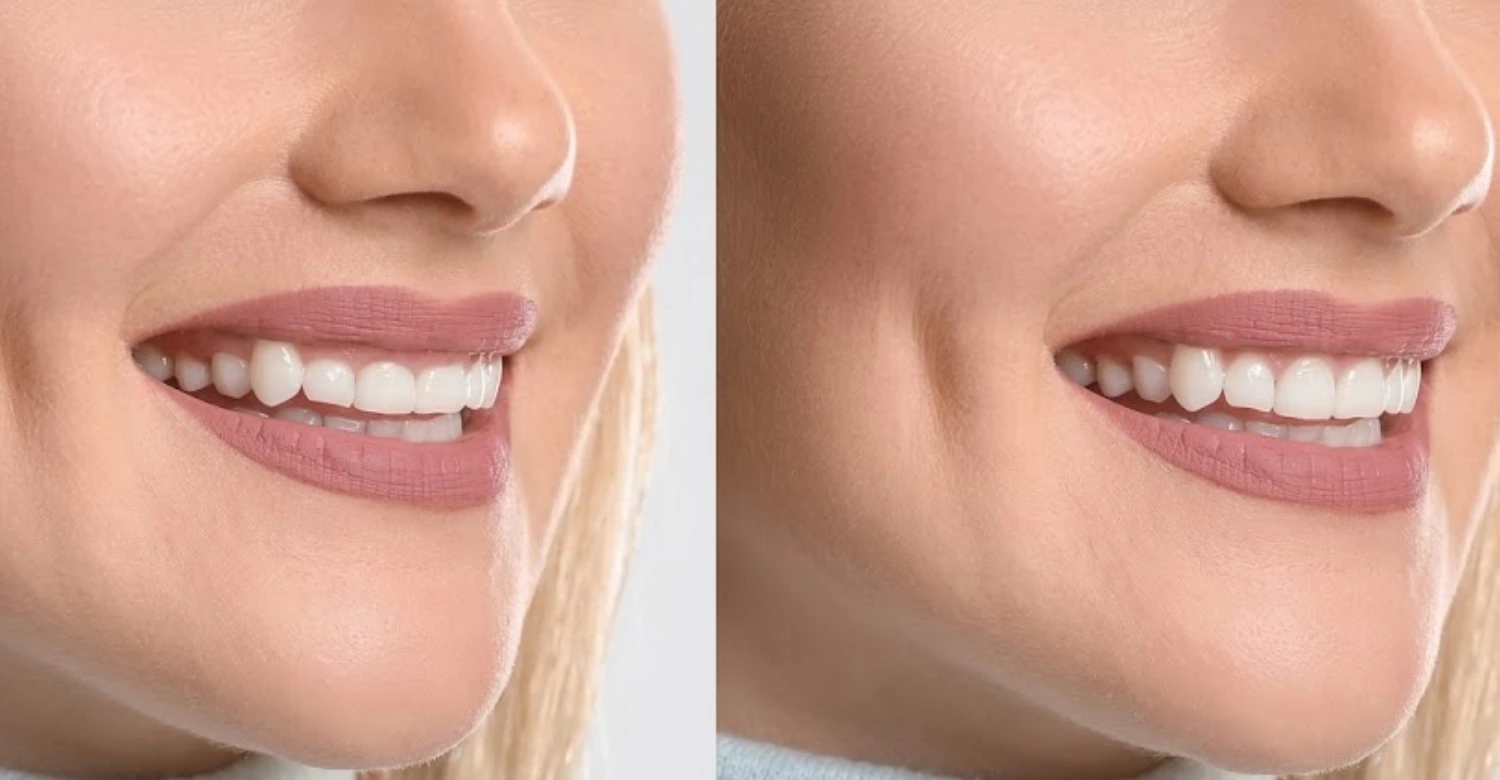
Gum Contouring Before and After Healing
Photographs taken immediately after treatment may not represent final results. Swelling and redness can temporarily alter gumline proportions. Healing tissue gradually becomes more stable and natural-looking over the course of the Gum Contouring Recovery Timeline and Aftercare. Final comparisons should therefore use appropriately timed photographs and clinical assessments.
Why Early Results May Look Different From Final Results
Freshly treated tissues can appear swollen or irregular. Color differences may also make the gumline appear temporarily uneven. These changes can improve as inflammation decreases and tissues mature. Patients should avoid making cosmetic judgments too early.
When Should You Evaluate the Final Gum Contouring Result?
Final evaluation should occur after adequate tissue stabilization. The exact timing depends on treatment extent and individual healing. Your dentist can determine when meaningful cosmetic comparison becomes appropriate. Clinical photographs can help document changes objectively over time.
Clinical Note: Evaluating the Final Gumline
A healthy result involves more than visual symmetry alone. Dentists also consider tissue health, periodontal architecture, tooth proportions, and stability. The final gumline should appear balanced while respecting biological periodontal boundaries. Clinical evaluation provides more reliable information than photographs alone.
Gum Contouring Recovery Timeline and Aftercare vs. Other Gum Procedures
Different gum procedures involve different tissue-management requirements. Recovery therefore cannot be directly compared using procedure names alone. Treatment extent, technique, and periodontal condition all influence healing. Patients should follow procedure-specific instructions from their treating clinician.
Gum Contouring vs. Gingivectomy Recovery
Gum contouring and gingivectomy can both involve gingival tissue removal. However, treatment objectives and tissue-management requirements can differ. A gingivectomy may address periodontal pockets or excessive gingival tissue. Cosmetic contouring often focuses on improving gumline proportions and symmetry.
Differences in Healing and Aftercare
Healing depends heavily on the amount and location of tissue treated. Larger procedures may create more postoperative discomfort and care requirements. Both procedures require appropriate oral hygiene during tissue recovery. The dentist should provide individualized instructions after evaluating the treatment area.
Laser Gum Contouring vs. Traditional Techniques
Laser and conventional techniques can both reshape selected gingival tissues. Clinical evidence indicates potential advantages for lasers in selected circumstances. These advantages may include improved hemostasis during soft-tissue procedures. Technique selection should remain based on clinical suitability.
Does Laser Treatment Always Mean Faster Healing?
No technique guarantees identical healing for every patient. Healing depends on tissue trauma, treatment extent, health factors, and aftercare. Laser technology may offer benefits in selected soft-tissue procedures. However, clinical outcomes depend on proper treatment planning and execution.
What We Notice Clinically: Gum Contouring Recovery Timeline and Aftercare
Clinical observation helps distinguish expected healing from concerning postoperative changes. Recovery should generally demonstrate progressive improvement rather than deterioration. Individual timelines remain variable even when procedures appear clinically similar. Follow-up allows clinicians to assess tissue health and treatment stability.
Common Recovery Patterns We Observe
Patients commonly report tenderness during the earliest recovery period. Swelling and redness may gradually decrease during the first week. The gumline often becomes visually calmer as tissues mature. Some patients recover faster than others despite receiving similar treatment.
Clinical Note: Assessing Healthy Gum Healing
Healthy healing involves gradual tissue stabilization without progressive worsening symptoms. The clinician assesses inflammation, tissue appearance, bleeding, and periodontal health. The gumline should become increasingly stable during follow-up. Unexpected findings should receive appropriate clinical investigation.
When Clinical Follow-Up Becomes Important
Follow-up becomes particularly important when symptoms persist or worsen. It can also confirm whether the gumline has stabilized appropriately. Patients with extensive treatment may benefit from closer monitoring. Professional assessment helps support safe and predictable outcomes.
Why Choose Vitrin Clinic for Gum Contouring Recovery Timeline and Aftercare?
Vitrin Clinic can provide structured planning around cosmetic gumline treatment. Treatment begins with evaluating smile proportions and periodontal considerations. Recovery guidance should also reflect the patient's specific treatment plan. A personalized approach can make postoperative expectations clearer.
Personalized Gum Contouring Treatment Planning
Treatment planning should consider both aesthetics and periodontal biology. The dentist evaluates gum position relative to the visible tooth structure. The objective is a balanced result without compromising healthy periodontal tissues.
Gum-to-Tooth Proportion Assessment
Gumline position strongly influences perceived tooth proportions. Excessive gingival display can make teeth appear visually shorter. Careful assessment helps determine whether gum reshaping may improve smile balance. Other dental conditions should also be considered before treatment.
Individualized Treatment Approach
Every patient has different gum anatomy and aesthetic objectives. Treatment should therefore avoid relying on standardized tissue-removal amounts. Individualized planning helps protect healthy structures while addressing cosmetic concerns.
Professional Recovery and Aftercare Support
Post-treatment support helps patients understand expected recovery changes as part of a well-managed Gum Contouring Recovery Timeline and Aftercare. Clear instructions can reduce confusion during the earliest healing period. Patients should know which symptoms require professional contact.
Personalized Aftercare Instructions
Instructions should address hygiene, diet, medication, and activity restrictions. Recommendations can vary according to procedure type and treatment extent. Patients should follow their clinic's instructions rather than generic online advice.
Healing Follow-Up and Evaluation
Follow-up allows clinicians to assess tissue healing and gumline stability. It can also identify unexpected inflammation or other concerns. Photographic comparison may help evaluate progressive aesthetic changes.
Your Gum Contouring Recovery Timeline and Aftercare Journey at Vitrin Clinic
A structured treatment journey can make cosmetic gum treatment easier to understand. Each stage has a specific purpose from initial assessment through final evaluation. Vitrin Clinic emphasizes treatment planning alongside recovery and aftercare guidance.
From Consultation to Final Healing
The treatment process begins with assessment rather than immediate tissue removal. Clinical findings determine whether contouring is appropriate for the patient. Recovery planning is discussed before treatment begins.
Step 1: Smile and Gumline Assessment
The clinician examines gum symmetry, tooth proportions, and gingival display. Periodontal health is also considered before cosmetic treatment. This assessment helps identify appropriate treatment areas.
Step 2: Personalized Treatment Plan
The dentist develops a plan according to individual anatomy and objectives. The expected gumline and treatment extent are discussed before the procedure. Patients can also receive personalized recovery expectations.
Step 3: Gum Contouring Procedure
Selected gum tissue is reshaped according to the approved treatment plan. The technique depends on clinical needs and available treatment options. The clinician aims for controlled and symmetrical tissue management.
Step 4: Recovery and Aftercare Guidance
Patients receive instructions covering hygiene, diet, medication, and tissue protection. Understanding these instructions can make early recovery more manageable. Patients should contact the clinic if symptoms appear.
Step 5: Follow-Up and Final Evaluation
Follow-up provides an opportunity to assess healing and gumline stability. The final cosmetic assessment should occur after sufficient tissue maturation. Additional recommendations can be provided when clinically appropriate.
Clinical Note: Why Professional Follow-Up Matters
Professional follow-up helps distinguish normal healing from unexpected complications. It also confirms whether tissue contours remain healthy and stable. Clinical monitoring becomes especially valuable after more extensive procedures. Patients should attend recommended appointments even when symptoms seem minimal.
Final Thoughts on Gum Contouring Recovery Timeline and Aftercare
Successful recovery depends on appropriate treatment, tissue protection, and consistent aftercare. Most patients experience progressive improvement rather than immediate final results. Temporary sensitivity, redness, and swelling can occur during early healing. Patients should monitor symptoms and follow professional instructions carefully. The final appearance should be judged after sufficient tissue stabilization.
Key Takeaways for a Smooth Gum Contouring Recovery Timeline and Aftercare
- Protect healing tissues from unnecessary mechanical irritation.
- Maintain gentle oral hygiene according to professional instructions.
- Choose comfortable foods during the earliest recovery period.
- Avoid smoking and habits that may interfere with tissue healing.
- Contact your dentist if pain, swelling, bleeding, or other symptoms worsen.
- Attend follow-up appointments to confirm appropriate tissue recovery.
Book Your FREE Treatment Plan at Vitrin Clinic
If you are considering gum reshaping, professional assessment should come first. Vitrin Clinic can evaluate your gumline and discuss suitable treatment options. A personalized consultation can clarify expected healing and aesthetic objectives. Your treatment plan should reflect your anatomy, periodontal health, and smile goals. Book your FREE Treatment Plan with Vitrin Clinic to discuss your options.


